

- 15 Iconic Pop Culture Catchphrases That Originated in Unexpected Places - April 13, 2026
- 12 Literary Characters So Real, They Feel Like Old Friends - April 13, 2026
- 10 Classic American Novels That Perfectly Capture the Spirit of Their Era - April 13, 2026
Few events capture the raw energy of a crowd like a music festival. Certain performances rise above the chaos, embedding themselves in collective memory and shaping how we view music and culture.
These moments often arrive amid rain-soaked fields or sweltering deserts. They redefine genres, challenge norms, and unite strangers in ways recordings never could.[1]
Jimi Hendrix’s Woodstock Closer
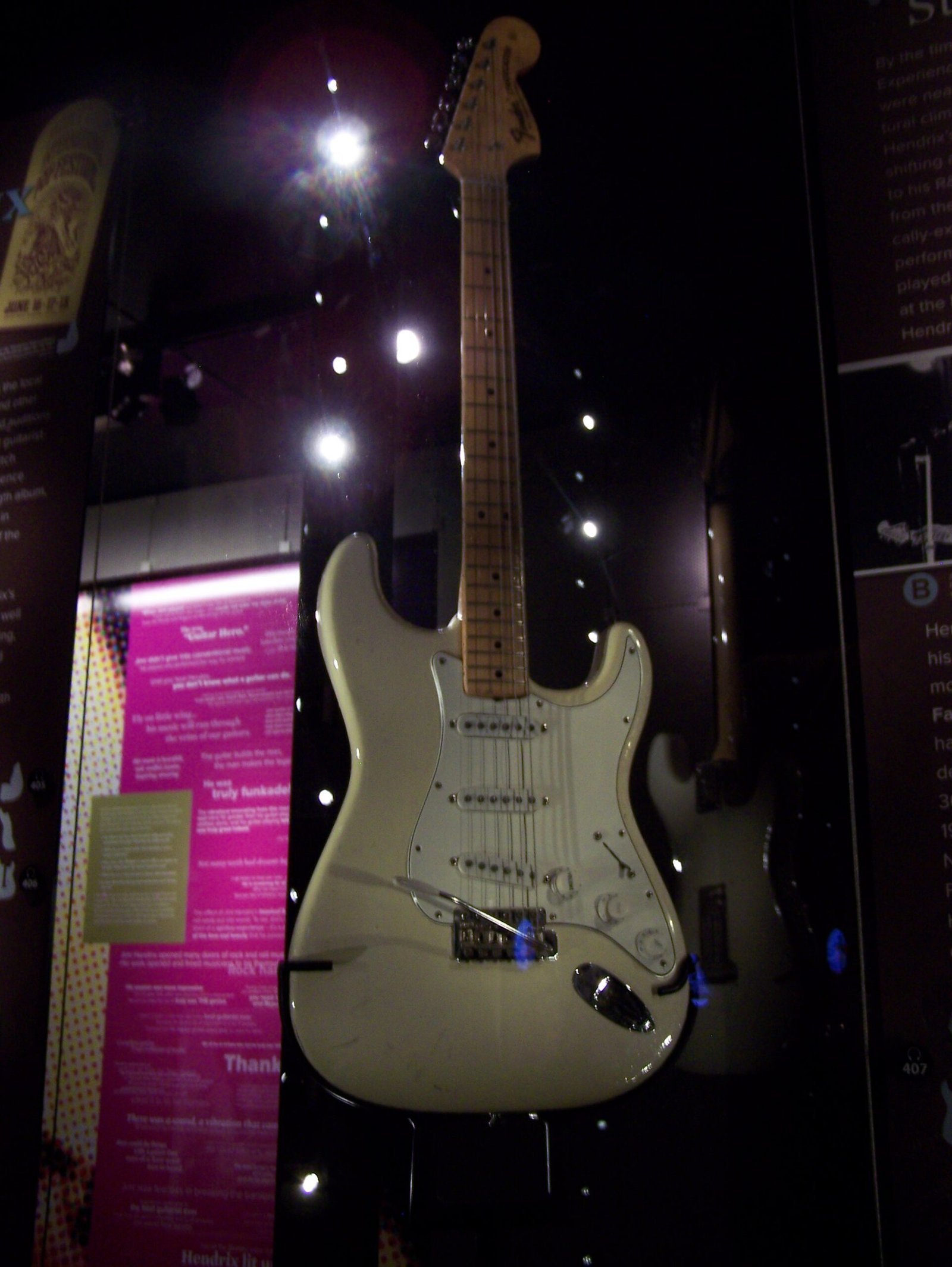
At Woodstock in 1969, Jimi Hendrix took the stage Monday morning after rain delays stretched the festival into dawn. He delivered a two-hour set blending hits like “Purple Haze” with a searing “Star-Spangled Banner,” using feedback and distortion to evoke war’s turmoil amid the peace movement.[1][2]
This finale symbolized the festival’s spirit of rebellion and hope. It influenced generations of guitarists and cemented Woodstock as rock’s defining gathering, replayed endlessly in films and media.[1]
Bob Dylan’s Electric Shift at Newport
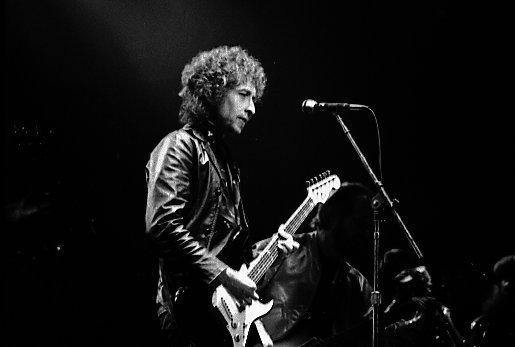
Bob Dylan shocked folk purists at the 1965 Newport Folk Festival by plugging in for songs like “Like a Rolling Stone.” Boos rang out from the crowd expecting acoustic protest tunes, but he pushed forward with a band before retreating for an encore acoustic number.[1][2]
The backlash highlighted tensions between folk traditions and rock’s rise. It marked Dylan’s evolution, inspiring artists to blend genres and sparking debates that echoed through music history.[1]
Queen’s Wembley Triumph at Live Aid
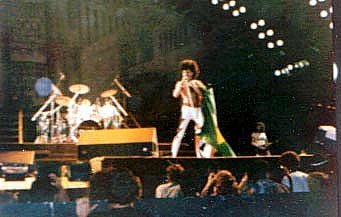
Queen commanded Wembley Stadium during 1985’s Live Aid with a 20-minute set of anthems like “Bohemian Rhapsody” and “We Will Rock You.” Freddie Mercury rallied the massive crowd into unified claps and sing-alongs, turning a famine relief broadcast into pure spectacle.[3]
Often called the greatest live show ever, it boosted Queen’s legacy posthumously. The performance redefined stadium rock and remains a benchmark for crowd engagement worldwide.[4]
Nirvana’s Chaotic Reading Peak
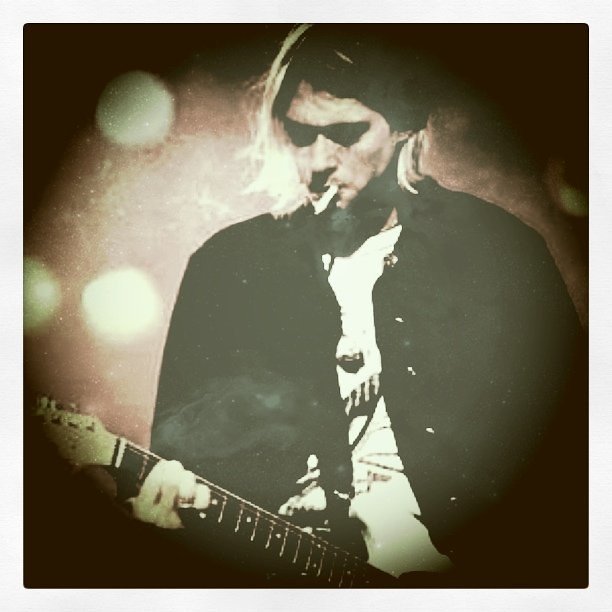
Nirvana headlined Reading Festival in 1992 amid grunge mania, with Kurt Cobain wheeled onstage in a wheelchair as a prank on health rumors. They tore through Nevermind tracks with raw fury, capturing their final UK show before tragedy.[1][3]
Released later as Live at Reading, it immortalized grunge’s pinnacle. The set influenced alternative rock’s ethos of authenticity over polish.[1]
Beyoncé’s Glastonbury Domination
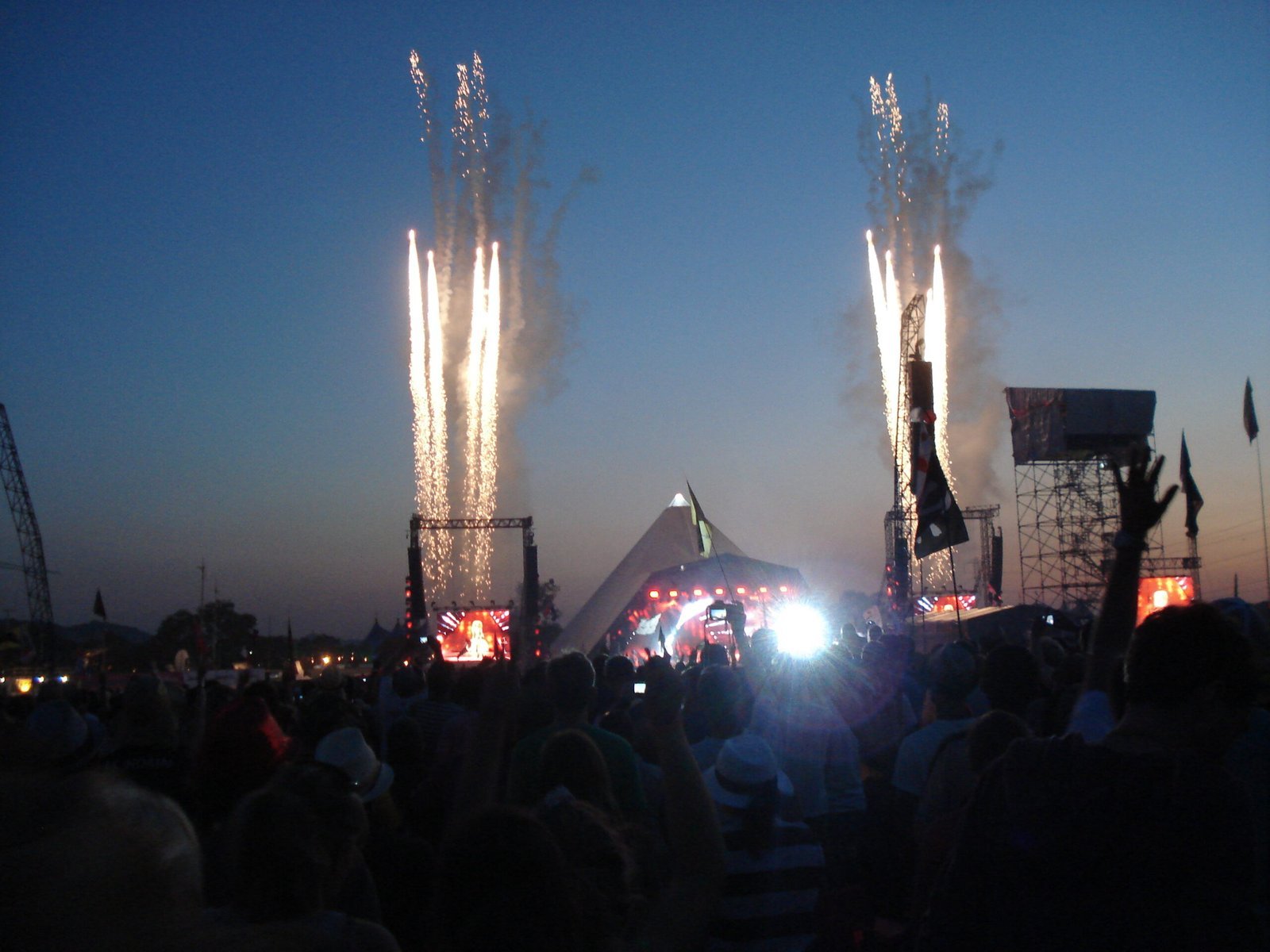
Beyoncé headlined Glastonbury in 2011, secretly pregnant, launching from a hydraulic platform into “Crazy in Love” and Destiny’s Child hits. Her command of the Pyramid Stage silenced doubters about R&B at a rock stronghold.[1]
As the first solo Black woman to headline, it broke barriers and inspired global pop spectacles. Beychella later echoed its cultural weight.[3]
Hendrix’s Fiery Monterey Debut
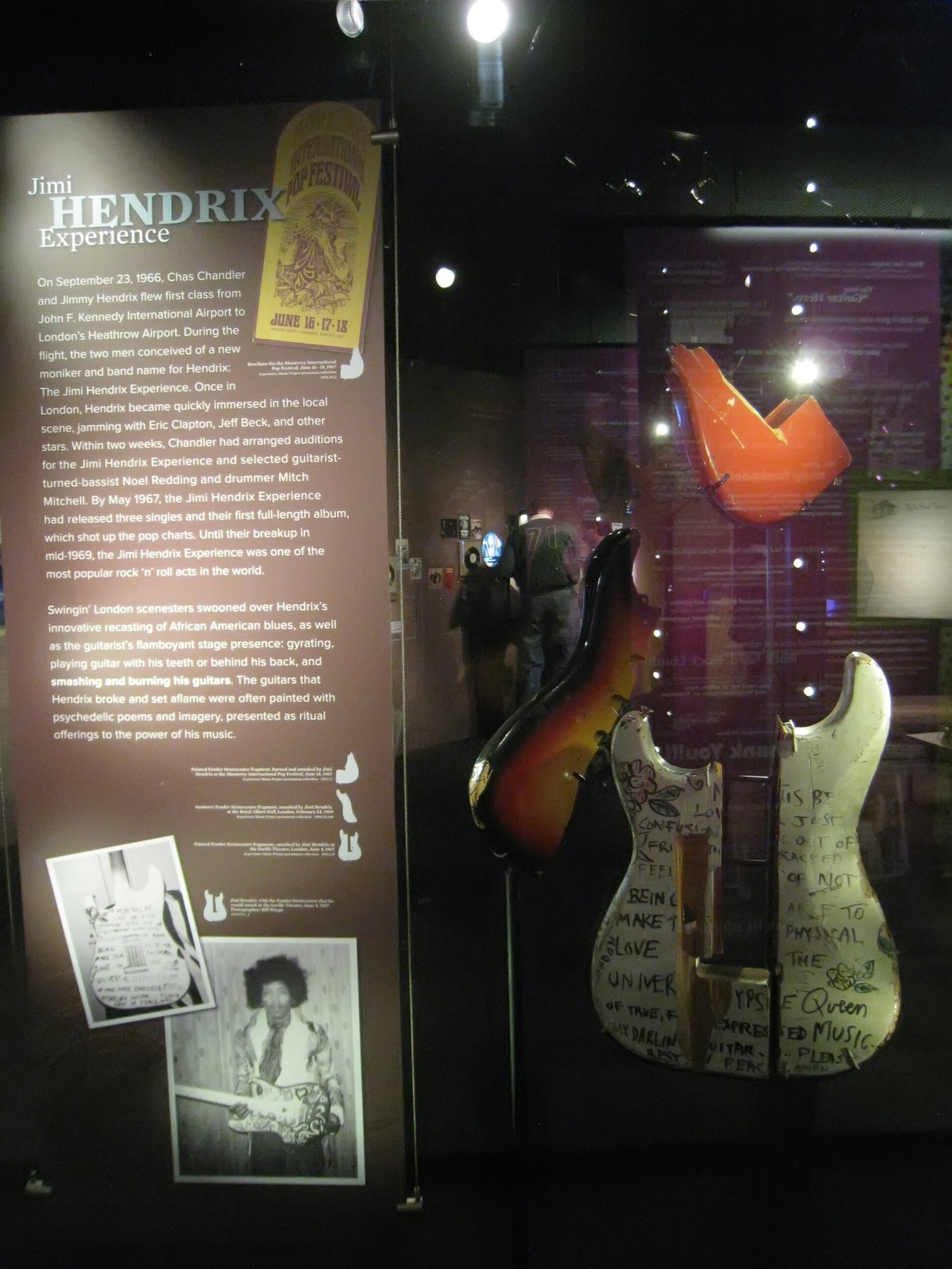
Uploaded by SunOfErat, CC BY 2.0)
Jimi Hendrix stunned Monterey Pop Festival in 1967 by dousing his guitar in lighter fluid, setting it ablaze, and smashing it after a blistering set. Following The Who, it escalated rock’s theatrical destruction.[2]
This launched Hendrix stateside, defining psychedelic rock visuals. Images from the act became rock iconography, copied by countless performers.[3]
Otis Redding’s Soulful Monterey Swan Song
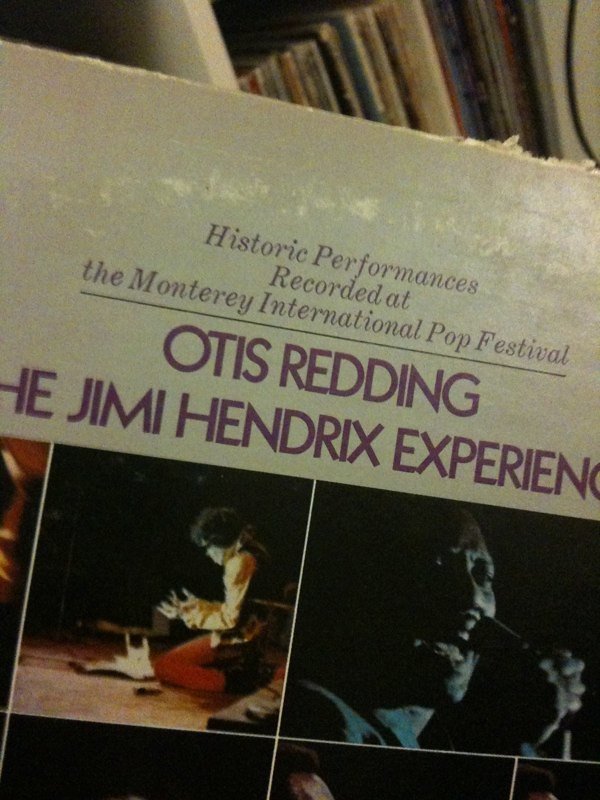
Otis Redding captivated Monterey Pop in 1967 with soul covers like “Satisfaction” backed by Booker T. & the M.G.’s. His raw emotion bridged R&B and rock during the Summer of Love.[1]
His last major show before a plane crash, it elevated soul’s festival presence. Footage amplified his influence on future artists.[4]
Daft Punk’s Pyramid Revolution at Coachella
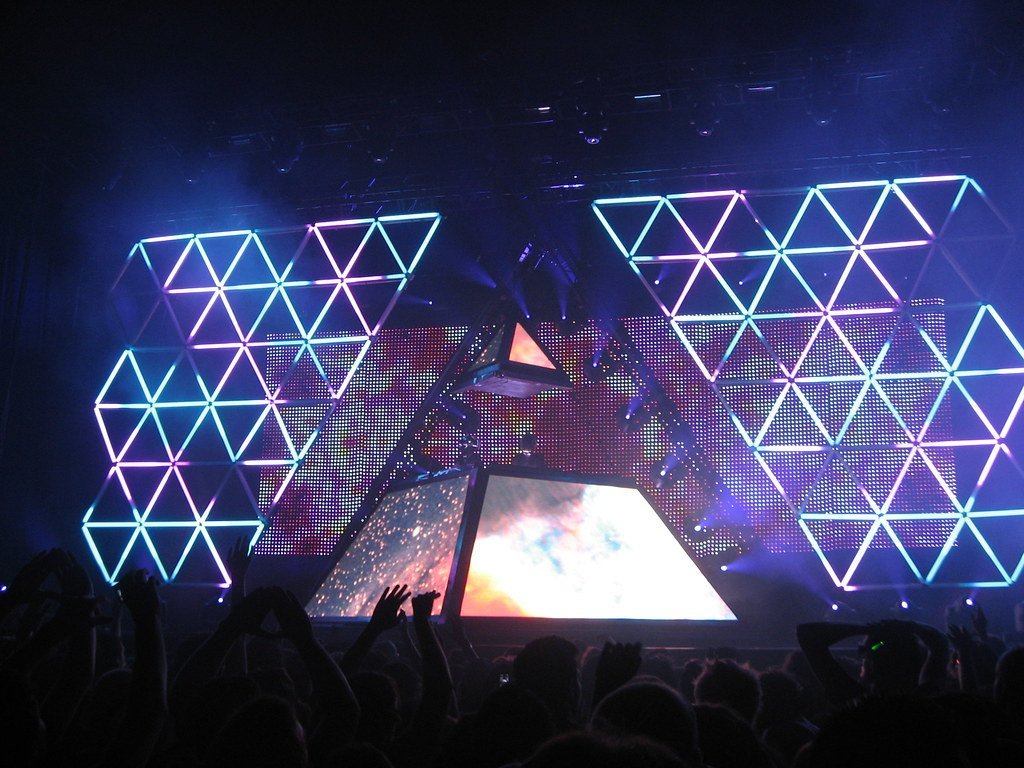
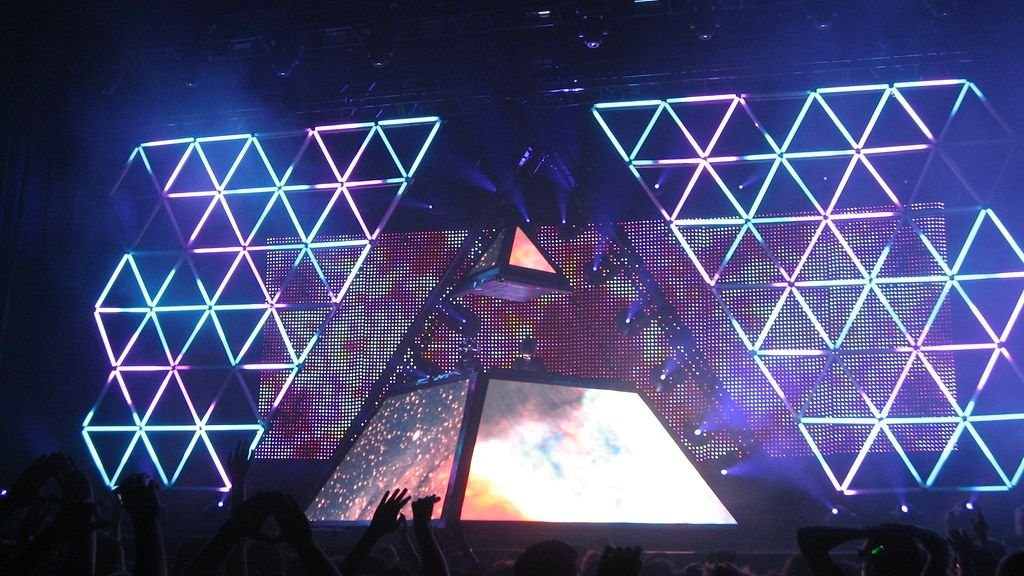
Daft Punk unveiled their illuminated pyramid at Coachella 2006, remixing hits in robot helmets amid lasers. The production fused EDM with live energy, toppling expectations for electronic acts.[1]
It ignited the EDM boom, influencing festival visuals globally. Their mystique grew, shaping dance music’s mainstream ascent.[4]
Jay-Z’s Bold Glastonbury Takeover
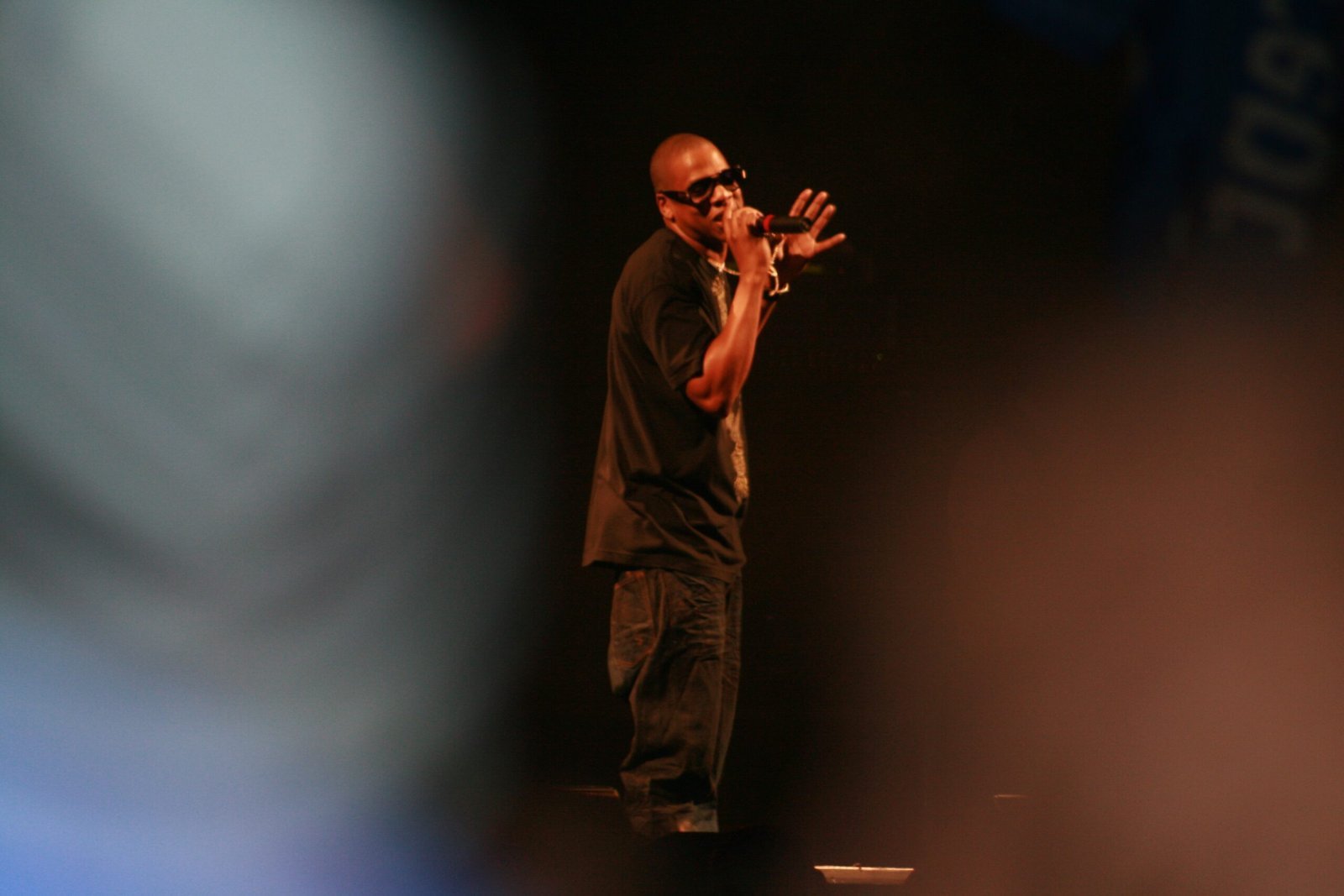
Jay-Z headlined Glastonbury 2008 despite rockist backlash, opening with Oasis’s “Wonderwall” into his hits. He proved hip-hop’s festival viability with charisma and spectacle.[4]
This paved the way for diverse headliners like Beyoncé. It challenged genre gatekeeping in UK festivals.[5]
Oasis’s Britpop Ignition at Glastonbury
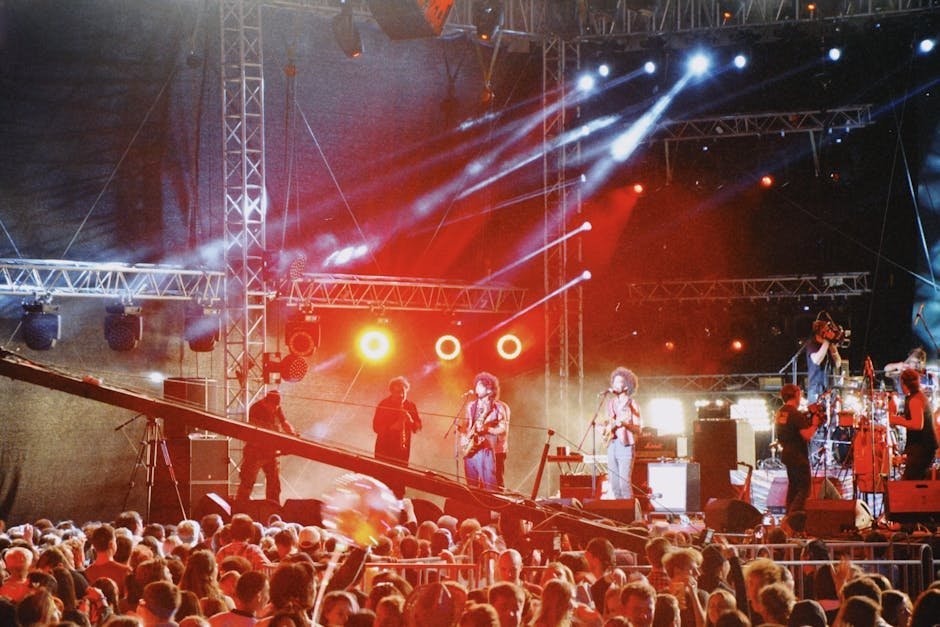
Oasis debuted at Glastonbury 1994 with anthems like “Live Forever,” broadcast live for the first time. Their swagger amid Blur rivalry captured Britpop’s peak energy.[3][5]
The set fueled their rise and the era’s guitar revival. It remains a touchstone for 90s UK rock nostalgia.[5]
Radiohead’s Bonnaroo Odyssey
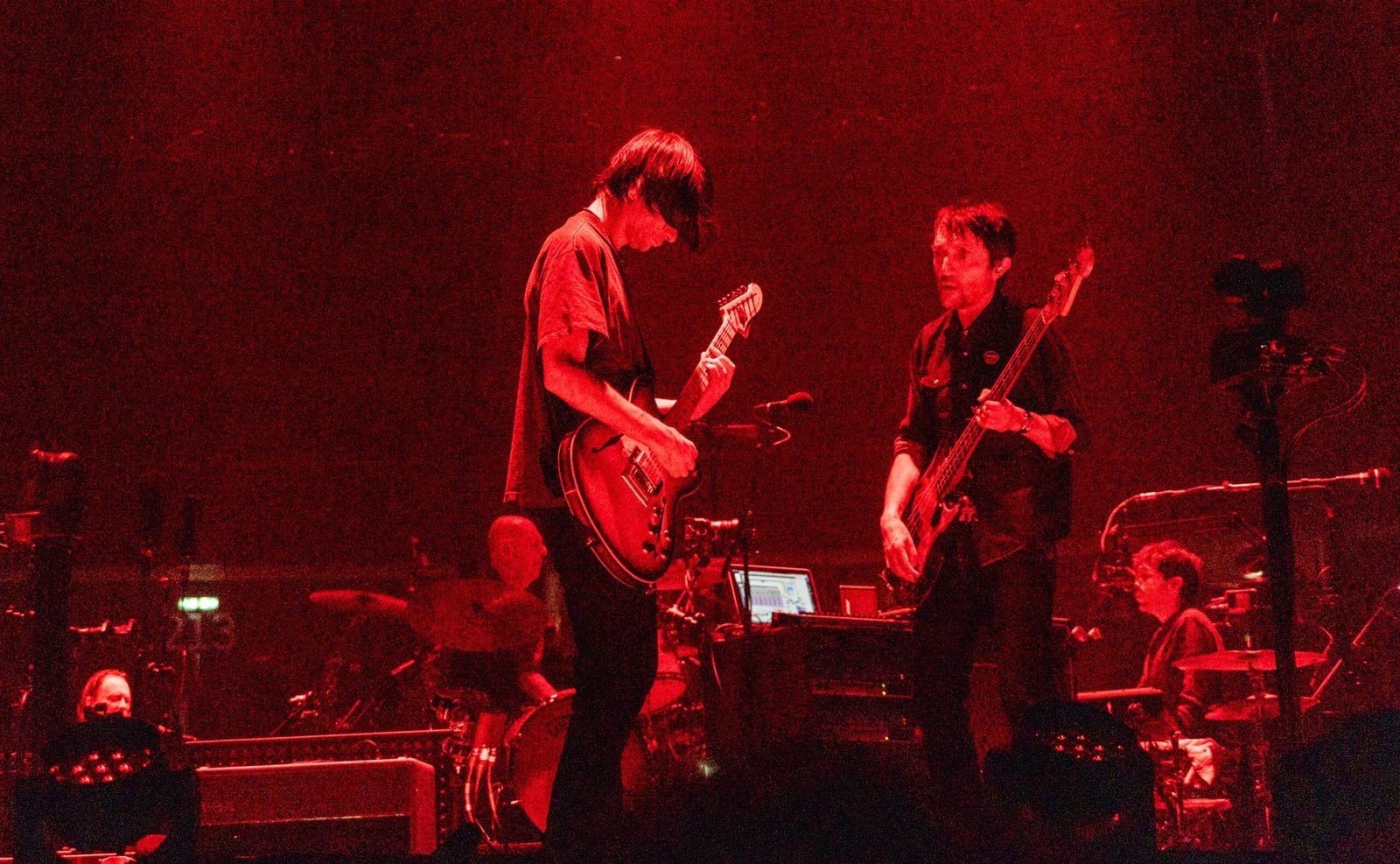
Radiohead played a marathon 28-song set at Bonnaroo 2006, debuting In Rainbows tracks amid deep cuts. Fans endured for hours in humid Tennessee fields.[1]
Hailed as their finest show, it showcased art-rock endurance. It solidified their experimental reputation post-hiatus.[1]
Prince’s Coachella Surprise Covers
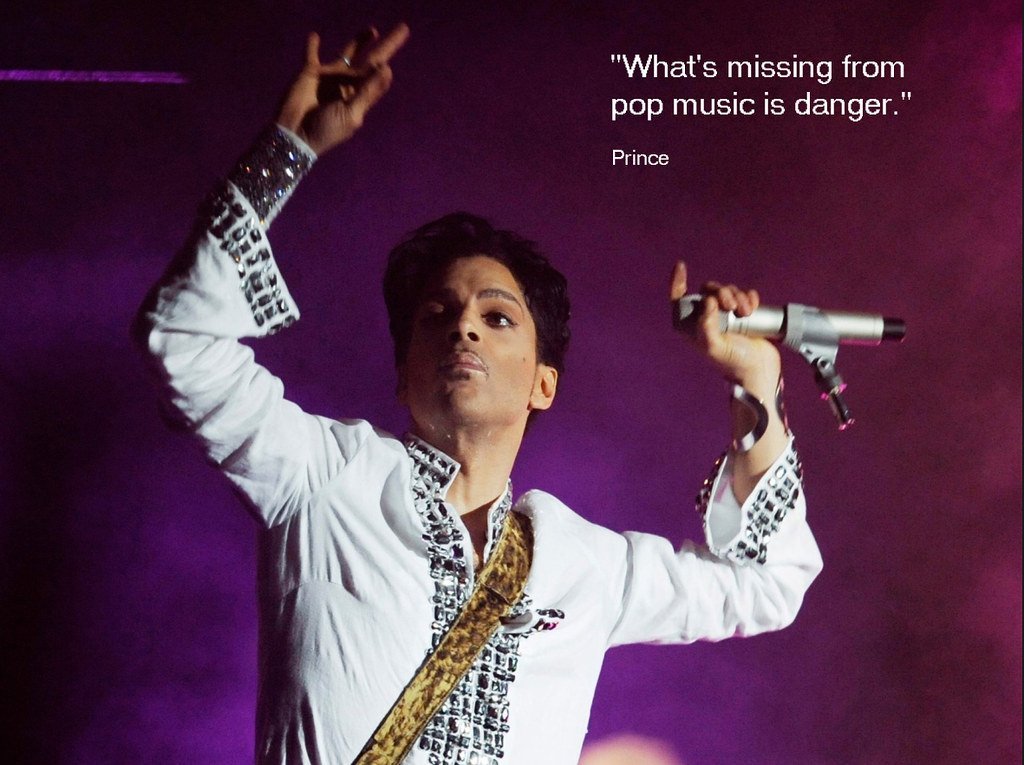
Prince headlined Coachella 2008 with ecstatic covers of Radiohead’s “Creep” and Beatles tunes, backed by the New Power Generation. His guitar wizardry lit up the desert night.[1]
The set highlighted his genre fluidity, revisited after his passing. It elevated festival covers as high art.[1]
The Lasting Echo of Shared Stages
These moments remind us how festivals forge bonds beyond screens. They capture humanity’s thrill in collective rhythm.
Live unpredictability endures, turning fleeting highs into timeless lore.[1]
CEO-Co-Founder
