

- 10 Brave Women Who Fooled Entire Armies - March 28, 2026
- 12 Historical Figures Whose Fashion Sense Still Influences Today’s Trends - March 28, 2026
- 15 Wacky and Wonderful Summer Festivals in The US - March 28, 2026
Classic books often feel timeless, like they sprang fully formed from some literary ether. Yet behind their pages lie wild personal dramas, eerie coincidences, and gritty real-life sparks that shaped everything.
Picture stormy nights fueling nightmares or chance conversations igniting epic quests. These hidden origins reveal how ordinary chaos birthed extraordinary tales. Let’s uncover them.[1][2]
Frankenstein by Mary Shelley
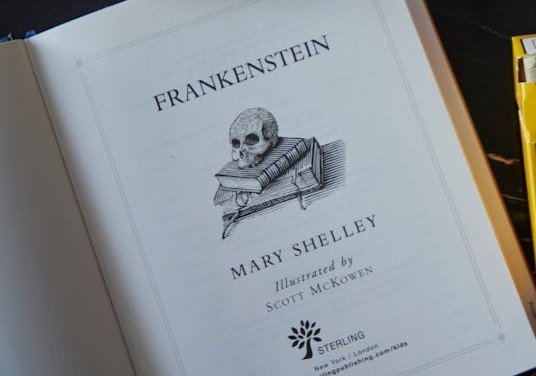
Mary Shelley penned Frankenstein during a gloomy summer in 1816 at Villa Diodati on Lake Geneva. Trapped indoors by relentless rain from the Mount Tambora eruption, she joined Percy Shelley, Lord Byron, and others in a ghost story challenge. A vivid nightmare of a scientist reviving a creature gripped her, blending galvanism experiments with fears of playing God.[1][3]
This context infused the novel with gothic dread and moral questions about creation. The isolated villa mirrored Victor Frankenstein’s obsessive solitude. Published anonymously in 1818, it exploded into a cultural force, forever linking science and horror. Honestly, knowing this makes the monster’s loneliness hit harder.
Moby-Dick by Herman Melville

Herman Melville drew straight from his grueling whaling voyage on the Acushnet in the 1840s. He met real sailors who echoed his characters, and tales of the savage sperm whale Mocha Dick fueled Captain Ahab’s rage. The 1820 sinking of the Essex, where survivors turned to cannibalism, added brutal realism to the ocean’s perils.[1][4]
Melville wove these into an epic obsession with the white whale, turning personal hardship into philosophy. The historical whaling boom provided the gritty backdrop. I think it transforms the book from a sea yarn into a raw confrontation with fate. No wonder it sank at first, then resurfaced as a masterpiece.
To Kill a Mockingbird by Harper Lee
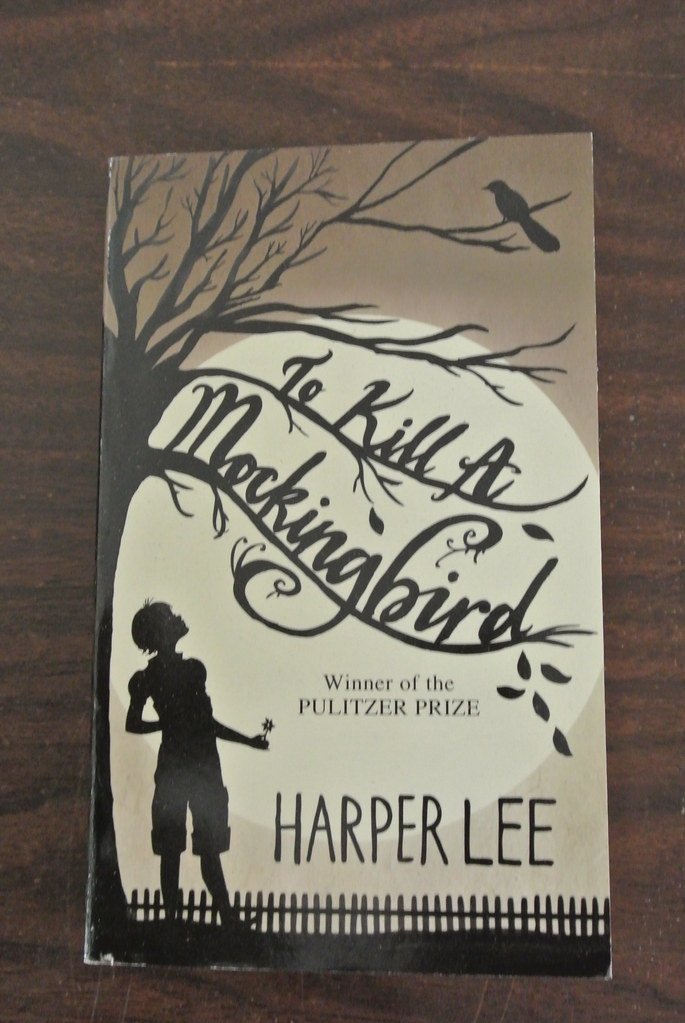
Harper Lee’s Monroeville, Alabama childhood seeped into every page. Her lawyer father defended Black clients in hopeless cases, much like Atticus Finch. Friend Truman Capote inspired Dill, while a reclusive neighbor shaped Boo Radley. Lee’s tomboy days echoed Scout’s spunk.[1][4]
The 1930s Depression South framed racial tensions that tested small-town morals. This personal lens made the injustice feel visceral. Though Lee denied autobiography, the echoes deepen its punch. It leaves you pondering how kids see truth adults ignore.
Little Women by Louisa May Alcott
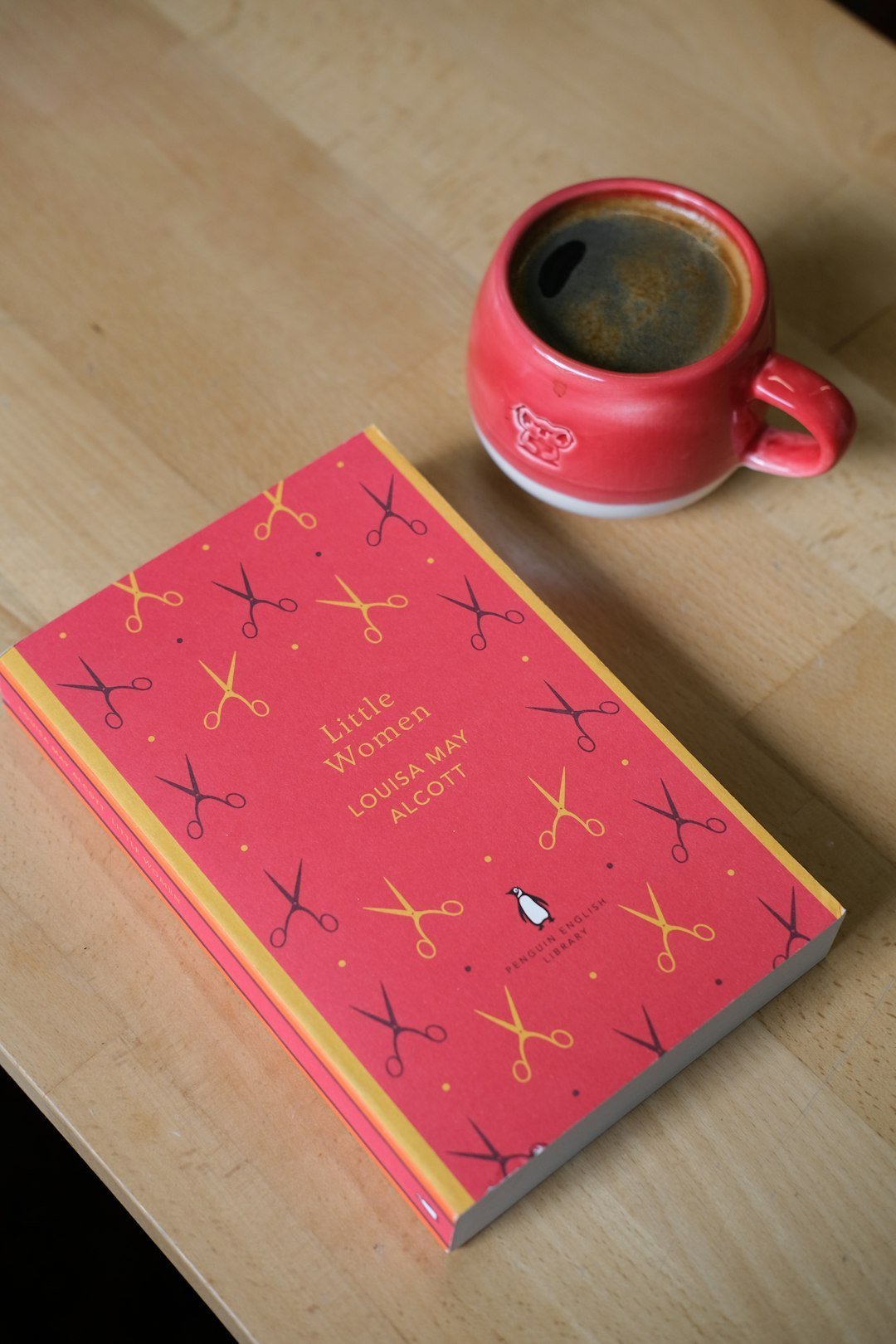
Louisa May Alcott mirrored her own family in the March sisters. Jo captured her fiery spirit, Meg her sister Anna’s poise, Beth the tragic Elizabeth, and Amy the artistic May. Civil War poverty and their transcendentalist father Bronson loomed large, though softened into hope.[1][4]
The 1860s home front struggles fueled themes of resilience and sisterhood. Alcott’s feminist edge shone through Jo’s independence. Here’s the thing: it turns domestic life into an adventure. Families still nod along, seeing their own bonds reflected.
The Hound of the Baskervilles by Arthur Conan Doyle
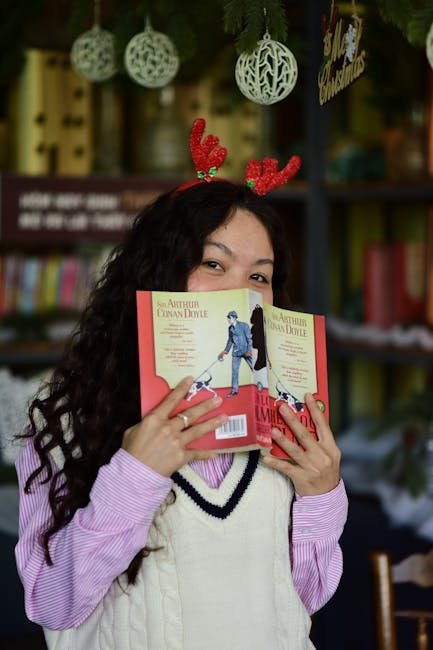
Arthur Conan Doyle got the spark from journalist Bertram Fletcher Robinson in 1900. Over dinner, Robinson shared a Dartmoor legend of squire Richard Cabell, who supposedly sold his soul to the Devil and met a hellhound fate in 1677. This twisted into Sherlock Holmes’ moorland mystery.[1][4]
Edwardian fascination with folklore amplified the supernatural chill. Doyle credited Robinson as co-creator, blending fact with deduction. The gloomy moors became a character themselves. It revived Holmes when Doyle wanted him dead. Pure genius from a ghost story.
The Strange Case of Dr. Jekyll and Mr. Hyde by Robert Louis Stevenson
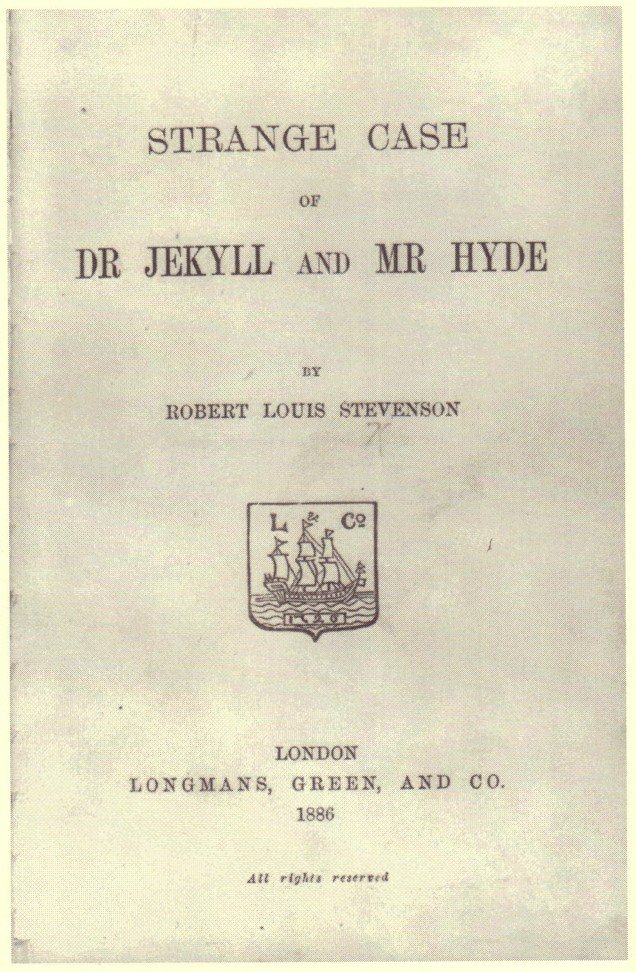
A feverish dream in 1885 jolted Robert Louis Stevenson awake, revealing a man transforming into a monster. It echoed real Edinburgh figure Deacon Brodie, a respectable cabinetmaker by day and burglar by night. Or perhaps the poison trial of Eugene Chantrelle, Stevenson’s acquaintance.[1][4]
Victorian hypocrisy and split personalities gripped the era’s psyche. Stevenson burned the first draft, rewriting in a frenzy. The duality haunted readers, birthing “Jekyll and Hyde” as shorthand for inner conflict. Wild how one nightmare captured the human soul’s war.
The Hobbit by J.R.R. Tolkien
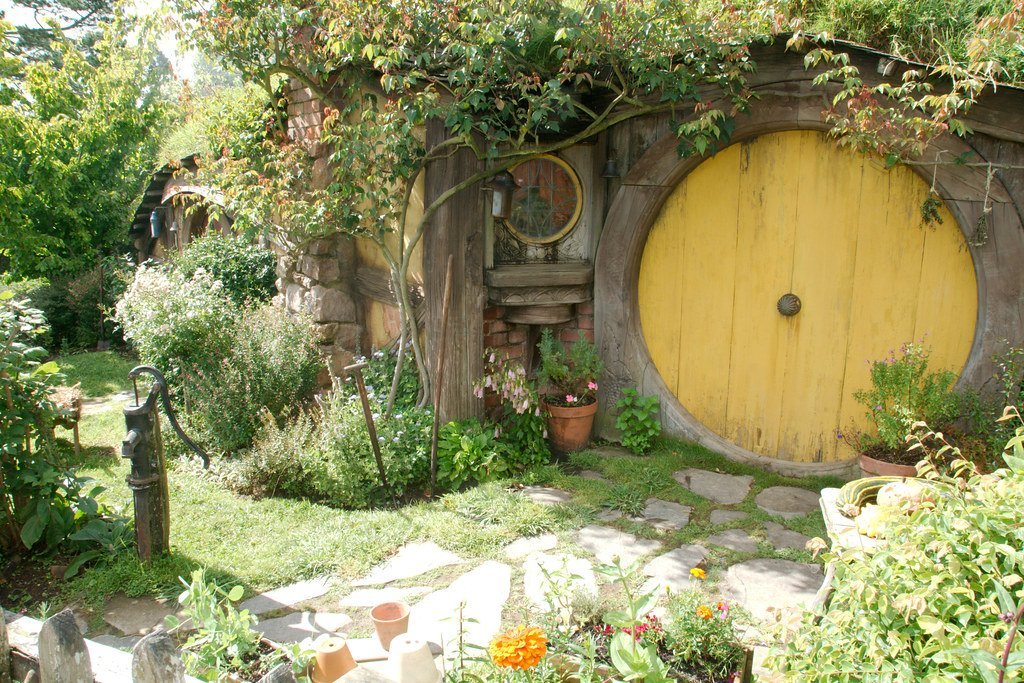
J.R.R. Tolkien scribbled “In a hole in the ground there lived a hobbit” on a blank exam paper while grading in the 1930s. The made-up word surprised him, sparking Bilbo’s tale. His World War I trench horrors and love of ancient myths seeded Middle-earth’s depth.[2]
The interwar yearning for escape shaped its cozy heroism. Tolkien expanded it for his kids, blending Norse sagas with whimsy. This origin makes the epic feel intimate. Suddenly, that reluctant adventurer hits close to home for us reluctant heroes.
Dracula by Bram Stoker
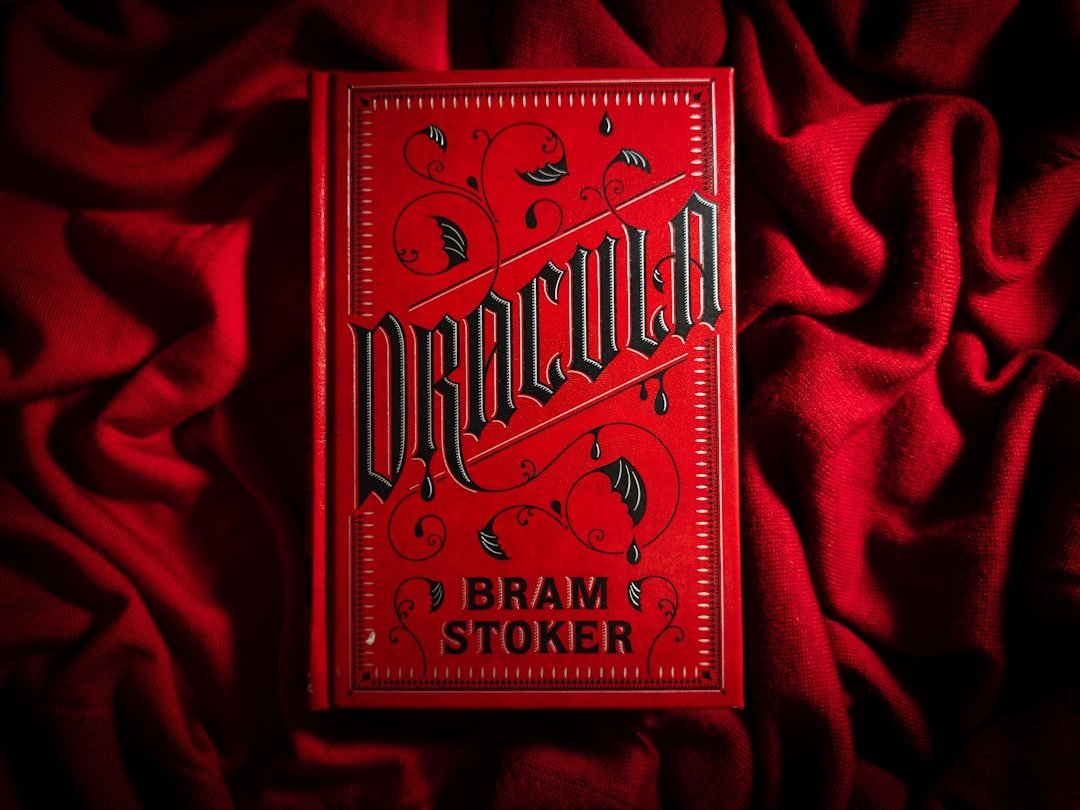
Bram Stoker soaked up Romanian vampire lore from Emily Gerard’s 1888 book The Land Beyond the Forest. Tales of nosferatu bloodsuckers who rise post-death gripped him. A Whitby shipwreck in 1885, with a massive black dog fleeing survivors, added coastal terror.[3]
Late Victorian occult fever and imperial fears of the exotic East fueled the invasion plot. Stoker researched obsessively for seven years. The result pinned eternal dread to modern tech like typewriters. It proves folklore evolves into nightmares we can’t shake.
Catch-22 by Joseph Heller
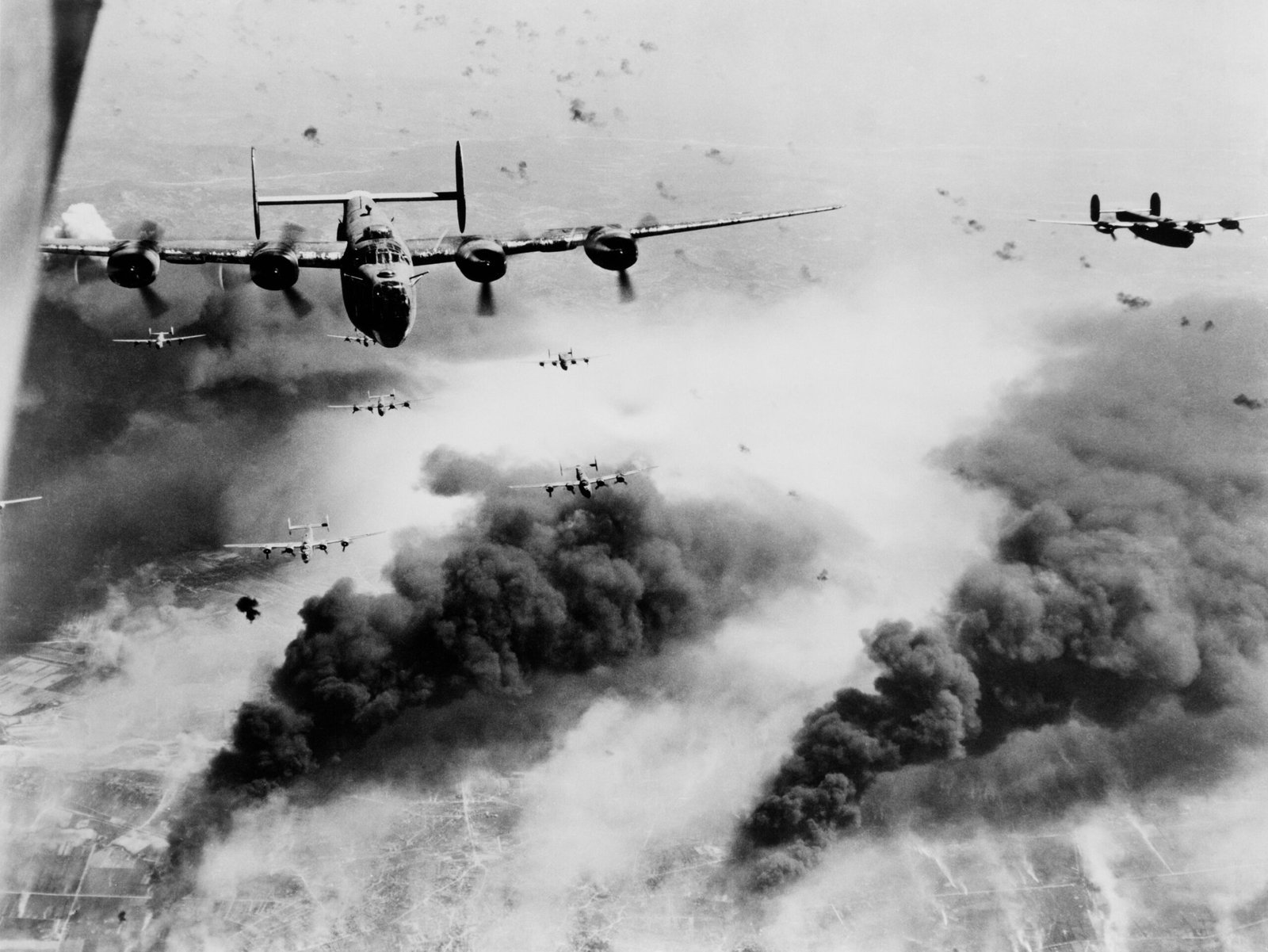
Joseph Heller’s World War II bombing runs over Europe left him with ticks and nightmares. A 1953 quip about a pilot loving a chaplain bloomed into the novel over eight years. His PTSD therapy turned absurdity into satire on war’s madness.[1][4]
The 1940s aerial campaigns provided the chaotic backdrop. Heller captured bureaucracy’s lunacy brilliantly. Published in 1961, it named a paradox. Let’s be real, it makes you laugh through the horror of senseless rules.
Anna Karenina by Leo Tolstoy
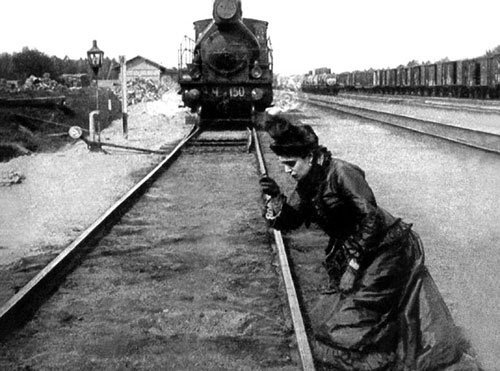
Leo Tolstoy attended the 1872 autopsy of Anna Pirogova, who flung herself under a train after lover betrayal. Her mangled body and suicide note scorched his mind. This real tragedy ignited the noblewoman’s doomed affair.[1][4]
Russian society’s rigid morals framed her despair. Tolstoy layered philosophy atop the drama. The train scene pulses with raw finality now. It shows how one death ripples into immortality.
Crime and Punishment by Fyodor Dostoyevsky
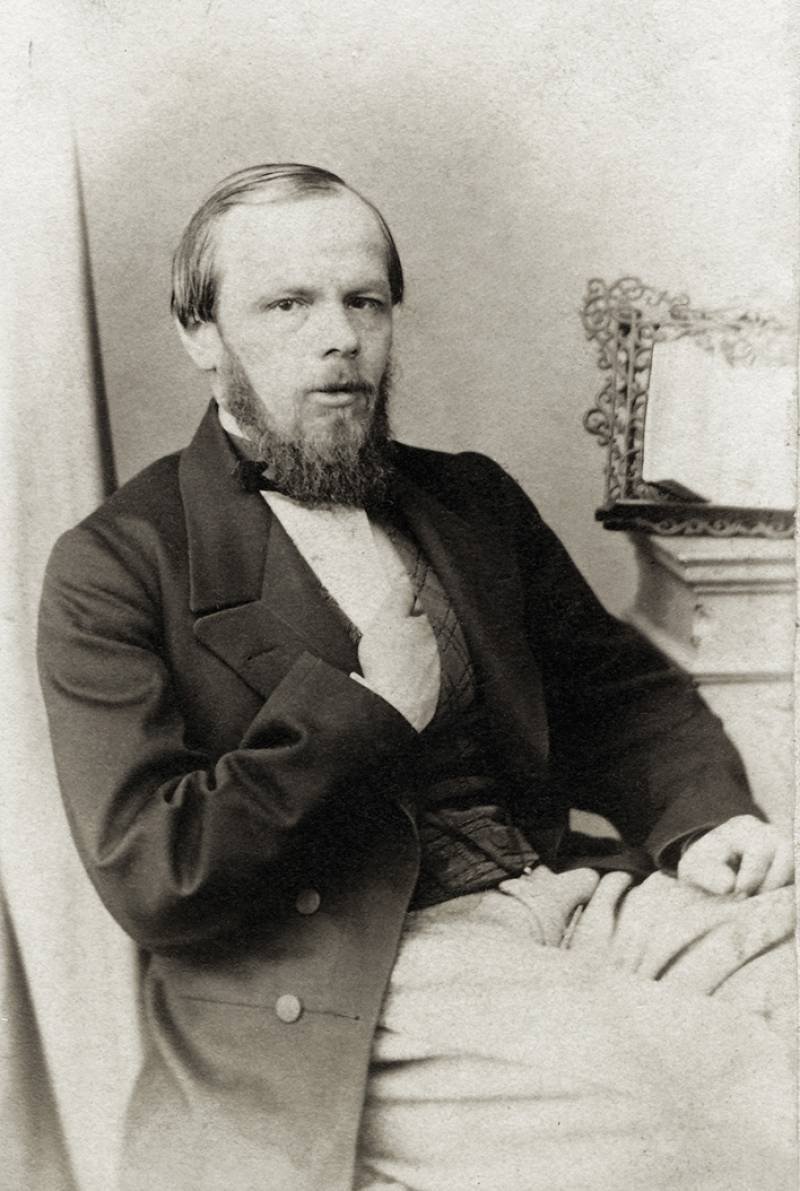
Fyodor Dostoyevsky fixated on French killer Pierre François Lacenaire, guillotined in 1836 for ax murders. Lacenaire justified his crimes as social protest, mirroring Raskolnikov’s pawnshop slayings. Dostoyevsky pored over trial records.[1][4]
1860s St. Petersburg slums bred the nihilist angst. His own Siberian exile added guilt’s torment. The psychological spiral feels brutally real. No wonder it probes the soul’s darkest excuses.
Robinson Crusoe by Daniel Defoe
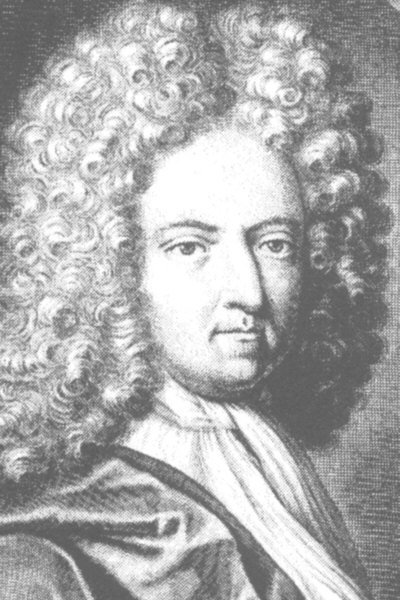
Daniel Defoe likely blended castaway Alexander Selkirk’s four-year Pacific ordeal with others like Robert Knox’s Ceylon captivity. Selkirk’s voluntary marooning and survival skills echoed Crusoe’s ingenuity. Pitman’s penal escape added pirate flair.[1]
Early 1700s colonial adventures framed solitary providence. Defoe spun it as spiritual memoir. This mashup birthed the survival genre. Imagine thriving alone, like Crusoe, and what it says about us.
Why These Backstories Matter

Peeling back these origins turns dusty classics into living breaths of their creators’ worlds. Personal pains, chance chats, and era’s shadows forged timeless truths. They remind us literature thrives on messy humanity.
Next reread, spot those threads. Doesn’t it make the stories richer, almost alive? What origin shocked you most?

Besides founding Festivaltopia, Luca is the co founder of trib, an art and fashion collectiv you find on several regional events and online. Also he is part of the management board at HORiZONTE, a group travel provider in Germany.
