

- 12 Famous Authors Whose Personal Lives Were Wilder Than Their Fiction - March 29, 2026
- 10 Surprising Ways Modern Visitors Have Harmed Historic Sites - March 29, 2026
- 10 Most Expensive Paintings in the World - March 29, 2026
We tend to think of writers as quiet, introverted souls tucked away in candlelit rooms, filling pages with invented adventures. The truth, though, is often far stranger and far more dramatic than anything they put on paper. The lives of famous authors are as varied and complex as their work, and by exploring them in depth, we gain a greater understanding of how personal experiences, relationships, and societal events shape great writers.
There is something almost surreal about discovering that the person who crafted calm, measured prose was simultaneously surviving wars, fleeing creditors, staging duels, or standing in front of a firing squad. Writers are complex individuals shaped by their personal lives and relationships, and those experiences can often be seen in their work, whether through themes, characters, or literary influences. If you think the fiction was gripping, wait until you hear what these authors actually lived through. Let’s dive in.
1. Ernest Hemingway: The Man Who Was Larger Than His Own Legends
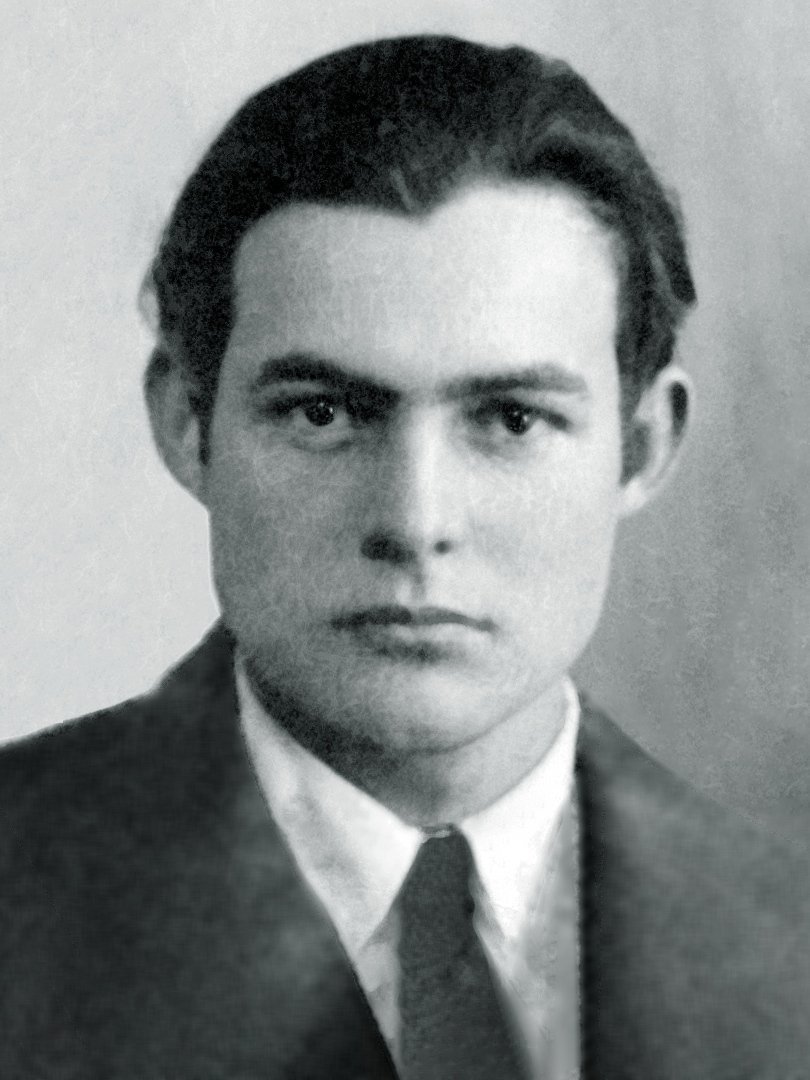
Ernest Miller Hemingway was an American novelist, short-story writer, and journalist. Known for an economical, understated style that influenced later 20th-century writers, he was romanticized for his adventurous lifestyle and outspoken public image, and some of his seven novels, six short-story collections, and two nonfiction works became classics of American literature. Honestly, though, even that description barely scratches the surface of who this man was.
He volunteered to drive ambulances in WWI as a teenager, fought in and reported on the Spanish Civil War, and helped free Paris at the end of WWII. He was a lover of many, husband of four, and winner of a Nobel Prize. Hemingway had been married four times: to Hadley Richardson in 1921, Pauline Pfeiffer in 1927, Martha Gellhorn in 1940, and Mary Welsh in 1946. Each marriage planted the seeds of a new novel. On a 1954 trip to Africa, Hemingway was seriously injured in two successive plane crashes, leaving him in pain and ill health for much of the rest of his life. He died by suicide in 1961, a tragic ending to a life that had been nothing short of mythological.
2. Fyodor Dostoevsky: Sentenced to Death, Then Wrote Crime and Punishment
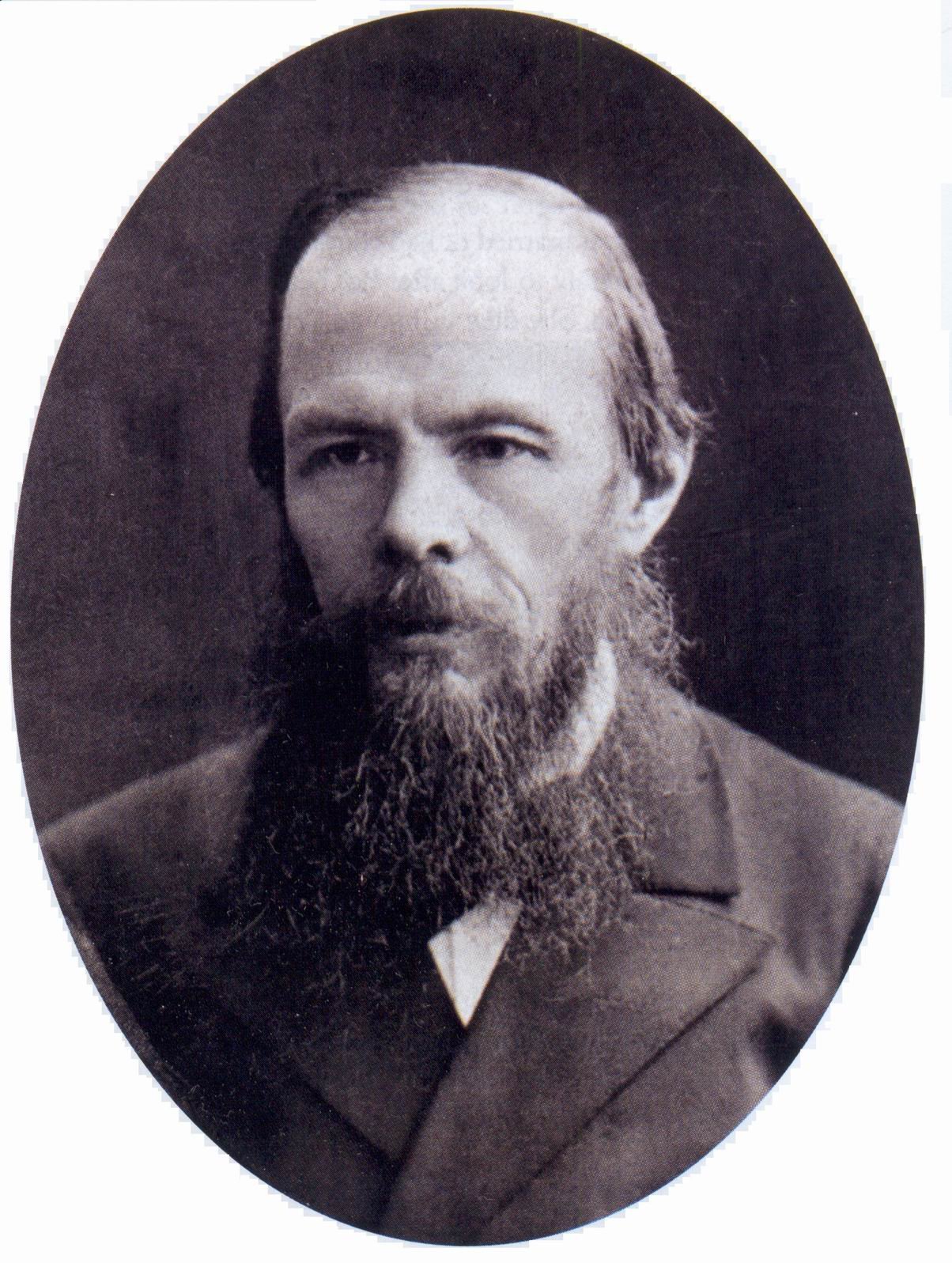
Most writers have a bad deadline or two. Dostoevsky stood in front of a firing squad. On November 16, 1849, a Russian court sentenced Fyodor Dostoevsky to death for his allegedly anti-government activities linked to a radical intellectual group. His execution was stayed at the last minute. Think about that for a moment. The man who would go on to write the greatest psychological thriller in literary history genuinely believed he was about to die.
Arrested, interrogated, tried, and found guilty, his sentence, along with twenty-three others, was death by firing squad. The authorities marched the men out to be executed, but at the last minute the firing squad was interrupted and the prisoners’ sentences were commuted to four years of penal servitude in Omsk, Siberia, followed by six years of military service in exile. For eight years of his life he was addicted to roulette, and it was during this very time that he wrote Crime and Punishment. What makes Dostoevsky’s work so disturbing and illuminating is that he didn’t write about suffering from a comfortable distance – he wrote from within it. His characters feel so real because they’re inhabited by his own demons, animated by his own struggles with faith, doubt, love, and the terrible freedom of moral choice.
3. Oscar Wilde: From the Toast of Victorian Society to Hard Labor
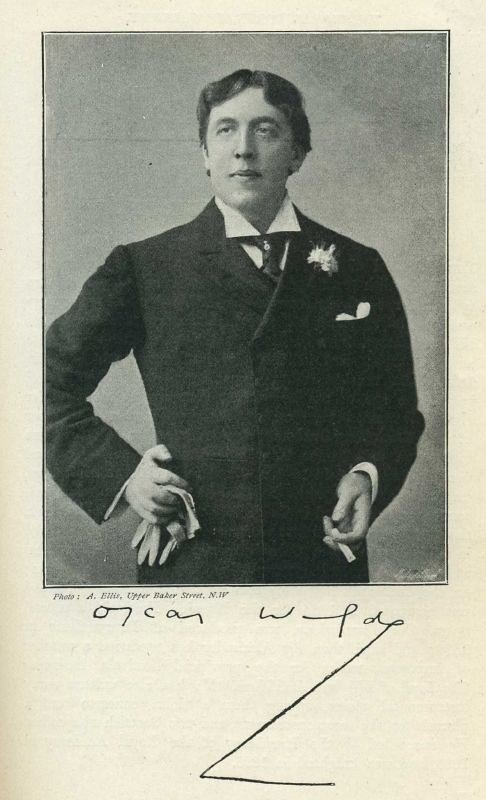
Oscar Wilde was a playwright, novelist, poet, and celebrity in late nineteenth-century London. His flamboyant dress, cutting wit, and eccentric lifestyle often put him at odds with the social norms of Victorian England. He was the most celebrated writer in London, throwing the most lavish parties, producing the most quoted plays. Then it all collapsed with spectacular, devastating speed.
Around the time he was enjoying his greatest literary success, Wilde commenced an affair with a young man named Lord Alfred Douglas. His father, the Marquis of Queensberry, had gotten wind of the relationship and left a calling card at Wilde’s home accusing him. Although Wilde’s homosexuality was something of an open secret, he was so outraged that he sued him for libel. The decision ruined his life. When the trial began, Queensberry and his lawyers presented evidence of Wilde’s homosexuality that resulted in the dismissal of Wilde’s libel case and his arrest on charges of gross indecency. During his last year in prison he wrote De Profundis, a long letter that discusses his spiritual journey and is a dark counterpoint to his earlier philosophy of pleasure. On the day of his release, he caught the overnight steamer to France, never to return to Britain or Ireland. In France and Italy, he wrote his last work, The Ballad of Reading Gaol, a long poem commemorating the harsh rhythms of prison life.
4. Charles Dickens: Champion of the Poor, Chaos at Home
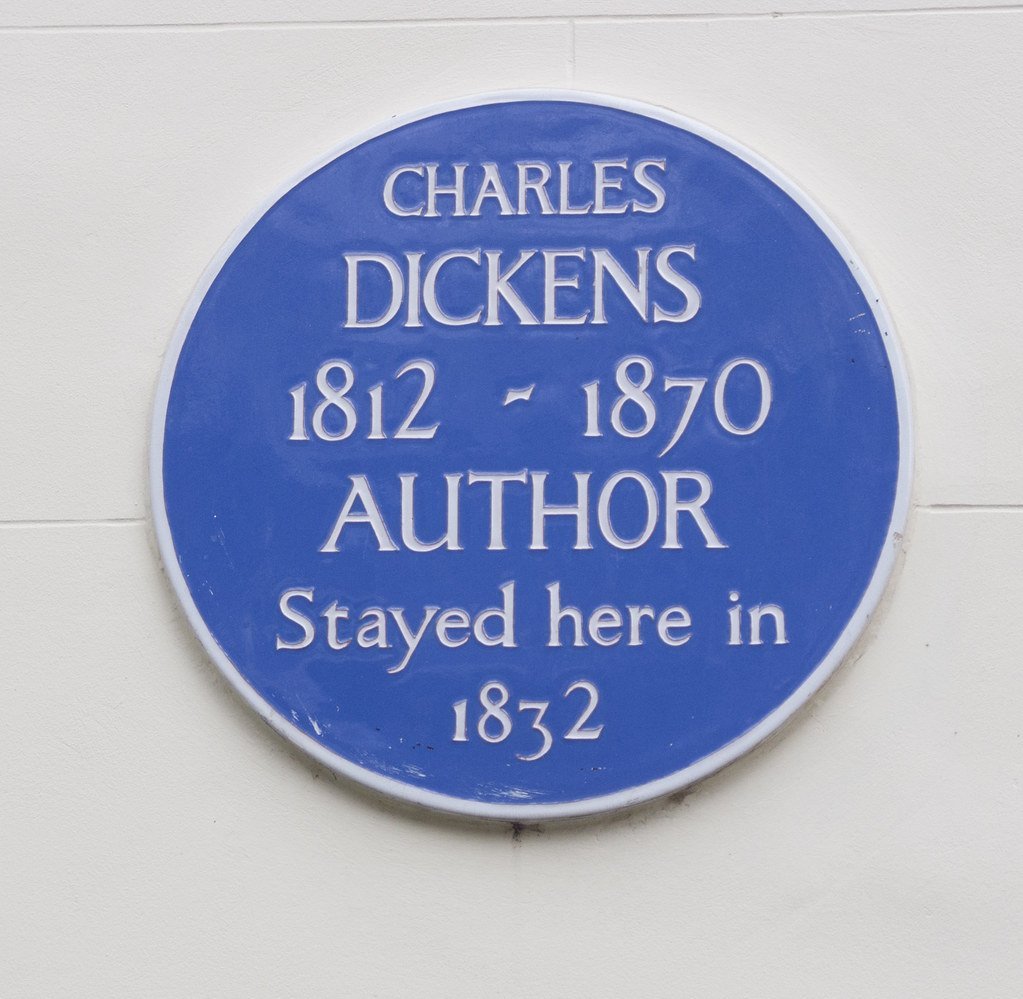
Dickens wrote endlessly about the injustices of poverty, broken families, and moral redemption. His personal life, though, was something else entirely. He had nine children with his wife, Catherine Hogarth, eight of whom survived to adulthood. When Dickens was 45, he left his wife and kids for an 18-year-old actress. For the man who invented some of literature’s most beloved family scenes, this was a breathtaking contradiction.
Most of Dickens’ children never stopped depending on him for a steady stream of money. The home drama never slowed Dickens’ literary output or quality – after leaving Catherine, he published A Tale of Two Cities, Great Expectations, and Our Mutual Friend. It is almost baffling, in the best possible way, how personal turbulence seemed to fuel rather than hinder him. The warmth he poured into his fictional families was perhaps the warmth he found so difficult to sustain in real life.
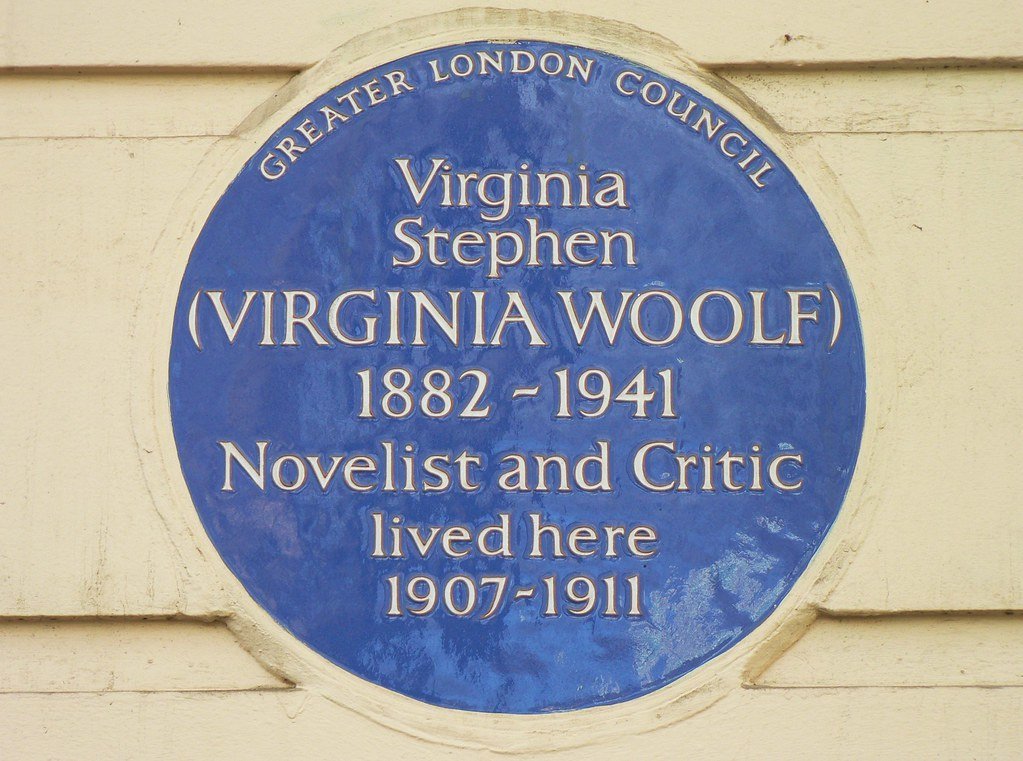
5. Virginia Woolf: A Pioneering Mind Wrestling Its Own Darkness
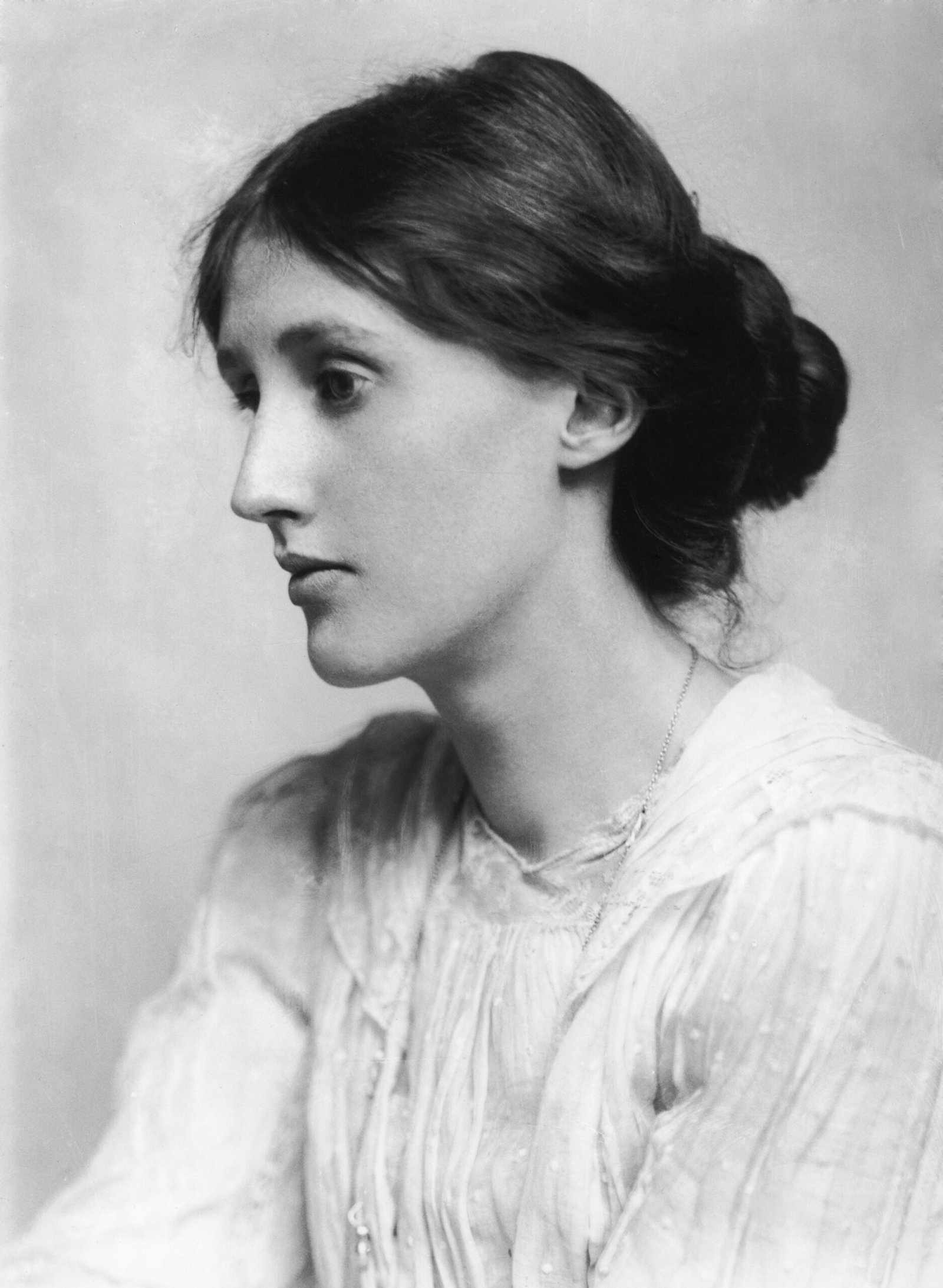
Virginia Woolf was a pioneering modernist writer whose innovative narrative techniques revolutionized the novel. In works like Mrs. Dalloway and To the Lighthouse, Woolf employed stream of consciousness to explore the inner lives of her characters. Her exploration of themes such as gender, identity, and mental illness was groundbreaking. What the novels captured on the page, Woolf was living in real time.
She endured the loss of her mother at thirteen, her father at twenty-two, and suffered multiple serious mental breakdowns throughout her life. Her marriage to Leonard Woolf, while supportive, was unconventional, and she also shared a passionate relationship with fellow writer Vita Sackville-West that became the inspiration for the dazzling, gender-fluid novel Orlando. Woolf once described the process of writing as the only way she could keep the darkness at bay. In 1941, she filled her pockets with stones and walked into the River Ouse near her Sussex home. She was fifty-nine years old. Her diaries, published posthumously, reveal a mind of astonishing sensitivity, constantly teetering between brilliance and despair.
6. Maya Angelou: A Life That Defied Every Barrier Imaginable
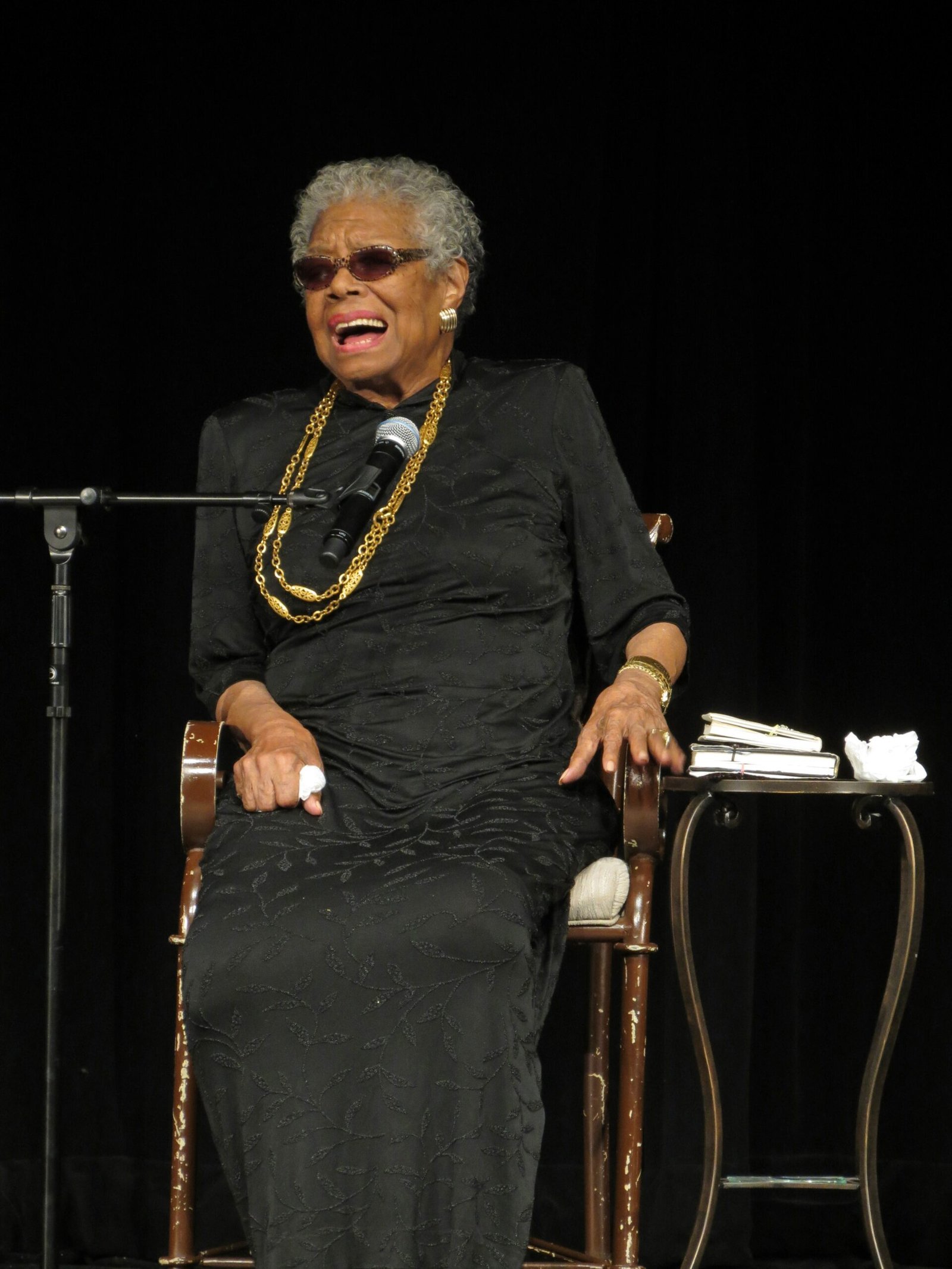
Maya Angelou faced discrimination and poverty as a young African-American woman in the Jim Crow South. Despite these challenges, she went on to become one of the most beloved writers of our time, inspiring millions with her words of hope and resilience. But even that summary barely hints at the staggering complexity of her early years.
Before she was a celebrated author, Angelou was a streetcar conductor, a Creole cook, a waitress, a dancer, an actor, a singer, and even briefly a madam running a prostitution house in San Diego. She was sexually assaulted as a child and subsequently went mute for several years, communicating only in writing. Angelou’s life experiences were a major influence on her writing. She wrote about the struggles and triumphs of being a Black woman in America, and her work is celebrated for its honesty and authenticity. I Know Why the Caged Bird Sings was not just a memoir. It was an entire world of survival delivered in gorgeous prose.
7. Victor Hugo: The Novelist Who Survived Exile, Revolution, and His Own Ego
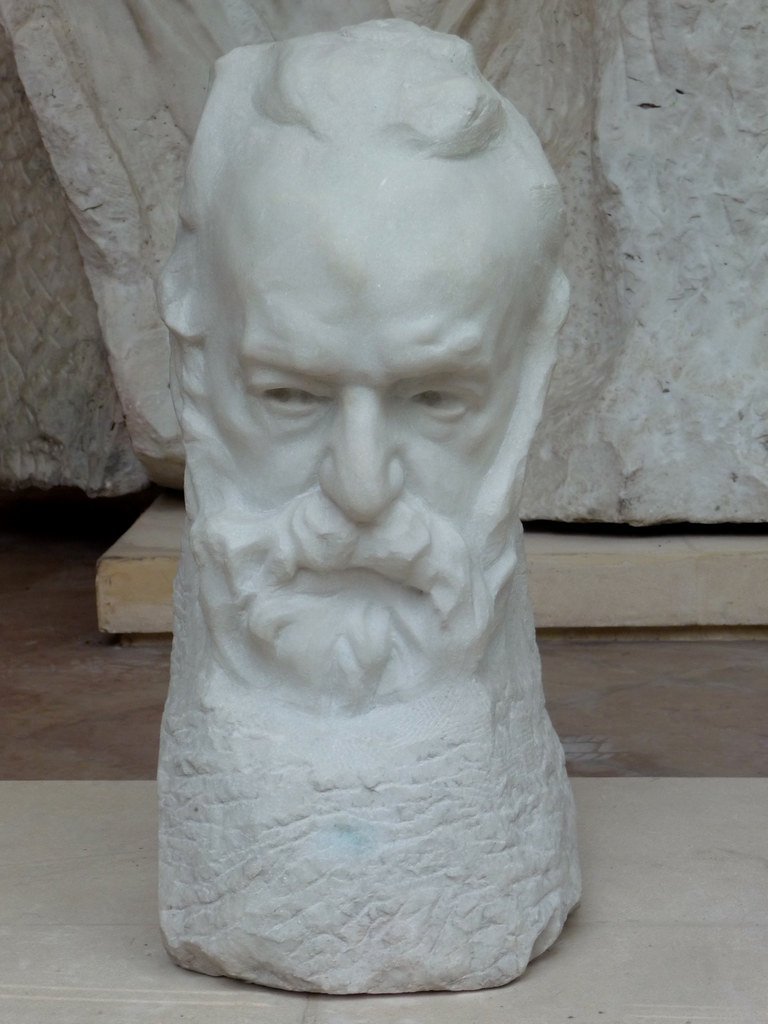
Victor Hugo was a poet, novelist, and dramatist who was the most important of the French Romantic writers. He was also, by most accounts, a man of almost superhuman personal complexity. He served as a French peer, witnessed revolutions firsthand, was exiled from France by Napoleon III, and spent nearly two decades on the island of Guernsey, from where he continued to write and sent messages of defiance back to Paris.
While some other authors’ chaotic lives worked against their creative output and longevity, Victor Hugo did something crazy that enhanced his productivity. When he feared his own distraction, Hugo reportedly gave his clothes to a servant and sat naked at his desk to ensure he couldn’t leave the house until he had finished writing. Les Misérables was written amid political chaos, personal grief, and the death of his beloved daughter Léopoldine, who drowned at just nineteen. Hugo learned of her death by reading a newspaper while on holiday. The grief was so catastrophic he barely wrote for nearly a decade.
8. Sylvia Plath: The Bell Jar Was More Biographical Than Anyone Realized
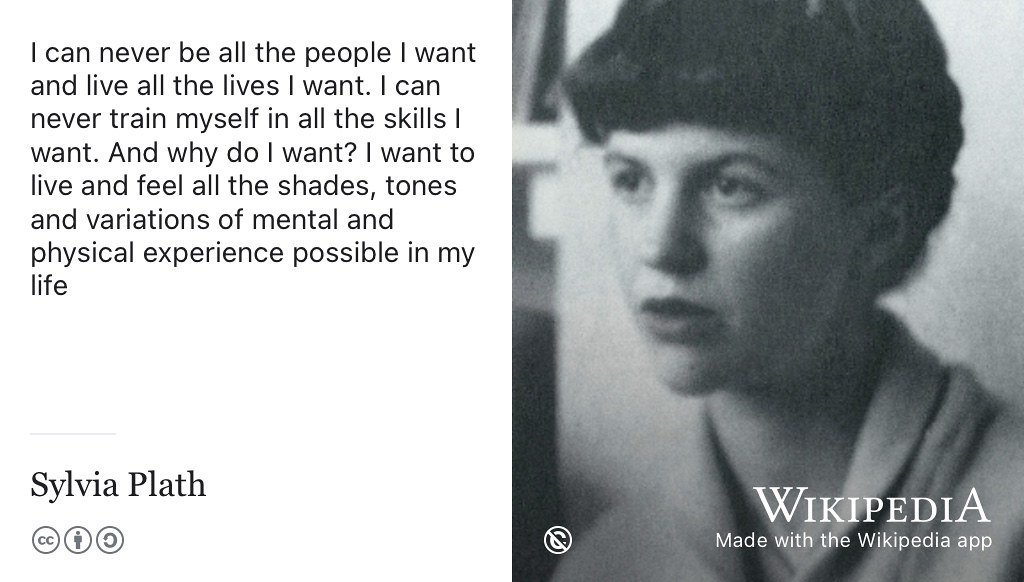
Sylvia Plath published The Bell Jar, a novel about a young woman’s harrowing descent into mental illness, under a pseudonym in 1963. Nobody initially knew it was autobiographical. The truth was that Plath had attempted suicide at twenty years old, was hospitalized, underwent electroconvulsive therapy, and somehow came back to write one of the most searingly honest novels of the twentieth century about exactly that experience.
Her marriage to fellow poet Ted Hughes was famously tempestuous. After Hughes left her for another woman, Plath found herself alone in a freezing London flat with two small children during one of the coldest winters England had seen in decades. She died by suicide in February 1963, aged just thirty. The manuscripts she was working on at the time became the posthumously published collection Ariel, widely considered her masterpiece. It is almost impossible to separate the life from the literature here, and perhaps, in Plath’s case, that was always the point.
9. O. Henry: Embezzler, Fugitive, and Master of the Twist Ending
![9. O. Henry: Embezzler, Fugitive, and Master of the Twist Ending ([1] (found automatically by User:Picasa Review Bot) http://picasaweb.google.com/revswain/Eakins, Public domain)](https://festivaltopia.com/wp-content/uploads/2026/03/1774799570509_1774799553919_eakins-2c_henry_ossawa_tanner_1902.jpeg)
In addition to writing stories, O. Henry drew cartoons, made maps, and went to jail for embezzling from a bank. He was so ashamed of his conviction that he hid his true name, William Sidney Porter, and his past from his publishers. The man who invented the literary twist ending had a life full of them himself.
According to the O. Henry Museum in Austin, Texas, in his later years, the famed short story writer could drink one to two liters of bourbon a day. Not unlike an elephant, he could drink a gallon of beer without showing any trace of drunkenness. He gave his publishers plenty of headaches, selling his stories to more than one venue and demanding ever-larger payments. His stories were so popular they put up with it. Here’s the thing: O. Henry began writing prolifically while actually in prison, and many of his most beloved stories about ordinary people facing unexpected reversals of fortune were written from a place of lived humiliation. His sympathy for life’s underdogs was entirely genuine.
10. Lord Byron: The Original Celebrity Author and Complete Disaster
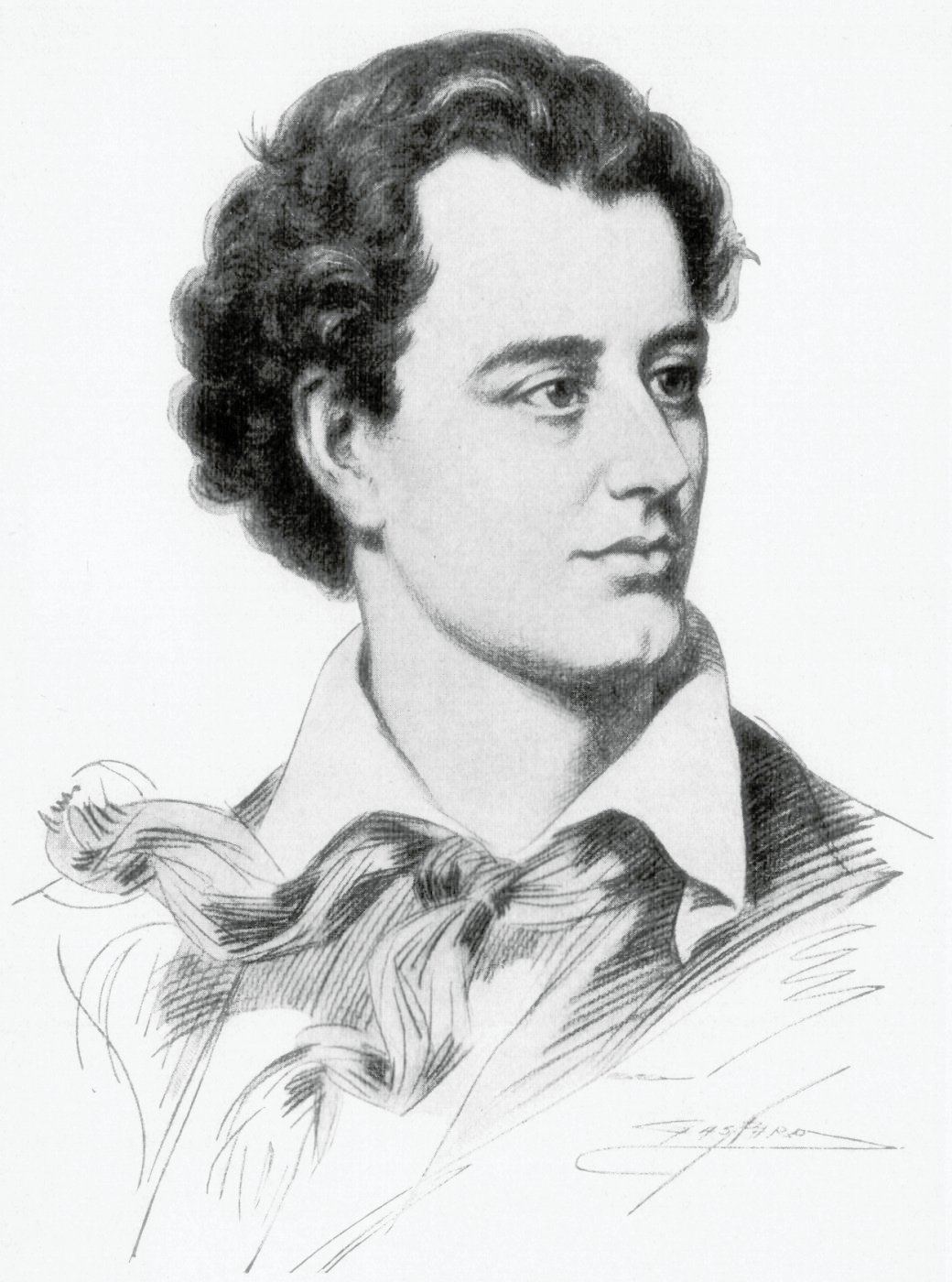
Lord Byron was, in many ways, the world’s first literary celebrity. He woke up one morning after publishing Childe Harold’s Pilgrimage and famously noted that he had gone to sleep relatively unknown and woke up famous. What followed was a life so excessive and scandalous it makes modern celebrity meltdowns look modest by comparison.
Byron had numerous affairs with both men and women, fathered an illegitimate daughter, was rumored to have had a relationship with his own half-sister, accumulated enormous debt, kept a pet bear in his college rooms at Cambridge simply because dogs were prohibited, and eventually fled England entirely to escape social scandal. He died at thirty-six in Greece while funding a military campaign for Greek independence, his body ravaged by fever. His major works, including Don Juan, read like thinly veiled autobiography, which they largely were. Byron didn’t just blur the line between the author and the hero. He was the hero, for better and considerably worse.
11. Leo Tolstoy: The Count Who Abandoned His Wealth and Became a Wanderer
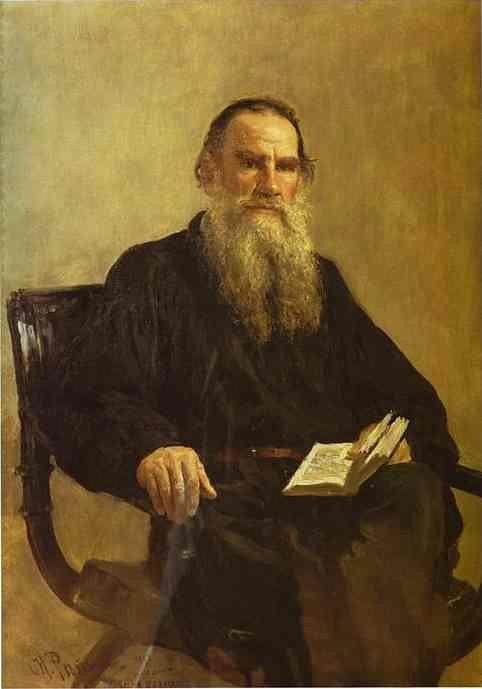
Leo Tolstoy wrote War and Peace and Anna Karenina, two of the longest and most emotionally intricate novels ever produced. A five-part drama has been produced charting the tempestuous marriage between Leo and Sofya Tolstoy. Their relationship was, to put it gently, extraordinary in its volatility.
Tolstoy spent decades tormenting himself over the contradiction between his aristocratic privilege and his spiritual beliefs about poverty and simplicity. He gave away the rights to his works, dressed as a peasant, and tried to live as one. His wife Sofya, meanwhile, had copied out the entirety of War and Peace by hand several times over at his request and raised thirteen children while running the estate. In 1910, at the age of eighty-two, Tolstoy secretly fled his home in the middle of the night to finally live among ordinary people. He made it as far as a small rural railway station before falling fatally ill with pneumonia and dying there, ten days later, surrounded by journalists. Even his death became a kind of spectacle.
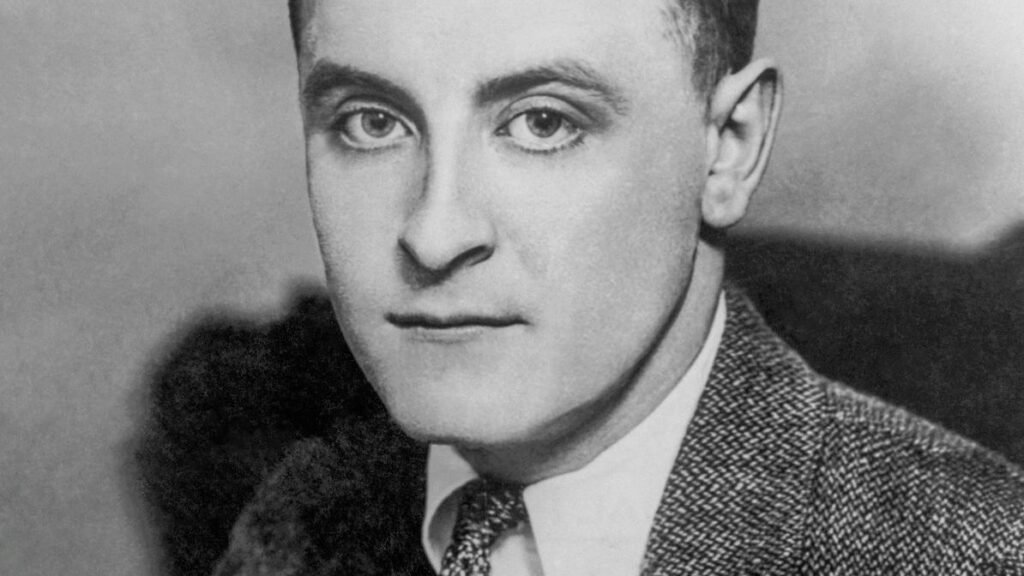
12. F. Scott Fitzgerald: Living the Jazz Age He Wrote About and Drowning in It
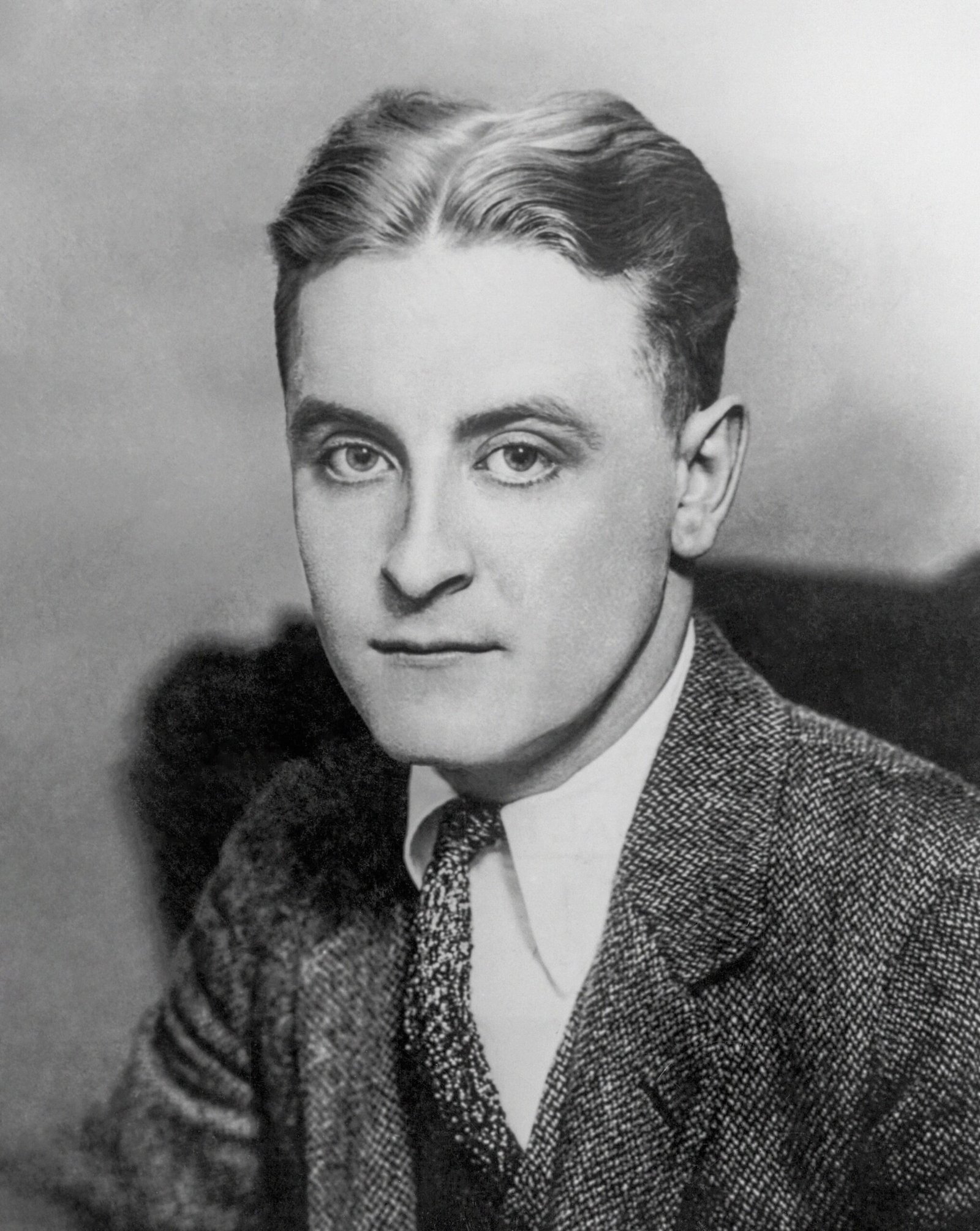
F. Scott Fitzgerald didn’t just write about the glittering, self-destructive world of the 1920s American elite. He lived it, suffered it, and was ultimately consumed by it. His marriage to Zelda Sayre was one of the most combustible partnerships in literary history. Both were brilliant, both were chaotic, and both were drinking heavily by the time The Great Gatsby was published in 1925.
Zelda’s mental health deteriorated significantly through the late 1920s and into the 1930s, leading to repeated hospitalizations. Fitzgerald, meanwhile, was fighting his own relentless alcoholism while trying to write Tender Is the Night, a novel deeply inspired by Zelda’s illness and their shared collapse. He moved to Hollywood to write screenplays for money he spent almost immediately. His nonfiction stories often featured people and stories that were more fantastic than their fictionalized counterparts. No novelist could invent characters more interesting than Fitzgerald or his third wife, Gellhorn. Fitzgerald died of a heart attack in 1940 at forty-four, largely believing himself a failure. He was wrong.
Conclusion: The Life Behind the Literature
What strikes me most after surveying these twelve lives is that none of these authors wrote from an ivory tower. They wrote from the trenches of actual, messy, sometimes catastrophic human experience. The thing that made their fiction so resonant was precisely that it wasn’t invented from nothing. It was distilled from real grief, real shame, real wonder, real survival.
The mock execution, the prison years, the gambling addiction, the epilepsy, the deaths of loved ones, the crushing debt – these weren’t just things that happened to them. They were raw materials. The psychological ore from which they forged their greatest works. That is true of Dostoevsky, and honestly, it’s true of every author on this list in their own way.
Literature has always been autobiography wearing a mask. The question is just how thin or how thick the mask is. Looking at these twelve lives, it turns out the mask was often paper-thin. So the next time you pick up a classic novel and find yourself thinking the story feels almost impossibly vivid and real, consider this: it probably was.
What do you think – does knowing an author’s personal story change the way you read their work? Share your thoughts in the comments.
CEO-Co-Founder
