

For any feedback please reach out to info@festivalinside.com
- 10 Obscure ’70s Rock Songs That Shaped Metal Legends - April 1, 2026
- These 10 Books Will Challenge Everything You Thought You Knew About History. - April 1, 2026
- 13 Top Trending Songs on Instagram Reels in 2026 - April 1, 2026
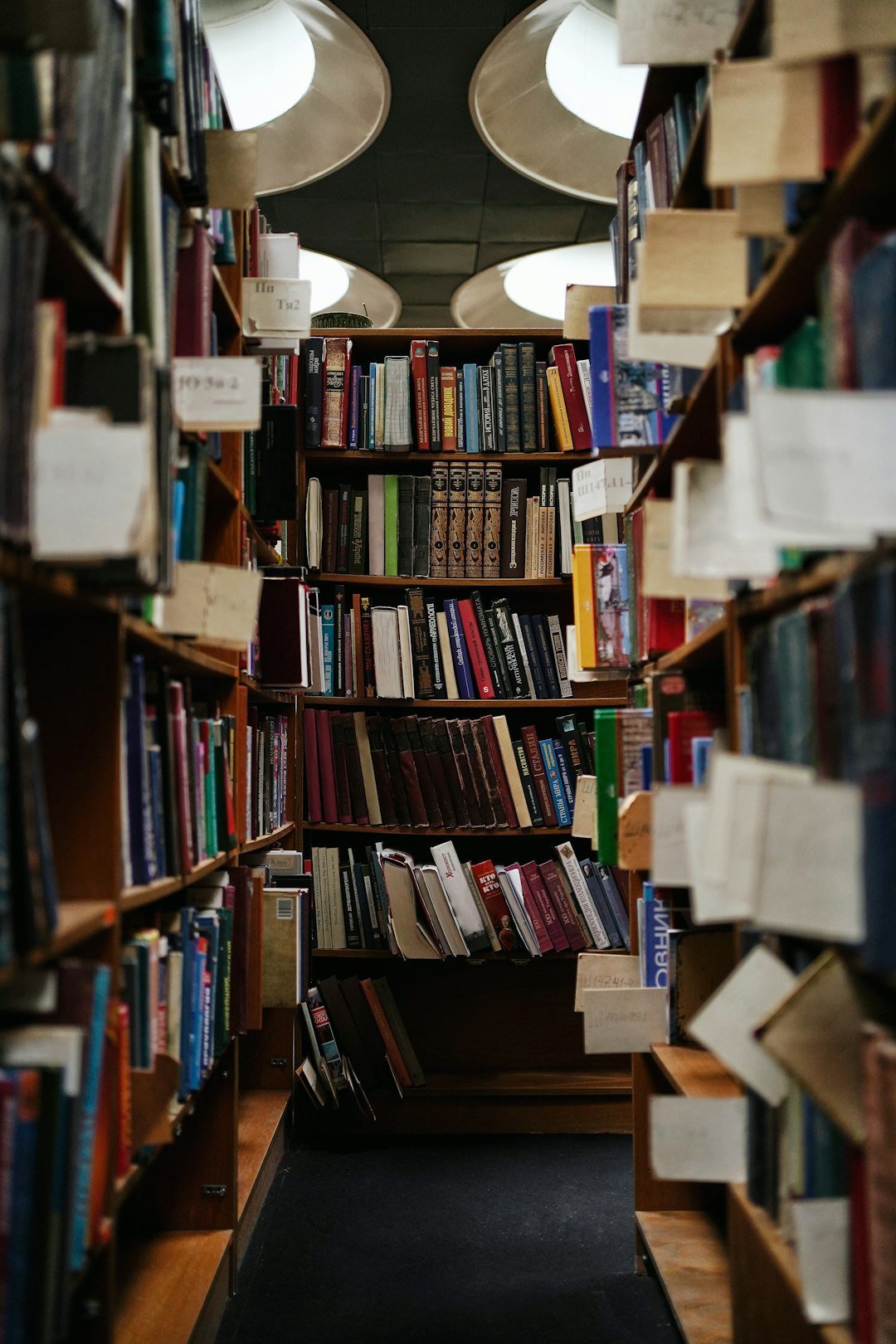
In an era where book challenges are surging across schools and libraries, a collection of 12 timeless classics has drawn intense scrutiny from censors. These works, spanning dystopian visions to raw exposés of tyranny, provoke fierce debates about free expression versus protection from uncomfortable truths. Critics of bans insist they crush critical thinking, while supporters argue they shield young minds from harm. What ties these titles together is their unyielding power to challenge authority and spark vital conversations. With reports of more than 4,200 books targeted in U.S. schools just last year, the pushback against censorship feels more urgent than ever.
Here’s the thing: suppression often backfires spectacularly, turning forbidden reads into must-haves. Libraries note spikes in circulation after removals, proving that hiding ideas only amplifies curiosity. As challenges mount globally – from Florida’s school purges to Russia’s ongoing restrictions – these 12 books stand as beacons of resistance. Their stories expose why authorities fear them, and why readers everywhere should seek them out. Let’s dive into each one and uncover the truths they’re desperate to bury.
The Gulag Archipelago: A Monumental Exposé of Soviet Terror
Aleksandr Solzhenitsyn’s The Gulag Archipelago delivers a devastating account of the Soviet Union’s forced labor camps, pieced together from the author’s own imprisonment and countless survivor testimonies. This three-volume masterpiece chronicles arbitrary arrests, brutal conditions, and mass executions under Stalin, shattering any illusions of communist utopia. Published in the West in 1973 after Solzhenitsyn’s exile, it played a pivotal role in undermining the USSR’s global image. Within months of its 1989 release in Russia, the regime itself collapsed, highlighting the book’s seismic impact. Today, Russian prisons still ban it, a telling sign of authoritarian unease with its detailed record of 60 million arrests. Reading it reveals the human cost of totalitarianism in unflinching detail.
1984: Orwell’s Chilling Warning on Surveillance and Control
George Orwell’s 1984, released in 1949, envisions a world dominated by Big Brother’s unblinking eye, where Newspeak erases independent thought and history bends to the Party’s will. Concepts like doublethink and Room 101 have seeped into daily language, underscoring the novel’s eerie foresight. Recent U.S. school bans decry its stark portrayal of authoritarianism, an irony that echoes the book’s core message. Sales skyrocketed by thousands of percent during political turmoil, demonstrating how censorship fuels demand. In our age of digital tracking, it compels us to scrutinize power structures closely. Honestly, ignoring it feels like willful blindness.
This dystopian pillar urges vigilance against manipulation, making it indispensable now more than ever.
Brave New World: Huxley’s Vision of Engineered Bliss
Aldous Huxley’s Brave New World from 1932 imagines a society hooked on soma drugs and genetic castes, trading freedom for engineered contentment. Unlike overt oppression, it depicts control through pleasure and consumerism, a subtle tyranny that feels all too familiar. Banned over concerns of promiscuity and anti-family sentiments, the novel skewers shallow materialism with prophetic accuracy. Huxley’s ideas on test-tube babies and escapist highs resonate amid today’s biotech advances. It challenges readers to embrace discomfort for authentic humanity. What makes this prescient work endure is its contrast to grimmer dystopias, yet equally dire forecast.
Animal Farm: A Fable of Revolution’s Betrayal
George Orwell’s concise Animal Farm, penned in 1945, uses barnyard animals to mock the Russian Revolution’s slide into pig-led despotism. The infamous line, “All animals are equal, but some are more equal than others,” nails power’s corrosive nature. The USSR banned it outright, and sporadic challenges elsewhere cite its anti-communist edge. Despite its brevity under 100 pages, it shapes political rhetoric profoundly. School critics call it overly negative, overlooking its call for eternal watchfulness. This sharp satire equips us to spot hypocrisy in any regime.
Its lessons on ideals gone wrong hit harder in turbulent times.
Fahrenheit 451: The Irony of Book-Burning Firemen
Ray Bradbury’s Fahrenheit 451 from 1953 flips the script, with firemen torching books to enforce a pacified, screen-obsessed society. Protagonist Guy Montag’s awakening to literature’s worth unfolds against parlor walls and speed-obsessed culture. Challenged for profanity, it eerily foreshadows cancel culture and media numbness. Bradbury aimed it at television’s stupefying grip, not solely censorship. As libraries face real-world cuts, its plea to safeguard knowledge burns brightest. Reading it transforms passive consumption into active rebellion.
To Kill a Mockingbird: Dismantling Prejudice Through Empathy
Harper Lee’s To Kill a Mockingbird, a 1960 Pulitzer winner, tracks Atticus Finch defending a falsely accused Black man in Alabama’s Deep South. Narrated by young Scout, it dismantles racism with gems like considering life from another’s viewpoint. Frequent bans target the N-word and rape themes, yet it fueled civil rights momentum. Challenges intensified post-2020 over so-called divisive ideas. Its clear-eyed empathy counters modern fractures. Essential for grappling with America’s enduring racial wounds.
Let’s be real – this moral anchor demands space on every shelf.
The Handmaid’s Tale: A Dystopia of Enslaved Fertility
Margaret Atwood’s The Handmaid’s Tale from 1985 conjures Gilead, a theocracy reducing fertile women to breeding vessels amid crisis. Offred’s harrowing account draws from Puritan laws and Nazi horrors, rooting fiction in grim history. Banned for perceived anti-Christian and sexual elements, it mirrors real oppressions. The hit series adaptation amplified its reach into #MeToo dialogues on autonomy. Atwood’s factual grounding heightens the terror. It warns fiercely against rights’ erosion.
Lolita: Nabokov’s Masterful Dive into Obsession
Vladimir Nabokov’s Lolita in 1955 follows Humbert Humbert’s twisted fixation on 12-year-old Dolores Haze, laced with dark wit and verbal fireworks. Once banned in France, the UK, and U.S. libraries for obscenity, it explores unreliable narrators and pedophilia’s psyche. Courts affirmed its literary merit, advancing free-speech boundaries. Nabokov’s butterfly-hunter precision shapes its stylistic triumph. Challenges linger, but its layers reward the daring. This controversial gem probes taboo depths artfully.
Detractors miss its nuanced artistry amid the shock.
American Psycho: Skewering Wall Street’s Soulless Excess
Bret Easton Ellis’s American Psycho from 1991 trails yuppie killer Patrick Bateman through murders fueled by 1980s consumerism. Graphic scenes prompted bans over gore and misogyny, yet it dissects capitalism’s emptiness with surgical bite. Ellis pulled from actual killers and pop culture for raw authenticity. The film version stoked art-versus-harm clashes further. It lays bare modern disconnection starkly. Polarizing as ever, this satire cuts deep into alienation.
Tropic of Cancer: Miller’s Unfiltered Bohemian Odyssey
Henry Miller’s Tropic of Cancer, written in 1934, captures expatriate Paris through raw sex, destitution, and existential rants. U.S. courts lifted its obscenity ban in 1964, a landmark for expression. Its stream-of-consciousness flow inspired Beat generations. Miller’s bold claim of living off others embodies creative defiance. Schools still pull it for explicitness, ignoring its life-affirming pulse. This voice of uncensored vitality triumphs enduringly.
Slaughterhouse-Five: Vonnegut’s Nonlinear War Lament
Kurt Vonnegut’s Slaughterhouse-Five from 1969 interlaces Billy Pilgrim’s time-jumping life with his Dresden bombing survival as a POW. The refrain “So it goes” underscores death’s absurdity in this sci-fi war critique. Challenged for profanity and anti-authority tones, Vonnegut fought censors and won. It spotlights PTSD and conflict’s pointlessness vividly. Tralfamadorian aliens provide cosmic detachment. Crucial for making sense of war’s chaos.
Its fractured form mirrors trauma’s disarray perfectly.
Perks of Being a Wallflower: Raw Teenage Realities
Stephen Chbosky’s The Perks of Being a Wallflower from 1999 unfolds via Charlie’s letters, tackling abuse, drugs, and queer awakening in high school. Banned for LGBTQ+ content and assaults, it builds empathy with “We accept the love we think we deserve.” Drawn from genuine youth anguish, the 2012 film countered bans by boosting popularity. It champions candid mental health talks. This epistolary gem fosters understanding amid turmoil. Coming-of-age honesty at its bravest.
Final Thought
These 12 banned books prove that censorship ignites rather than extinguishes curiosity, turning challenges into accidental promotions. In 2025, with bans climbing worldwide, defending access to such provocative works safeguards democracy itself. Suppression starves intellect, while open reading enlightens. What banned book would you fight to keep on the shelf? Share your thoughts in the comments.
Source: Original YouTube Video

Christian Wiedeck, all the way from Germany, loves music festivals, especially in the USA. His articles bring the excitement of these events to readers worldwide.
For any feedback please reach out to info@festivalinside.com
