

- 10 pop stars who passed away too soon. - April 10, 2026
- 12 Great Debut Albums That Made Music History - April 10, 2026
- 12 Legendary Fashion Items That Defined an Entire Generation - April 10, 2026
Long before cranes, steel beams, or computer-aided design, ancient builders crafted structures that defy easy explanation. They relied on human muscle, simple levers, ramps, and rollers, along with careful planning and deep knowledge of materials. These feats stand as testaments to ingenuity, often in harsh environments with basic stone, wood, and earth tools.[1][2]
From massive pyramids to intricate temples, these wonders highlight how communities organized labor on a grand scale. Their endurance through earthquakes, wars, and time continues to puzzle modern engineers. What follows explores twelve such marvels, each a product of pre-industrial brilliance.
Great Pyramid of Giza

Constructed around 2580 BCE during Egypt’s Old Kingdom, the Great Pyramid served as a tomb for Pharaoh Khufu. Workers quarried over two million limestone blocks, some weighing up to 80 tons, from nearby sites and floated them on the Nile during flood season. They used copper chisels, wooden mallets, and straightedges for precision cutting and fitting.[1]
Ramps, likely straight or spiraling, allowed teams to haul stones into place with ropes and sledges lubricated by water. The pyramid’s alignment to true north is accurate within a fraction of a degree, showcasing advanced surveying. Today, engineers marvel at the logistical coordination of tens of thousands of laborers without machinery, as replicating it exactly remains challenging even now.[3]
Stonehenge
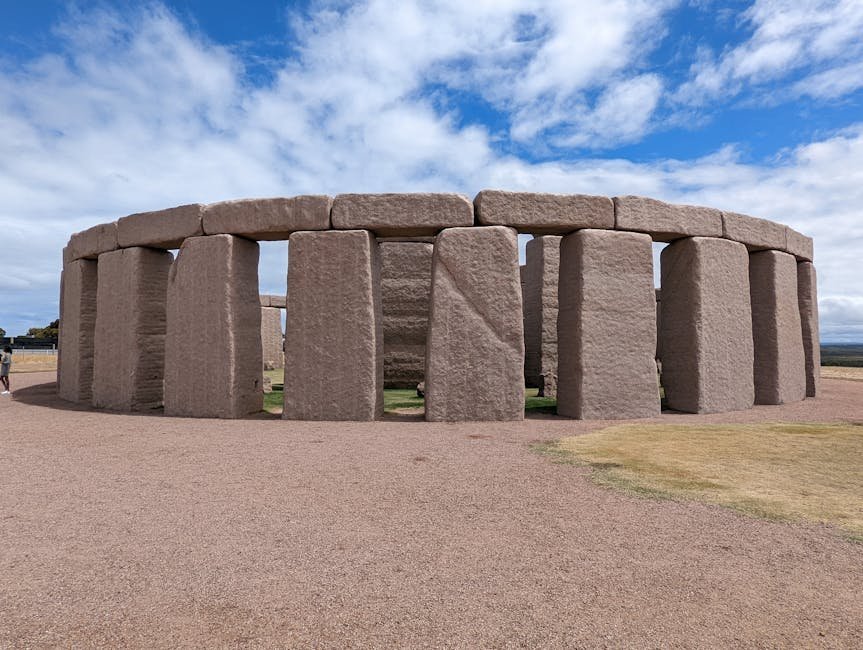
Erected around 2500 BCE on England’s Salisbury Plain, Stonehenge functioned possibly as a ceremonial or astronomical site. Builders transported sarsen stones up to 30 tons from 20 miles away and smaller bluestones over 150 miles from Wales, using sledges, rollers, and manpower. They dug pits with antler picks and shaped stones with stone hammers.[1]
The circle aligns with solstices, indicating sophisticated sky knowledge. Teams levered upright stones into place and packed them with smaller rocks for stability. Historians puzzle over the transport distances without wheels or draft animals on that scale, a feat that tests modern experimental recreations.
Its survival through millennia underscores the builders’ grasp of durable assembly techniques.
Machu Picchu
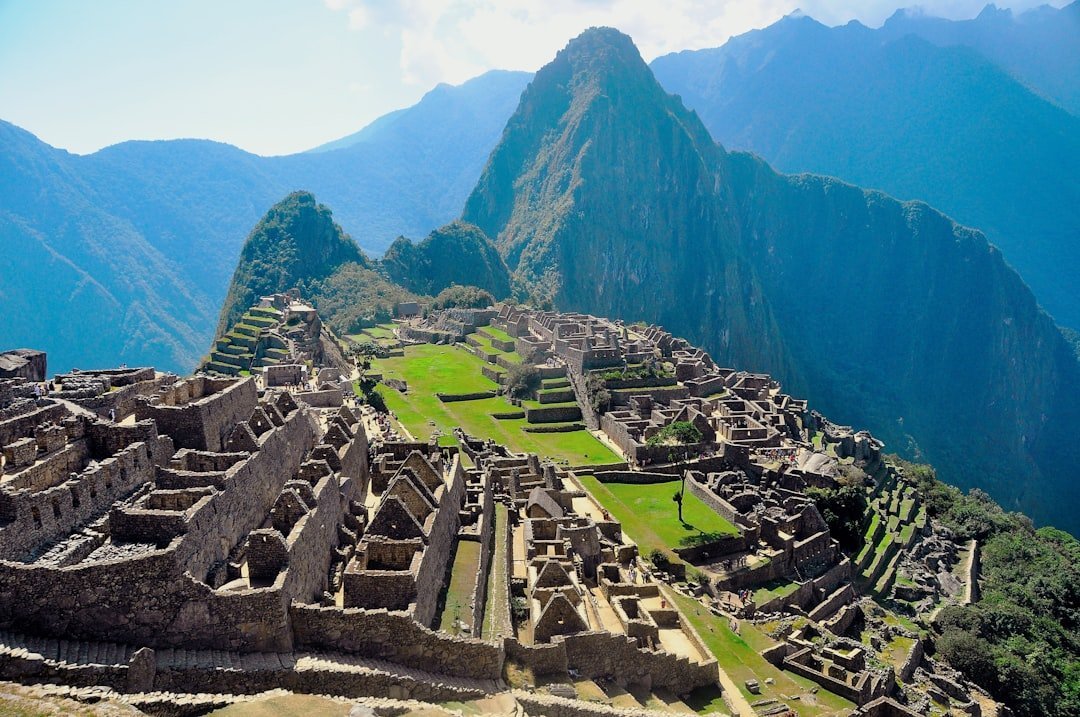
The Inca built this Andean citadel in the 15th century as a royal estate or religious retreat. Workers cut and shaped fieldstones with harder stones and bronze tools, fitting them without mortar in a technique called ashlar masonry. Terraces prevented landslides on steep slopes, carved directly from bedrock.[1]
Thousands labored seasonally, hauling materials up narrow paths with ropes and llamas. Drainage channels routed water effectively, preserving the site. Engineers today admire the earthquake resistance from flexible joints, which absorb shocks better than rigid modern concrete in simulations.
The Parthenon
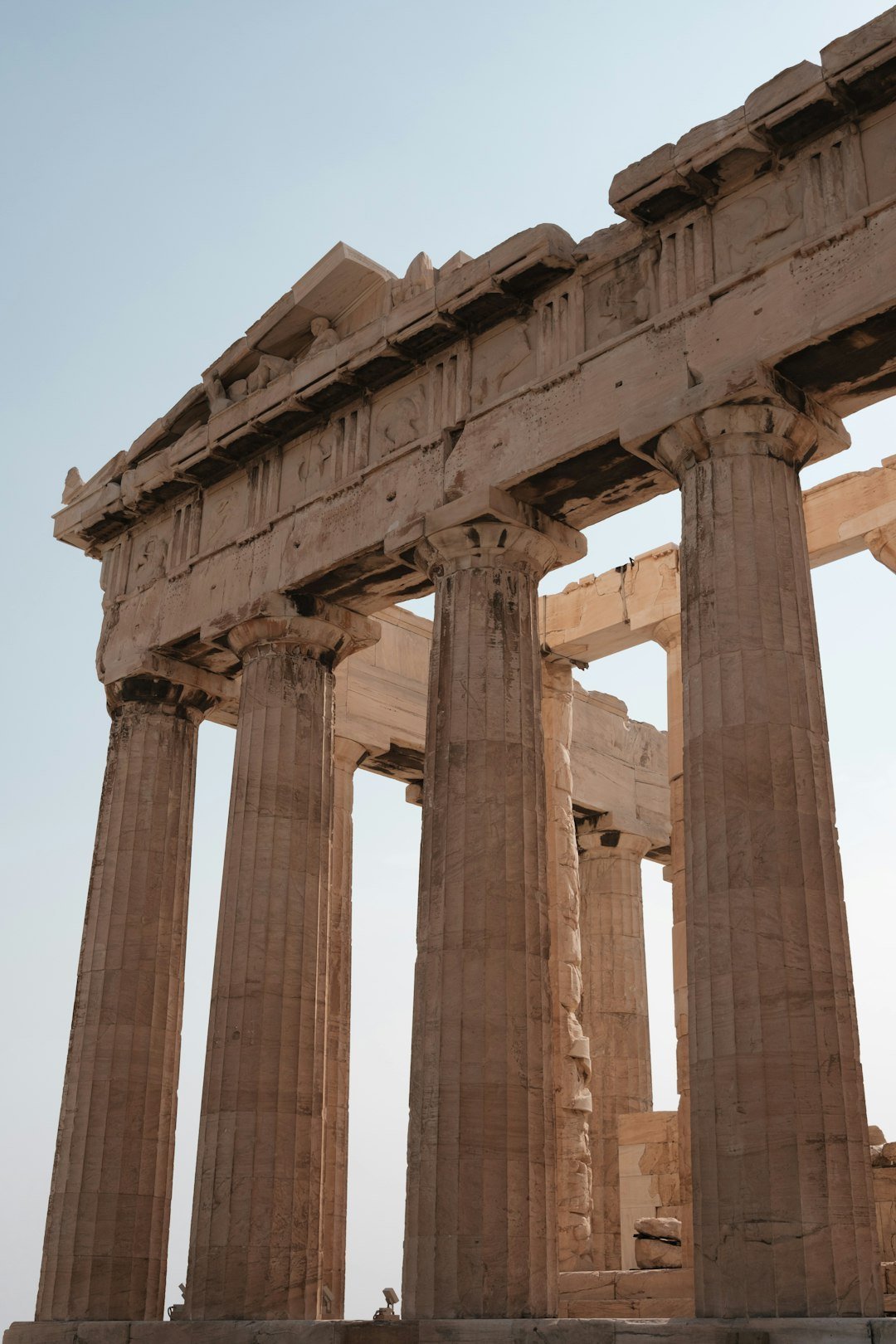
Completed in 432 BCE on Athens’ Acropolis, this temple honored Athena with Doric columns of Pentelic marble. Quarrymen used iron tools to extract blocks, then transported them by rollers and oxen over 10 miles. Subtle curves in columns and steps created optical illusions of straightness.[1][2]
Scaffolding of wood and pulleys aided placement, with precise measurements ensuring harmony. It symbolized democratic ideals amid the Persian Wars’ aftermath. Modern architects study its proportions for aesthetic perfection, hard to match without CAD software.
The structure’s resilience after explosions and looting highlights masterful engineering.
Petra
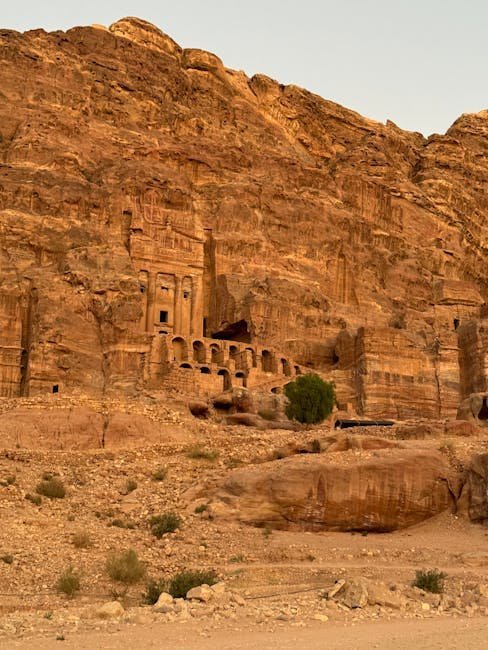
The Nabateans carved this Jordanian city starting in the 5th century BCE as a trade hub. Artisans chiseled sandstone cliffs with picks and chisels, creating facades like the Treasury by removing tons of rock top-down. Water channels and cisterns managed scarce desert rain.[1]
Teams smoothed surfaces for dramatic effect, using scaffolding for heights. It thrived until Roman times. The precision of Hellenistic-style details without metal reinforcements amazes, as laser scans reveal symmetries rivaling machine work.
Roman Colosseum
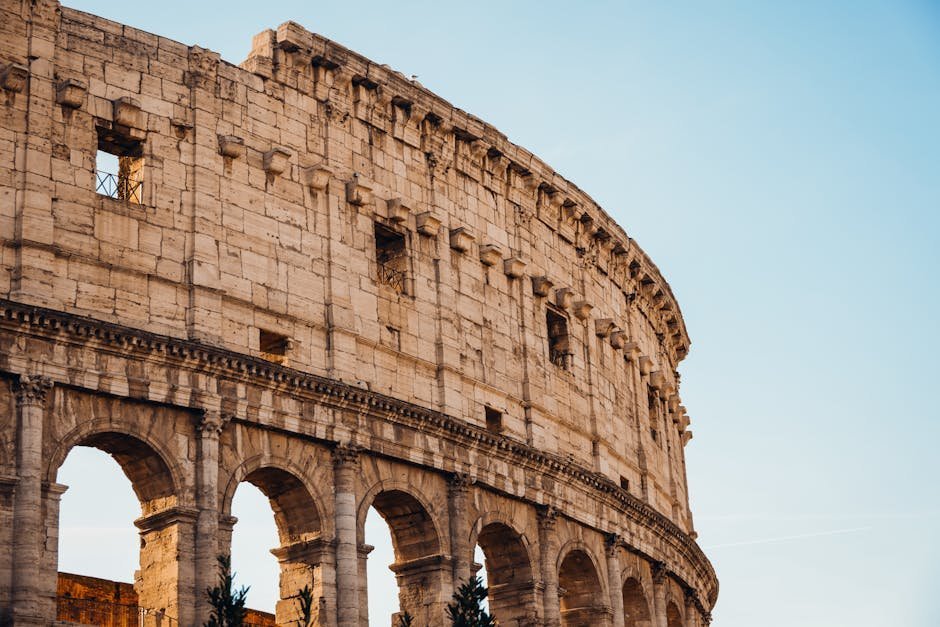
Finished in 80 CE under Emperor Titus, this Rome amphitheater hosted gladiatorial games for 50,000 spectators. Workers poured concrete from volcanic ash and lime, faced with travertine and tufa, using wooden molds and cranes powered by treadwheels. Arches and vaults distributed weight efficiently.[1][2]
Over 100,000 cubic meters of material arrived via aqueducts and roads. Underground tunnels added spectacle. Its modular design allowed quick repairs, impressing engineers who note the concrete’s self-healing properties from ancient recipes.
Great Wall of China

Sections began in the 7th century BCE, unified under Qin Shi Huang, spanning 13,000 miles to deter invasions. Laborers rammed earth, laid bricks, and faced stones, transporting via baskets and sledges over mountains. Watchtowers used local materials like tamped soil.[1]
Millions toiled in shifts, with sticky rice mortar strengthening bonds in later Ming sections. It symbolized imperial power. The varying terrains conquered without heavy equipment leaves experts in awe of adaptive strategies.
Surveys confirm its scale exceeds any pre-modern project.
Angkor Wat
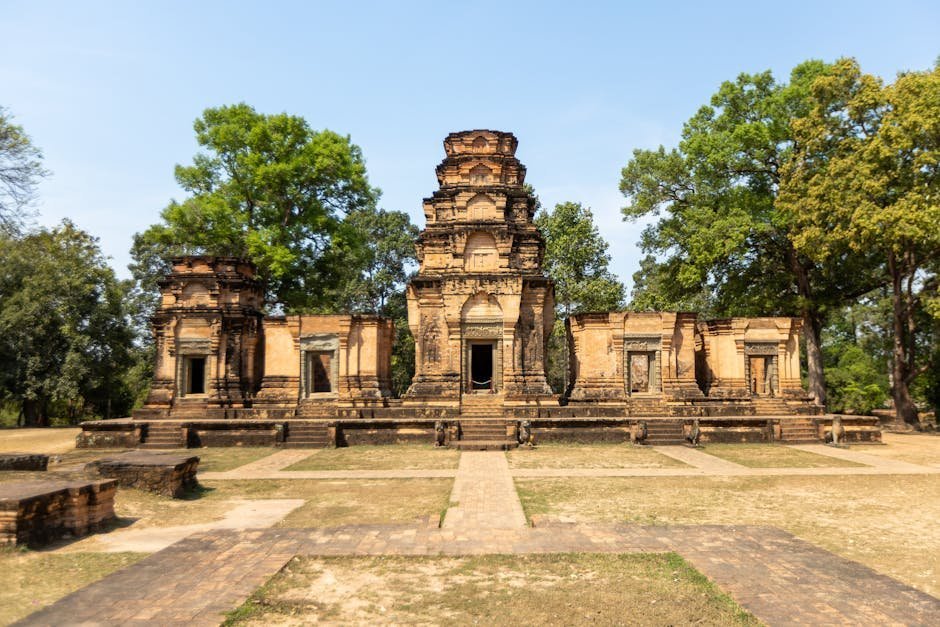
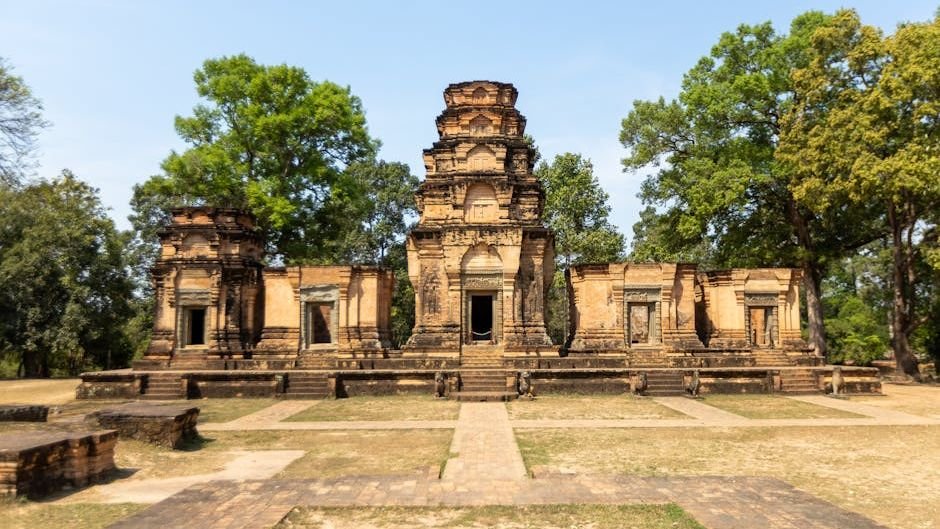
Khmer kings built this Cambodian temple complex in the early 12th century as a Hindu then Buddhist site. Workers quarried sandstone 25 miles away, floated it on canals, and carved intricate bas-reliefs with iron tools. A vast moat and galleries formed a cosmic model.[1]
Corvée labor from the empire assembled five towers precisely aligned. It peaked Khmer architecture. Hydrologics integrated diverted rivers, a system modern dams envy for sustainability.
Göbekli Tepe
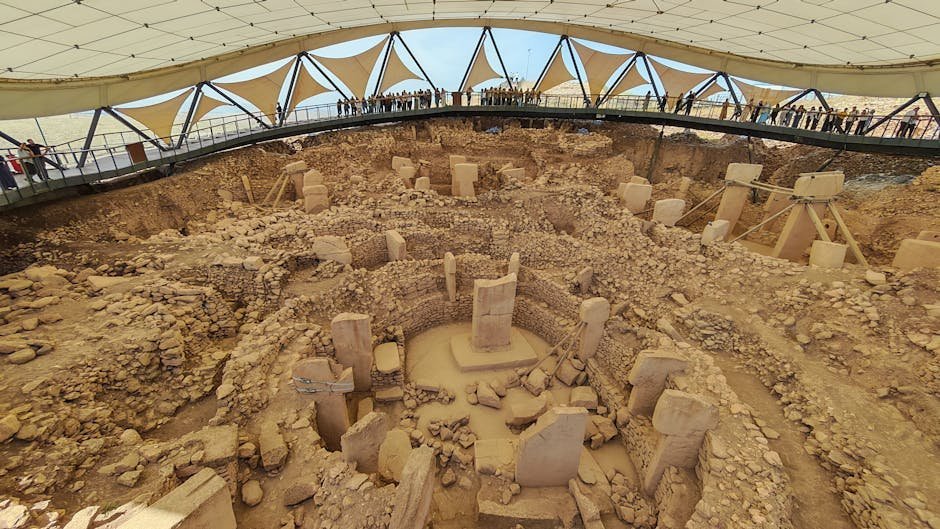
Dating to 9000 BCE in Turkey, this may be humanity’s first temple, built by hunter-gatherers. They quarried limestone for T-shaped pillars up to 60 tons, dragging them with ropes and erecting via levers into 20 circles. Animal carvings adorned surfaces.[2]
No metal or settled society aided the effort. Purpose remains ritualistic. The site’s deliberate burial puzzles archaeologists, while pillar transport without beasts challenges assumptions about prehistoric capabilities.
Newgrange
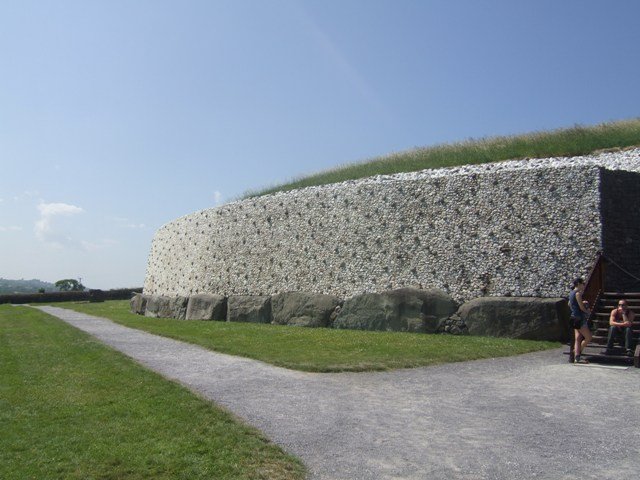
Around 3200 BCE in Ireland, this passage tomb featured a 19-meter mound with quartz facade. Builders used megaliths for chambers, aligning the entrance with winter solstice sunrise via precise corbel vaults. Earth and stones formed the dome.[2]
Spiraling art decorated kerbstones. It predates pyramids. The light beam effect, lasting 17 minutes, demonstrates astronomical engineering lost to time.
Its watertight seal endures.
Megalithic Temples of Malta
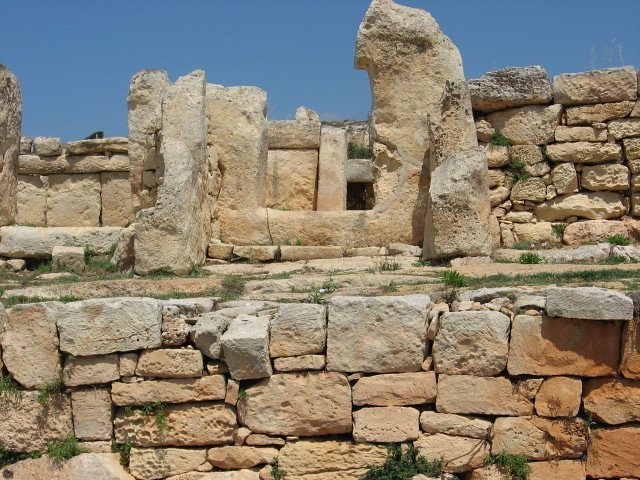
From 3500 BCE, these freestanding structures used coralline limestone exteriors and softer globigerina interiors. Workers rolled blocks on logs, fitting them without mortar into ‘fat lady’ statues and altars. Six temples evolved over centuries.[2]
They represent Europe’s oldest architecture. Ritual use inferred from bones. The curved walls and niches show advanced formwork without templates.
Sacsayhuamán
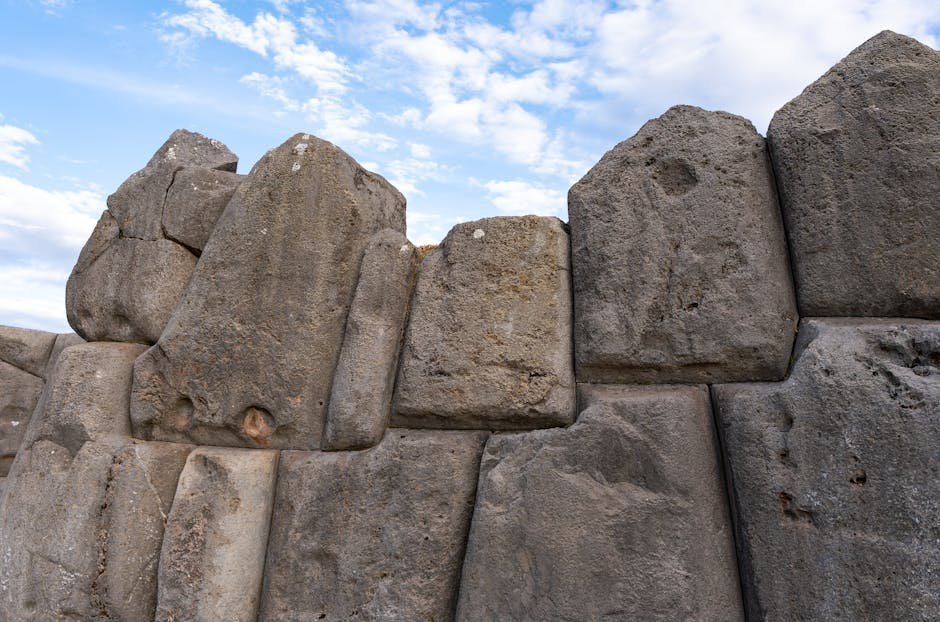
Inca engineers near Cusco, Peru, around 15th century, stacked andesite boulders up to 200 tons without mortar. Polygonal fitting prevented shifts, cut with stone hammers and abrasives. Zigzag walls resisted sieges.[3]
Thousands shaped each stone on-site for puzzle-like assembly. It crowned the empire. Modern cuts struggle to match the joints’ precision, earthquake-proof by design.
Conclusion
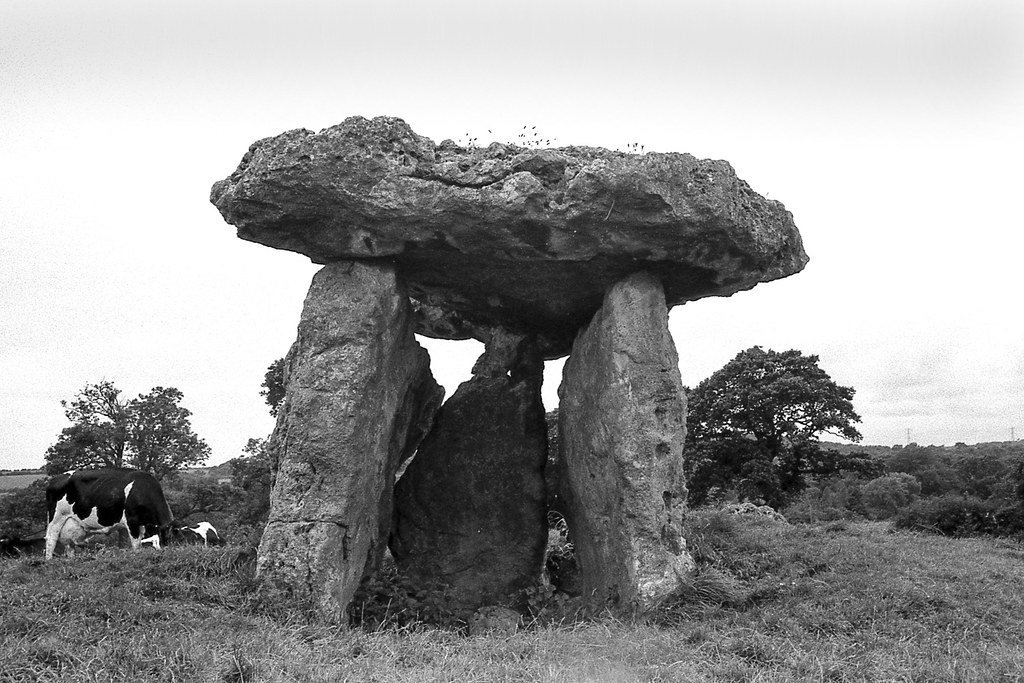
These twelve wonders reveal a shared thread of human determination across continents and eras. Without engines or electronics, communities turned stone into statements of belief and power.
Their lessons linger in every enduring block, reminding us that ingenuity needs no machines, only minds attuned to the possible.[1][2]
CEO-Co-Founder
