

Early civilizations pulled off engineering triumphs that seem impossible given their basic tools. Workers in ancient Egypt quarried massive stones with copper chisels and wooden levers, hauling them across deserts using sledges lubricated by water. Societies from Britain to Peru aligned structures with celestial events, relying on human muscle, ramps, and rollers rather than machines.
These feats demanded precise planning and communal effort. Thousands labored for decades, turning raw landscapes into enduring symbols of power and belief. Their methods, though simple, revealed deep knowledge of materials and geometry.
Great Pyramid of Giza
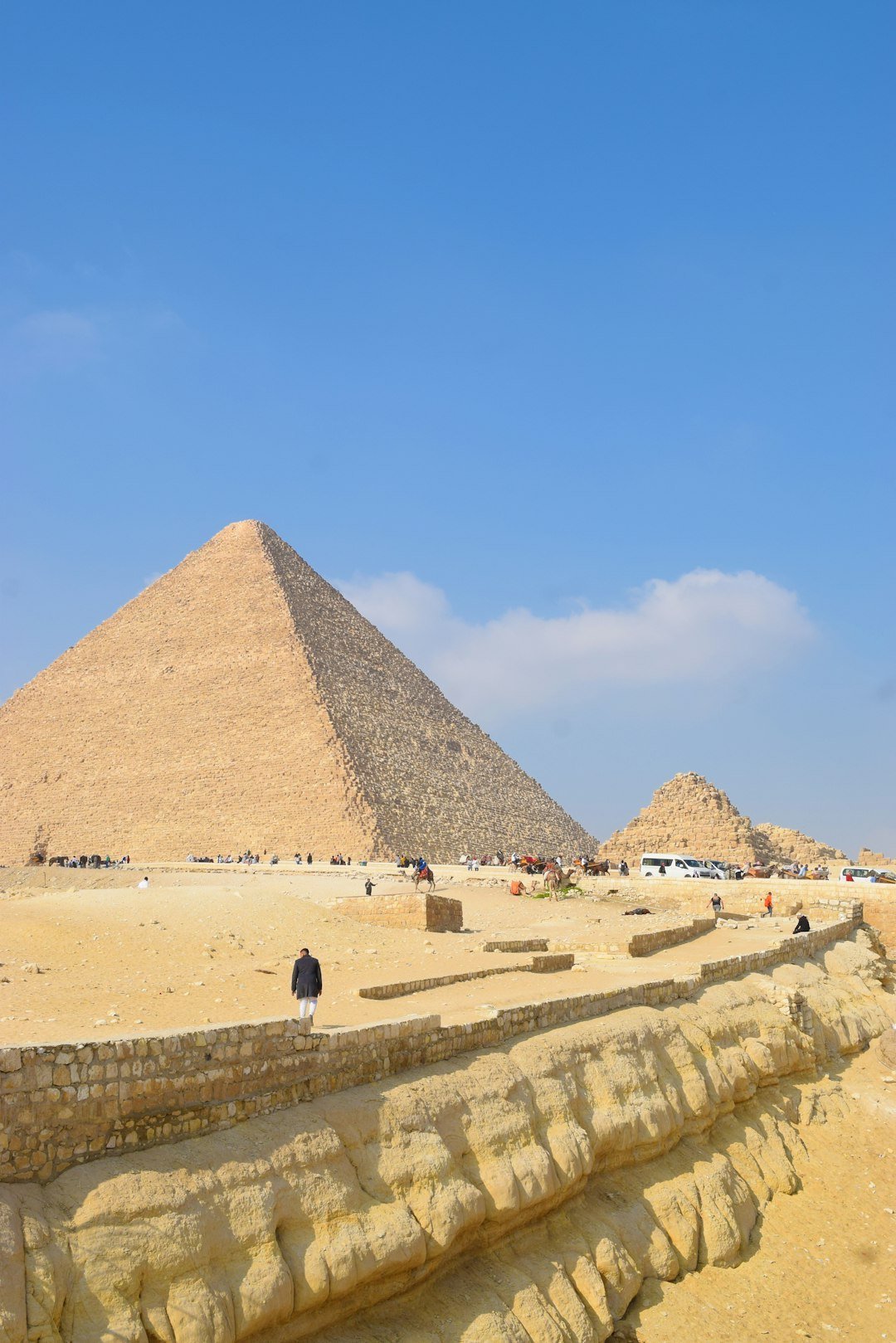
Built around 2580 BC for Pharaoh Khufu, the Great Pyramid rose from the Giza plateau using over two million limestone and granite blocks, each weighing up to 80 tons. Workers likely employed straight or spiraling ramps to drag stones into place, wetting sand to reduce friction on sledges pulled by teams of laborers.[1]
Perfectly aligned to the cardinal directions, it served as a tomb and a stairway to the afterlife, showcasing Egypt’s organizational prowess during the Old Kingdom. This sole surviving ancient wonder stands as a testament to pharaonic ambition, drawing millions who marvel at its scale.[2]
Stonehenge
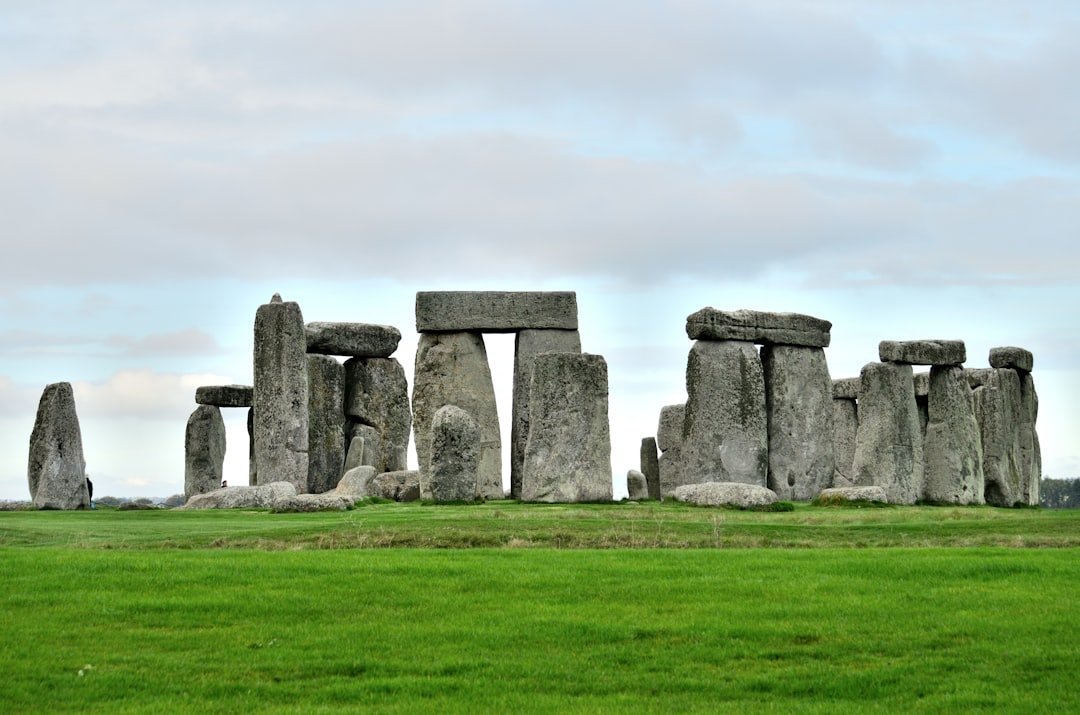
Erected between 3000 and 2000 BC on England’s Salisbury Plain, Stonehenge features massive sarsen stones, some 30 feet tall and 25 tons heavy, transported from miles away using ropes, rollers, and possibly rafts. Builders dug pits and levered the bluestones upright, capping them with lintels secured by tongue-and-groove joints.
Aligned with solstices, it likely functioned as a ceremonial site for Neolithic communities, marking seasonal rituals and burials. Its mystery endures, fueling debates on prehistoric astronomy and society.
Parthenon
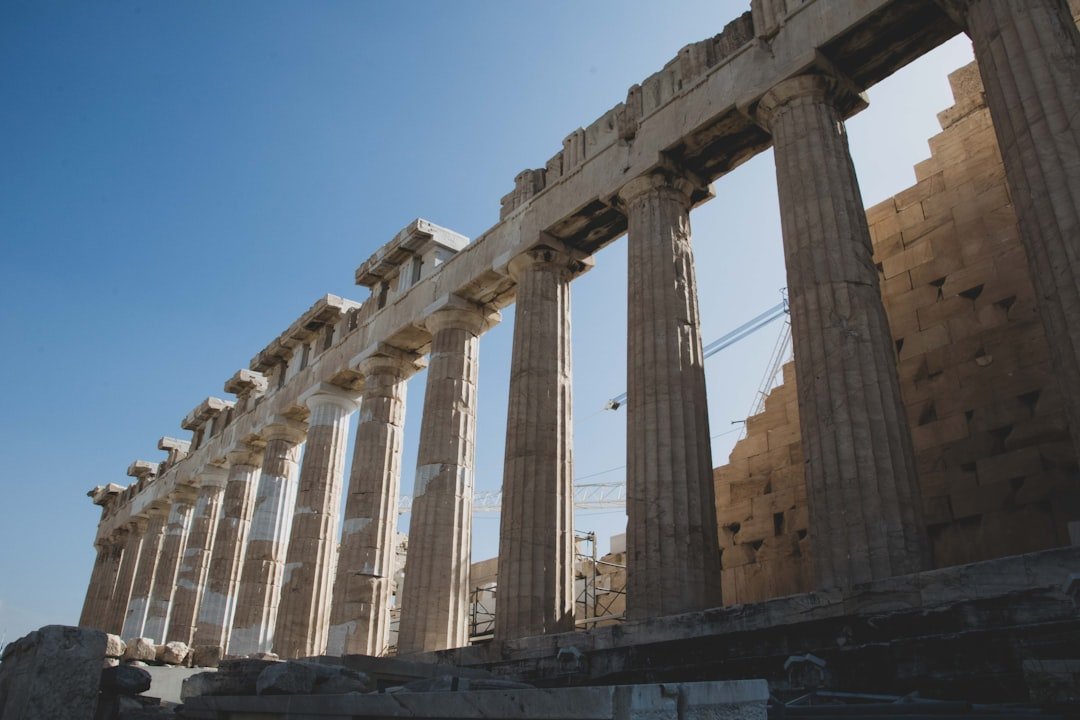
Constructed in 447-432 BC atop Athens’ Acropolis, the Parthenon used Pentelic marble blocks cut with bronze tools and assembled without mortar, relying on iron clamps and precise dovetail joints. Cranes powered by human treadwheels hoisted the massive drums into place for its Doric columns.
Dedicated to Athena, it symbolized Athenian democracy and imperial might after the Persian Wars. Restored yet scarred by time and conflict, it remains a pinnacle of classical Greek architecture.
Petra
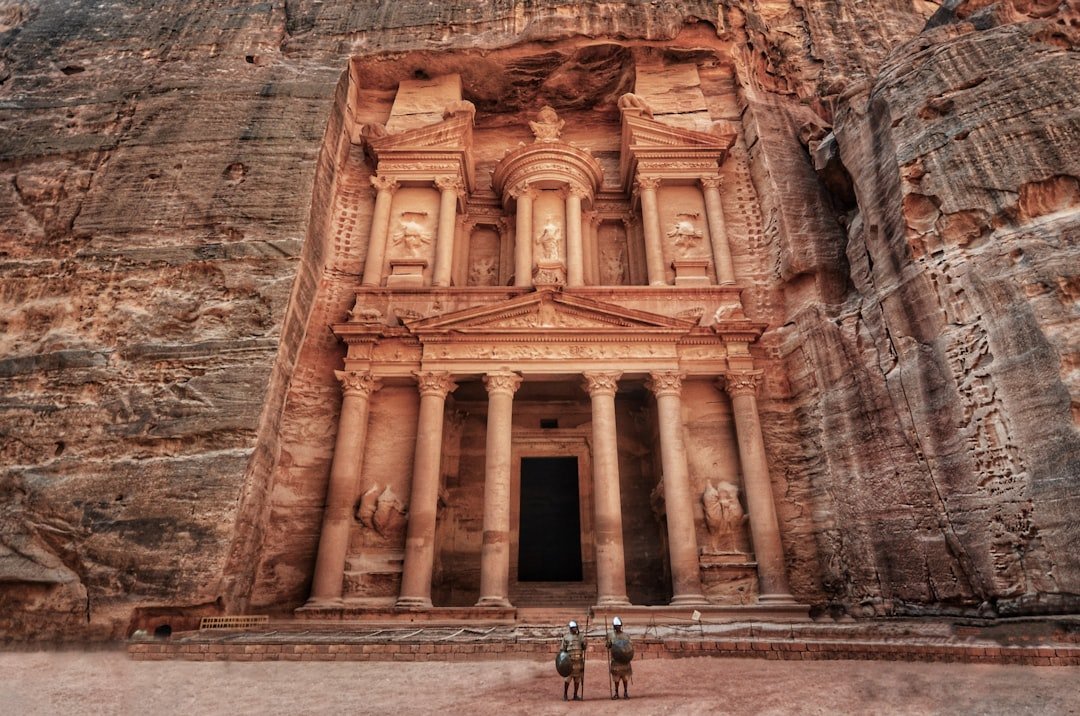
Carved into Jordan’s rose-red cliffs by Nabateans around the 1st century BC, Petra’s facades like Al-Khazneh involved chiseling sandstone from top to bottom, using scaffolding and picks to create intricate Hellenistic details. Water channels and cisterns supported this desert city.
A thriving trade hub on spice routes, it blended Eastern and Western influences until earthquakes and shifts in commerce led to abandonment. Its dramatic canyons and tombs continue to captivate explorers.
Colosseum
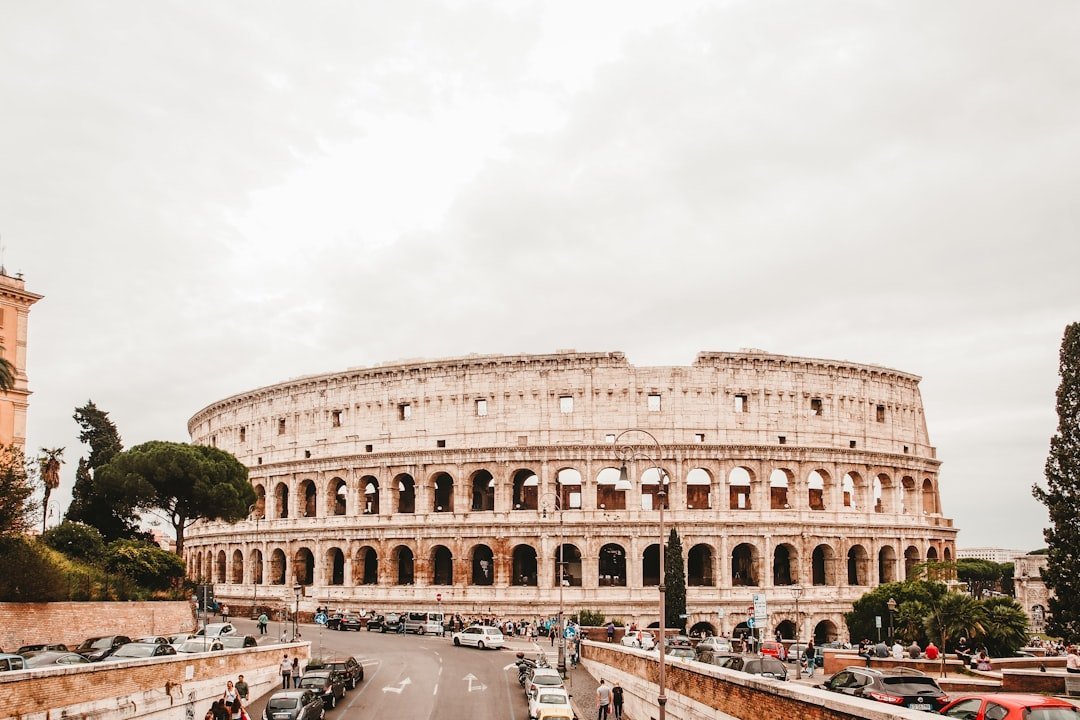
Completed in 80 AD in Rome, the Colosseum’s elliptical amphitheater rose with 100,000 cubic meters of travertine, tuff, and concrete, poured into wooden molds and reinforced with iron clamps. Underground tunnels and lifts powered by slaves staged gladiatorial spectacles.
Seating 50,000, it hosted games to entertain the masses and assert imperial power under emperors like Vespasian. Partially ruined by quakes and stone robbers, its arches still echo ancient Rome’s grandeur.[3]
Pantheon
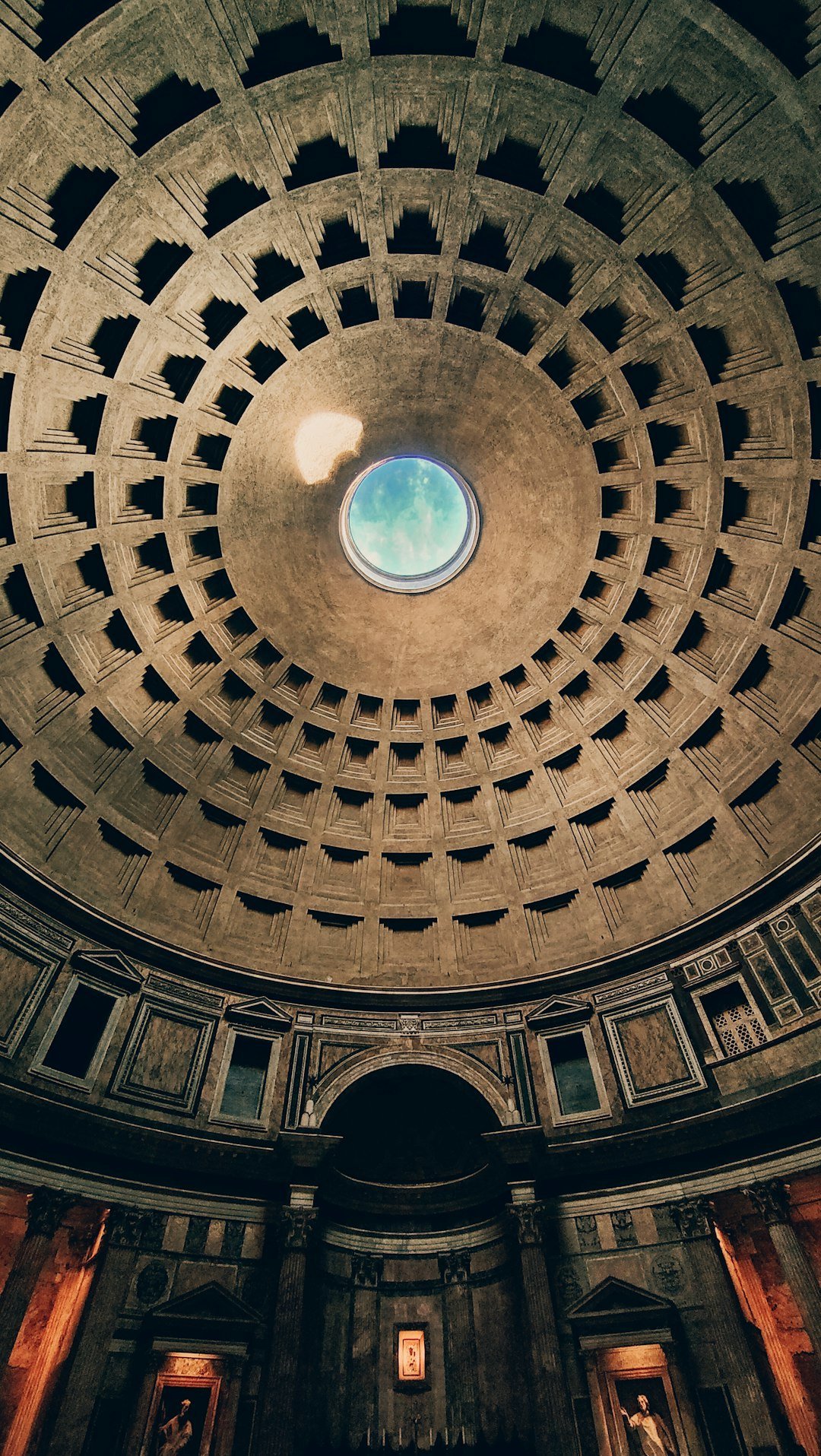
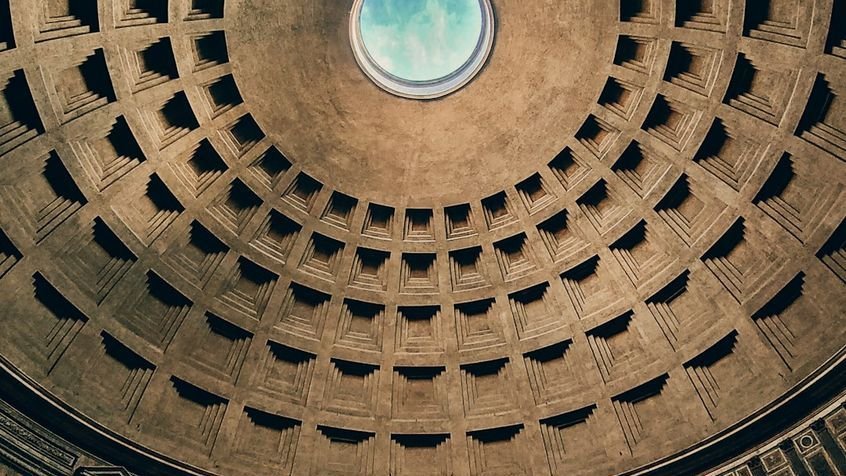
Erected around 125 AD by Emperor Hadrian, the Pantheon’s unreinforced concrete dome, the largest of antiquity at 43 meters wide, used lighter aggregates like pumice toward the top and a central oculus for light and weight relief. Brick-faced concrete walls supported the massive structure.
Originally a temple to all Roman gods, it later became a church, preserving its interior. Its engineering harmony influences domes worldwide today.[4]
Pont du Gard
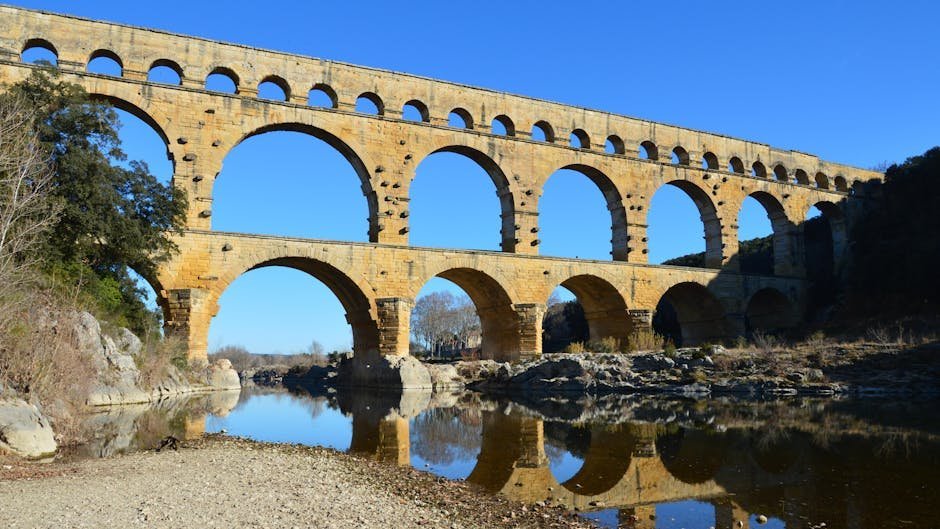
Built in the 1st century AD near Nîmes, France, this Roman aqueduct bridged the Gardon River with three tiers of precisely cut limestone arches, spanning 360 meters without mortar, held by their own weight and iron ties. Channels sloped gently to carry water 50 km.
Part of Nîmes’ water system, it demonstrated Rome’s hydraulic mastery for public baths and fountains. Towering at 49 meters, it stands as a feat of functional beauty.
Machu Picchu
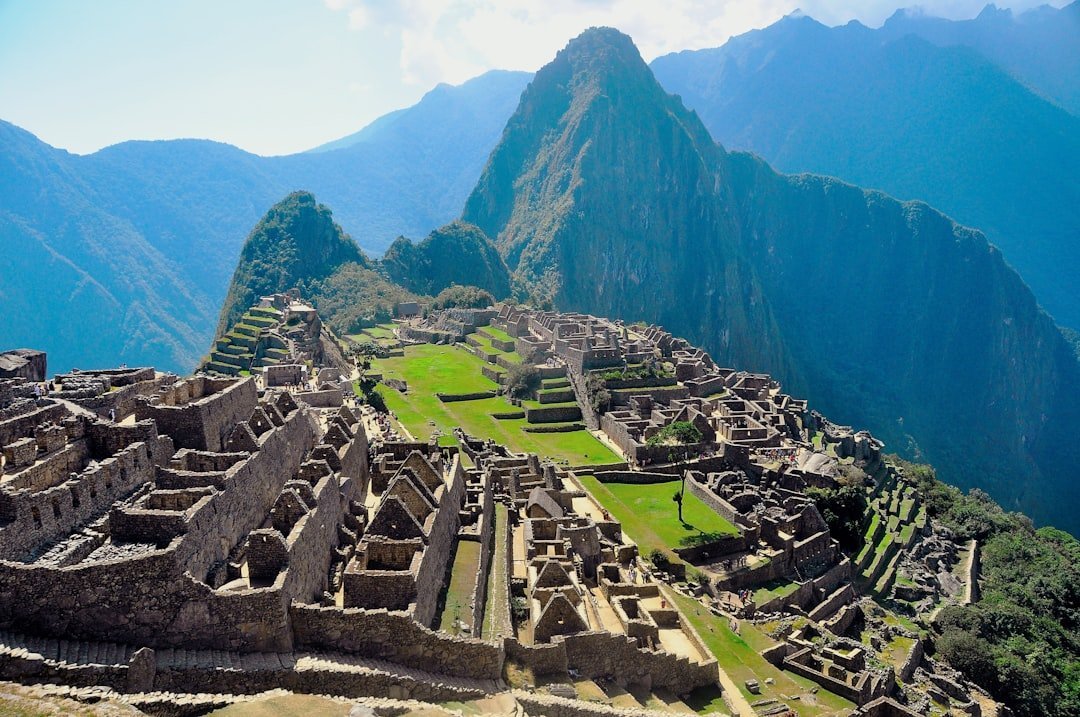
Constructed in the 15th century by Incas atop Peru’s Andes, Machu Picchu’s stone walls fit without mortar, polygons interlocked via ashlar technique, carved with stone hammers and bronze tools, then levered precisely. Terraces prevented landslides.
Serving as an estate for Pachacuti, it blended urban planning with sacred geography. Rediscovered in 1911, its isolation preserved this Andean jewel.
Chichén Itzá
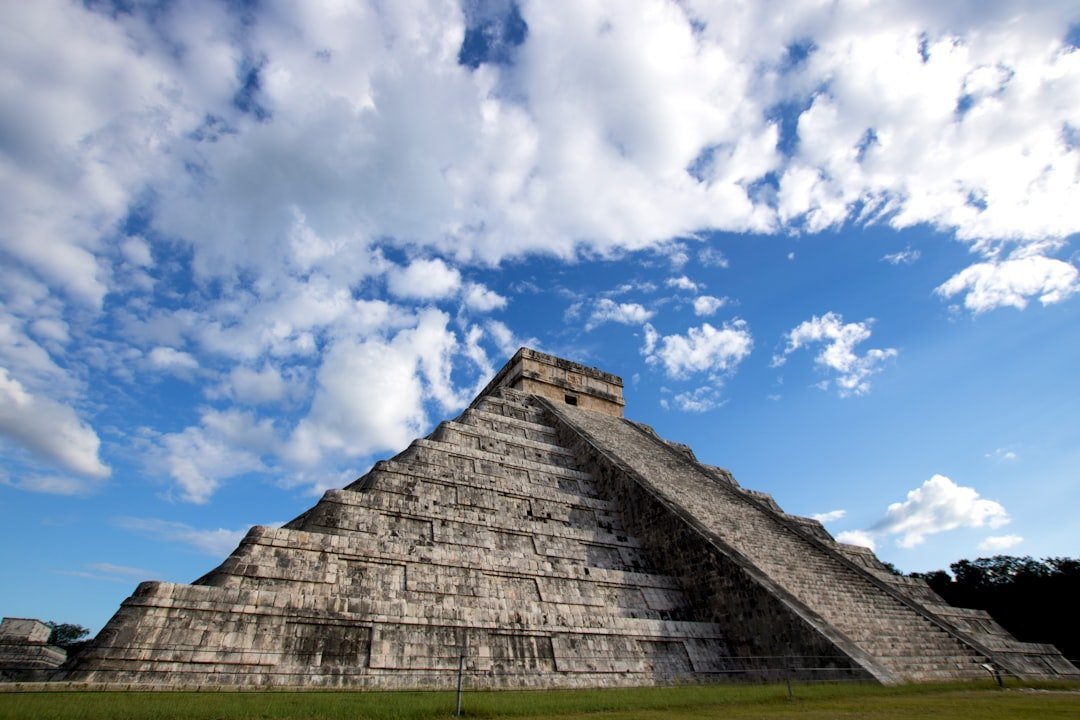
Built by Maya from the 6th to 12th centuries in Mexico, El Castillo pyramid features 365 steps aligned for equinox shadows forming a serpent. Corbelled vaults and limestone blocks created its stepped design.
A political and religious center, it hosted rituals tied to astronomy and ball games. Its cenote supplied water in Yucatán’s karst.
Göbekli Tepe
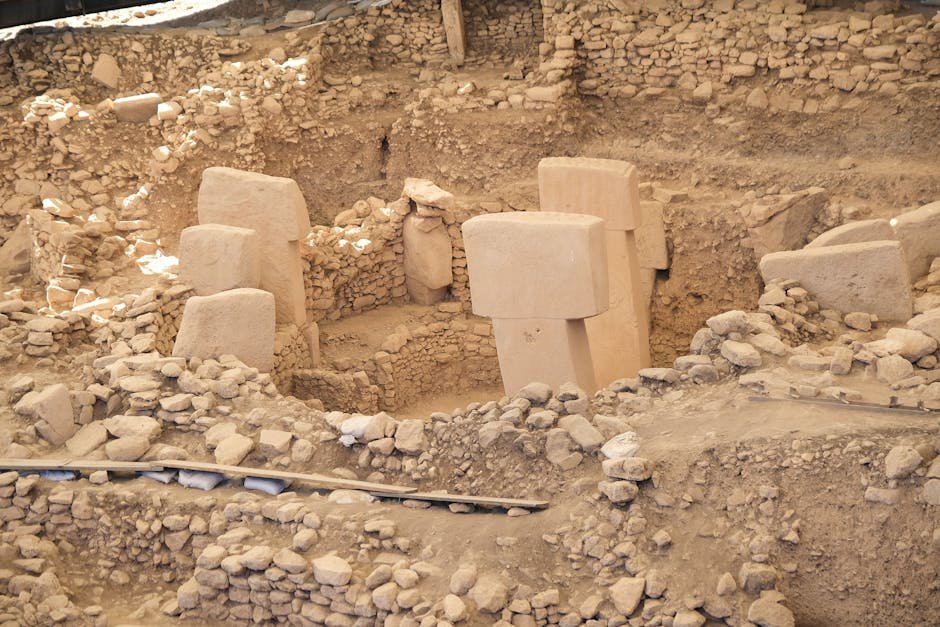
Dating to 9600 BC in Turkey, Göbekli Tepe’s T-shaped pillars, up to 20 feet tall, were quarried, shaped with flint tools, and erected in circles by hunter-gatherers using levers and ropes. Stone reliefs depict animals.
Likely a ritual complex predating settled farming, it challenges ideas of early society. Its burial under fill preserved these oldest monumental structures.[5]
Karnak Temple Complex
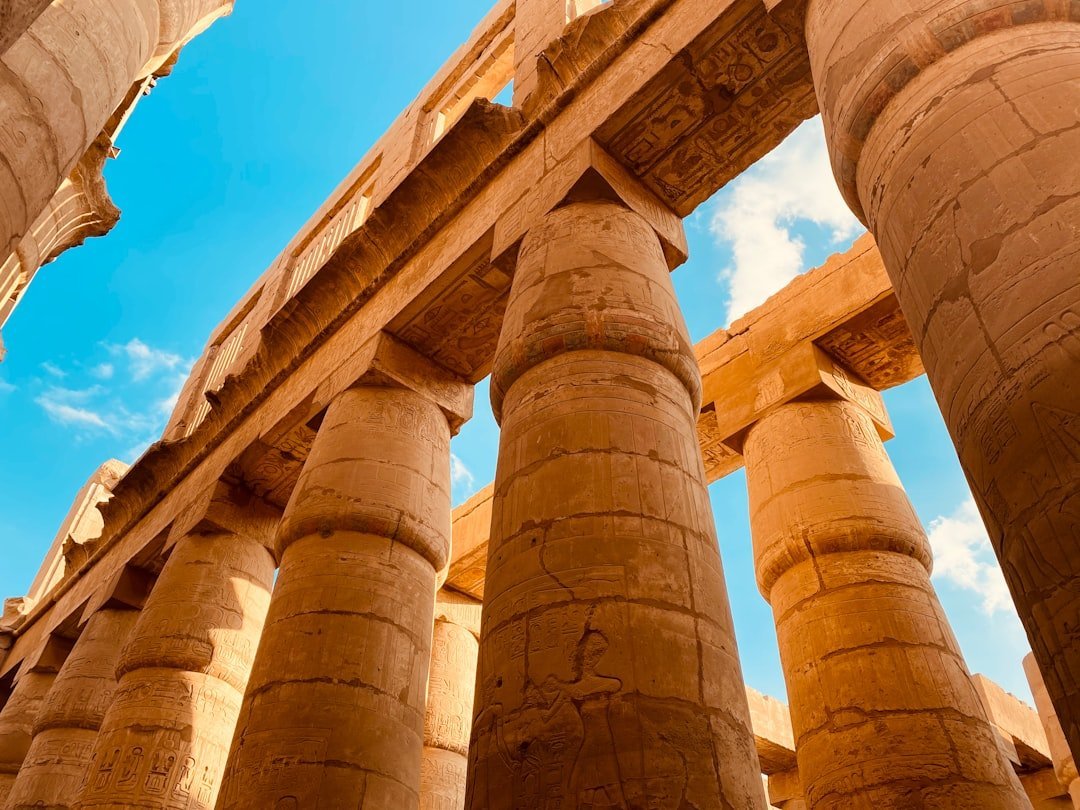
Expanded over 2,000 years from 2055 BC in Luxor, Karnak’s hypostyle hall boasts 134 columns up to 24 meters high, built with sandstone blocks hauled by barges on the Nile and levers. Obelisks were raised via sand ramps.
Dedicated to Amun, it anchored Theban power through New Kingdom pharaohs. Vast pylons and courts reflect Egypt’s evolving theology.
Great Wall of China
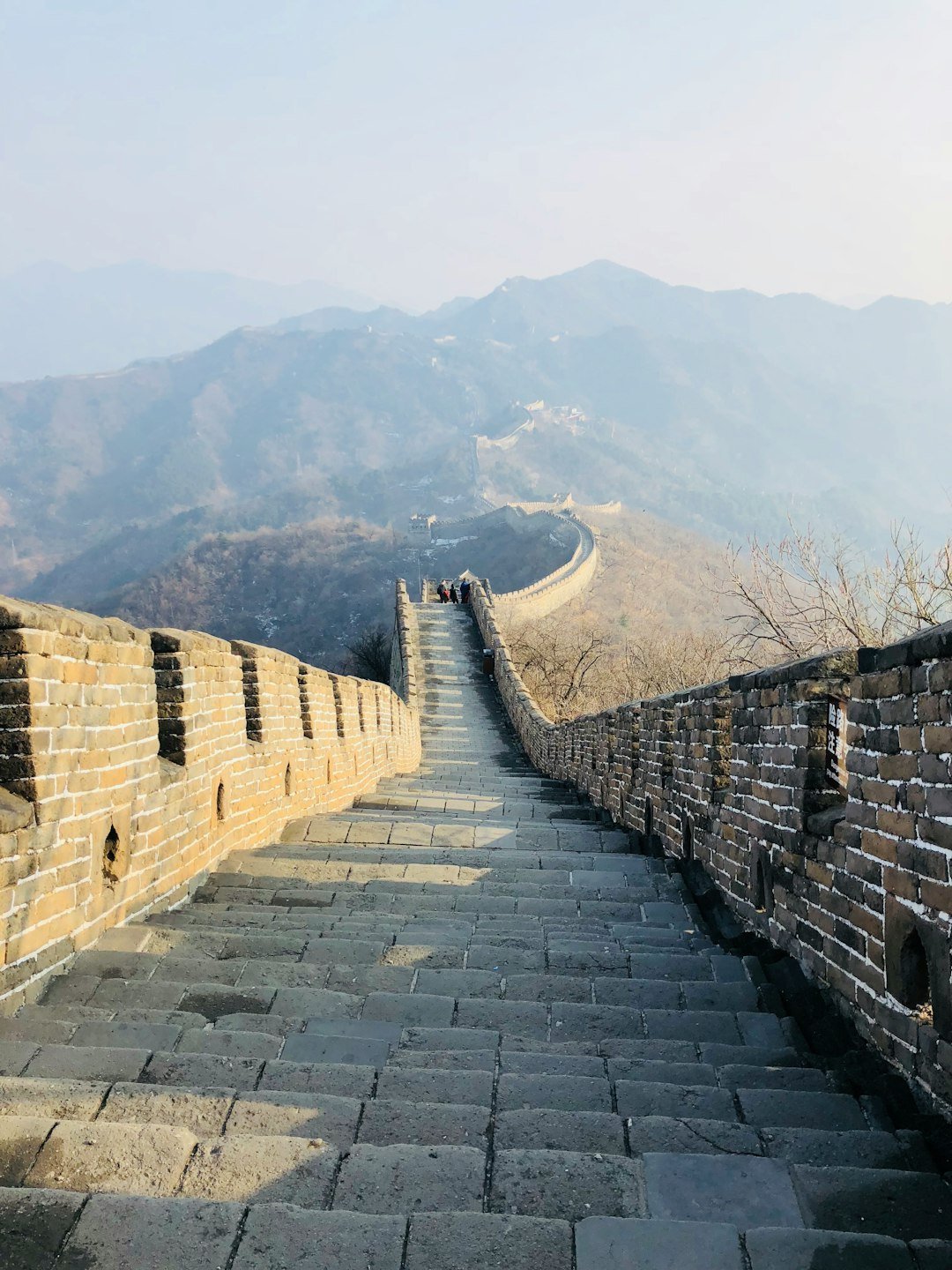
Begun in 221 BC under Qin Shi Huang, sections used rammed earth, bricks, and stone, transported by corvée labor and bonded with sticky rice mortar in later Ming additions. Watchtowers pierced northern frontiers.
Intended to deter invasions, it spanned dynasties amid immense human cost. Stretching thousands of kilometers, its scale humbles modern viewers.[6]
Conclusion: Echoes of Ancient Ingenuity
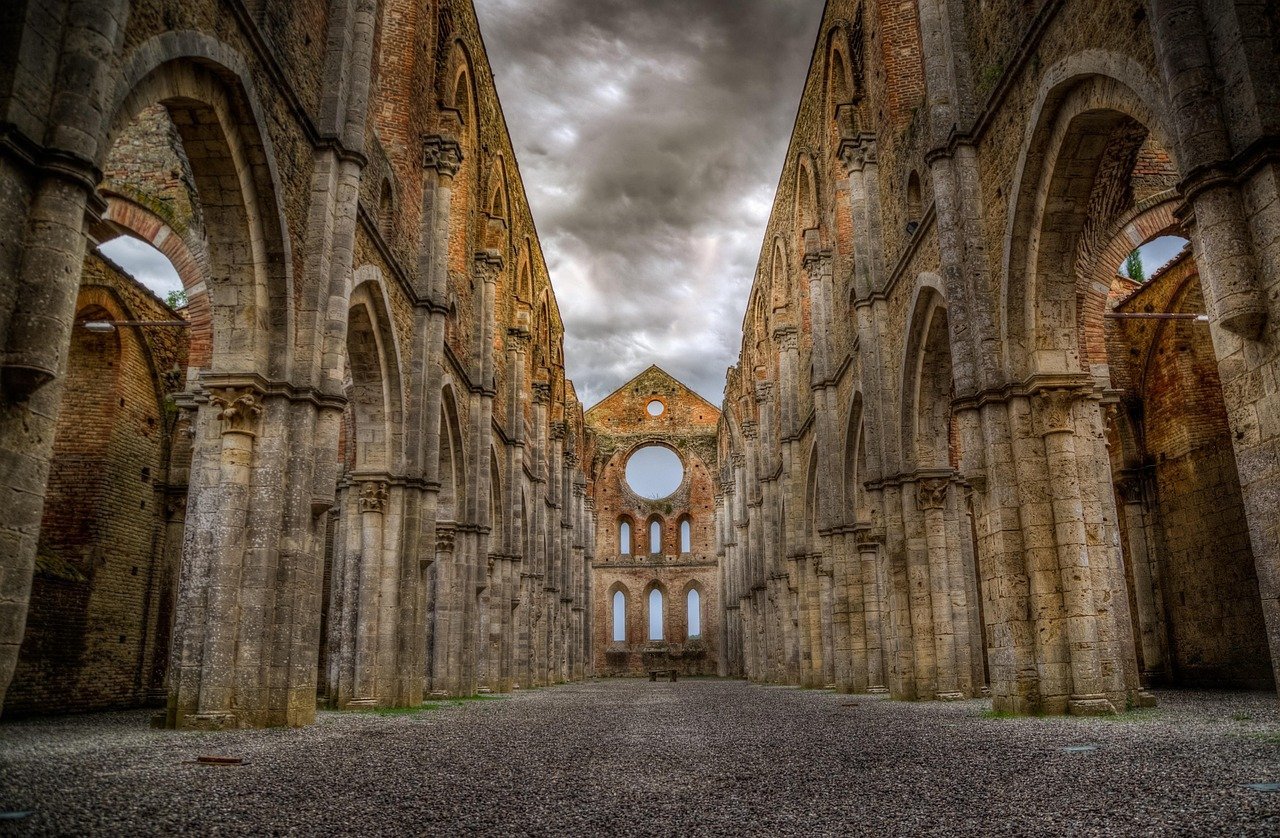
These structures reveal how ancient peoples mastered their environments with ingenuity and grit. Limited to stone, wood, and collective will, they crafted legacies that outlast empires.
Visiting them today bridges eras, reminding us that bold vision endures beyond tools or time. Their quiet presence challenges us to build with similar resolve.

Besides founding Festivaltopia, Luca is the co founder of trib, an art and fashion collectiv you find on several regional events and online. Also he is part of the management board at HORiZONTE, a group travel provider in Germany.
