

For any feedback please reach out to info@festivalinside.com
- 12 American Novels Everyone Should Read - March 30, 2026
- 10 Literary Characters Who Are More Famous Than Their Authors - March 30, 2026
- 13 Films That Were So Controversial, They Sparked National Debates - March 30, 2026
There is something almost uncanny about the way a great novel can reach across decades, even centuries, and still make you feel like the author is whispering directly into your ear. American literature has always done this with particular intensity. American literature captures the struggles, triumphs, and cultural shifts that have shaped the United States. From the earliest colonial period to the sprawling, digitally-saturated society of the 2020s, writers have used fiction to hold a mirror up to a nation that is always, restlessly, reinventing itself.
Literature serves as a mirror reflecting the values, struggles, and aspirations of Americans at different points in history. What makes this especially fascinating is how literature doesn’t just reflect those changes passively. It actively shapes them. American writers have played a crucial role in shaping public opinion and driving social change, effectively advocating for causes such as abolitionism, women’s rights, and religious freedom.
The twelve novels below aren’t just books. They are windows, arguments, confessions, and revolutions, all bound in paper and ink. Let’s dive in.
1. The Adventures of Huckleberry Finn by Mark Twain (1884)
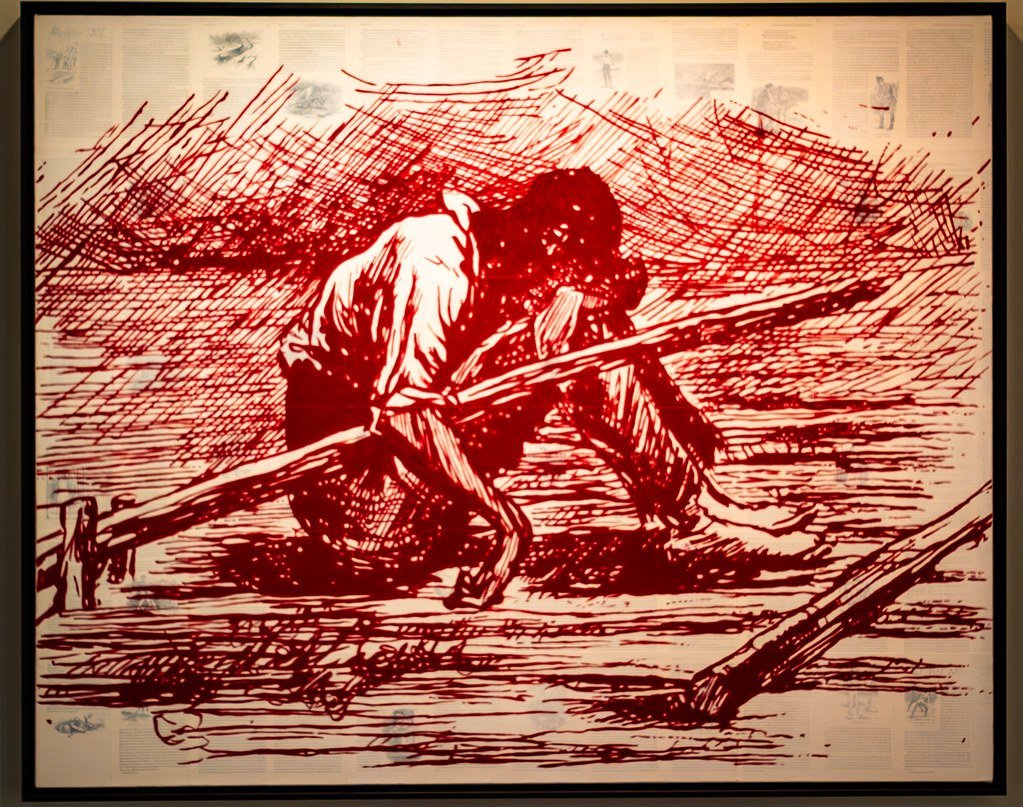
Here’s the thing about Huckleberry Finn: it is a deceptively simple story about a boy on a raft. Peel back the surface, though, and you find one of the most morally complex novels in American literature. The main themes in the novel are freedom and constraint, education and ignorance, social class, and slavery and race, with Huck and Jim traveling down the Mississippi River in pursuit of freedom, escaping the constraints of money, abuse, and enslavement. Twain understood something that most writers of his era didn’t dare to say out loud: that a child’s conscience, uncontaminated by social conditioning, could see moral truth more clearly than so-called civilized adults.
Mark Twain’s The Adventures of Huckleberry Finn is considered a quintessential Great American Novel because it holds a mirror up to America’s racist history, while also demonstrating the power of compassion and the human right to freedom. Twain uses Jim, a main character and a slave, to demonstrate the humanity of enslaved people. Jim expresses complicated human emotions and struggles with the path of his life, eventually running away from his owner and working toward obtaining freedom so he can buy his family’s freedom, all while caring for and protecting Huck not as a servant but as a friend. Few novels have generated as much debate or remained as fiercely relevant.
2. Moby-Dick by Herman Melville (1851)
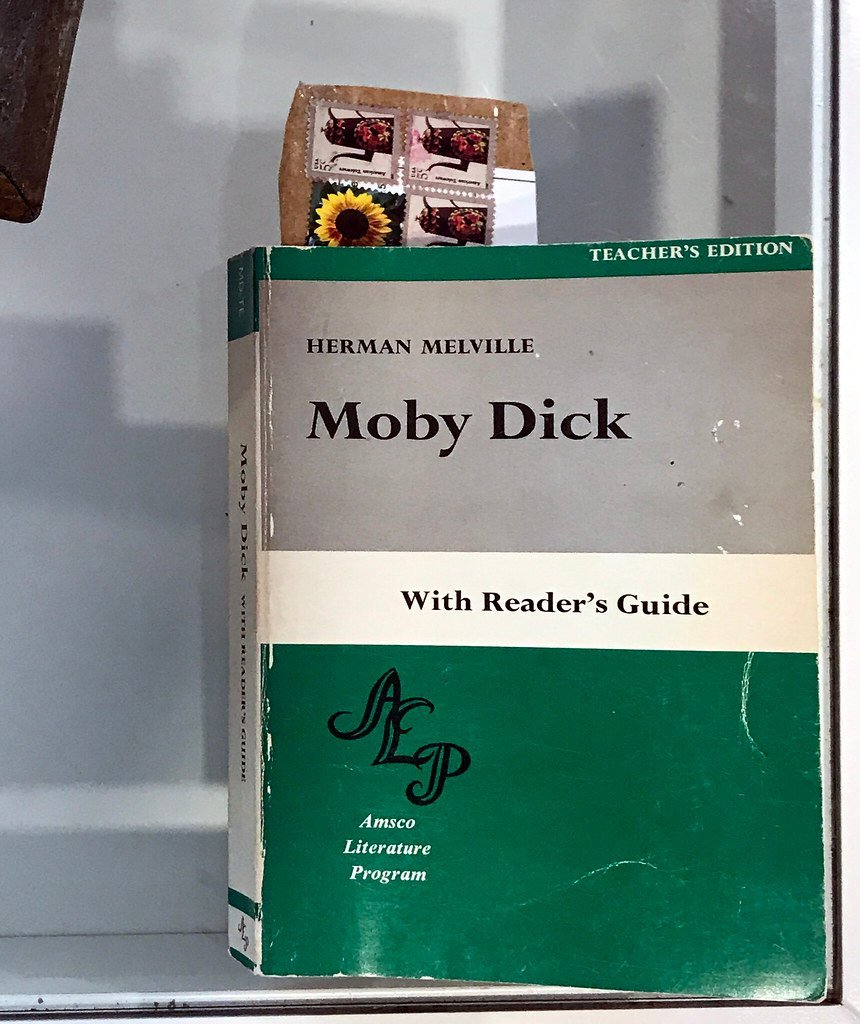
I’ll be honest: Moby-Dick intimidates people. It’s long, dense, and contains entire chapters about whale anatomy. Yet I think it is one of the most rewarding ing experiences in the English language. Herman Melville’s Moby-Dick is an epic tale of obsession and revenge centered around Captain Ahab’s relentless pursuit of the titular white whale, blending adventure, philosophical reflection, and deep psychological analysis, making it one of the most complex and richly layered works in American literature.
This now-famous book about a man’s hunt for the great whale is considered one of the greatest American novels ever written, and it is heavy on symbolism while also famous for its detailed depiction of the whaling industry in the 19th century and its many different narrative styles and structures. More than just a seafaring adventure, the novel explores what happens when human arrogance, ambition, and obsession collide with the indifferent forces of nature. That feels just as relevant in 2026 as it did in 1851, honestly maybe more so.
3. The Great Gatsby by F. Scott Fitzgerald (1925)
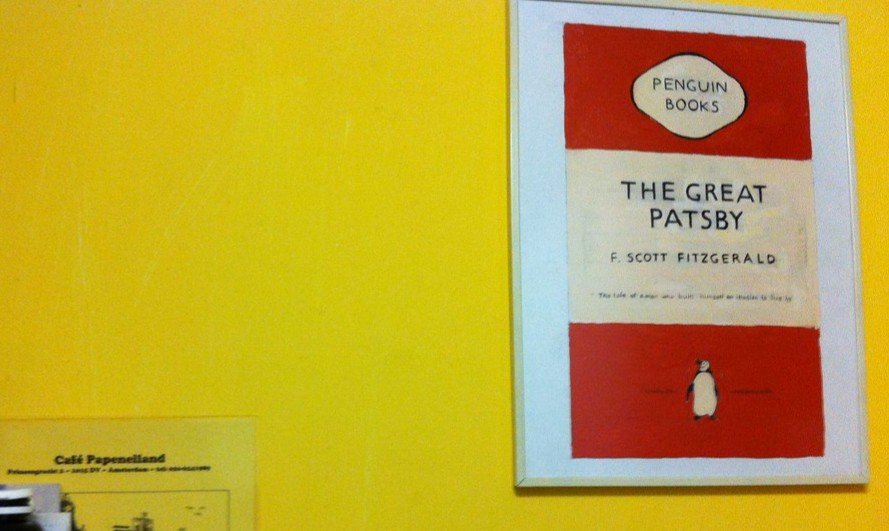
The Great Gatsby is one of those novels that almost everyone has in school, yet somehow keeps revealing new layers each time you return to it as an adult. Exploring themes of class, wealth, and social status through the story of the self-made millionaire Jay Gatsby and his pursuit of Daisy Buchanan, Fitzgerald takes a cynical look at the pursuit of wealth among a group of people for whom pleasure is the chief goal, depicting his country’s most abiding obsessions including money, ambition, greed, and the promise of new beginnings.
The Great Gatsby is a quintessential American novel set during the Roaring Twenties in which Fitzgerald examines themes of wealth, ambition, love, and disillusionment through the tragic figure of Jay Gatsby, and the novel’s exploration of the American Dream remains relevant in the modern world. The novel functions like a gorgeous lie, all glittering parties and green lights across the bay, until Fitzgerald yanks the curtain away to expose a hollow, deeply unequal society underneath. It is, in the best possible way, devastating.
4. To Kill a Mockingbird by Harper Lee (1960)
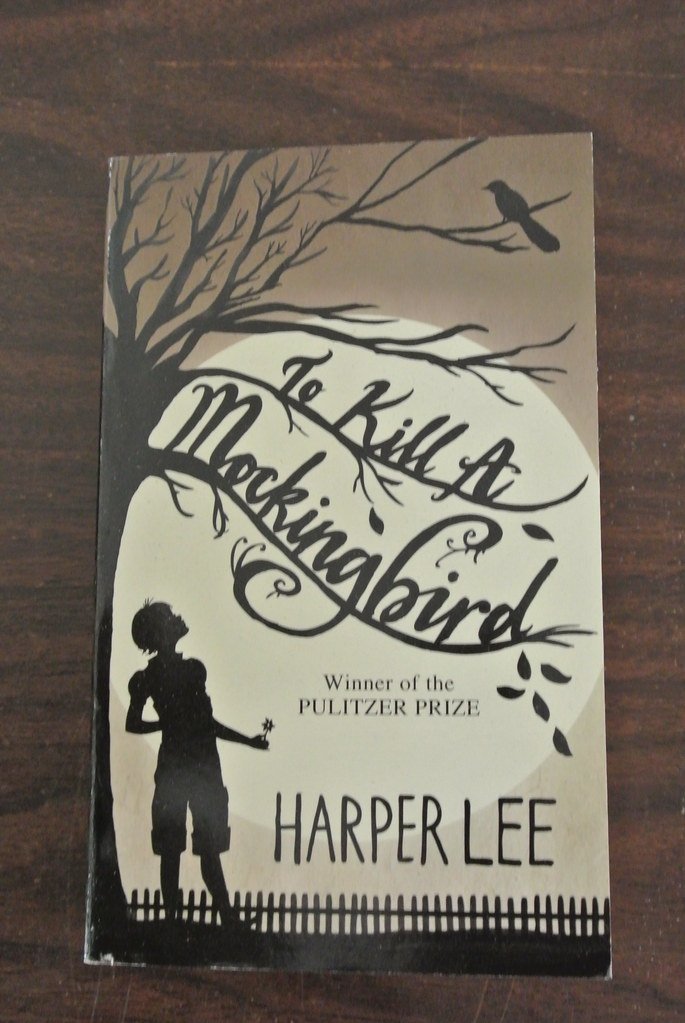
Set in the 1930s in the fictional town of Maycomb, Alabama, and narrated by Scout Finch, a young girl whose father Atticus Finch is a lawyer defending a Black man unjustly accused of raping a white woman, the novel explores profound themes of racial injustice, moral growth, and the loss of innocence. What makes this novel such an enduring experience is Twain’s choice to filter everything through a child’s perspective. Scout doesn’t yet know how to look away, and as a er, neither can you.
To Kill a Mockingbird won the Pulitzer Prize and has since become a classic, widely taught in schools and revered for its exploration of deep social issues. The novel explores major themes such as prejudice, tolerance, courage, and the loss of innocence, with the children’s evolving perception of Boo Radley and the racial prejudices surrounding Tom Robinson’s trial highlighting societal intolerance, while Atticus Finch serves as a moral guide, teaching his children empathy and real courage. To this day, it remains a vital and unsettling portrait of justice denied.
5. Beloved by Toni Morrison (1987)
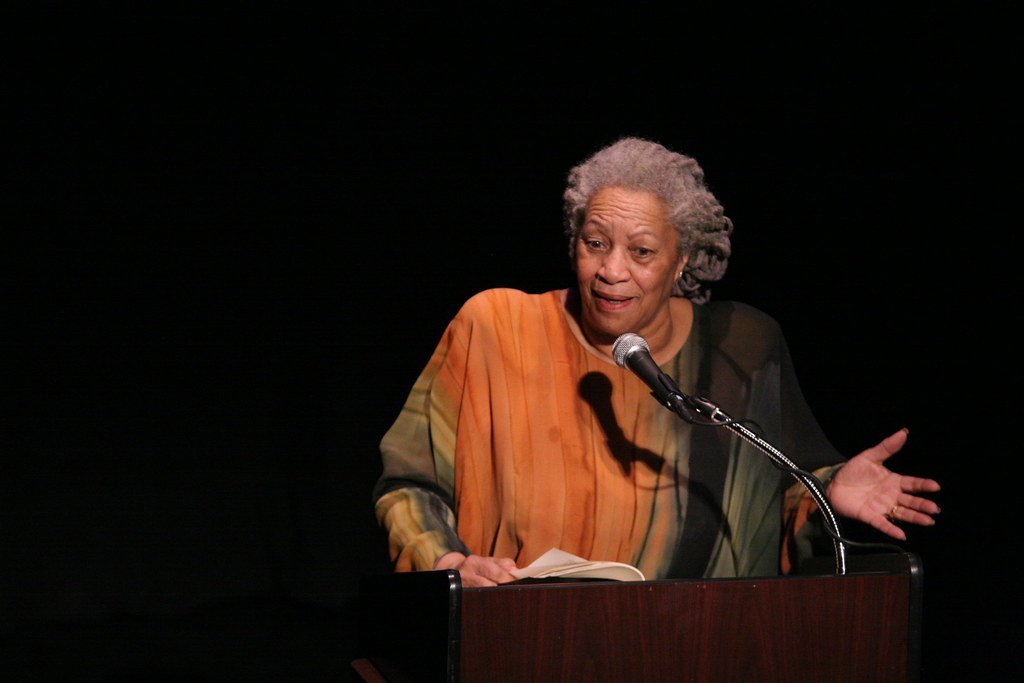
Beloved is not an easy novel to . It is haunting in the most literal sense of the word. A haunting exploration of slavery’s lasting impact, it follows Sethe, a former slave haunted by the ghosts of her past. Morrison does something extraordinary here: she refuses to let slavery remain a historical abstraction. She forces the er to feel it, breathe it, and reckon with it on a visceral, deeply personal level.
Morrison’s novel has inserted itself into the American canon more completely than any of its potential rivals, and with remarkable speed, Beloved became a staple of the college literary curriculum within less than 20 years of its publication, because it was Morrison’s intention in writing it precisely to expand the range of classic American literature, entering as a living Black woman the company of dead white males like Faulkner, Melville, Hawthorne, and Twain. Written to honor the memory of African American slaves brought over during the slave trade, Beloved is one of the most recognizable and influential texts in modern literature.
6. The Grapes of Wrath by John Steinbeck (1939)
Few novels have managed to make economic statistics feel like open wounds. The Grapes of Wrath does exactly that. Set during the Great Depression era and following the journey of the Joad family as they leave their Oklahoma farm in search of work and a better life in California, the story chronicles the struggles and hardships faced by the family, shedding light on themes of poverty, migration, and the human spirit amidst adversity, providing a poignant portrayal of the challenges faced by working-class families during a time of economic crisis.
Set against the backdrop of the Great Depression, Steinbeck’s portrayal of poverty and resilience highlights economic inequality and human dignity, making this novel a landmark in classic American literature. Steinbeck believed in the dignity of ordinary people with a conviction bordering on religious faith. The Joad family is every family that has ever scraped by, been displaced, been looked down upon, and refused to stop walking forward. That kind of story never really goes out of style.
7. Invisible Man by Ralph Ellison (1952)
Ellison’s Invisible Man opens with one of the most arresting first lines in American fiction. Its unnamed narrator explains that he is invisible, not because of anything supernatural, but because people simply refuse to see him. Ralph Ellison’s Invisible Man is a powerful novel about race, identity, and the African American experience, with the unnamed protagonist’s journey through a racially divided America exploring themes of invisibility, alienation, and the search for personal and social recognition.
Among the first books by a Black author to be considered the Great American Novel, this fascinating book about race follows a nameless protagonist who believes the color of his skin makes him invisible to the people around him, and it was immediately considered a masterpiece, one of those rare novels that shaped the United States, remaining relevant decades later. Ellison’s novel is not just about racial invisibility. It is about the terrifying experience of existing in a society that has aly decided your story for you, before you’ve even had a chance to speak.
8. Native Son by Richard Wright (1940)
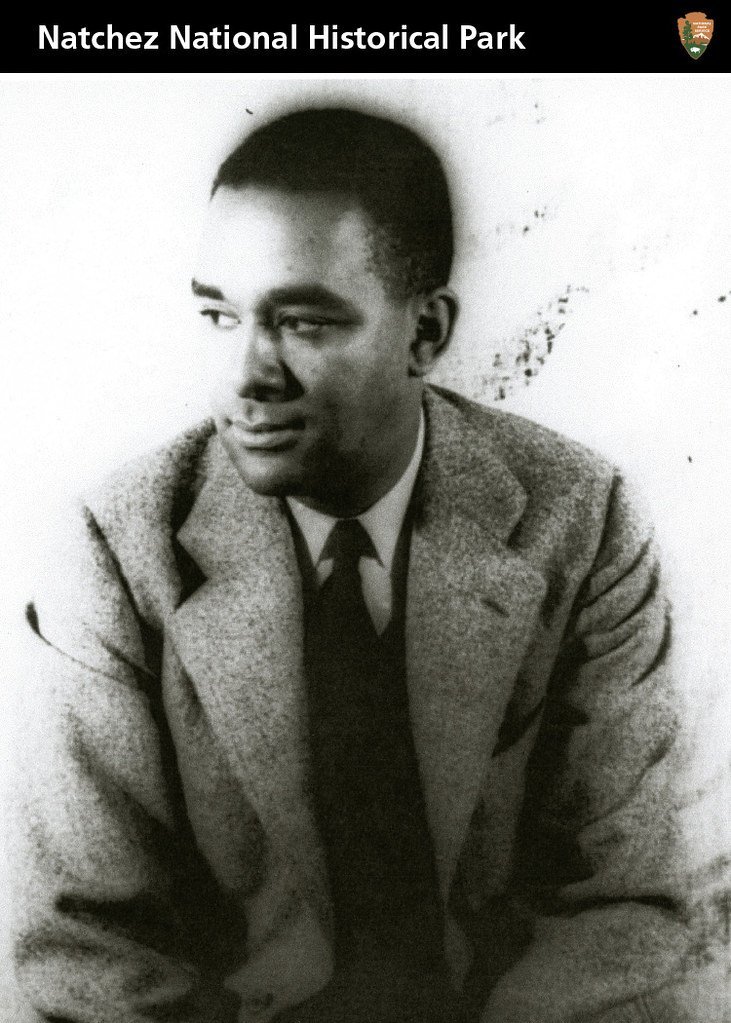
Native Son is a novel that arrived like a thunderclap. Among the first widely successful novels by an African American, Native Son boldly described a racist society that was unfamiliar to most Americans. Wright wanted his ers deeply uncomfortable, and he succeeded beyond measure. The story of Bigger Thomas does not let the er retreat into comfortable moral distance.
Often regarded as the father of Black American Literature, Richard Wright wrote Native Son as an attempt to demonstrate the harsh realities of being a Black person in white America, and it was one of the earliest and most successful books to observe the racial divide in the country from the perspective of the minority, highlighting Black culture in a way that had not been done before. The cultural shockwave it created was immediate and lasting. Among the first widely successful novels by an African American, Native Son boldly described a racist society that was unfamiliar to most Americans, and as literary critic Irving Howe noted, “The day Native Son appeared, American culture was changed forever.”
9. Their Eyes Were Watching God by Zora Neale Hurston (1937)
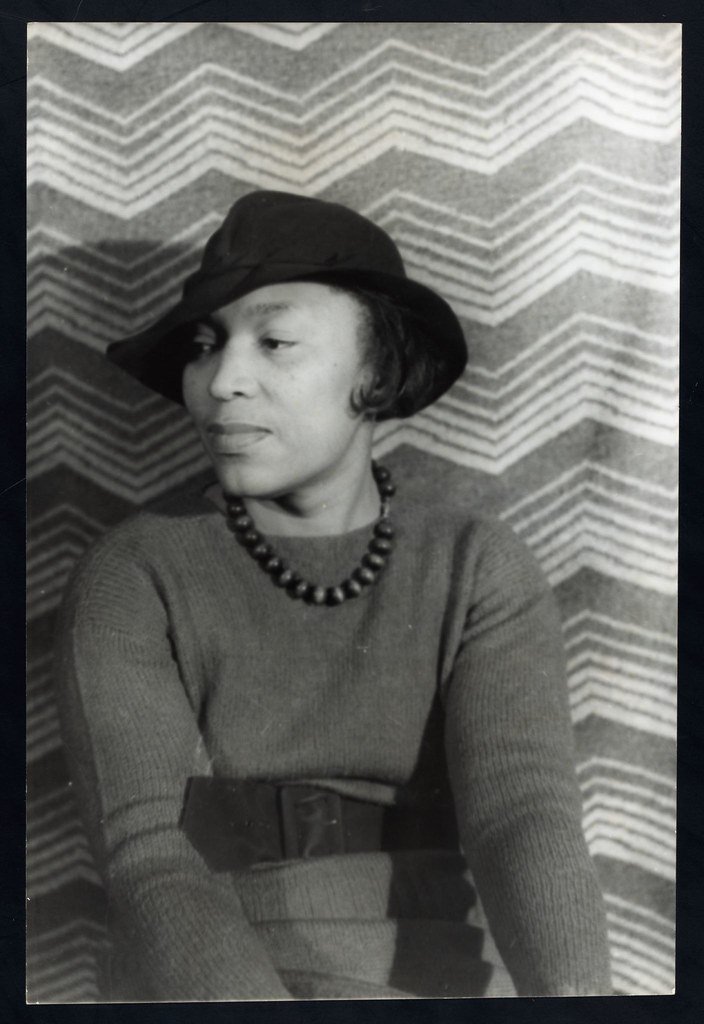
Zora Neale Hurston was decades ahead of her time, and literature still hasn’t fully caught up with her. Her novel follows Janie Crawford’s quest for self-discovery and empowerment, and it is celebrated for its rich depiction of African American culture and its exploration of love and independence, remaining a landmark work in classic American literature. Hurston wrote in the vernacular of Black Southern life with a love and precision that no other writer of her era matched.
Writers of the Harlem Renaissance drew from folk traditions, jazz, and the everyday experiences of Black Americans, creating a literature that highlighted racial pride and cultural identity. Zora Neale Hurston’s novels, like Their Eyes Were Watching God, celebrated the unique voices of Black women in the rural South. Janie Crawford is one of American fiction’s most fully realized characters, not a symbol or a mouthpiece but a whole, breathing human being who demands love, autonomy, and her own story. That, I’d argue, was quietly radical in 1937. It remains quietly radical today.
10. Slaughterhouse-Five by Kurt Vonnegut (1969)
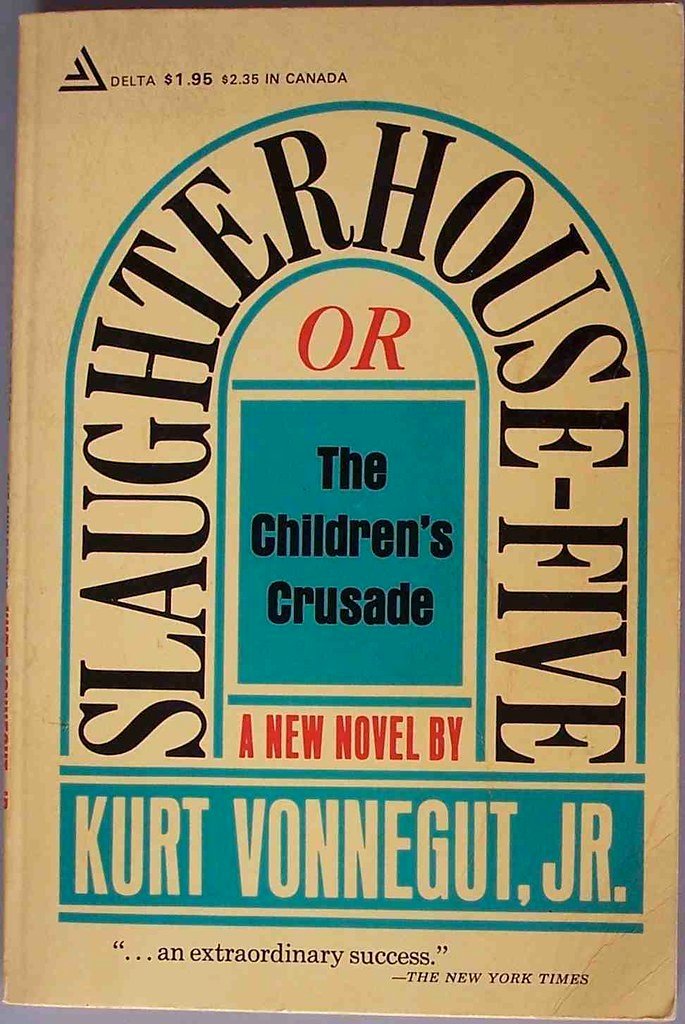
You want to understand American disillusionment in the post-World War II era? Slaughterhouse-Five. Kurt Vonnegut’s Slaughterhouse-Five is a groundbreaking anti-war novel that blends science fiction and historical narrative, and through the protagonist Billy Pilgrim, who becomes “unstuck in time,” Vonnegut explores the absurdity and tragedy of war, specifically the bombing of Dresden during World War II.
In Slaughterhouse-Five, important social institutions and beliefs come under fire from Vonnegut’s cutting satire, and as well as organized religion, Vonnegut attacks patriotism and the commonly held belief that America’s actions during WWII were morally correct. With its frank depictions of sex, strong language, and existential d, it’s no wonder Slaughterhouse-Five has faced constant threats of censorship and outright banning since it was published in 1969. That a government would want to suppress a book about the senselessness of war tells you everything you need to know about the book’s power.
11. The Scarlet Letter by Nathaniel Hawthorne (1850)
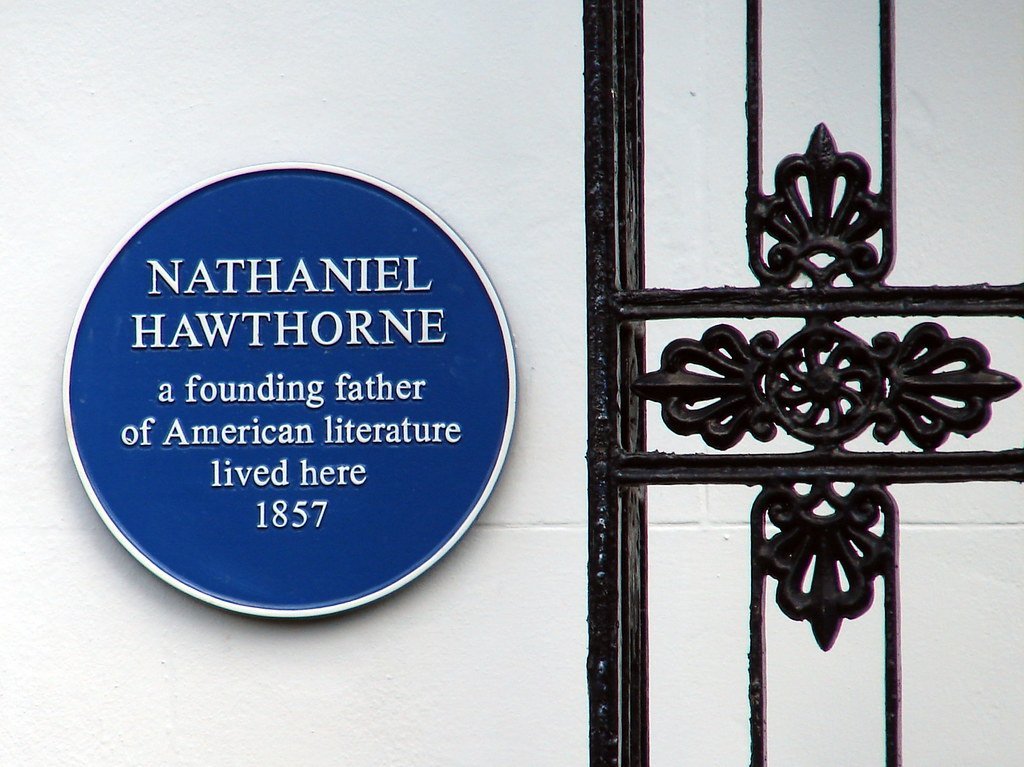
Long before anyone was talking about cancel culture or public shaming, Hawthorne was probing these very dynamics with surgical precision. This symbolic novel set in Puritan New England traces the effects of sin on people’s lives, following Hester Prynne, who is forced to display her transgression openly in the form of a scarlet letter “A” for adultery, while her husband is obsessed with revenge and her lover, a minister, conceals his guilt and shame.
Early American literature, like the works of authors such as Nathaniel Hawthorne, often grappled with questions of national identity, individualism, and the American experience. The Scarlet Letter remains the great American novel about hypocrisy, community judgment, and the cost of authenticity in a society built on rigid moral codes. Hester Prynne, in her quiet defiance, is more modern than most contemporary characters. She refuses to be defined by the letter on her chest, and that refusal burns quietly through every page.
12. The Jungle by Upton Sinclair (1906)
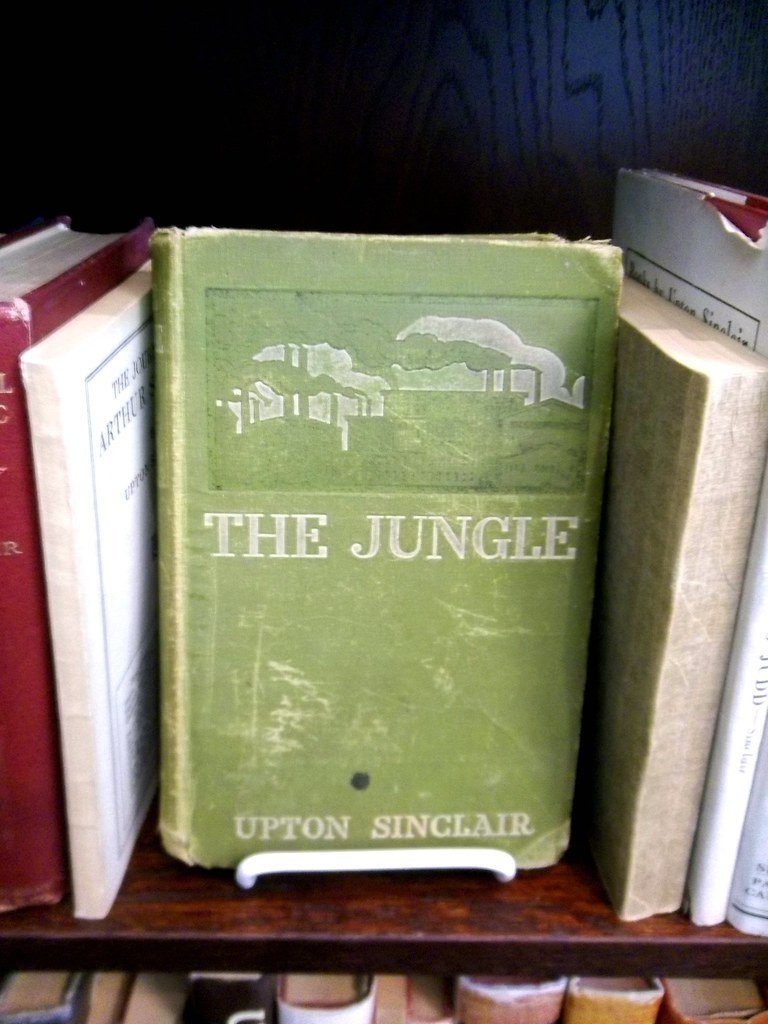
If you’ve ever wondered whether a single novel could actually change laws, Upton Sinclair’s The Jungle is your answer. Even though Sinclair set out to write a novel about the lives of immigrants in America in the early 20th century, The Jungle ended up gaining popularity because it highlighted the unsanitary practices in the meatpacking industry, and by depicting countless health violations and stories of the unfair treatment and pay of migrant workers, Sinclair was a major contributor to the reformation of the meat inspection laws in America, over time gaining more recognition for influencing standardized wages as well.
Sinclair’s immigrant hero Jurgis Rudkus arrives in America bursting with optimism, only to be systematically dismantled by an industrial machine that views human beings as interchangeable parts. An early socially conscious novel, the book examines poverty, alcoholism, gender roles, loss of innocence, and the struggle to live the American Dream in an inner city neighborhood of immigrant families. It is a gut-punch of a novel, the kind that makes you furious and then makes you act. Sinclair wanted to move hearts, and instead he moved Congress. That’s not a bad outcome for 300 pages of fiction.
Why These Twelve Novels Still Matter
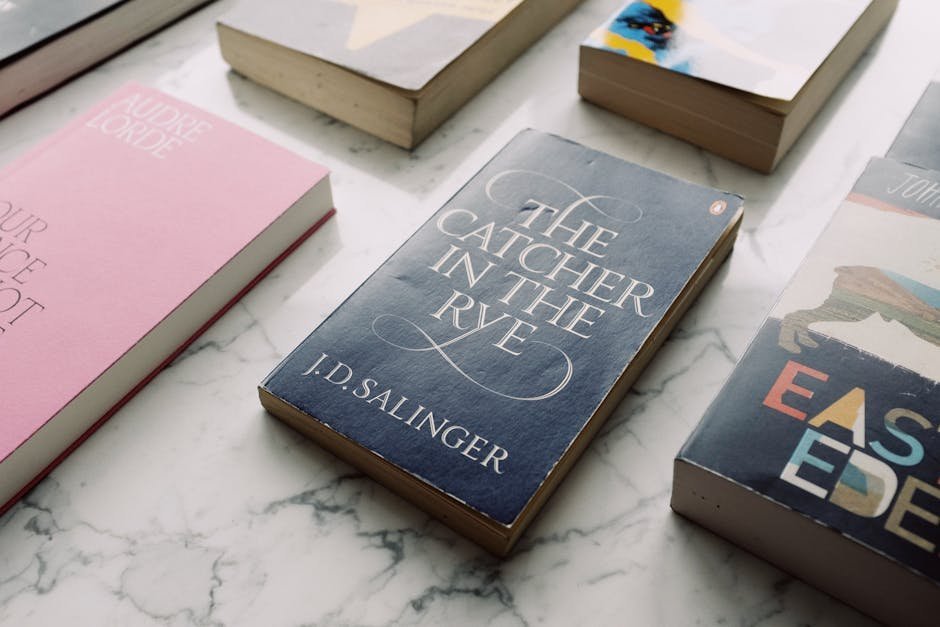
Taken together, these twelve novels form something close to a national self-portrait, flawed, unfinished, and perpetually in argument with itself. A Great American Novel captures the spirit, or essence, of ordinary life in the USA, serving as a literary yardstick of what defines America in a given era, whether that be the Great Depression or beyond, often addressing the complexities and contradictions of the American Dream. These books do exactly that, decade after decade, refusing to go quietly.
Inherent in the idea of the American literary canon is the recognition that certain ideas, issues, and events are at the core of our country’s history and culture, and novels can connect us to what these were at a specific time and for all time. American literature serves as a reflection of American culture, capturing its values, struggles, and evolving identity, and from early colonial writings to contemporary works, literature has documented themes such as individualism, freedom, the American Dream, and social justice.
ing these novels isn’t just an act of literary appreciation. It is an act of civic engagement, a way of understanding the full, complicated story of what this country has been, what it has failed to be, and what it might still become. American literature continues to evolve, reflecting the dynamic nature of American society and the ever-changing experiences of its people. So here’s the question worth sitting with: of the twelve novels on this list, which one do you think speaks most urgently to the America of 2026? Drop your thoughts in the comments below.

Christian Wiedeck, all the way from Germany, loves music festivals, especially in the USA. His articles bring the excitement of these events to readers worldwide.
For any feedback please reach out to info@festivalinside.com
