


For any feedback please reach out to info@festivalinside.com
D-Day (1944) – Operation Overlord’s Near-Failure
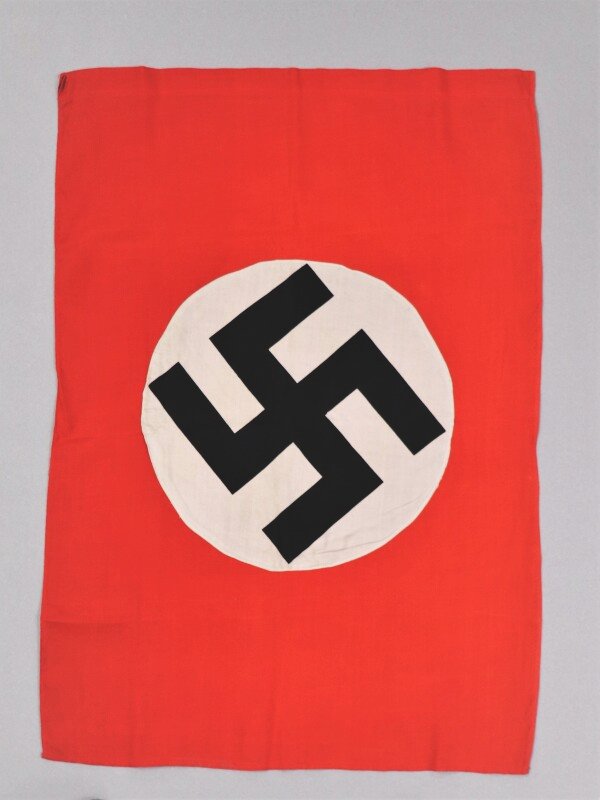
On June 6, 1944, the world watched as Allied troops stormed the beaches of Normandy in a desperate attempt to liberate Western Europe from Nazi control. This operation, known as D-Day, was not a guaranteed success. The invasion was nearly called off due to relentless storms that battered the English Channel, delaying the landing and throwing off precise military schedules. German defenses were daunting, with heavily fortified bunkers, minefields, and machine-gun nests waiting for the Allies. Miscommunications among the Allied high command led to confusion about landing sites and troop movements, risking chaos on the beach. Had the operation failed, Hitler’s forces could have repelled the Allies, forcing a costly delay or even a failed attempt to liberate Europe. Historians agree that a failed D-Day might have given Nazi Germany extra months or even years of dominance in Western Europe, possibly changing the outcome of World War II itself. The margin between victory and disaster was razor-thin, hinging on last-minute decisions and, for many, sheer luck.
The Cuban Missile Crisis (1962) – Brink of Nuclear War
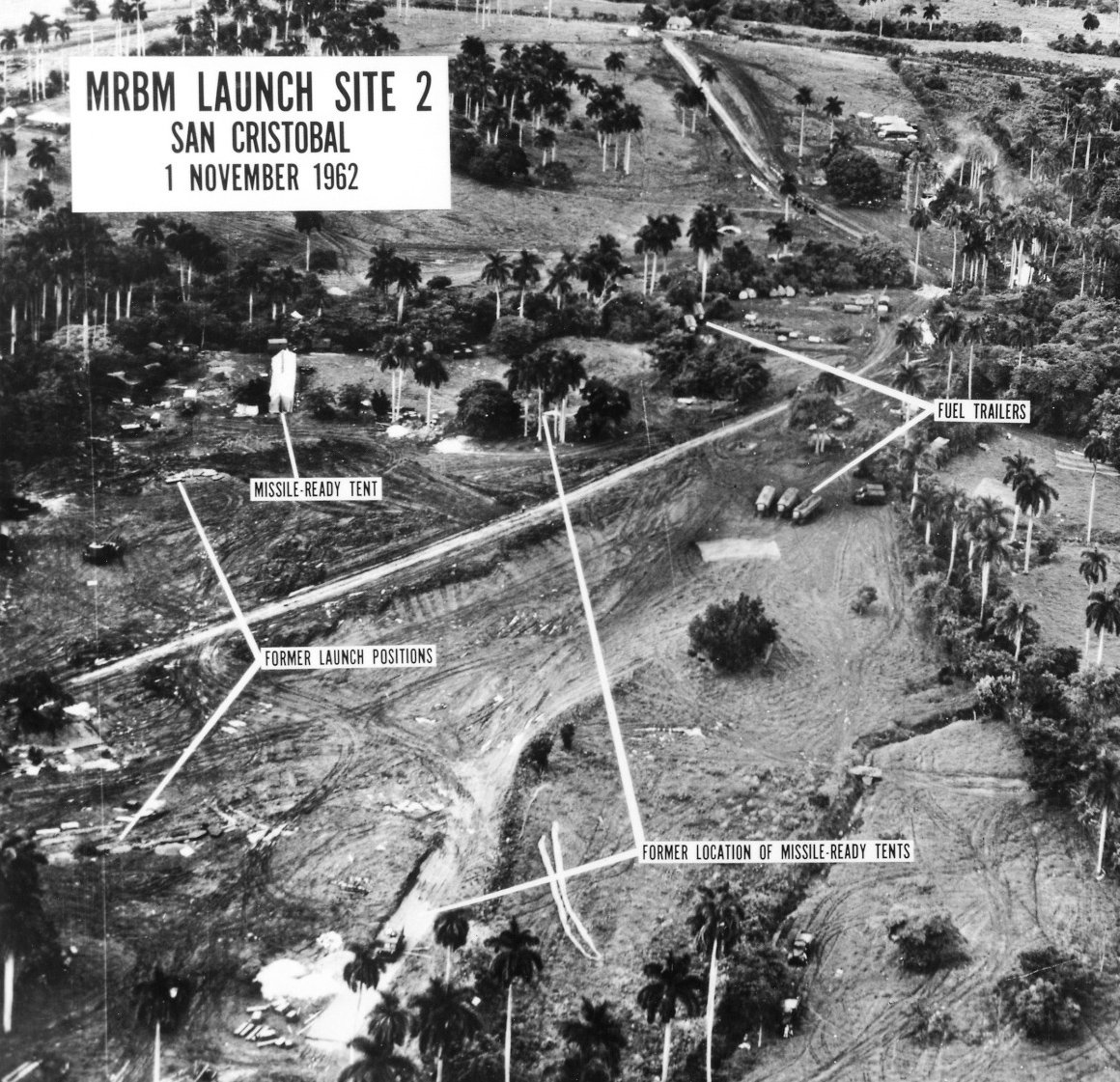
In October 1962, the world held its breath as the United States and the Soviet Union faced off over Soviet nuclear missiles secretly placed in Cuba. For thirteen days, the threat of global nuclear conflict loomed closer than ever before. One of the most chilling moments came when a Soviet submarine, B-59, was cornered by U.S. Navy ships and considered launching a nuclear torpedo in retaliation; only the refusal of Second Captain Vasili Arkhipov prevented catastrophe. Miscommunications and false alarms during the standoff could have triggered an all-out war—one that U.S. President John F. Kennedy estimated could have killed 200 million people in a matter of hours. The crisis ended only after secret negotiations and a U.S. promise not to invade Cuba, along with a concealed agreement to remove American missiles from Turkey. The world narrowly avoided a nuclear holocaust that would have changed history forever.
Battle of Midway (1942) – A Lucky Break for the U.S.
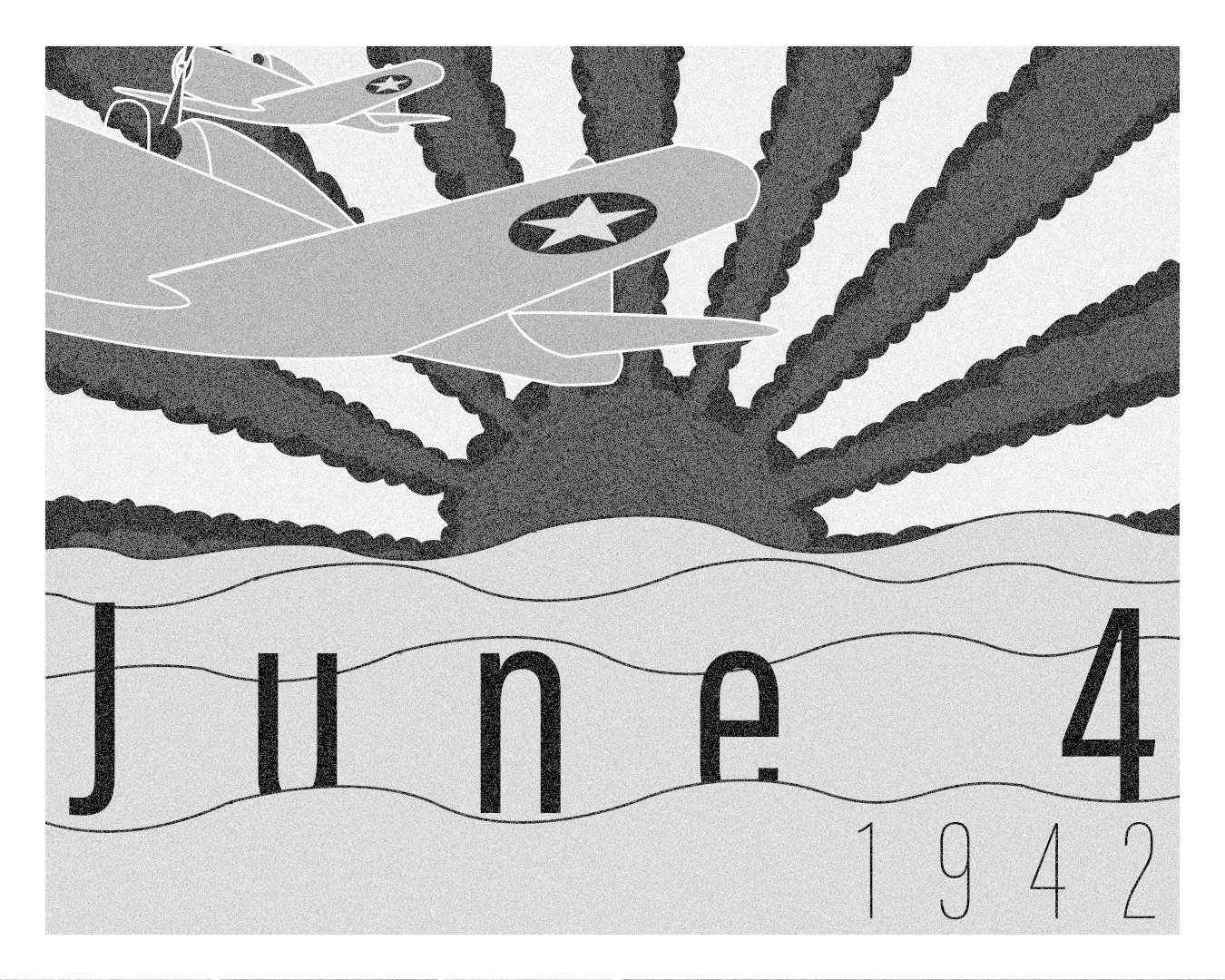
The Battle of Midway in June 1942 was a defining moment in the Pacific during World War II. American cryptanalysts had managed to break Japanese naval codes, enabling the U.S. Navy to set a trap and ambush the Japanese fleet. Yet, this victory was far from assured. If the Japanese codes had not been cracked, the American carriers could have been destroyed, leaving the Pacific wide open for Japanese expansion. The U.S. had only three aircraft carriers available, while the Japanese had four, plus superior numbers in aircraft and ships. Incredibly, American dive bombers arrived at the perfect time, catching Japanese carriers refueling planes on deck, leading to devastating losses for Japan. Had the U.S. lost at Midway, Japan might have forced a negotiated peace, potentially changing the balance of power in Asia for decades and even threatening the U.S. West Coast.
The Fall of the Berlin Wall (1989) – A Mistaken Announcement
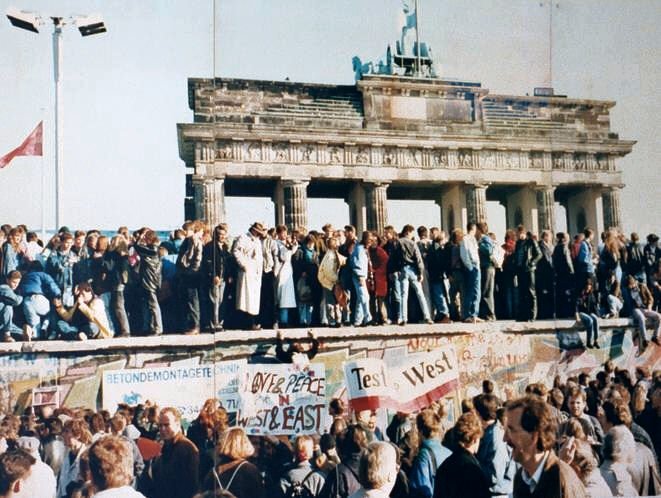
On November 9, 1989, East Germans flooded the Berlin Wall after a government spokesperson, Günter Schabowski, mistakenly announced at a press conference that travel restrictions were lifted “immediately.” The announcement was a miscommunication; the new policy was supposed to take effect the next day and only with special permits. Crowds surged to the border, overwhelming the unprepared guards who, rather than open fire, simply let people through. Had the military or border police received orders to resist or crack down, violence could have erupted, leading to deaths and possibly stalling German reunification. The peaceful fall of the wall shocked the world and symbolized the end of the Cold War, but just one harsh order could have created a bloodbath and changed the future of Europe dramatically.
Assassination Attempt on Hitler – Operation Valkyrie (1944)
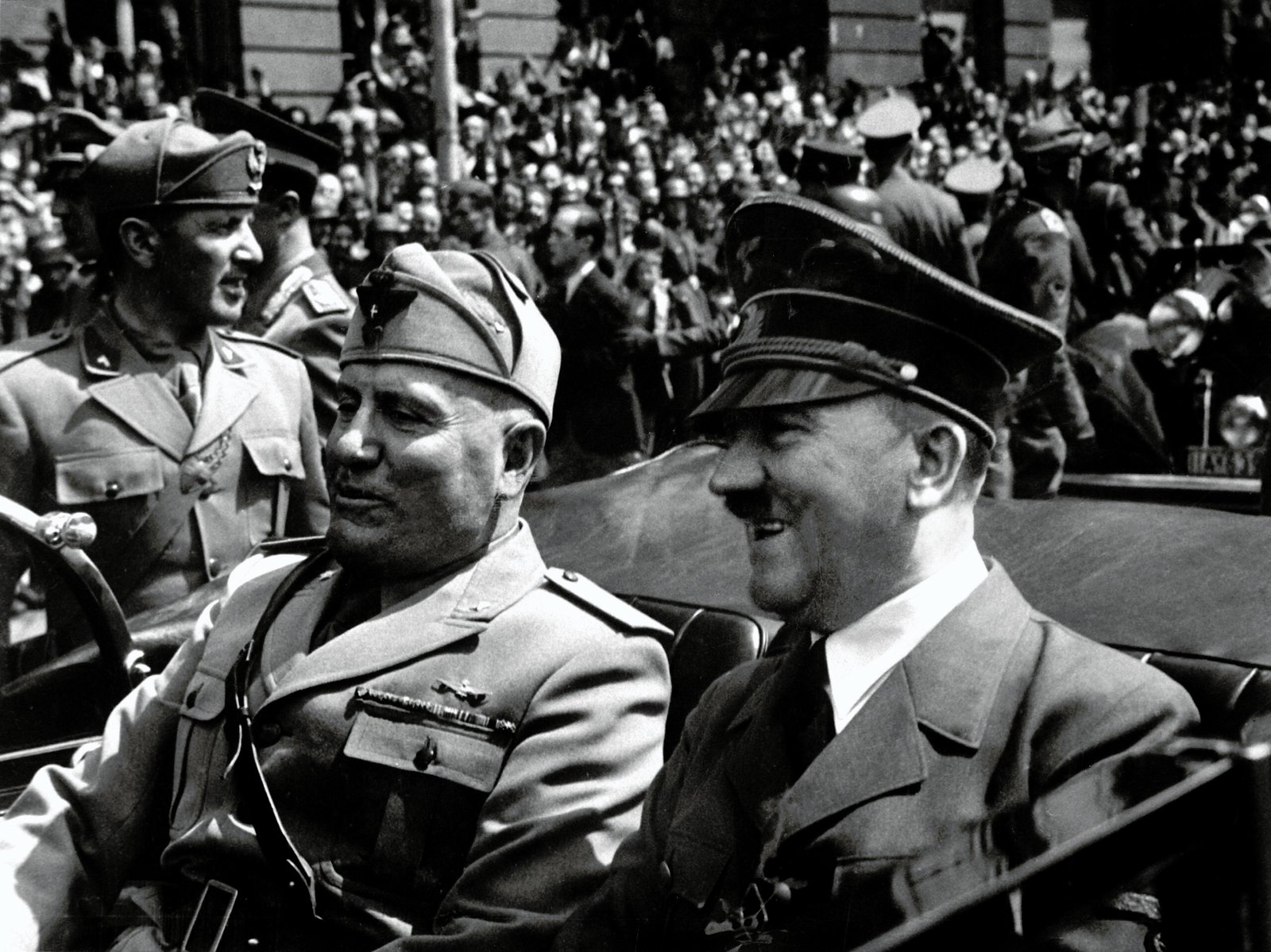
On July 20, 1944, Colonel Claus von Stauffenberg placed a bomb in a conference room at Hitler’s headquarters in a desperate effort to end Nazi tyranny. The bomb detonated but failed to kill Hitler—he survived with only minor injuries because the heavy conference table absorbed much of the blast. If Hitler had died, senior German officers were poised to seize power and negotiate peace with the Allies. Many historians believe this could have led to an earlier German surrender, saving millions of lives and possibly preventing the division of Germany after the war. The failure of Operation Valkyrie meant the war dragged on for another ten months, with untold suffering and devastation across Europe.
The 2000 U.S. Presidential Election – Hanging Chads

The U.S. presidential election of 2000 stunned the world as the result hung on a razor’s edge in Florida. Ballot irregularities—most famously, “hanging chads,” which were incompletely punched ballots—created chaos during the recount. The Supreme Court ultimately halted the count, awarding Florida’s electoral votes, and thus the presidency, to George W. Bush. If the recount had continued, later studies suggest Al Gore might have won the state and the presidency. The outcome shaped the U.S. response to the September 11 attacks, the war in Afghanistan, and the invasion of Iraq. This dramatic episode demonstrated just how close the United States came to a different political and global era.
Apollo 11 Moon Landing (1969) – One Small Step from Disaster
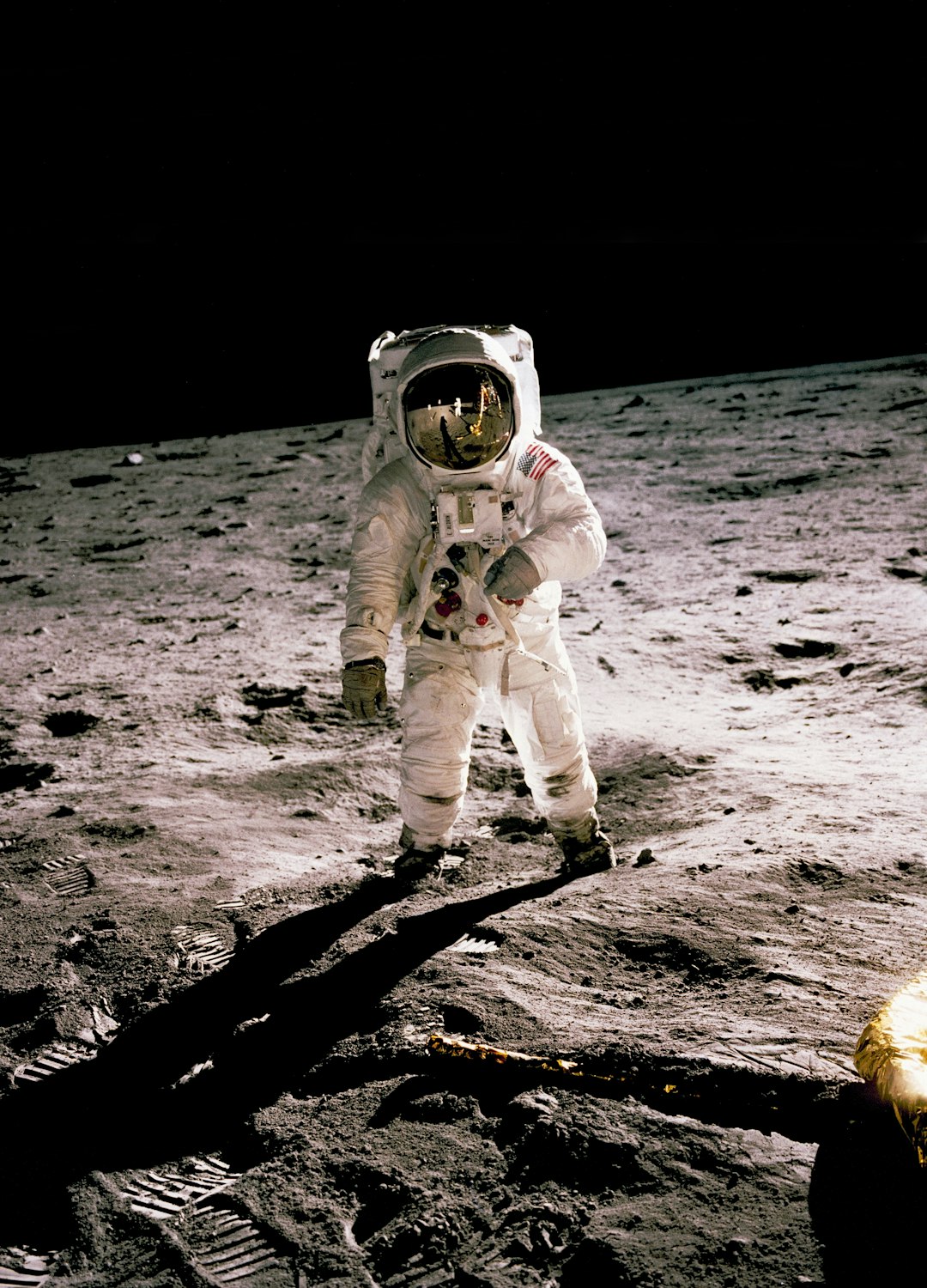
The Apollo 11 mission in July 1969 was a breathtaking leap for humanity, but it teetered on the brink of disaster. Neil Armstrong and Buzz Aldrin faced several emergencies, including an overloaded guidance computer and rapidly dwindling fuel during the lunar landing. Armstrong had to manually pilot the lunar module to a safe area, with only seconds of fuel remaining. NASA was so concerned about failure that President Nixon had a somber speech prepared in case the astronauts were stranded on the Moon. A single malfunction could have doomed the mission, halting the U.S. space program and crushing dreams of lunar exploration for years to come.
The 1914 Assassination of Archduke Franz Ferdinand – Botched Attempt
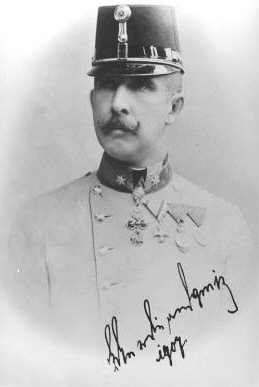
The assassination of Archduke Franz Ferdinand on June 28, 1914, is often cited as the spark that ignited World War I. Strikingly, the first attempt on his life that day failed, with a grenade missing the car. Later, by an extraordinary twist of fate, the assassin Gavrilo Princip happened upon the Archduke’s car when it took a wrong turn, giving him a second chance that succeeded. Had Ferdinand escaped, the fragile balance of alliances in Europe might have held, possibly averting or delaying a war that would claim millions of lives. Sometimes history’s most seismic events hinge on pure chance, not grand plans.
Watergate Scandal (1972–74) – Nixon Almost Got Away With It
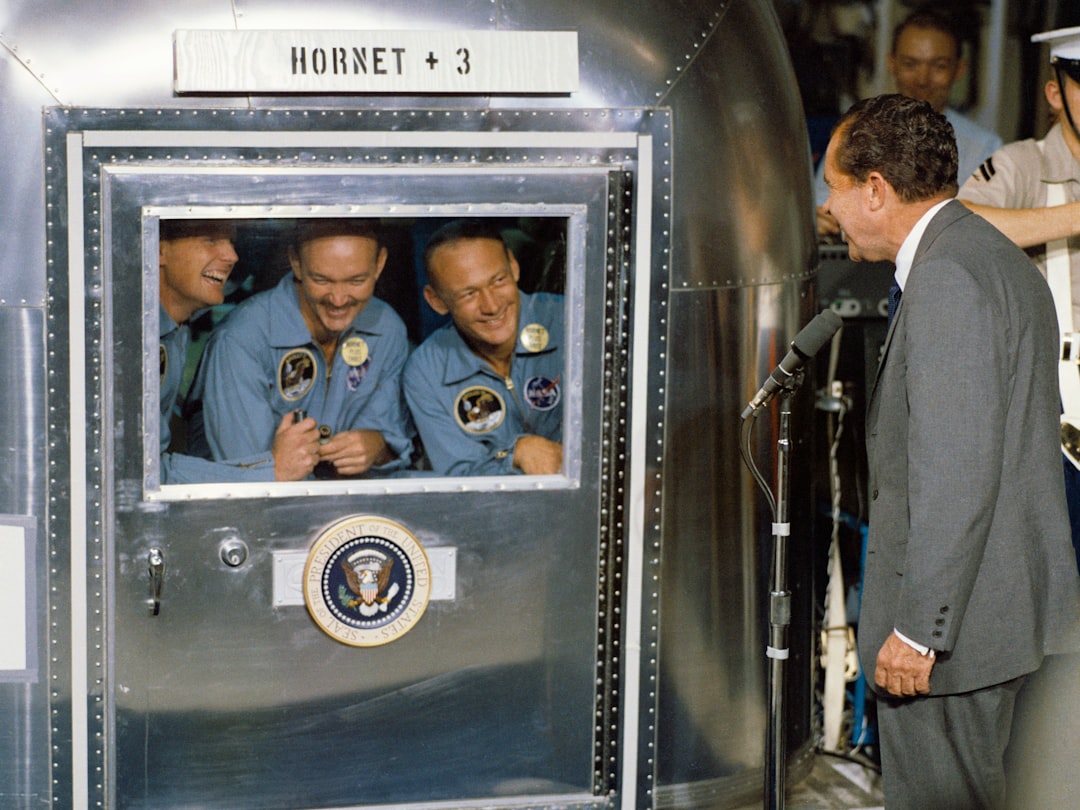
The Watergate scandal, which began with a break-in at the Democratic National Committee, threatened the very fabric of American democracy. For months, President Richard Nixon denied involvement, and many believed he would survive the controversy. The turning point came when secret White House tapes were revealed, exposing Nixon’s role in the cover-up. If these tapes had not come to light, or if Congress had been less determined, Nixon might have finished his term, setting a dangerous precedent for executive power and government accountability. The Watergate saga left a lasting scar on American politics and proved how close the country came to a very different legacy.
Chernobyl Disaster (1986) – Could’ve Been Much Worse
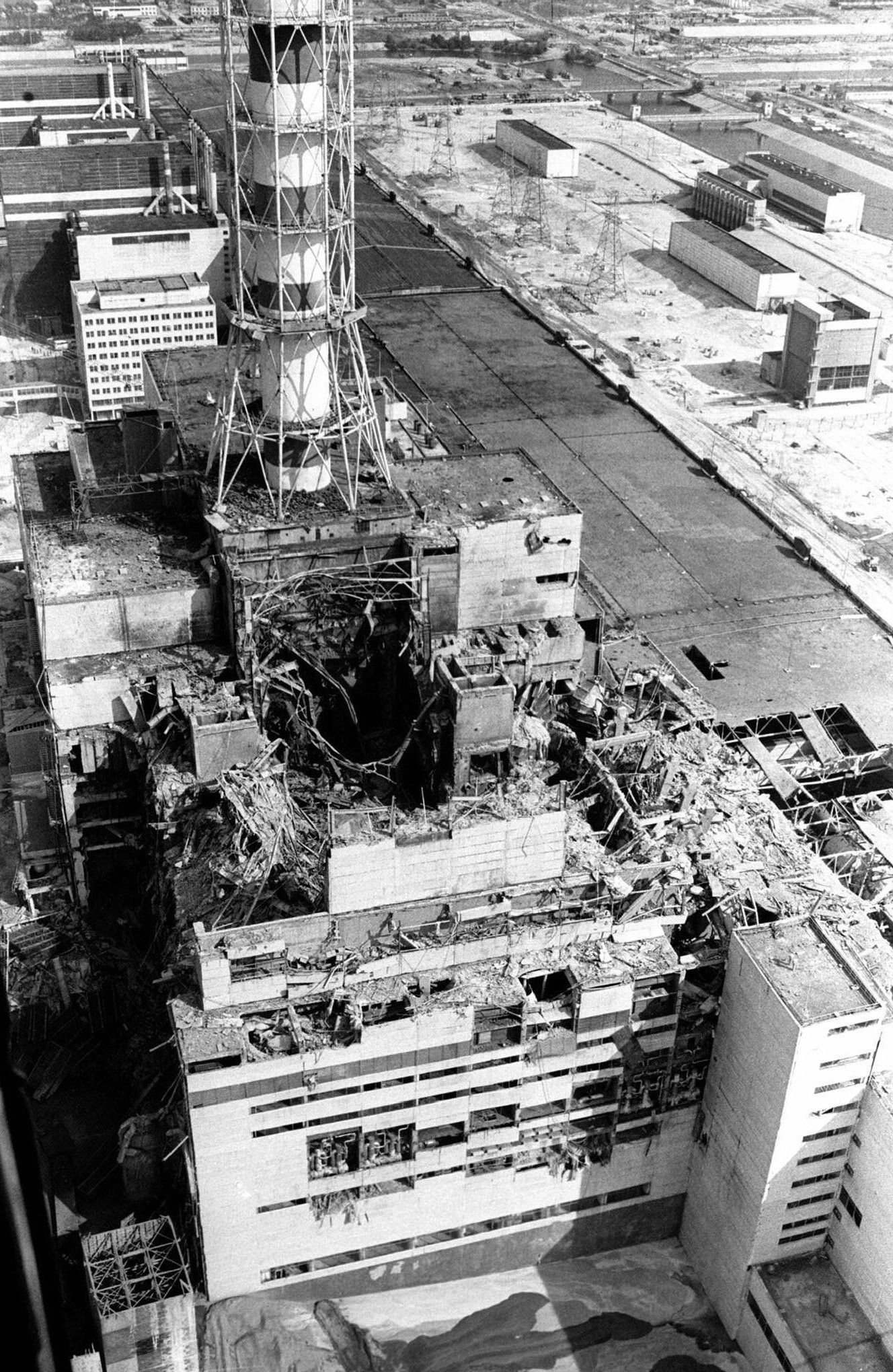
On April 26, 1986, Chernobyl’s Reactor 4 exploded, spewing radioactive material across Europe. What many don’t know is that a second, even larger explosion was narrowly avoided thanks to the heroic actions of plant workers and firefighters, who manually drained a reservoir beneath the reactor. If the second explosion had occurred, experts estimate that much of Eastern Europe, including parts of Belarus, Ukraine, and Russia, could have become permanently uninhabitable. The scale of death, environmental damage, and displacement would have been almost unimaginable, possibly affecting tens of millions of people for generations.
The Election of Abraham Lincoln (1860) – A Divided Vote
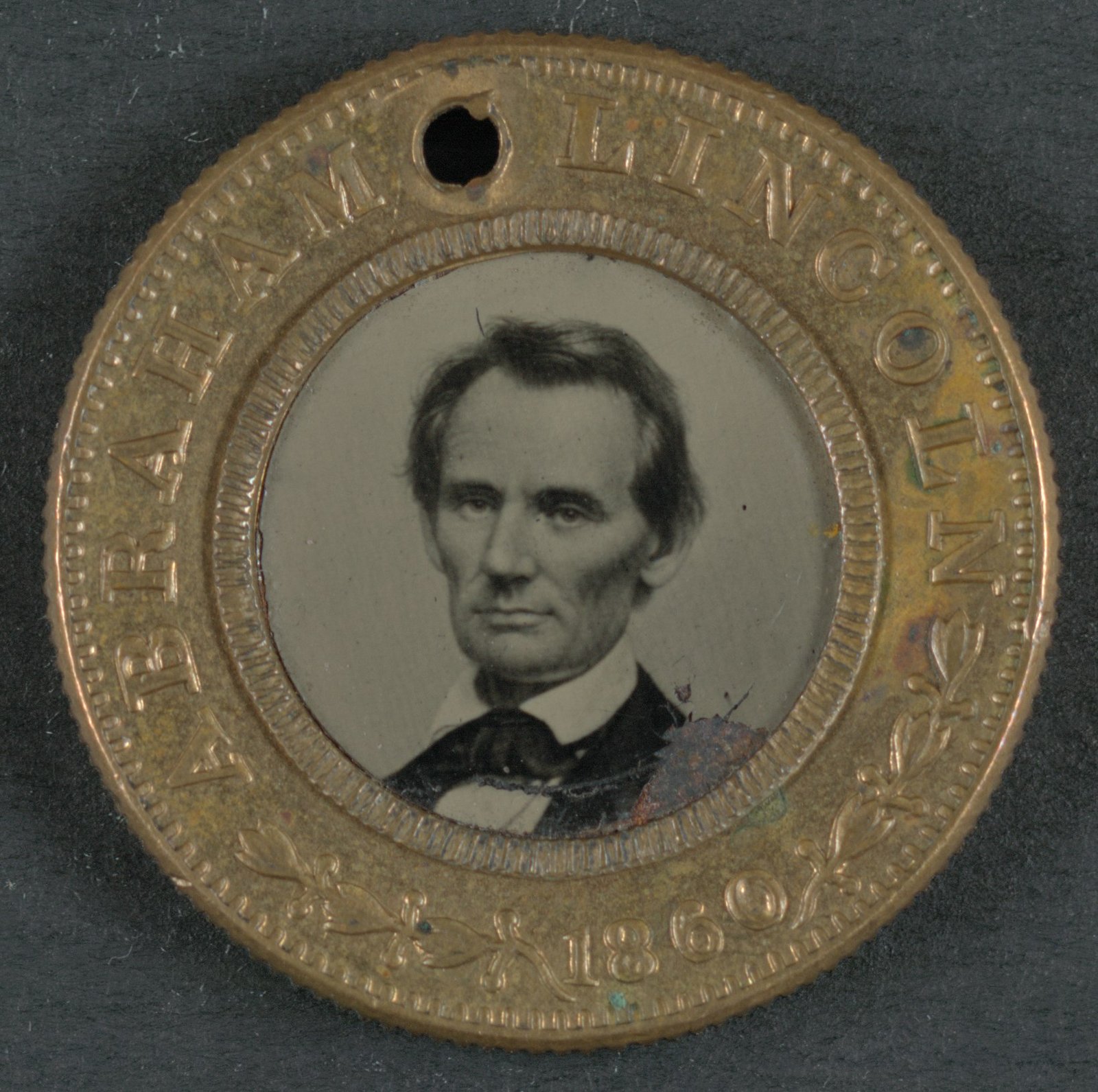
Abraham Lincoln’s victory in the 1860 U.S. presidential election happened with less than 40% of the popular vote, thanks to a deeply divided field of four major candidates. If opponents of slavery had split the anti-slavery vote even further, Lincoln might have lost, delaying or even preventing the abolition of slavery. The Civil War could have been postponed, or the Confederacy might have gained a stronger foothold, fundamentally changing the trajectory of civil rights in America. The outcome of this fractured election set the stage for one of the most significant periods of transformation in U.S. history, but it was far from inevitable.

Christian Wiedeck, all the way from Germany, loves music festivals, especially in the USA. His articles bring the excitement of these events to readers worldwide.
For any feedback please reach out to info@festivalinside.com
