
The Secret Language of Survival
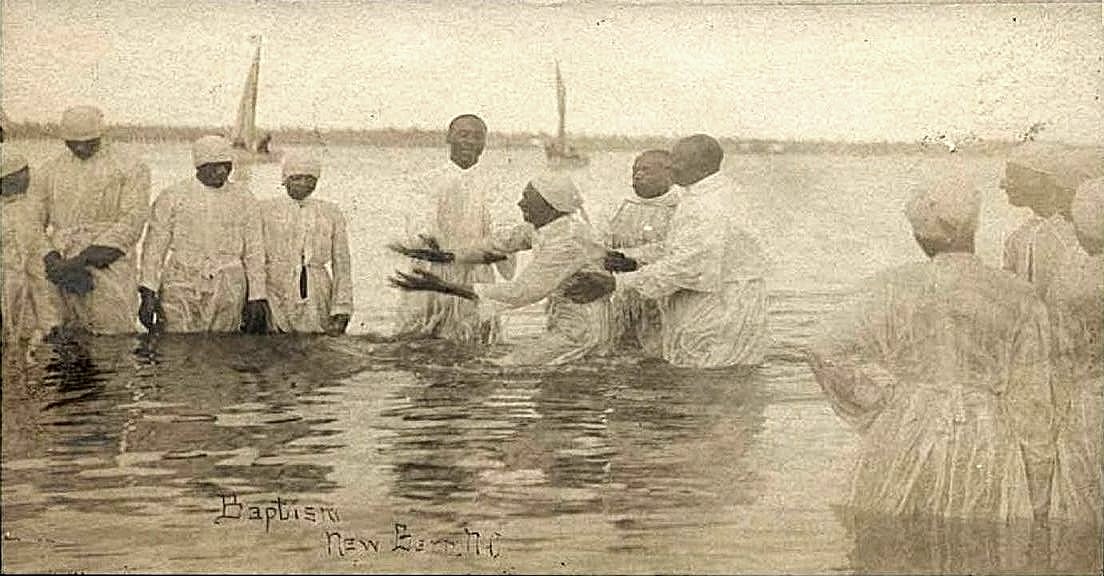
When enslaved people sang “Wade in the Water” in the cotton fields, plantation owners heard nothing more than another religious song about baptism. But beneath the surface lived a message that could mean the difference between life and death. Historians of the Underground Railroad refer to them as “Coded Spirituals”. What that means is that the words actually have two meanings; one that is immediately apparent and one that’s hidden just below the surface. They also included warning signals, such as the message of “Wade in the Water”, informing slaves to travel along the riverbank so the dogs giving chase would be thrown off their scent. Harriet Tubman sang this spiritual as a warning to runaway slaves. To escaping slaves, the song told them to abandon the path and move into the water. By travelling along the water’s edge or across a body of water, the slaves would throw chasing dogs and their keepers off the scent. Think about it like a wartime radio broadcast – everything sounds normal to the enemy, but resistance fighters know exactly what’s being communicated. The spirituals and their lyrics were part of a sophisticated system that involved no incriminating evidence for plantation owners or overseers to find. Codes imbedded in the spirituals instructed slaves as to when, how and where to escape.
From Picket Lines to Protest Songs
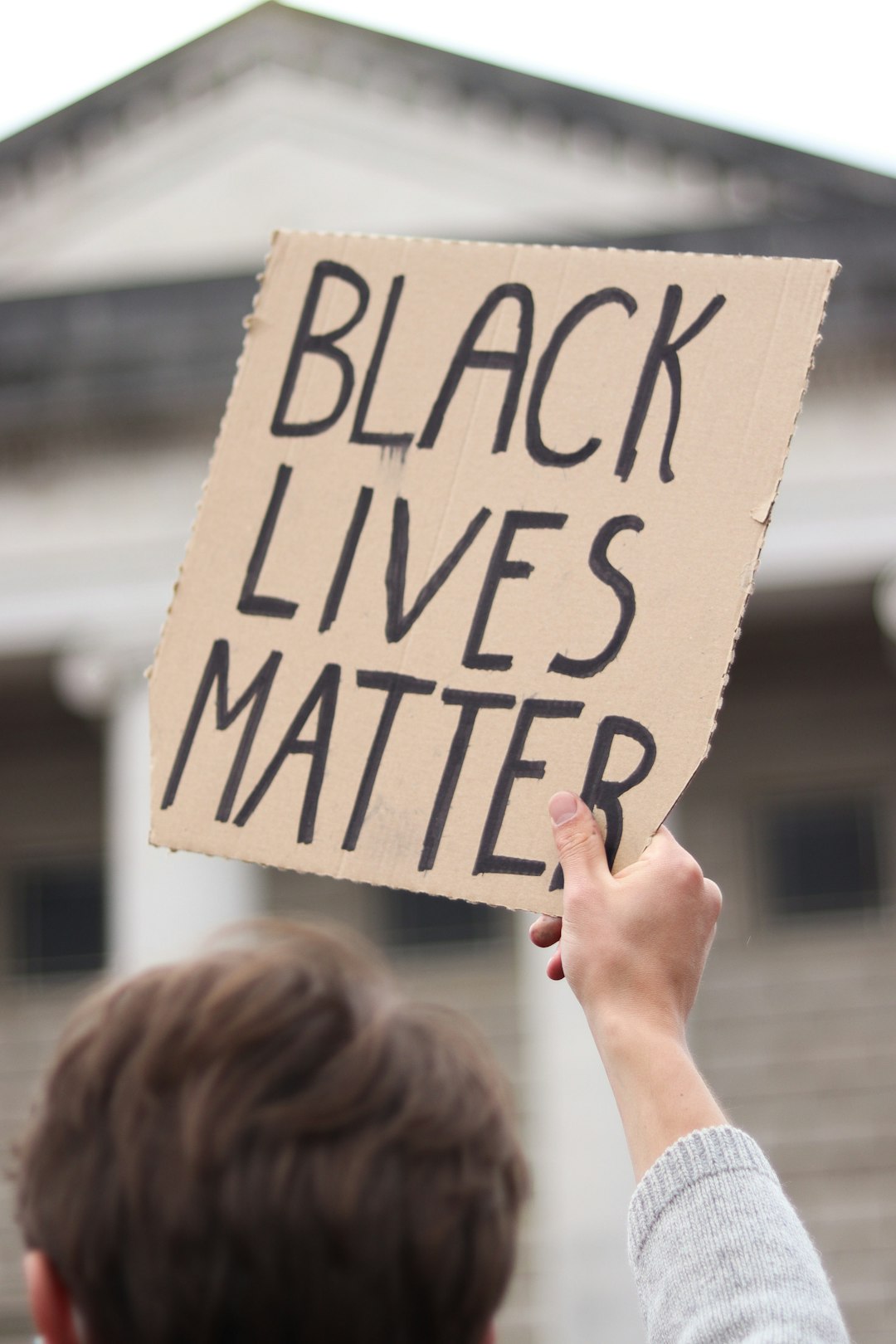
The Civil Rights Movement didn’t just borrow from church hymns – it lifted entire songs from the labor movement of the 1930s and 40s. “We Shall Not Be Moved” started as a union protest song where workers stood shoulder to shoulder against factory bosses. Labor organizers understood something powerful: when people sing together, they become stronger together. The melody and rhythm made it easy to remember and even easier to chant during long demonstrations. By the 1960s, civil rights activists had taken this working-class anthem and transformed it into a declaration of racial justice. The song’s original meaning about economic equality naturally evolved to encompass racial equality – both movements were fighting against systems that kept people powerless. It shows how different struggles for justice often share the same musical DNA.
When the FBI Came Calling
In 1967, the FBI quietly unleashed a covert surveillance operation targeting “subversive” civil rights groups and Black leaders, including the Black Panther Party, Martin Luther King Jr., Elijah Muhammad, Malcolm X, and many others. The FBI’s surveillance of African Americans and Black rights organizations — whom the FBI called “Black Extremists” or “Black Nationalist Hate Groups” — grew out of the bureau’s larger espionage operation known as COINTELPRO, the now infamous program launched in 1956 to snuff out communism in the United States. In an interview for Jet magazine, Simone stated that her controversial song “Mississippi Goddam” harmed her career. She claimed that the music industry punished her by boycotting her records. Nina Simone wasn’t just paranoid – she was being watched. The government saw protest music as genuinely dangerous, capable of inspiring revolution. Imagine having your phone tapped and your concerts monitored simply because you sang about equality. Details of the FBI’s harassment of the Panthers and other Black groups are especially shocking given the justification for its illegal acts: to prevent violence. The irony was thick as molasses – the FBI was using violence and intimidation to stop songs about stopping violence and intimidation.
The White Folk Revival’s Complicated Legacy

Picture this: Pete Seeger, a white folk singer, standing on stage singing “We Shall Overcome” to a crowd of mostly white college students. He learned the song from Black activists, then brought it to venues where Black people couldn’t even buy tickets. This wasn’t necessarily malicious – many white folk singers genuinely supported civil rights – but it created a weird dynamic. Joan Baez and other white artists had the cultural capital to get these songs onto mainstream radio and into concert halls that were still segregated. Their involvement expanded the audience for freedom songs, but it also raised uncomfortable questions about who gets to profit from protest music. Some Black activists welcomed the wider platform, while others felt their own voices were being overshadowed. It’s like having someone else tell your story to the world – grateful for the attention, but frustrated about losing control of the narrative.
When Young Voices Rewrote History
The Student Nonviolent Coordinating Committee (SNCC) turned protest music into a living, breathing thing. During marches, young activists would literally rewrite songs on the spot, adapting lyrics to fit whatever was happening in that moment. “I’ll Overcome” became “We Shall Overcome” because students understood that individual struggle wasn’t enough – they needed collective power. If police were using dogs, they’d sing about dogs. If they were crossing a particular bridge, they’d work that bridge into the song. This wasn’t just musical creativity; it was tactical genius. The songs became immediate, personal, and impossible to ignore. Picture hundreds of young people marching through Birmingham, making up verses about Bull Connor’s police dogs as they walked. The songs weren’t just background music – they were real-time journalism set to melody.
Gospel Goes Secular
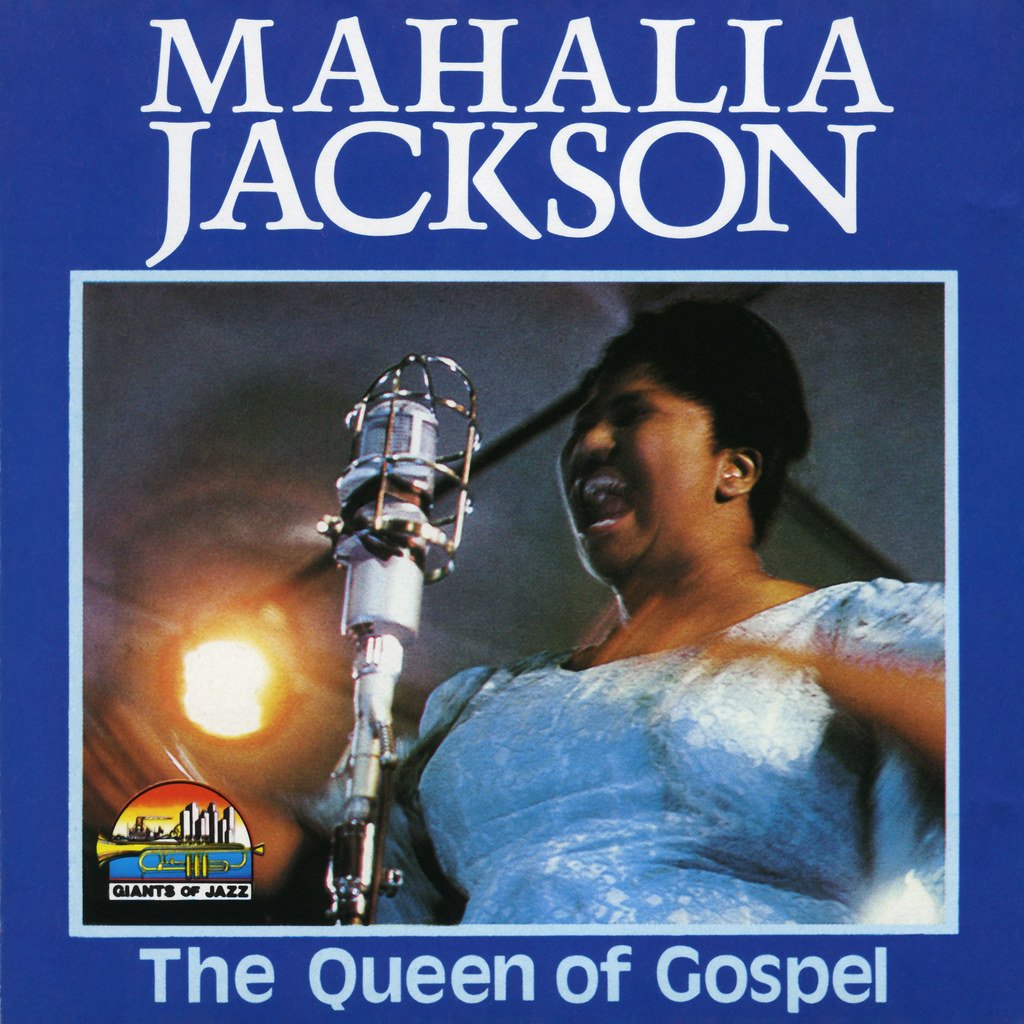
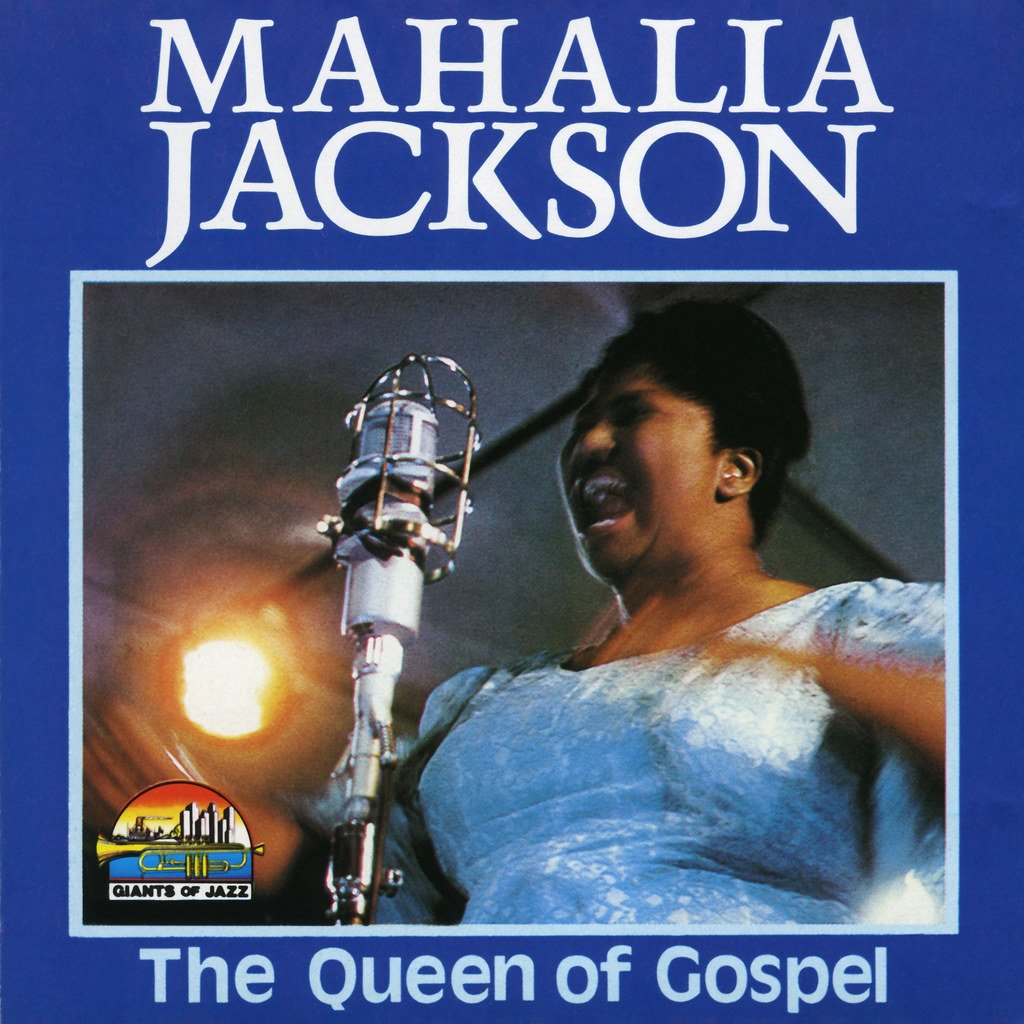
Mahalia Jackson faced a career-defining choice: stick to safe gospel music or use her powerful voice for protest. When she started blending sacred and secular messages, she wasn’t just mixing musical styles – she was challenging the very definition of what church music could be. Many conservative Black churches initially resisted this change, worried that mixing religion with politics would compromise their spiritual mission. Record labels were equally nervous, fearing they’d lose their religious audience if they embraced protest music. But Jackson understood something profound: fighting for justice was itself a spiritual act. While cautious about not damaging Motown’s reputation as a company that set out to entertain, he did not ignore developments in the civil-rights struggle during the 60s. Motown acts played at events that raised funds for African-American causes. The result was a new sound that made protest feel like prayer, and prayer feel like resistance. It’s no coincidence that many civil rights meetings happened in churches – the same buildings that created this revolutionary music.
Caribbean Rhythms, Hidden Rebellion
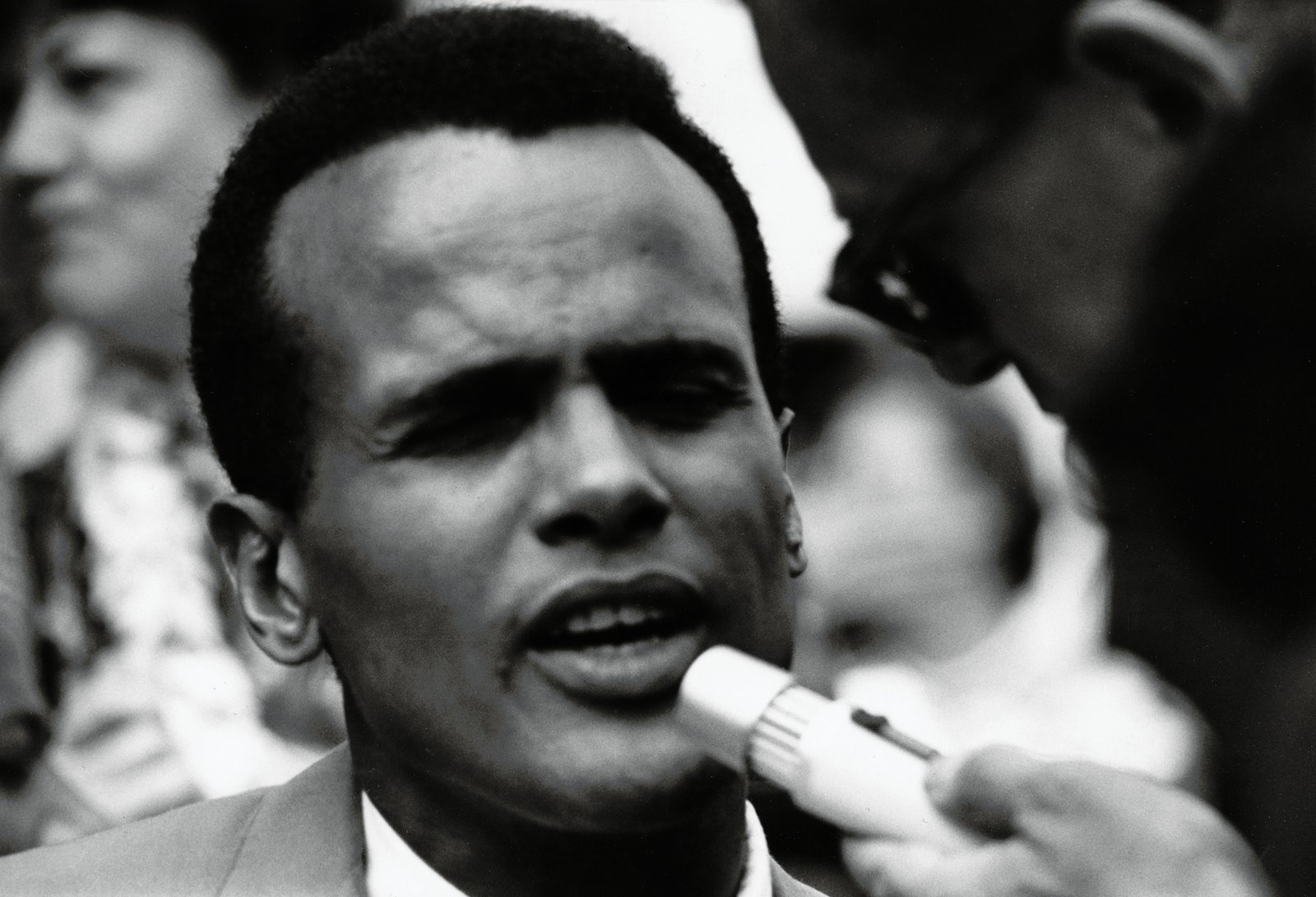
Harry Belafonte’s “Day-O (The Banana Boat Song)” sounds like a fun party tune about loading bananas, but listen closer. The song captures the exhaustion and exploitation of Caribbean workers – people counting down the hours until they could go home, singing to make unbearable work bearable. Belafonte smuggled anti-colonial messages into mainstream American music by wrapping them in infectious Caribbean rhythms. White audiences danced to songs about economic oppression without even realizing it. Calypso music had always been a form of social commentary in the Caribbean, where singers used humor and wordplay to criticize powerful people without getting arrested. Belafonte brought this tradition to America, using his charm and good looks to slip radical ideas past radio censors. It was musical Trojan horse – revolutionary content disguised as entertainment. Think of it as the original “woke” pop music, decades before anyone used that term.
Jazz’s Instrumental Protest
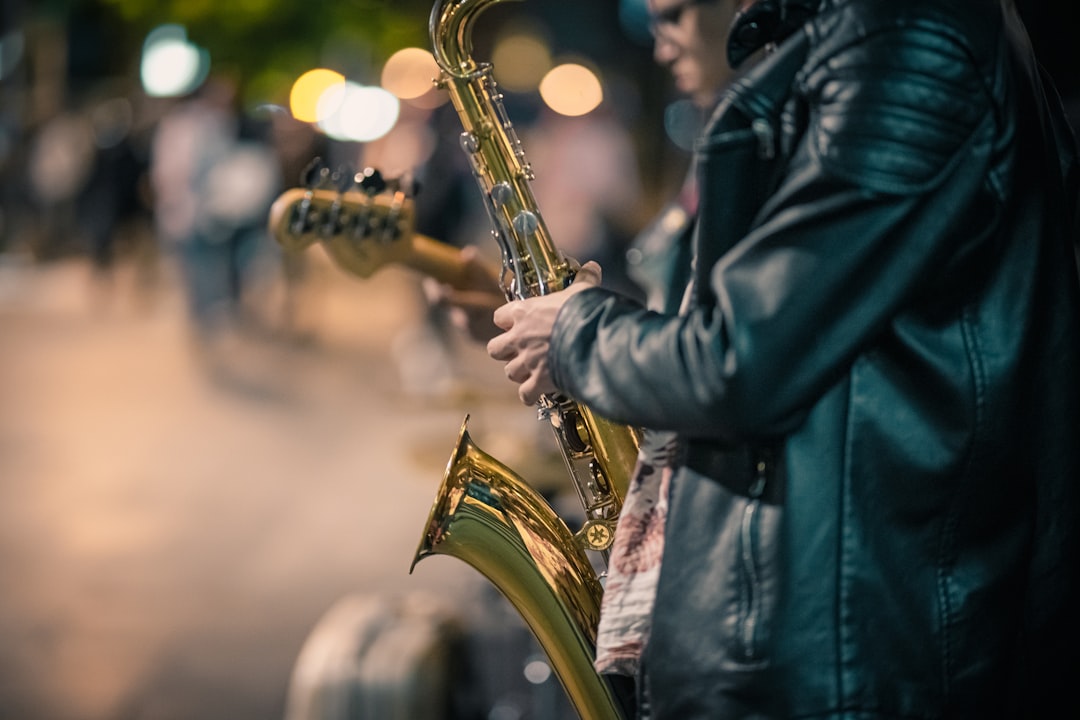
Jazz musicians found ways to protest without saying a word. Max Roach’s album “We Insist! Freedom Now Suite” used drums, bass, and horns to capture the sound of struggle – no lyrics needed. John Coltrane’s “Alabama” was his musical response to the 16th Street Baptist Church bombing, with saxophone notes that seemed to weep and rage simultaneously. These weren’t background music for protests; they were protests themselves. Jazz had always been about improvisation and breaking rules, making it a perfect soundtrack for a movement about breaking unjust laws. The music could express emotions that words couldn’t capture – the complexity of hope mixed with anger, the beauty found in struggle. Musicians like Abbey Lincoln and Sonny Rollins used their instruments like weapons, creating sounds that forced listeners to confront uncomfortable truths about America. Even instrumental music could be subversive when it challenged people’s expectations about what jazz could say.
The Cold War’s Unlikely Soundtrack
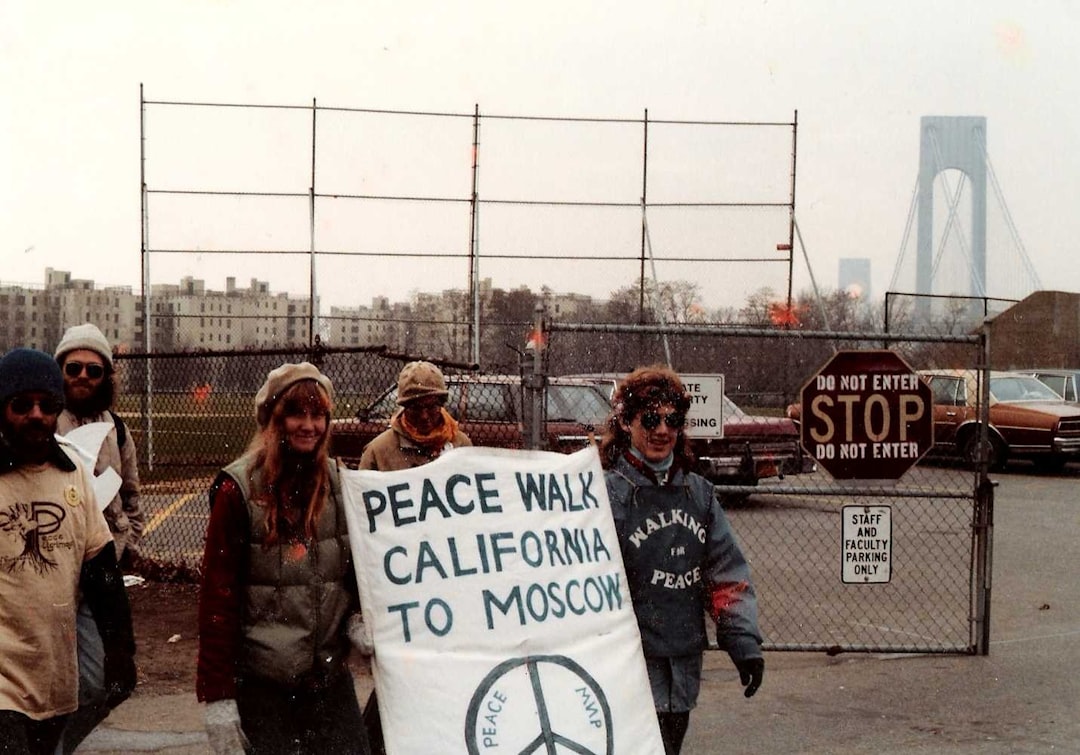
The Soviet Union didn’t miss the irony of America promoting freedom abroad while denying it at home. Soviet propaganda regularly featured stories about American racism, using civil rights struggles as evidence of capitalist hypocrisy. Paul Robeson, the famous singer and actor, became a controversial figure when he embraced communist ideology and spoke out against American foreign policy. His passport was revoked for nearly a decade, effectively ending his career in America. Other Black artists found themselves caught between supporting civil rights at home and avoiding accusations of communist sympathy. The Cold War created a strange dynamic where fighting for equality could be seen as unpatriotic, even treasonous. Artists had to carefully navigate these political waters, finding ways to support civil rights without appearing to support America’s enemies. It’s like trying to criticize your family while strangers are listening – you want to address problems, but you don’t want to give outsiders ammunition against you.
Building an Economic Revolution
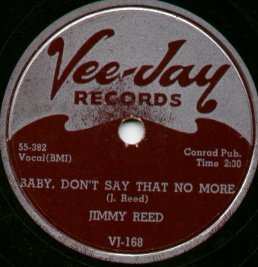
Their label Vee Jay went on to be the most successful Black-owned label before Motown came along. Vee Jay was based in Gary, Indiana as well as Chicago, and its success in genres of Blues, jazz, doo wop, R&B, early soul, and pop was due in part to Vivian’s ability to spot an opportunity and hire the right people (Ewart Abner and Vivian’s brother Calvin Carter etc) to handle the music. Motown played a vital role in the racial integration of popular music as an African American-owned label that achieved crossover success with white audiences. When mainstream radio stations refused to play Black protest music, independent Black-owned labels became the underground railroad of the airwaves. Most people think that Motown was the 1st independent Black-owned record label in America. The first one happened right here in Chicago, and its founder was a Black woman named Vivian Carter. Vee-Jay Records, the 1st independent Black-owned record company opened in 1953, 6 years before Motown in Detroit, Michigan (founded by Berry Gordy in 1959). These labels didn’t just distribute music – they created an entire ecosystem of Black economic power. Famously, Berry Gordy borrowed $800 to launch the biggest African-American-owned business of its era. Berry Gordy worked out a way of beating the odds when they were always stacked against black people in 60s US – without him, there’d be no P Diddy or Jay Z. Think of it like building parallel institutions – when the mainstream system excluded you, you created your own system. The success of these labels proved that Black artists could control their own destiny, both musically and financially.
The Ultimate Musical Conspiracy
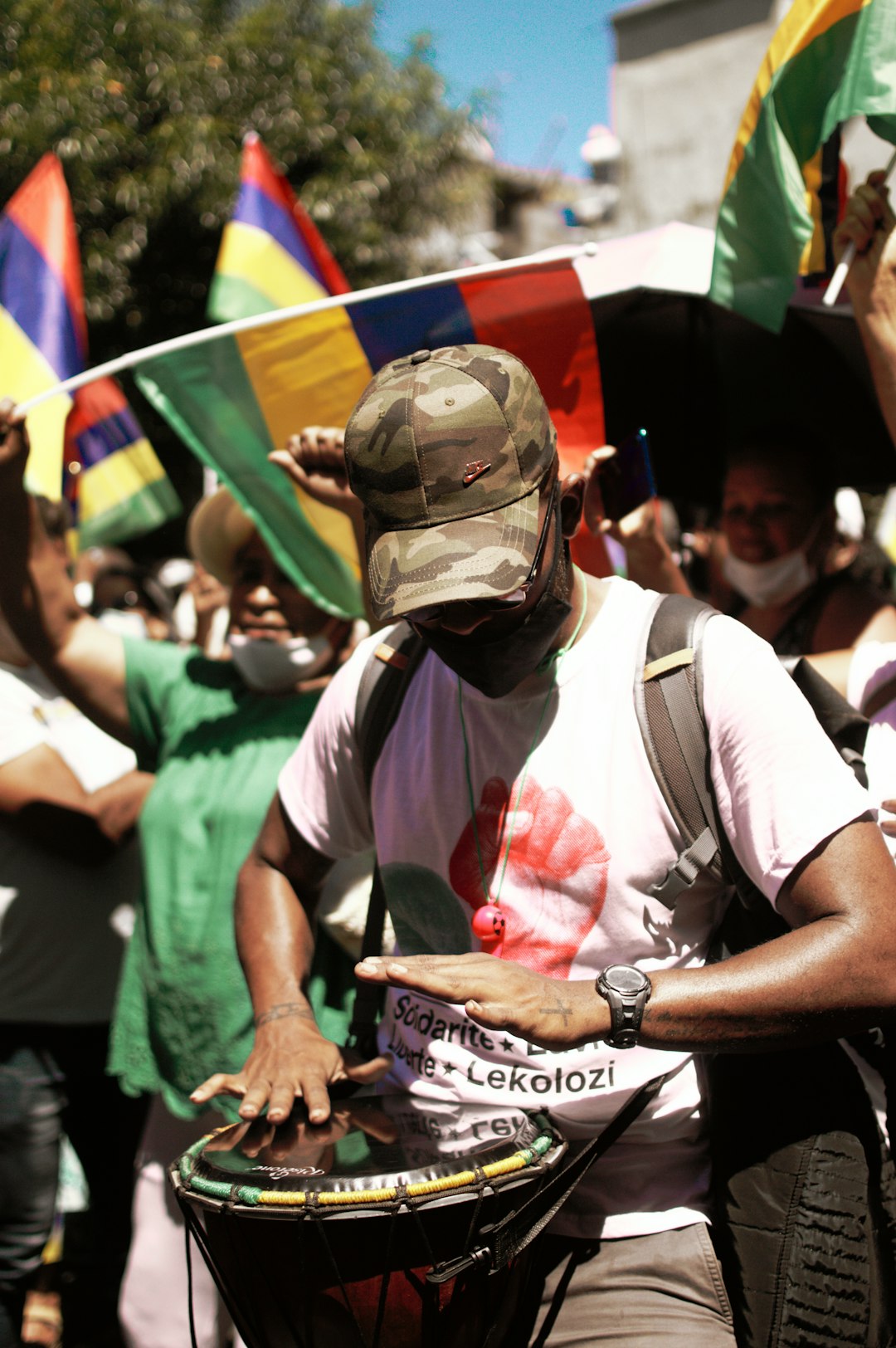
What emerges from these ten influences is something more complex than the simple narrative most people know about Civil Rights music. This wasn’t just a bunch of people spontaneously singing “We Shall Overcome” – it was a calculated, sophisticated cultural campaign involving everything from international politics to economic strategy. The FBI understood this, which is why they took it so seriously. The music worked because it operated on multiple levels simultaneously: entertainment for those who wanted to dance, spirituality for those who needed hope, and revolution for those ready to fight. Every song was a Trojan horse, every melody a potential weapon, every harmony a blueprint for social change. The most powerful part? Most of this happened in plain sight, with the establishment watching and listening but not quite understanding what they were witnessing until it was too late.
What’s remarkable is how these hidden influences created something that outlasted the movement itself – a musical language of resistance that’s still being spoken today. Did you expect that?

Besides founding Festivaltopia, Luca is the co founder of trib, an art and fashion collectiv you find on several regional events and online. Also he is part of the management board at HORiZONTE, a group travel provider in Germany.
