

- 9 Historical Mysteries That Still Baffle Experts to This Very Day - April 5, 2026
- 15 Legendary Authors Whose Personal Lives Were as Gripping as Their Novels - April 5, 2026
- Top Tips to Experience the 2026 California Superbloom - April 5, 2026
There’s something almost cinematic about watching the American landscape blur past a train window. The rhythmic clatter of the wheels, the slow unfurling of mountain ranges, desert flats, and ancient river valleys. No airplane window can do that. No interstate highway comes close. Train travel is one of those slow, wonderfully unhurried experiences that forces you to actually look at this country, not just pass through it.
America has a complicated, glorious, sometimes brutal relationship with its railroads. Entire cities were built around train depots. Wars were supplied by rail lines. Indigenous land was carved up to lay tracks across the continent. That history is embedded in every route listed below. These aren’t just pretty rides. They’re moving museums.
So buckle up. Or rather, sit back and let the continent do the work. Here are 11 epic train journeys across America that deliver a grand view of history.
1. California Zephyr: Chicago to the San Francisco Bay Area
The California Zephyr is operated by Amtrak between Chicago and the San Francisco Bay Area at Emeryville, and at 2,438 miles it is Amtrak’s longest daily route, with travel time between the two termini taking approximately 52 and a half hours. That’s two full nights and three days aboard a rolling panorama, which honestly sounds like the best possible way to cross a continent. The train’s schedule is timed so that passengers move through the most scenic parts of the route in Colorado, Utah, and Nevada during daylight hours, which is a small detail that reveals just how seriously this journey takes its own spectacle.
As the California Zephyr ventures through the Rocky Mountains, it traverses the renowned Moffat Tunnel, a feat of engineering that burrows through the Continental Divide. The train also passes through Glenwood Canyon in Colorado, a breathtaking gorge carved by the Colorado River, offering dramatic views of towering cliffs and cascading waterfalls. Then comes the Sierra Nevada, and the legendary Donner Pass. The California Zephyr travels through the infamous Donner Pass, where a wagon train became stranded during the winter of 1846 to 1847, and approximately half of the people survived. It’s not exactly cheerful history, but it is unforgettable.
2. Empire Builder: Chicago to Seattle or Portland
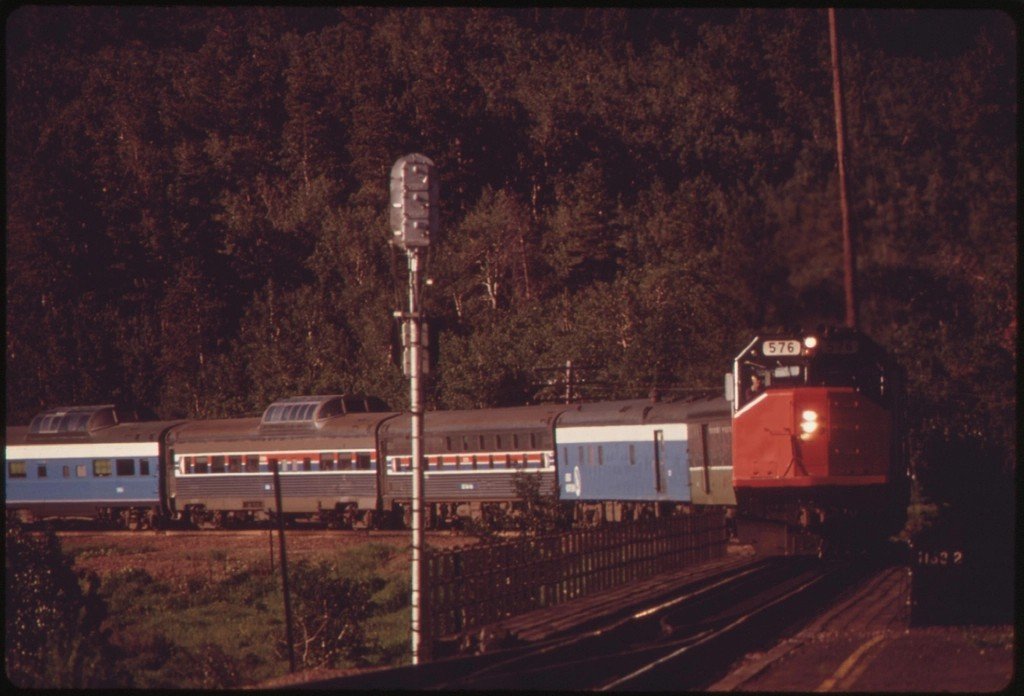
Amtrak’s Empire Builder runs daily between Chicago and the Pacific Northwest, mirroring much of Lewis and Clark’s original expedition. Think about that for a moment. You’re sitting in a climate-controlled rail car, eating a sandwich, traveling the same general corridor that those explorers crossed on foot through freezing wilderness. The juxtaposition is almost absurd, and completely wonderful.
Traversing the Northwestern United States, through the Cascade Mountains, and along the Columbia River Gorge, Amtrak’s Empire Builder route is an unforgettable journey, particularly for history and adventure buffs. Major portions of the route trace explorers Lewis and Clark’s historic expedition through the Rockies and the Continental Divide, where the train crosses at 5,216 feet above sea level, the lowest pass between Mexico and Canada. This legendary route offers views of natural wonders including the Mississippi River, Glacier National Park, the vast North Dakota Plains, and wildlife throughout Montana. Honestly, it’s hard to imagine a more complete American landscape survey in a single train ride.
3. Sunset Limited: New Orleans to Los Angeles
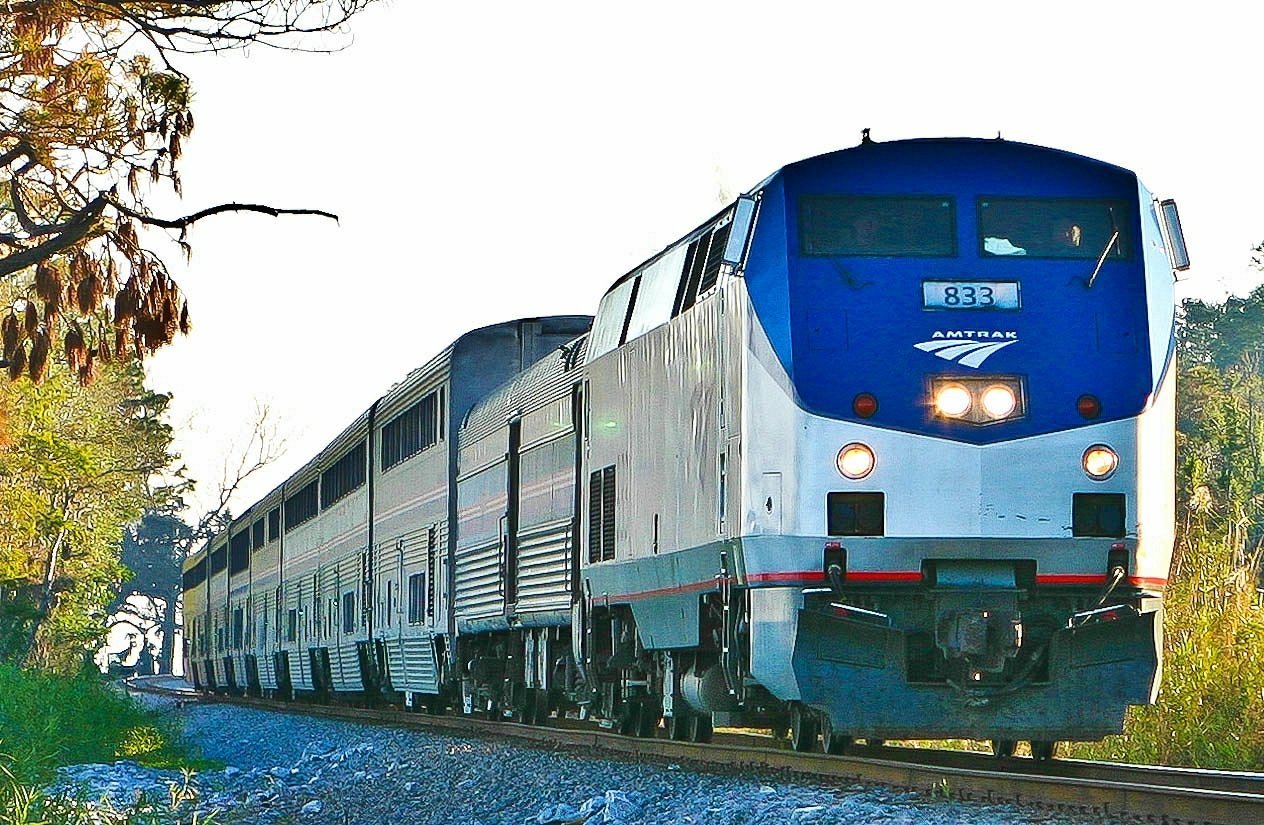
The Sunset Limited is the oldest named train in the United States, operating since November 1894 along the Sunset Route. Let that sink in for a second. This train has outlasted empires, world wars, the Great Depression, and the rise of commercial aviation. It is, in its own way, a survivor. The Sunset Limited stretches roughly 1,995 miles across the southern tier of the United States, and while the transit time is approximately 48 hours end-to-end, the trip spans three calendar days and two nights.
Passengers watch the scenery shift from the golden deserts of Tucson and the rugged borderlands of El Paso to the historic streets of San Antonio and the moss-draped wetlands of Louisiana. Each landscape carries its own story: Spanish missions, borderland cultures, Civil War echoes, and bayou traditions. In season, onboard National Park Guides provide insights about the changing vista and natural heritage of the region you’ll travel through. It’s a history lecture you never want to end.
4. City of New Orleans: Chicago to New Orleans
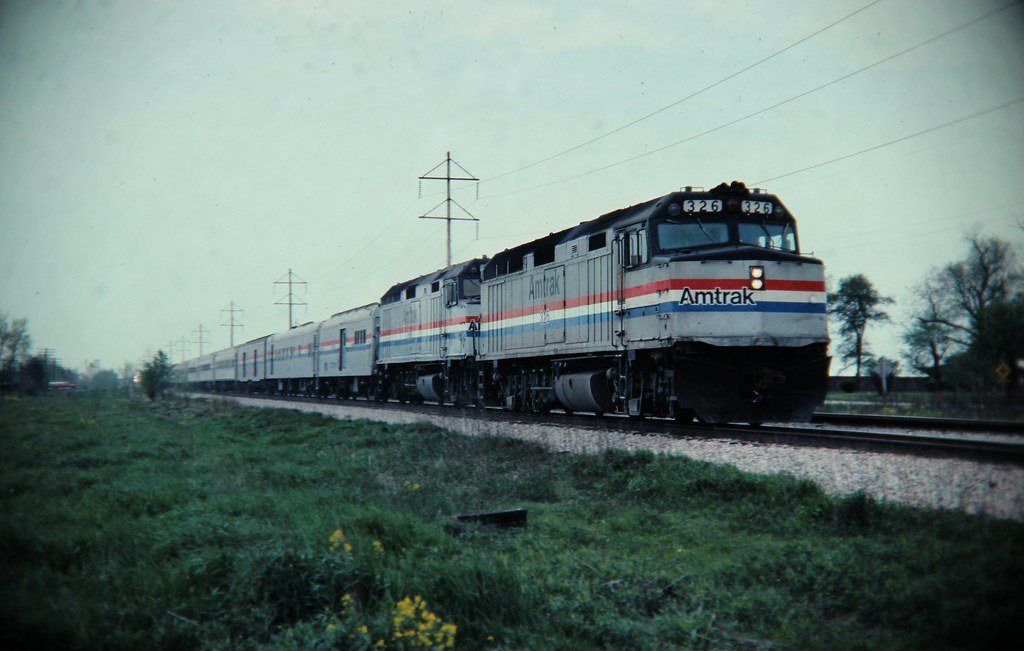
The City of New Orleans is a long-distance passenger train operated by Amtrak between Chicago and New Orleans. The overnight train takes about 19 and a half hours to complete its 934-mile route, making major stops in Champaign-Urbana, Carbondale, Memphis, and Jackson. It’s shorter than some of the others on this list, but don’t let that fool you. This route punches well above its weight in terms of historical resonance.
The train passes through the Deep South’s heartland, rolling past the Mississippi Delta, where the blues was born, through Memphis and into the bayou approaches of Louisiana. The City of New Orleans is the only Amtrak train to serve Tennessee. The City of New Orleans was first initiated by the Illinois Central Railroad in 1947 as the daytime complement to the Panama Limited, a night train dating back to 1911. Every community along this corridor carries deep layers of African American history, musical heritage, and the complicated legacy of the American South.
5. Coast Starlight: Los Angeles to Seattle
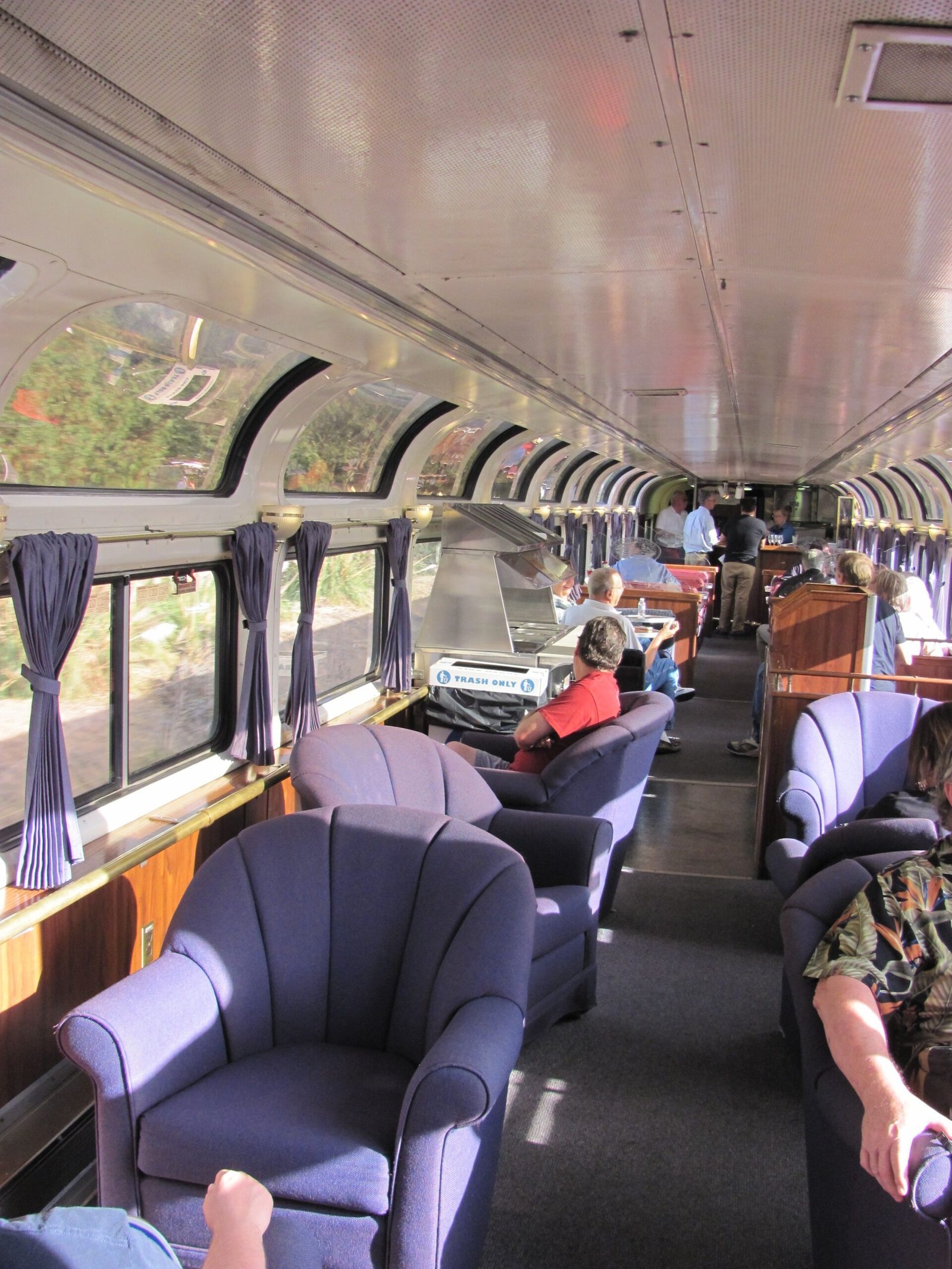
A train adventure spanning from Washington to Southern California, the Coast Starlight is a daily route between Los Angeles and Seattle that passes through beautiful Santa Barbara, the San Francisco Bay Area, Sacramento, and Portland. That’s quite a who’s who of the American West Coast in a single journey. It’s a bit like watching a greatest-hits reel of Pacific civilization, from surf culture to tech campuses to the evergreen forests of the Pacific Northwest.
From the striking snow-clad summits of the Cascade Range to the expansive stretches of the Pacific Ocean coastline, the observation car offers a magnificent panorama. The route also passes near the territory of several Indigenous nations whose presence predates European settlement by thousands of years. Amtrak’s Cascades Train travels through the Pacific Northwest, and its route is complete with breathtaking views of the Cascade Range, Puget Sound, and lush forests of Oregon and Washington. This convenient and scenic way to explore the region’s natural beauty and vibrant urban centers means travelers can enjoy the best of both worlds. The landscape here is nothing short of staggering.
6. Southwest Chief: Chicago to Los Angeles
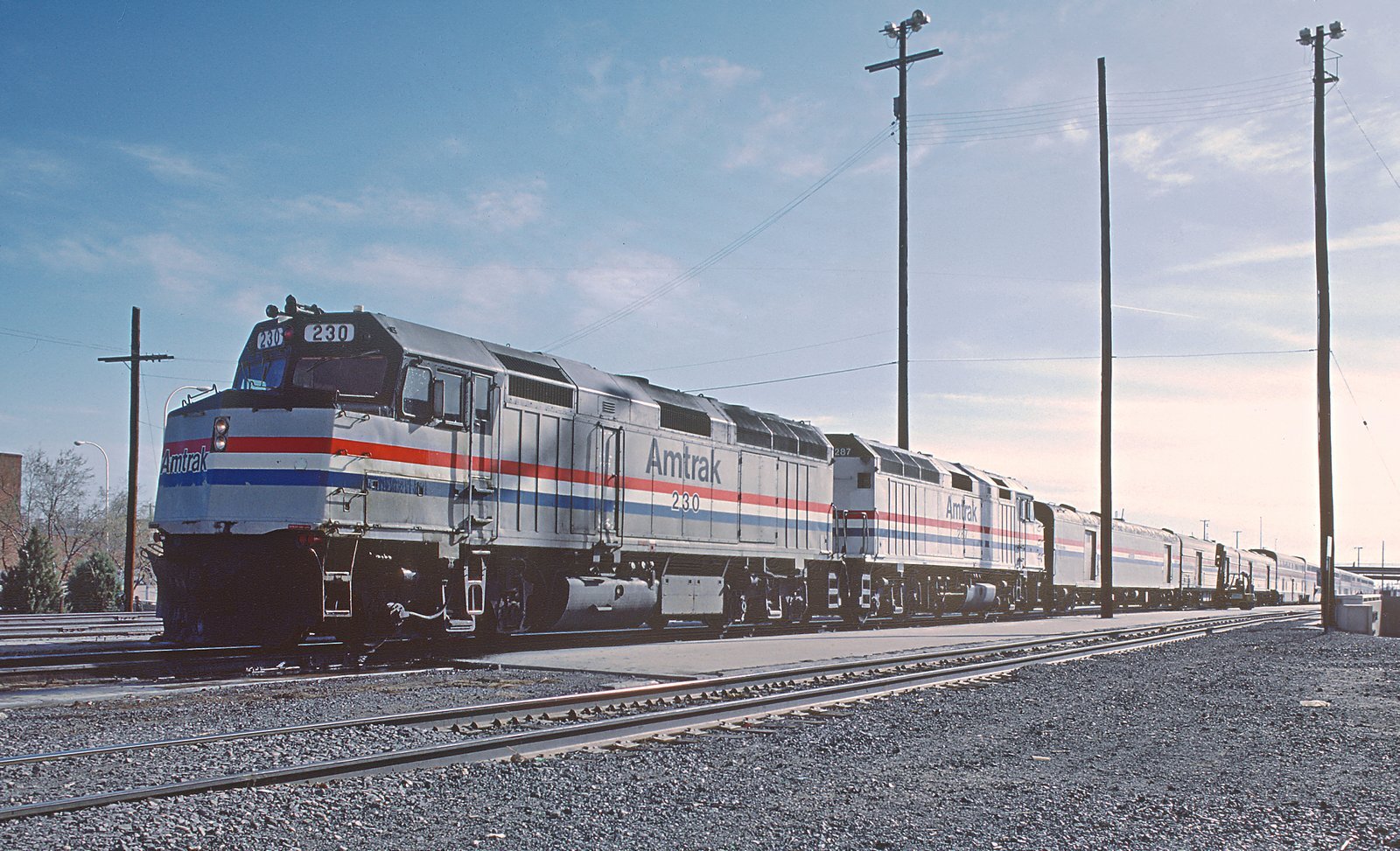
Board Amtrak’s Southwest Chief in Los Angeles for an unforgettable ride that crosses the Mississippi and eight states as it makes its way through the fabled American West, passing landscapes and vistas not accessible from interstate highways. That phrase, “not accessible from interstate highways,” is the key. This is the train’s superpower. Highways were built to move people efficiently. Railroads were often built to reach places that nothing else could.
The Southwest Chief traces a corridor deeply tied to the history of the American Southwest, following the path of the old Santa Fe Trail. You’ll pass through New Mexico and Arizona, regions where ancient Pueblo civilizations left their marks on canyon walls long before any European set foot on the continent. Some of Amtrak’s most storied long-distance routes, including the California Zephyr, the Coast Starlight, the Empire Builder, the City of New Orleans, and the Southwest Chief, carry travelers through the Rockies, along the Pacific, across the Great Plains, and deep into Delta country. The Southwest Chief earns its legendary status every single mile.
7. Durango and Silverton Narrow Gauge Railroad: Colorado’s Mining Heart
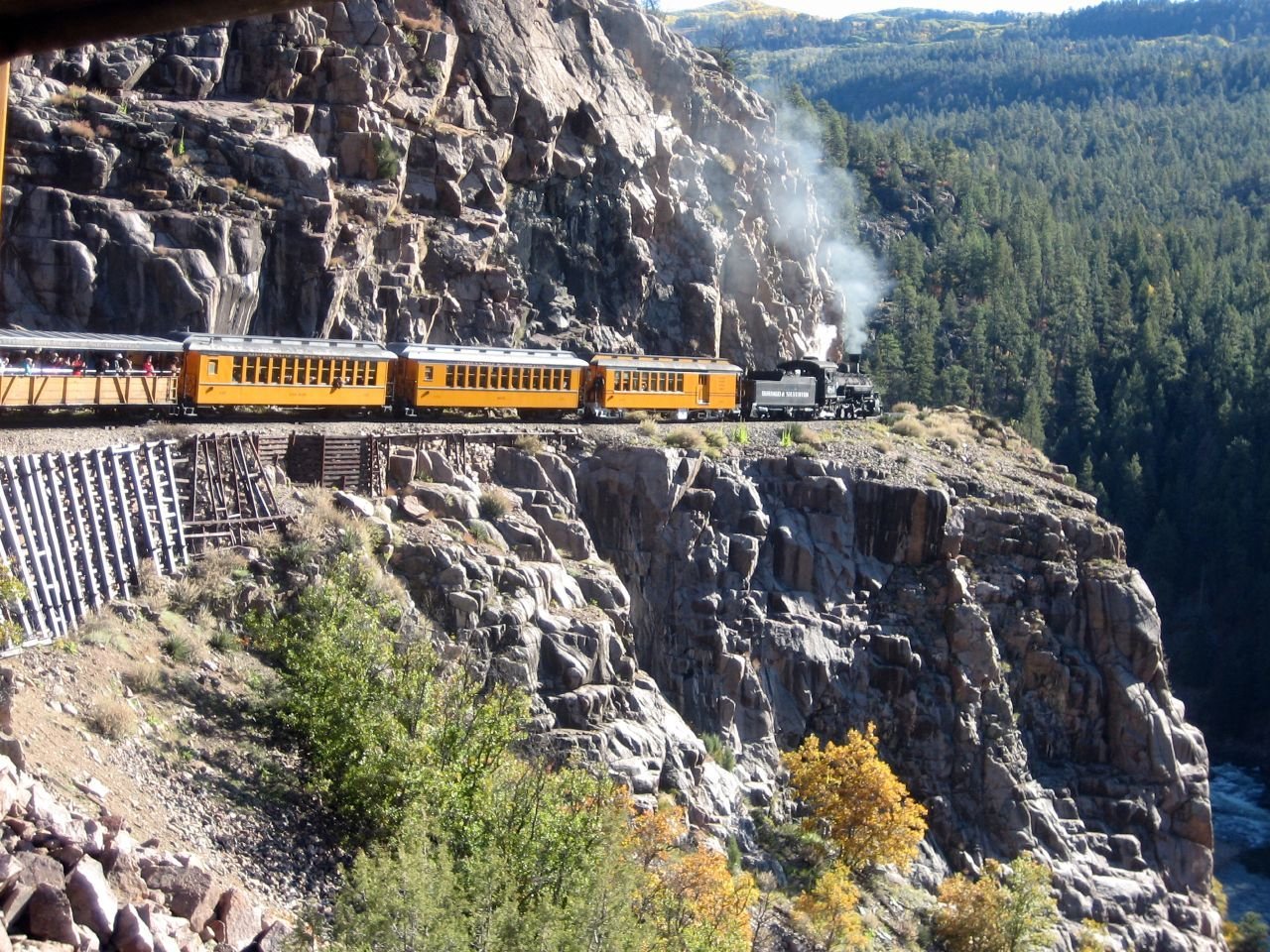
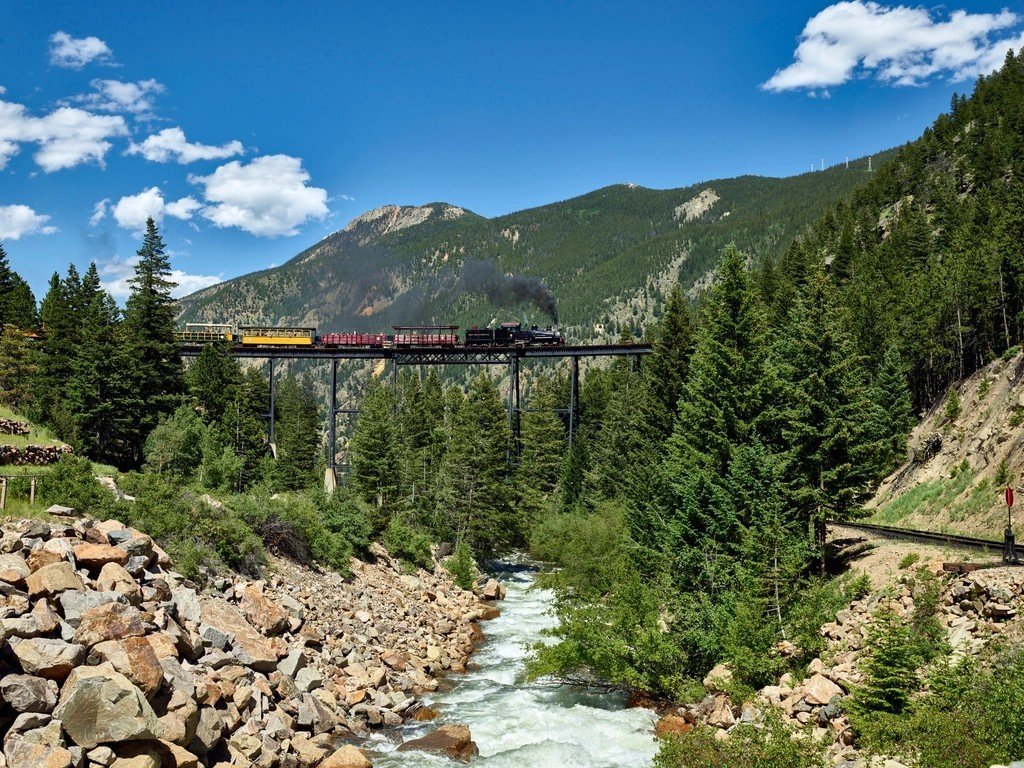
The Durango and Silverton Narrow Gauge Railroad is a three-foot narrow-gauge heritage railroad that operates on 45.2 miles of track between Durango and Silverton in Colorado. The railway is a federally designated National Historic Landmark and was also designated by the American Society of Civil Engineers as a National Historic Civil Engineering Landmark in 1968. It’s short. It’s slow. It’s completely extraordinary.
The route was originally opened in 1882 by the Denver and Rio Grande Railroad to transport silver and gold ore mined from the San Juan Mountains. The labor crew, made up of mostly Chinese and Irish immigrants, were paid $2.25 per day. The 45.4-mile route runs in both directions along the Animas River, crisscrossing it five times, and passing by old stagecoach trails and long-deserted mining camps as it winds between 14,000-foot high peaks. The smoke from the steam locomotive, the creak of century-old bridges, the canyon walls rising on either side. It’s like stepping inside a history book, except the history is still breathing.
8. Grand Canyon Railway: Williams to the South Rim
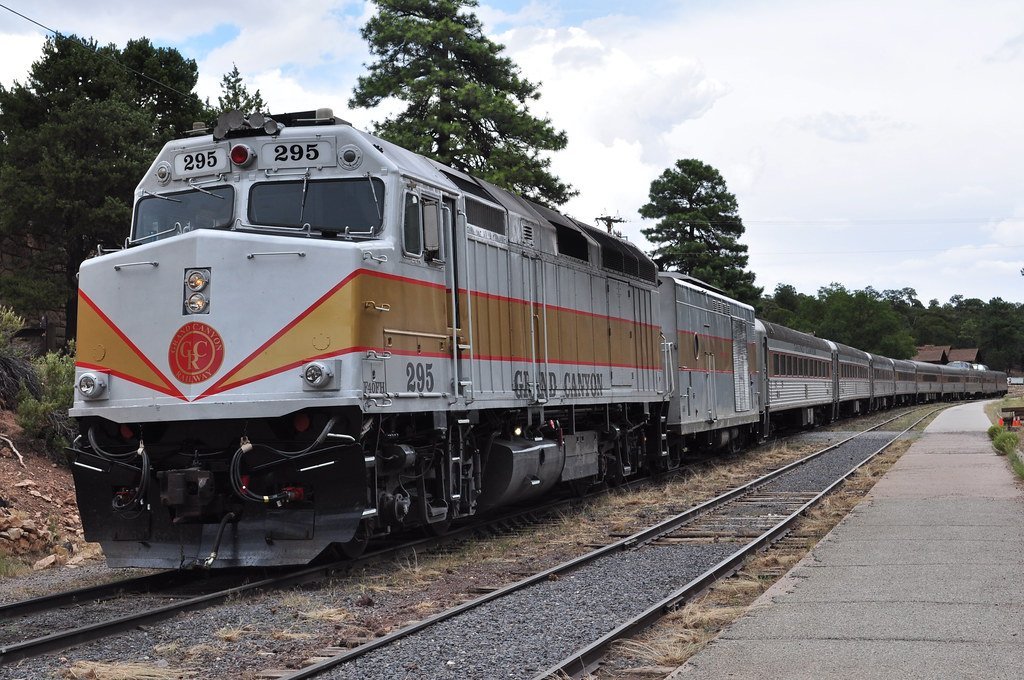
On the Grand Canyon Railway, you’ll depart from Williams, Arizona, and roll through pine forests and prairies, catching glimpses of pronghorn and bald eagles before arriving at the epic South Rim. Let’s be real, arriving at the Grand Canyon by train just feels right. There’s a ceremonial quality to the approach, a gradual building of anticipation that flying in or driving on the highway simply cannot replicate.
With operations starting in 1901, the Grand Canyon Railway has a rich history, playing a crucial role in the early tourism development of the Grand Canyon. Riders can experience the Old West with musicians, cowboys, and entertainers on board providing a lively atmosphere reminiscent of the past. All of the historic cars of the Grand Canyon Railway have fascinating former lives, and some have glass-dome ceilings that provide unstoppable panoramas. The whole experience feels like a portal, and that’s not an exaggeration at all.
9. Lake Shore Limited: New York City to Chicago
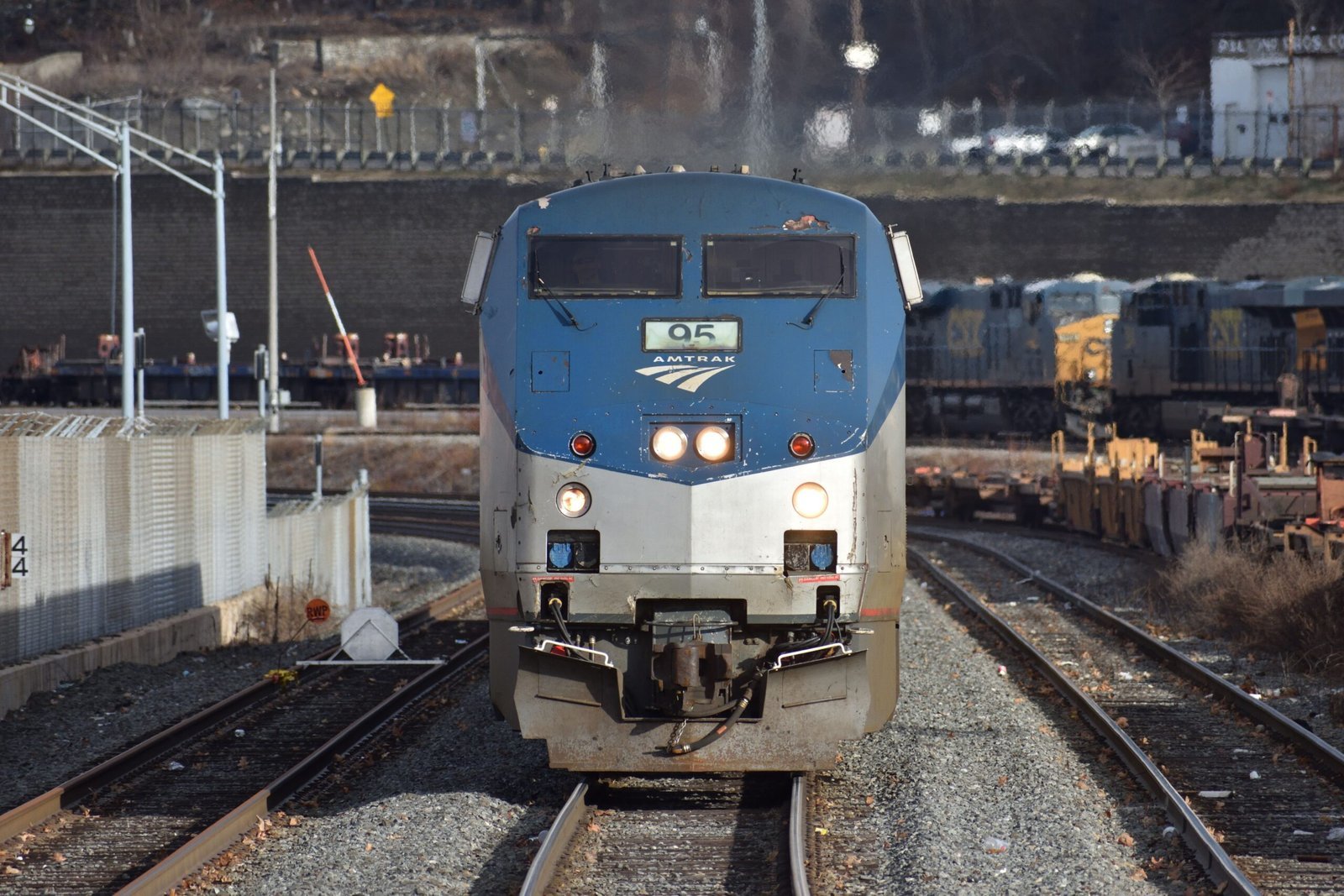
The first part of this epic cross-country train ride is from New York to Chicago aboard Amtrak’s Lake Shore Limited. This route follows the southern shores of Lakes Erie and Ontario through some of the most historically dense territory in North America. These are the waters where the War of 1812 was fought, where early industrial cities like Cleveland, Buffalo, and Erie transformed America’s economy in the 19th century. Traveling through the scenic farmland of Ohio and Indiana, the Allegheny Mountains, and the beautiful Potomac Valley along the B&O line, the flagship service covers destinations as significant as Cleveland and Pittsburgh.
This is a journey through the old industrial spine of America, a landscape that built the nation’s manufacturing might and then watched parts of it quietly fade. The rolling hills of western New York, the great lakeside cities, and finally the approach into Chicago are collectively a lesson in American economic geography. It’s not the most glamorous route on the list, but it might be the most emotionally resonant for anyone who knows this country’s industrial soul.
10. Verde Canyon Railroad: Arizona’s Hidden Canyon
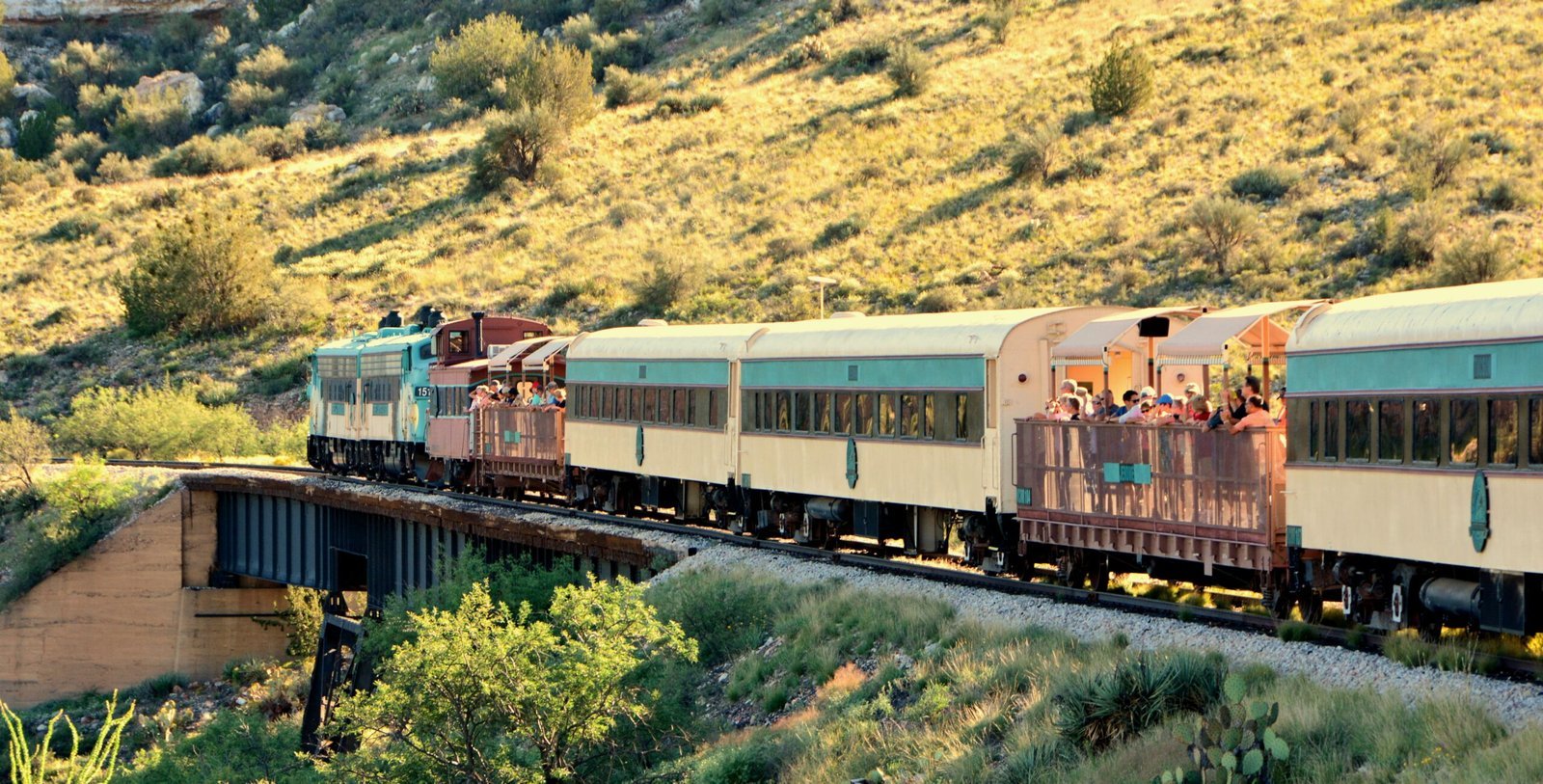
Take the Verde Canyon Railroad and experience Arizona’s other Grand Canyon. From your open-air passenger car, marvel at the picturesque red rock pinnacles and Indian ruins as you follow the 40-mile route along the wild and scenic Verde River. Scan for wildlife along the way, like the eagles that spend their winters in the area. This one is criminally underrated. Most visitors to Arizona make a beeline for Sedona’s Instagram rocks, but this corridor tells a different and far older story.
The Verde Canyon cuts through a region inhabited by Sinagua peoples for centuries before European contact, and the landscape holds ruins that peer down from canyon walls as the train rolls past. Enjoy the rugged nature of America’s Western Frontier, a place where historic mining towns lie amongst impressive mountain ranges, ranches, and desert expanses. The experience is intimate, not a massive cross-country odyssey but a quiet, four-hour immersion in some of the Southwest’s most overlooked history.
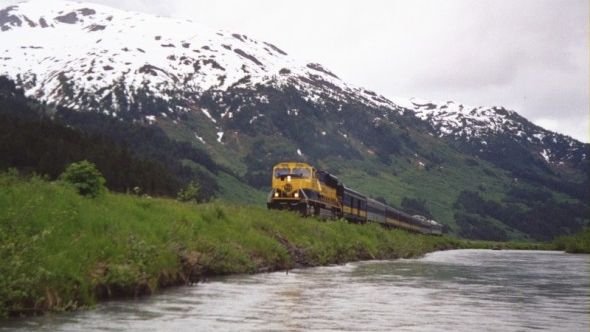
11. Alaska Railroad: Fairbanks to Seward
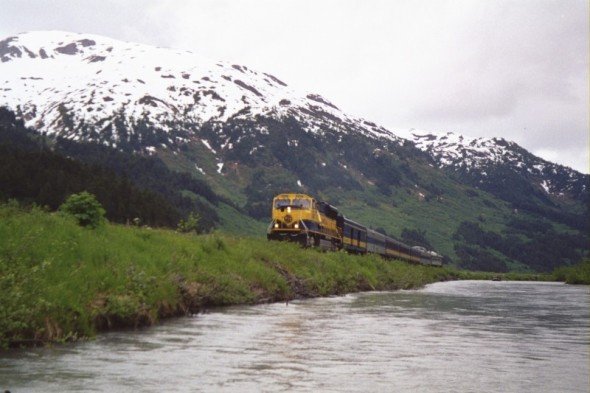
This stretch through the heart of Alaska highlights the state’s beautiful, rugged wilderness. Between the birch forests, rushing rivers, caribou and bear spotting, and a stint through Denali National Park, there’s a reason this is the Alaska Railroad’s flagship journey. Alaska feels like a different planet. And reaching it by train amplifies that feeling in every possible way.
In North America, experience Alaska’s tidewaters and the lush surroundings of Denali National Park, as well as destinations that highlight Alaska’s Indigenous culture. Journey between national parks filled with glaciers, rock formations, lush flora, incredible wildlife, and extraordinary geothermal activity. If you can swing it, splurge on a GoldStar upgrade and take in the spectacular scenery from an outdoor, upper-level viewing platform, with absolutely nothing between you and the wild. Best of all, of course, are the stunning vistas of Denali, the tallest mountain in North America. The history here is geological, Indigenous, and colonial all at once, and the train is the only way to access much of it.
Why Train Travel Remains America’s Greatest Moving History Lesson
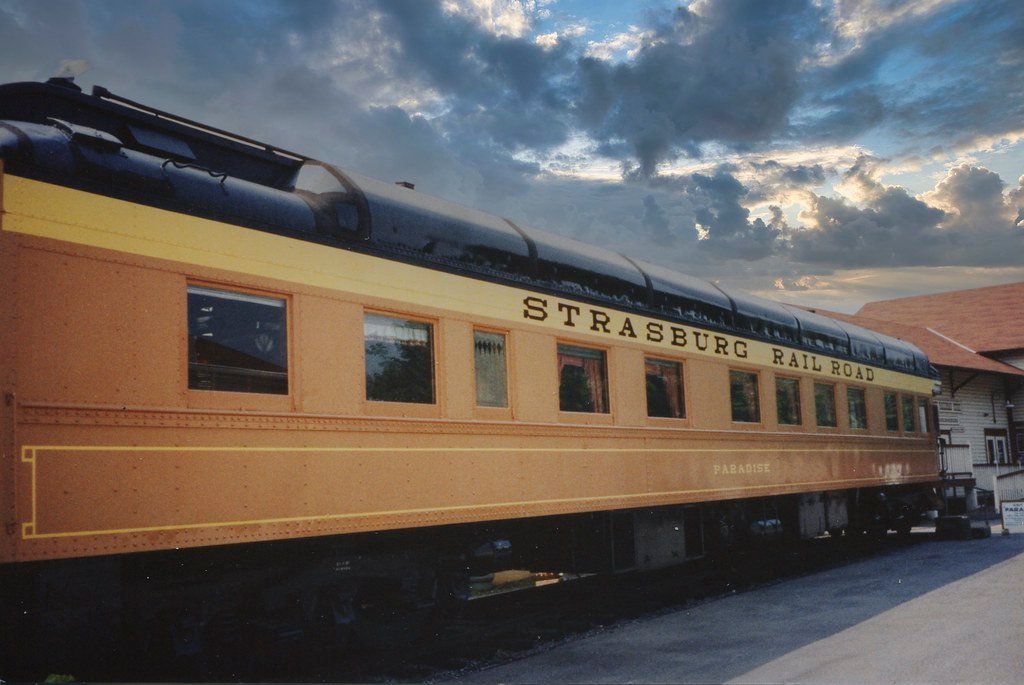
Planes shrink geography. Cars isolate you inside a metal box. But trains? Trains are a form of conversation with the land itself. You don’t just cross America on these routes. You read it, slowly, panel by panel, like a very long and very beautiful graphic novel. The United States, with its diverse landscapes and distinctive cities, poses a unique challenge: creating a journey that encapsulates the adventurous American spirit. From the charming seaside towns of New England to Big Sky country in Montana, the colorful deserts of Arizona and the untamed expanses of Alaska, each part of the nation sets a picturesque backdrop.
2026 marks 250 years since the signing of the Declaration of Independence, and this collection of rail journeys offers travelers an easy way to explore the places and stories that shaped the country. There has never been a better time to reclaim train travel as a serious, meaningful way to experience America. The routes above aren’t just trips. They’re encounters with the forces, migrations, conflicts, and dreams that built a nation. Whether you’ve got 48 hours or five days, whether you want the grandeur of the Rockies or the quiet dignity of the Mississippi Delta, there is a train that will take you there and show you something true about this place.
So here’s the question worth sitting with: of all the history hidden in this country, how much of it have you actually seen up close, at human speed, from the window of a train?
CEO-Co-Founder
