
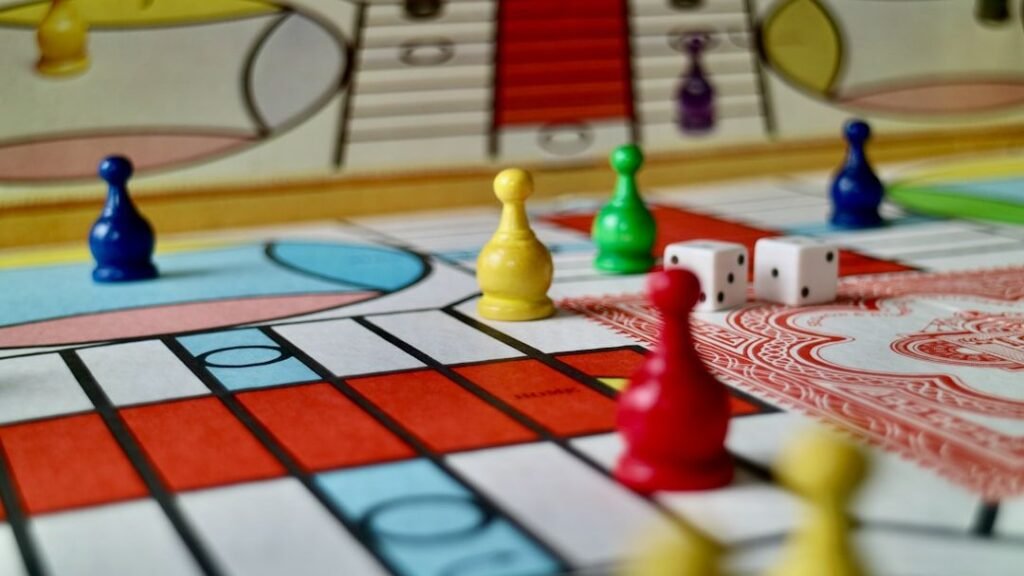

There’s something quietly remarkable about a cardboard box that’s survived decades in a closet, its corners soft with age, the box art slightly faded. Pull one of these old games off the shelf and you don’t just find a pastime. You find a piece of shared cultural memory. In a world of instant digital entertainment and short attention spans, gathering around a physical board still does something that a phone screen simply can’t: it puts people in the same room, facing each other, fully present.
In today’s fast-paced, technology-driven world, classic board games offer a reprieve from screens and digital distractions. The tactile experience of rolling dice, moving game pieces, and interacting face-to-face with other players provides a break from the constant buzz of smartphones and computers. Games like Monopoly, Risk, and The Game of Life have remained popular throughout the years due to their simple yet strategic gameplay, making them a mainstay in family game nights and social gatherings. These games have retained their charm and entertainment value, appealing to both nostalgic adults and new generations of players. Here are ten of the best vintage board games worth pulling out for your next family game night.
1. Monopoly (1935)
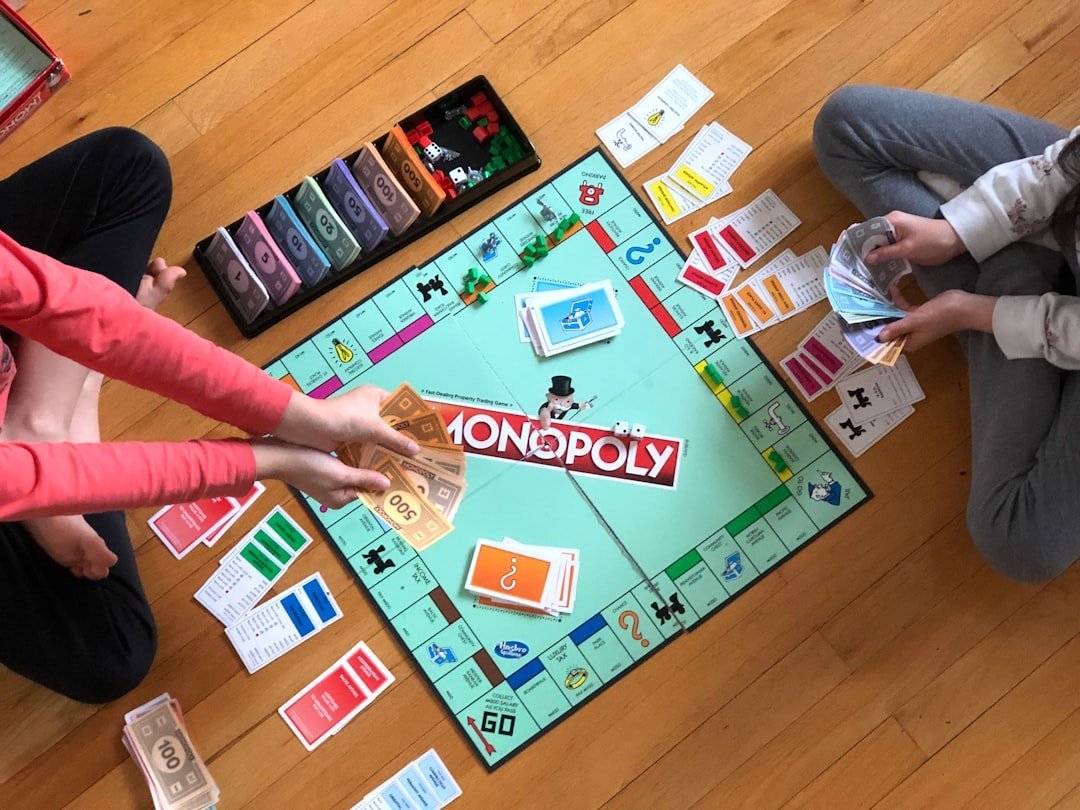
Monopoly is one of the top classic board games of all time, known for its enduring popularity and iconic gameplay. Created in 1935 by Charles Darrow, the game challenges players to buy, sell, and trade properties to become the wealthiest player. The game is won by bankrupting opponents through strategic property acquisition and shrewd financial decisions.
What makes Monopoly a classic board game is its combination of strategy and luck. Players must make calculated decisions about which properties to purchase and develop while also relying on chance with dice rolls and card draws. The element of chance introduced by rolling dice adds an unpredictable aspect that keeps each game fresh and exciting. Furthermore, the satisfaction of amassing wealth through clever investments and shrewd negotiations resonates with players of all ages.
This real estate trading game has sold over 275 million copies worldwide and spawned countless themed editions, from Star Wars to Pokemon. It’s one of those games where no two sessions play out quite the same way, which is a big part of why it keeps drawing families back decade after decade.
2. Clue (1949)
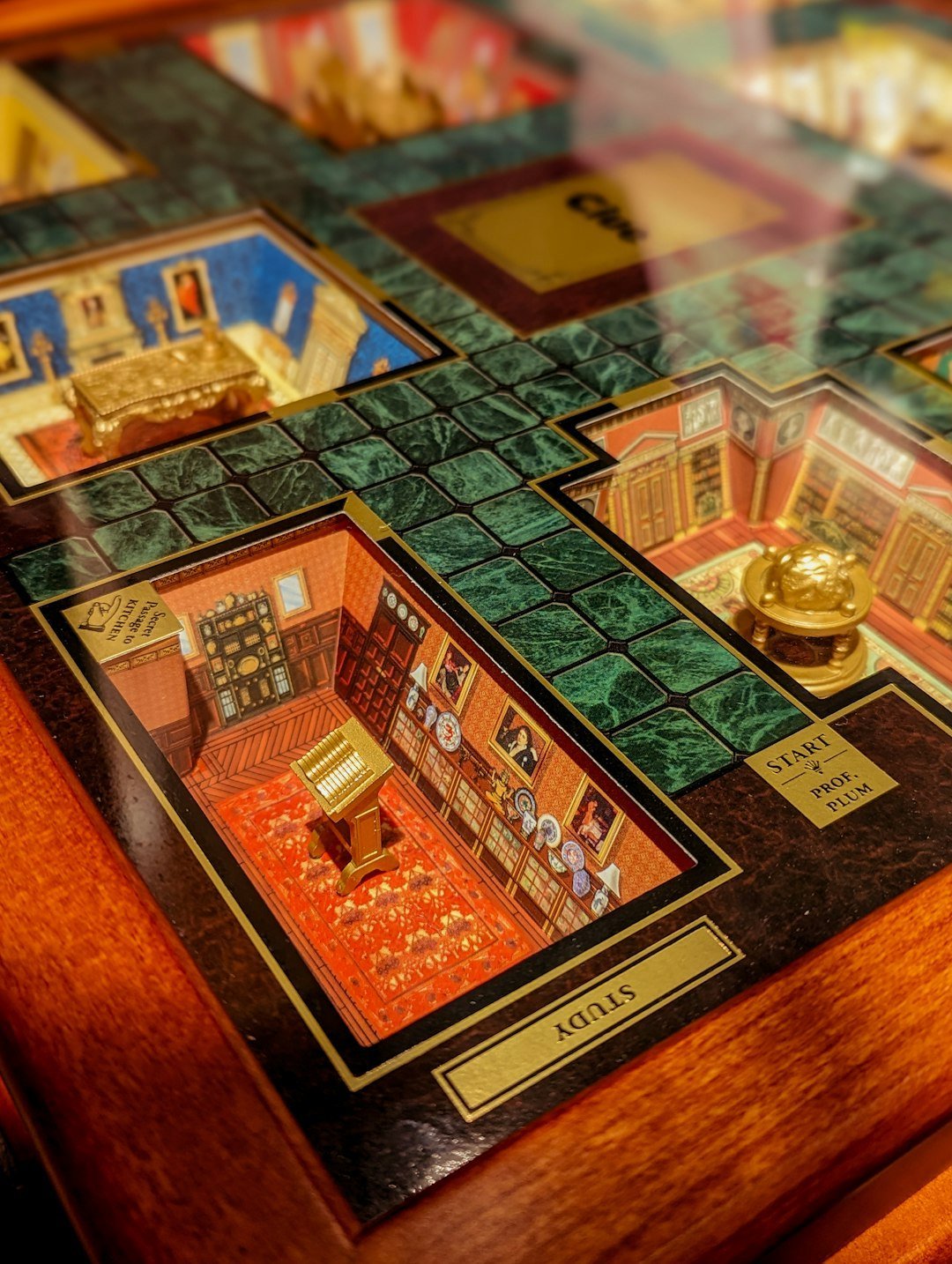
Holed up in his home in Birmingham, England, during air raids on the city during World War II, Anthony E. Pratt, an English musician and factory worker, recalled the murder mystery games played by some of his clients at private music gigs as well as the detective fiction popular at the time, most notably Agatha Christie. In 1944, Pratt applied for a patent of his invention of a murder/mystery-themed game, originally named Murder!
The object of the game is to determine who murdered the game’s victim, where the crime took place, and which weapon was used. Each player assumes the role of one of the six suspects and attempts to deduce the correct answer by strategically moving around a game board representing the rooms of a mansion and collecting clues about the circumstances of the murder from the other players.
The enduring appeal of Clue lies not just in its gameplay, but in what it represents. The Clue board game history sparked a revolution in narrative-driven gaming, setting a standard for interactive storytelling. Decades later, its legacy remains strong, proving that some mysteries never get old.
3. Scrabble (1948)
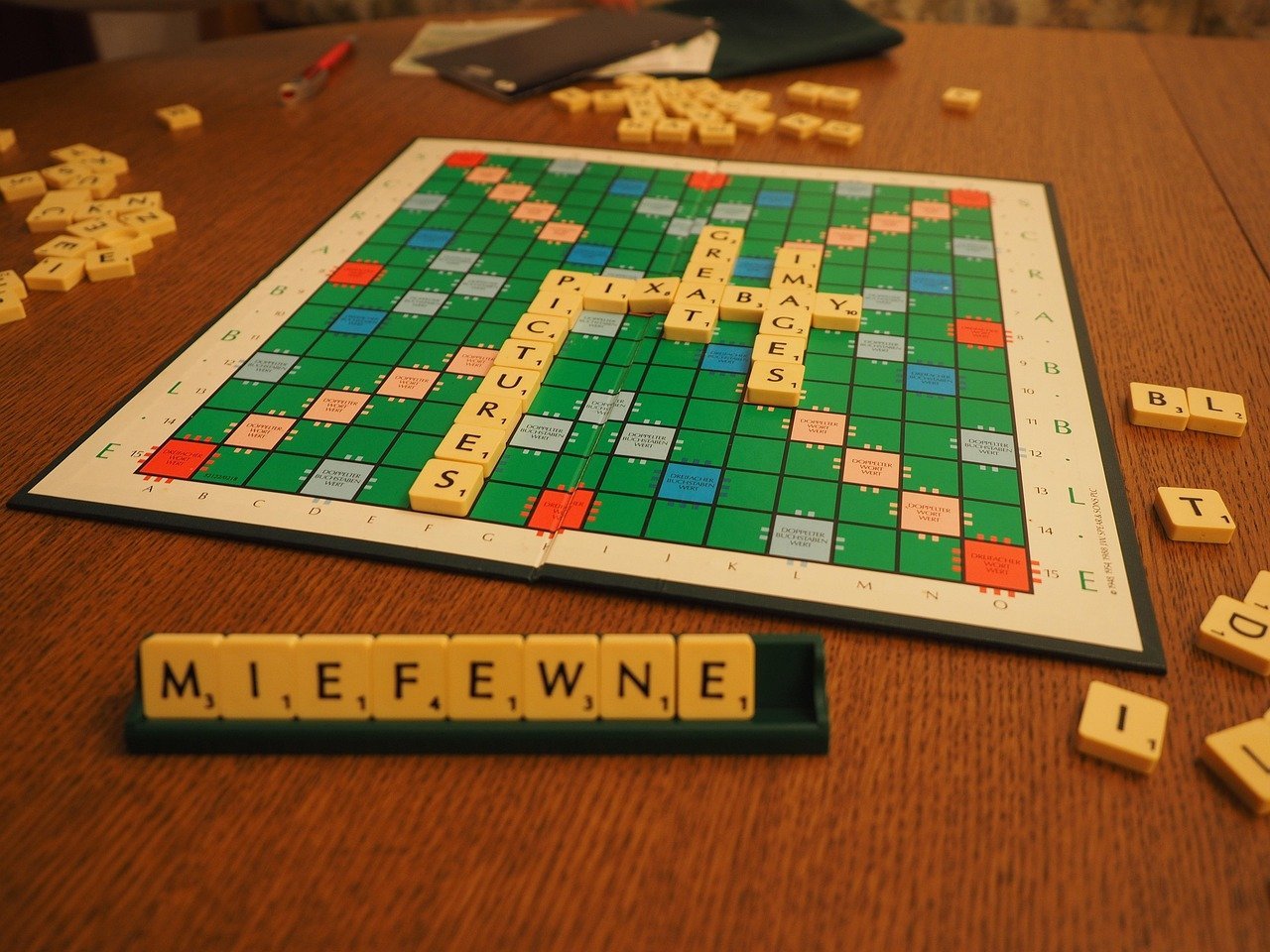
The game was first created by Alfred Mosher Butts in 1938, but it wasn’t until 1948 that it was trademarked as Scrabble and sold to the public. Since then, Scrabble has become a staple in many households, captivating players with its simple yet challenging gameplay. The path to shelves wasn’t smooth: Alfred Butts invented Scrabble in the 1930s, but it was turned down by major game manufacturers. It wasn’t until the 1950s, after a department store owner played it, that Scrabble became a household staple.
The appeal of Scrabble lies in its ability to engage players of all ages. The game not only tests one’s vocabulary and spelling skills but also requires strategic thinking and planning to outscore opponents. This combination of mental stimulation and competitive fun has made Scrabble a favorite pastime for families, friends, and word enthusiasts around the world.
One in three American households has a Scrabble game set. That statistic alone says a great deal. Scrabble is even an official sport in several African countries, including Senegal and Mali. For a family game night, it strikes a rare balance: competitive enough to engage adults, accessible enough to include younger players building their vocabulary.
4. Risk (1959)
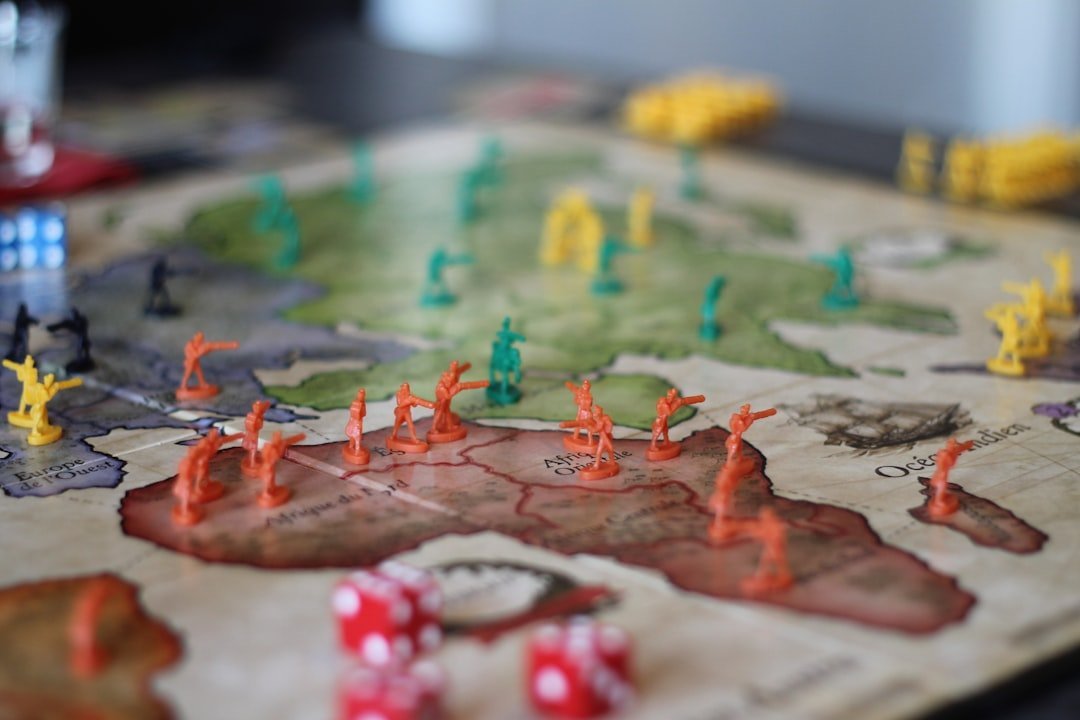
In 1957, French filmmaker Albert Lamorisse designed a game called ‘La Conquete Du Monde’ (The Conquest of the World). Two years later, American game makers Parker Brothers brought out a version in English called ‘Risk’. In both games, players compete to gain control of more territories by various means.
The game resonated with players because it came out during the time of the Cold War and went on to influence game manufacturers to produce more strategy games. Risk was the first war game to make a commercial splash, and it has inspired other successful games such as Axis and Allies and Settlers of Catan. Its world map board and army pieces create a genuinely epic sense of scale at the kitchen table.
Over the years, Risk has evolved with various editions and modern variants that cater to different preferences and playstyles. From themed versions based on popular franchises to digital adaptations for online play, the game continues to adapt to contemporary tastes while retaining its core elements. As a result, Risk remains a beloved classic board game that continues to bring generations together for epic global conquests.
5. Battleship (1931)

Battleship involves players marking fleets of ships on a grid, the locations of which are concealed from the other player. Players alternately take shots at each other’s ships and the objective is to destroy the opposition’s fleet. It’s a deceptively simple premise that creates genuine suspense, especially as the grids fill up and the guessing becomes more and more calculated.
The game holds up remarkably well as a two-player experience precisely because it combines hidden information with pattern recognition. Each missed shot tells you something; each hit narrows the field. The game has spawned multiple versions and was one of the first board games to be produced as a video game, with a version being released for the Z80 Compucolor in 1979.
For families with mixed ages, Battleship is an excellent pick because the rules take under five minutes to explain. The tension during that final sequence of shots, when one fleet is nearly sunk and both players know it, is the kind of suspense that no app really replicates.
6. Sorry! (1934)
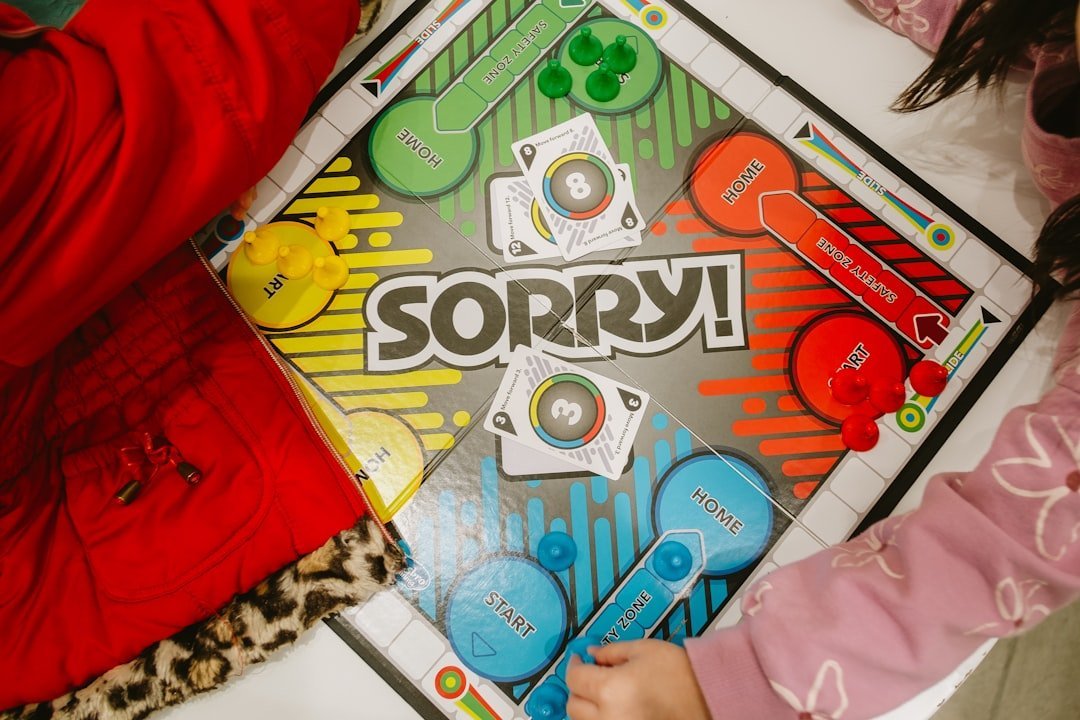
A simple game where players try to move around the board faster than their opponents, Sorry! was trademarked on May 21, 1929, by William Henry Storey in England. British manufacturer Waddingtons initially sold it before Parker Brothers adopted it in North America. Most people who grew up playing Sorry! were never aware that it was based on the classic “cross and circle” Indian game Parcheesi.
Sorry! uses a deck of special cards that, when shuffled, create randomness, which keeps every game unpredictable. The signature mechanic, sending an opponent’s piece back to the start with a cheerful apology, produces the kind of dramatic reversals that bring out both groans and laughter in equal measure.
It’s one of the few vintage games where younger children can genuinely compete against adults because the card draw levels the field. The social dynamic it creates, equal parts rivalry and forgiveness, is what keeps it feeling fresh even after nearly a century on the shelf.
7. Yahtzee (1956)
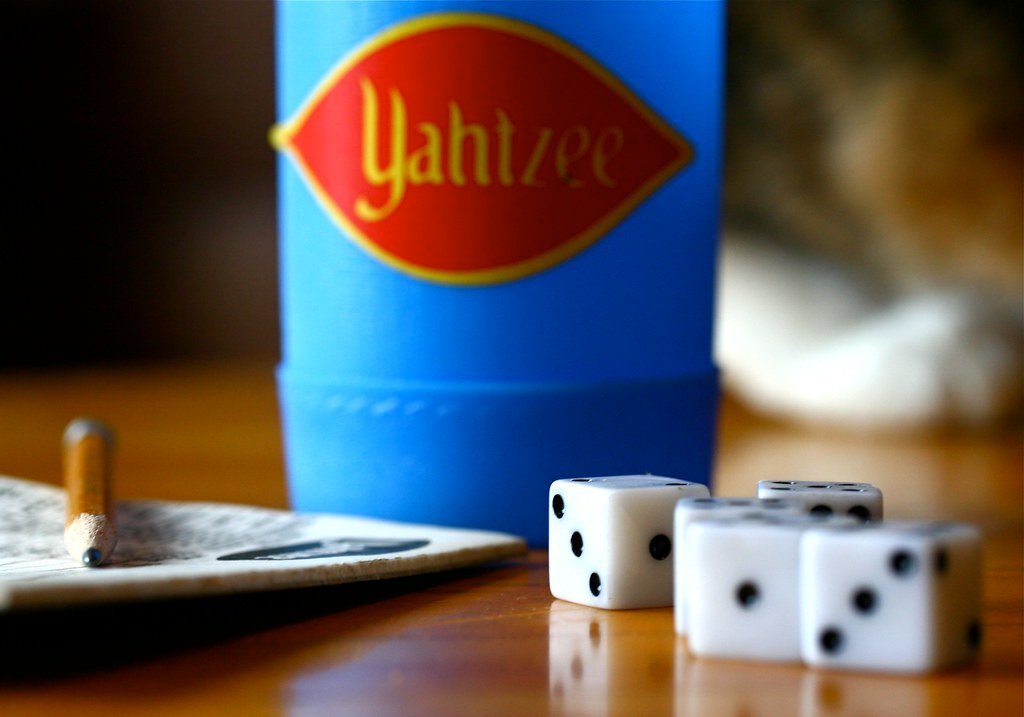
Yahtzee is a dice game, first marketed as ‘Yatzie’ in the early 1940s. The overall concept derived from a number of traditional dice games. It was classified as a “Poker Dice Game” and the objective of the game was to score points by rolling five dice to make certain combinations. The game’s scoring structure, with categories ranging from simple totals to the coveted five-of-a-kind Yahtzee, rewards both decision-making and a little luck.
The game “The Yacht Game” was in high demand among high society friends, and in 1956 it was taken to toymaker Edwin S. Lowe for help bringing it to market. The newly titled Yahtzee spread through word of mouth to become the global phenomenon it is today. Hasbro estimates that 100 million people play the game regularly.
What makes Yahtzee such a reliable game-night staple is its pace. Rounds move quickly, the rules are clear, and the scoring sheet gives even younger players a satisfying sense of progress to track. It also scales well: two players or ten, the energy stays roughly the same.
8. Trivial Pursuit (1979)
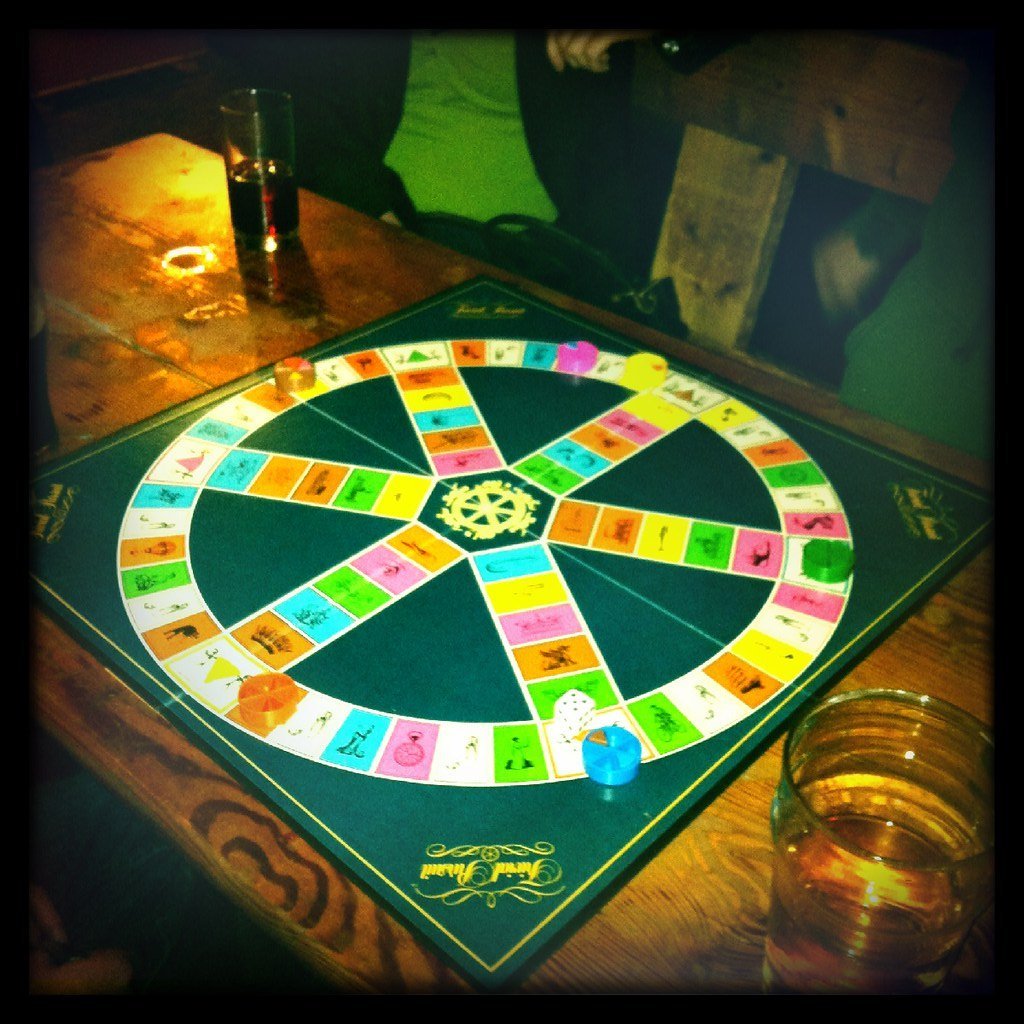
Trivial Pursuit was co-invented in 1979 by Scott Abbott and Chris Haney in Canada. The main object of the game is to answer the most trivia questions correctly and get to the end of the board. The two Canadian journalists came up with the game in a few short hours on a slow winter’s day while they were playing a round of Scrabble. They decided to invent their own game on a whim and spawned the North American obsession with trivia.
Players collect colored wedges by correctly answering questions across six different categories, including geography, entertainment, history, and science. In 1990 Trivial Pursuit won a Mensa Select Award for its contribution to intelligent gaming. Vintage editions from the 1980s carry their own nostalgic charm, with questions that reveal how differently people understood the world just a few decades ago.
It’s also one of the few board games that genuinely rewards accumulated life experience. Older players often hold their own against younger, digitally fluent competitors because trivia pulls from a wide spectrum of knowledge. That cross-generational equity makes it a natural fit for family game night.
9. The Game of Life (1960)
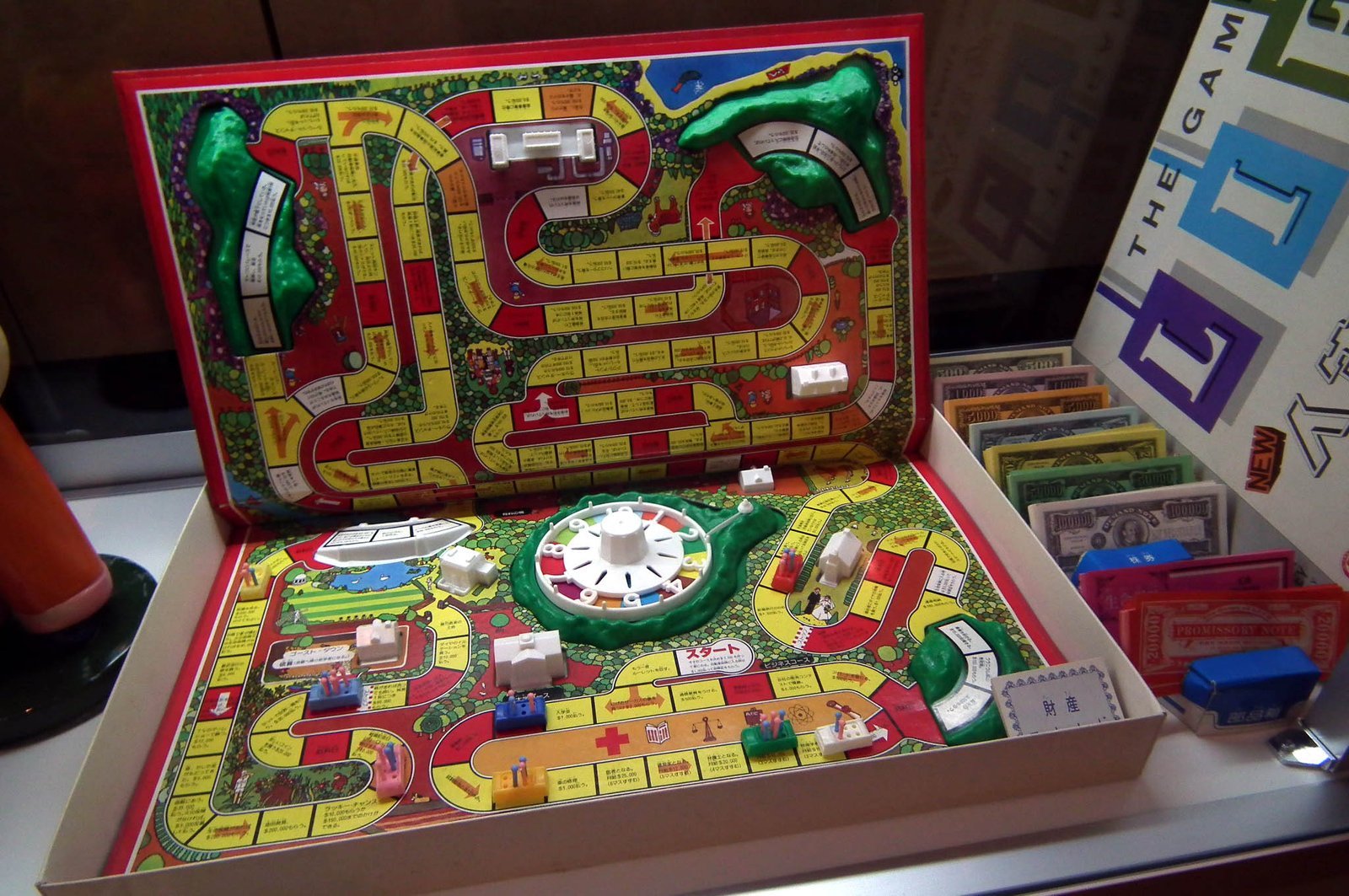
The Game of Life was originally produced by inventor Milton Bradley in 1860 as ‘The Checkered Game of Life’. In celebration of the Milton Bradley Company’s 100th anniversary, they hired designer Reuben Klamer to create a more modern version. Easing the moral rectitude of the gameplay and instead focusing more on the stage progressions of life, the game was reissued as the Game of Life with many of the familiar accoutrements: plastic automobile player pieces, career paths, and money. Since the game’s reissue in 1960, much of the gameplay of Life has remained largely the same.
Players spin a wheel, choose career paths, buy houses, start families, and navigate the kinds of major life milestones that adults recognize and children find fascinating. The plastic car piece, loaded with tiny pink and blue pegs representing family members, remains one of the most iconic components in board game history. It’s tactile and charming in a way that aged with grace.
Older editions of the game carry a specific snapshot of mid-century American optimism. Pulling out a vintage copy for game night invites a kind of gentle time travel, where the paths available in life were fewer but the board felt no less full of possibility.
10. Candy Land (1949)
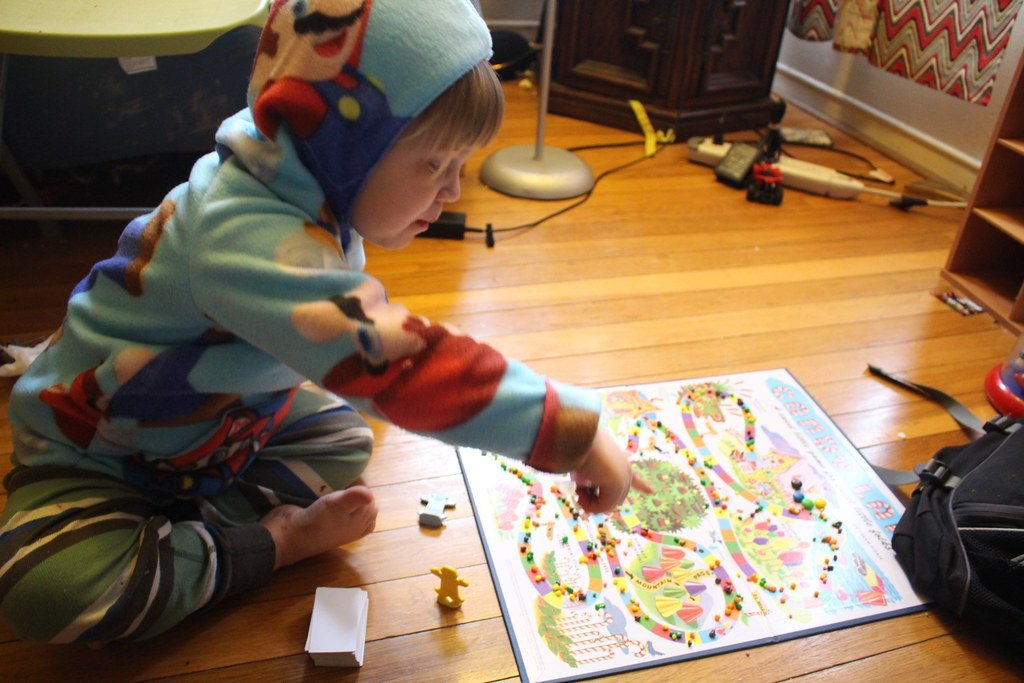
Created in 1948, retired primary school teacher Eleanor Abbott came up with the idea for Candy Land while she was convalescing in a San Diego hospital’s polio ward. Originally conceived as a way to entertain the children she was sharing the ward with, Abbott’s game incorporated no strategy or reading requirements to participate, making it possible for children of all ages to play.
Candy Land is a simple racing board game created by Eleanor Abbott and published by Milton Bradley in 1949. The game requires no reading and minimal counting skills, making it suitable for young children. No strategy is involved as players are never required to make choices; only following directions is required. Since its publication by Milton Bradley, Candy Land has sold roughly one million copies per year, ranking as one of the bestselling children’s board games of all time.
Its origins give the game an emotional weight that its cheerful board doesn’t advertise. Eleanor Abbott continued to use funds she earned from the game throughout her life to pay for school equipment and improve the futures of many youngsters. For the youngest members of the family, it remains the perfect first game: no reading required, no strategy needed, just the joy of moving a piece toward the Candy Castle.
A Final Thought on Analog Entertainment
There’s a reason these games have outlasted so many cultural shifts, from the television age to the internet age to the age of streaming. These beloved pastimes have survived countless technological revolutions, maintaining their relevance in an increasingly digital world. Board games have been a beloved pastime for generations, and their enduring appeal lies in the way they bring people together. Whether it’s a family gathering, a casual game night with friends, or a competitive tournament, classic board games have a way of creating memories and fostering meaningful connections.
Every one of the ten games on this list can be found for very little money at thrift stores or garage sales. Some may be missing a card or two. Improvise. House rules have always been part of the tradition. For many individuals, classic board games hold sentimental value beyond just the gameplay itself. Reissued versions not only evoke nostalgic feelings but also serve as tangible reminders of cherished moments from the past. Whether it’s the feel of the game box in your hands or the sight of familiar artwork on the board, these games bring back warm emotions associated with childhood and carefree days gone by.
So dig through the closet. Wipe the dust off the lid. The board still works, the dice still roll, and the people around your table are the only components that actually matter.

Besides founding Festivaltopia, Luca is the co founder of trib, an art and fashion collectiv you find on several regional events and online. Also he is part of the management board at HORiZONTE, a group travel provider in Germany.
