

- 10 Most Romantic Glamping Getaways In America - April 4, 2026
- These 12 Musical Genres Defined Generations, But Are Now Rarely Heard - April 4, 2026
- These 8 Abandoned Historical Sites Hold More Secrets Than Modern Cities. - April 4, 2026
History is a strange, sprawling tapestry of causes and effects. Most of it is explainable. Most of it makes sense when you squint hard enough and read enough footnotes. But then there are the other moments. The ones that make you stop, put down your coffee, and just stare at the wall for a second.
From eerie similarities in historical figures’ lives to uncanny repetitions of major world events, coincidences have fascinated people for centuries. Sometimes, chance alone can explain such patterns – but other times, the alignment of details is so precise it defies logical explanation. Historians debate whether our brains are simply wired to seek patterns, or whether some of these events hint at something far stranger lurking beneath the surface of recorded time.
Some of the stories ahead are unsettling. A few are almost laughably impossible. All of them remain, to this day, without a fully satisfying explanation. So, let’s dive in.
1. Lincoln and Kennedy: A Century of Eerie Parallels
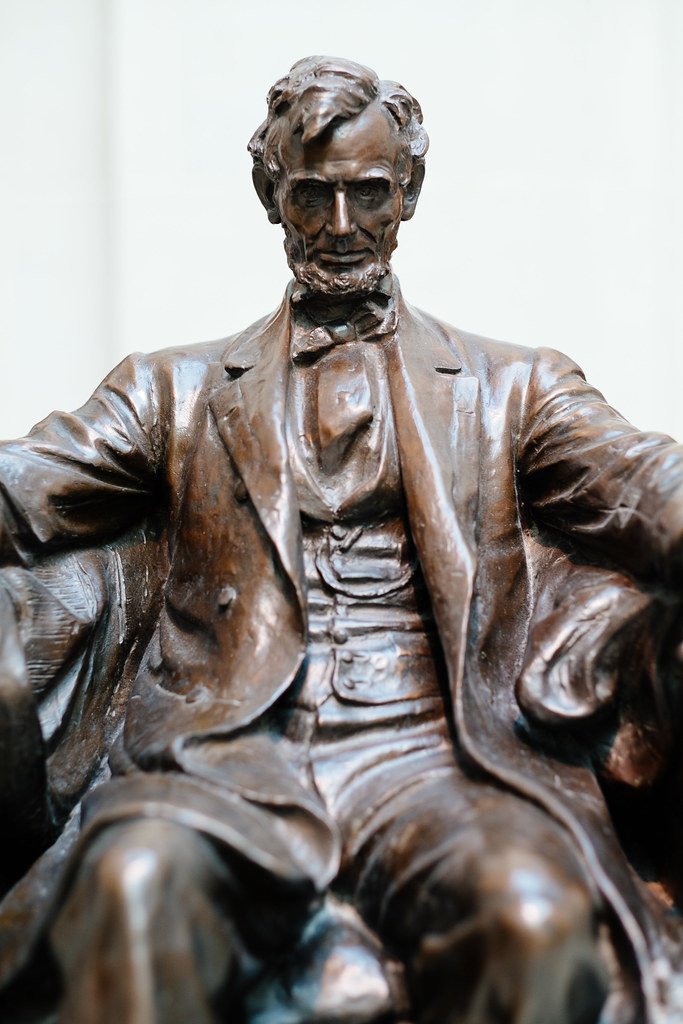
Few historical coincidences are as chilling, or as debated, as the extraordinary parallels between Abraham Lincoln and John F. Kennedy. Both were elected to Congress in ’46 – Lincoln in 1846, Kennedy in 1946 – and rose to the presidency in ’60, precisely one hundred years apart. That alone might be written off as a quirk of the electoral system. But the list goes far deeper than that.
Both assassins, John Wilkes Booth and Lee Harvey Oswald, were born in ’39 and were known by their three names, composed of fifteen letters. Booth ran from a theater and was caught in a warehouse; Oswald ran from a warehouse and was caught in a theater. Both of the presidents’ successors were Democrats named Johnson, with six-letter first names and born in ’08. Honestly, at some point the list stops feeling like coincidence and starts feeling like something else entirely. It shows how we, as humans, are wired to look for patterns. Psychologists call it apophenia – the tendency to perceive meaningful connections between unrelated things. It’s the same instinct that makes us see faces in clouds, or hear hidden messages when songs are played backward. Whether or not these parallels mean anything, they remain genuinely fascinating to this day.
2. Morgan Robertson’s Novel That “Predicted” the Titanic
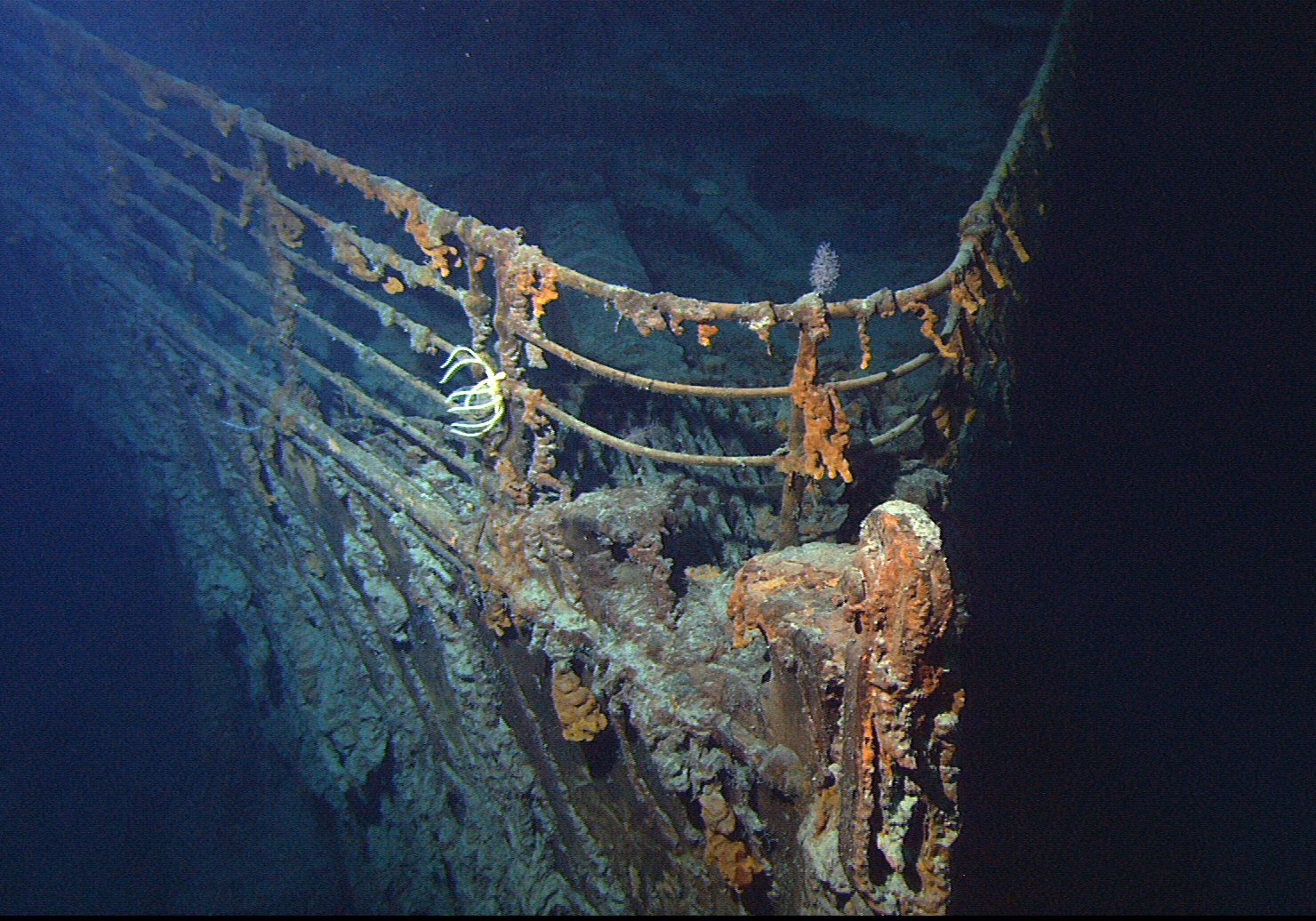
Here is one that genuinely keeps people up at night. Futility is a novella written by American author Morgan Robertson, first published in 1898. It was revised as Futility, or The Wreck of the Titan in 1912. It features a fictional American ocean liner named Titan that sinks in the North Atlantic Ocean after striking an iceberg. The Titan and its sinking are famous for their similarities to the real-life passenger ship RMS Titanic and its sinking 14 years later.
The parallels are almost absurdly specific. Moving at 25 knots, the Titan also struck an iceberg on the starboard side on an April night in the North Atlantic, 400 nautical miles from Newfoundland. Titan was roughly the same size as the Titanic with about the same number of passengers, the ship was not provided with enough lifeboats for all of its passages, and half of the passengers died when it sank after hitting an iceberg in the Atlantic Ocean. Robertson himself denied any premonition. Following the Titanic’s sinking, some people credited Robertson with clairvoyance. Robertson denied this, claiming the similarities were explained by his extensive knowledge of shipbuilding and maritime trends. A reasonable explanation, sure. Though perhaps not entirely satisfying, given just how many details lined up.
3. The License Plate of Archduke Franz Ferdinand
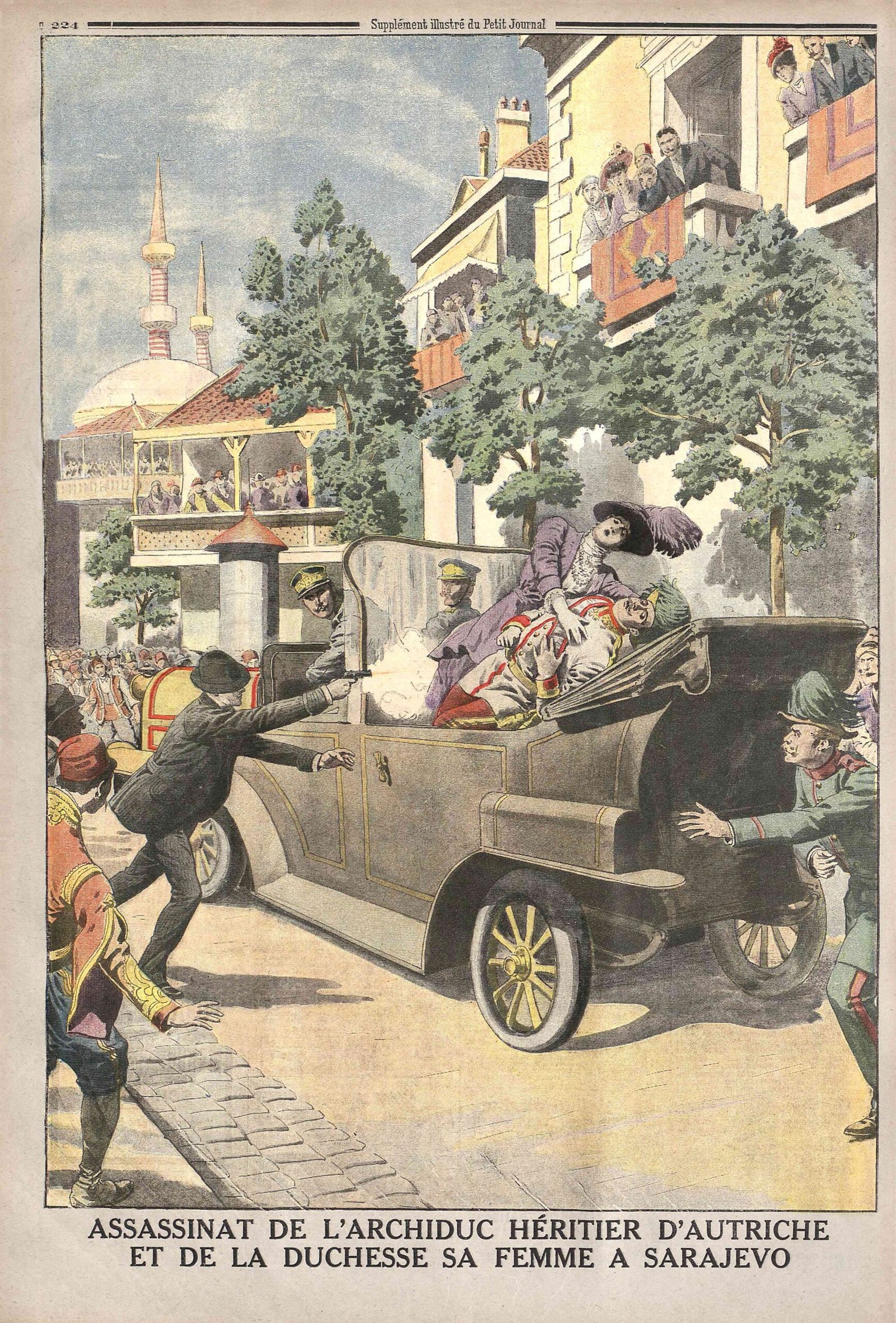
World War I began with an assassination in Sarajevo on June 28, 1914. Franz Ferdinand’s assassination by Gavrilo Princip, and the subsequent series of international treaties, plunged the world into the Great War that caused the loss of 15 to 22 million lives. The war that followed was among the deadliest in human history. Now here’s the part that makes your skin crawl.
World War I began with the assassination of Archduke Franz Ferdinand of Austria. The license plate of the car in which he was riding at the time of his death was AIII 118. WWI officially ended on Armistice Day: 11/11/18. It was a British visitor named Brian Presland who first drew the staff’s attention to the remarkable detail contained in the Gräf and Stift’s license plate, which reads AIII 118. That number, Presland pointed out, is capable of a quite astonishing interpretation. It can be taken to read A (for Armistice) 11-11-18 – which means that the death car has always carried with it a prediction not of the day of Sarajevo, but of November 11, 1918: Armistice Day, the day the war ended. The pregnant meaning of the initial ‘A’ applies only in English – the German for ‘armistice’ is Waffenstillstand. A small caveat, yes. Still one of the most jaw-dropping numerical coincidences in recorded history.
4. Napoleon and Hitler: The 129-Year Shadow
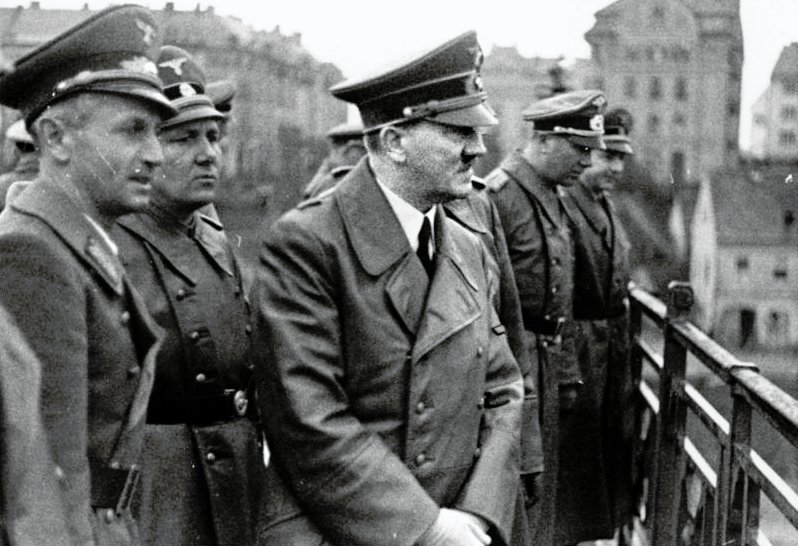
Let’s be real – when a pattern shows up once, it’s a coincidence. When it shows up four times in a row, it starts to feel like something more. Adolf Hitler was born 129 years after Napoleon Bonaparte. Hitler’s rise to power took place 129 years after Napoleon’s; he invaded Russia 129 years after Napoleon, and he was ultimately defeated 129 years after the defeat of Napoleon.
The strategic parallels are equally striking. Russia’s winter swallowed Napoleon’s Grand Armée in 1812, then turned on Hitler’s forces in 1941. Separated by 129 years, both invasions began in summer and ended in frozen disaster. The parallels in strategy and failure remain among the most analyzed coincidences in modern military history. Napoleon Bonaparte and Adolf Hitler both conquered nearly all of Europe, and there are several parallels between them. Both came to power through a coup that ended a period of instability. It’s the kind of pattern that historians debate endlessly. Coincidence? Cyclical human behavior? Or just two ambitious men who made the same catastrophically arrogant mistake on the same frozen road?
5. Mark Twain and Halley’s Comet
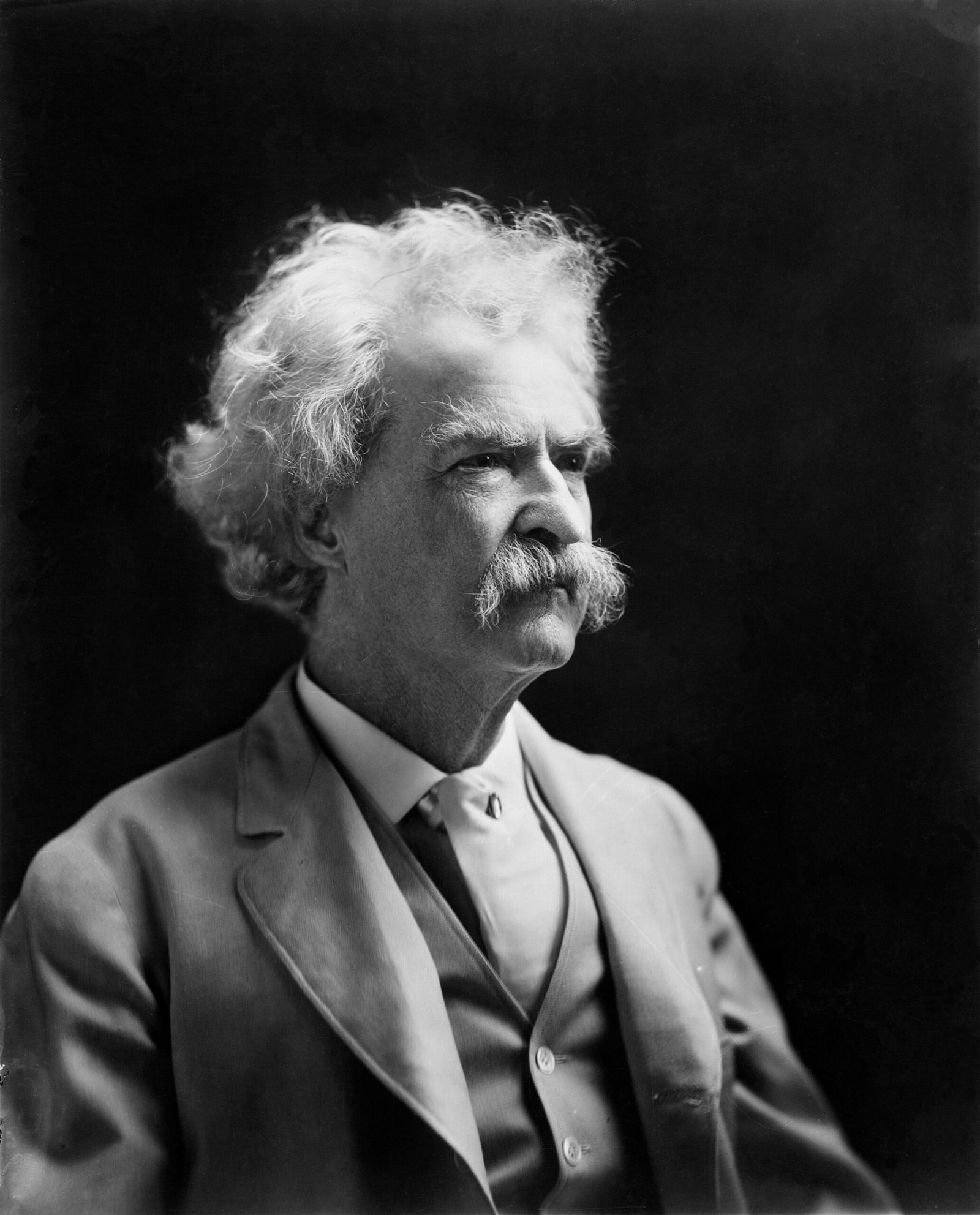
Sometimes a coincidence feels less like a random event and more like a cosmic punchline. Samuel Clemens, better known as Mark Twain, was born during the appearance of Halley’s Comet in 1835. Throughout his life, he predicted he would “go out with the comet.” True to his word, he died on April 21, 1910, the day of the comet’s next return.
Every 76 years, Halley’s comet soars past Earth, where it’s visible to the naked eye. The fact that Twain was born and died precisely during two of its rare visits has long captivated astronomers and historians alike. Twain once joked he’d “go out with Halley’s Comet.” He was born in 1835, the same year the comet passed Earth. In 1910, Twain died of a heart attack the day after its closest approach. The alignment still stands as an astonishingly personal astronomical coincidence. Whether Twain somehow sensed his own timeline, or whether the universe simply had impeccable comic timing, remains one of history’s most delightful unanswered questions.
6. The Tamerlane Curse and the Nazi Invasion
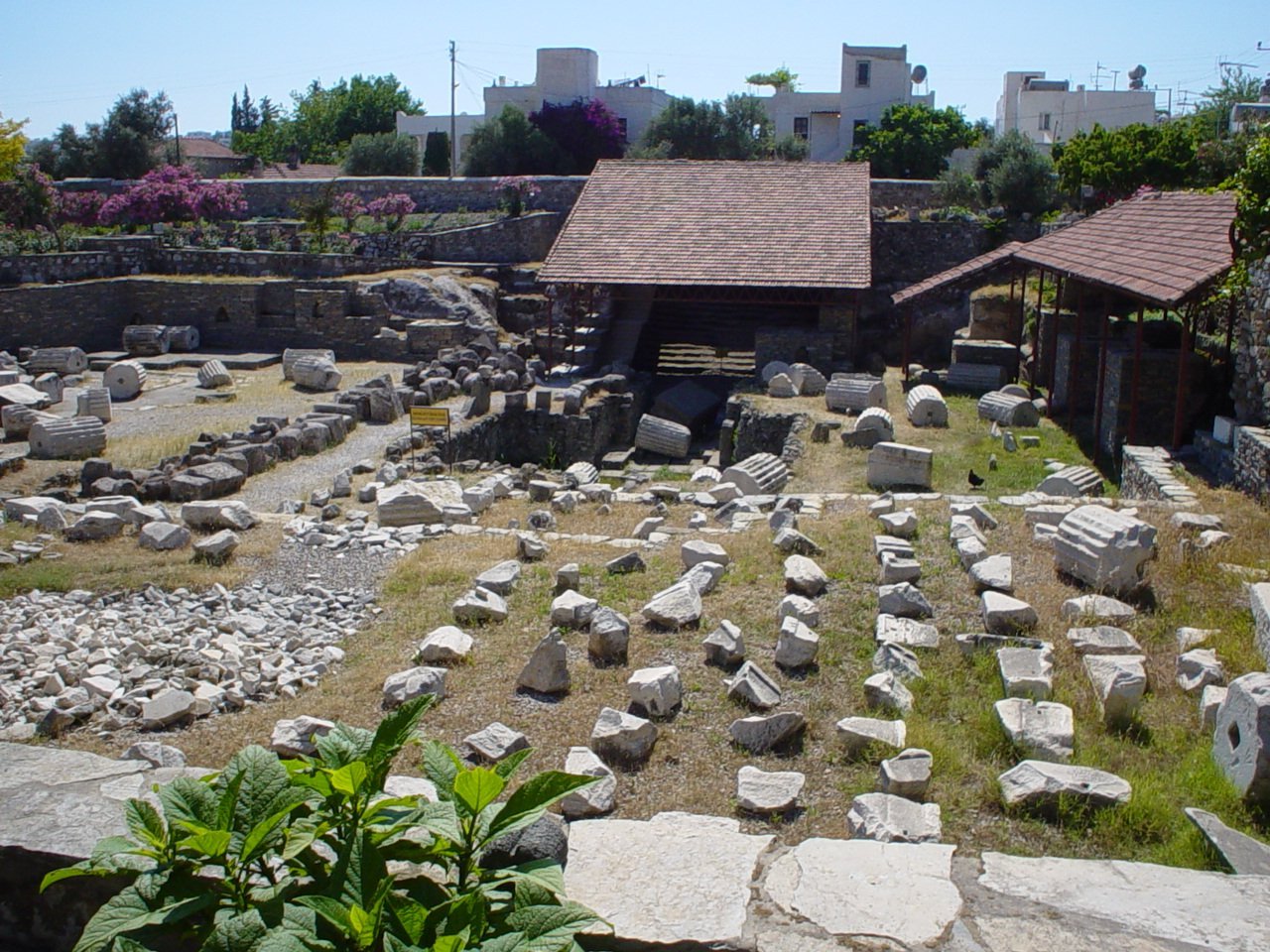
This one sits in a category of its own. It reads like the plot of a thriller novel, except every word is documented history. In 1941, Soviet archaeologists opened the tomb of Tamerlane, despite a chilling inscription warning of catastrophe. Just two days after the tomb was disturbed, Nazi Germany launched its invasion of the Soviet Union. The sequence of events was so uncanny that many attributed the ensuing disaster to a curse. Whether coincidence or consequence, the story endures as a legendary warning from history.
The story doesn’t end there. When Soviet archaeologists opened Tamerlane’s tomb in 1941, local elders warned it would create a disaster. Within three days, Hitler’s forces invaded the USSR. The legend grew when Stalin ordered the body reburied with honors in 1942, just days before the Soviets claimed victory at Stalingrad. I know it sounds crazy, but the timing of the reburial and the subsequent Soviet victory at Stalingrad is something historians still find difficult to dismiss entirely. Call it superstition if you like. It’s still a remarkably unsettling sequence of events.
7. The Hoover Dam’s Tragic Father-and-Son Bookend

The construction of the Hoover Dam was a monumental human achievement, but it came with tremendous human cost. According to official records, there were 96 fatalities attributed to the building of the Hoover Dam. Among all those tragic deaths, one particular detail has haunted historians and dam enthusiasts for generations.
The first person to die during the Hoover Dam’s construction was J.G. Tierney on December 20, 1922. The last person to die during construction was his son, Patrick Tierney, who died on December 20, 1935 – exactly 13 years later. It’s one of the few legends about the building of the dam that is actually true. Think about that for a moment. Among nearly a hundred deaths, spread across over a decade of construction, the very first and the very last shared the same surname and the same date. The statistical odds of that happening by pure chance are staggeringly low. It remains one of the most quietly haunting coincidences in American engineering history.
8. Edgar Allan Poe’s Disturbing Prediction
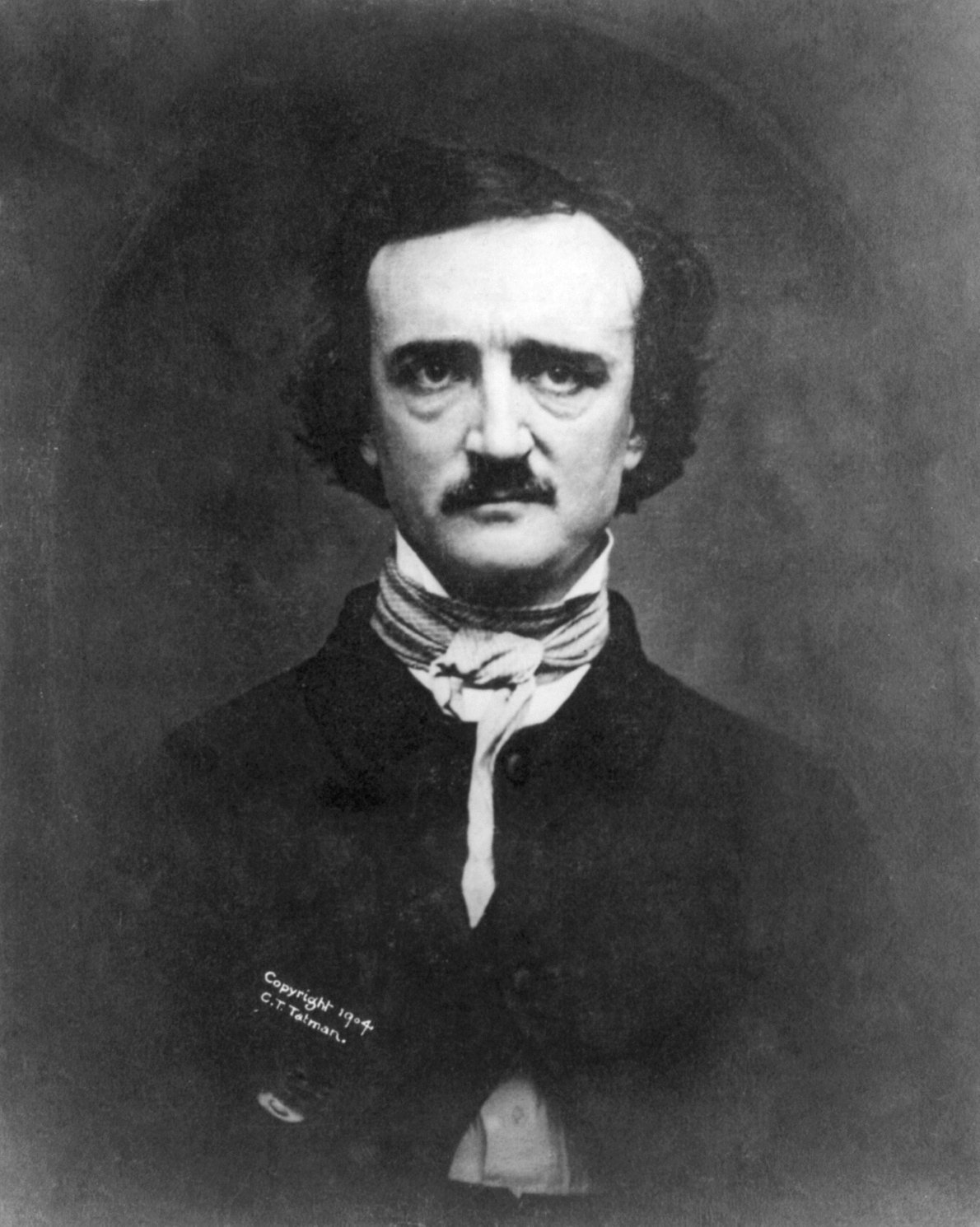
Edgar Allan Poe was no stranger to darkness, but even he could not have known just how prophetic his fiction would become. Edgar Allan Poe’s tale, The Narrative of Arthur Gordon Pym, describes a shipwreck where desperate survivors resort to cannibalism – choosing a victim named Richard Parker. Astonishingly, years after Poe’s story was published, a real shipwreck echoed this grim scenario, right down to the victim’s name. The bizarre overlap between fiction and reality leaves readers and historians alike wondering about the limits of coincidence.
The real event in question was the sinking of the yacht Mignonette in 1884, decades after Poe’s story was published in 1838. The crew, stranded at sea, did resort to killing and eating a cabin boy. His name was Richard Parker. It’s the kind of parallel that makes even skeptics shift uncomfortably in their chairs. Was it prescience? Pure chance? The sheer specificity of the shared name makes a simple “coincidence” feel woefully inadequate as an explanation.
9. The Beatrice Church Explosion Where Nobody Died
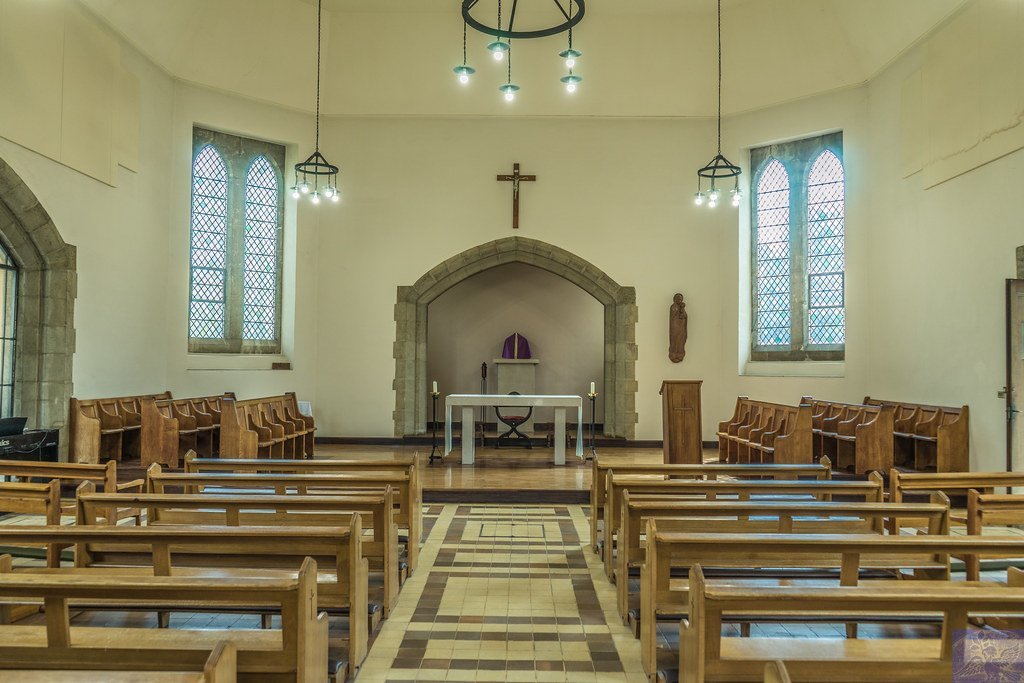
This is the one that feels most like something a screenwriter invented and then rejected for being too unbelievable. A church exploded in the small Nebraska town of Beatrice on March 1, 1950, at around 7:25 PM. As choir practice always began around 7:20 PM, all 15 choir members perished in the blast, right? Nope. No one died. No one even incurred any injuries.
All 15 members were running late for their own personal reasons. They were nowhere near the church when it exploded. Each of the fifteen people had an independent, mundane reason for being late that evening – a car that wouldn’t start, a last-minute phone call, a child who needed attention. None of them knew the others were also running behind. Every single one of them was saved by their own private, unrelated delay. It’s hard to say for sure whether this is the universe’s most remarkable coincidence or something else entirely. Either way, it remains one of the most extraordinary group survivals in recorded American history.
10. The Jim Twins: Two Lives, One Invisible Script

The final entry on this list moves from history into the realm of human biology, and it may be the strangest of all. Separated at birth, a set of twins from Ohio each grew up knowing nothing of the other’s existence. They were both named James on their adoptions, both grew up to be police officers and marry women named Linda. They each had a son, one named James Alan and one named James Allan. They also each had a dog named Toy. They both got divorced, but later each remarried women named Betty.
The case became one of the most studied examples in twin research history, raising profound questions about nature, nurture, and the invisible threads that may bind human lives together. The sheer volume of parallel choices – names, careers, spouses, pets – goes well beyond what most statisticians would call random. Coincidence, a strong argument for nature over nurture, or unconscious psychic communication? Scientists still debate how much of our lives is genuinely chosen and how much is written in something deeper, something we can’t yet read or fully explain.
Conclusion: History’s Unanswerable Questions
History is rarely as tidy as textbooks suggest. It’s messier, stranger, and occasionally so bizarre that the only honest response is to simply sit with the mystery. History books are filled with unlikely events, but some coincidences stretch the boundaries of probability. Beyond statistical chance, these moments of synchronicity have shaped world events and altered the course of human history.
What’s striking about all ten of these stories is that none of them have been conclusively explained. Some have rational underpinnings – Robertson knew ships, humans share DNA, electoral cycles repeat. But the precision of the details, the stacking of parallel upon parallel, continues to resist easy dismissal. Sometimes, chance alone can explain such patterns – but other times, the alignment of details is so precise it defies logical explanation. These instances spark curiosity, inviting us to question the mysterious ways in which history seems to repeat itself.
Perhaps the most honest thing we can say is this: we don’t know. We have theories, frameworks, and probability calculations. Yet none of them fully quiet the eerie feeling that some moments in history are connected by something we simply haven’t learned to see yet. Which of these ten surprised you the most? Drop your thoughts in the comments.
CEO-Co-Founder
