

- The World’s Most Beautiful Gardens Are Artworks in Themselves - April 2, 2026
- 10 Coming of Age Books Every Teenager Should Read - April 2, 2026
- The Most Memorable Concerts Are More Than Just Music; They’re Experiences - April 2, 2026
Picture wandering streets where ancient whispers still echo, untouched by the rush of modern life. These off-the-beaten-path spots cling to their historical roots like living museums, offering a genuine escape to bygone eras. What if your next trip felt like flipping through the pages of history?
From cave cities to rock-hewn wonders, get ready for destinations that surprise at every turn. Let’s uncover them one by one.
Matera, Italy
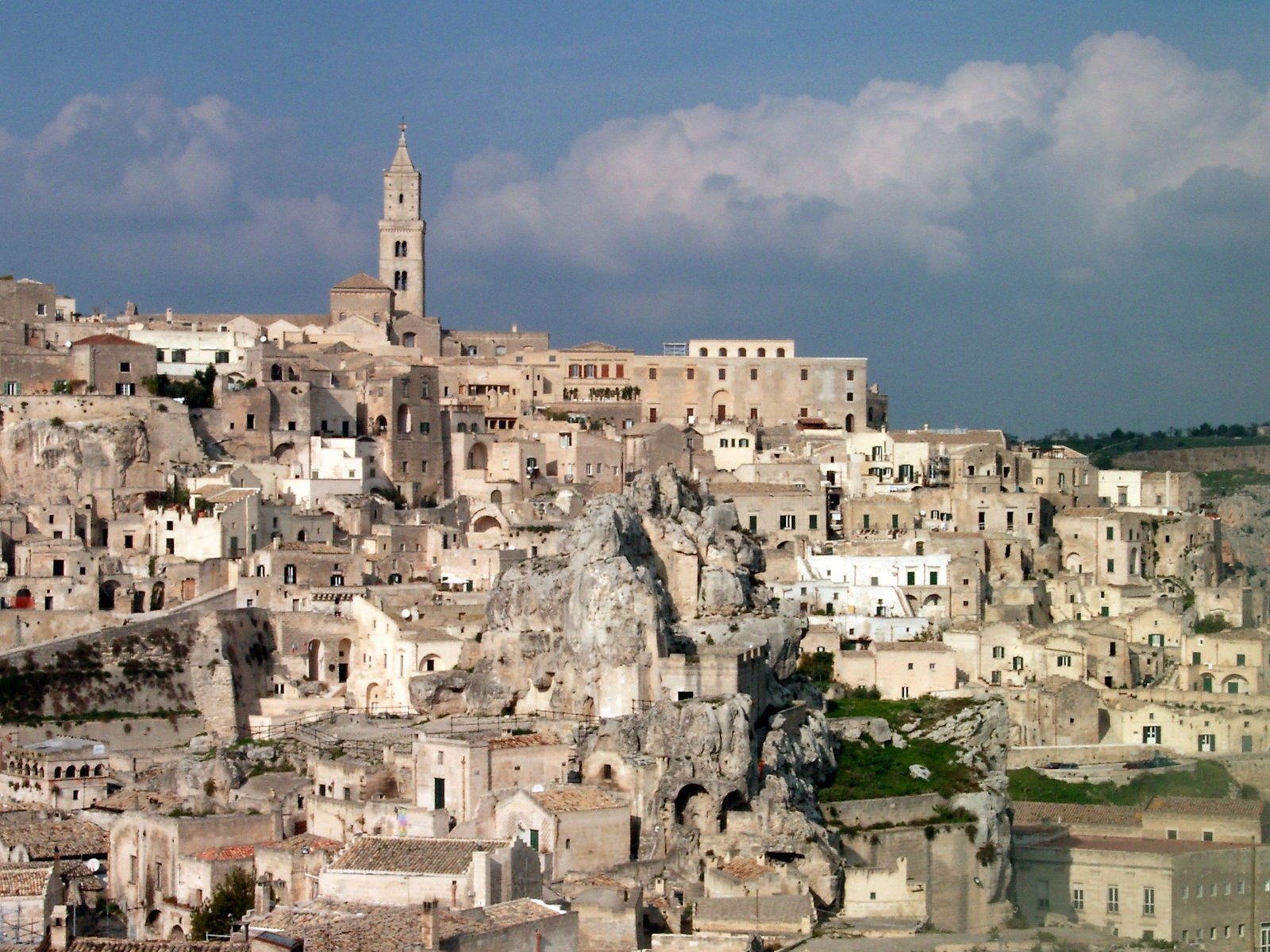
Matera’s Sassi cave dwellings, carved into limestone cliffs, have sheltered humans for 9,000 years, evoking a Neolithic past where life pulsed without electricity or running water until the mid-20th century.[1]
Today, this UNESCO World Heritage site stands as a testament to resilience, with preserved ancient architecture blending seamlessly into cultural revival efforts reported in recent travel features. Walking its labyrinthine alleys feels like stepping into a living museum of human endurance. Honestly, it’s hard not to marvel at how time seems paused here.
Shirakawa-go, Japan
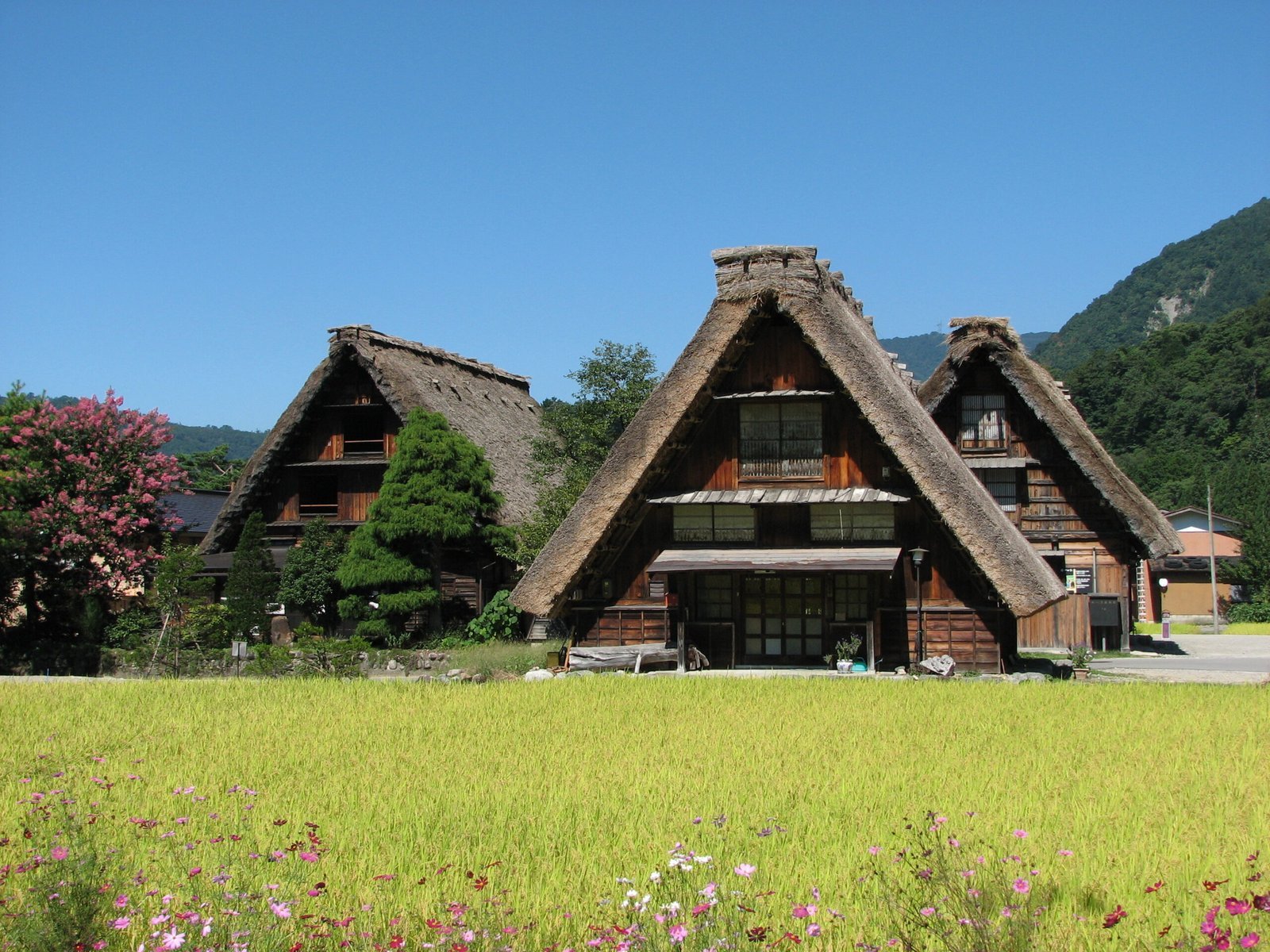
Nestled in the Japanese Alps, Shirakawa-go boasts gassho-zukuri farmhouses with steep thatched roofs built to defy heavy snow, rooted in centuries-old rice cultivation traditions.[1][2]
A UNESCO World Heritage site, the village’s isolation and seasonal rhythms create a folktale-like serenity, especially during winter light-ups that illuminate the snow-blanketed homes. Visitors sense an untouched past in every hand-tended field and firefly-lit summer night. It’s like peeking into feudal Japan, preserved against the modern tide.
Gjirokastër, Albania
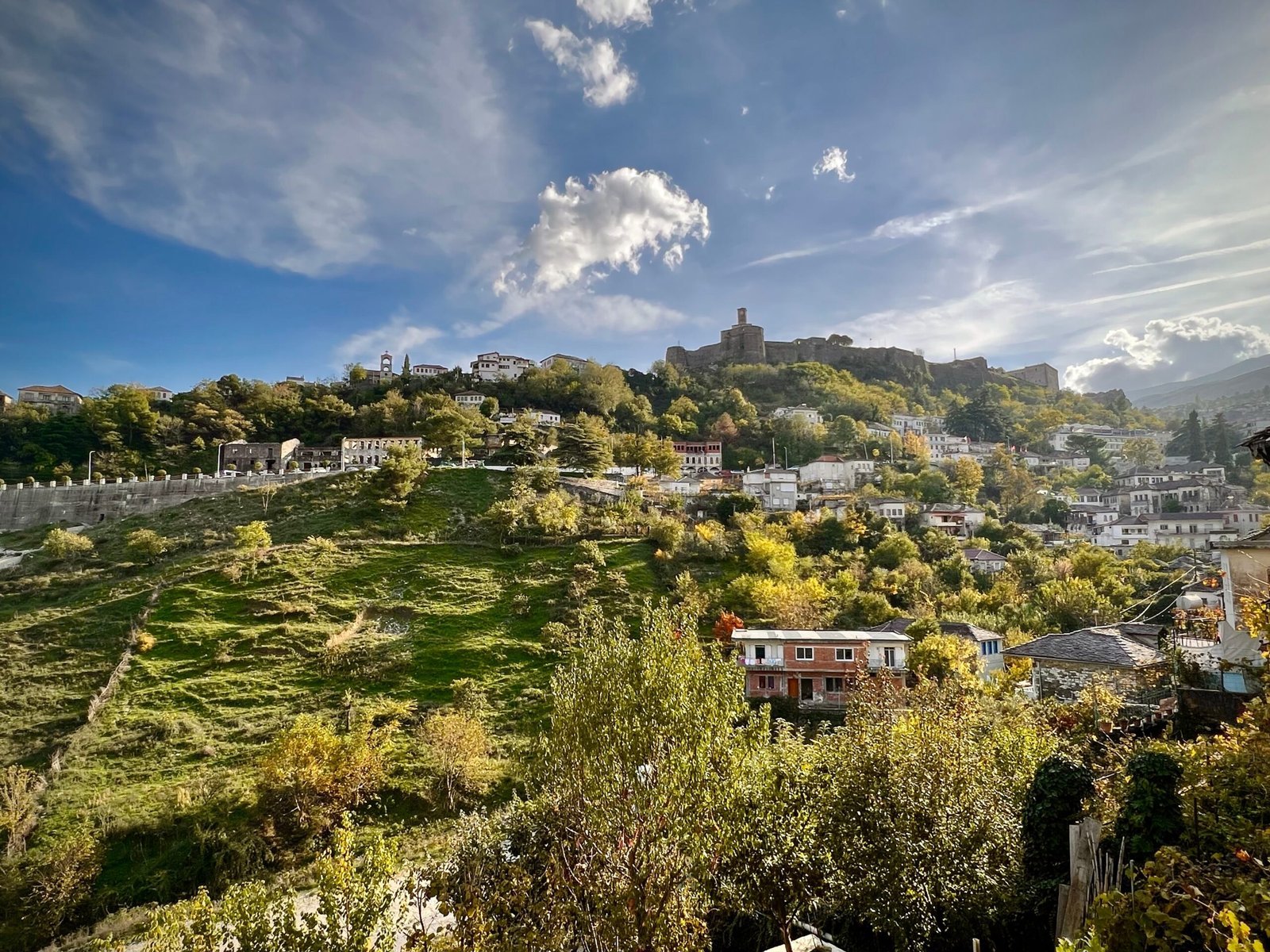
In Albania’s Drino Valley, Gjirokastër’s Ottoman-era stone-roofed homes and cobbled streets surround a 12th-century castle and ancient mosques, layers of history stacked without alteration.[1]
This UNESCO-listed town commits to preservation, making bazaar stalls and fortified houses feel like a forgotten era stumbled upon. The rugged architecture whispers tales of empires long gone. Here’s the thing: it’s raw, real history you can almost touch.
Recent heritage tourism pushes highlight its quiet allure for those seeking authentic Ottoman vibes.
Lalibela, Ethiopia
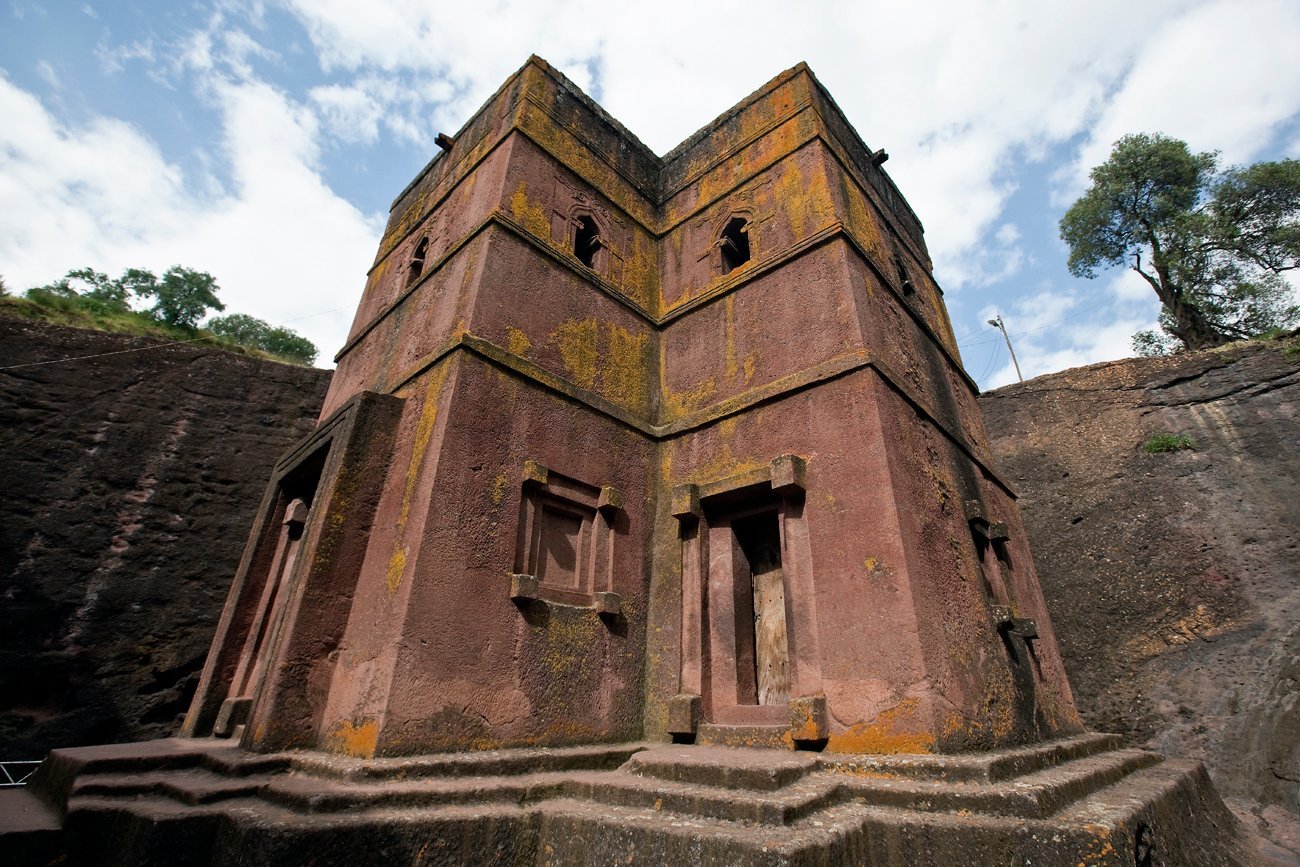
Ethiopia’s Lalibela features 13 rock-hewn churches from the 13th century, crafted by King Lalibela as a “New Jerusalem,” embodying medieval Christian pilgrimage in one of the world’s earliest Christian nations.[2]
UNESCO protects these subterranean marvels like Biete Giyorgis, a Greek cross-shaped wonder drawing pilgrims to its spiritual depths. The stone-carved sanctity transports you to an era of faith-fueled ingenuity. No crowds, just timeless devotion carved from rock.
Český Krumlov, Czech Republic
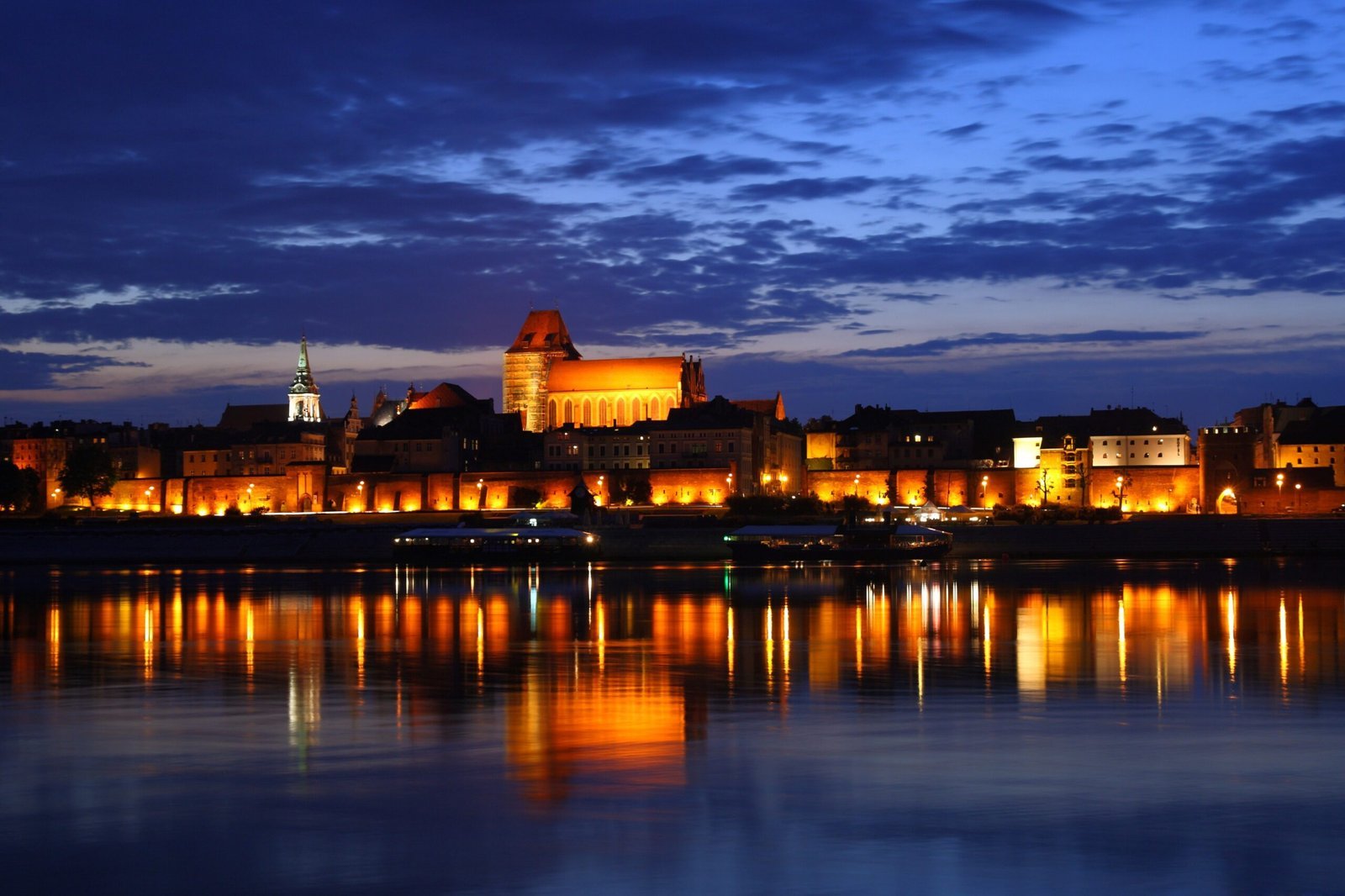
Perched in South Bohemia, Český Krumlov’s red-roofed houses climb castle-topped hills along a winding river, capturing 13th-century charm untouched by wars or sprawl.[1]
A UNESCO gem, its baroque theater, cobbled lanes, and artisan shops evoke a medieval storybook, with summer castle gardens hosting starry performances. Time politely steps aside amid the slow-paced perfection. It feels like the Renaissance decided to linger.
Luang Prabang, Laos
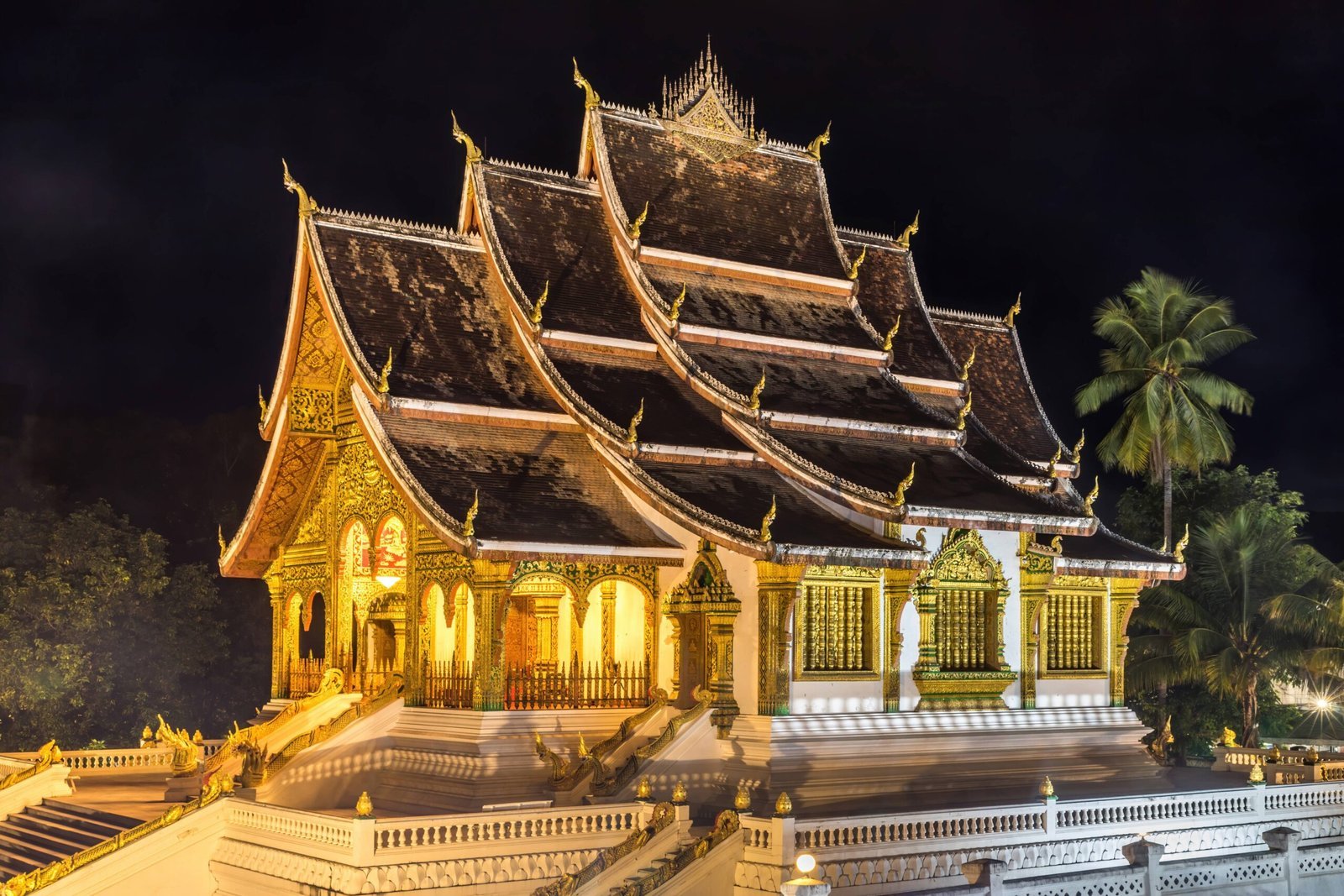
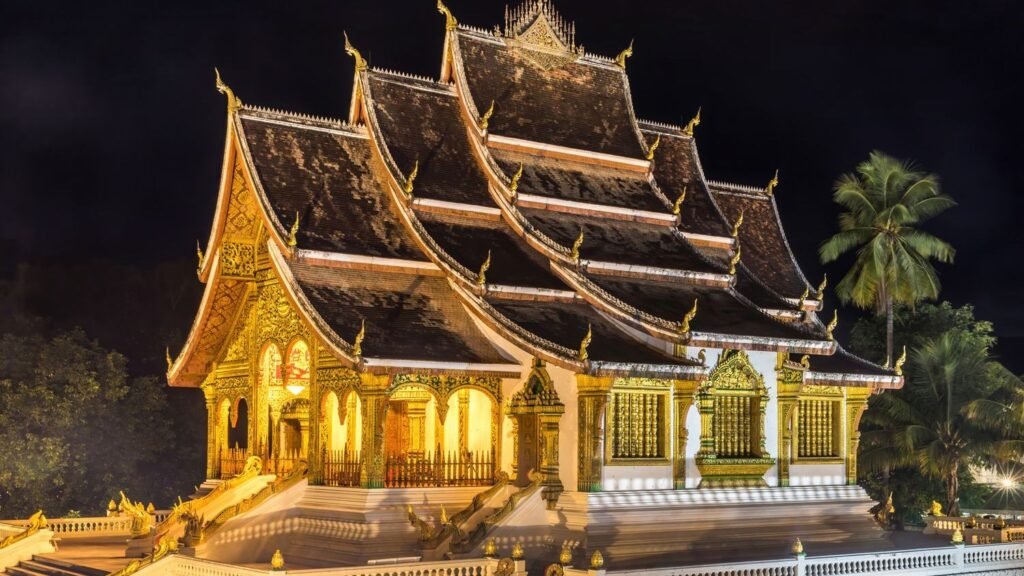
At the Mekong and Nam Khan confluence, Luang Prabang mixes French colonial facades with gilded temples, once Laos’ royal capital alive with dawn alms processions of orange-robed monks.[1]
UNESCO status safeguards its unhurried markets and river life, fostering a contemplative harmony with nature. Temples and cruises move at yesterday’s pace. I know it sounds dreamy, but it’s a serene portal to spiritual traditions intact.
Bukhara, Uzbekistan
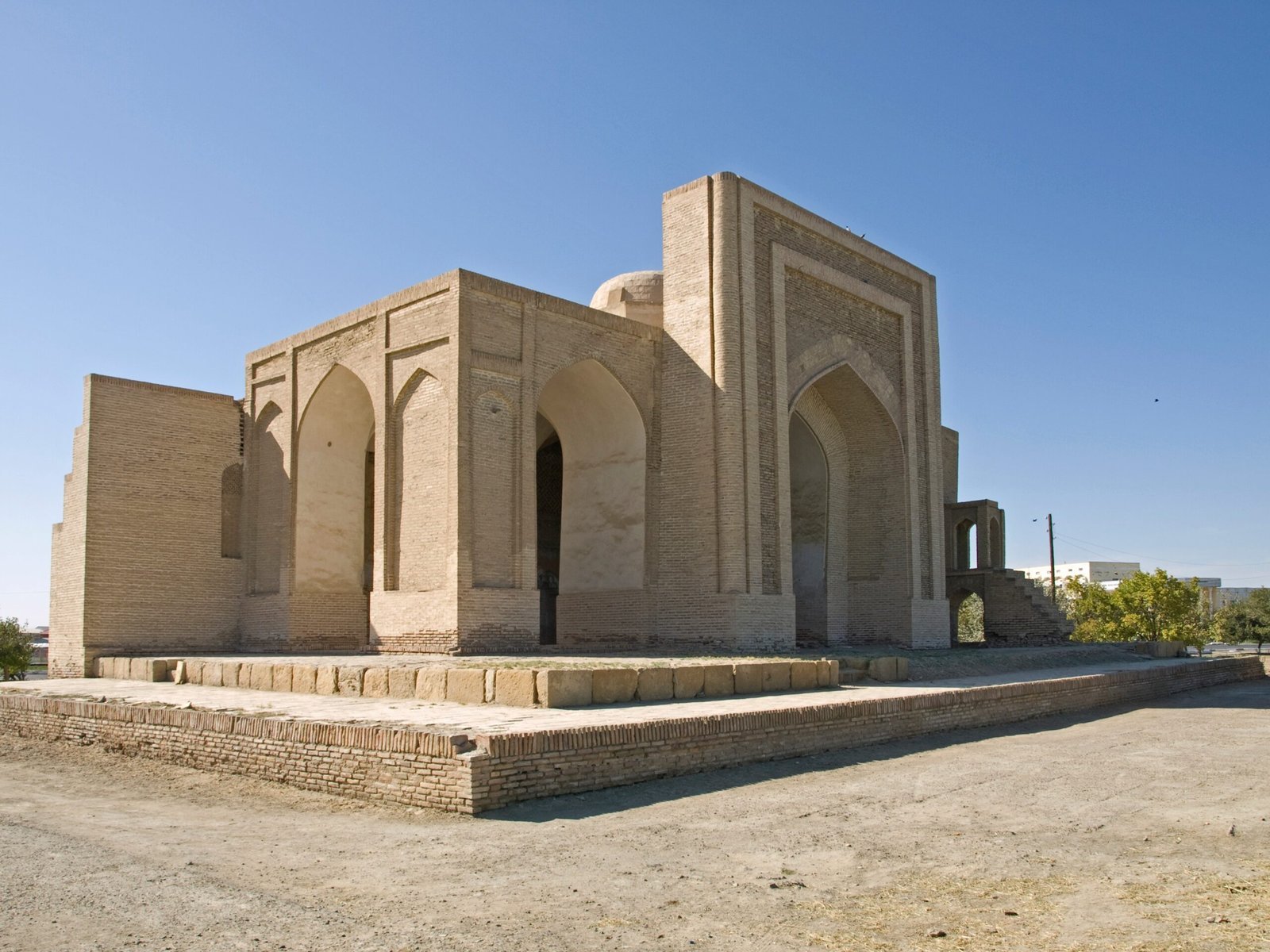
Uzbekistan’s Bukhara, a 2,000-year Silk Road nexus, dazzles with turquoise-domed medressas like Mir-i-Arab, showcasing Islamic evolution amid ancient streets.[2]
UNESCO honors this hub’s intricate designs against desert backdrops, from Kalyan Minaret’s grandeur to economic crossroads vibes. It pulls you into centuries of trade and culture. Desert contrasts make the history pop vividly.
Mtskheta, Georgia
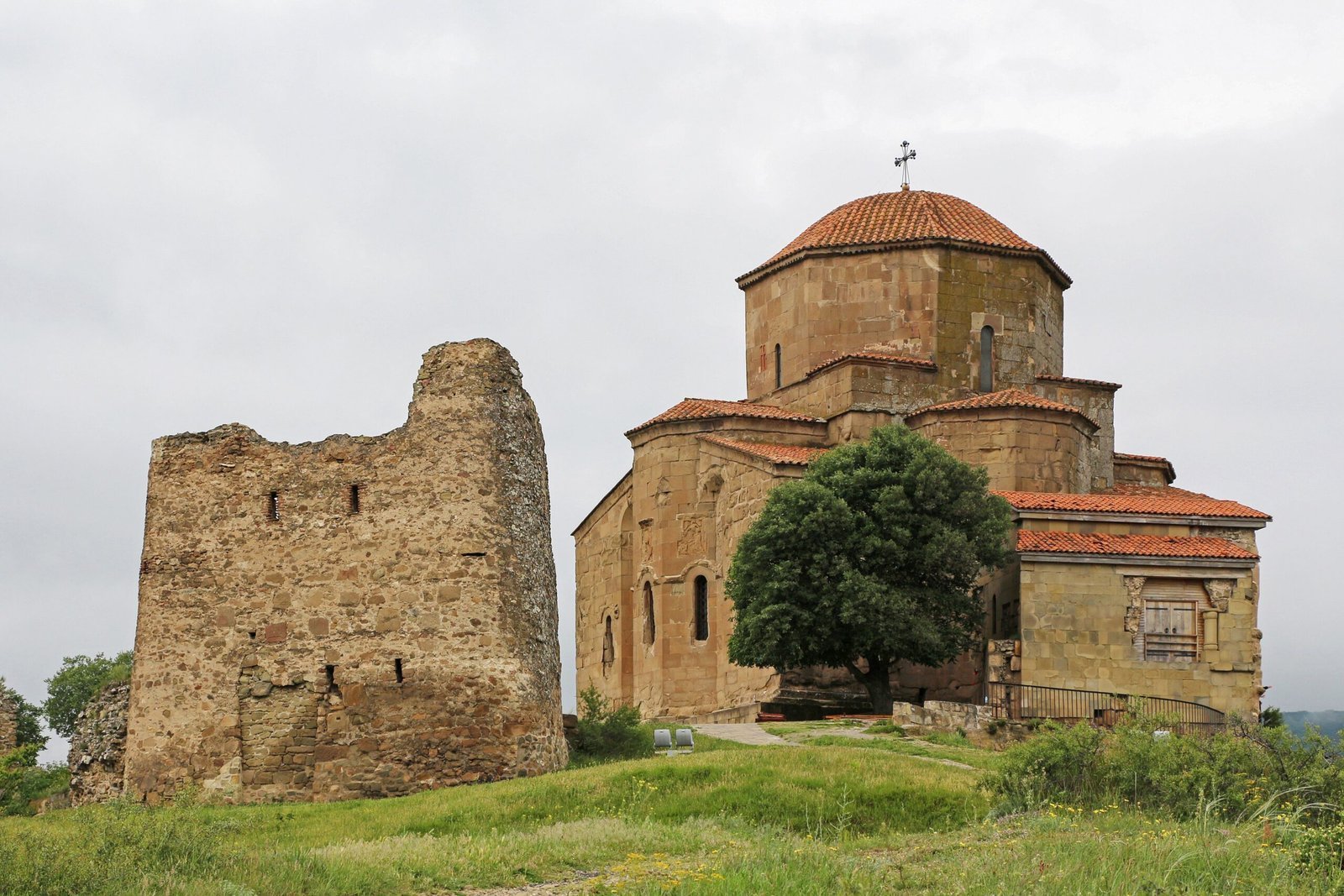
Georgia’s ancient capital Mtskheta, the Orthodox Church’s spiritual heart, features the 6th-century Jvari Monastery overlooking a quaint city of medieval legacy.[2]
UNESCO preserves sites like Svetitskhoveli with its miracle-linked pillar, amid mountain-framed views. Early Christian royal history unfolds in stone. It’s like uncovering Georgia’s soul, frozen in pious time.
San Agustín Archaeological Park, Colombia

In Colombia’s remote massif, San Agustín holds South America’s largest pre-Columbian megalithic collection, with 2,000-year-old statues guarding mysterious burials.[2]
UNESCO safeguards these human-animal-monster icons, once devil-linked by missionaries, now Andes-framed enigmas of lost civilizations. The sheer age evokes primal rituals. Standing among them feels profoundly ancient.
Göbekli Tepe, Turkey

Turkey’s Göbekli Tepe, dating 11,500 years, boasts the world’s oldest temple with carved stones rewriting civilization’s dawn, predating Stonehenge by millennia.[2]
UNESCO protects this southeast marvel’s advanced primitive features, offering raw insights into humanity’s first sacred spaces. The scale shocks, pulling you to hunter-gatherer eras. It challenges everything you thought about the past – what a mind-bender.
CEO-Co-Founder
