
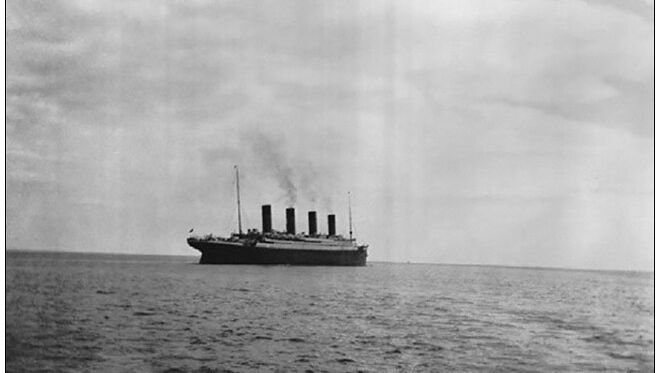

Few events in modern history have gripped the human imagination quite like the sinking of the RMS Titanic. Over a century has passed since that freezing April night in 1912, yet the story refuses to fade. Books, documentaries, blockbuster films, museum exhibitions – the world simply cannot get enough of it.
The April 15, 1912 sinking continues to captivate modern imagination, perhaps because the Titanic represents so perfectly humanity’s hubris in the face of nature – an engineering marvel deemed “unsinkable” that sank on its very first voyage. There is something deeply human in that irony. Something that still stings. What you probably don’t know, though, is just how strange, surprising, and sometimes darkly absurd the full story really gets. Let’s dive in.
1. The “Unsinkable” Label Was Never Officially Used
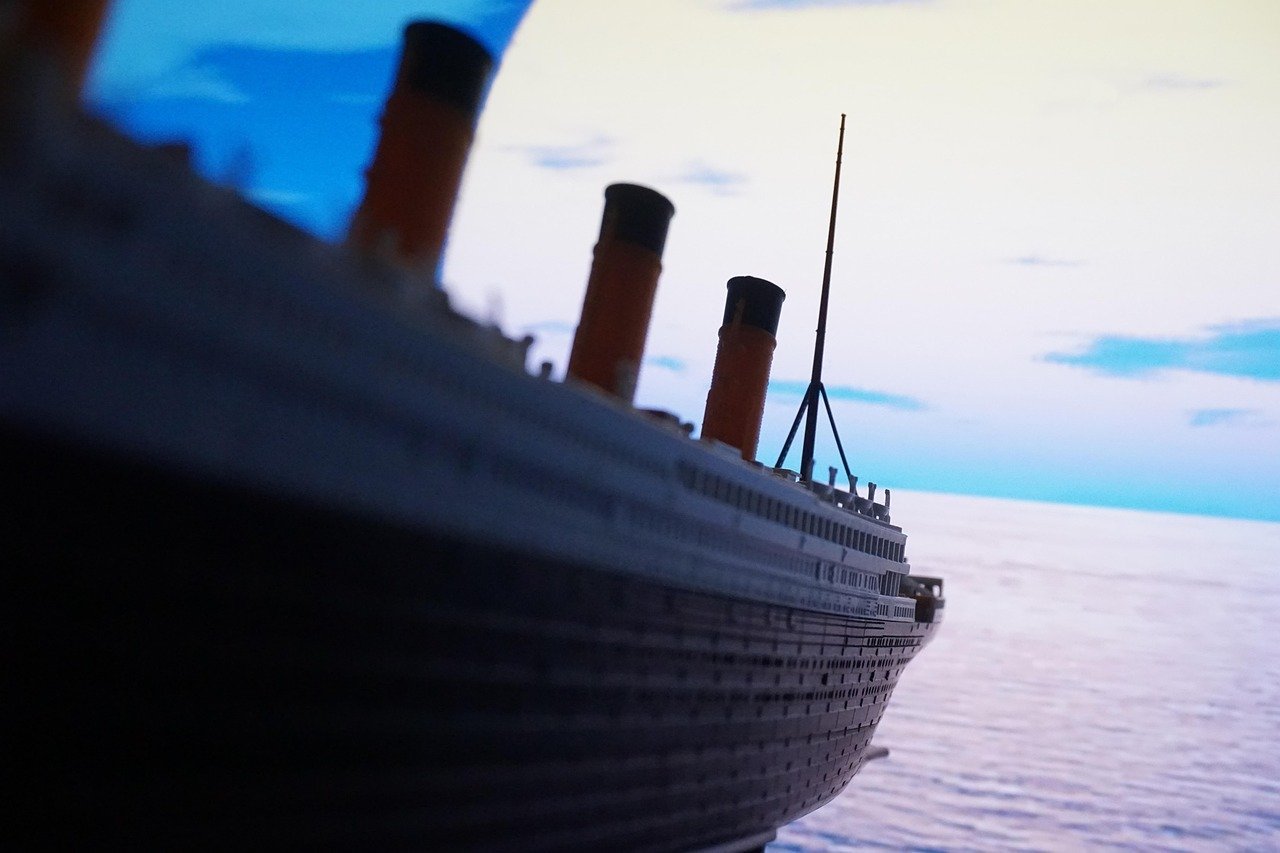
Here’s the thing – the word “unsinkable” has become completely inseparable from the Titanic story, yet the truth is far more nuanced. The Titanic was never officially advertised as “unsinkable.” This legendary claim actually took hold after the tragedy, fueled by emotional news reports and survivor testimonies, while the ship’s builders were far more cautious in their original statements.
Titanic’s promotional material actually states she is “designed to be” and “practically” unsinkable – the first part was later dropped, and the rest became history. It’s one of the greatest misquotations ever to stick. The irony is that a carefully qualified engineering statement somehow transformed into the most famous piece of overconfidence in maritime history.
2. One of the Four Iconic Funnels Was Pure Theater
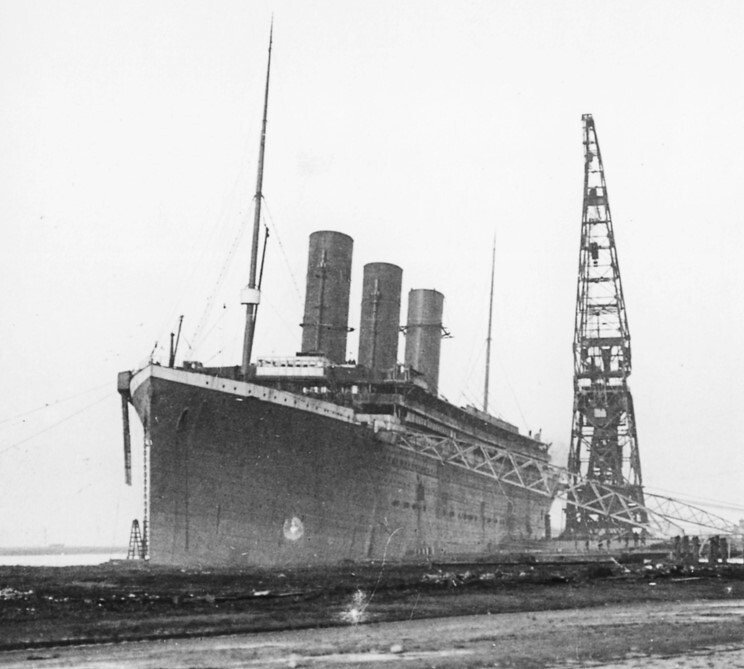
The Titanic’s four towering funnels looked massively impressive, but only three actually worked. The fourth was purely decorative, added to make the ship look more symmetrical and powerful than it really was. Think about that for a moment – one of the most iconic visual features of the most famous ship in history was essentially a prop.
The fourth funnel was added to balance the ship’s profile, provide some extra ventilation for the kitchens and smoke room, and make the ship look grander. Had the Titanic had fewer funnels, people might have questioned whether she was more impressive than her competition – ships like Cunard’s Lusitania and Mauretania – which both had four funnels. Marketing, in other words, was alive and well even in 1912.
3. The Ship Had Its Own Daily Newspaper
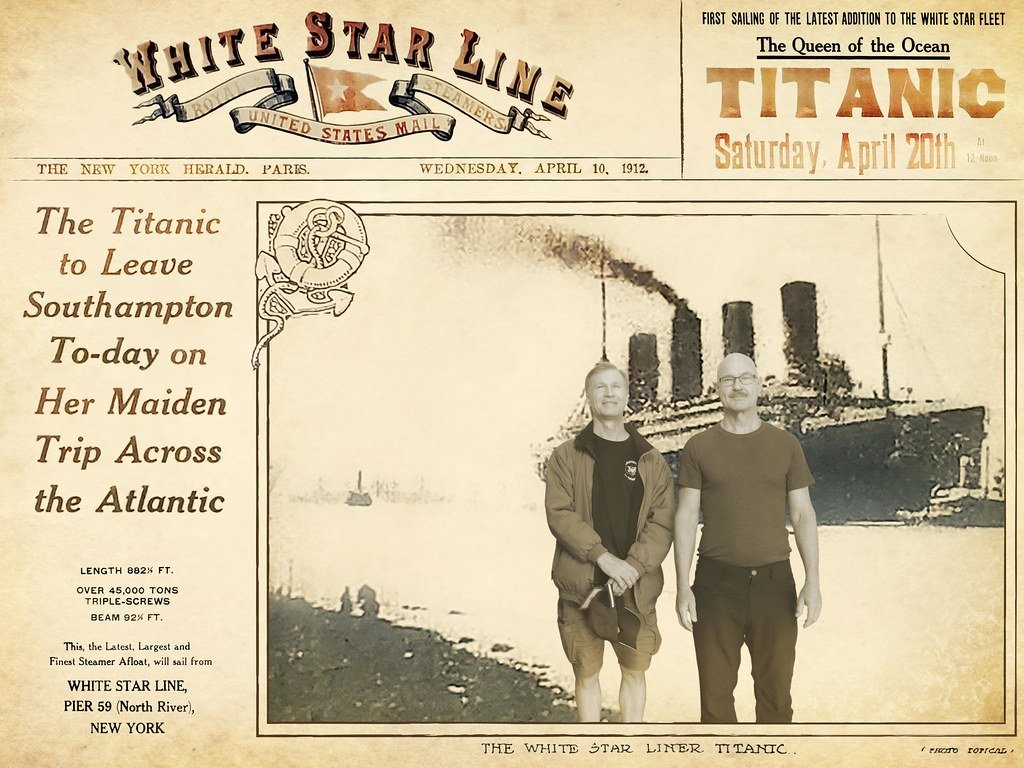
The Titanic had its very own daily newspaper called the Atlantic Daily Bulletin, which kept passengers entertained and informed with news, advertisements, society gossip, and even stock prices – an extraordinary amenity for 1912. Printed each day on board, this floating periodical made the Titanic feel like a small city at sea.
The Atlantic Daily Bulletin was printed onboard every day, complete with news, stock prices, horse-racing results, and gossip. Honestly, it sounds remarkably modern. Swap the broadsheet for a phone and you’ve basically got the average morning commute. It is a remarkable detail that underlines just how ambitious the Titanic experience really was.
4. A Mysterious Full Moon May Have Sent the Iceberg South
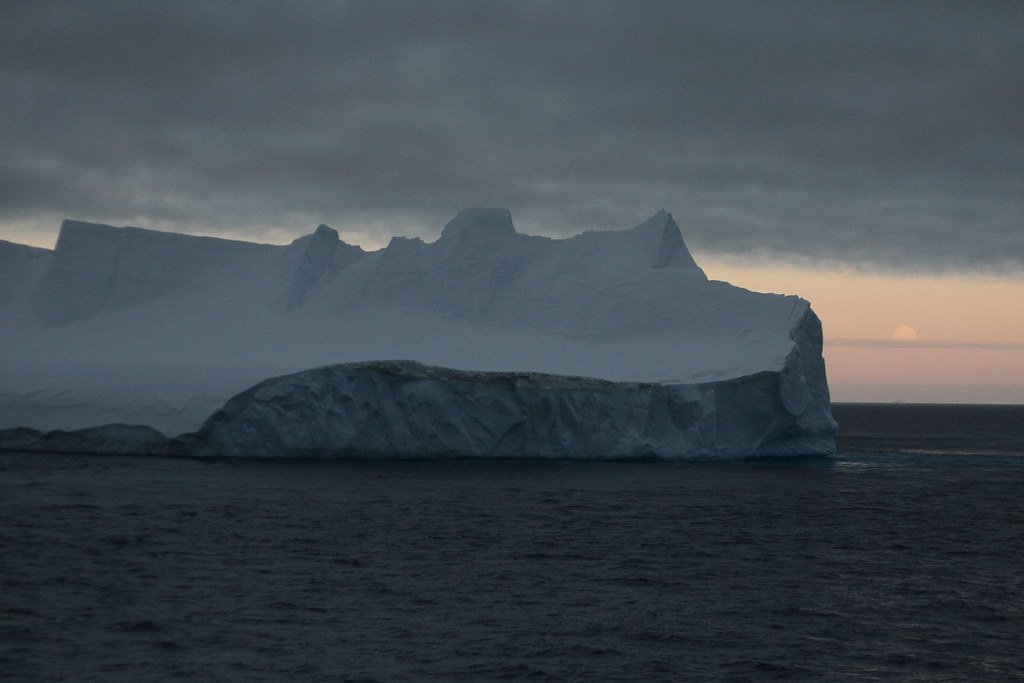
You probably never thought astronomy played a role in the Titanic disaster, but the evidence is surprisingly compelling. Astronomer Donald Olson of Texas State University theorized that a full moon on January 4, 1912, may have created unusually strong tides that sent a flotilla of icebergs southward – just in time for Titanic’s maiden voyage. It was the closest lunar approach since A.D. 796, and Earth won’t see its like again until 2257.
It’s hard to say for sure whether this lunar event was a direct cause, but the timing is haunting. A once-in-over-a-thousand-years celestial event, months before the sailing, potentially nudging a deadly iceberg into the ship’s path. History sometimes reads like it was written by someone with a very dark sense of humor.
5. The Lifeboat Drill Was Canceled the Day of the Disaster
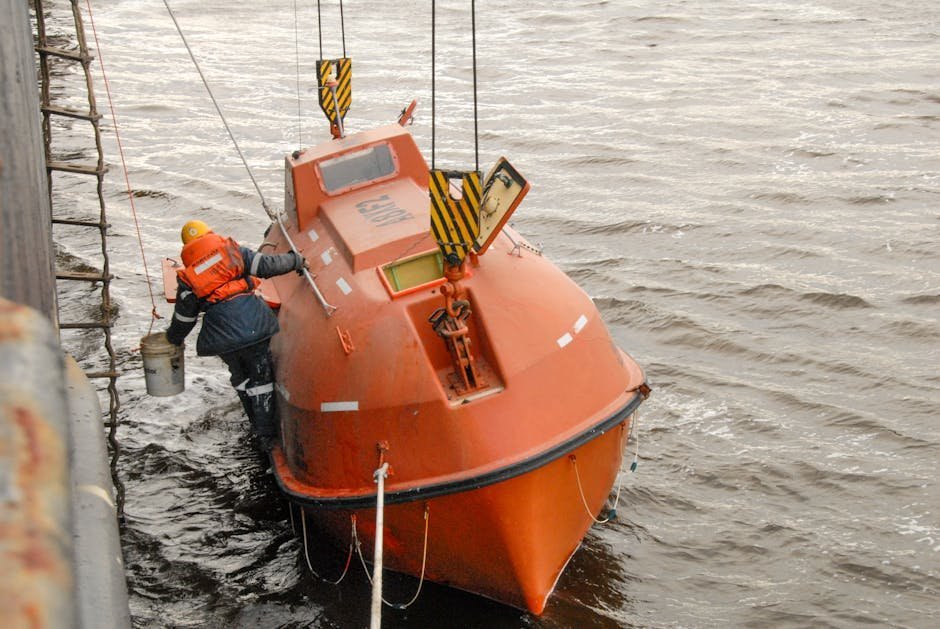
On April 14, 1912 – the very day disaster struck – a scheduled lifeboat drill was mysteriously canceled. No official explanation was ever given, leaving historians to wonder what might have been different if the drill had gone ahead. Some experts believe this abrupt decision contributed to confusion and disorganization during the real evacuation later that night.
Captain Edward Smith canceled a lifeboat drill scheduled for that morning, and if the crew had practiced their procedures that day, the evacuation might have gone more smoothly – though we’ll never know what could have been. It remains one of the most quietly devastating “what ifs” in history. Not a dramatic failure, just a simple decision that may have cost hundreds of lives.
6. The Titanic Was Carrying a Royal Mail Cargo
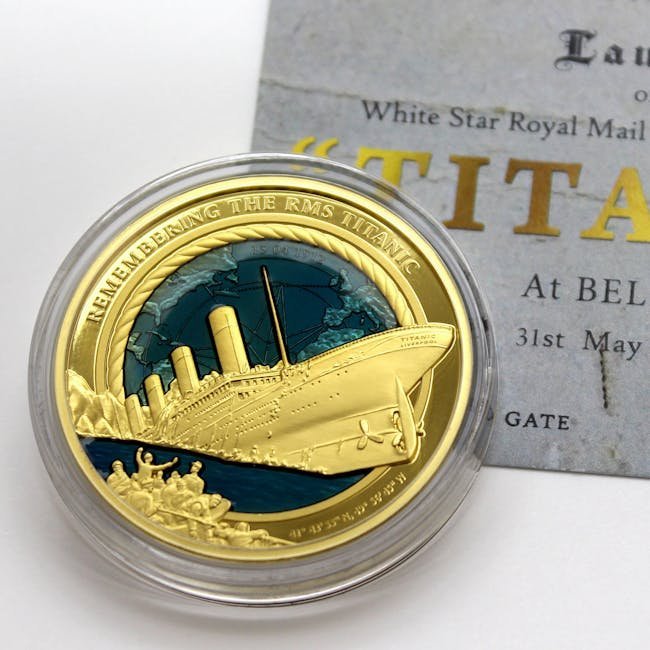
The reason the Titanic is often referred to as “RMS Titanic” is because RMS stands for Royal Mail Ship. Most people assume the letters are just a nautical formality. In reality, they meant the ship had a contractual obligation to carry mail on behalf of the British Royal Mail, making it an official postal vessel as much as a luxury liner.
The title “RMS” was only given to ships that carried mail under contract with the British Royal Mail. So while millionaires sipped champagne in first class and steerage passengers crammed together below deck, somewhere in the ship’s hold sat bags of ordinary letters destined for New York – correspondence that would never arrive. There is something uniquely melancholy about that image.
7. The Wreck Is Being Eaten Alive by Bacteria

The Titanic is disappearing. Not slowly and peacefully, but actively consumed by a microscopic organism discovered on the wreck itself. Scientists identified a bacteria called Halomonas titanicae at the wrecksite, which creates icicle-like shapes commonly known as rusticles and is steadily consuming the ship’s iron structure.
A 2019 expedition to the wreck found a rapidly deteriorating ship, with ocean currents, salt corrosion, freezing temperatures, and metal-eating bacteria causing the ship to begin “returning to nature.” Think of it like nature slowly reclaiming what was always hers. The wreck is expected to be completely gone within ten years. Everything you see in photographs of the wreck today may simply cease to exist in the coming decade. That is genuinely sobering.
8. The Ship Broke in Two – and Most People Didn’t Believe It
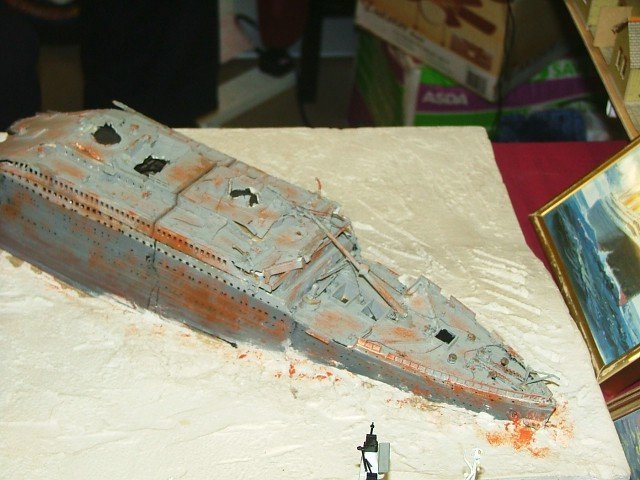
For decades after the sinking, the official narrative held that the Titanic went down in one piece. Movies depicted it that way. Eyewitness accounts were largely dismissed. Explorations of the wreck confirmed that the ship had indeed broken in half, despite the discrepancies of many eyewitness accounts and the publicly accepted idea that she had sunk in one piece – which is exactly why films made before the 1985 discovery depict the Titanic sinking intact.
Interestingly, Jack Thayer, a first-class passenger on the Titanic, firmly believed that the ship had sunk in two pieces and even drew a depiction of it. He was right all along. The discovery confirmed the ship had split into two halves lying 2,000 feet apart, surrounded by a vast debris field covering approximately 15 square miles. One man’s ignored eyewitness account turned out to be one of the most accurate descriptions of the sinking ever given.
9. The Chief Baker Survived Two Hours in Freezing Water – Possibly Thanks to Whisky

Let’s be real – this is one of the most extraordinary individual survival stories from that night. Titanic’s chief baker, Charles Joughin, survived the Titanic despite being in the icy waters for at least two hours. He claims he was able to tread water for so long because he was drunk on whisky.
The freezing waters of the Atlantic at minus two degrees Celsius made survival nearly impossible for those who ended up in the sea, with hypothermia setting in within 15 minutes. Yet Joughin somehow lasted far longer than that. Whether the alcohol genuinely helped his body resist the cold or whether he was simply extraordinarily lucky, nobody can say for certain. Either way, it is one of history’s most unlikely survival stories.
10. The Film About the Titanic Cost More Than the Ship Itself
Here is a fact that almost feels too strange to be true. Building the Titanic in 1912 cost about $7.5 million, which sounds like a lot – until you realize James Cameron’s 1997 film cost around $200 million to make. The movie about the disaster cost roughly 26 times more than the ship it depicted.
James Cameron’s Academy Award-winning 1997 film Titanic earned nearly $2.2 billion worldwide – enough to construct about 11.2 complete replicas of the ship. The economics of tragedy are staggering. A disaster that killed roughly fifteen hundred people spawned one of the most commercially successful films ever made. It says a great deal about our enduring fascination with this story – a fascination that, over a century later, shows absolutely no sign of slowing down.
Why the Titanic Still Haunts Us
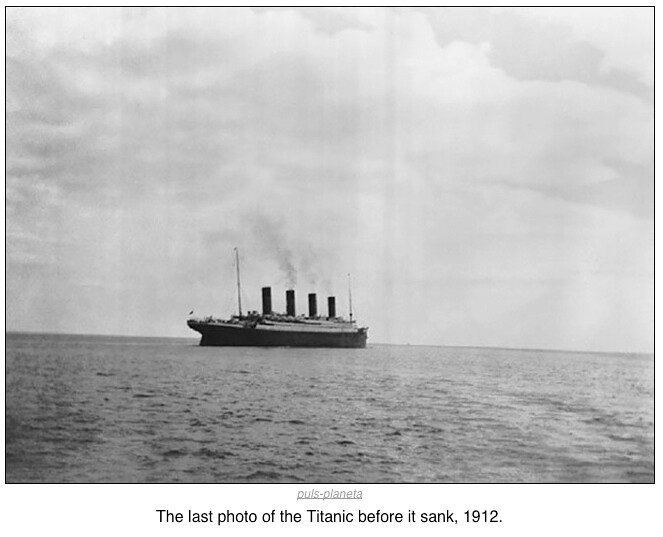
The Titanic is more than a shipwreck. It is a mirror held up to human ambition, class division, hubris, and the terrifying randomness of fate. The Titanic’s sinking marked the beginning of the end of the glamorous and forward-looking Edwardian era – a time that was also an era of stark class differences and repression. In a single night, all of that was exposed.
The disaster drew public attention, spurred major changes in maritime safety regulations, and inspired a lasting legacy in popular culture. From the SOS signal becoming universally standardized to global lifeboat laws being rewritten, the Titanic literally changed how the world protects lives at sea. The lessons it forced upon humanity were written in the most painful possible ink.
What strikes me most, honestly, is that the story keeps growing. New expeditions keep revealing new details. New bacteria are discovered eating the hull. New theories emerge about icebergs and lunar tides. The Titanic refuses to give up all its secrets at once – and perhaps that is exactly why, more than a hundred years on, we keep going back. What do you think – which of these facts surprised you the most? Drop it in the comments.
CEO-Co-Founder
