

For any feedback please reach out to info@festivalinside.com
- 10 Surprising Hobbies of Famous Historical Leaders You Never Knew About - April 13, 2026
- 12 Unforgettable Literary Rivalries That Fueled Iconic Works - April 13, 2026
- 10 Classic Albums That Defined the Sound of the 60s and 70s - April 13, 2026
History tends to compress great figures into a handful of defining moments. We remember Churchill for his wartime resolve, Lincoln for holding a nation together, Roosevelt for the sheer force of his personality. What gets left out is the rest of their lives – the hours away from power, the quiet rooms, the private obsessions that shaped them just as surely as any battlefield or parliament.
Personal hobbies are rarely neutral. They reveal something about how a person processes pressure, finds meaning, or simply stays sane. Across centuries and continents, some of history’s most consequential leaders turned to pastimes that would genuinely surprise most people today. Here are ten of them.
Winston Churchill: Painting as Therapy and Discipline

At the age of 40, Churchill found himself at a career low after the World War I attack he ordered on Gallipoli went horrifically awry. He resigned from his government post and became an officer in the army. Deflated of power and consumed with anxiety, he took up an unexpected new hobby: painting. It was a humble beginning – his sister-in-law was painting a watercolor on a family holiday when she handed him the brush, and he was immediately captivated, and it became a lifelong hobby. He freely admitted that it revived his spirits and became an antidote to his frequent bouts of depression.
Over a period of forty-eight years, his creativity yielded more than 500 pictures. He took inspiration from Impressionists and Post-Impressionists such as John Singer Sargent and Paul Cézanne, and like many of them, he enjoyed painting en plein air. Using the pseudonym “David Winter,” Churchill submitted paintings for the Royal Academy Summer Exhibition in 1947 and 1948, having works selected each year, and was eventually elected an “Honorary Academician Extraordinary” by the Royal Academy of Arts. The fact that he hid his identity to enter the exhibition says a great deal about the sincerity of his investment in the craft.
Abraham Lincoln: Champion Wrestler of the Frontier
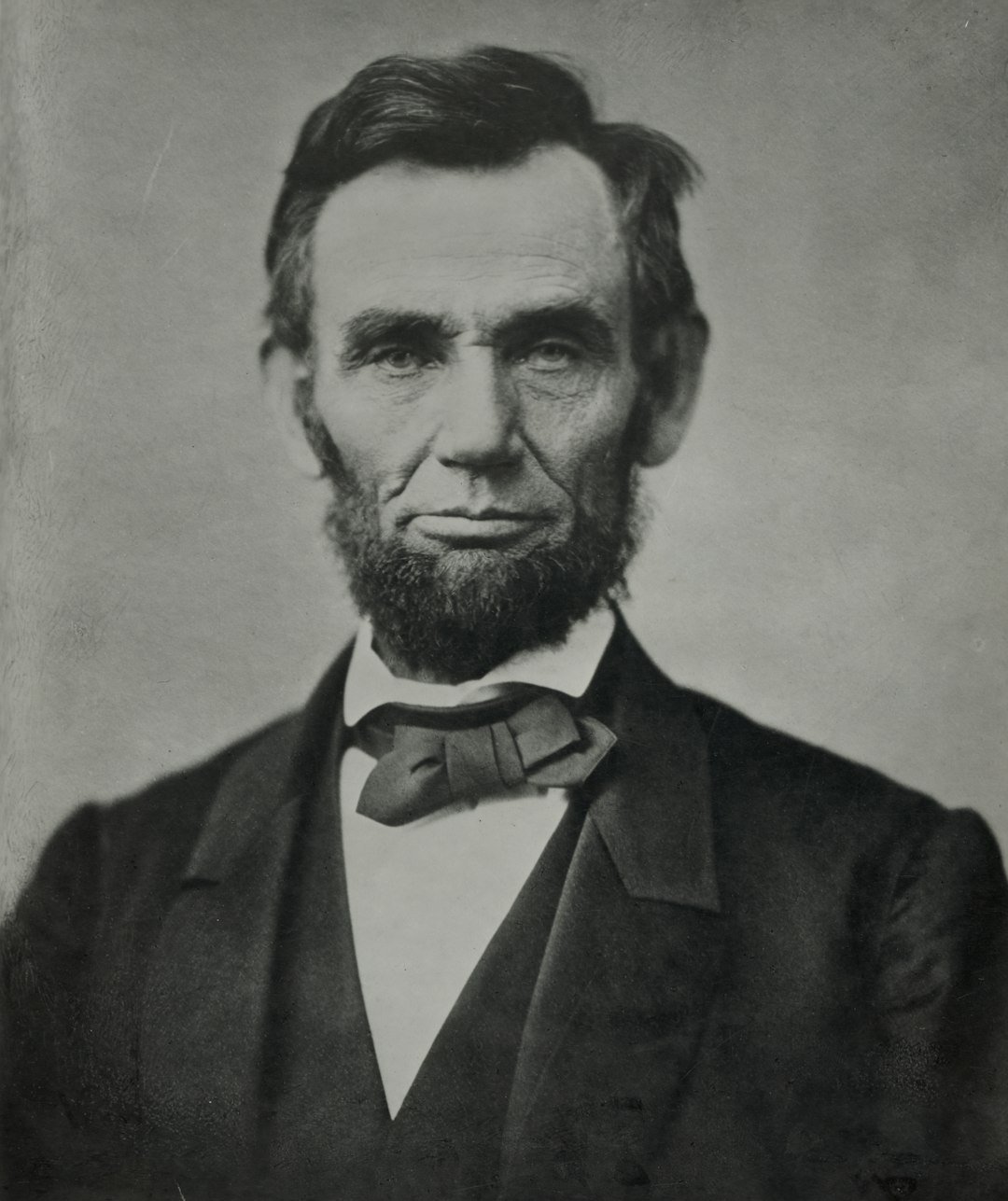
Before he wrestled with the future of American democracy as the 16th president of the United States, Abraham Lincoln earned a reputation as a formidable “catch-as-catch-can” frontier grappler. Before he became president, the 6-foot-4 future president may have fought as many as 300 matches, and legend has it he lost only once. For his efforts, he was posthumously inducted into the Wrestling Hall of Fame in 1992 as an “Outstanding American” in the sport.
As a 21-year-old in 1830, Lincoln was the wrestling champion of his county in Illinois. While working at a store in New Salem, he had a famous bout with Jack Armstrong, another county wrestling champion, which Lincoln won decisively when Armstrong began fouling him. Lincoln was an impressive physical specimen – thin but wiry and muscular, strengthened by hard work in the fields and towering to a mighty 6 feet, 4 inches in height. His reputation on the mat likely did more than build community respect; his rep as a wrestler may even have helped him get elected as U.S. president in 1860.
Theodore Roosevelt: Lifelong Naturalist and Bird Observer

Long before he considered a career in politics, Theodore Roosevelt thought he would be a naturalist. From an early age, he had a fascination with the natural world. His father, one of the original founders of New York City’s famous Natural History Museum, encouraged his son’s curiosity. Among the first specimens in his childhood museum was the skull of a seal that had washed up in New York Harbor, begged from its owner by the museum’s founder – eight-year-old Theodore Roosevelt Jr.
By the time he reached Harvard, he was already an accomplished naturalist and a published ornithologist, studying biology intently. Roosevelt continued his natural history passion throughout his life, writing articles and participating in debates even during his presidency. His two best-known expeditions, to Africa and South America, were both sponsored scientific expeditions that collected valuable natural history data for some of the world’s most prominent museums. The naturalist in him and the politician in him were never truly separate – his conservation legacy, which included establishing more than 50 wildlife refuges, grew directly from this lifelong obsession.
Franklin D. Roosevelt: A Stamp Collector Through Wars and Crisis
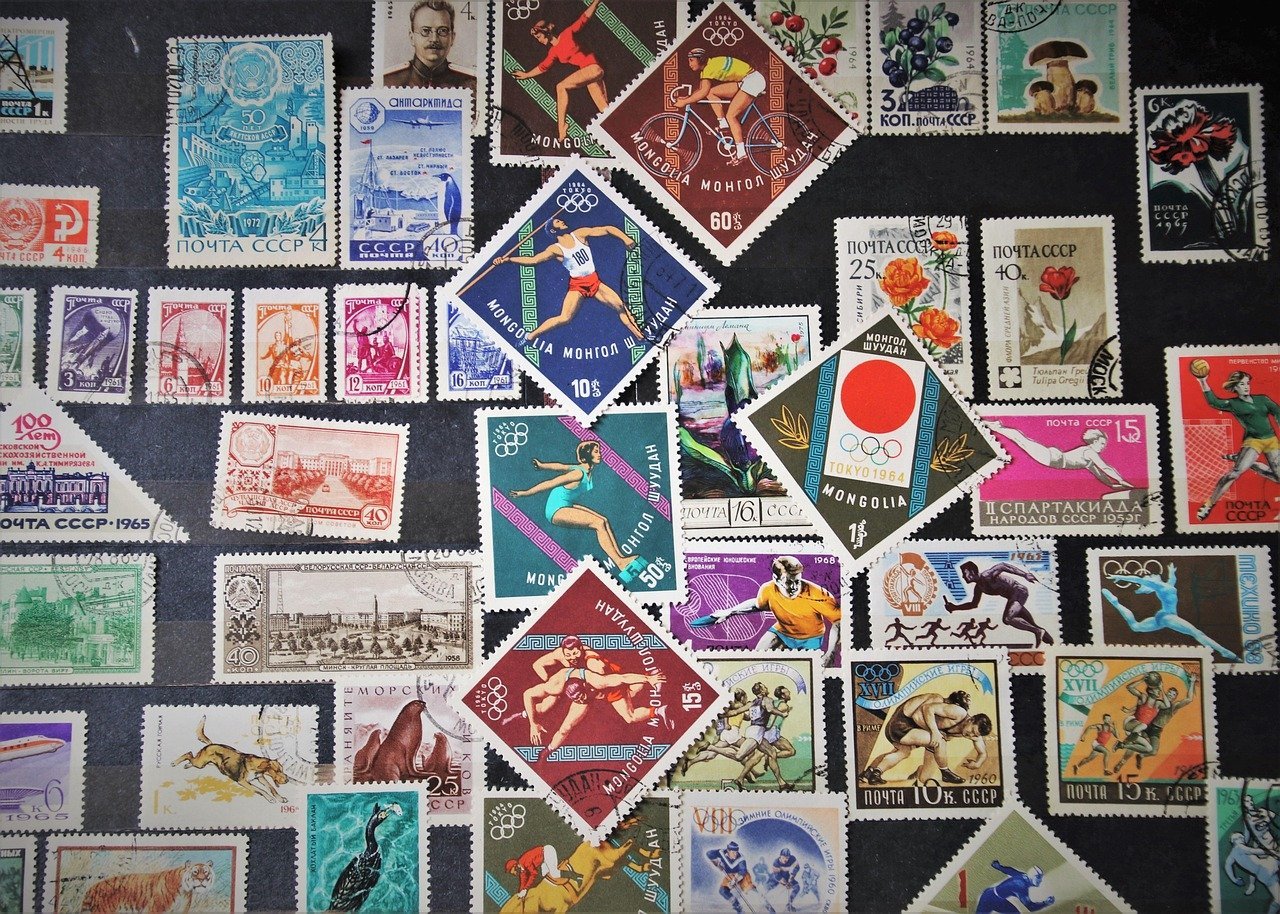
FDR began collecting stamps when he was about 8 years old, learning a great deal of history by studying the countries and dignitaries featured on the stamps in his collection. Later, when he became ill with polio, working with his stamp collection helped pass the long, lonely hours he spent by himself. Still later, when he became president, FDR spent between a half and a full hour every day before bed looking over his collection as a way of winding down from the burdens of his day.
He spent many evenings poring over his enormous stamp collection and brought portions of it with him during extended trips. The President also maintained notable collections of coins, naval art and manuscripts, and ship models. During the 1930s, he and Postmaster General James A. Farley enthusiastically brainstormed over stamp designs, colors, and themes, and Roosevelt actually sketched numerous ideas for stamp designs himself. His collection eventually numbered nearly a million stamps. For a man steering a country through the Great Depression and World War II, the quiet ritual of sorting small paper squares was, by all accounts, a genuine anchor.
Napoleon Bonaparte: Chess as a Mirror of the Battlefield
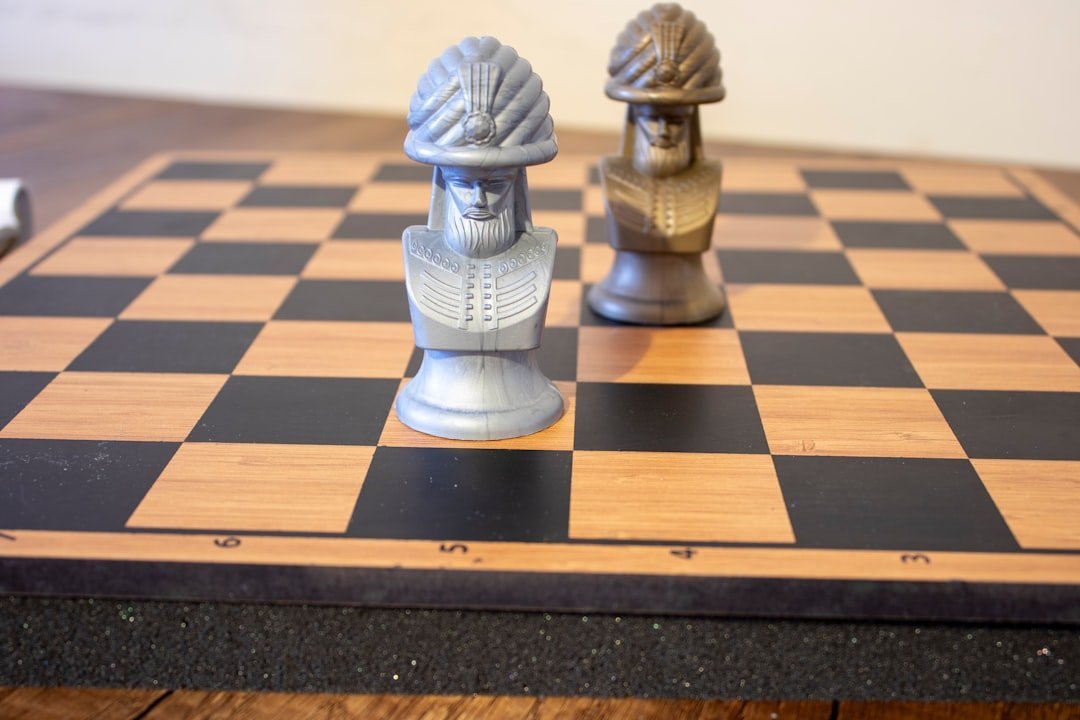
Napoleon Bonaparte, one of history’s most renowned military leaders, was also a skilled chess player. His approach to the game mirrored his battlefield strategy, with a focus on intense, calculated moves. For Napoleon, chess was both a mental challenge and a form of relaxation. His strategic thinking, sharpened on the chessboard, likely played a role in his success during military campaigns.
What makes Napoleon’s chess habit particularly interesting is how it reflects his personality off the battlefield. Contemporary accounts describe him as an impatient, aggressive player who preferred bold attacks over cautious, positional play – a style that mirrored his military genius but also his occasional overreach. Chess offered him a private arena where consequence and calculation still ruled, and where the mind never truly rested. Whether the board sharpened his command instincts or simply satisfied them is a question historians continue to find worth exploring.
George Washington: An Accomplished and Devoted Dancer
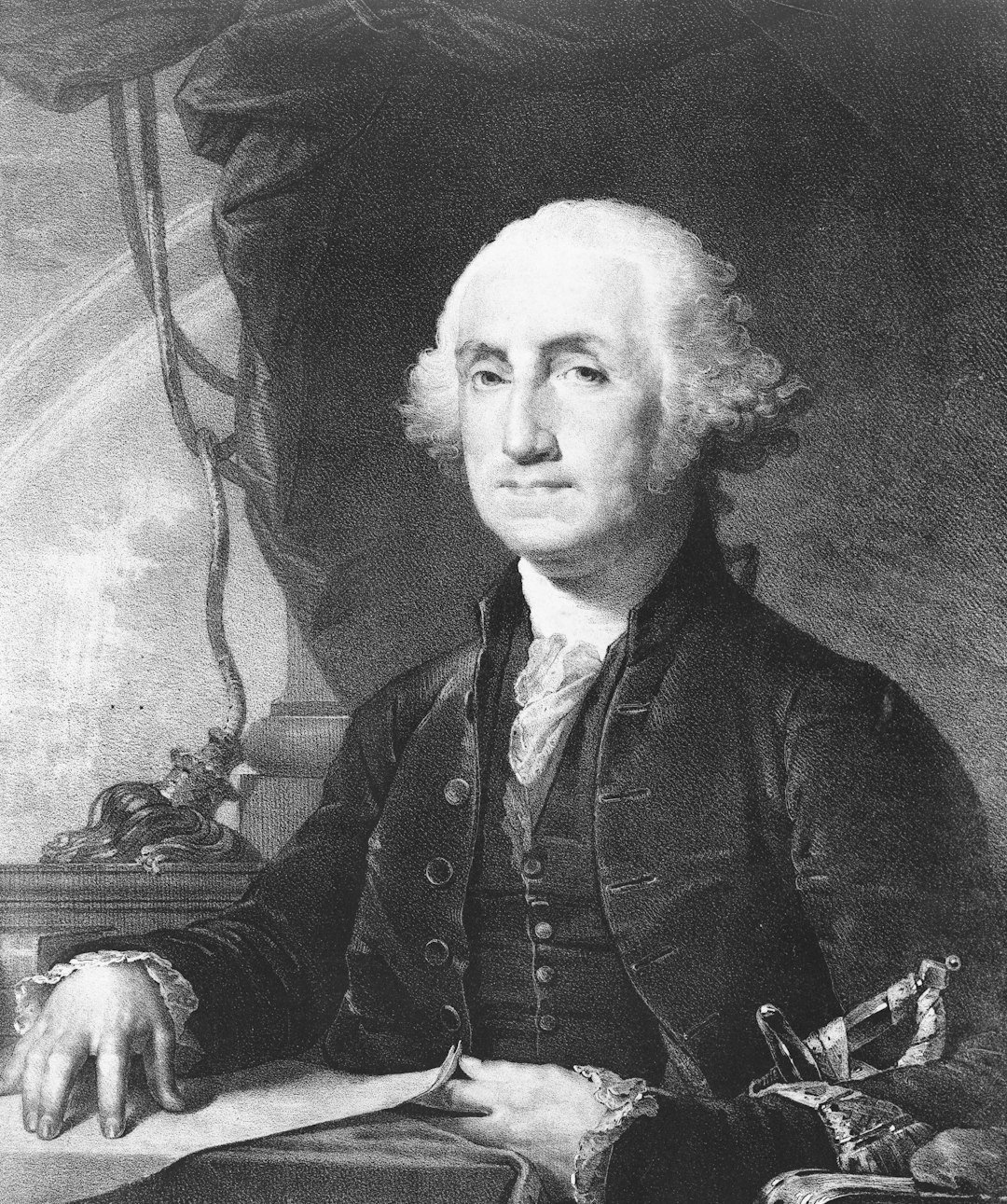
The first President of the United States wasn’t just a political titan. George Washington was also, by all accounts, a social butterfly, and an accomplished dancer. In fact, he was so adept on the dance floor that the women of Virginia would compete with each other for the pleasure and privilege of enjoying a waltz with him.
From an early age, he made a real effort to become an all-round gentleman, and was a disciple of the best-selling book Rules of Civility and Decent Behavior in Company and Conversation, taking the society guide’s rules on ballroom etiquette to heart. Despite being at the heart of the action during the Revolutionary War, Washington even found the time to dance at balls. He dressed well and followed the rules, dancing with different partners and always taking the lead. For a figure remembered as so composed and monumental, the image of Washington genuinely enjoying himself on a dance floor is unexpectedly warm.
Queen Elizabeth I: Needlework and Embroidery as Royal Ritual
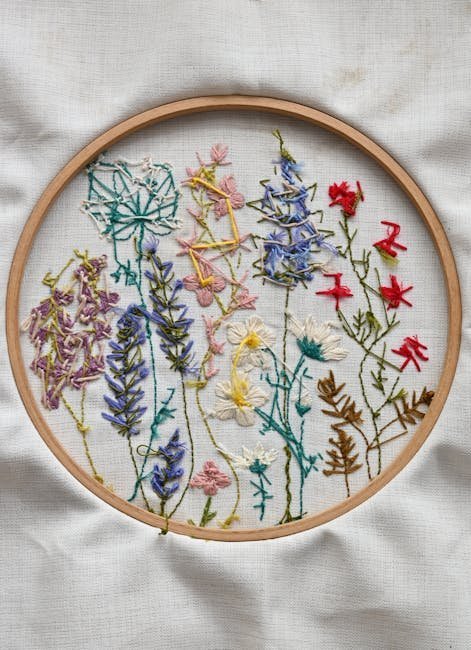
Queen Elizabeth I of England was a dedicated needleworker who spent hours embroidering. She even sewed a shirt for her favorite explorer Sir Francis Drake. The Virgin Queen also loved dancing and maintained a troupe of dancers to perform at court. It is a striking contrast – the same monarch who navigated decades of religious conflict and political intrigue spent considerable private hours bent over detailed, painstaking needlework.
Embroidery in the Tudor period was not merely a pastime. It was a highly skilled practice that required patience, precision, and artistic judgment. For a queen who wielded so much public power, the needle and thread may have offered something rarer: a form of creative control that was entirely her own. The fact that she gifted her work to people she valued, like Drake, suggests these weren’t idle hours but considered acts of personal expression and connection.
Thomas Jefferson: Inventor, Architect, and Amateur Scientist

Thomas Jefferson was an extraordinary polymath who not only authored influential political writings but also excelled as an inventor and architect. He designed Monticello and the University of Virginia, invented a revolving bookstand, and created one of the earliest pedometers. These weren’t the diversions of a dabbler – they were the product of relentless intellectual curiosity applied across disciplines that had nothing to do with political office.
Jefferson’s private workshop at Monticello served as a personal laboratory, and he corresponded enthusiastically with scientists and inventors across Europe. He was deeply interested in botany, paleontology, and meteorology, maintaining careful weather records for decades. The breadth of his interests made him, in many ways, more Renaissance man than founding father. His hobbies weren’t escapism from leadership – they were, for Jefferson, an extension of the same insistence on reason and observation that drove his public life.
Theodore Roosevelt (Bonus): Judo at the White House
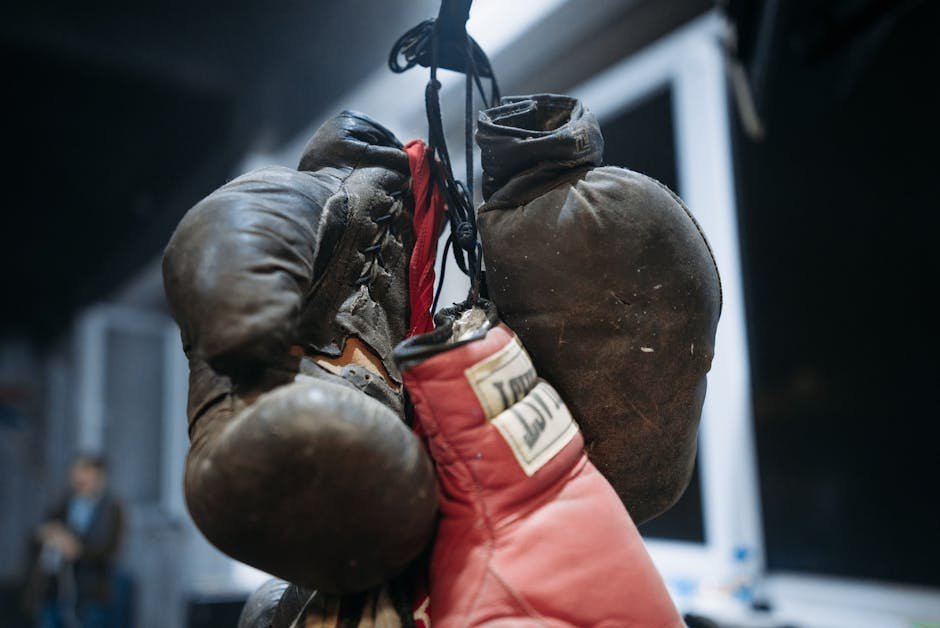
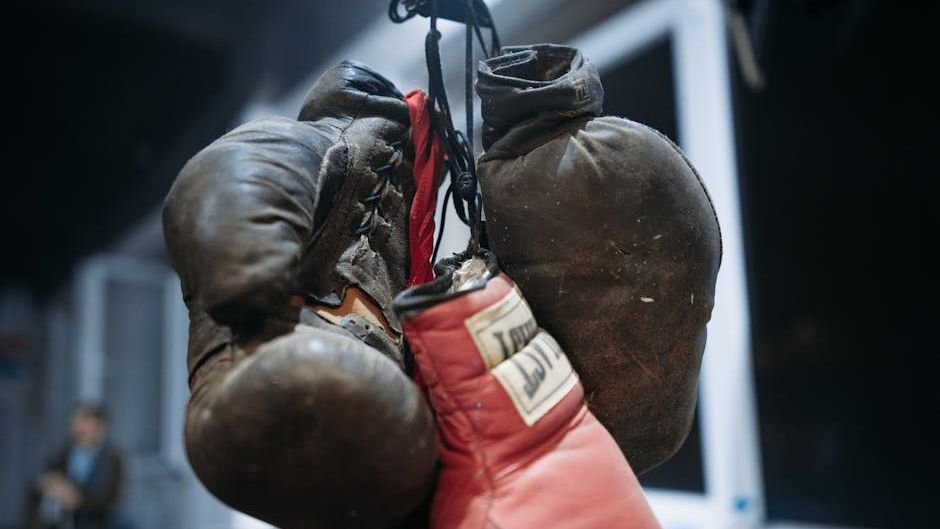
Theodore Roosevelt was not only known for his political persona but also excelled in physical pursuits. At Harvard and later as president, he engaged in boxing and even practiced judo, earning a brown belt. His athletic endeavors exemplified his “strenuous life” philosophy and reinforced his reputation as a leader with both mental and physical strength.
Roosevelt’s dedication to martial arts in the early 1900s was genuinely ahead of its time. Judo was a relatively new discipline even in Japan when Roosevelt began practicing it, and the idea of a sitting president throwing wrestling partners in the White House was unusual enough to draw public comment. It was consistent with his broader worldview – that physical readiness and mental toughness were inseparable, and that a leader who grew soft in both body and mind would eventually grow soft in conviction too.
Franklin D. Roosevelt’s Predecessor Ulysses S. Grant: Passionate Painter Later in Life
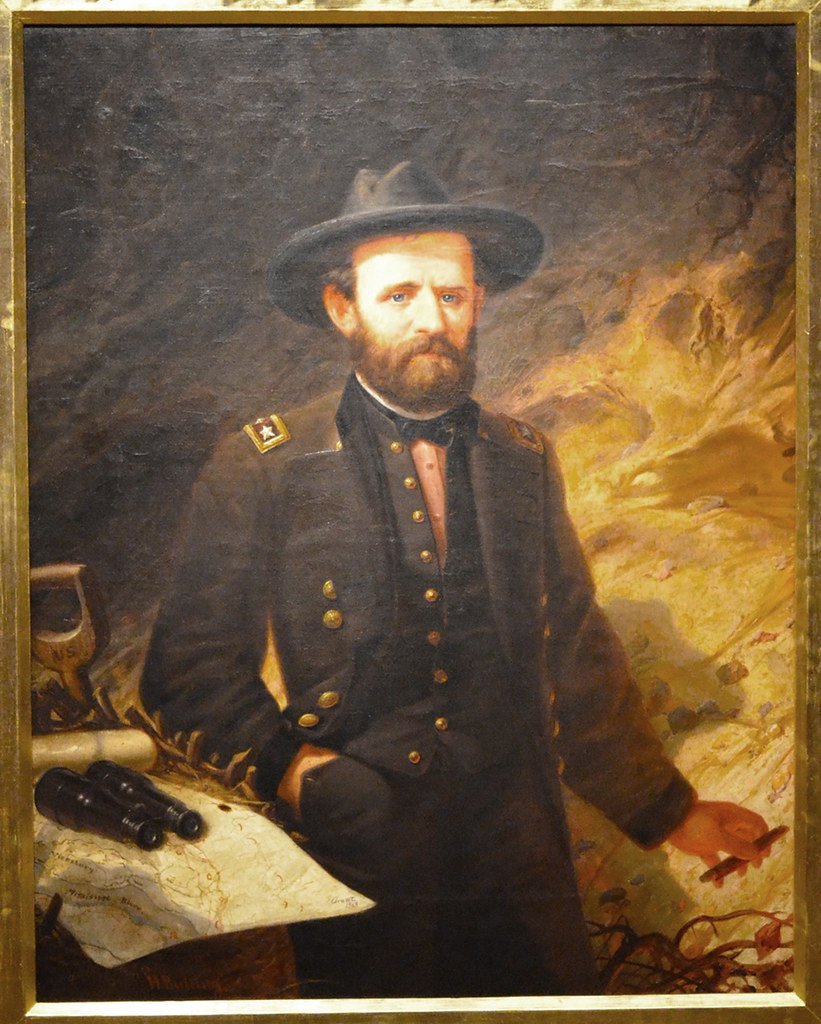
Ulysses S. Grant, the Civil War general and 18th President of the United States, turned to painting during the final years of his life with a quiet dedication that surprised those around him. Grant, whose public image was one of stoic military command, found in oil painting a reflective and peaceful outlet that stood in stark contrast to decades of warfare and political turbulence. His canvases tended toward landscape subjects, and while he made no claim to artistic mastery, those who observed him paint noted the evident peace it brought him.
Grant’s late-life interest in painting is less documented than Churchill’s but carries a similar emotional logic. Both men had spent careers defined by conflict and public scrutiny. Both discovered, at different ages, that the act of translating a visual scene onto canvas demanded a kind of focused, meditative attention that nothing else provided. Grant’s example is a quieter footnote in the history of leader-artists, but it belongs there.
Conclusion: The Full Picture of Leadership
What emerges from looking at these hobbies is not a set of interesting trivia, but a more complete portrait of what it actually means to lead. Power, responsibility, and public scrutiny are relentless. These figures found ways to remain human beneath the weight of history – through paint, stamps, birds, needles, and the grip of a wrestling hold.
The hobbies also, in many cases, quietly fed the public work. Churchill’s painter’s eye sharpened his observation. Roosevelt’s naturalist instincts produced a conservation legacy that still stands. Jefferson’s tinkering was indistinguishable from his philosophy. The private life and the public life were never as separate as we tend to assume.
Perhaps the most honest takeaway is this: the leaders who endured were rarely the ones who gave everything to power alone. They kept some small corner of themselves for the things that had nothing to do with it – and that, quietly, may be part of what kept them effective.

Christian Wiedeck, all the way from Germany, loves music festivals, especially in the USA. His articles bring the excitement of these events to readers worldwide.
For any feedback please reach out to info@festivalinside.com
