
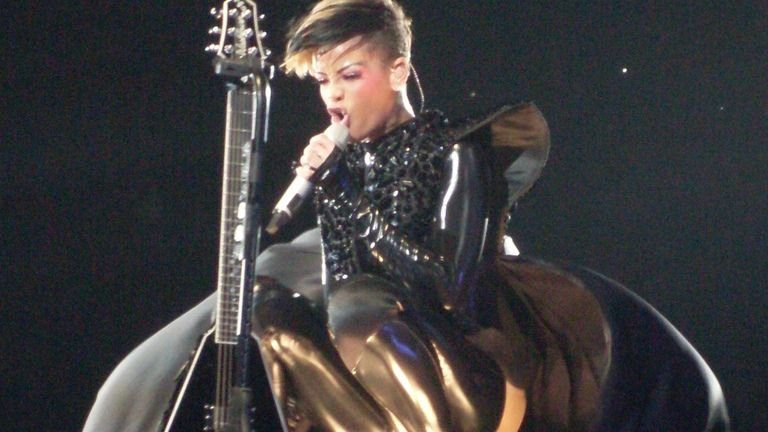
Music history often hinges on serendipity. A song crafted with one voice in mind lands in another’s hands, sparking a career-defining moment or redefining a genre. These detours reveal how fragile the path to fame can be.
Consider the demo tapes passed around studios or pitches rejected over lunch. What if the right artist hadn’t been listening at the exact moment? The results reshaped charts and playlists for generations.[1][2]
“Call Me” by Blondie
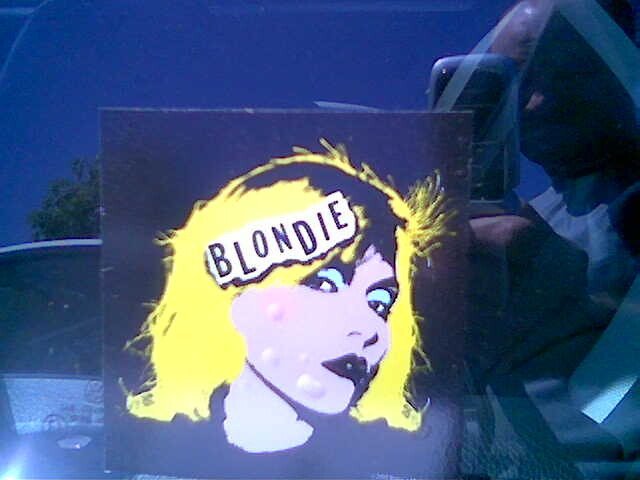
Giorgio Moroder penned the track as the theme for the 1980 film American Gigolo, envisioning Stevie Nicks as the ideal singer during her solo launch. Nicks passed due to her existing label commitments with Fleetwood Mac. Debbie Harry stepped in, adding lyrics that captured the song’s urgent disco pulse. Blondie turned it into a massive number one hit, blending punk edge with dance appeal.[1][2]
The version resonated because Harry’s raw delivery matched the film’s seedy vibe perfectly. It topped charts worldwide, cementing Blondie’s crossover success. Moroder later praised how Harry’s voice sealed its fate as an instant classic. Without her, the song might have faded into movie obscurity.
“These Dreams” by Heart
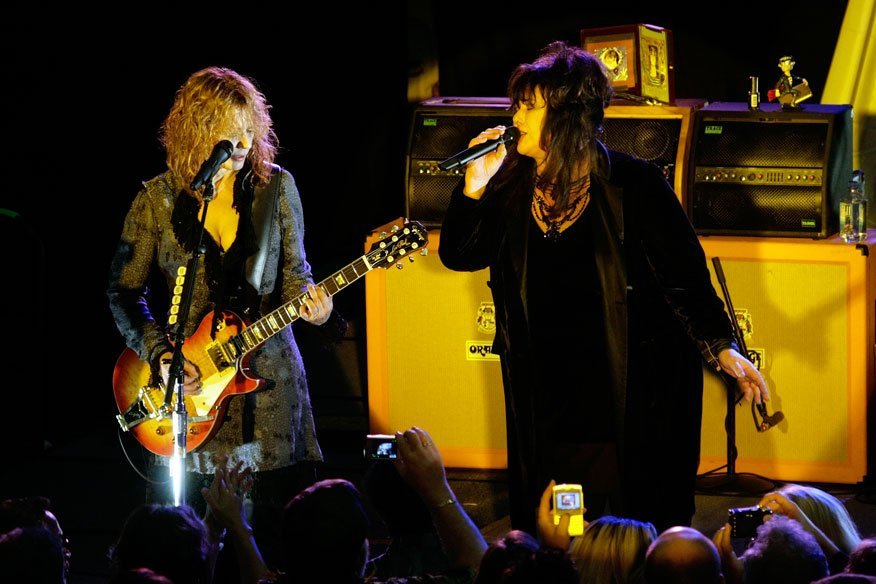
Bernie Taupin and Martin Page wrote the dreamy ballad specifically for Stevie Nicks, riding high after her solo hit “Edge of Seventeen.” Nicks declined, perhaps wary of overlapping with her mystical style. Heart’s Nancy Wilson took the lead vocals, infusing it with soaring rock emotion. Released in 1985, it became the band’s first number one single.[1]
The track’s ethereal quality fit Heart’s evolving sound during their self-titled comeback album. Wilson’s vulnerable performance elevated it beyond a mere power ballad. It showcased the band’s versatility, blending pop accessibility with hard rock roots. This unexpected fit propelled Heart back to arena status.
“Total Eclipse of the Heart” by Bonnie Tyler
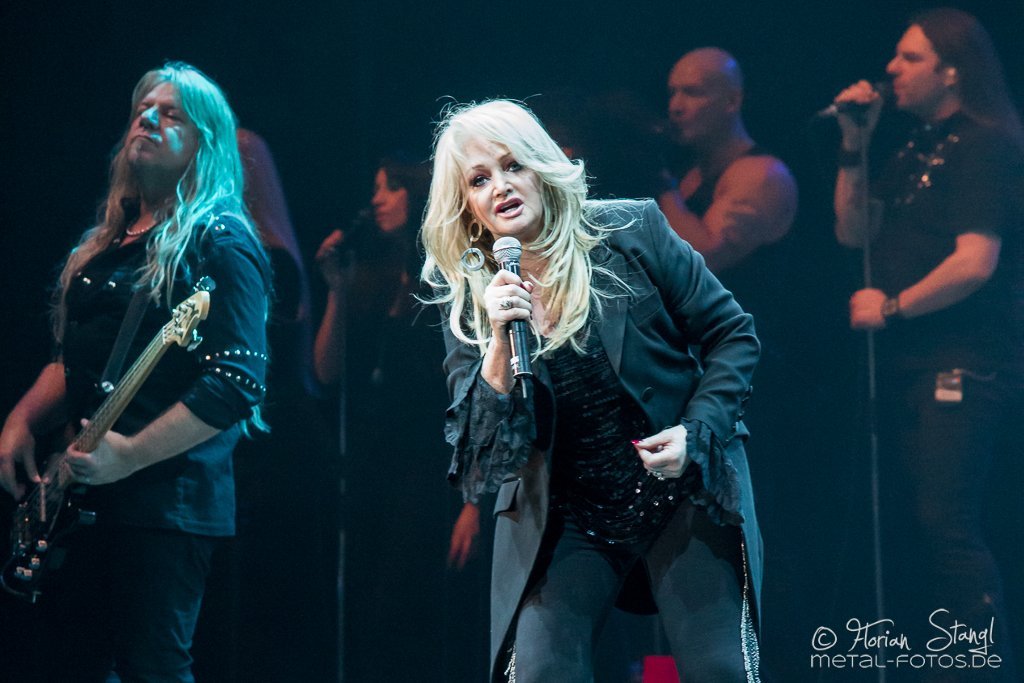
Jim Steinman composed the epic power ballad originally for Meat Loaf, as part of their ongoing collaboration after Bat Out of Hell. Tyler approached Steinman directly, claiming the song before Meat Loaf could record it. Her raspy voice transformed the dramatic piece into a chart-topping sensation in 1983. Steinman handed it over, despite initial reservations.[1][2]
Tyler’s delivery amplified the song’s theatrical bombast, making it a staple of 80s radio. The orchestral swells and passionate lyrics struck a chord with listeners craving excess. It held the top spot for four weeks, defining her career. Meat Loaf’s version might have suited his style, but Tyler’s grit made it unforgettable.
“I Don’t Want to Miss a Thing” by Aerosmith
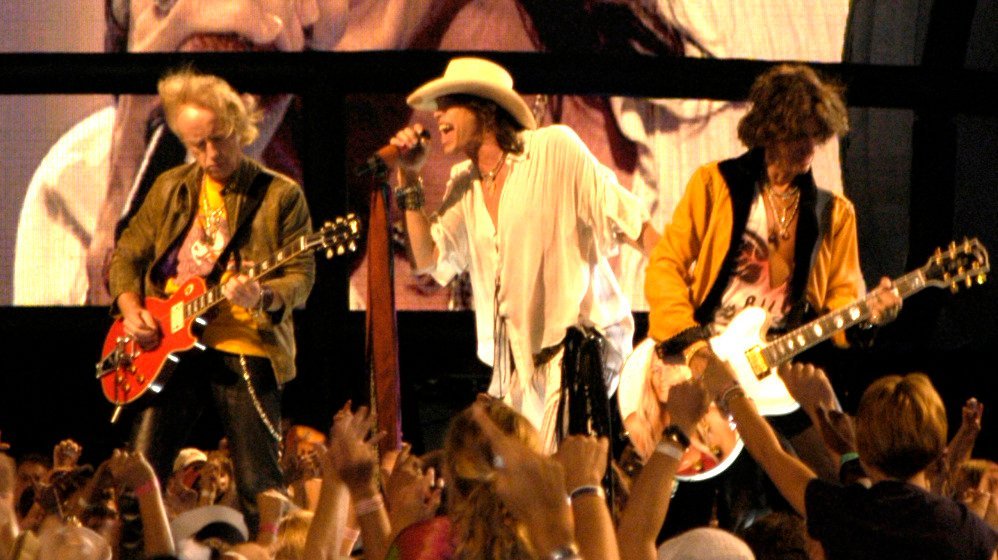
Diane Warren crafted the heartfelt ballad with Celine Dion in mind, picturing her soaring vocals for the 1998 Armageddon soundtrack. Dion passed, opening the door for Aerosmith. Steven Tyler’s gritty emotion added raw power, turning it into a blockbuster. The band recorded it after Warren pushed for their unique take.[1][3]
Tyler’s raspy plea contrasted Warren’s pop vision, blending rock with romance effectively. It spent four weeks at number one, Aerosmith’s first since the 90s. Tied to the film’s emotional core, it became a wedding staple. This shift proved ballads transcend genres when the voice aligns just right.
“Hungry Heart” by Bruce Springsteen
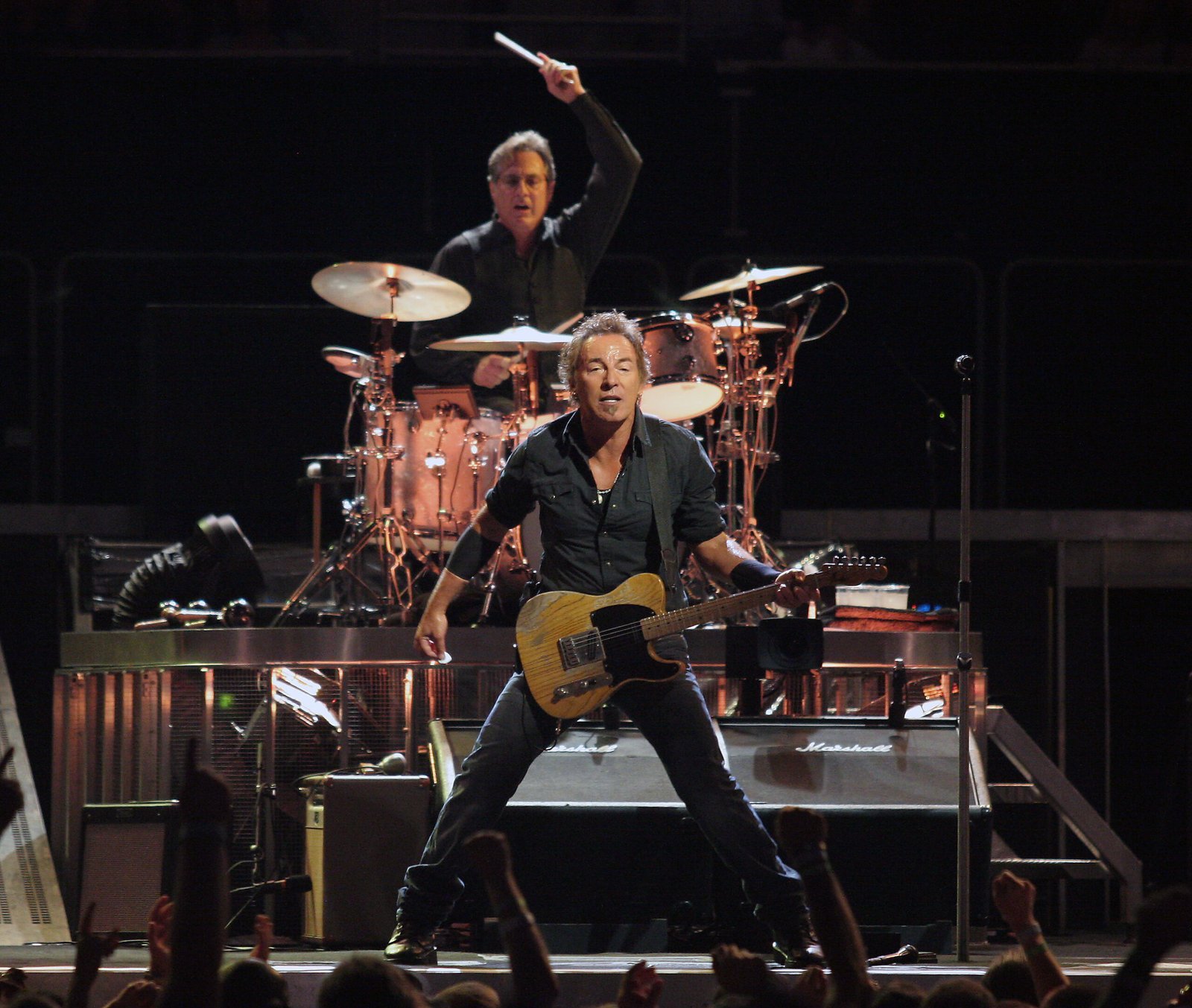
Springsteen wrote the upbeat track after Ramones’ Joey Ramone suggested he pen something for them during a chance meeting. The Ramones heard the demo but urged him to keep it, sensing it fit his style better. Springsteen recorded it for his 1980 double album The River. It marked his first top ten hit, capturing working-class wanderlust.[2][1]
The song’s catchy hook and road-trip narrative resonated with Springsteen’s audience. His earnest delivery made it an anthem for dreamers. Without the Ramones’ pass, it might have been punked up differently. Instead, it defined his mainstream breakthrough.
“Umbrella” by Rihanna
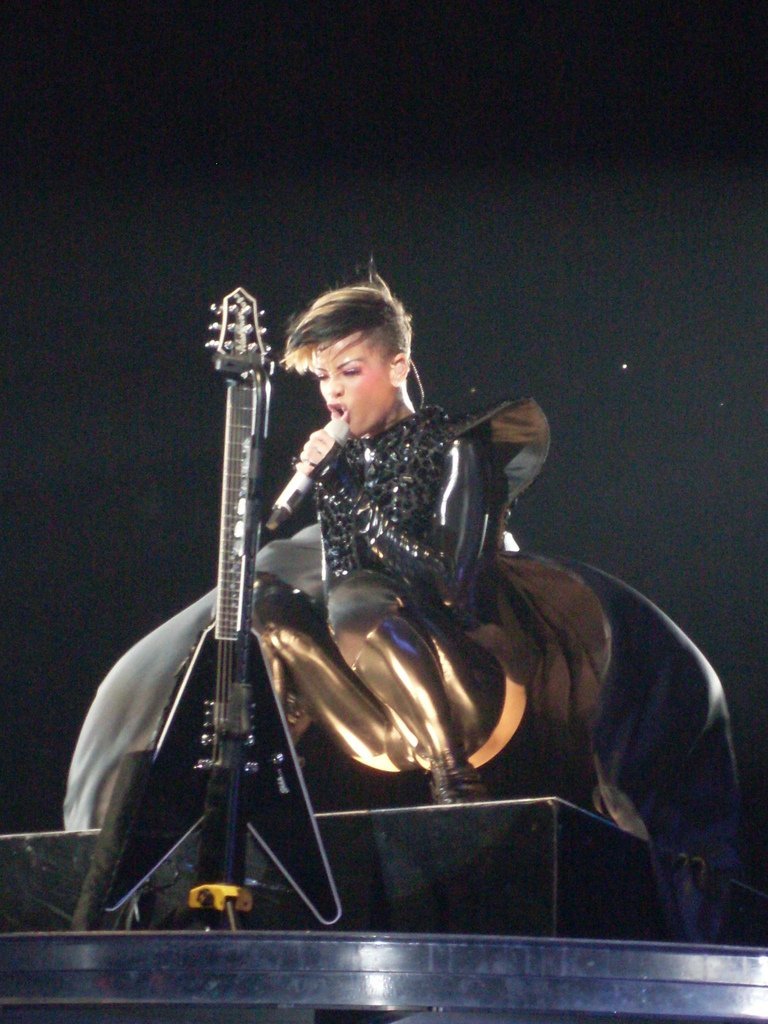
Terius Nash and Christopher Stewart targeted Britney Spears for the stormy metaphor during her Blackout sessions. Spears declined, followed by Mary J. Blige who also passed despite interest. Rihanna’s team won a bidding war, and she recorded it for Good Girl Gone Bad. Released in 2007, it launched her to superstardom with number one status.[2][3]
Rihanna’s confident flow turned the R&B track into a pop juggernaut. The innovative beat and loyal lyrics clicked amid her rising image. It symbolized friendship in chaos, enduring as a cultural touchstone. Spears’ version could have fit, but Rihanna owned it completely.
“…Baby One More Time” by Britney Spears
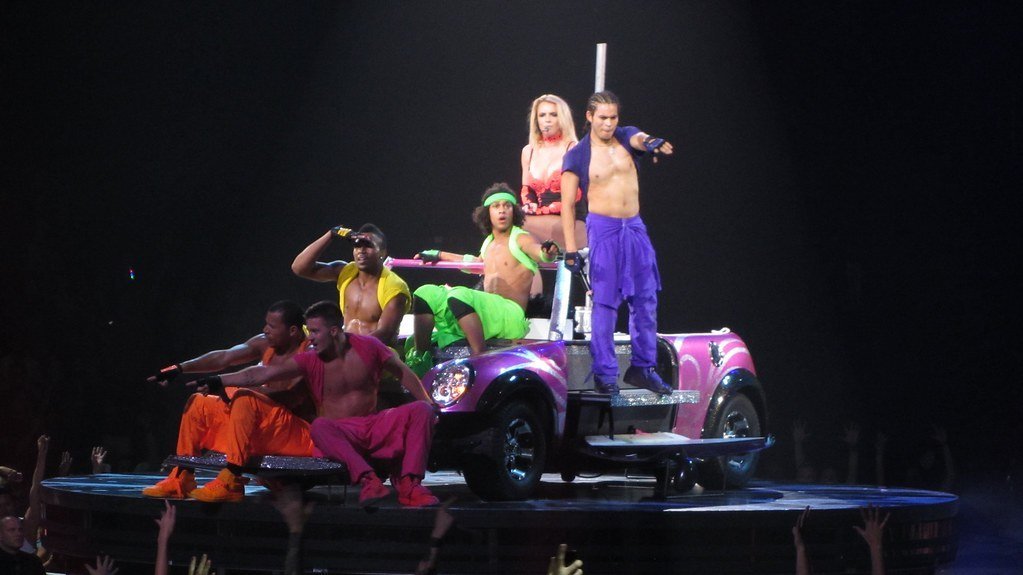
Max Martin and Rami aimed the teen plea at TLC, but the group rejected the “hit me” line over domestic violence concerns. Offers went to Robyn and Backstreet Boys before landing with Spears. She transformed it into her debut single in 1998, with the iconic schoolgirl video. It skyrocketed to number one globally.[2][3]
Spears’ innocent yet sultry vibe defined Y2K pop. The Swedish production’s bubblegum hooks hooked a generation. Without TLC’s no, it might have stayed demo fodder. Her take launched the teen pop explosion.
“Since U Been Gone” by Kelly Clarkson
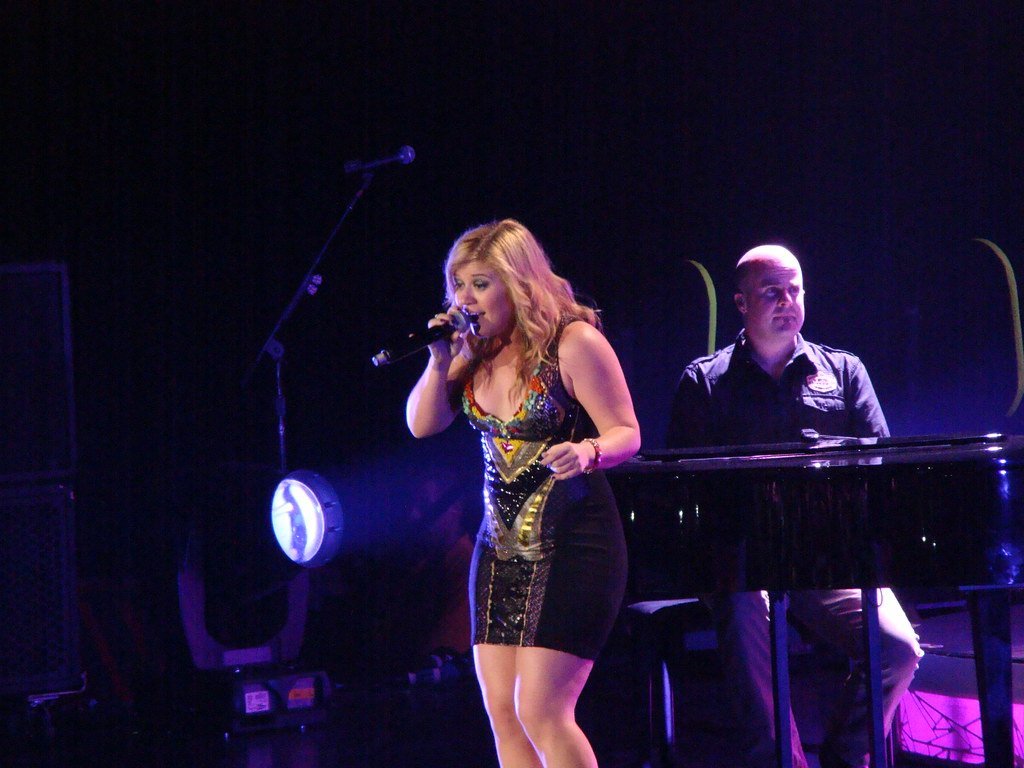
Max Martin and Dr. Luke crafted the breakup banger for P!nk, who passed as a powerhouse belter. Hilary Duff’s camp rejected it next, citing vocal mismatch. Clarkson nailed the demo, convincing her label for Breakaway. The 2004 release hit number two, revitalizing her career.[2][3]
Clarkson’s raw power anthemic chorus screamed empowerment. It bridged pop and rock, earning Grammy nods. P!nk’s edge might have altered it, but Clarkson’s voice made it universal. This pivot solidified her post-Idol stature.
“Don’t You (Forget About Me)” by Simple Minds

Keith Forsey and Steve Schiff shopped the Breakfast Club theme to Roxy Music, Billy Idol, and others like Corey Hart. Bryan Ferry passed over scheduling; Simple Minds initially declined for original material. Chrissie Hynde persuaded them, leading to the 1985 hit. It peaked at number one, defining 80s soundtracks.[1]
The soaring synths and urgent plea captured teen angst perfectly. Jim Kerr’s delivery added emotional depth. Idol’s rock spin could have worked, but Simple Minds’ new wave fit film’s spirit. It endures as a prom and movie staple.
“It’s Raining Men” by The Weather Girls
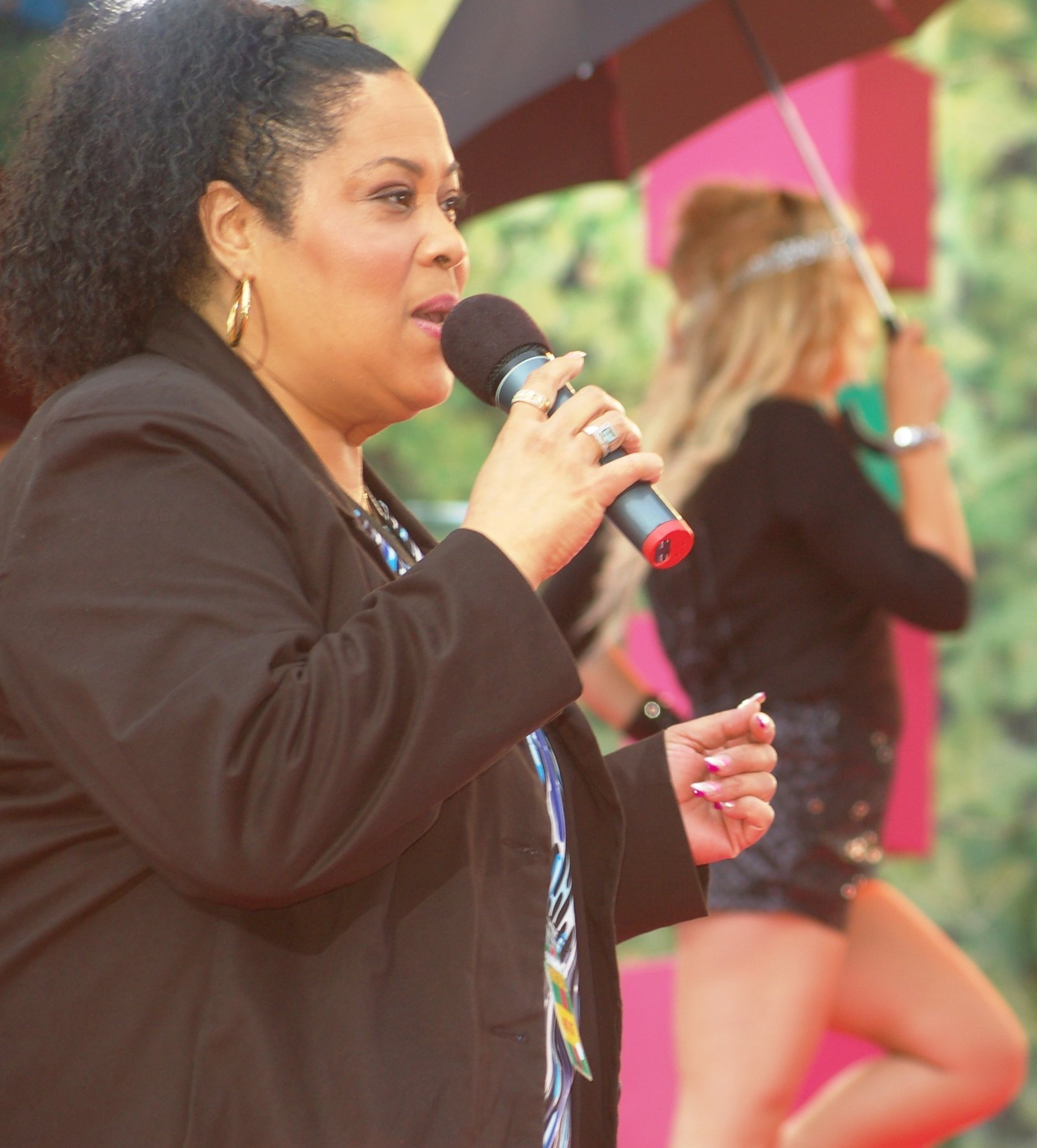
Paul Jabara offered the campy disco anthem to Cher, Donna Summer, Diana Ross, and Barbra Streisand, all passing for various reasons. Summer cited her faith; others demurred. Jabara convinced The Weather Girls despite their hesitation. Their 1982 version stormed dance floors worldwide.[1]
The duo’s joyful energy and bold lyrics made it a gay anthem and club staple. High-energy production ensured replay value. A diva like Cher might have glammed it up differently. Their unpolished fun secured its party legacy.
Timing and Fit Rewrite the Hits
These stories highlight music’s unpredictable journey. A rejected demo becomes legendary when the stars align with voice and moment. Artist chemistry often trumps original intent.
Timing proves everything; one pass alters history. The final pairings created timeless tracks, proving serendipity fuels the best art. Next spin, listen closer to the backstory.

- 10 Debut Pop Artists Who Achieved Immediate, Massive “Gold” Success - April 10, 2026
- The Best Fishing Festivals in the US for 2026 - April 10, 2026
- 10 Songs You Didn’t Know Were Written for Other Artists First. - April 10, 2026

