


For any feedback please reach out to info@festivalinside.com
Music is one of the strangest forms of prophecy. Long before scientists finalize their theories or politicians draft their policies, artists somehow manage to tap into the cultural and technological pulse of things yet to come. It’s almost eerie when you think about it. A melody born from personal emotion or creative imagination ends up mirroring a world that didn’t fully exist yet.
Music has always been a mirror reflecting society’s deepest fears, hopes, and dreams. Occasionally, artists tap into a vein of prescience, creating songs that not only capture the essence of their time but also anticipate future events, technological advancements, or societal shifts. Honestly, some of these coincidences go so far beyond luck that they’re hard to dismiss. Let’s dive in.
1. David Bowie – “Space Oddity” (1969): The Loneliness of the Cosmos
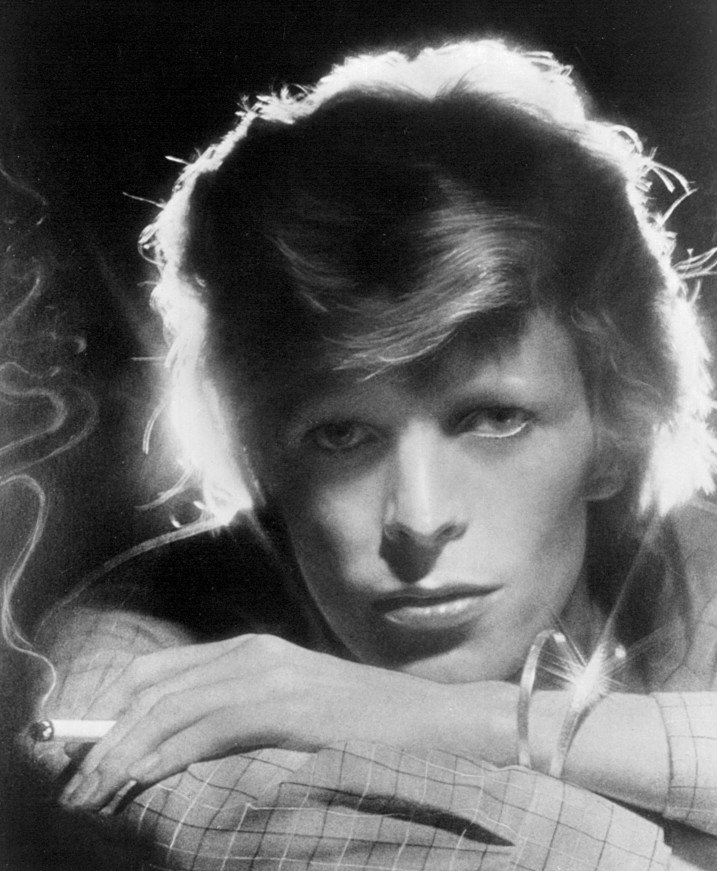
front
back, Public domain)
David Bowie’s “Space Oddity” was first released on July 11, 1969, by Philips and Mercury Records as a 7-inch single. It is a tale about a fictional astronaut named Major Tom, with its title and subject matter partly inspired by the film 2001: A Space Odyssey and Bowie’s feelings of alienation at that time. Released just days before humanity first stepped on the moon, the timing was almost supernatural. The song was rush-released as a single to capitalize on the Apollo 11 Moon landing, and it received critical praise, even being used by the BBC as background music during its coverage of the event.
What makes “Space Oddity” more than a novelty space song is what it got right emotionally. Bowie’s work kept predicting the rise of digital identities and internet fame, way before social media became a way of life. Listening now, you can hear the anxiety about technology’s isolating impact, wrapped in a melody that’s both dreamy and ominous. The sense of drifting through space, disconnected yet watched by millions, feels more relatable today than ever before. Bowie seemed to sense that our greatest adventures would also be our loneliest. Decades later, in 2013, “Space Oddity” was covered, with altered lyrics, by Canadian astronaut Chris Hadfield, notable for being the first music video shot in space. Fiction had officially caught up with itself.
2. The Buggles – “Video Killed the Radio Star” (1979): The Media Disruption Prophecy
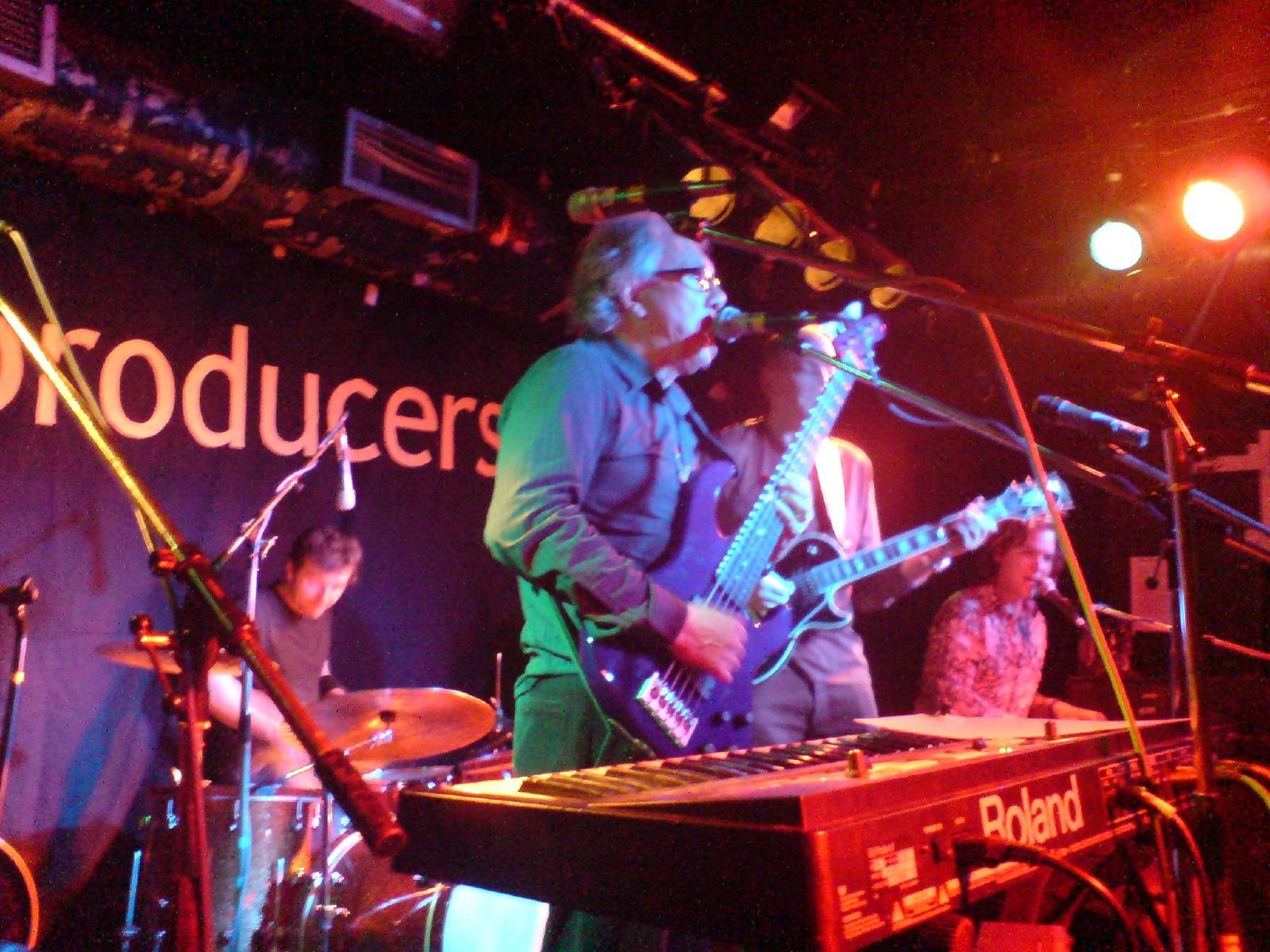
The Buggles dropped this synth-pop anthem two years before MTV even launched, and it became the first music video ever played on the network in 1981. Think about that for a second. A song literally about visual media killing audio culture became the first thing broadcast on the world’s most famous music video channel. That’s not just ironic. That’s almost cosmic. This iconic track reflected on the cultural shift from radio to visual media, symbolizing the growing dominance of television and music videos, and its release coincided with a pivotal moment in music history.
With its catchy melody and bittersweet lyrics, “Video Killed the Radio Star” predicted a cultural shift from audio to video, years before MTV changed everything. The song mourns the end of an era, even as it celebrates the possibilities of new technology. In a world now ruled by screens, streaming, and viral videos, the Buggles’ prophecy has come true in ways they likely never imagined. Today, TikTok and YouTube have pushed visual storytelling so far beyond where even MTV went that the song feels more relevant in 2026 than it did in 1980.
3. Kraftwerk – “Computer World” (1981): Welcome to the Digital Society
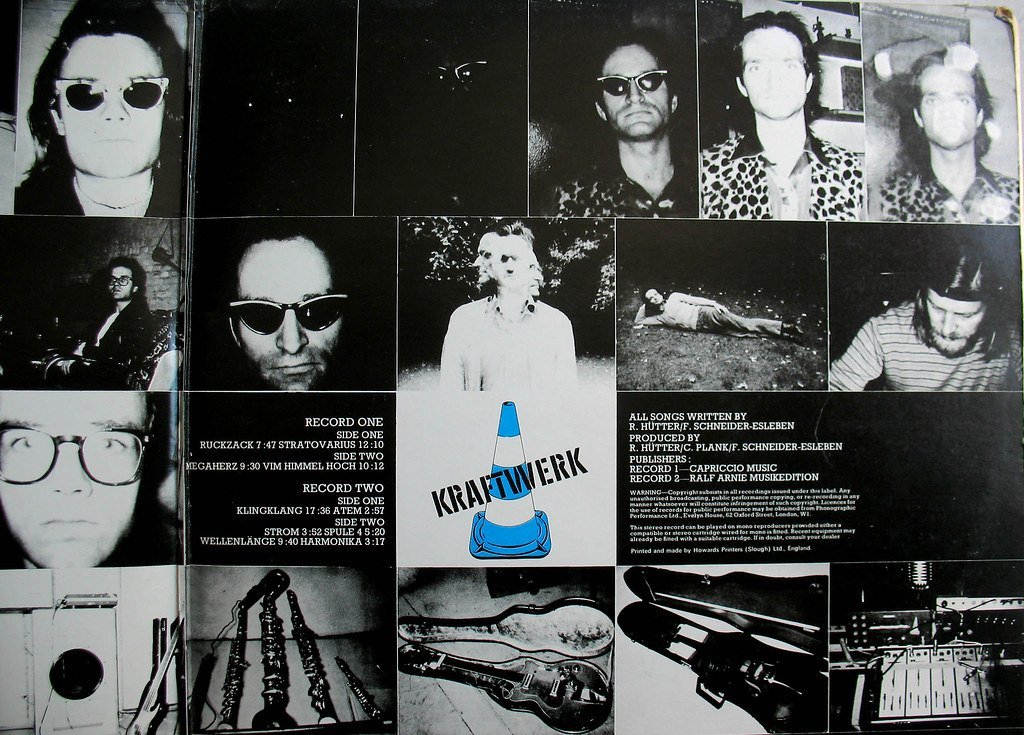
Computer World is the eighth studio album by German electronic band Kraftwerk, released on May 11, 1981. The album is themed around computer technology and its rise within society. This wasn’t background music for a sci-fi film. This was a genuine, almost clinical portrait of a world that didn’t fully exist yet. Computer World has been described as a futuristic conceptual work that predicts the presence of computer technology in everyday life, featuring themes such as home computers and digital communication, and has been seen as both a celebration of computer technology and a warning about its potential to exert power on society with social control and digital surveillance.
Here’s the thing that always blows me away about Kraftwerk. They weren’t writing about computers as distant curiosities. They were writing about them as the central nervous system of civilization. Kraftwerk are probably the only band in history who could have their very own list of songs about technology. The track from their 1981 album essentially predicted the control technology would come to have over all aspects of modern society, including business, crime, travel, and entertainment. The internet, smart cities, algorithmic surveillance: Kraftwerk sketched all of it. They just called it “Computer World.”
4. Zager & Evans – “In the Year 2525” (1969): A Dystopian Warning Still Ringing

Released in 1969, “In the Year 2525 (Exordium and Terminus)” is a hit song by the American pop-rock duo of Zager and Evans, and it reached number one on the Billboard Hot 100 for six weeks commencing July 12, 1969. Rarely has a number one hit sounded quite so unsettled. The song is a chilling look at the future of humanity, with its meaning revolving around what might happen if technology replaces every part of human life. Every verse leaps a thousand years forward. Each one more grim. Each one closer to headlines you might read today.
The song’s central theme revolves around the idea of human dependence on technology and the erosion of individuality and freedom. As the years advance, the lyrics describe a world where people are controlled by pills, machines perform basic bodily functions, and even the concept of family and personal relationships becomes obsolete as children are “picked” from glass tubes. This progression symbolizes the dehumanization of society and the loss of human agency. In an age of AI-assisted reproduction, pharmaceutical mood management, and algorithm-directed behavior, it’s easy to see why some listeners today feel that 2525 already seems to be here since machines are taking over our lives.
5. Radiohead – “OK Computer” and “Idioteque” (1997–2000): The Anxiety Architects
The themes of Radiohead’s albums have always differed but have been united by one thing: the societal state of the world. OK Computer explored the rise of technology and its subsequent alienating effect on society, Hail to the Thief examined the dangers of spin politics, and The King of Limbs paid close attention to the increasingly critical environmental concerns of the planet. These were not casual observations. Radiohead were mapping the emotional architecture of a world that most people hadn’t yet realized they were living in.
Their 1997 album OK Computer is riddled with almost creepy portraits of a future world that have quickly come true. In particular, “Fitter Happier” forecasts where technologies such as the Apple Watch have brought us. Then, with Kid A, Radiohead subverted the expectations of alternative rock with a primarily electronic album that continued to state that societal pressures were going to worsen. On “Idioteque,” Thom Yorke gets political in ways that explain the discordance between members of environmental protests and the politicians who have the power to make changes yet downplay the need to. I think no band has predicted the psychology of the 2020s with more accuracy.
6. The Police – “Every Breath You Take” (1983): The Surveillance Anthem Nobody Expected
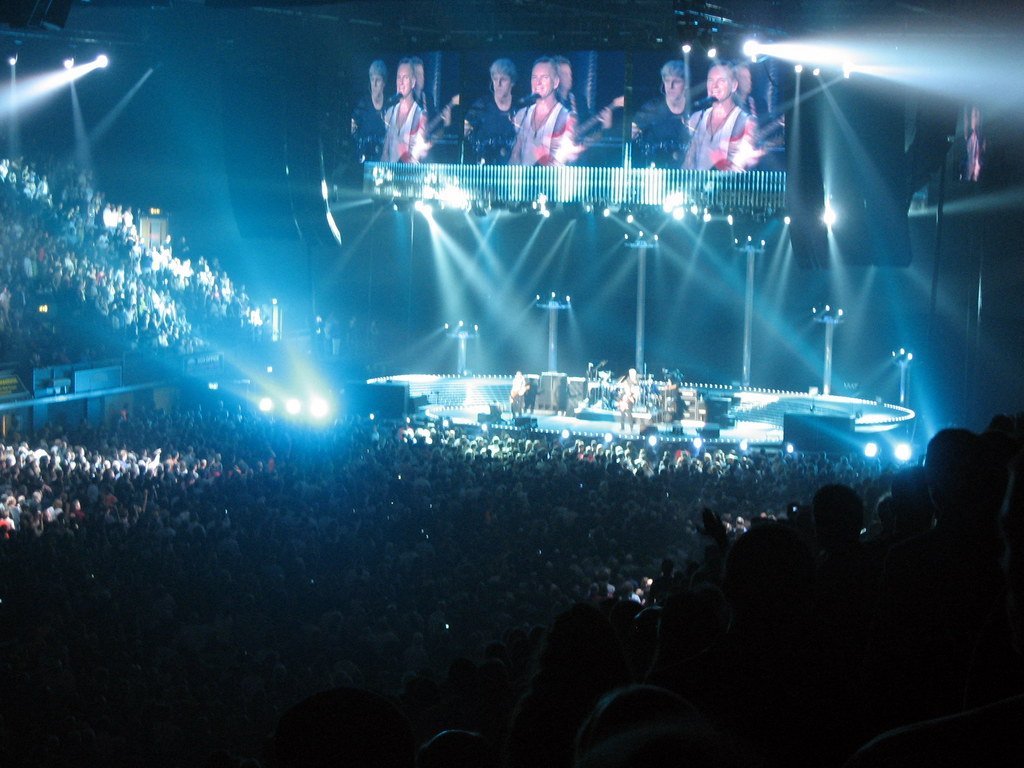
On the surface, it sounds like a love song with a gorgeous melody and an irresistible groove. It spent weeks at number one. People played it at weddings. It remains one of the most misunderstood songs in pop history. The song is basically Big Brother: The Ballad. Sting admitted it’s a very sinister song about surveillance and control. In the age of GPS, smart devices, and apps that know your every move, the lyric “I’ll be watching you” now hits a little too close to home.
Think about where we are in 2026. Facial recognition technology embedded in public spaces, smartphones that track your location without explicit consent, social media platforms that monitor your behavior to serve you targeted content. Tears for Fears’ “Everybody Wants to Rule the World” (1985) took a similar approach, as this synth-pop classic dives deep into themes of power, control, and surveillance. Still, “Every Breath You Take” remains the most uncomfortably accurate snapshot of the surveillance culture we now simply accept as normal.
7. Jamiroquai – “Virtual Insanity” (1996): VR Headsets and Algorithmic Rabbit Holes
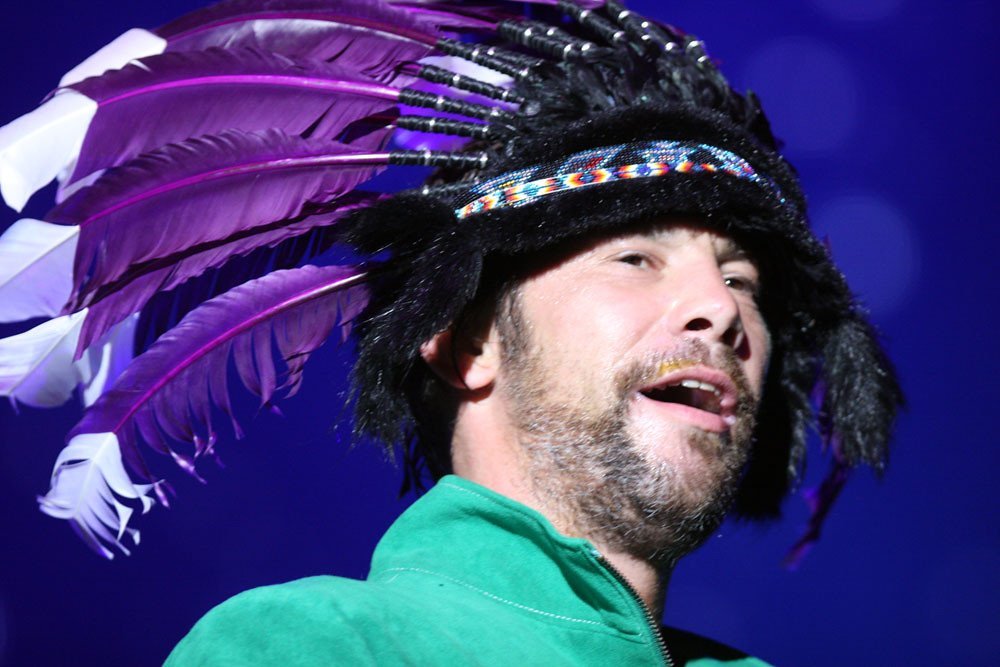
The song “Virtual Insanity” was released in 1996 and critiques the growing interest in virtual reality over actual human connection and care for the environment. Jay Kay was dressed in an oversized hat, dancing on a moving floor in one of the most iconic music videos of its era. Easy to laugh. Hard to deny how prescient the message turned out to be. Jamiroquai’s “Virtual Insanity” critiques the rapid technological changes of the 1990s, warning of their potential to outpace humanity’s ethical considerations. The song’s themes of internal turmoil and technological unease resonate deeply in the digital age.
Before smartphones or social media existed, Jamiroquai was already worried about technology taking over. With “futures made of virtual insanity,” he sang years before VR headsets and algorithmic rabbit holes became real. Today, the metaverse has become a genuine commercial battlefield. Major tech companies are pouring billions into virtual reality ecosystems. The man in the fuzzy hat was, apparently, paying attention to something the rest of the world would only notice twenty years later.
8. Prince – “1999” (1982): The Millennium Panic Soundtrack
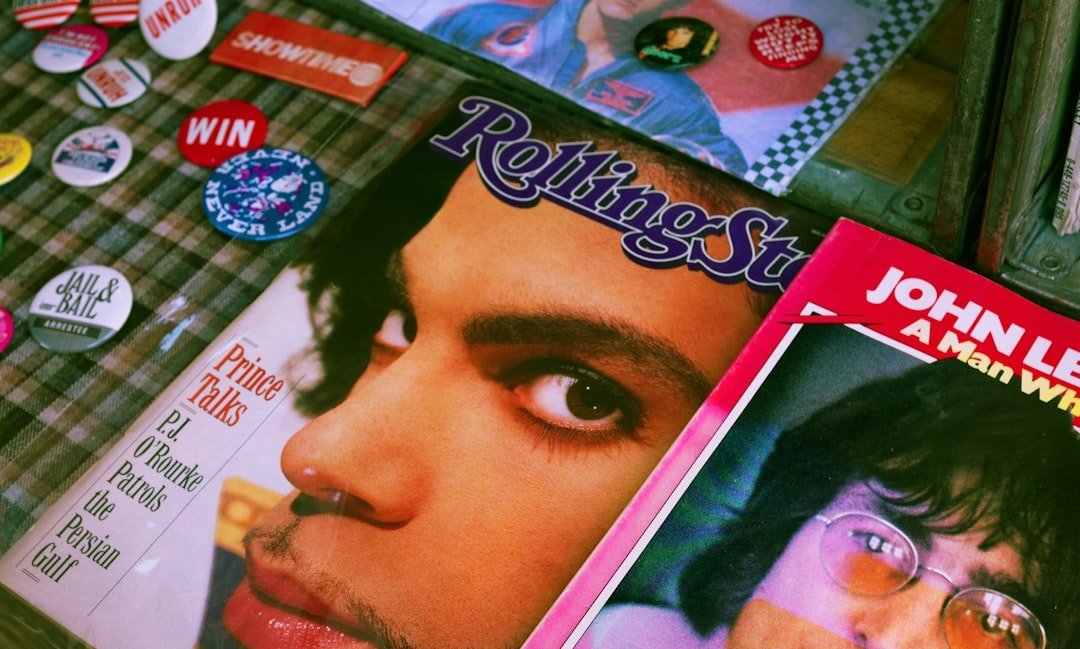
Prince’s iconic lyric became the unofficial anthem for a millennium on the brink. Released nearly two decades before Y2K panic, “1999” is a warning and a celebration, dancing on the edge of disaster. Its lyrics mention judgment day, nuclear threats, and a society teetering on collapse, all delivered with infectious funk. It’s a strange thing, releasing a party anthem that’s secretly terrified. Prince pulled it off completely.
When December 31, 1999 actually arrived, people waited nervously as midnight approached. Many wondered whether predictions of doom about the year 2000 computer transition would prove correct, from power and water supply failures to economic collapse, as computers and computer networks failed everywhere. The world held its breath in almost exactly the way “1999” had been soundtracking for seventeen years. The party was real. So was the dread underneath it. Prince understood both.
9. Donald Fagen – “I.G.Y.” (1982): The Optimistic Futurist
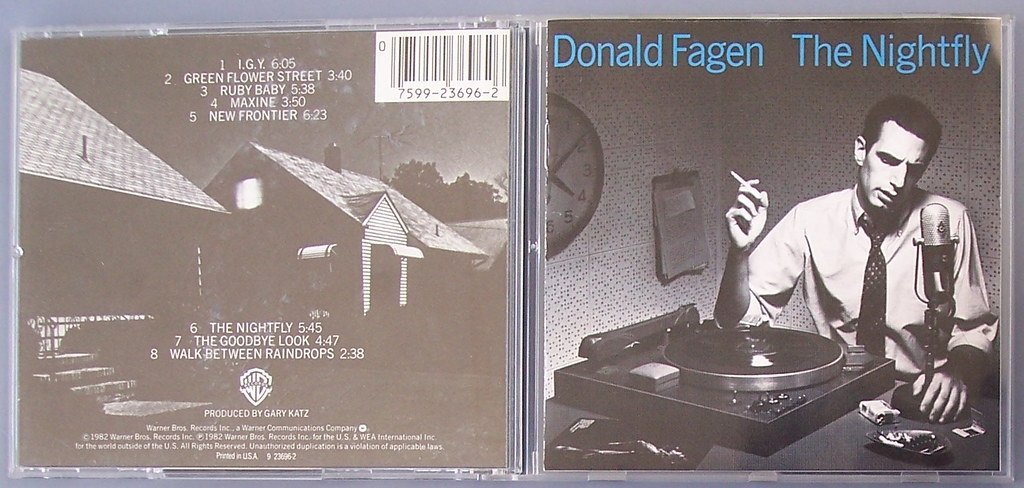
Not every prophetic song is a warning. Sometimes a piece of music looks ahead with genuine wonder and gets the future surprisingly right. Donald Fagen’s “I.G.Y.” (International Geophysical Year) is a surprisingly optimistic glimpse into the future, name-checking automated highways, solar energy, and permanent space stations. In 1982, these ideas felt like science fiction; today, they sound like headlines. The song’s smooth jazz-pop groove is a love letter to progress, even if reality hasn’t always lived up to the dream.
Fagen’s lyrics are filled with hope about what technology could bring, and it’s a reminder that not all predictions are warnings. Sometimes, they’re invitations to build something better. Automated vehicles, renewable energy infrastructure, commercial space stations: these are no longer science fiction concepts. They are active industries with billions in investment behind them. Fagen imagined the future with warmth instead of dread, and he wasn’t wrong to do so.
10. Kate Bush – “Deeper Understanding” (1989): The Human-Computer Relationship
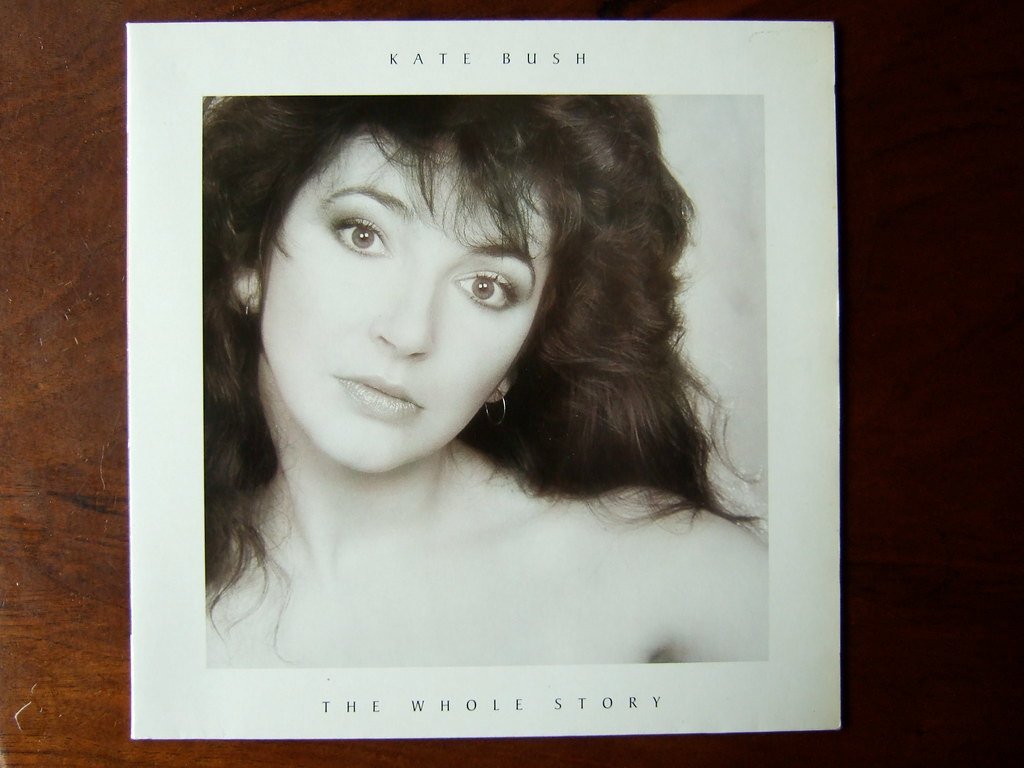
Kate Bush’s “Deeper Understanding” is a song that seems to suggest she had a future-predicting crystal ball hidden away somewhere. In the song, she talks about how humans are interacting less with each other and more with their computers, spending all day and night with machines and building deep, almost obsessive relationships with them. Released in 1989, this was a full decade before internet use became mainstream. The concept was almost unimaginable to most listeners at the time.
Today, it reads as uncomfortable cultural journalism. People form genuine emotional bonds with AI chatbots. Kate Bush already knew the power that cyberspace could wield, and “A Deeper Understanding” was the kind of song that isn’t far off from what some people fall prey to today. The idea that a machine could fill the emotional void left by human disconnection was fringe theory in 1989. In 2026, it’s an industry. Bush didn’t just write a song. She wrote a warning that most of us are only just beginning to understand.
Conclusion: Artists as Accidental Prophets

These songs are few and far between, but once their predictions become reality, they grow in stature. They become more than just melodies. They transform into almost-prophetic statements that resonate across generations. By dissecting their lyrics and the moments that inspired them, it becomes apparent how they became uncanny windows into a future their creators could have only imagined.
There is something deeply human about this. Artists, by their very nature, are sensitive to the undercurrents of their times. They notice the tremors before the earthquake. They feel the shift in the air before the storm arrives. Some tracks ended up having a clear vision of the world’s future. Whether it was relevant social issues or the oncoming political discourse, these songs were a sign that things were about to take a sharp turn, and nothing would be the same afterwards. The next time a song makes you feel something you cannot quite name, pay attention. It might already know something you don’t.
Which of these songs surprised you the most? Drop your thoughts in the comments below.

Christian Wiedeck, all the way from Germany, loves music festivals, especially in the USA. His articles bring the excitement of these events to readers worldwide.
For any feedback please reach out to info@festivalinside.com
