

For any feedback please reach out to info@festivalinside.com
- 10 Best Street Festivals Around the World - April 10, 2026
- 10 Iconic Movie Scenes That Were Completely Improvised by Actors - April 10, 2026
- The Stark Contrasts Between Past and Present Fashion Echo Timeless Cultural Shifts - April 9, 2026
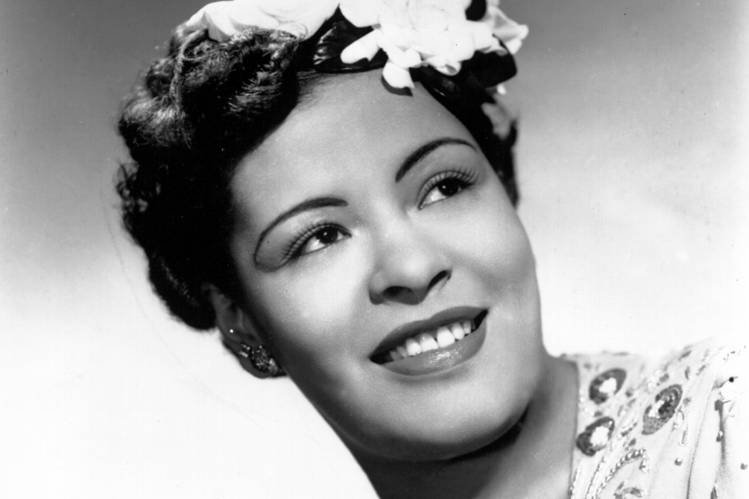
Strange Fruit by Billie Holiday
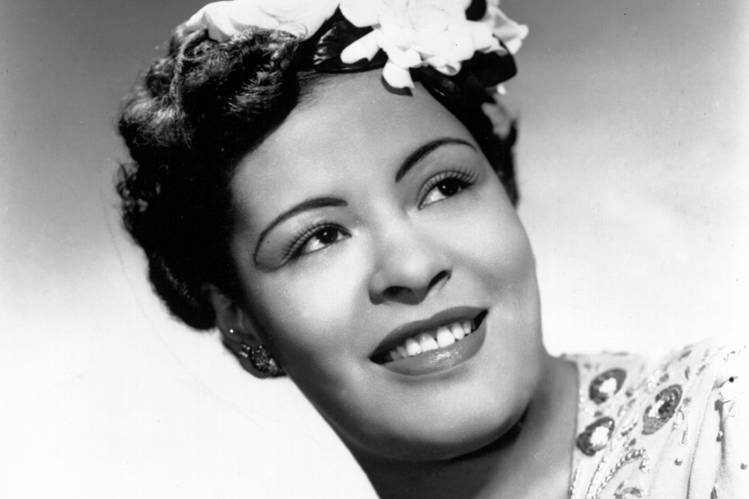
When Billie Holiday first sang “Strange Fruit” in 1939, it was as if she set off a silent alarm that echoed across the United States. The haunting lyrics describe the lynching of Black Americans in the South, painting a picture so vivid and horrifying that it chilled listeners to the bone. It wasn’t just a song; it was an unflinching call for justice at a time when most people stayed silent about racism. Many clubs refused to let Holiday perform the song, fearing backlash, but she persisted because she knew its power. The impact of “Strange Fruit” was immediate, fueling the early civil rights movement and forcing people to confront ugly truths. This song became a secret anthem for those demanding change, inspiring courage in the face of terror. Even now, its raw honesty reminds us that music can shine a light on society’s darkest corners.
Redemption Song by Bob Marley
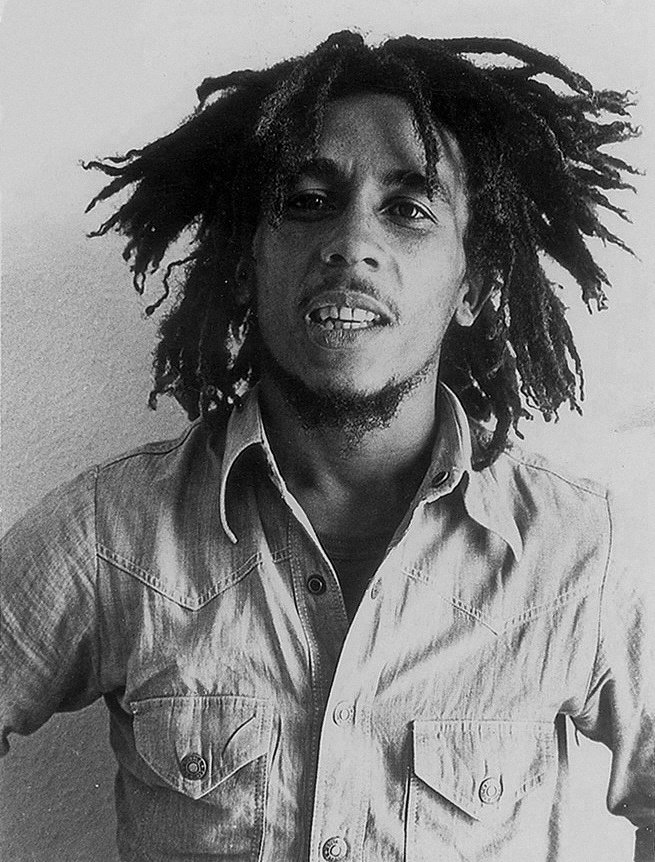
“Redemption Song” is one of those tracks that can make you pause and rethink everything for a moment. Bob Marley wrote it during a tough period in his life, and you can feel every ounce of emotion in his voice. The song draws from themes of freedom, resistance, and breaking mental chains, echoing speeches from Black leaders like Marcus Garvey. It quickly became a rallying cry for anti-colonial and liberation movements, not just in Jamaica but around the world. Activists would gather and sing those words together, feeling a sense of unity and hope. Marley’s words, “Emancipate yourself from mental slavery,” are still quoted today in protests and classrooms alike. “Redemption Song” gives people the strength to fight oppression, proving that music can be a weapon as mighty as any law.
Blowin’ in the Wind by Bob Dylan
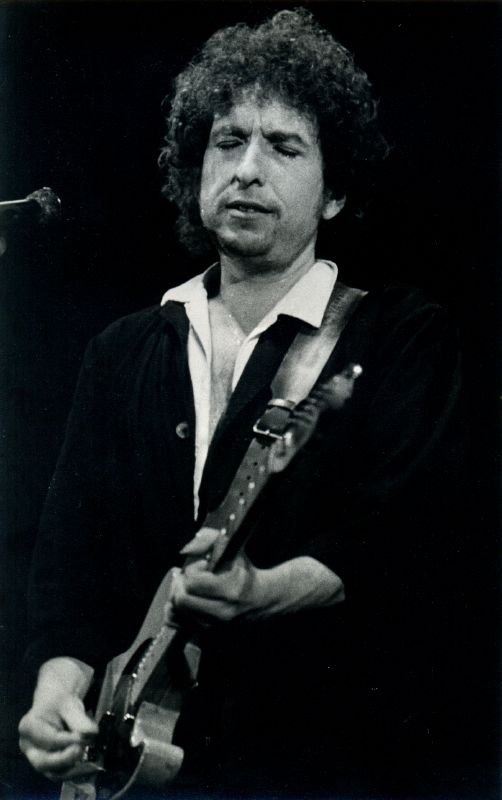
Bob Dylan’s “Blowin’ in the Wind” is like a question that never stops echoing. Released in 1962, it became a soundtrack for the civil rights and anti-war movements of the 1960s. Its simple melody and poetic questions made it easy for anyone to sing along, whether at a massive protest or a living room gathering. Dylan’s lyrics challenged listeners to think: How many times must injustice happen before we act? The song quickly spread among activists and was sung at marches, sit-ins, and rallies across America. It didn’t offer easy answers, but it made people realize they weren’t alone in their frustration and hope. “Blowin’ in the Wind” helped turn music into a tool for social change, and its message still rings true every time people ask, “When will we learn?”
Sunday Bloody Sunday by U2

When U2 released “Sunday Bloody Sunday” in 1983, they didn’t just create a hit song—they turned a tragedy into a rallying cry. The track was inspired by the 1972 massacre in Northern Ireland, where British soldiers shot unarmed protesters. With pounding drums and searing guitars, the song captured the chaos and heartbreak of that day. Bono’s vocals cut straight to the bone, expressing both anger and a desperate hope for peace. “Sunday Bloody Sunday” wasn’t just for Irish listeners; it resonated with people worldwide who knew violence and conflict. It became a staple at concerts, with crowds raising their voices against war and injustice. U2’s anthem made it impossible to ignore the pain of Northern Ireland, helping to spark conversations and support for peace efforts.
Imagine by John Lennon
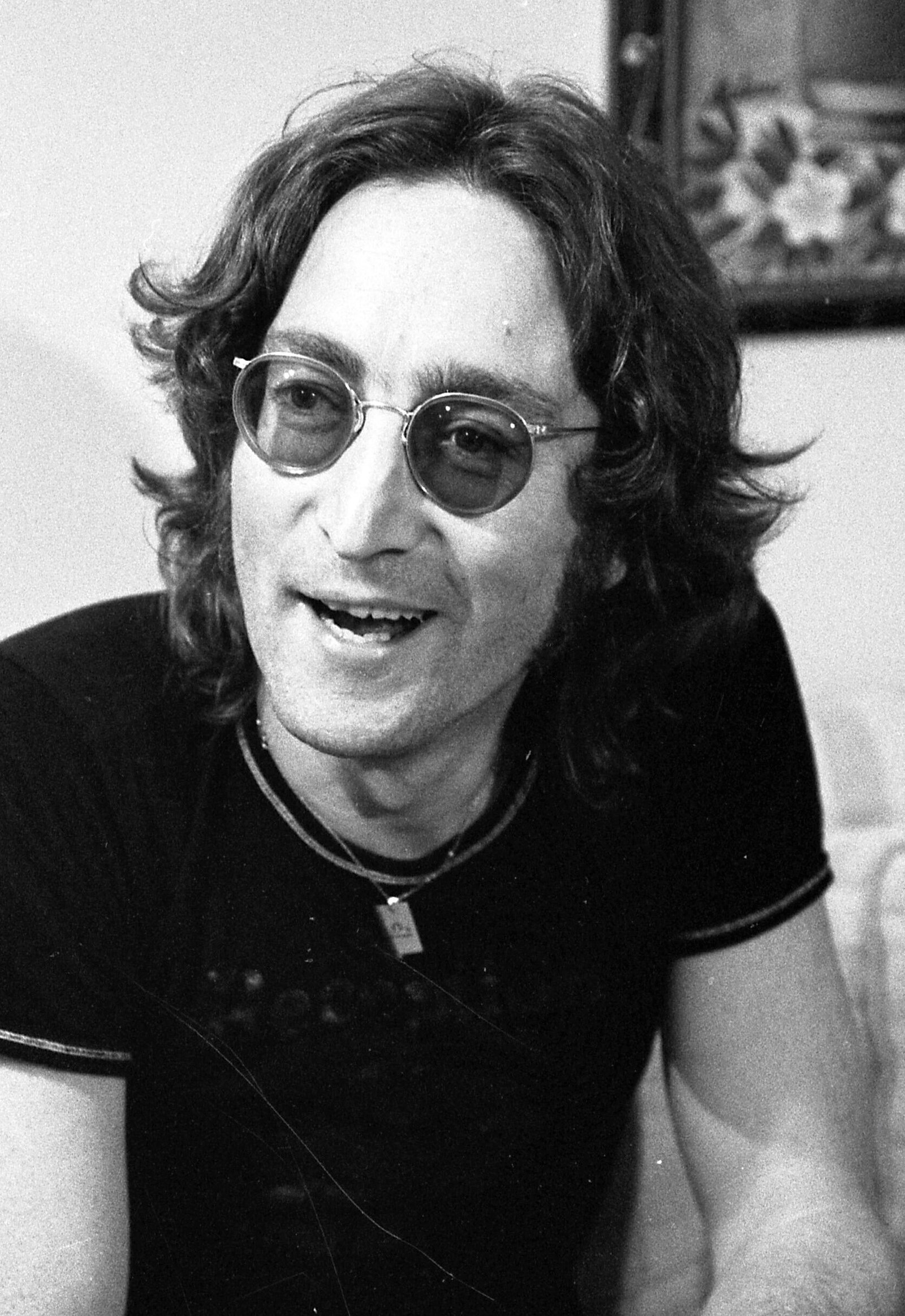
“Imagine” is a song that makes you stop whatever you’re doing and just listen. John Lennon’s gentle piano and soothing voice invite you to picture a world without borders, religions, or possessions—just people living in harmony. Released in 1971, the song quickly caught on with peace activists and dreamers everywhere. It became the unofficial theme for anti-war protests, especially during the Vietnam War. Lennon’s vision was both shocking and inspiring, asking people to rethink the way society was structured. Over the years, “Imagine” has been sung at rallies, vigils, and even political conventions. It’s a song that dares us to hope for the impossible and proves that big ideas can start with just a few simple chords.
Fight the Power by Public Enemy
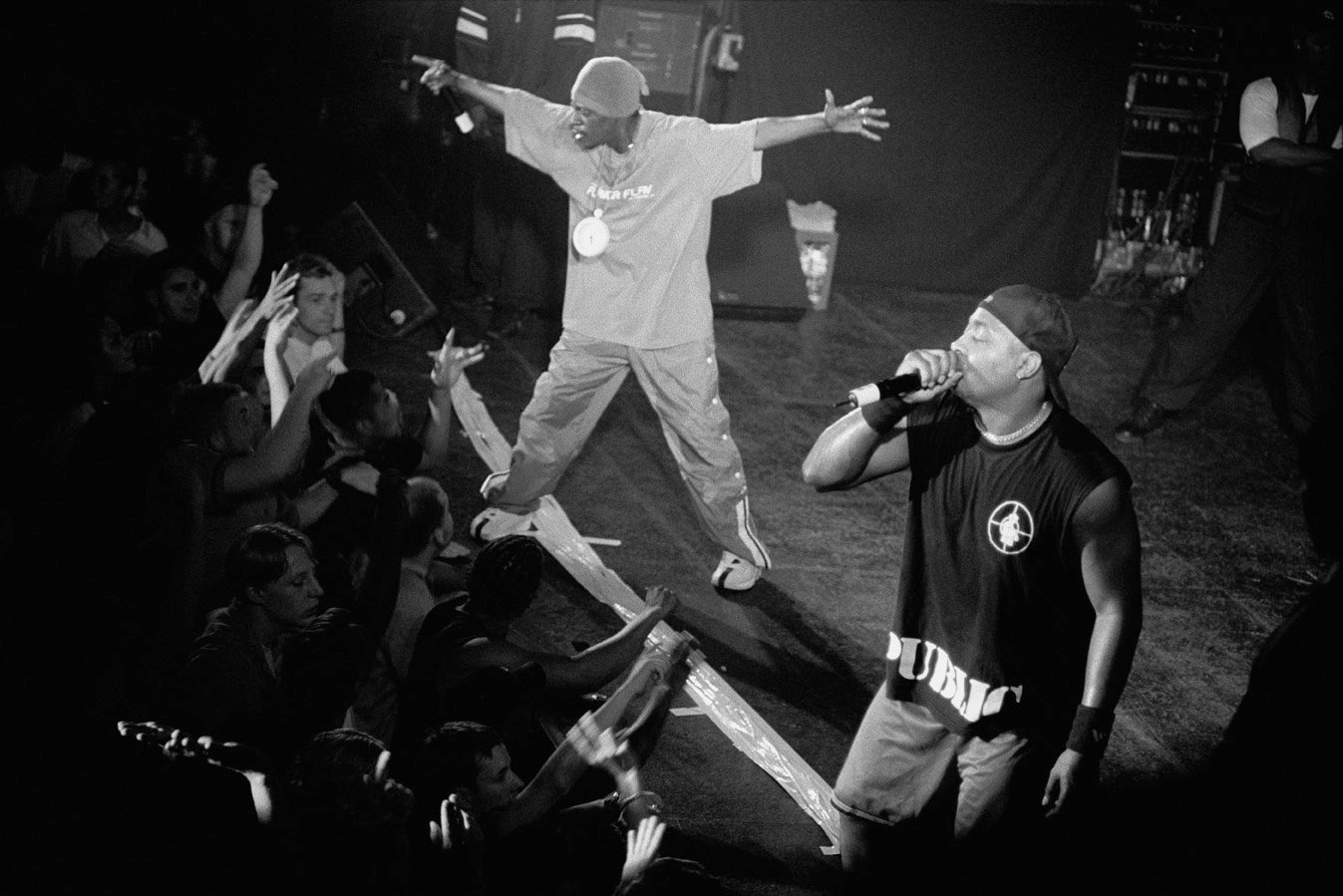
There’s a reason “Fight the Power” is still blasting out of speakers at protests today. When Public Enemy released this song in 1989, it was a shot of pure adrenaline for the hip-hop and activist communities. The lyrics take aim at racism, injustice, and the abuse of power, refusing to let anyone ignore the problems in society. The song was featured in Spike Lee’s movie “Do the Right Thing,” which only made its message even louder. “Fight the Power” became the anthem for a new generation of protesters, fueling marches and rallies with its hard-hitting beats and fearless words. It wasn’t just music—it was a battle cry, demanding that listeners stand up and take action. The energy and anger in the track made it clear: change wasn’t coming quietly.
Do You Hear the People Sing? from Les Misérables
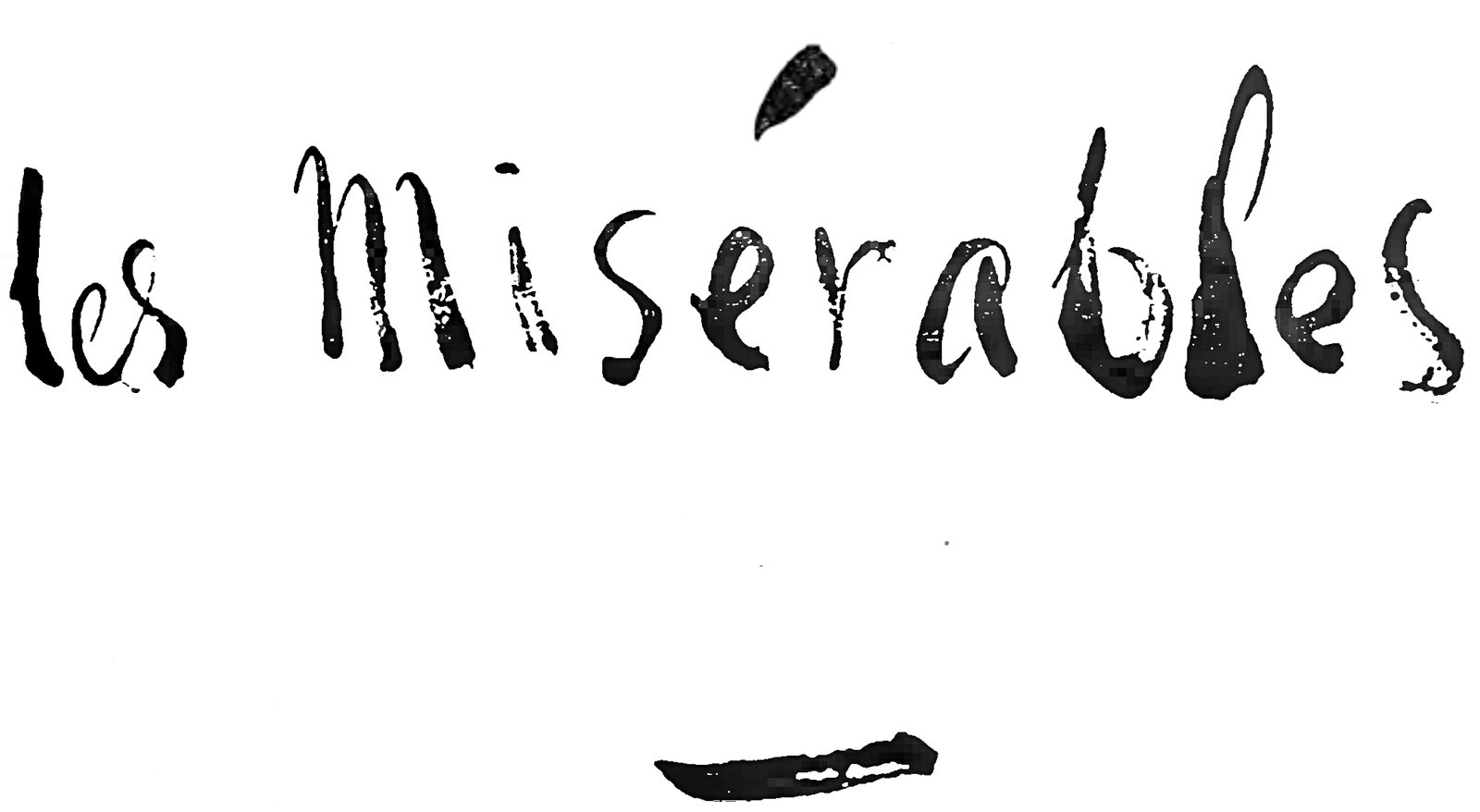
You don’t have to be a theater lover to recognize the power behind “Do You Hear the People Sing?” From the musical Les Misérables, this soaring song has been adopted by protest movements all over the globe. Its chorus is easy to chant, and its lyrics about rising up against oppression hit home for anyone fighting for freedom. Whether it’s sung on Broadway or in the streets of Hong Kong, the song unites people with its infectious hope and determination. Protesters have used it to rally crowds, boost spirits, and send a message that they won’t back down. The song’s universal appeal shows that the spirit of revolution can cross languages and borders. Every time it’s sung, it reignites the fire for justice.
Alright by Kendrick Lamar
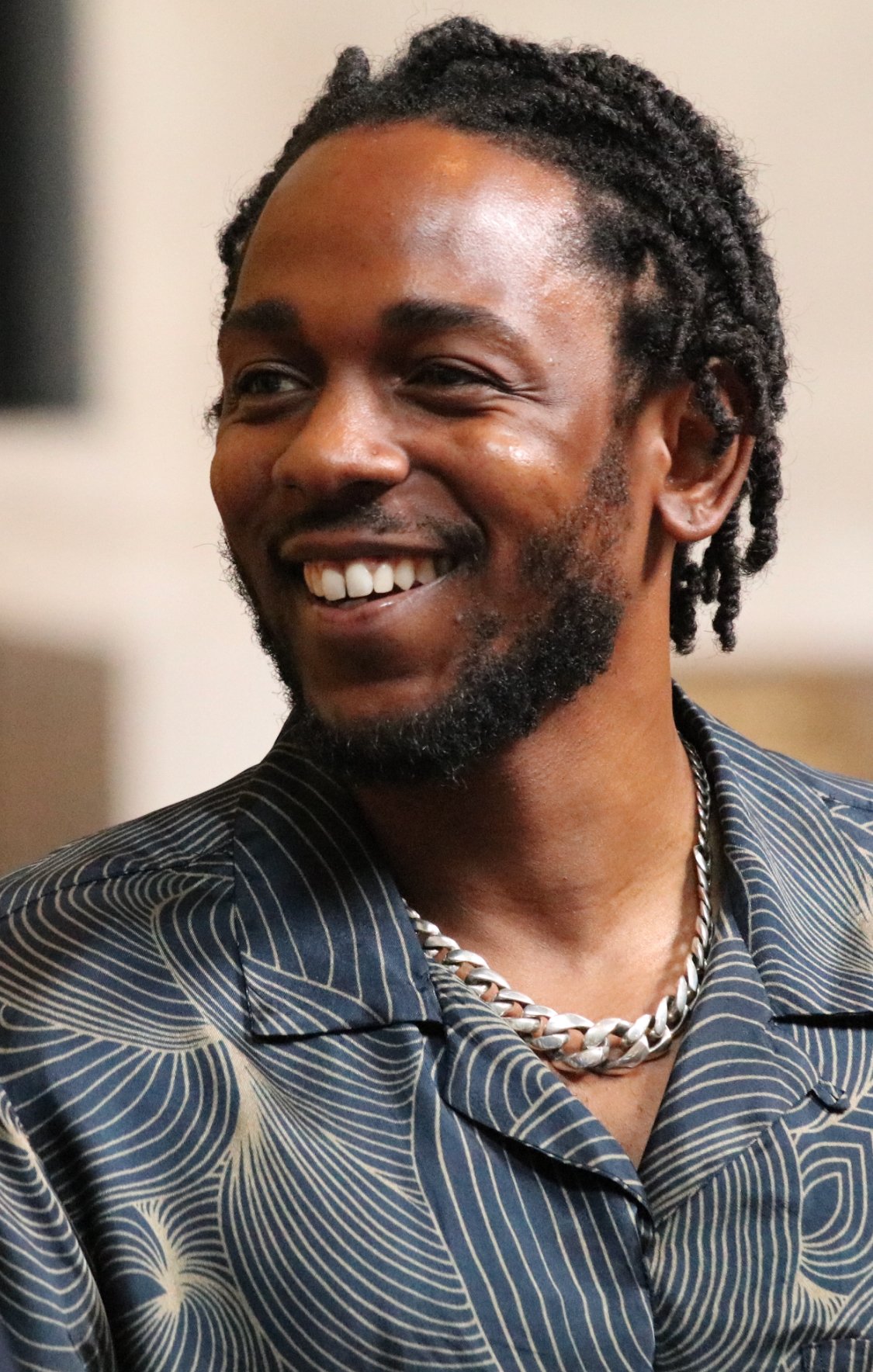
When Kendrick Lamar dropped “Alright” in 2015, it instantly resonated with a new generation facing old problems. The chorus, “We gon’ be alright,” became a chant at Black Lives Matter protests, giving people hope in the face of police brutality and systemic racism. Lamar’s lyrics don’t sugarcoat reality, but they offer a sense of resilience and togetherness. The song’s beat is infectious, making it easy for crowds to join in and feel powerful together. “Alright” became more than a hit; it was a lifeline, a reason to keep moving forward when things felt impossible. The track’s influence is still growing, showing up at rallies and in viral videos around the world. Kendrick managed to create a song that lifts spirits while demanding change.
Get Up, Stand Up by Bob Marley and the Wailers
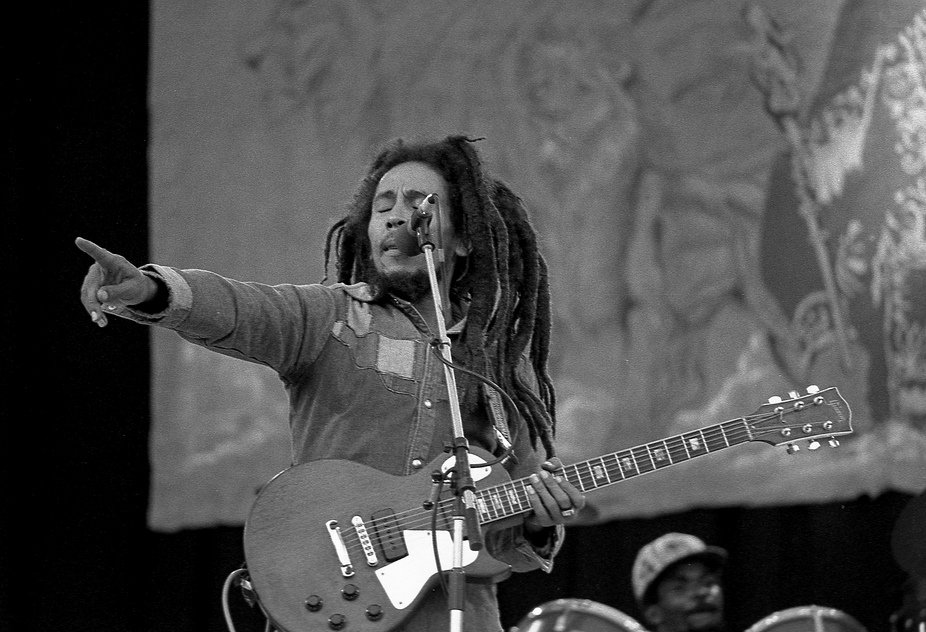
“Get Up, Stand Up” is a song that just makes you want to move, even if you’re not much of a dancer. Bob Marley and Peter Tosh wrote it after seeing the poverty and injustice in Haiti, and their frustration shines through every line. The song urges listeners to stand up for their rights and refuse to back down, no matter how tough things get. It quickly became an anthem for protest movements, especially those fighting colonialism and political corruption. People all over the world have sung this song at rallies, marches, and even in prison cells. Its simple, direct message cuts through fear and doubt, inspiring courage in the face of oppression. “Get Up, Stand Up” proves that sometimes, the best way to fight is to sing together.
We Shall Overcome
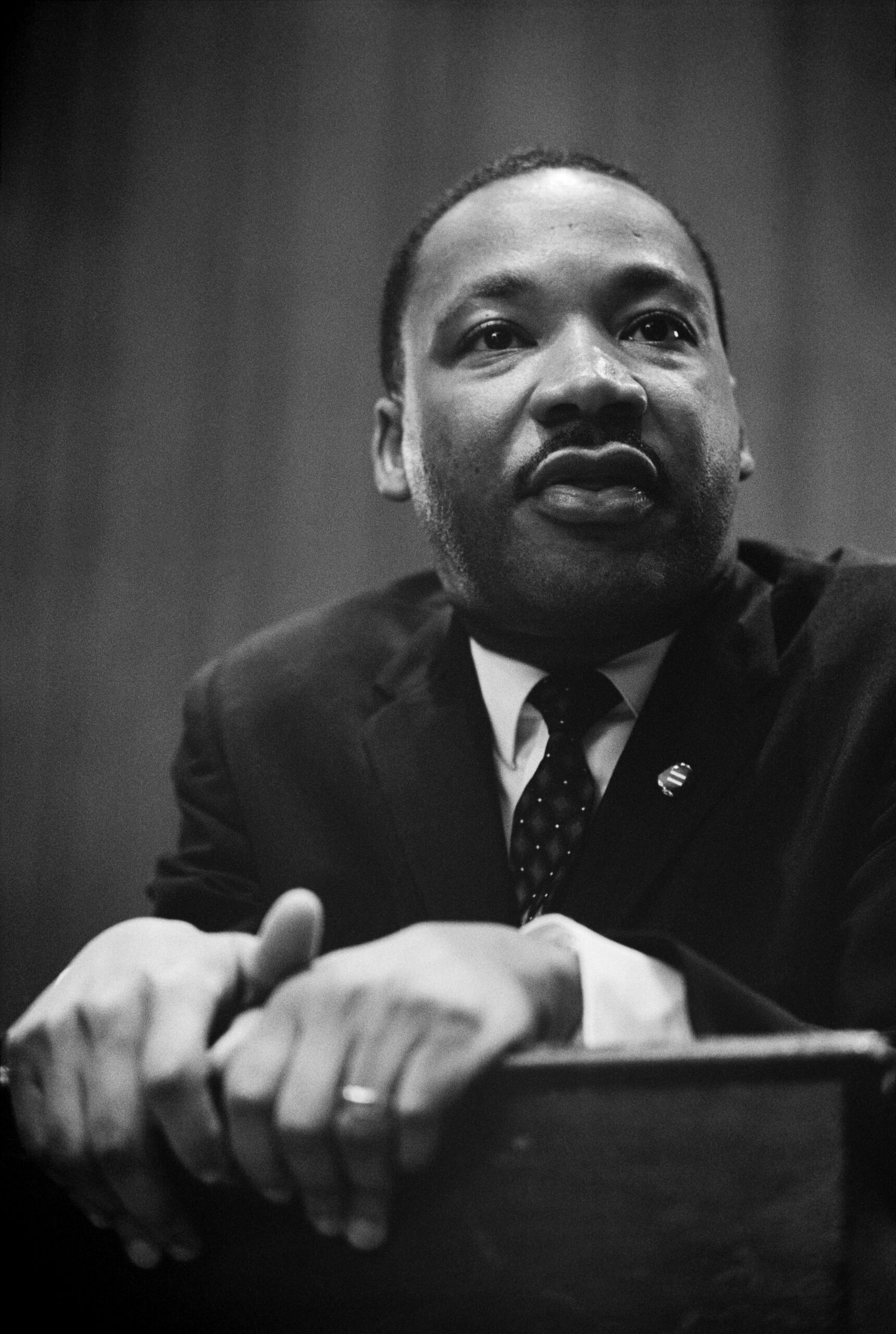
“We Shall Overcome” might just be the most famous protest song in American history. Its roots go back to gospel hymns, but it was in the hands of civil rights activists that the song truly took off. At marches, sit-ins, and jail cells across the South, people would join hands and sing it softly or loudly, depending on the moment. The lyrics are simple but powerful, promising that, no matter the struggle, victory is possible. The song became a symbol of unity and hope, even when everything else felt stacked against the movement. Leaders like Martin Luther King Jr. quoted its lines, and it spread beyond the United States to inspire movements around the world. “We Shall Overcome” reminds us that the fight for justice is never over but hope can carry us through anything.

Christian Wiedeck, all the way from Germany, loves music festivals, especially in the USA. His articles bring the excitement of these events to readers worldwide.
For any feedback please reach out to info@festivalinside.com
