


- 20 Songs You Didn’t Realize Were About Real-Life Feuds - February 25, 2026
- 12 Festival Ticket Frauds That Left Fans Broke and Locked Out - February 25, 2026
- 20 Stars Who Rebuilt Their Careers After Public Collapse - February 25, 2026
Strange Fruit: The Song That Broke the Silence on American Terror
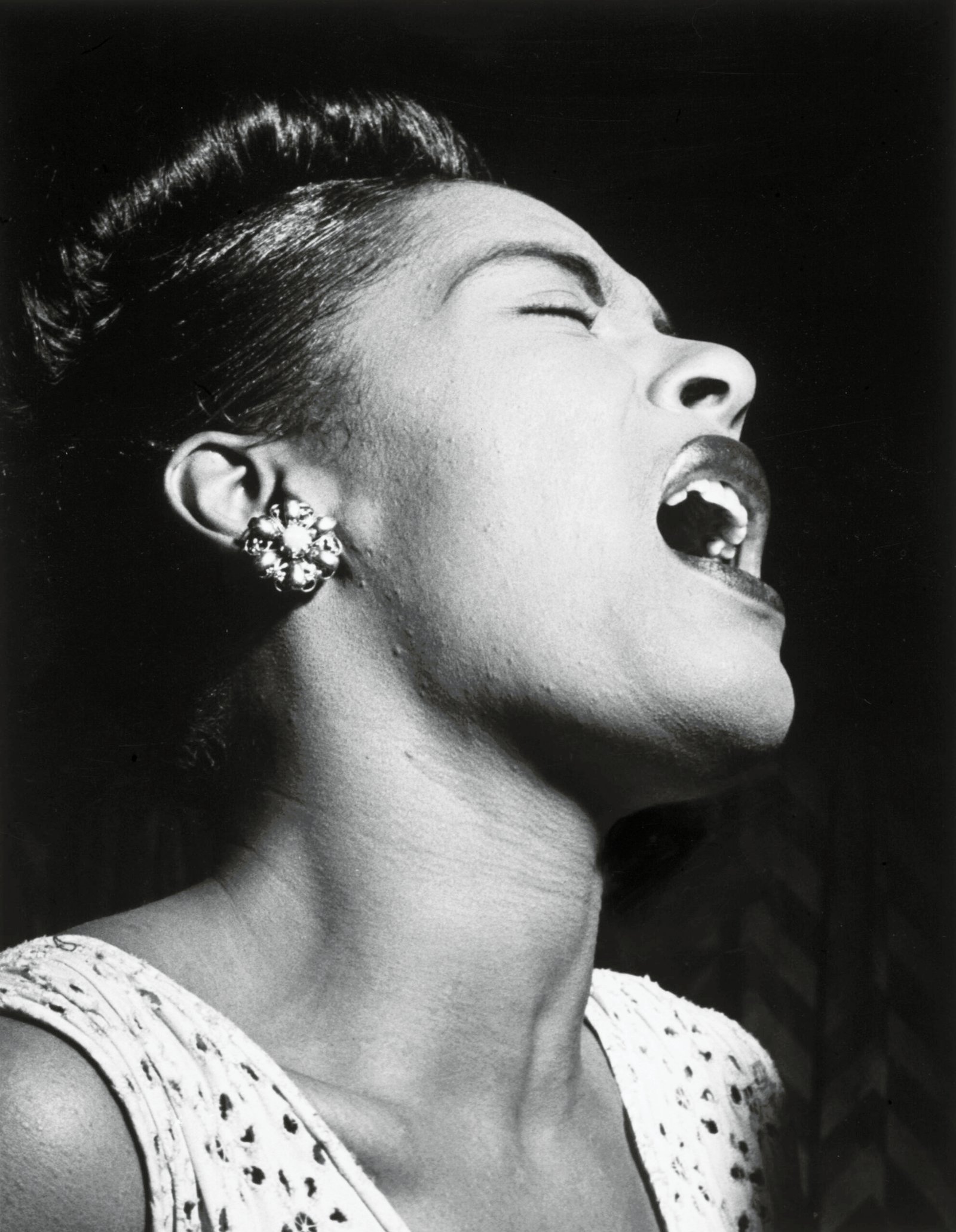
Picture this: it’s 1939, and a Black jazz singer steps onto a stage in Greenwich Village, about to perform a song so dangerous that the federal government would eventually hunt her down for it. Billie Holiday’s rendition of “Strange Fruit” wasn’t just music—it was “the first great Civil Rights Movement protest song” that represented “the first time that, at least in popular music, such a powerful anti-racist stance had been assumed.” The song was described as “a declaration of war” and “the beginning of the civil rights movement” by Atlantic Records co-founder Ahmet Ertegun. Holiday’s performance was significant because it represented one of the earlier high-profile musical protests against racism, which helped garner support for the civil rights movement. The song’s power was so threatening that federal narcotics chief Harry Anslinger demanded that she cease performing “Strange Fruit,” and when she refused, he began a campaign of harassment that would follow her until her death. The anti-lynching movement adopted “Strange Fruit” as its anthem, and activists were encouraged to mail copies of the song to their senators to achieve a two-thirds majority needed to break filibusters by Southern senators opposing anti-lynching legislation.
Bella Ciao: The Anthem That Never Was (But Became Everything)

Here’s something that might shock you: there’s little evidence that “Bella Ciao” was actually sung during World War II, with one historian stating “In the twenty months of the partisan war I have never heard people sing ‘Bella ciao’, an invention of the Spoleto Festival.” Yet this folk song, originally sung by rice paddy workers in Northern Italy, transformed into something far more powerful than its creators ever imagined. The song’s lyrics were modified in the 1940s to tell the story of a young man who bids farewell to his love to join the Italian partisans, and it was soon adopted as the anthem of the Italian partisans, sung worldwide today as an anti-fascist hymn of freedom and resistance. “Bella ciao” became one of the best-known partisan songs of the Italian anti-fascist Resistance and is continuously rewritten, reused, and relocated in different contexts for a range of causes. During the 2019 Hong Kong protests, “Bella Ciao” emerged as an anthem of resistance among demonstrators, with its historical anti-fascist roots resonating with protesters’ demands for greater political freedom, and it was sung during rallies and marches, symbolizing the struggle for democracy and the fight against perceived authoritarian encroachment.
Nkosi Sikelel’ iAfrika: The Hymn That Outlasted Apartheid
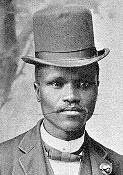
Sometimes the most powerful weapons are hidden in plain sight. “Nkosi Sikelel’ iAfrika” was composed in 1897 by Enoch Sontonga, a Xhosa clergyman at a Methodist mission school near Johannesburg, consisting of a single stanza in Xhosa and intended to be sung as a hymn. But what started as a church song became something the apartheid regime feared enough to ban outright. For decades during the apartheid regime it was considered by many to be the unofficial national anthem of South Africa, representing the suffering of the oppressed masses, and because of its connection to the ANC, the song was banned by the regime during the apartheid era. It was first sung as a church hymn but later became an act of political defiance against the apartheid regime, and it was sung as an act of defiance during the Apartheid years. The hymn was adopted as the African National Congress organization’s anthem in 1925, and it could be heard at most gatherings of protest and subsequently became a rallying cry and symbol of resistance. The song’s underground power was so significant that the band Bright Blue used “Nkosi Sikelel’ iAfrika” as the backdrop for their song “Weeping,” with symbolic lyrics about a man living in fear of an oppressive society, and the censor failed to notice this, with the song becoming immensely popular and reaching No 1 on the government’s own radio station.
Sunday Bloody Sunday: When Rock Met Resistance
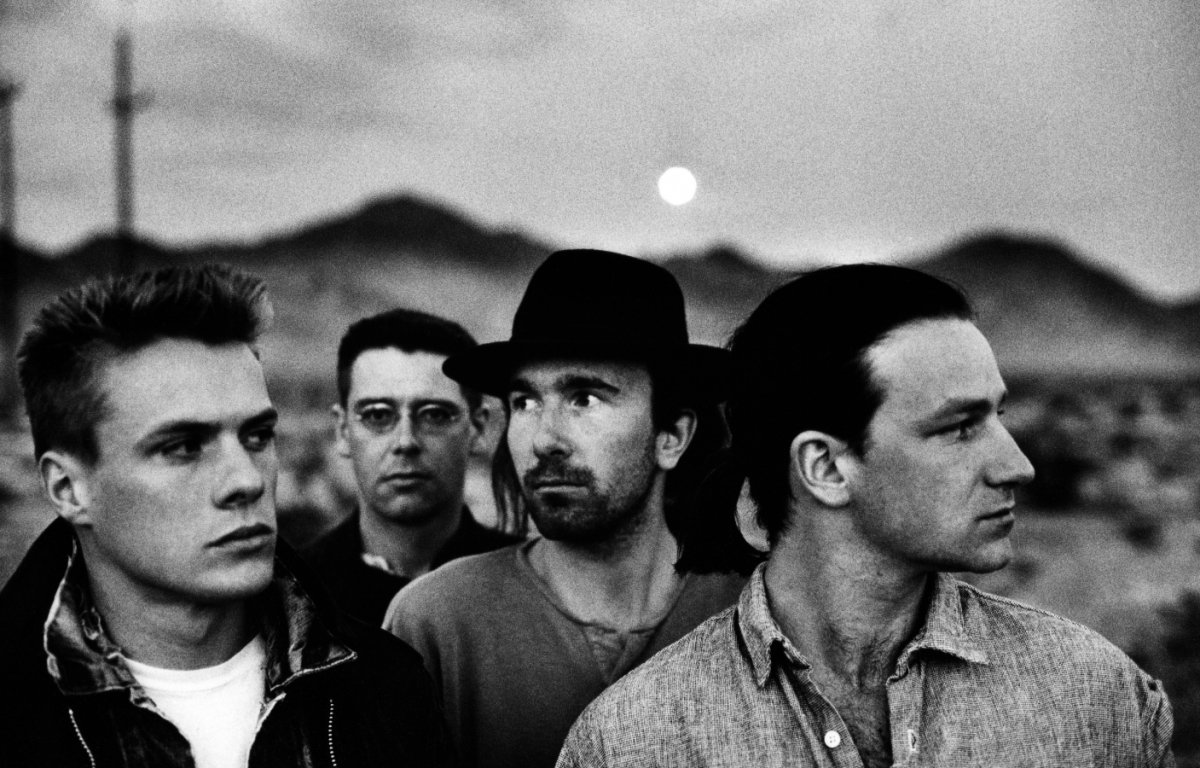
U2’s “Sunday Bloody Sunday” hit the airwaves in 1983, but its impact went far beyond commercial success. The song became a sonic manifesto for those fighting against British military violence in Northern Ireland, though the band was careful to present it as anti-violence rather than taking sides. What made this track particularly powerful in underground circles was its raw emotional honesty about the cycle of violence that had gripped the region for decades. The song’s driving beat and Bono’s passionate vocals created an anthem that could be felt in the chest as much as heard with the ears. Unlike many protest songs that preached to the choir, “Sunday Bloody Sunday” reached mainstream audiences while still resonating deeply with those living through the conflict. Its message of frustration with endless violence struck a chord in secret gatherings and informal resistance meetings, where people gathered to discuss politics away from watchful eyes.
El Pueblo Unido: The Song That Traveled in Suitcases
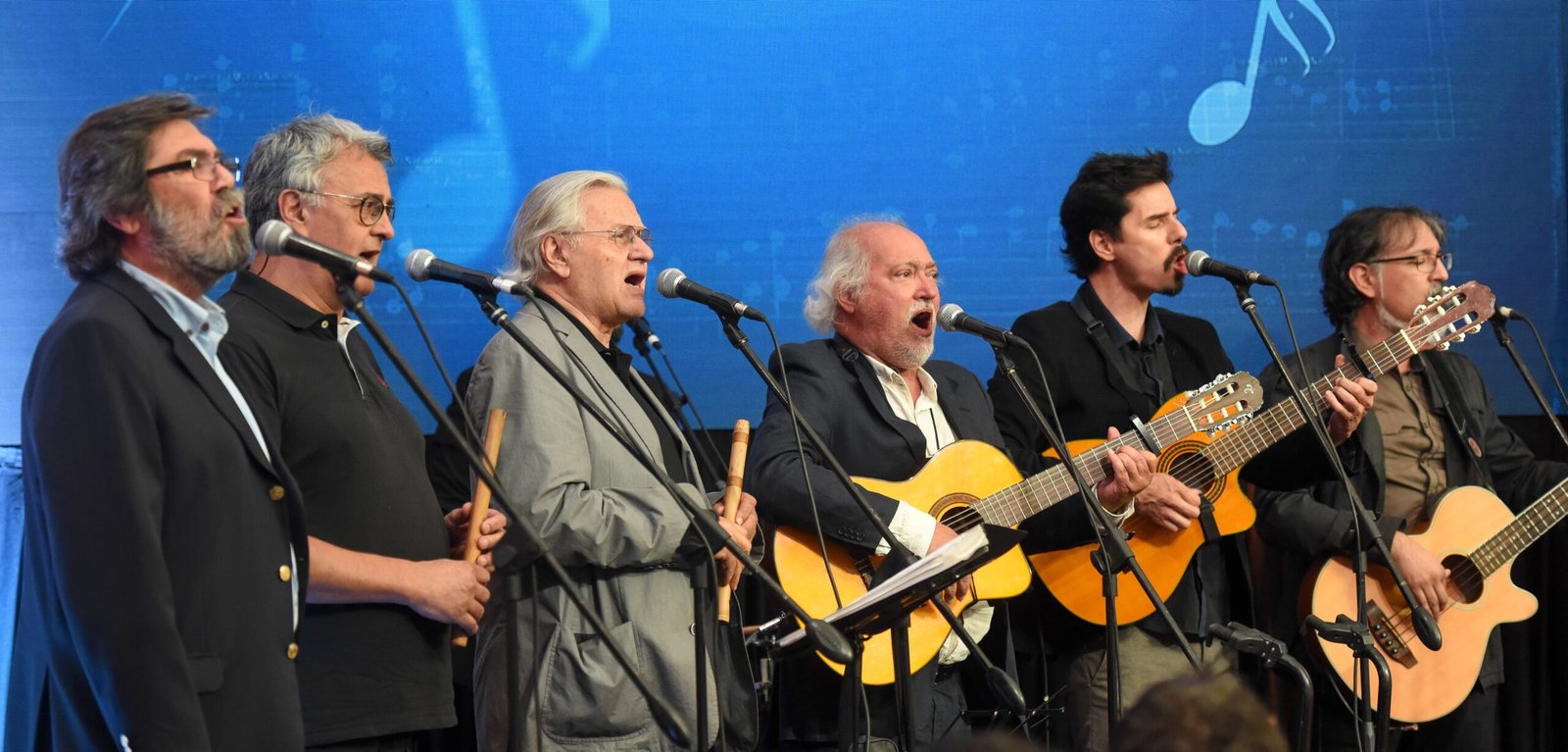
After Pinochet’s 1973 military coup in Chile, “El Pueblo Unido Jamás Será Vencido” (The People United Will Never Be Defeated) by Quilapayún became more than just a song—it became contraband. The haunting melody and defiant lyrics were banned by the military regime, but that only made it more powerful. Chilean exiles carried cassette tapes of the song hidden in their luggage as they fled to Europe, the United States, and other Latin American countries. In underground meeting halls in Paris, London, and Mexico City, Chilean exiles would gather and sing this anthem, their voices carrying both the pain of displacement and the hope of eventual return. The song spread beyond Chilean communities, becoming an international symbol of resistance against military dictatorships throughout Latin America. Folk singers like Pete Seeger helped bring it to North American audiences, while European solidarity movements adopted it as their own rallying cry.
Zombie: Fela’s Musical Revolution Against Military Mindlessness

Fela Kuti didn’t just make music—he created sonic warfare against Nigeria’s military dictatorship. His 1976 song “Zombie” was a direct attack on Nigerian soldiers, comparing them to mindless zombies who followed orders without thinking. The Afrobeat pioneer’s compound, Kalakuta Republic, became a fortress of creative resistance where musicians, activists, and intellectuals gathered to challenge the authoritarian regime. After government forces attacked his compound in 1977, destroying it and injuring Fela and his family, the musician’s influence only grew stronger in underground circles. Students at Nigerian universities would gather in secret to listen to his music and discuss political resistance. His songs were passed around on bootleg cassettes, reaching remote villages and urban slums where people found courage in his fearless critiques of corruption and military brutality. Even after multiple arrests and beatings, Fela continued to use his music as a weapon against oppression.
Soweto Blues: The Song That Smuggled Truth Across Borders
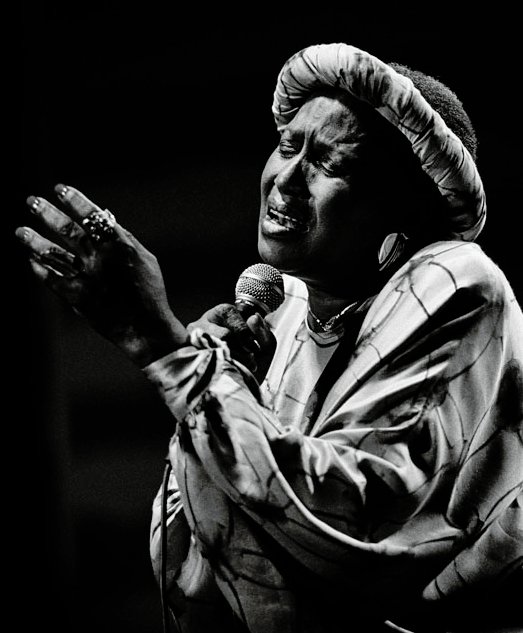
When South African authorities banned Miriam Makeba and Hugh Masekela’s “Soweto Blues” in 1977, they inadvertently created one of the most powerful underground anthems of the anti-apartheid movement. The song, which recounted the brutal 1976 Soweto Uprising where police killed hundreds of student protesters, couldn’t be played on South African radio or sold in record stores. But it found other ways to reach its audience. Underground networks smuggled cassette tapes into the country, hidden in clothing shipments, diplomatic pouches, and the luggage of sympathetic travelers. Young activists would gather in townships after dark, listening to the song on portable cassette players with the volume turned low. The haunting melody and lyrics became a secret language of resistance, with youth organizing committees using phrases from the song as coded messages. International solidarity movements embraced the song, playing it at anti-apartheid rallies in London, New York, and Stockholm, ensuring that the voices of Soweto’s fallen children would be heard around the world.
Wind of Change: The Ballad That Rode the Iron Curtain’s Fall
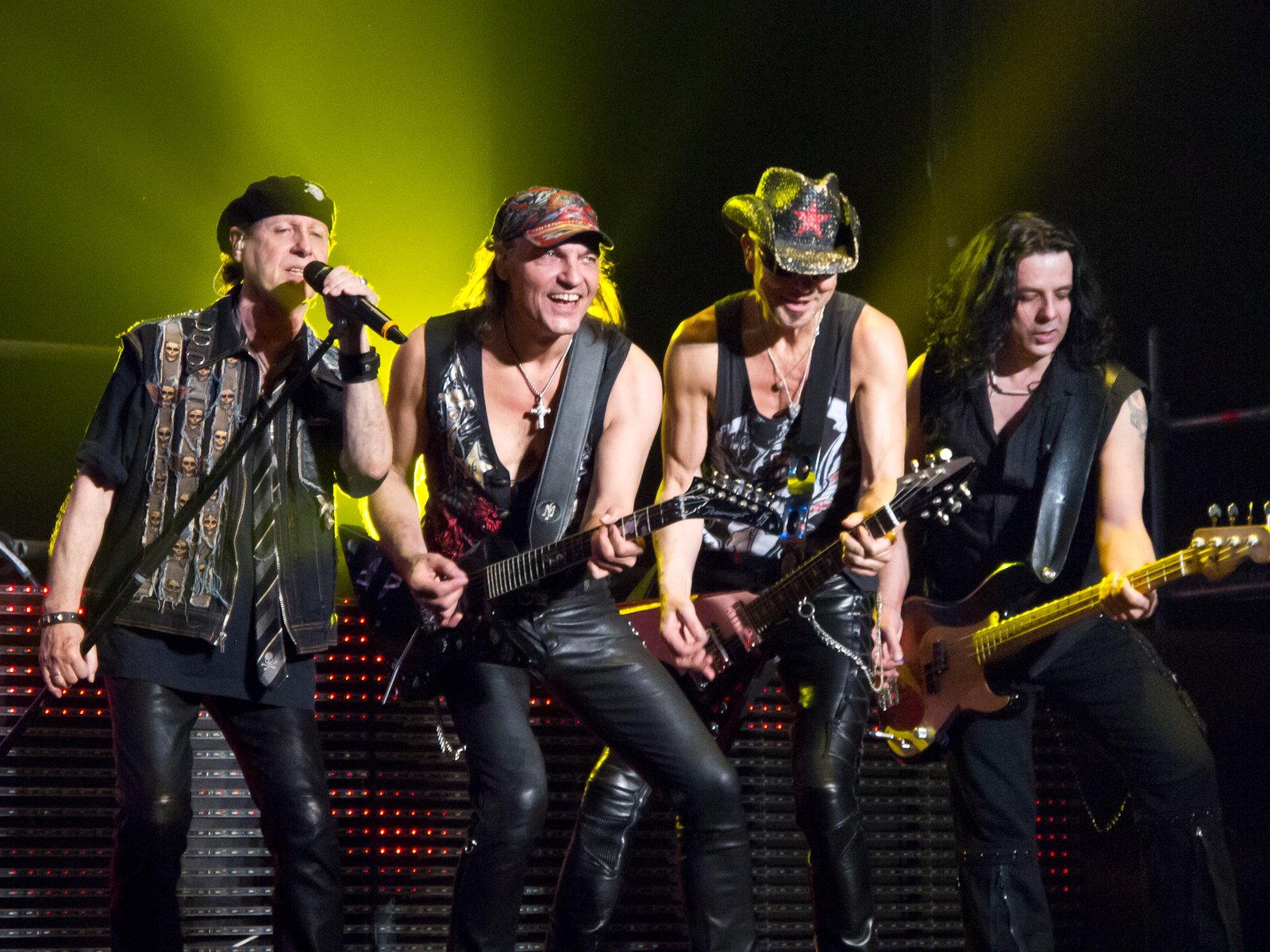
The Scorpions’ “Wind of Change” arrived at the perfect historical moment—just as the Soviet Union was crumbling and young people across Eastern Europe were hungry for freedom. The lyrics were composed by Klaus Meine following the band’s visit to the Soviet Union at the height of perestroika, and the song became a worldwide hit just after the failed coup that would eventually lead to the end of the Soviet Union. When the Berlin Wall fell on November 9, 1989, the song became the unofficial anthem for the German Reunification. What made this song particularly powerful in underground resistance circles was how it spread through bootleg cassettes and underground radio broadcasts across the Eastern Bloc. Many young Russian kids sensed that the whole Cold War generation would be over soon, and Klaus Meine tried to express that feeling of hope in the song. The song became a huge anthem of the changing Eastern Bloc and Soviet states, with kids finding the song via smuggled cassette tapes on the black market. Soviet president Mikhail Gorbachev invited Scorpions to the Kremlin to chat and perform “Wind of Change,” which Klaus Meine equated to “the Beatles meeting the queen.”
People Have the Power: Punk’s Promise of Revolution
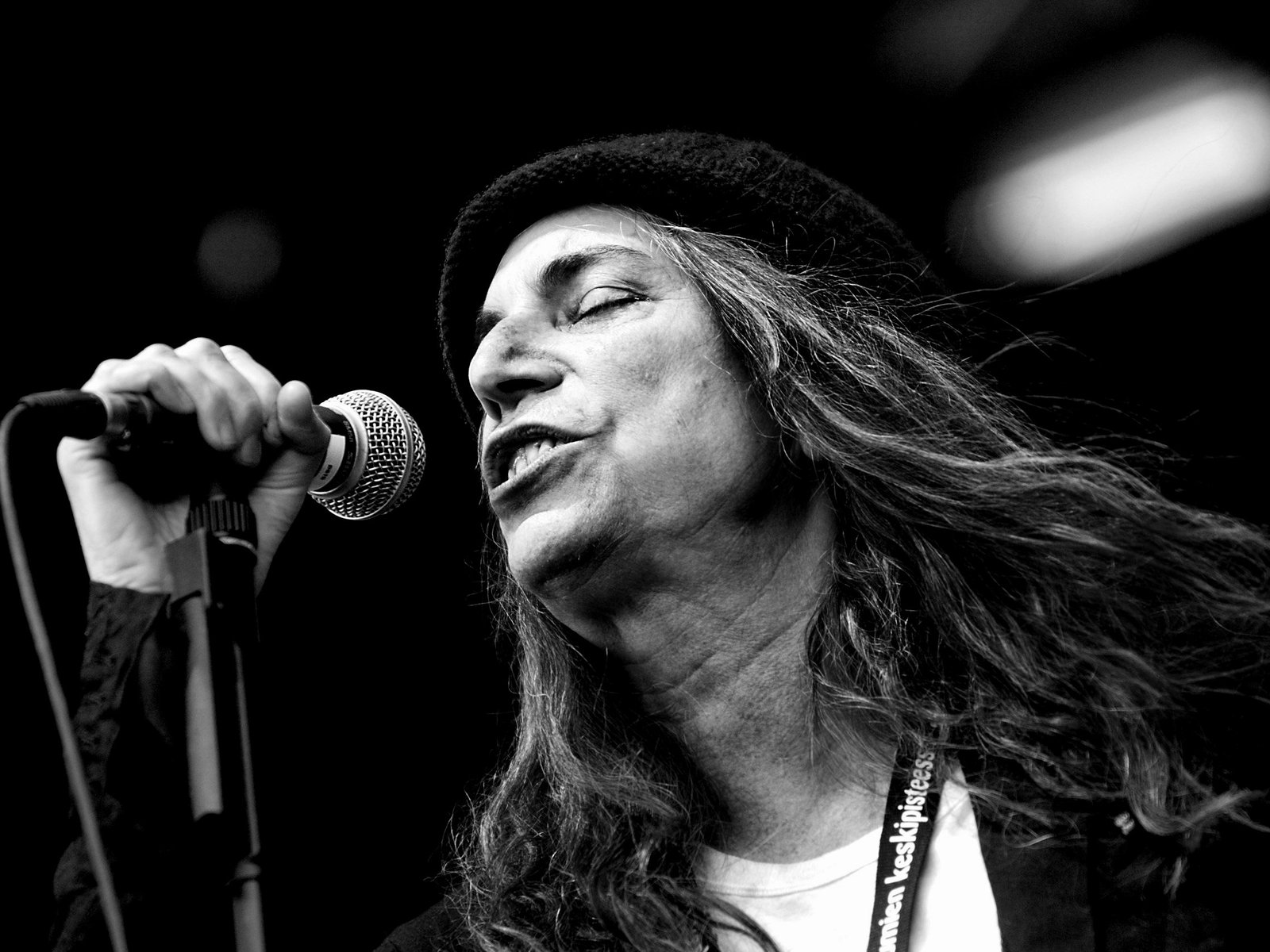
Patti Smith’s “People Have the Power” became more than just a song when it was released in 1988—it became a rallying cry for underground anarchist and anti-establishment movements worldwide. The track found its home in squats, underground clubs, and activist gatherings where young rebels were organizing against globalization and government overreach. What made this song particularly potent was Smith’s reputation as the godmother of punk rock, lending street credibility to its hopeful message. Unlike the nihilistic anger of many punk anthems, “People Have the Power” offered something revolutionary: optimism. In European squat houses and American activist collectives, the song became a ritual closing number at meetings and protests. The simple, powerful chorus could be chanted by crowds of any size, making it perfect for street demonstrations. Smith’s poetic lyrics combined political activism with spiritual awakening, appealing to both hardcore punks and more mainstream activists who were seeking alternatives to traditional political systems.
Dirty Harry: Digital Age Resistance in Musical Form
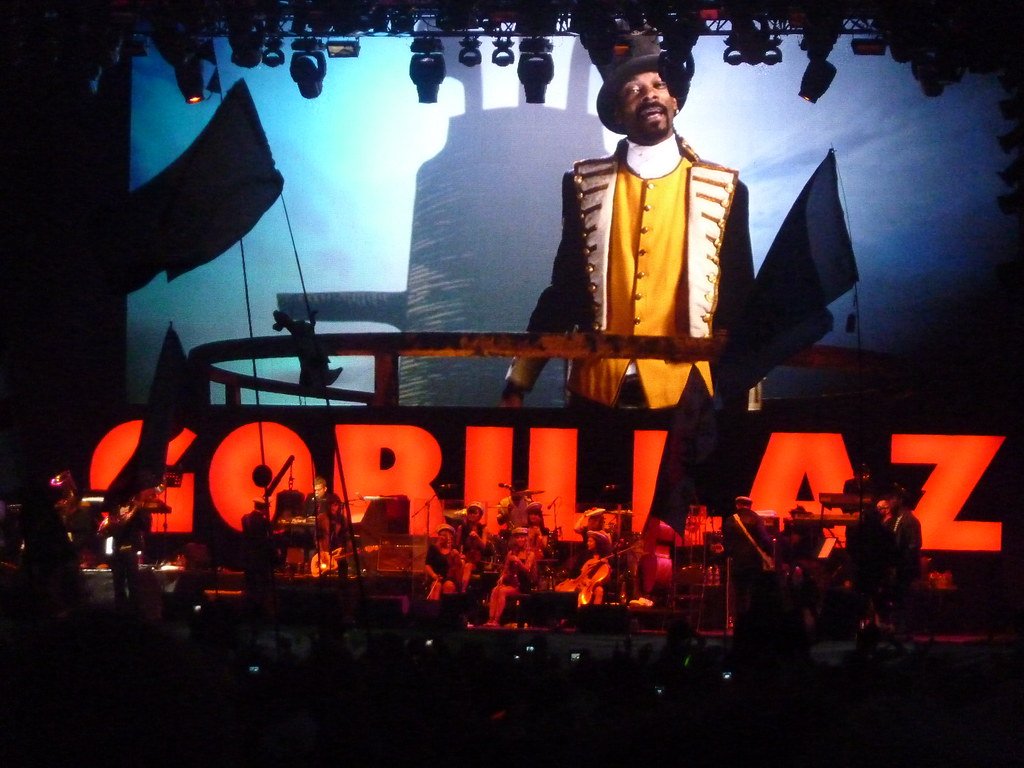
As the internet age dawned and global youth movements began organizing online, Gorillaz’s “Dirty Harry” emerged as an unlikely anthem for digital-age resistance. Released in 2005, the track’s veiled critique of Western militarism and oil wars resonated particularly strongly with cyber-activists and anti-war protesters who were using new technologies to organize resistance movements. The song’s unique blend of hip-hop, electronic music, and rock created a sound that felt both futuristic and urgent, perfectly capturing the mood of a generation that had grown up watching the Iraq War unfold on their computer screens. Underground forums and early social media platforms became spaces where activists shared and discussed the song’s political implications. Its cryptic lyrics and haunting melody made it popular among hacktivist groups and online communities that were developing new forms of digital protest. The virtual band’s anonymous nature also appealed to activists who understood the power of operating outside traditional celebrity culture and media control.
What strikes me most about these songs is how they found ways to survive and thrive despite—or perhaps because of—attempts to silence them. Whether smuggled on cassette tapes, whispered in secret gatherings, or shared through underground networks, each track proved that music has a unique power to carry resistance across borders and generations. Did you expect that some of these “underground” anthems would become so mainstream, or that governments would fear them enough to ban them outright?
CEO-Co-Founder
