

- Great Literature Offers Windows into Worlds We Might Never Otherwise See - March 23, 2026
- Uncovering a Lost Book Is Like Discovering a Treasure From the Past - March 23, 2026
- The Most Profound Coincidences Often Reveal Hidden Patterns in Life - March 23, 2026
There is something almost poetic about a single song outliving the fame that created it. Most people assume that once the spotlight fades, so does the money. The artist disappears from the charts, the radio moves on, and that catchy tune fades into nostalgic playlists. However, here is the thing: the music industry does not work that way.
A single major hit can generate substantial income through royalties, licensing, live performances, and continued streaming revenue that extends decades beyond the song’s initial release. Think of a hit song less like a shooting star and more like a piece of real estate. You build it once, and it keeps paying rent. Sync license royalties are paid when a song is licensed to a movie, TV show, commercial, or even a TikTok creator, and those paychecks can be enormous. Some of the artists on this list have quietly banked more money from one song than most musicians earn across an entire decade. Let’s dive in.
Don McLean – “American Pie”
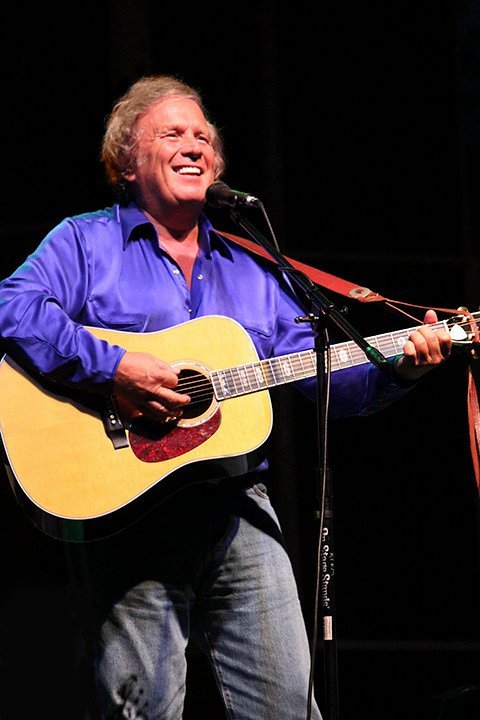
If there was ever a song that turned a single moment of inspiration into a lifetime of financial freedom, this is it. Released in 1971, “American Pie” spent four weeks at number one on the Billboard Hot 100 and became a cultural touchstone, widely interpreted as a meditation on the loss of innocence in American music following the 1959 plane crash that killed Buddy Holly, Ritchie Valens, and J.P. Richardson. Clocking in at over eight minutes, it was an audacious, unlikely hit that somehow conquered everything.
Don McLean earns around $500,000 a year in royalties from “American Pie” alone, and that’s just in a typical year with regular airplay. Those numbers get higher in years when huge stars like Madonna and Garth Brooks record covers of the song, or when it gets included in major films. McLean also holds the trademark on the words “American Pie,” which means Universal Pictures has paid licensing fees any time they put out an American Pie movie. Don McLean has a net worth of $50 million, and one song is responsible for a breathtaking share of it.
PSY – “Gangnam Style”

I know it sounds crazy, but a silly horse-riding dance from a South Korean rapper genuinely changed the economics of music virality forever. The song “Gangnam Style” exploded into the mainstream music scenes around the world, officially charting at number one on the iTunes Music Video Charts on August 21, 2012. “Gangnam Style” has been viewed more than 3 billion times on YouTube since its release on July 15, 2012. Nothing had ever moved quite that fast before.
Considering the combined total from various sources like music sales, concerts, and endorsements, Gangnam Style is believed to have earned PSY more than $20 million. On top of that, PSY earned an estimated $8 million from endorsement deals with brands like Samsung. PSY is a South Korean rapper who has a net worth of $60 million, with the vast majority of that fortune traceable to one unstoppable cultural explosion of a song.
Sir Mix-A-Lot – “Baby Got Back”
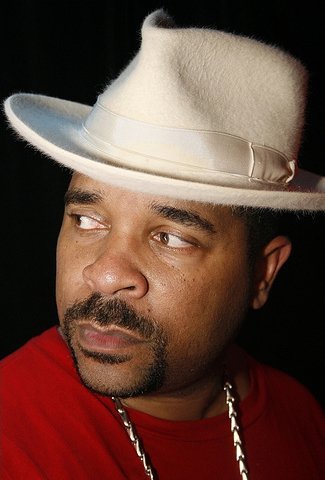
Sir Mix-A-Lot served up one of the biggest novelty rap smashes ever in 1992. His “Baby Got Back” barrelled to the number one spot in the US, where it went double-platinum. Critics didn’t know what to make of it at first. Radio stations debated it. Then the public simply decided to love it, and that was that. It became one of the defining cultural artifacts of the entire decade.
Here is where it gets genuinely impressive: “Baby Got Back” earns Sir Mix-A-Lot around $500,000 per year. When Nicki Minaj released her song “Anaconda” in 2014, it heavily sampled “Baby Got Back,” which not only revived the popularity of the original but introduced the song to a whole new generation of listeners. Sir Mix-A-Lot built an estimated $30 million net worth primarily from this one track’s incredible staying power across multiple revenue streams.
Vanilla Ice – “Ice Ice Baby”
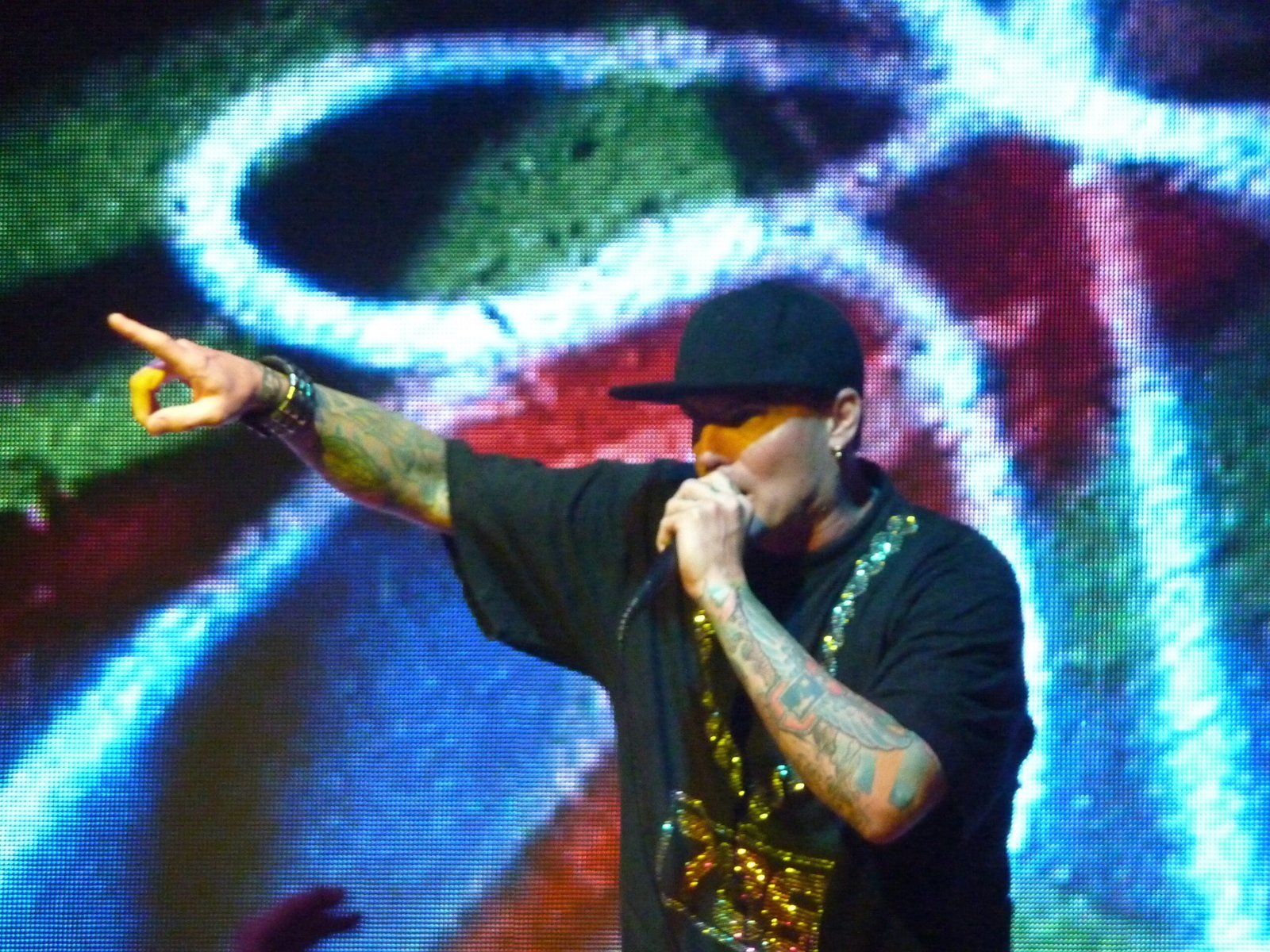
Let’s be real: for years, Vanilla Ice was the punchline of every conversation about one-hit wonders. The early nineties rap novelty act, the questionable hair, the stolen bass line. People laughed. Meanwhile, the man kept cashing checks. “Ice Ice Baby” famously sampled (without permission) the Queen and David Bowie song “Under Pressure,” meaning Queen and David Bowie’s estate are getting a cut of all royalties. So if Vanilla Ice is earning royalties, that’s after everyone got their cut.
Documents reveal that Rob Van Winkle, better known as Vanilla Ice, still makes a dependable sum of more than $800,000 a year, and is worth almost $10 million. Television shows and movies frequently license the track for comedic effect or period authenticity. Radio stations serving audiences who grew up in the nineties maintain it in rotation. The combination of media licensing, streaming income, and live performances proves this controversial hit has serious financial legs. The last laugh, it turns out, belonged to Ice.
Gotye – “Somebody That I Used to Know”

Belgian-Australian artist Wally De Backer, known as Gotye, released “Somebody That I Used to Know” in 2011, with the Kimbra duet rolling out internationally through early 2012. The self-written track became an enormous global earworm. With 10.8 million copies sold worldwide, it was 2012’s best-selling single after Carly Rae Jepsen’s smash and a double Grammy winner. The music video was visually arresting, stripped down, and impossible to ignore.
“Somebody That I Used to Know” became the best-selling single of 2012 and is today the most streamed one-hit wonder on Spotify. Choosing his musical integrity over fame and fortune, Gotye turned down lucrative deals to further capitalize on his song, but he netted himself quite the sum of money anyway. Thanks to the success of his song, Gotye is worth an astounding $10 million, all from one beautifully melancholic track he largely crafted on his own terms.
A-ha – “Take On Me”
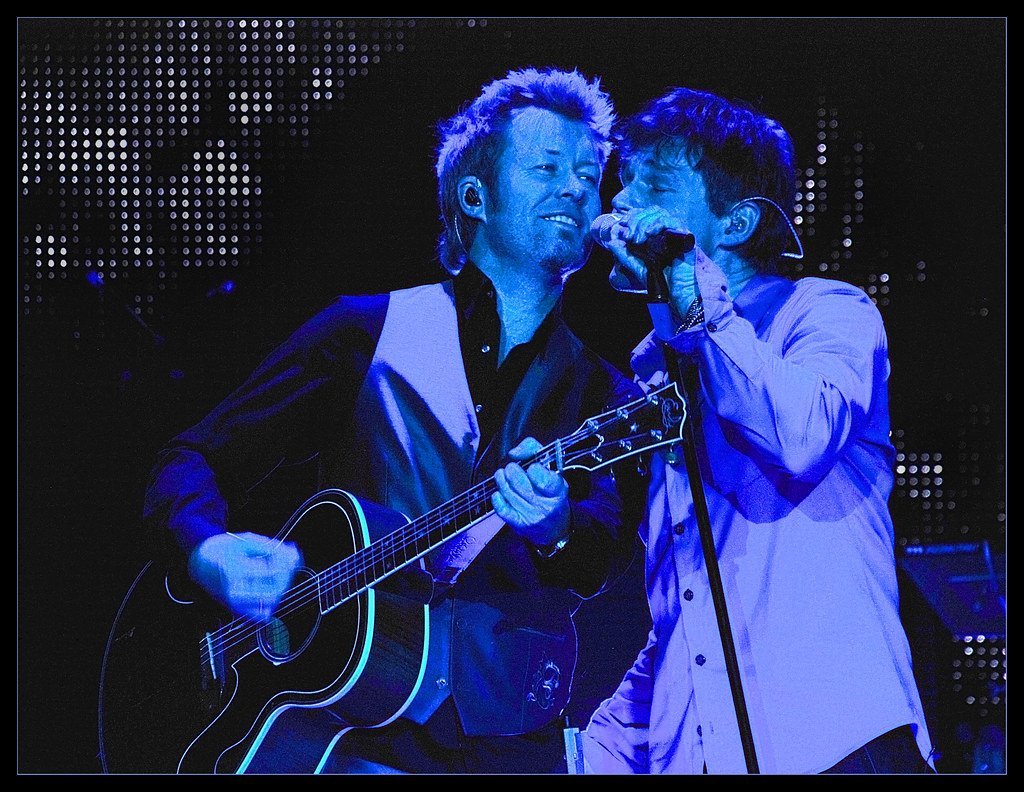
Honestly, most people outside Scandinavia probably couldn’t name a single other A-ha song. That is no insult. It’s simply the reality of what happens when you create something so iconic that it swallows everything else you ever do. With a memorable music video to boot, the song made A-ha a staple of the MTV era of music. Harket was able to capitalize on the song’s success and turn A-ha into one of the most profitable live groups of all time. At one time the group even held the world record for the largest selling concert with 198,000 tickets sold.
This Norwegian trio’s combined net worth sits around $60 million, with this single track responsible for the lion’s share. Licensing agreements for movies, TV shows, and advertisements keep adding zeros to their bank statements. The song perfectly captures eighties nostalgia while remaining fresh enough for new generations to discover and love. There is a certain timelessness about “Take On Me” that has allowed it to remain popular with many different generations. While other one-hit-wonders often reap the financial rewards of their songs while fading into obscurity, A-Ha have been able to use the success of “Take On Me” to continue to remain popular and profitable.
Carly Rae Jepsen – “Call Me Maybe”

(Original text: emailed to Roderick Santos by Armand B. Frasco of https://www.flickr.com/groups/pinoycentric/), CC BY 1.0)
Carly Rae Jepsen first appeared on the radar in 2007 as a Canadian Idol finalist, but truly exploded globally in 2012 with her bubblegum pop confection “Call Me Maybe,” which she co-wrote. Topping charts in 18 countries, it was that year’s best-selling single, shifting an incredible 12.5 million copies. To date, the track has racked up 1.7 billion YouTube views.
Although Jepsen later enjoyed solid successes, including “Good Time” with Owl City and “I Really Like You,” none even came close to the once-in-a-generation impact of her signature smash. Some one-hit wonders generate more income years after their release than during their initial chart run, particularly through licensing to films, television shows, and advertisements that expose them to new audiences and create additional royalty opportunities. “Call Me Maybe” is a textbook example, still appearing in commercials, TV montages, and nostalgia compilations around the world in 2026.
Dieter Meier (Yello) – “Oh Yeah”
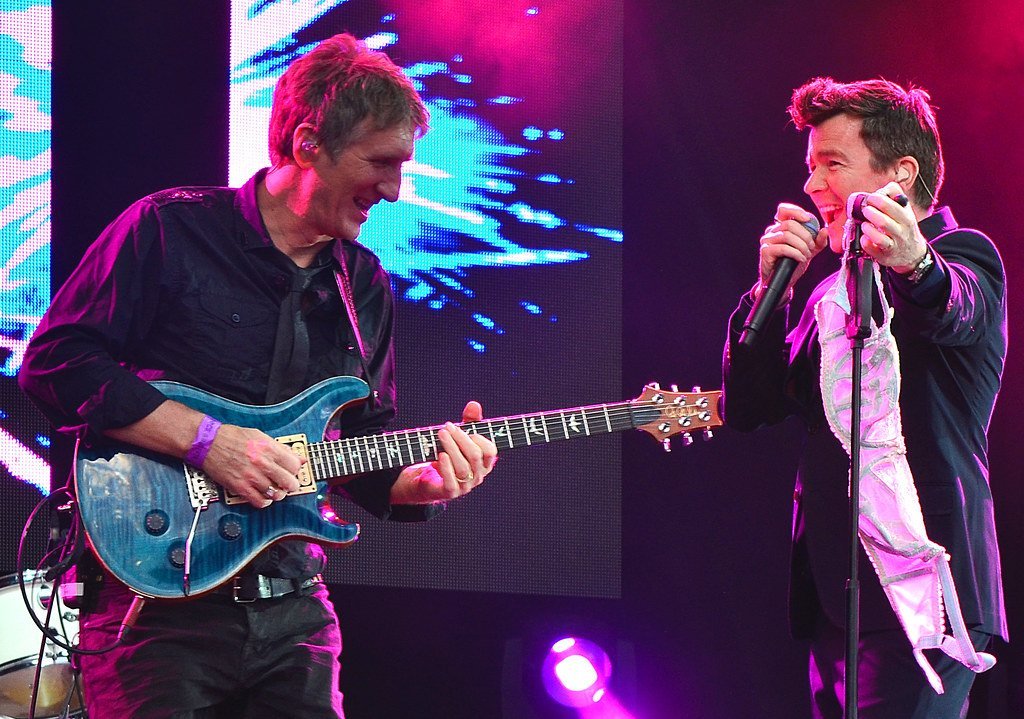
Most people have heard “Oh Yeah.” Very few people could tell you who made it. That deep, rumbling synth voice from the 1985 Yello track is one of the most recognizable sounds in movie history, featured in films like “Ferris Bueller’s Day Off” and “The Secret of My Success.” The lyric-light electro-pop classic appeared on the soundtracks of multiple high-profile eighties movies. It became a cultural shorthand for excess, desire, and the delirious spirit of the decade.
Yello is a duo consisting of Boris Blank and Dieter Meier, the latter a man of many interests and talents, which include gambling at a professional level and playing for Switzerland’s national golf team. According to the Wall Street Journal, Meier took the royalties generated by his band’s one and only smash hit and invested them into currency concerns and train companies. Meier made himself as rich as an act with a long string of well-known songs, investing his windfall and transforming it into a fortune of about $175 million. That is the smartest move any one-hit wonder has ever made.
Gary Portnoy – “Where Everybody Knows Your Name” (Cheers Theme)
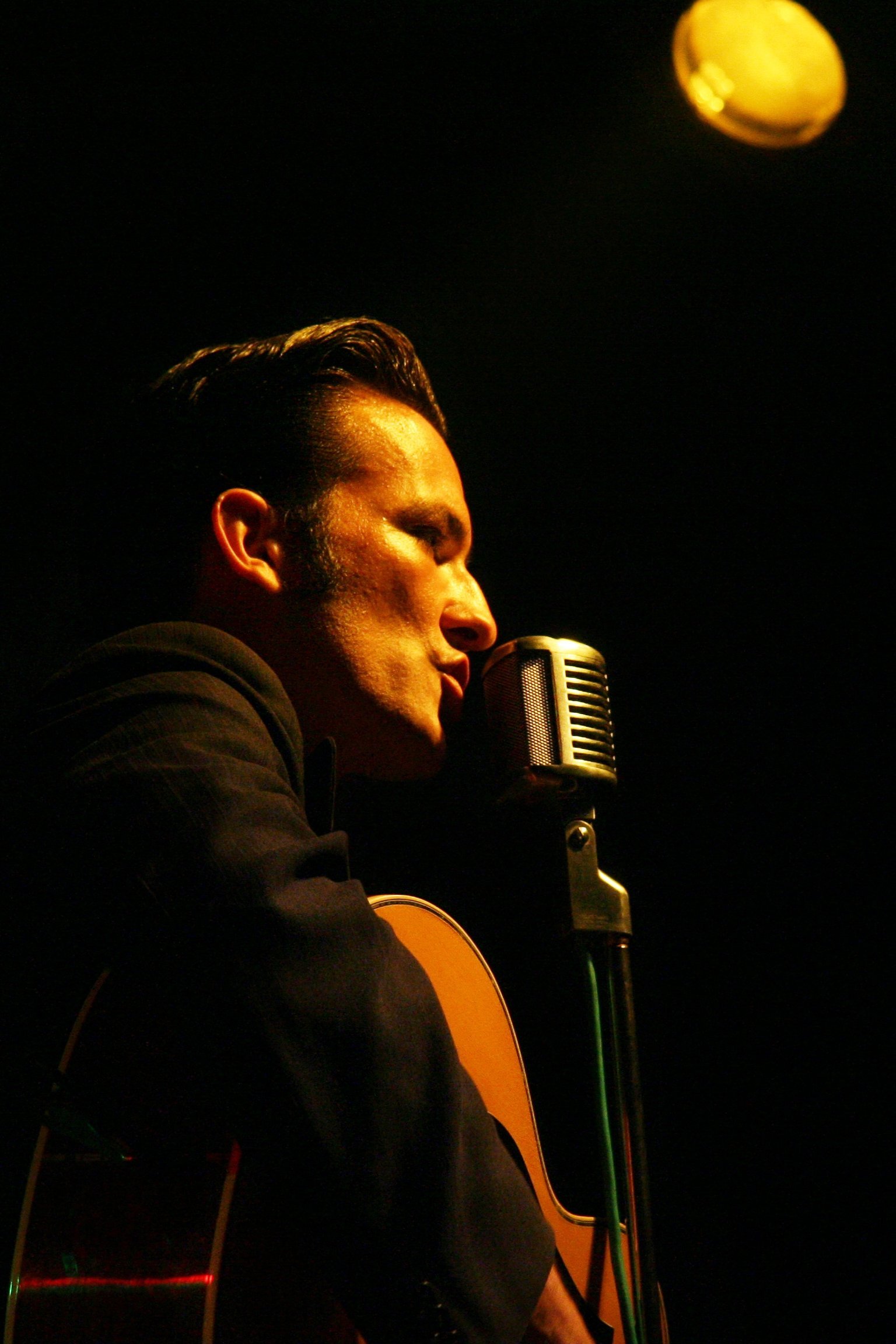
It’s hard to say for sure whether Gary Portnoy ever imagined his song would outlive nearly every other piece of music written in the early eighties, but that is exactly what happened. Portnoy was a young songwriter without a lot of clout in the entertainment industry when he wrote and performed the “Cheers” theme in 1982, and he had little choice but to sign over the publishing rights to the song to “Cheers” producer Paramount Pictures. It felt like a risky bargain at the time.
As the writer of the song, Portnoy earns half of all royalties generated every time the “Cheers” theme plays somewhere, not just on the radio but on TV. “Cheers” was a massively successful show, running on NBC for 11 years, with its reruns perpetually syndicated and streamed, meaning Portnoy has made multiple millions from just that one song. When Portnoy was asked in a 2012 interview if he could have lived off of “Cheers” royalties and never worked again, the songwriter laughed and said, “Yes, it has been a comfortable life.”
Luis Fonsi – “Despacito”

A defining anthem of the late 2010s, “Despacito” was more than just a hit – it was a cultural earthquake. It became the first Spanish-language song to reach one billion YouTube views in a matter of months and remains the second most-watched video on the platform. The remix featuring Justin Bieber broadened its global reach, securing chart-topping positions in over 40 countries. Nothing in the world of streaming had ever moved quite like this before.
Despacito’s estimated revenue reached $25 million, and in 2022, Luis Fonsi sold his full music catalogue for $100 million to HarbourView Equity Partners, underscoring the value of a hit well beyond its initial run. Think about that for a moment. One song with such an enormous gravitational pull that it inflated the value of an entire catalog to nine figures. Songs that become cultural touchstones or define specific eras command premium licensing fees for use in media projects seeking to evoke particular time periods or emotional responses, and “Despacito” defined its era more completely than almost any other song in modern memory.
The Lasting Legacy of One Extraordinary Song

There is a lesson buried in all of these stories, and it has nothing to do with luck. Well, maybe a little luck. Many one-hit wonders earn more from their single successful track than artists with longer careers earn from entire catalogs. A song that captures lightning in a bottle does not expire when the radio moves on. It lives inside TV shows, advertisements, movie soundtracks, streaming playlists, and the emotional memories of millions of people.
One-hit wonders serve crucial roles in music history as cultural time capsules, genre experiments, and demonstrations of music’s democratic nature where anyone can potentially create something that resonates with millions. These songs often capture specific moments in cultural evolution better than artists with sustained careers who must evolve with changing times. Some artists on this list turned that moment into financial empires. Others simply let the royalties roll in quietly for decades.
Honestly, there is something deeply satisfying about that. The music industry obsesses over longevity, over artists who build decade-spanning careers. Yet here are people who wrote one perfect thing, and that one perfect thing paid for everything. Longevity means that hits can generate royalties for decades, even centuries. Cultural reactivation through media exposure or seasonal trends can reignite popularity. Global reach means language and borders are no longer barriers to streaming revenue. The next time a song gets stuck in your head, remember: somewhere, someone is getting paid every single time that happens.
So here’s a question worth sitting with: if you could write just one perfect song and live comfortably for the rest of your life, would you take the deal? Most people would answer yes in a heartbeat – and these ten artists prove it was more than just a dream. What do you think? Let us know in the comments.

Besides founding Festivaltopia, Luca is the co founder of trib, an art and fashion collectiv you find on several regional events and online. Also he is part of the management board at HORiZONTE, a group travel provider in Germany.
