

- 10 pop stars who passed away too soon. - April 10, 2026
- 12 Great Debut Albums That Made Music History - April 10, 2026
- 12 Legendary Fashion Items That Defined an Entire Generation - April 10, 2026
There’s a funny thing that happens when you revisit a movie from your childhood as a grown adult. You sit down expecting nostalgia. What you get instead is something that almost feels like a gut punch. Themes you completely missed as a kid suddenly hit you square in the chest, characters you overlooked become the most interesting people in the room, and moments that once made you giggle now leave you staring at the ceiling in quiet reflection.
Children’s movies often contain hidden tragedies and deeper themes that only adults can fully appreciate. Rewatching classic children’s movies as an adult can reveal shocking details that were missed the first time around. The experiences of growing up allow adults to better empathize with the older characters in movies and understand their struggles. Honestly, it’s one of the strangest and most beautiful gifts a film can offer. So pull up a couch, grab your drink of choice, and let’s dive in.
1. The Lion King (1994)
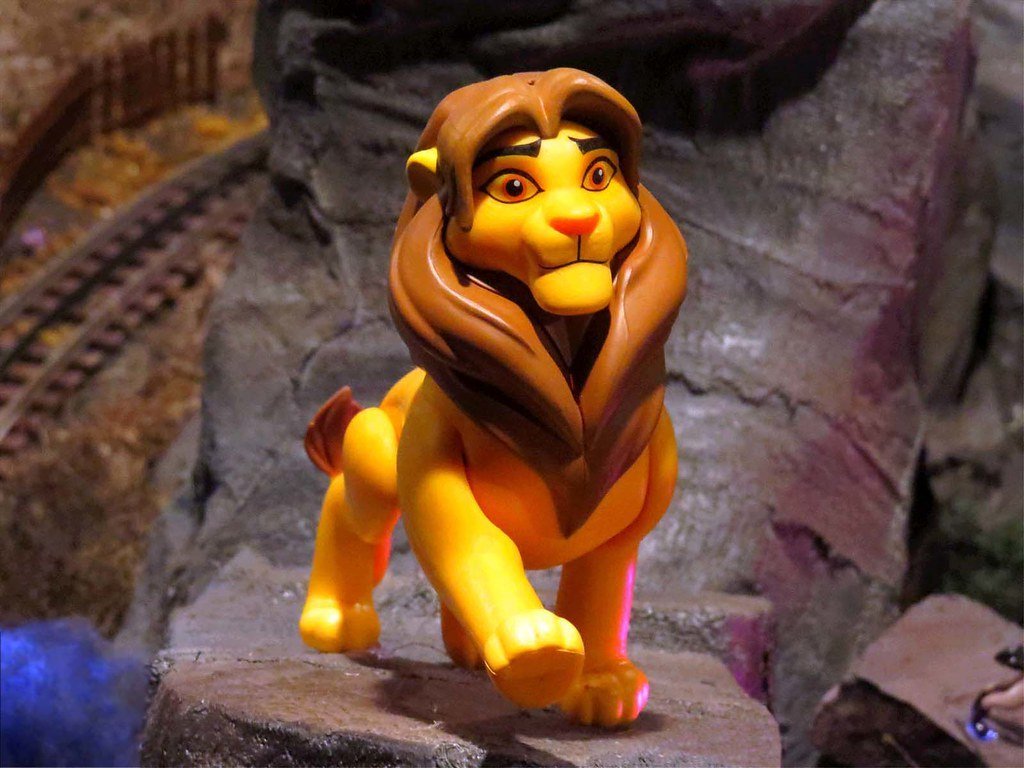
You probably remember The Lion King as the cartoon with the catchy songs and the talking warthog. And sure, Timon and Pumbaa are still hilarious. But watch it again as an adult and something quietly devastating happens. The whole story is about the universal rite of passage of learning that life really isn’t fair. Scar is annoyed by the social hierarchy that puts him in an inferior position to his seemingly less deserving nephew. But this kid who has everything soon loses the center of his universe, as his beloved father dies a horrible death right before his eyes. So The Lion King swiftly and harshly breaks it to kids that, sometimes, life sucks. You don’t fully understand what that means when you’re seven. At thirty, it’s almost uncomfortably real.
The lion’s exile represents that adolescent or post-adolescent period when the youth has to leave home and seek new experiences to develop a fully formed identity apart from everyone who knows him. He also needs time away from his best friend Nala so they can see each other as adult romantic partners. Ultimately, this lion isn’t satisfied with his friends’ carefree life – he feels the need for a greater responsibility, which is what adulthood really is. The Circle of Life stops being a cheerful opening number and becomes something far more personal. The circle of life is just as much a circle of death: for you to grow up and become an independent adult, your parents have to get older and eventually pass away. Heavy stuff, wrapped in animation and a Hans Zimmer score.
2. Toy Story (1995)
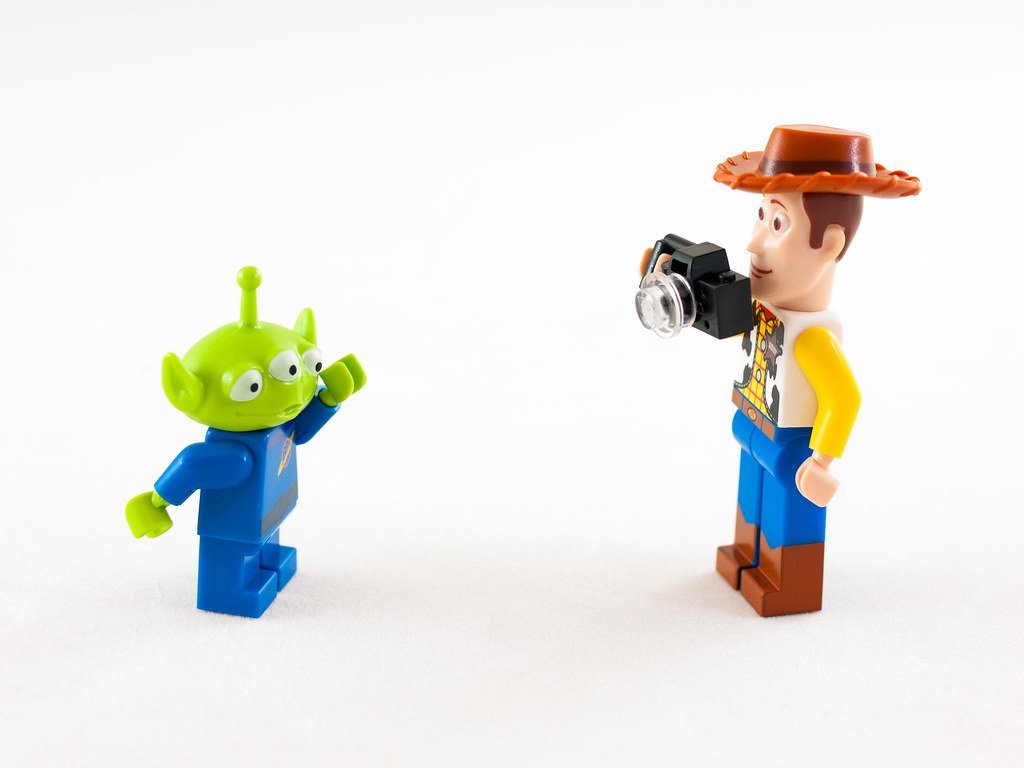
Let’s be real. As a kid, Toy Story was pure magic. Toys coming to life? Sign us up. A child sees a story about toys wanting to be played with. An adult sees a reflection of their own life transitions: leaving home, changing careers, raising children, and facing the inevitable passage of time. Pixar masterfully wove these universal human anxieties into the fabric of a toy’s world. Suddenly it’s not a movie about a cowboy doll at all. It’s about the fear of being replaced and becoming irrelevant.
The constant threat of being replaced by newer, more exciting toys permeates the narrative of Toy Story. Woody experiences this fear most acutely, as he witnesses Andy’s growing fascination with Buzz Lightyear. The film highlights the insecurities that can arise when we feel threatened by someone or something new, and the importance of overcoming those insecurities to embrace change. Think about that in the context of a job you poured yourself into, or a relationship shifting without warning. Their fear of being replaced, forgotten, or becoming obsolete mirrors our anxieties about aging, career changes, and children growing up and leaving home. The films tackle these heavy themes with honesty, heart, and humor.
3. The Iron Giant (1999)
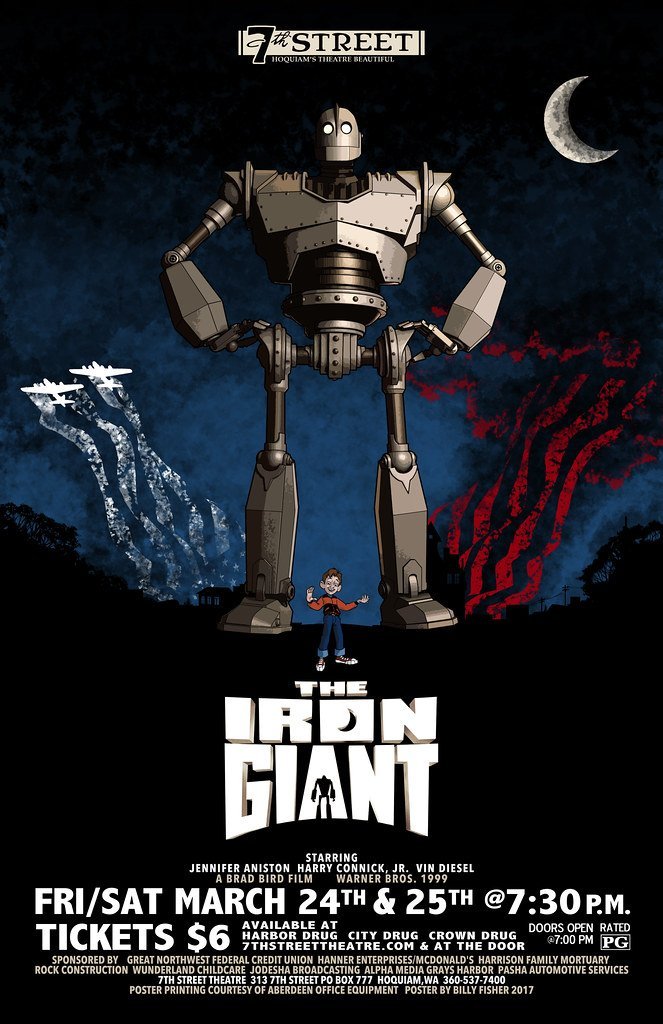
This film is, in my opinion, one of the most criminally underappreciated animated movies ever made. During its initial release, the film was a box office bomb, earning only $31.3 million worldwide against an estimated $70 to $80 million budget. Regardless of profits, however, The Iron Giant received universal acclaim from critics and audiences alike, but it remained in the dark for many years. After a while, it received a cult following and has since become one of the most popular animated films of its generation. Kids loved the giant robot. Adults are floored by what that robot actually represents.
The story takes place during the Cold War, a period of palpable tension and paranoia. By rooting the film in this historical moment, the screenplay immediately establishes a world of fear and suspicion. Hogarth’s small-town setting is relatable, but the looming presence of the government and militaristic attitudes make the stakes feel global. Central to the story is the idea that we are not defined by our origins. The Giant, designed as a weapon, grapples with his destructive programming but ultimately chooses to be a protector. This message – that individuals have the power to define their identity and actions – resonates deeply, particularly in a world often quick to label and judge. That’s a lesson that feels even more urgent today than it did in 1999.
4. Lilo & Stitch (2002)
As a child, Lilo & Stitch was about a funny alien and a little girl who loved Elvis. Adorable. Watch it as an adult and the whole thing transforms. Money troubles don’t truly make sense to children, but Nani’s search for a job evokes feelings of stress and desperation for adults. Everywhere she goes to look for a potential job, Lilo and Stitch spoil her chances in some way. They don’t mean to, but their childish antics make it clear that they don’t understand the seriousness of the situation. Nani is no longer background noise. She becomes the emotional center of the entire film.
When Nani lashes out at Lilo, it’s only because she is so frustrated with her role as Lilo’s guardian, when she hasn’t even been able to grieve the loss of her parents. Nani must put on a brave face for Lilo, but children could miss the complexity of her emotional state. This is grief and survival masquerading as a kids’ movie about an alien. The film explored grief and trauma really well, with Lilo feeling angry and confused until she met Stitch who seemed to understand her. Hence they became their own version of a family. Found family stories hit different once you’ve actually needed one.
5. The Incredibles (2004)
Here’s the thing about The Incredibles: it works flawlessly on two completely different levels simultaneously. Kids see superheroes and explosions. Adults see a marriage under pressure, a midlife crisis, and the quiet exhaustion of burying who you really are in order to fit in. The Parr family are superheroes, but they’re told by the government to hide their true selves in order to fit in with the rest of society. Ultimately, it’s about people expressing their talents and passions rather than conforming to societal norms. Sound familiar? It should.
Syndrome represents what happens when childhood heroes disappoint you and bitterness takes over. The movie asks whether you can be both a parent and an individual, or if one identity must consume the other completely. That question hits completely differently at 35 than it does at 10. The film is almost ruthlessly honest about how difficult it is to be exceptional in a world that rewards mediocrity. Watch Bob Parr fidgeting at his desk job and try not to feel something. I dare you.
6. Matilda (1996)
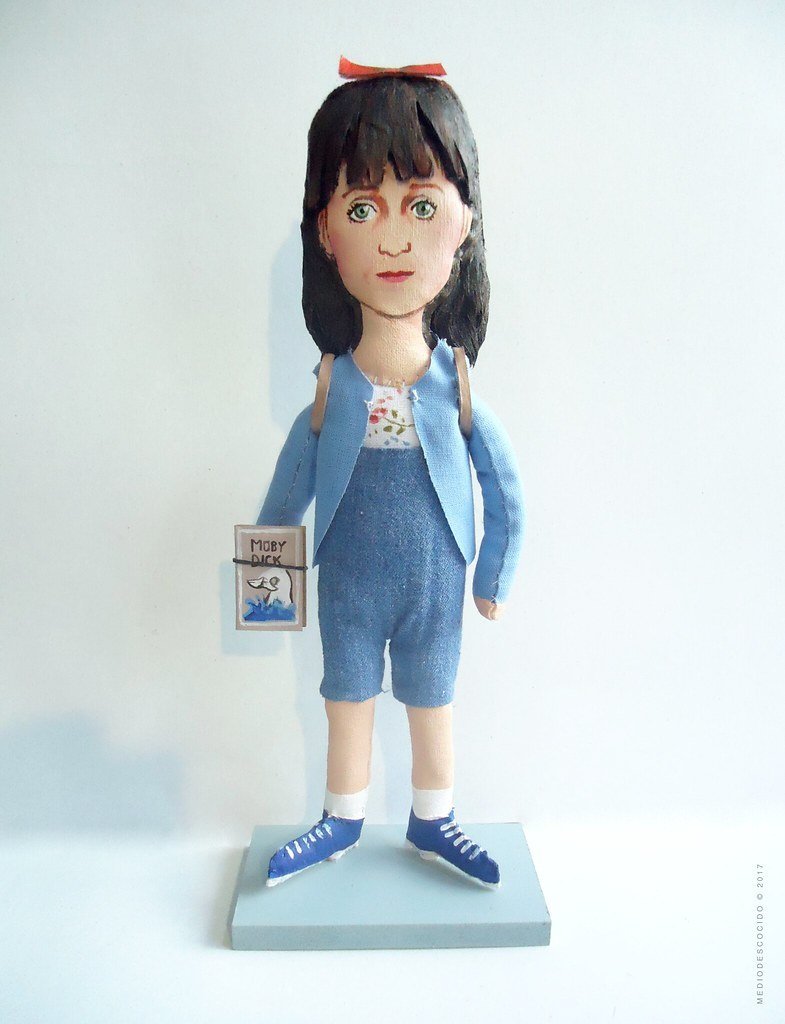
Prepare yourself to be hit straight in the feels when you watch Matilda as an adult. The movie is suddenly darker and more heartbreaking than you remember, but it also resonates more. The message about the need for family – especially a found family – is all the more powerful now. The Wormwood household, which once seemed like exaggerated comedy, now reads as a genuinely disturbing portrait of neglect and emotional abuse. It is not nearly as funny as you remembered.
What you do gain as an adult viewer is a much deeper appreciation for Miss Honey. As a kid, she’s just the nice teacher. Now you see a woman quietly surviving her own trauma while trying to shield a child from hers. That storyline is subtle, restrained, and surprisingly sophisticated. The moment Matilda chooses her own family, her own future, it stops being a children’s fairy tale and becomes something much more human.
7. Ratatouille (2007)
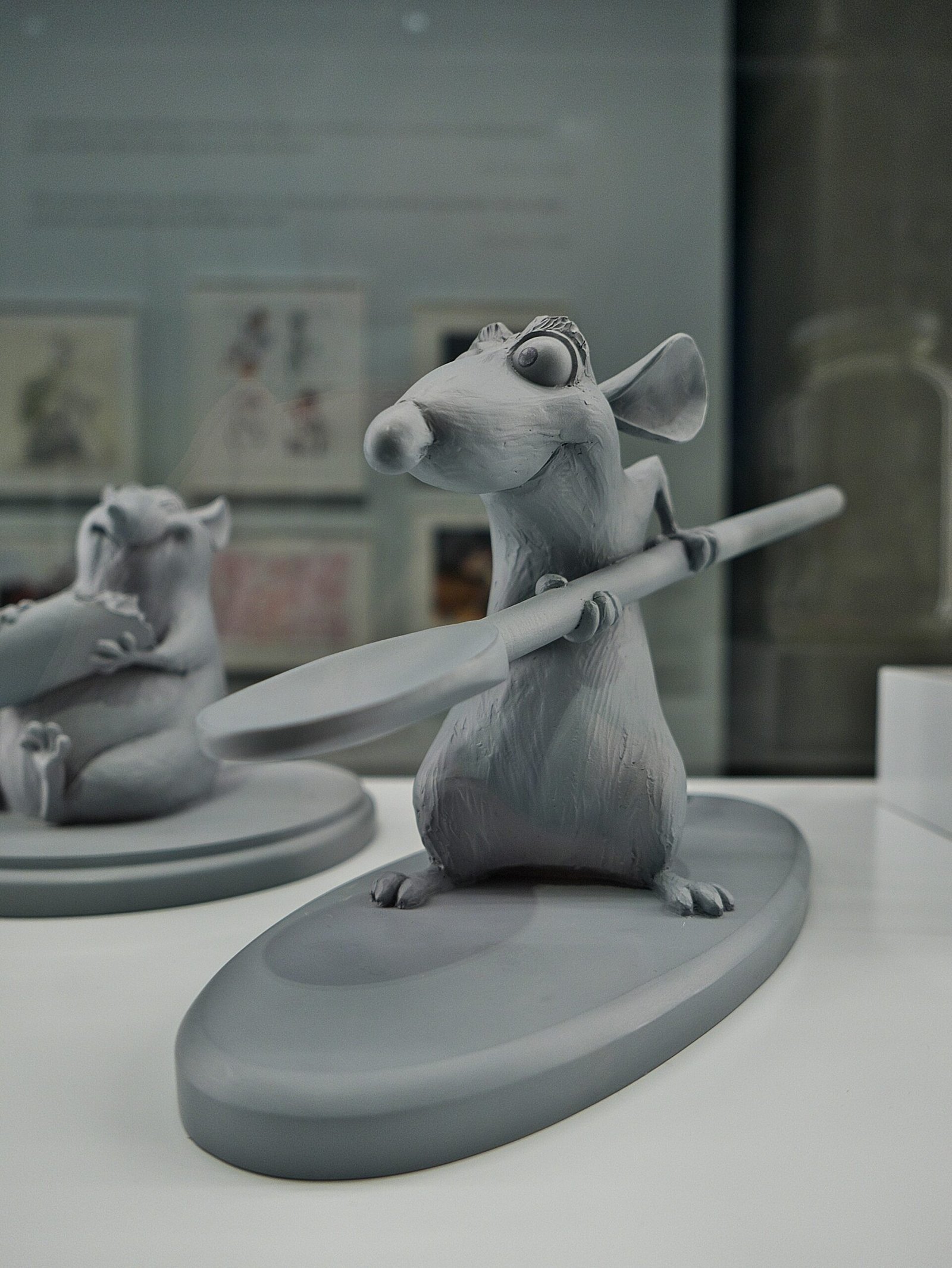
I know it sounds crazy, but Ratatouille might be the most adult film Pixar ever made dressed up in the clothes of a children’s movie. Beyond the cute animation lies a mature story about ambition, self-worth, class divides, and the pressure to prove yourself. Kids enjoy the funny rat who can cook and the slapstick kitchen chaos. Adults relate more to Remy’s struggle to find a place where he belongs despite everyone telling him he doesn’t deserve to be there.
Think about every time someone looked at you and silently communicated that you were in the wrong room. That’s Remy’s entire story. Anton Ego’s speech about critics and creativity resonates with anyone who’s faced harsh judgment. The moment Ego takes his first bite of ratatouille and is instantly transported back to childhood is one of the most beautifully observed moments in animated cinema history. It’s about memory, about the courage to create, and about what happens when we allow ourselves to be moved. That’s not a children’s theme. That’s a human one.
8. Up (2009)
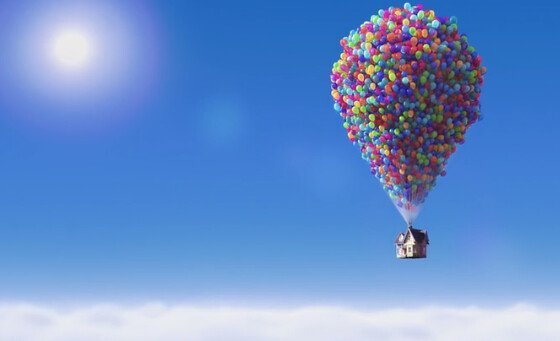
Up delivers a lifetime of emotion within its first ten minutes. Pixar’s iconic montage silently tells Carl and Ellie’s entire love story and leaves audiences deeply touched. Did you know animators consulted psychologists to realistically depict loss? It’s heartache and hope wrapped beautifully together. As a child, you might have been slightly confused by why the movie started with what felt like a short film about two old people. As an adult, you understand exactly what those opening minutes are doing, and you’re already reaching for a tissue.
The whole film is essentially about grief, purpose, and what we do with the time we have left after loss reshapes everything. Carl’s house is not just a house. It’s the physical embodiment of everything he refused to let go of. The journey he takes with Russell is about slowly, painfully, learning that honoring the past doesn’t mean being imprisoned by it. Kids see a grumpy old man floating a house with balloons. Adults see themselves.
9. The Truman Show (1998)
Okay, so The Truman Show is not technically a children’s film, but a significant number of people watched it as kids or teenagers without fully grasping what it was actually about. When first watching it at around 15, many viewers didn’t really grasp the themes or what the film was really about. When watching it again as an adult, the mind is blown by all the small details. The movie raises a lot of ethical and existential questions that completely go over younger heads. It is a slow-burn masterpiece dressed as a comedy.
Rewatching it in an age of social media, reality television, and algorithmically curated self-presentation, The Truman Show feels less like science fiction and more like prophecy. Truman’s entire life is manufactured for someone else’s entertainment, and he has no idea. The question the film forces you to sit with as an adult is genuinely unsettling: how much of our own lives are we truly living versus performing? That’s not a question a twelve-year-old is thinking about. It absolutely should be the one every adult is.
10. The Last Unicorn (1982)
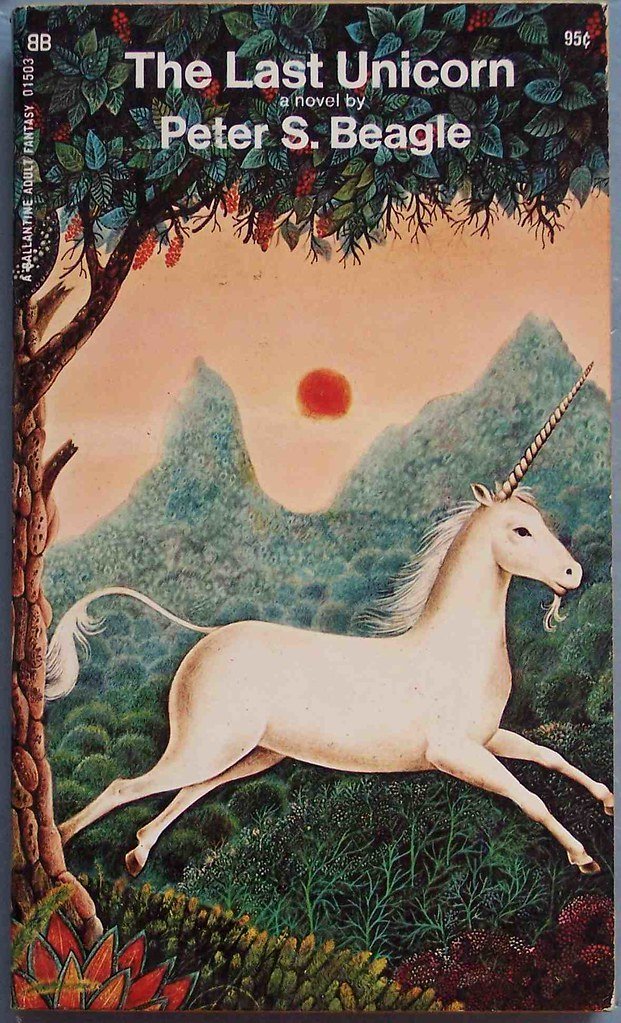
If you grew up watching The Last Unicorn and thought it was simply a beautiful fantasy adventure, you were not wrong. When you’re young, the quest to save the unicorns feels like an exciting adventure with beautiful animation. Watching as an adult reveals something far more haunting. The unicorn’s transformation into a human and her struggle to remember who she was becomes deeply relatable. Themes of loss and change hit harder when you understand how time alters everything. The movie asks uncomfortable questions about whether it’s better to exist immortally but alone, or to experience love knowing you’ll eventually lose yourself completely.
The film featured voice talents from legendary actors like Christopher Lee. Adult viewers deeply feel its melancholic commentary on innocence lost and are reminded how quickly magical wonder fades under harsh realities. There is something piercing about a story that asks us to consider what we lose when we grow up. Not just toys or fairytales, but the very ability to see the world as magical. The Last Unicorn is quietly one of the most philosophical animated films ever created, and it takes a fully lived life to truly hear what it’s saying.
The Films That Grow With Us
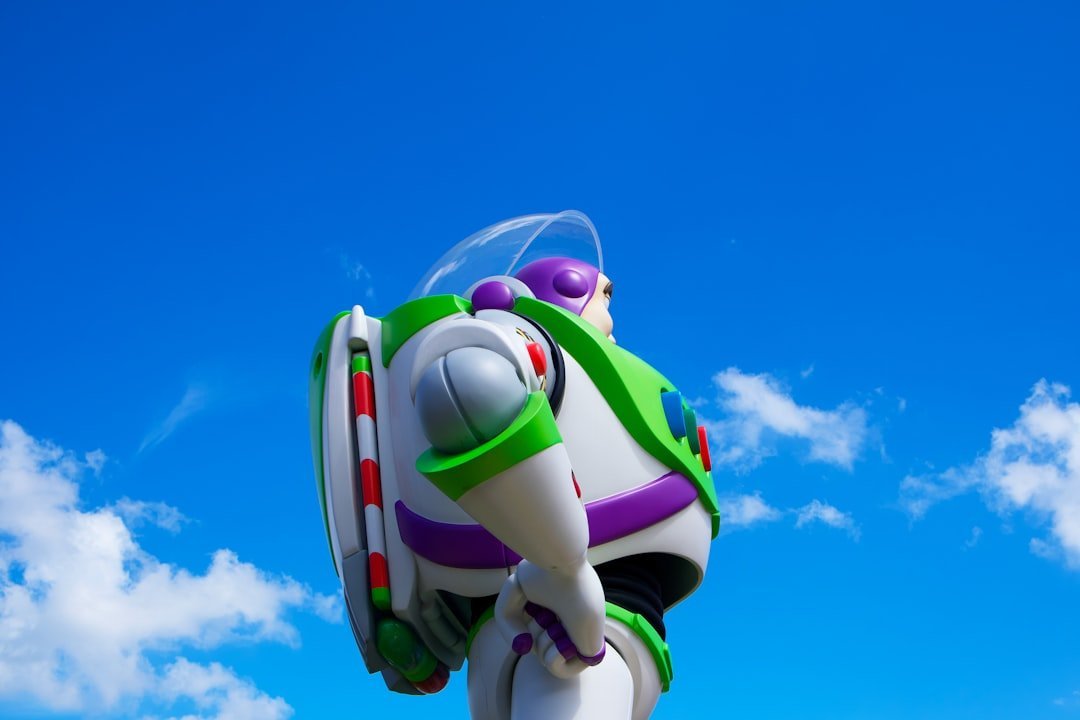
Plenty of classic movies for children can take on entirely new meanings when they are rewatched by adults. Movies for children often try to appeal to older audiences too, and this means they are likely to include certain themes that may go over the heads of kids. These movies can contain hidden tragedies when viewed through a more mature lens, especially when audiences are more likely to identify with the adult characters in the story.
The best films are never really finished. They keep growing, shifting, and revealing new layers every time we return to them with new eyes. Like a great novel you read at different stages of life, these movies contain multitudes. What once entertained you now has the power to genuinely move you, challenge you, or even change how you see yourself.
There is something deeply reassuring about the fact that the stories we loved as children were quietly preparing us for everything that came after. They planted seeds we didn’t even know about. And now, years later, those seeds have grown into something we can finally recognize. Maybe that was the plan all along.
Which of these films are you planning to revisit first? And which one surprised you the most the last time you went back to it?
CEO-Co-Founder
