
For any feedback please reach out to info@festivalinside.com
- 10 Massive Books Worth Every Last Page - April 12, 2026
- The Most Misunderstood Song Lyrics - April 12, 2026
- The Comfort of Music: Ten Relaxing Classical Pieces - April 12, 2026
America is a country that knows how to celebrate. From the bayous of Louisiana to the scorched flats of Nevada, from the rolling hills of Tennessee to the polo fields of Southern California, the United States stages some of the most distinctive gatherings on earth. Each one tells you something real about the place it comes from.
Festivals here aren’t simply events on a calendar. The United States, a vast and diverse nation, boasts a rich tapestry of festivals and traditions that reflect its multifaceted heritage, and from coast to coast, Americans celebrate a wide array of events that honor their history, culture, and shared values. The ten festivals below have each earned their place in the national story.
1. Mardi Gras – New Orleans, Louisiana
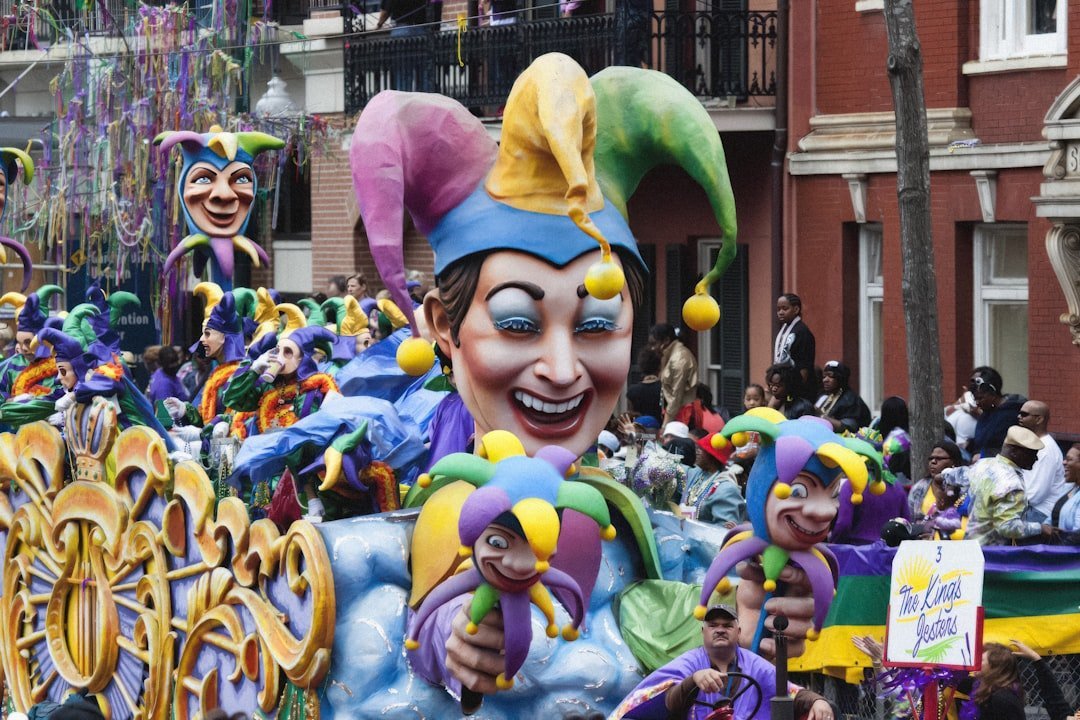
The origins of Mardi Gras can be traced to medieval Europe, passing through Rome and Venice in the 17th and 18th centuries to the French House of the Bourbons, and from there, the traditional revelry of “Boeuf Gras,” or fatted calf, followed France to her colonies. On March 2, 1699, French-Canadian explorer Jean Baptiste Le Moyne Sieur de Bienville arrived at a plot of ground 60 miles south of New Orleans and named it “Pointe du Mardi Gras” when his men realized it was the eve of the festive holiday. In 1703, French settlers in Mobile established the first organised Mardi Gras celebration tradition in what was to become the United States.
Mardi Gras has been celebrated in Louisiana since the 18th century, brought by French settlers, and today’s traditions stem from European carnival customs mixed with local culture, creating a uniquely New Orleans spectacle. In 1857, a secret society of New Orleans businessmen called the Mistick Krewe of Comus organized a torch-lit Mardi Gras procession with marching bands and rolling floats, setting the tone for future public celebrations; since then, krewes have remained a fixture of the Carnival scene throughout Louisiana, with other lasting customs including throwing beads and other trinkets, wearing masks, decorating floats and eating King Cake.
This long-running festival mixes French roots, African influences and local flair to transform the city into a dazzling spectacle, with parades winding through the Louisiana streets with spectacular floats and marching bands while people line the sidewalks or crowd the city’s iconic iron balconies to catch beads and dance. Beyond the parades, you’ll find king cake in every bakery, costume shops buzzing with energy and masquerade balls that turn first-timers into lifelong fans. Louisiana is the only state in which Mardi Gras is a legal holiday.
2. Woodstock – Bethel, New York
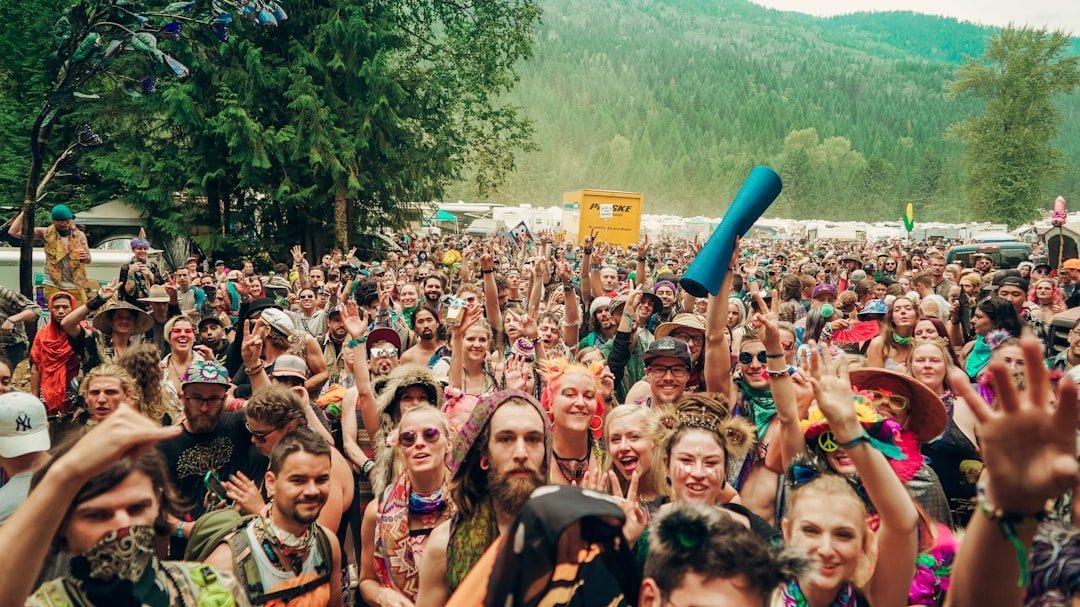
This one-time event from August 15 to 18, 1969, attracted 400,000 people to “An Aquarian Exposition: 3 Days of Peace and Music,” with 32 acts performed outside, rain or shine. Half a million attendees gathered at a dairy farm in Bethel, New York, to hear leading and emerging artists including The Grateful Dead, Jefferson Airplane, The Who, Janis Joplin and The Jimi Hendrix Experience, and the festival is considered the most monumental event in music history, setting the bar high for festivals even today.
According to Rolling Stone, Woodstock is among the top 50 moments in history that changed the course of Rock and Roll. The original site is now listed on the National Register of Historic Places. Woodstock captured something that was happening across an entire generation – a restlessness, an idealism, and a hunger for collective experience – and it did so in a way no planned event could have engineered.
3. Coachella Valley Music and Arts Festival – Indio, California
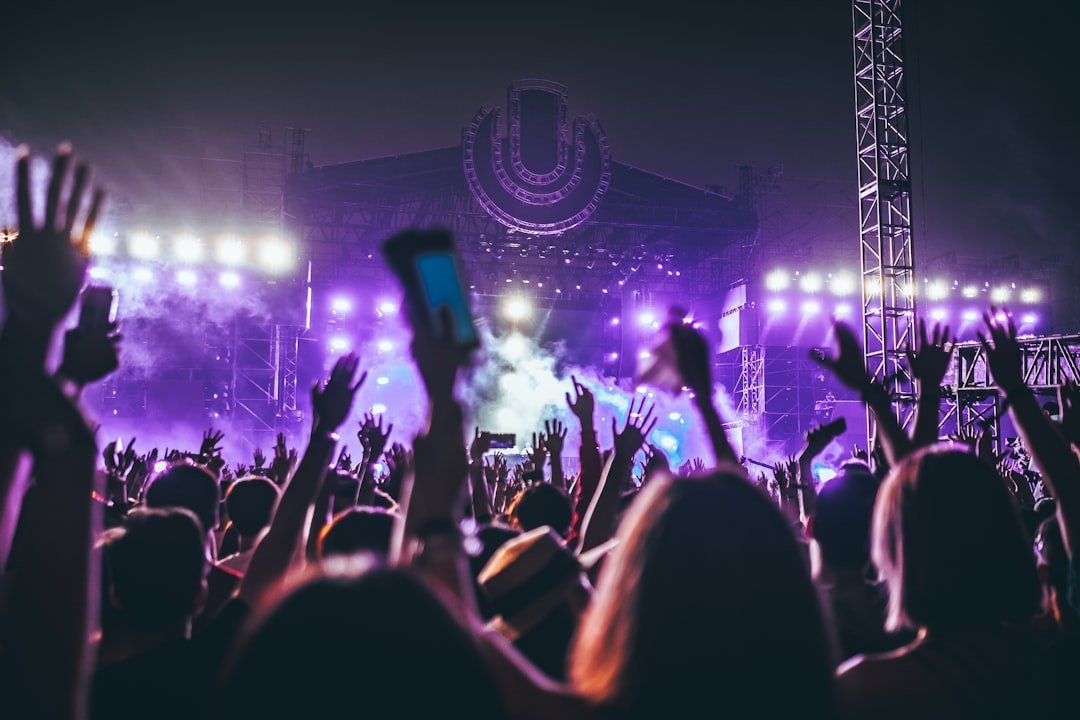
Held in the desert setting of California’s Coachella Valley, the first Coachella music festival took place in 1999, with a lineup that included Beck, Jurassic 5 and Rage Against the Machine, attracting about 10,000 people across two days. The festival didn’t make a profit at first and was canceled in 2000, but was revived in 2001 and has been an annual music event ever since.
The iconic Coachella has been drawing a huge crowd of music fans to Empire Polo Club in Indio, California since 1999, and at Coachella, you’ll find a diverse lineup spanning multiple genres, as well as immersive art installations. The festival’s past headliners have included world-renowned artists such as Beyoncé, Radiohead, Depece Mode, Paul McCartney and K-Pop favorites Ateez. Events like Coachella generate an economic impact of over $700 million annually, benefiting local businesses, tourism, and infrastructure.
4. South by Southwest (SXSW) – Austin, Texas
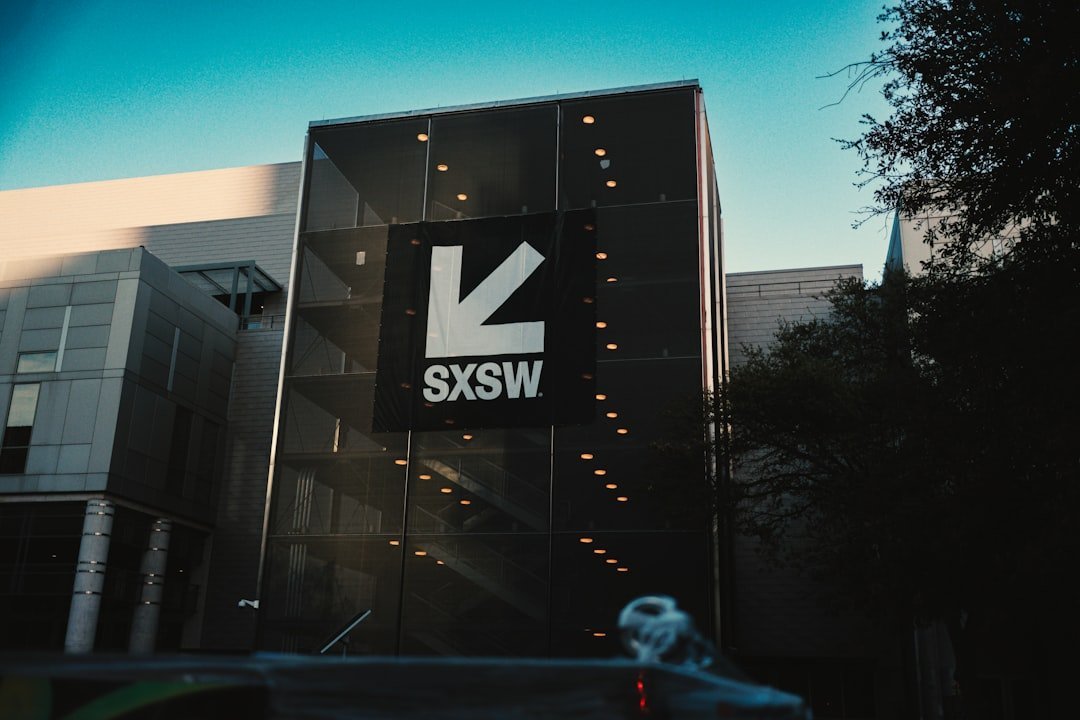
The first SXSW was held in 1987 and since then, the festival and conference has held steady as one of Austin’s and the entertainment industry’s most influential annual gatherings. South by Southwest is more than a festival; it’s an institution. Taking place in Austin, Texas, it spans music, film, and interactive media, creating an exhilarating blend of cultural offerings, where attendees can network, explore trends, and even launch their careers, with a unique synergy between commerce and creativity that fuels this iconic gathering.
SXSW is one of the largest music , and you can discover more than 2,000 artists from 65 countries performing a variety of genres, from rock, punk and metal to hip-hop, indie and electronic music. SXSW 2026 featured major moments, including over 1,200 showcasing artists and a slew of hot-ticket movie and television premieres. For creative professionals and curious newcomers alike, Austin in March has become a kind of annual pilgrimage.
5. Burning Man – Black Rock Desert, Nevada
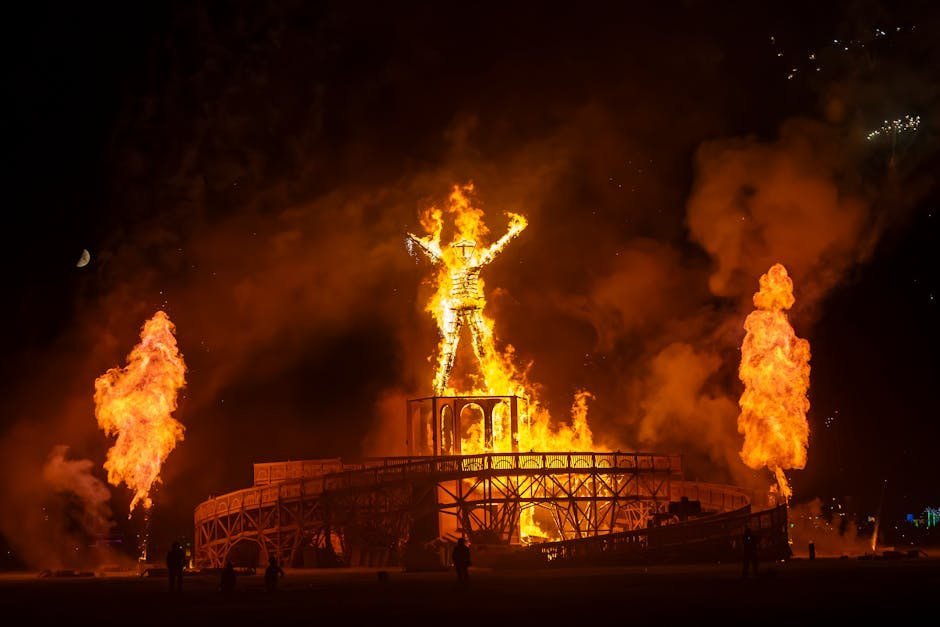
Burning Man originated in 1986 on San Francisco’s Baker Beach when Larry Harvey and Jerry James, two members of the San Francisco arts community, burned an eight-foot-tall wooden effigy of a man. In 1990, faced with increasing restrictions on Baker Beach, the organizers made the pivotal decision to relocate the event to the remote and expansive Black Rock Desert in Nevada, facilitated by the Cacophony Society, who had experience with organizing events in the desert; the first burn in the Black Rock Desert attracted around 350 participants and marked a crucial turning point in the festival’s history.
Burning Man is a week-long large-scale desert event focused on “community, art, self-expression, and self-reliance,” and its name comes from its ceremony on the second to last night of the event: the symbolic burning of a large wooden effigy on the Saturday evening before Labor Day. Since 1990, the event has been at Black Rock City in northwestern Nevada, a temporary city erected in the Black Rock Desert about 100 miles north-northeast of Reno. Burning Man features no headliners or scheduled performers; participants create all the art, activities, and events. Each year a temporary city with named streets, villages, and camps is erected in the desert to accommodate all of the attendees, and after the festival is over, the city is completely obliterated, in keeping with the “leave no trace” policy of the festival organizers.
6. New Orleans Jazz and Heritage Festival – New Orleans, Louisiana
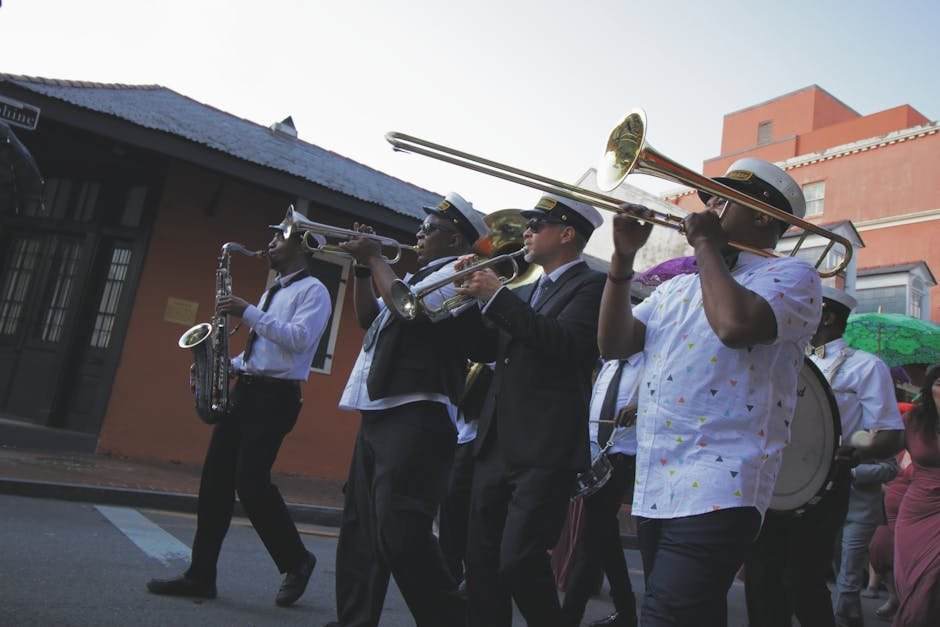
The New Orleans Jazz and Heritage Festival, fondly referred to as Jazz Fest, is a joyous celebration of music, culture, and cuisine, nestled in the heart of New Orleans, spanning multiple stages and showcasing an eclectic mix of jazz, blues, gospel, and more. It’s where music lovers indulge their ears and taste buds, with regional dishes spotlighting the city’s unique culinary heritage. Jazz Fest is more than just music; it’s a testament to the rich cultural tapestry of New Orleans, resonating through every note and flavor.
Jazz Fest celebrates Louisiana’s musical heritage across seven stages at the Fair Grounds Race Course, and beyond jazz, expect blues, R&B, gospel, Cajun, zydeco, and rock performances alongside authentic Creole and Cajun cuisine. Though there are a lot of parties and clubbing scenes held in the city all year round, rarely do you get to see the local talent and the heritage side of the people come out and perform their art – from music pieces to art showcases and much more, you get to see a side of New Orleans that’s not commercial and much more rooted in the culture of the local people.
7. Newport Folk Festival – Newport, Rhode Island
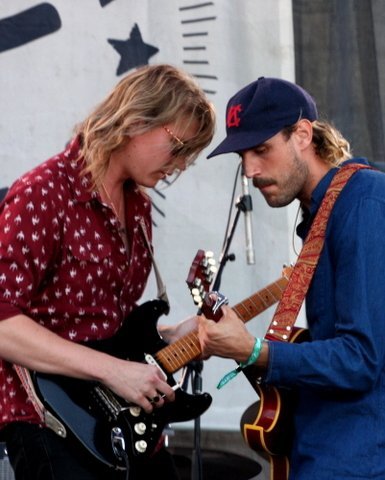
The Newport Folk Festival began in Newport, Rhode Island in 1959, and has served as the epicenter for the rise of popular folk music in America. George Wein established the festival in response to the 1958 Folk Revival movement, wanting upcoming artists to have a central stage to display their talents. The festival carries an almost mythological weight in American music history, much of it tied to one electric guitar.
Best known as the place where Bob Dylan infamously “went electric” in 1965, the Newport Folk Festival has since evolved quite a bit, and perhaps embracing the idea that “all music is folk music,” the festival, which was relaunched in 1985 after a 15-year hiatus, is just as likely to feature alternative rockers as Americana or traditional artists. America’s oldest folk festival takes place at the scenic Fort Adams State Park overlooking Narragansett Bay, and this intimate three-day event features legendary surprise collaborations and emerging artists on four stages.
8. Bonnaroo Music and Arts Festival – Manchester, Tennessee
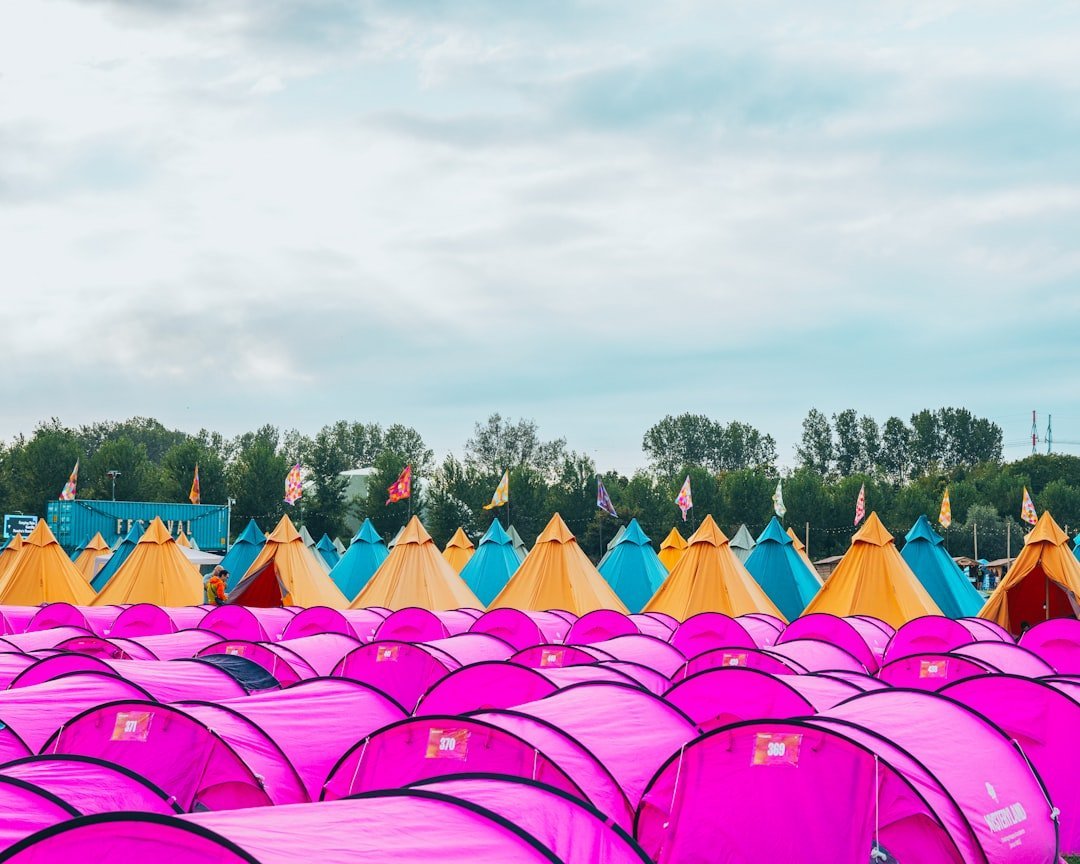
Since 2002, the otherwise sleepy town of Manchester, Tennessee, has played host to Bonnaroo, a music and arts festival that allows attendees to camp on-site. The four-day Bonnaroo music and arts festival in Manchester first took place in 2002 with a focus on folk rock, and even without any traditional advertising, it sold out in two weeks. That opening run established something that corporate marketing rarely can: genuine word-of-mouth devotion.
Bonnaroo at Great Stage Park features more than 10 stages with an impressive lineup of over 150 musicians from all over the world. For four days, you get to enjoy just about any music genre at this annual festival, including gospel, reggae, jazz, Americana, bluegrass, pop and rock. While waiting in between sets, check out activities such as outdoor yoga, silent disco, art installations, kid-friendly games, and parades, with several stages also dedicated to stand-up comedy and environmental talks, making Bonnaroo one of the most diverse .
9. Lollapalooza – Chicago, Illinois
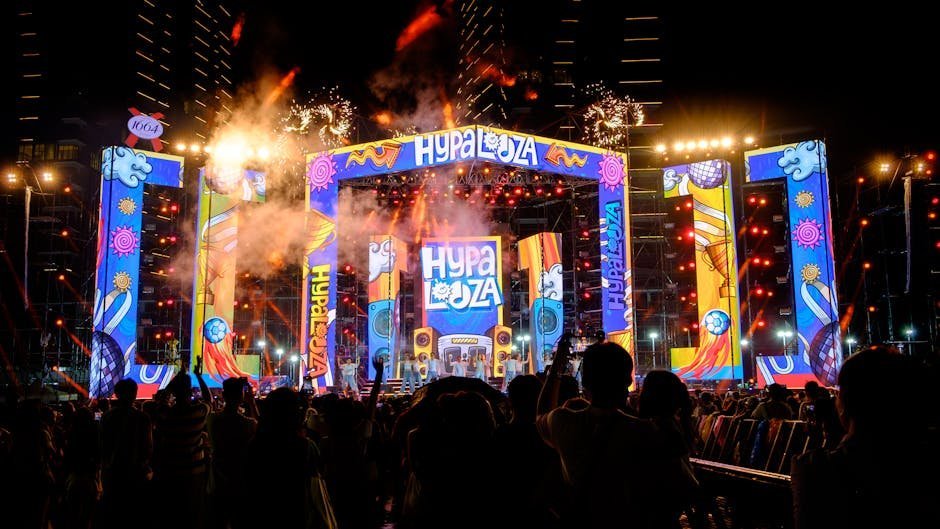
Lollapalooza has been making headlines since 1991, not just for the major names of the music industry that perform on these stages every year, but for the massive amounts of people who flock there. Complete with 8 stages and over 170 bands, it’s no surprise that Lolla draws attendees back year after year. What began as a touring rock festival rooted in alternative subcultures eventually settled into Chicago’s Grant Park as a permanent summer institution.
Grant Park transforms into a massive music festival with eight stages showcasing 170-plus artists across rock, electronic, hip-hop, and indie genres, with Chicago’s skyline providing a stunning backdrop for one of summer’s premier urban festivals. The city setting makes Lollapalooza feel distinct from rural camping festivals. You step off a city sidewalk and into a world of stages, food stalls, and crowds, then step back out again – which has its own kind of magic.
10. Juneteenth Celebrations – Nationwide
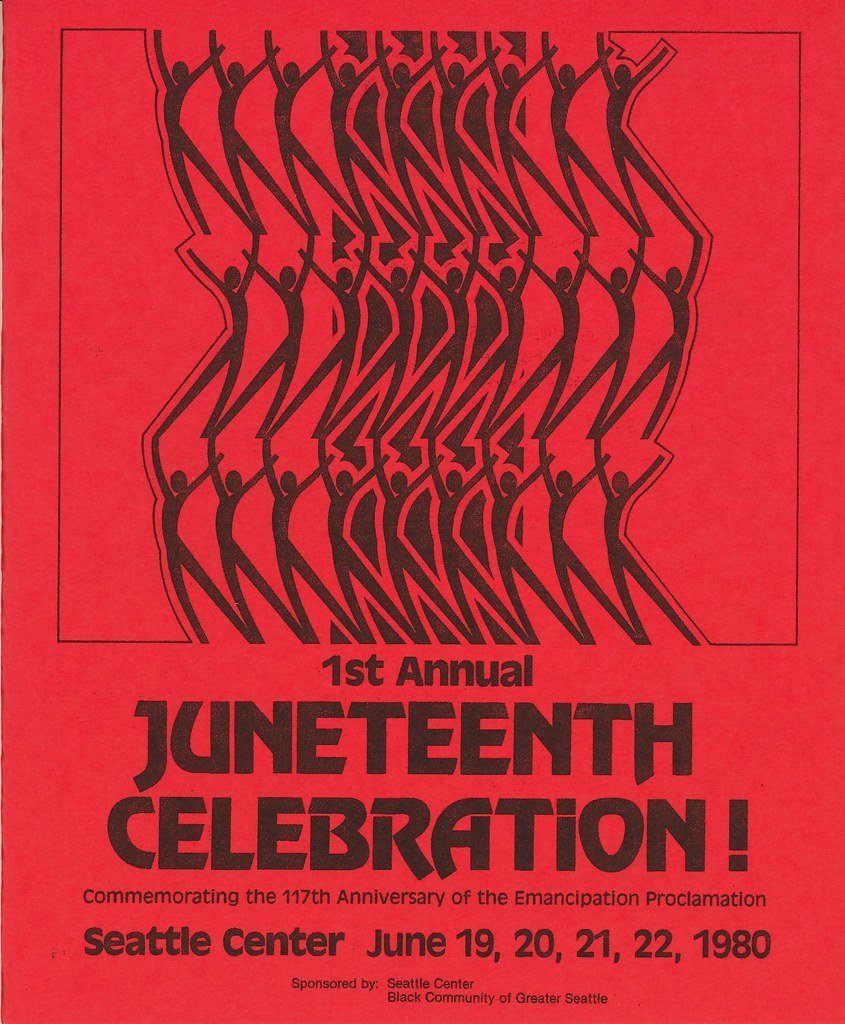
While distinctly American in origin, Juneteenth, which commemorates the emancipation of enslaved African Americans, resonates with a profound spirit of cultural affirmation and collective celebration. Its inclusion highlights its pivotal role in the diverse tapestry of American cities, and June 19th, 1865 marks the crucial day when Union soldiers arrived in Galveston, Texas, delivering the news of freedom to the last enslaved African Americans, more than two and a half years after the Emancipation Proclamation. This date now serves as a powerful reminder of resilience, the long fight for justice, and the enduring strength of the human spirit in the face of profound adversity.
Across the nation, from historically Black communities to wider city-wide celebrations, Juneteenth is marked by vibrant parades, lively street fairs, and joyous cookouts that bring families and friends together. Many events also feature public readings of the Emancipation Proclamation, insightful discussions on African American history, and art exhibitions that celebrate the cultural contributions of Black artists. Major cities across the country host vast and impactful Juneteenth celebrations, often involving civic leaders, community organizers, and a broad cross-section of residents who come together in solidarity – not only in joyous celebration but also in solemn reflection, crucial education, and a recommitment to the ideals of freedom and equality for all.
A Nation Worth Exploring, One Festival at a Time
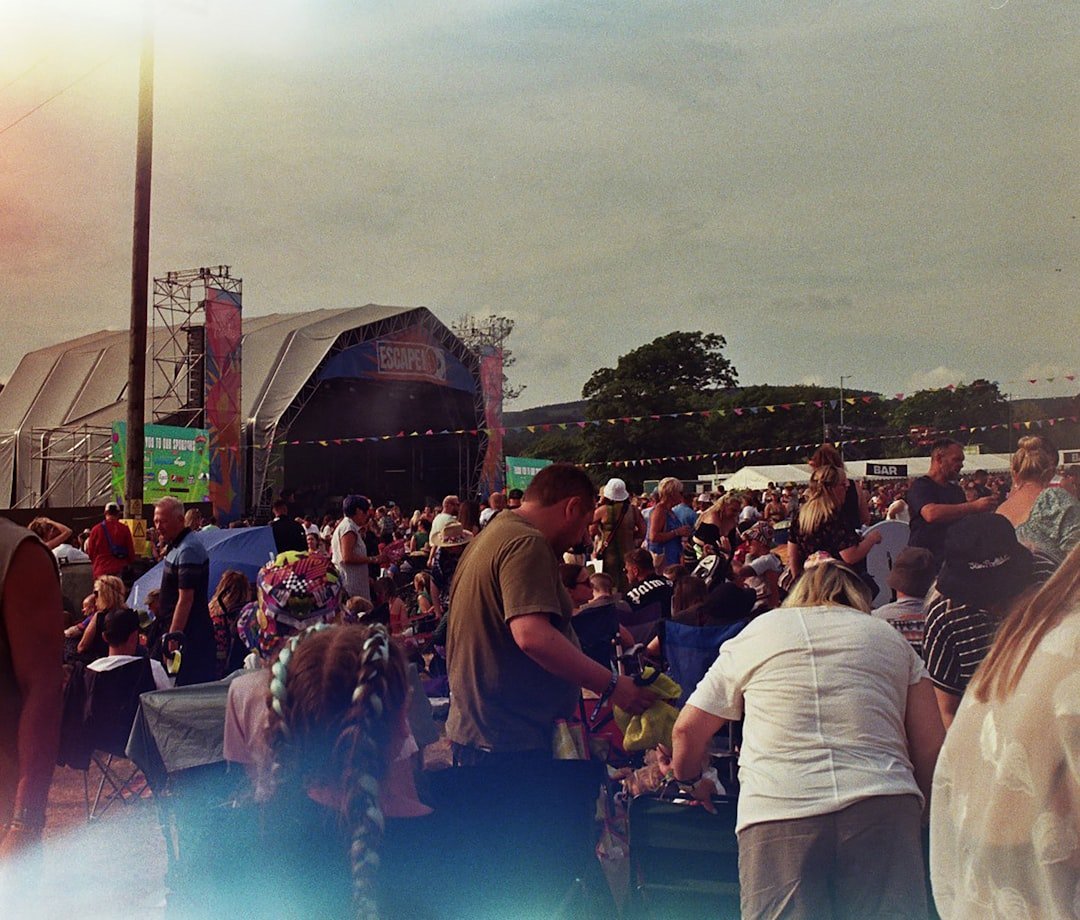
These ten festivals are not a complete picture of American celebration, but they offer an honest and vivid cross-section. They span deserts and city parks, Rhode Island harbors and Louisiana fairgrounds. The United States has long been known for its diverse culture, and one of the best reflections of that diversity is its festivals – from coast to coast, the country is peppered with celebrations that tell stories of tradition, innovation, and unity, and these gatherings are not only beloved by locals but also draw crowds from around the globe.
Whether you’re drawn to the sound of a jazz trumpet drifting through the French Quarter, the sight of thousands of neon-lit art installations rising from a Nevada desert, or the quiet power of a Juneteenth gathering in a community park, there is a festival in this country shaped for exactly the kind of experience you’re looking for. The diversity of American celebration is worth experiencing firsthand, not just as a tourist, but as a participant in something genuinely alive.

Christian Wiedeck, all the way from Germany, loves music festivals, especially in the USA. His articles bring the excitement of these events to readers worldwide.
For any feedback please reach out to info@festivalinside.com
