

- 10 Most Beautiful Libraries in the World - March 22, 2026
- 14 Wild Facts About Famous Music Festivals That Will Surprise You - March 22, 2026
- The Enduring Power of a Well-Told Fable Continues to Captivate Hearts and Minds - March 22, 2026
There is something almost sacred about stepping into a great library. The smell of old paper, the hush of the reading rooms, the way shelves of books stretch upward like walls of a cathedral. Libraries are not just buildings. They are monuments to human curiosity, places where centuries of thought are gathered under one roof and preserved for whoever dares to wander in.
What makes a library truly breathtaking, though, goes far beyond its collection. The most awe-inspiring libraries on earth are also works of art, combining rare manuscripts with extraordinary architecture, soaring domes, gilded frescoes, and designs so daring they stop you in your tracks the moment you walk through the door.
From ancient Baroque monasteries to shimmering modernist structures, ‘s most beautiful libraries will make you rethink everything you thought you knew about what a building can feel like. Let’s dive in.
1. Trinity College Library, Dublin, Ireland
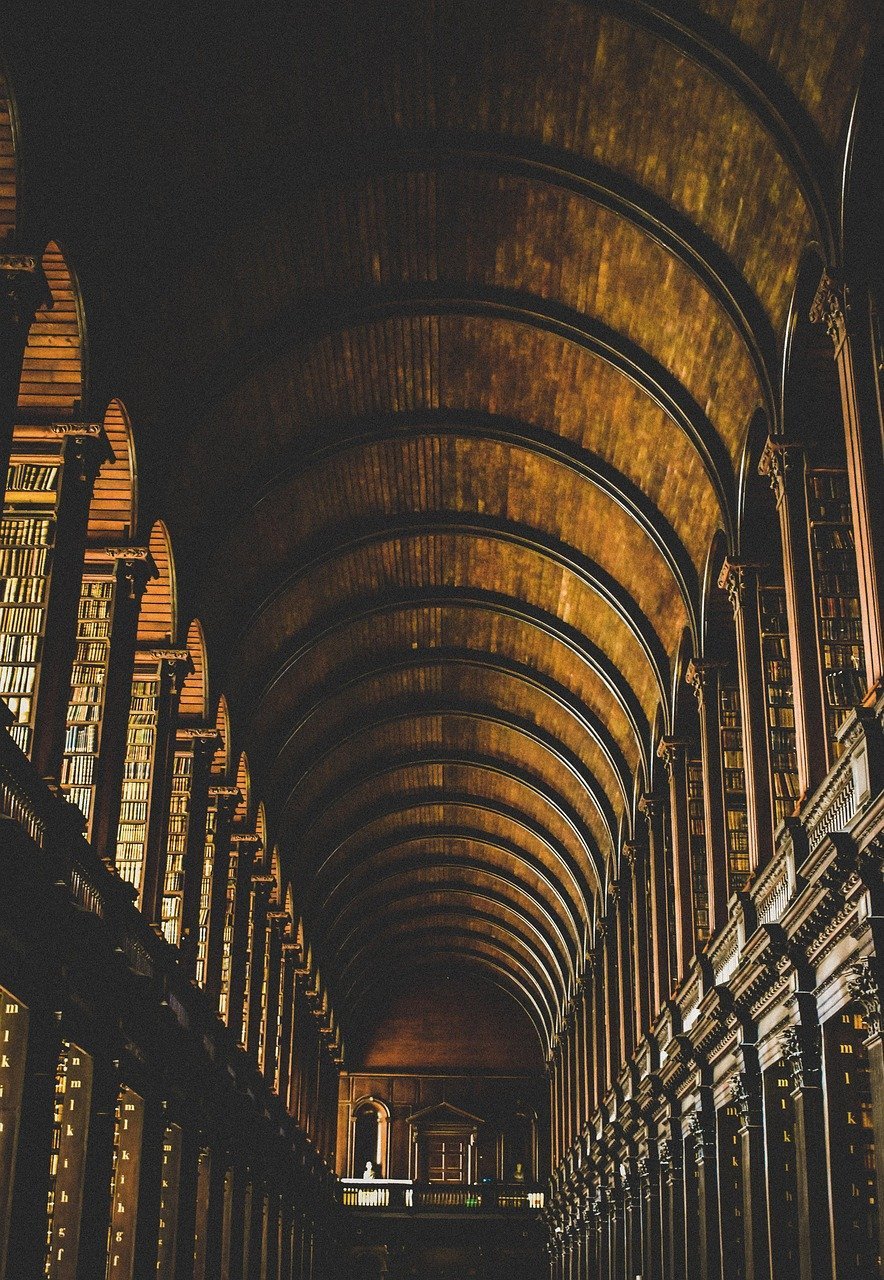
Honestly, it is hard to think of a more dramatic entrance into the world of books. Stepping into the Long Room of Trinity College Dublin’s Old Library is like entering a sacred space dedicated to the worship of books. This magnificent 65-meter-long hall, lined with towering bookshelves and graced with a barrel-vaulted ceiling, is a breathtaking sight that leaves visitors in awe. Construction began in 1712, and the large building took twenty years to complete in its original form, towering over the university and city after its completion in 1732. The distinctive and beautiful barrel ceiling was added in 1860 to allow space for more works when the existing shelves became full.
The Library of Trinity College Dublin was named the most beautiful library in the world by 200,000 voters in the 1000 Libraries Awards 2025. It is not hard to see why. A major tourist attraction housing numerous Irish artifacts and documents, it contains the 8th-century manuscript known as the Book of Kells, which arrived at the college in 1661. The Old Library is also the permanent home to the Brian Boru harp, a national symbol of Ireland, as well as a copy of the 1916 Proclamation of the Irish Republic. Marble busts of famous philosophers and writers, created by sculptor Peter Scheemakers beginning in 1743, line the central walkway of the nearly 200-foot-long room. Walking beneath that incredible ceiling feels less like browsing a library and more like moving through a dream.
2. Admont Abbey Library, Admont, Austria
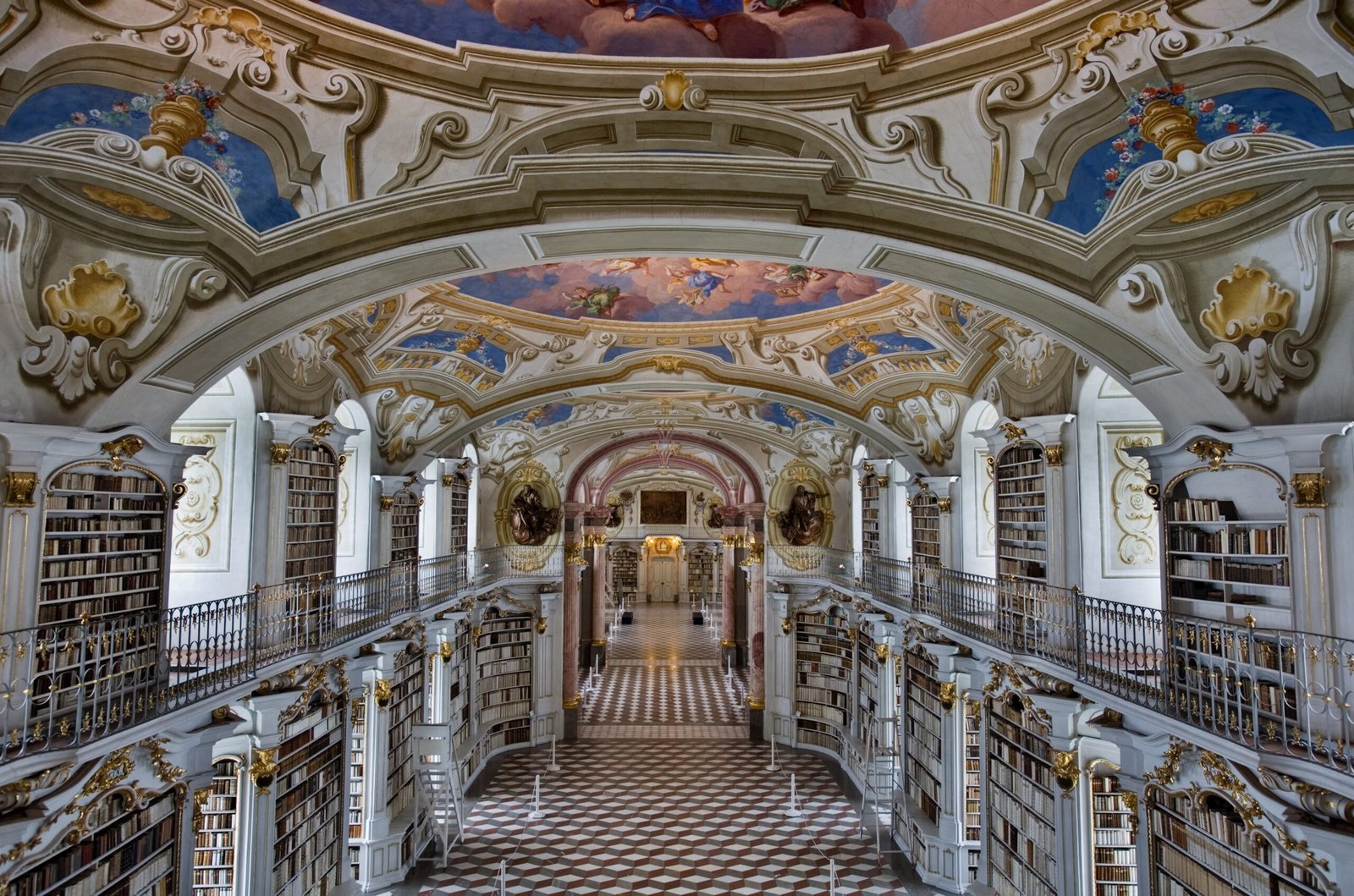
A masterpiece of the Late Baroque and Early Classicism style, the Admont Abbey Library is located within the Benedictine monastery of Admont in Austria. Its design centered on human intellect and wisdom, beautifully crafted through the use of light. The Admont Abbey Library is the world’s largest monastery library with a 70-meter-long hallway displaying more than 60,000 books, and it features seven ceiling frescoes by the Austrian painter Bartolomeo Altomonte. Bathed in natural light from 48 windows, the library’s white and gold decor enhances its ethereal ambiance.
The library consists of a long, three-part hall, with its central dome and side pavilions creating an elongated but dynamic space. Classic elements elevated the holistic experience, with ceiling frescoes by Bartolomeo Altomonte and sculptures by Josef Thaddäus Stammel reinforcing the idea of knowledge as a path to eternal truth. Day visitors can take guided tours, peeking behind secret doors masked by dummy book spines, gazing at the 70,000 volumes on display and listening to tales of how all this grandeur was so nearly lost in the 1865 fire that devastated much of the monastery. I think that story of near-destruction makes the library feel even more precious, like a survivor from another world.
3. Strahov Monastery Library, Prague, Czech Republic
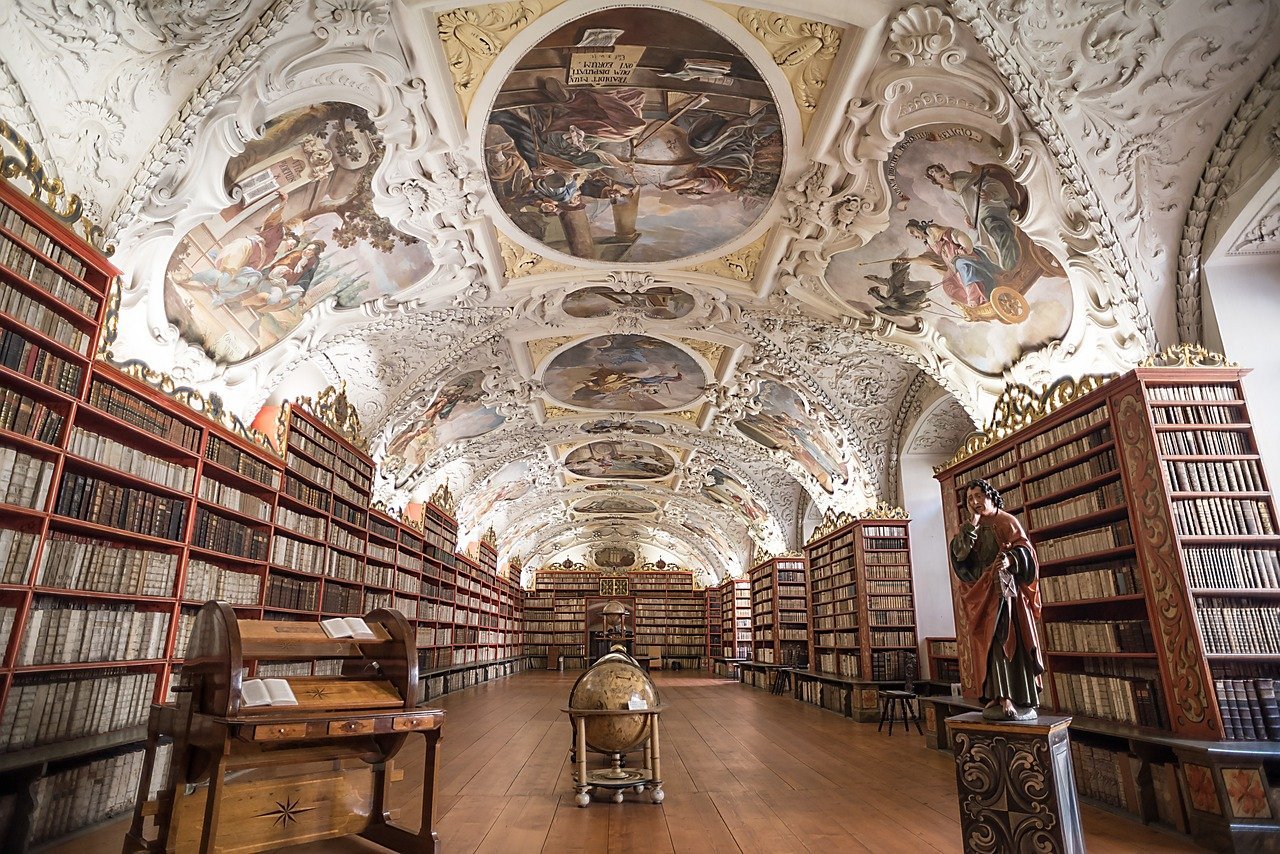
The magnificent Baroque library in Prague, situated close to Prague Castle and Petřín Hill, regularly appears in lists of places that are well worth seeing at least once in your life. Strahov Monastery, in which the library is located, was founded as early as the 12th century and ranks among the oldest monasteries in Czech lands that still serve their purpose and are home to monks. It consists of two main halls, the Theological Hall and the Philosophical Hall, both built in the 17th and 18th centuries respectively. These halls showcase elaborate ceiling frescoes and ornate bookcases. The oldest part of the library, the Baroque Theological Hall, was established between 1671 and 1674, while the main Classicist vaults of the Philosophical Hall date from 1794 and are two stories tall.
Visitors to the Philosophical Hall are immediately drawn to the painting on its ceiling titled “The Spiritual Progress of Mankind” by the artist Franz Anton Maulbertsch. The Strahov Library contains over 200,000 volumes, including over 3,000 manuscripts and 1,500 first prints stored in a special depository. It is considered one of the world’s most valuable and preserved libraries, with ceilings adorned with frescoes by Siard Nosecky and Anton Maulbertsch. As you walk the corridor connecting the two halls, you will find unique items in the curiosity cabinets lining the hallway, including a narwhal tusk, believed to have been a unicorn horn at the time, and various ancient weaponry and other artifacts. Let’s be real, that corridor alone is worth the trip to Prague.
4. Library of Congress, Washington D.C., USA
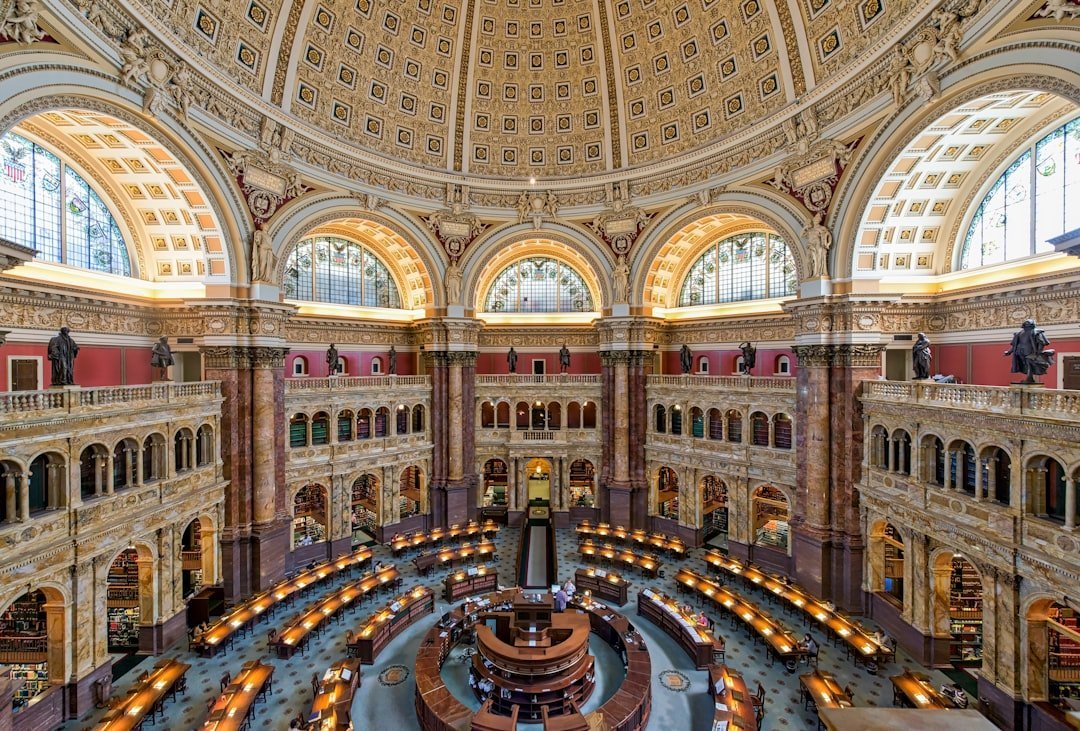
Perhaps the most famous of the three buildings that make up Washington D.C.’s Library of Congress is the Thomas Jefferson Building, which opened in 1897 and houses the iconic domed Main Reading Room, inspired by the reading room at the British Museum Library in London. The library’s stately, neoclassical architecture houses beautifully intricate American artworks beloved by the over 1 million tourists who visit the historic U.S. government site annually. Not only is the Library of Congress one of the most beautiful libraries in the U.S., but it also happens to be the biggest library in the world based on shelf space and the number of materials, which tops a staggering 170 million.
Its magnificent Main Reading Room is adorned with marble columns and intricate ceiling murals. The library’s collections include over 170 million items, including rare manuscripts, books, and photographs. Think of it as the world’s greatest intellectual warehouse, dressed in the costume of a Renaissance palace. Designed by Henri Labrouste and completed in the late 1800s, the BnF features vast reading rooms with intricately detailed ceilings and expansive arrays of beautiful books. Architectural enthusiasts admire its grand, airy spaces and ornate design elements. The library holds one of the world’s most extensive collections of printed literature, including rare manuscripts and cartographic wonders. For visitors with even a passing interest in American history, the Thomas Jefferson Building delivers an experience that is hard to replicate anywhere else on earth.
5. St. Gallen Abbey Library, St. Gallen, Switzerland
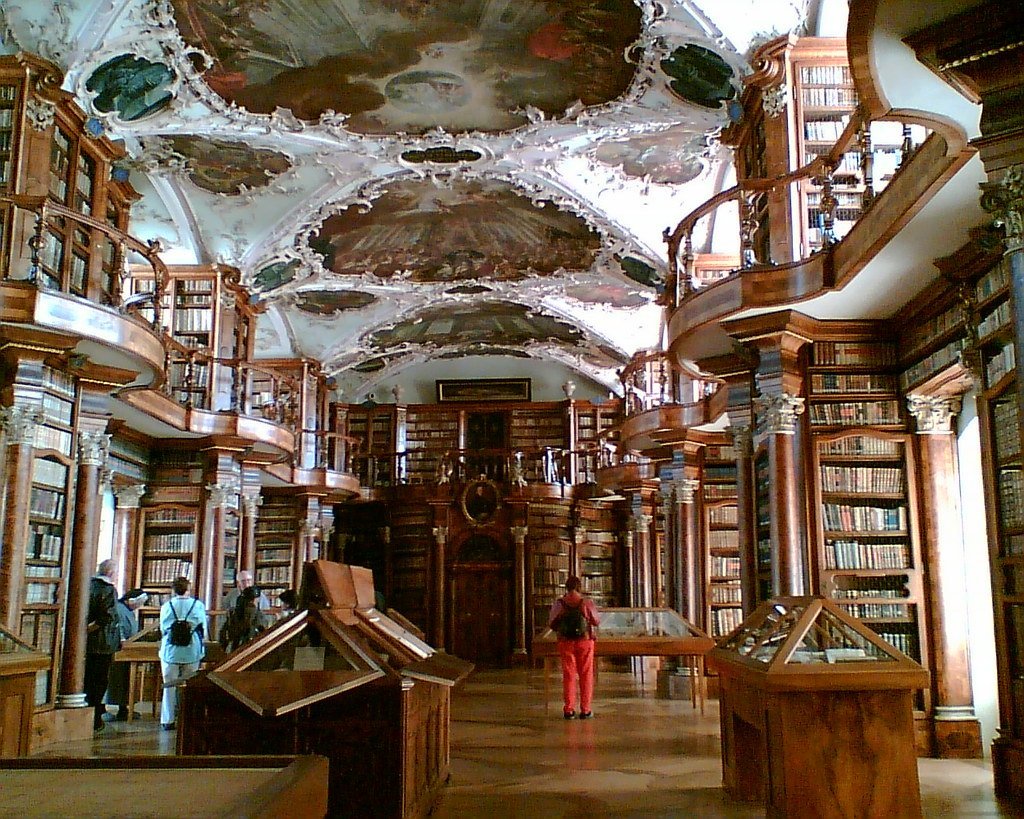
Nestled within the historic Abbey of Saint Gall, the Abbey Library stands as one of the oldest and most significant monastic libraries in the world. Established in the 8th century, this UNESCO World Heritage Site houses approximately 160,000 volumes, including 2,100 manuscripts dating back to the 8th through 15th centuries. The library’s Rococo-style hall, designed by architect Peter Thumb and completed between 1758 and 1767, captivates visitors with its intricate woodwork, stucco decorations, and a stunning ceiling fresco depicting the pursuit of knowledge. Above the entrance, the Greek inscription “ΨΥΧΗΣ ΙΑΤΡΕΙΟΝ” translates to “healing place for the soul,” reflecting the library’s enduring mission.
Among its treasures is the famed Plan of Saint Gall, the oldest surviving architectural drawing on parchment. This harmonious blend of cultural heritage and architectural splendor makes the Abbey Library a sanctuary for scholars and admirers of history alike. Located in northeastern Switzerland, the St. Gallen Abbey was once a large monastery that, since the 8th century until its secularization in 1805, was one of the most important cultural centres in Europe, according to UNESCO’s website. The site was named a UNESCO World Heritage Site in 1983. There is something almost philosophical about standing in a building that has been dedicated to knowledge for over twelve centuries.
6. George Peabody Library, Baltimore, USA
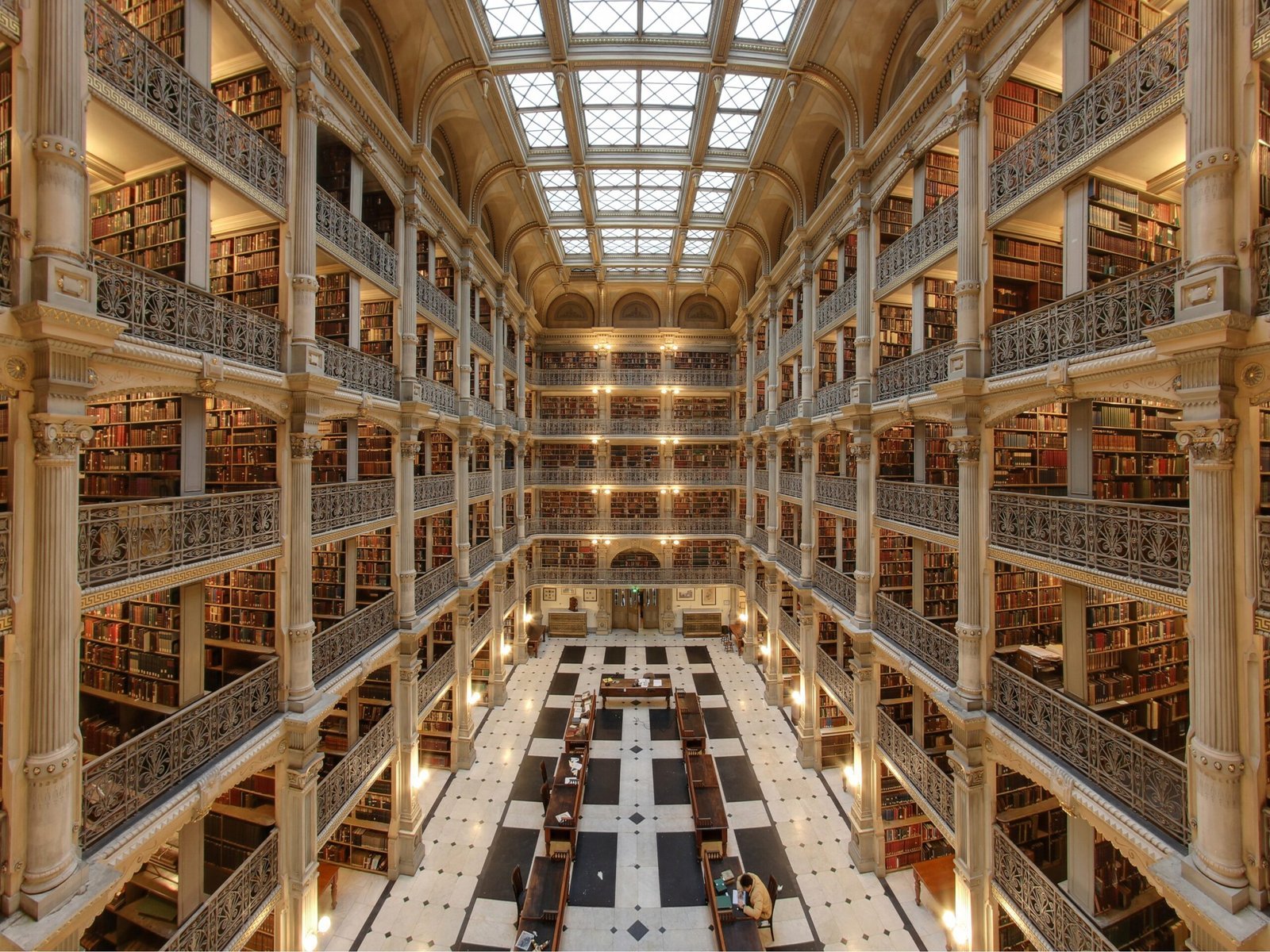
The George Peabody Library raised the bar to an entirely new level. Belonging to Johns Hopkins University, it is easily among the era’s most beautiful libraries, built in 1878 to a design by Baltimore architect Edmund G. Lind in collaboration with the Peabody Institute’s first provost, Dr. Nathaniel H. Morison. A soaring cathedral-like atrium spans five tiers and houses some 300,000 books. Its five-tier atrium, adorned with wrought-iron balconies and columns, creates an awe-inspiring environment. The elegant design enhances the library’s ambiance, making it a popular spot for both visitors and students.
The main draw here is the cathedral-like atrium, marble floors, and wrought-iron details. The library incorporates Baroque, Rococo, and Greco-Roman architectural elements, including classical columns embellished with gold leaf. Honestly, this place feels more like a set from a Dickens novel than a working research library. The Peabody Stack Room, central to the library, stands out with its graceful ironwork and impressive height. This room is often highlighted in discussions about the . It is no coincidence that the Peabody is one of the most popular wedding venues in Baltimore. When a library looks this extraordinary, people want to celebrate there.
7. Biblioteca Marciana, Venice, Italy
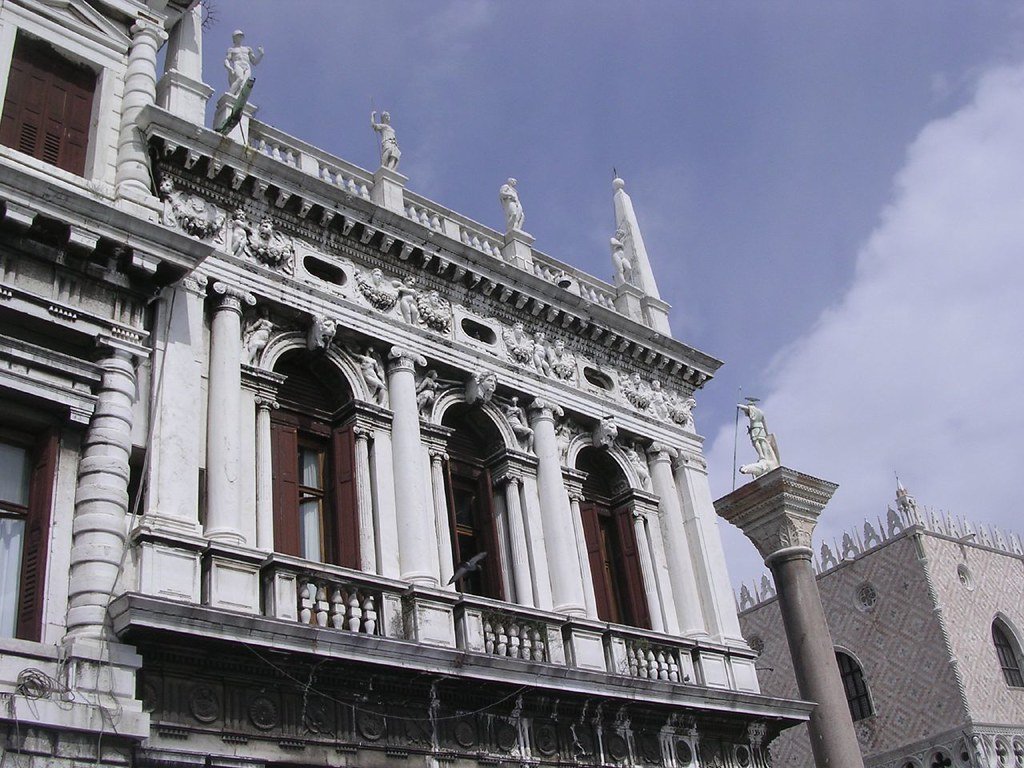
Biblioteca Marciana is named after Venice’s patron, St. Mark, and it is one of the earliest surviving public libraries and repositories for manuscripts in Italy. Built in 1558, it is a significant example of Venetian Renaissance architecture and occupies a vast site in St. Mark’s Square. Imagine a library sitting directly on one of the most iconic piazzas on the planet. That is exactly what you get here, where architecture, history, and sheer visual splendor collide in one unforgettable space.
No trip to the canal city would be complete without a visit to the Biblioteca Marciana, one of the largest and most prestigious libraries in the world. Located in Venice, the Marciana Library is one of Italy’s oldest and most beautiful libraries. The interior dazzles with gilded ceilings, richly decorated halls, and a collection of ancient manuscripts that trace the intellectual heritage of the Venetian Republic. It is the kind of place that makes you slow down, look up, and simply breathe it all in. Worth every minute of any visit to Venice.
8. Bibliotheca Alexandrina, Alexandria, Egypt
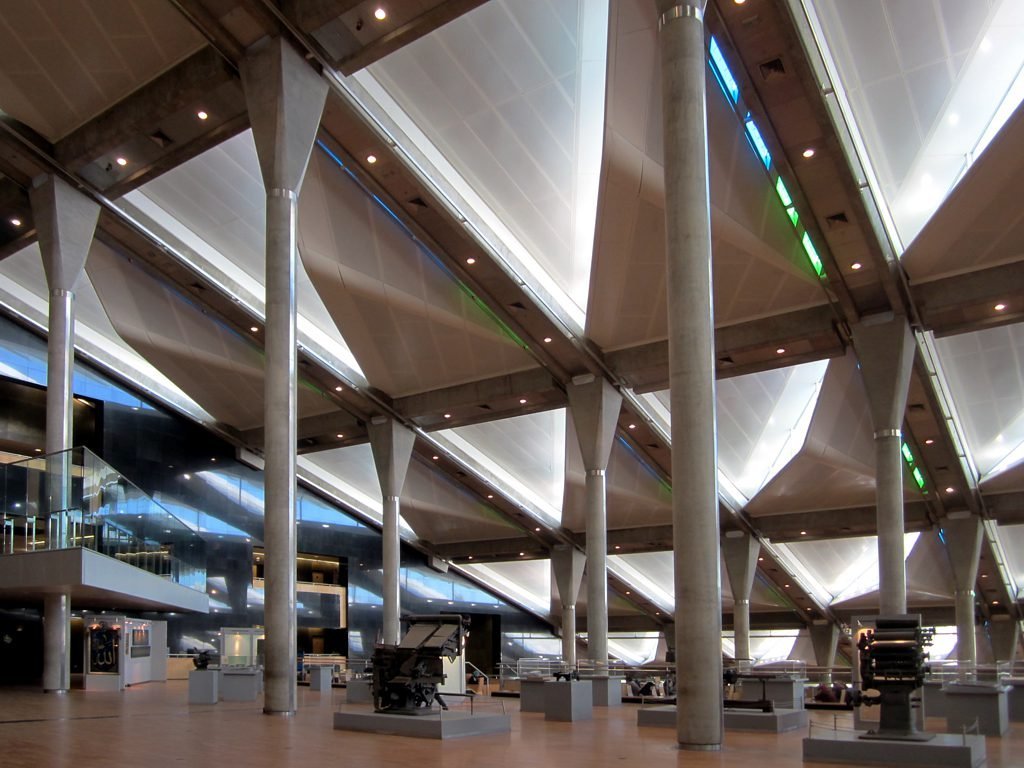
On the shore of the Mediterranean Sea, the city of Alexandria pays homage to its roots with the stunning Bibliotheca Alexandrina. Designed by Norwegian architecture firm Snohetta, the contemporary building’s circular granite form is key to this tribute, reflecting the cyclical nature of knowledge throughout time. The exterior walls are carved with over 100 different scripts that honor human language, while inside, the 11-story structure is illuminated by vertical, north-facing skylights. The grand reading room, with space for more than 2,000 visitors, sits under a welcoming glass roof, measuring more than 500 feet wide and angled towards the sparkling Mediterranean Sea.
More than 2,000 years after fires sparked the decline of the original great library, a successor appeared. Inaugurated in 2009, the modern Bibliotheca Alexandrina is a story in itself. The curved facade is made from huge granite slabs etched with languages spanning some 10,000 years, and a tilted roof shades its collection of some eight million books. It houses millions of books and hosts several museums, a planetarium, and a manuscript restoration laboratory. It’s hard to say for sure whether any building can truly replace the loss of the ancient Library of Alexandria, but this one tries harder than any other on earth.
9. John Rylands Library, Manchester, England
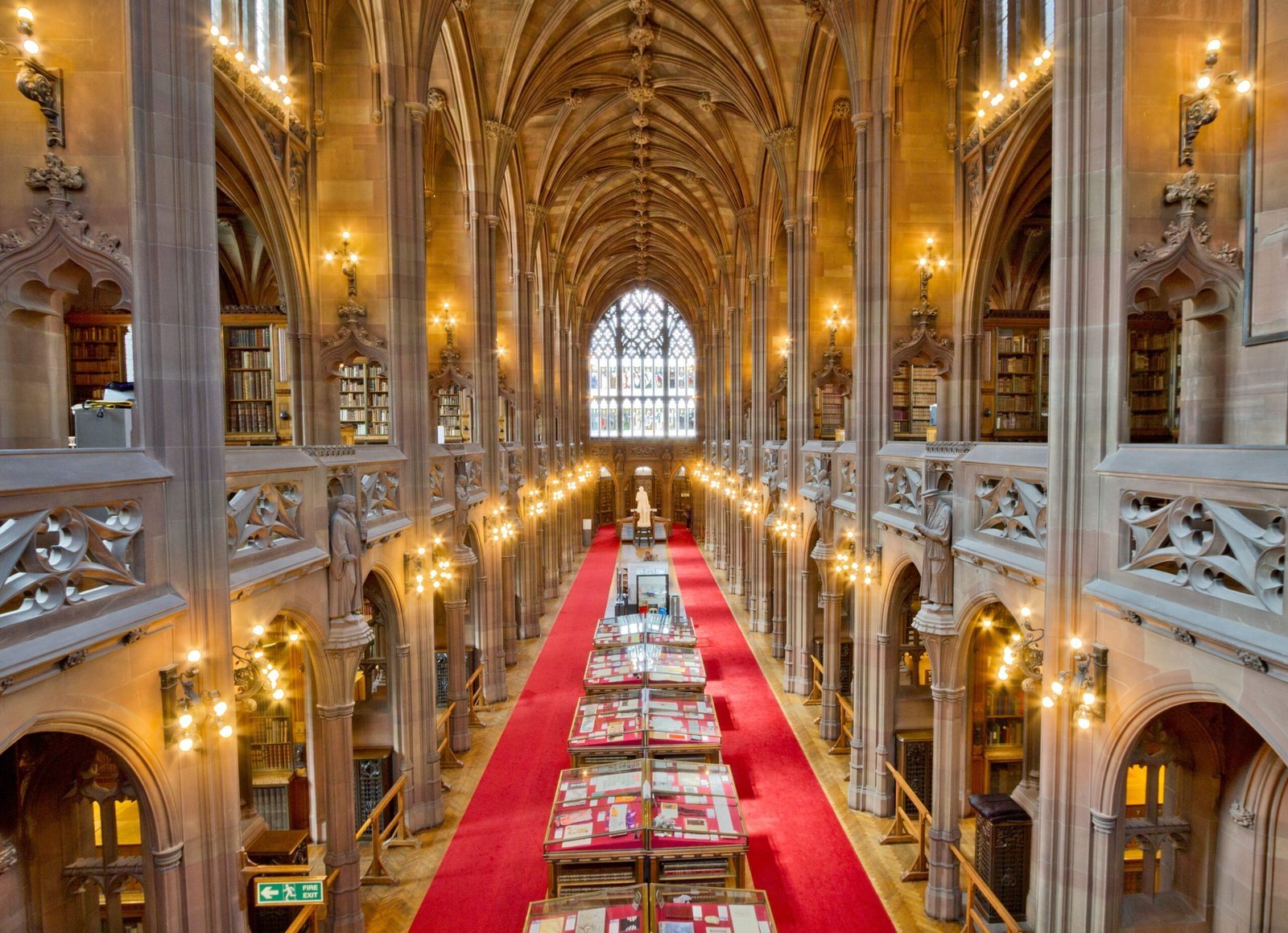
Moody and brooding, John Rylands Library in Manchester is among the best examples of late neo-Gothic architecture in Europe. The library is part of the University of Manchester and opened to the public in 1900 after being founded by Enriqueta Augustina Rylands in memory of her late husband, industrialist John Rylands. Manchester was booming off the back of the textile industry at the time, and the library, designed by Basil Champney, looks almost like a cathedral, dressed in rose-colored Penrith stone. There is something wonderfully dramatic about a building that channels the entire weight of Gothic stonework just to house books.
The high vaulted ceiling in the reading room is a haven of calm, embellished with extraordinary detail. This detailing is also evident on the huge stained glass windows and within a series of portraits and sculptures detailing the intellectual and artistic history of mankind. The beautiful reading alcoves, gently lit by oriel windows, are among the most charming features of the space. Described by many of its visitors as resembling something from Harry Potter, the extraordinary John Rylands Library is a classic example of Neo-Gothic architecture. It is also refreshingly accessible. Visitors do not just admire the exterior. They sit inside, open a book, and feel the history of the place settle around them like a heavy cloak.
10. Biblioteca Vasconcelos, Mexico City, Mexico
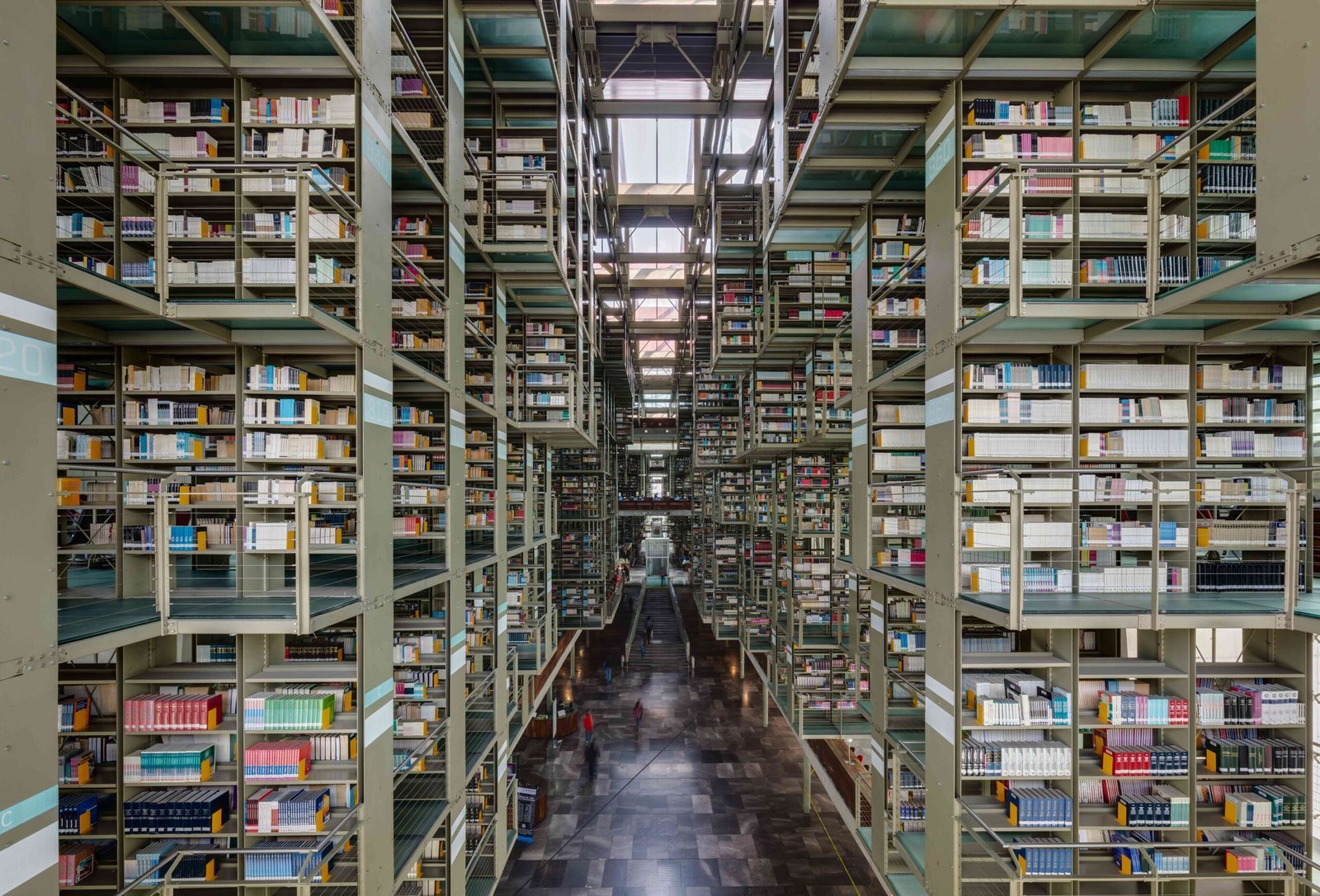
Designed by architect Alberto Kalach and inaugurated in 2006, Biblioteca Vasconcelos is a striking example of contemporary architecture. The library features suspended bookshelves within a vast, open interior, creating an illusion of floating structures. Surrounded by a lush botanical garden housing over 60,000 native Mexican plant species, the library offers visitors a serene environment that harmoniously blends knowledge and nature. It is like stepping into the future while simultaneously standing inside a forest. The contrast is jarring, dazzling, and deeply memorable.
The stark hanging shelves, and the almost 500,000 books that adorn them, are the real standout of this industrial masterpiece in Mexico City. The Biblioteca Vasconcelos’ bold interior design has plenty of other curiosities to discover as you walk the 409,000-square-foot “megalibrary,” including see-through glass floors that create some staggering dimension to the space, and a whale bone sculpture in the main lobby by artist Gabriel Orozco, inspired by the building itself. Outside, the building is beautifully integrated with a lush botanical garden, providing visitors with a tranquil oasis away from the hustle and bustle of the city. There is genuinely nothing else quite like it on earth. It does not feel like a traditional library at all. It feels like a vision of what libraries could be.
The Deeper Meaning of Beautiful Libraries
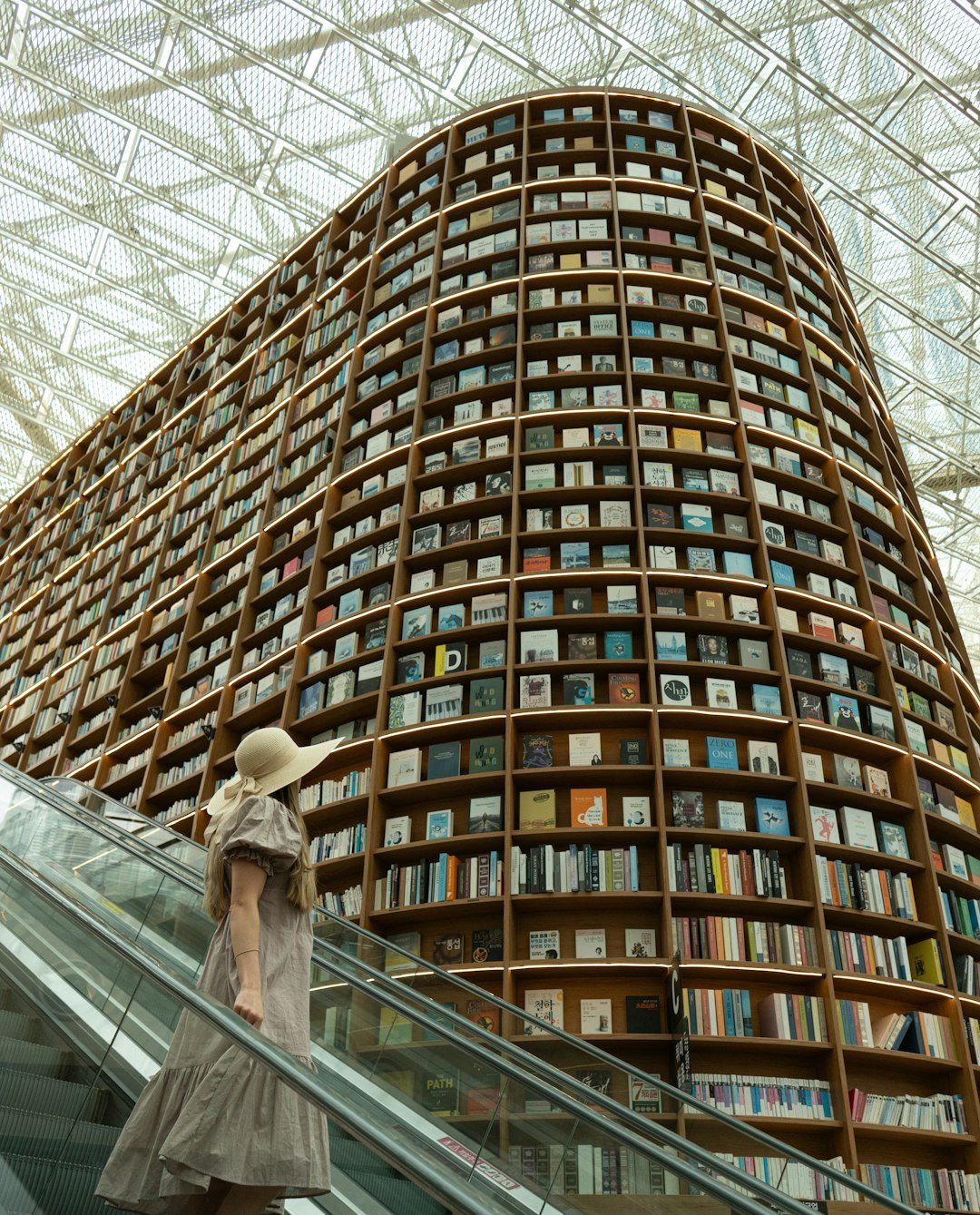
What all ten of these libraries share, beyond their obvious beauty, is a sense of purpose that transcends mere architecture. Libraries have been revered centers of learning and culture since antiquity. The most renowned libraries are also known for their architecture, whether they are historic, ornate edifices or landmarks of modern design, making them fascinating, multifaceted sites to explore. These buildings are declarations. Each one says, in stone or glass or gilded fresco, that human knowledge matters enough to protect, celebrate, and house magnificently.
Around the world, many libraries stand as landmarks, blending history, art, and culture. These buildings attract visitors who admire their design as much as those who come to read. For architecture enthusiasts and bibliophiles alike, exploring these beautiful libraries offers a chance to witness the intersection of literature and stunning design. The fact that some of these buildings survived wars, fires, communist takeovers, and centuries of decay makes them feel even more extraordinary.
There is a powerful argument to be made that the most beautiful libraries are also the most democratic monuments humanity has ever built. Anyone can walk through those doors. Anyone can stand beneath that barrel-vaulted ceiling, or gaze up at those frescoes, and feel connected to something vast and ancient and deeply human. Which of these ten extraordinary places would you put at the top of your must-visit list?
CEO-Co-Founder
