

- 10 Most Beautiful Castles in The World - March 27, 2026
- 13 Unbelievable Travel Destinations That Inspired Classic Literature - March 27, 2026
- 12 Most Beautiful Waterfront Cities in The World - March 27, 2026
Castles stand as timeless sentinels, whispering tales of kings who wielded iron fists and dreamers who chased impossible visions. These stone giants rose from the earth to shield realms from invaders, flaunt royal might, and capture the wild creativity of their builders. Picture fortresses clinging to cliffs or soaring amid misty peaks, each one a masterpiece born from necessity and grandeur.
From Europe’s fairy-tale spires to Asia’s elegant strongholds, they dot the globe like jewels in a crown. What secrets do these wonders hold? Let’s dive in and uncover the magic.
Neuschwanstein Castle, Germany
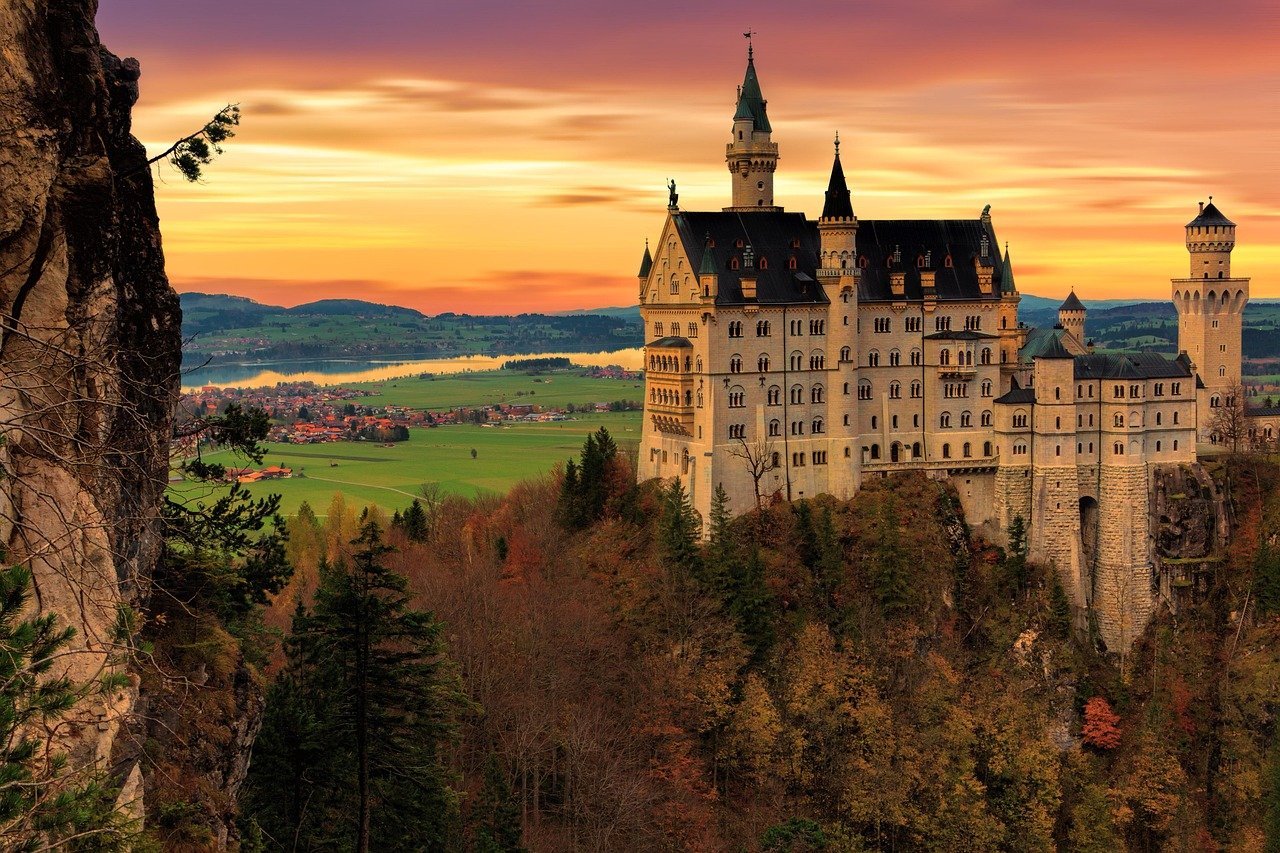
Imagine a fairy-tale dream plucked straight from a storybook, perched on a rugged Bavarian hill. Neuschwanstein Castle screams romance with its Neo-Romanesque Revival style, blending Gothic towers, Byzantine murals, and Wagner-inspired frescoes in halls like the opulent Throne Room.[1]
King Ludwig II kicked off construction in 1869 near Füssen, pouring his fortune into this Alpine escape until his death in 1886. Today, it draws over a million visitors yearly to its lakeside views and Disney-inspiring silhouette, a UNESCO gem symbolizing 19th-century escapism.[1]
Pena Palace, Portugal
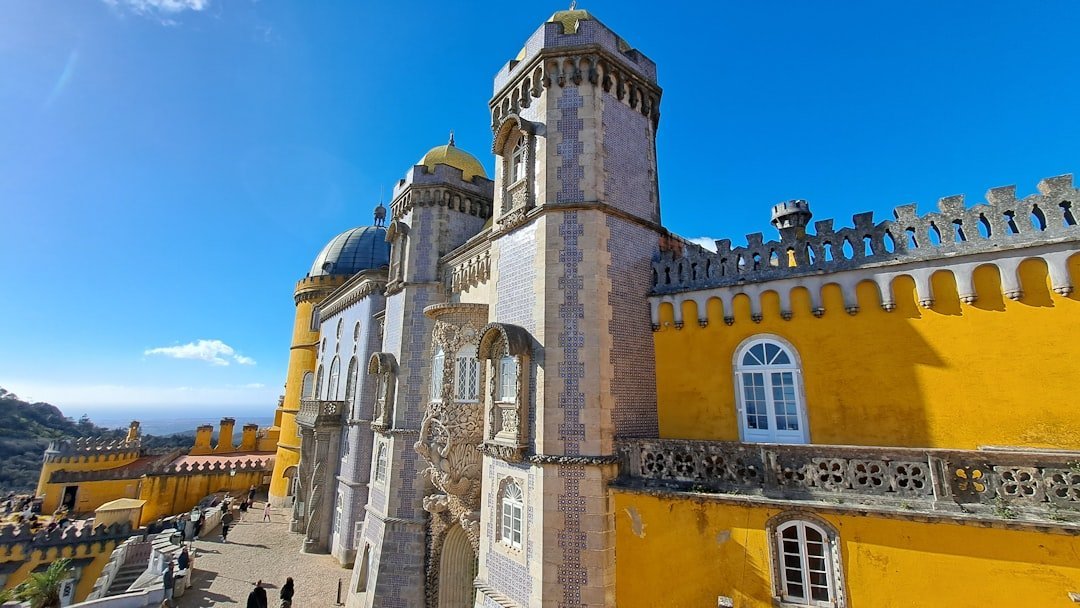
Did you know a castle could look like a psychedelic explosion of color? Pena Palace bursts with Romanticist flair, mixing Neo-Manueline arches, Gothic spires, and Islamic motifs on its red-and-yellow facades in Sintra’s misty hills.[2]
King Ferdinand II transformed 16th-century monastery ruins starting in 1842, creating a UNESCO-listed wonder visible from Lisbon. Its exotic gardens and eclectic vibes make it Portugal’s top monument, pulling crowds eager for royal fantasy amid ferns and sequoias.[2]
Himeji Castle, Japan
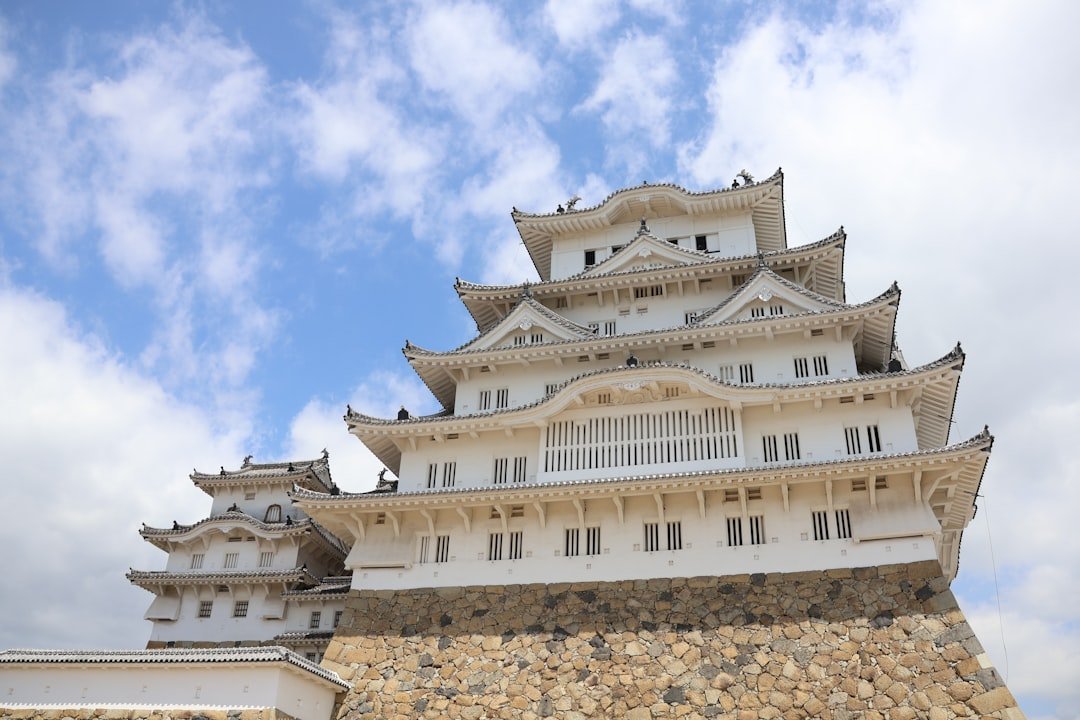
A white heron ready to take flight, that’s Himeji Castle for you, Japan’s pristine masterpiece. This Azuchi-Momoyama hilltop fortress dazzles with its six-story keep, maze-like paths, and over a thousand defensive loopholes, all in elegant white plaster.[3]
Expanded from 1333 forts by warlords like Toyotomi Hideyoshi and Ikeda Terumasa by 1609 in Hyōgo Prefecture, it survived quakes and wars. Now a UNESCO site with 2.8 million fans, it showcases samurai ingenuity and serene beauty year-round.[3]
Bran Castle, Romania
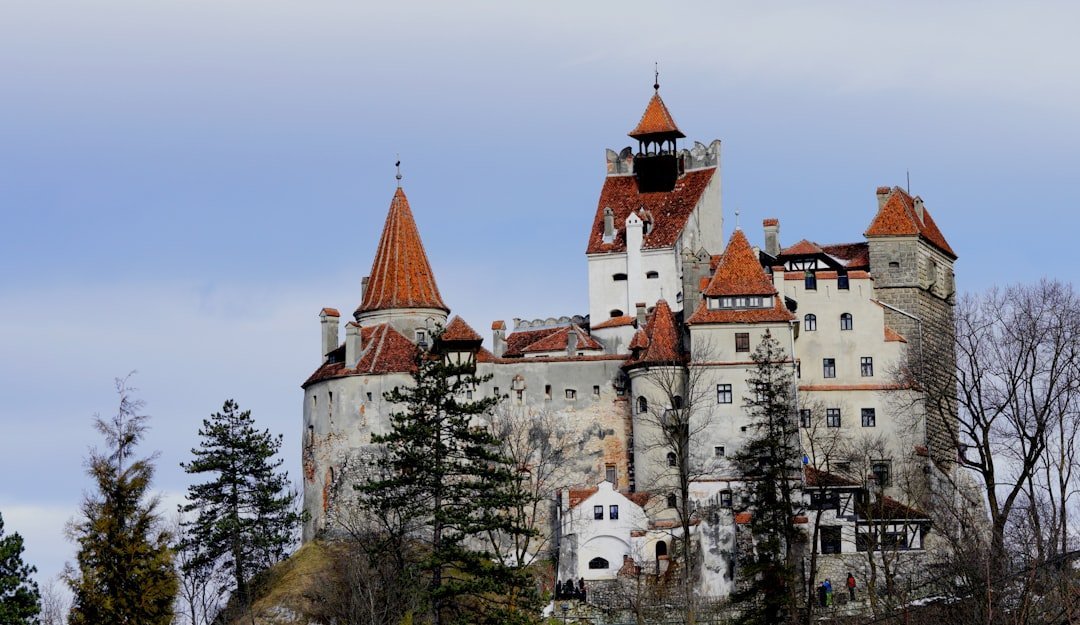
Perched like a brooding dragon on a cliff, Bran Castle stirs the imagination with its medieval stone walls and turrets. Though Gothic in feel, its fortress design guarded Transylvania’s border, evolving from 13th-century wooden roots.[4]
Saxons built it in 1377 near Brașov; Queen Marie later jazzed it up in the 1920s. Dubbed Dracula’s lair by tourists, it houses royal artifacts as Romania’s private museum, luring adventurers to its eerie charm and open-air village.[4]
Mont Saint-Michel, France
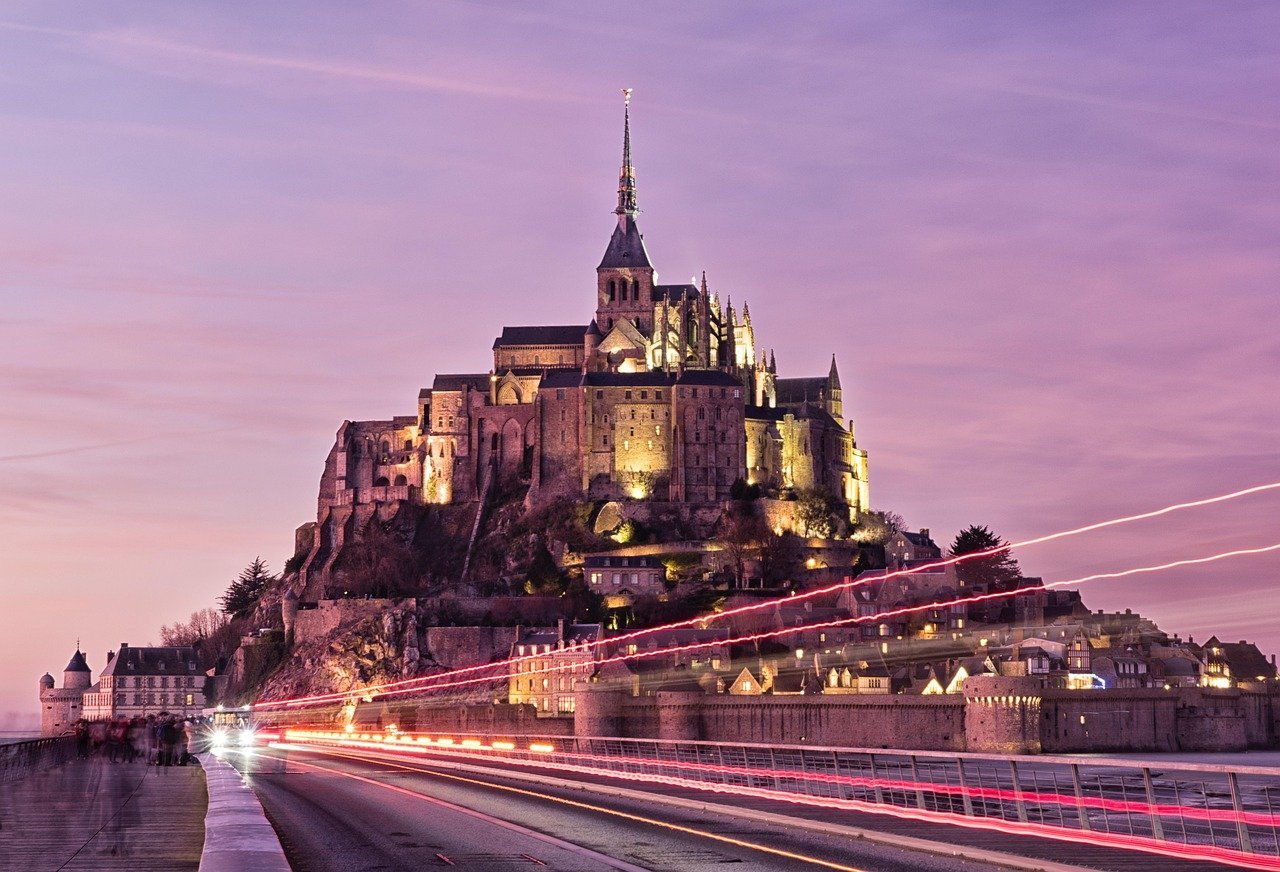
Tides swallow it whole, then reveal a Gothic marvel rising from the sea. Mont Saint-Michel blends Romanesque abbey roots with soaring spires and ramparts, a tidal island fortress straight out of legend.[5]
Started in 708 after an angelic vision, Normans fortified it against English sieges in Normandy’s bay. This UNESCO star packs three million visitors into its ancient streets, a beacon of faith and defiance that feels otherworldly at high tide.[5]
Eilean Donan Castle, Scotland
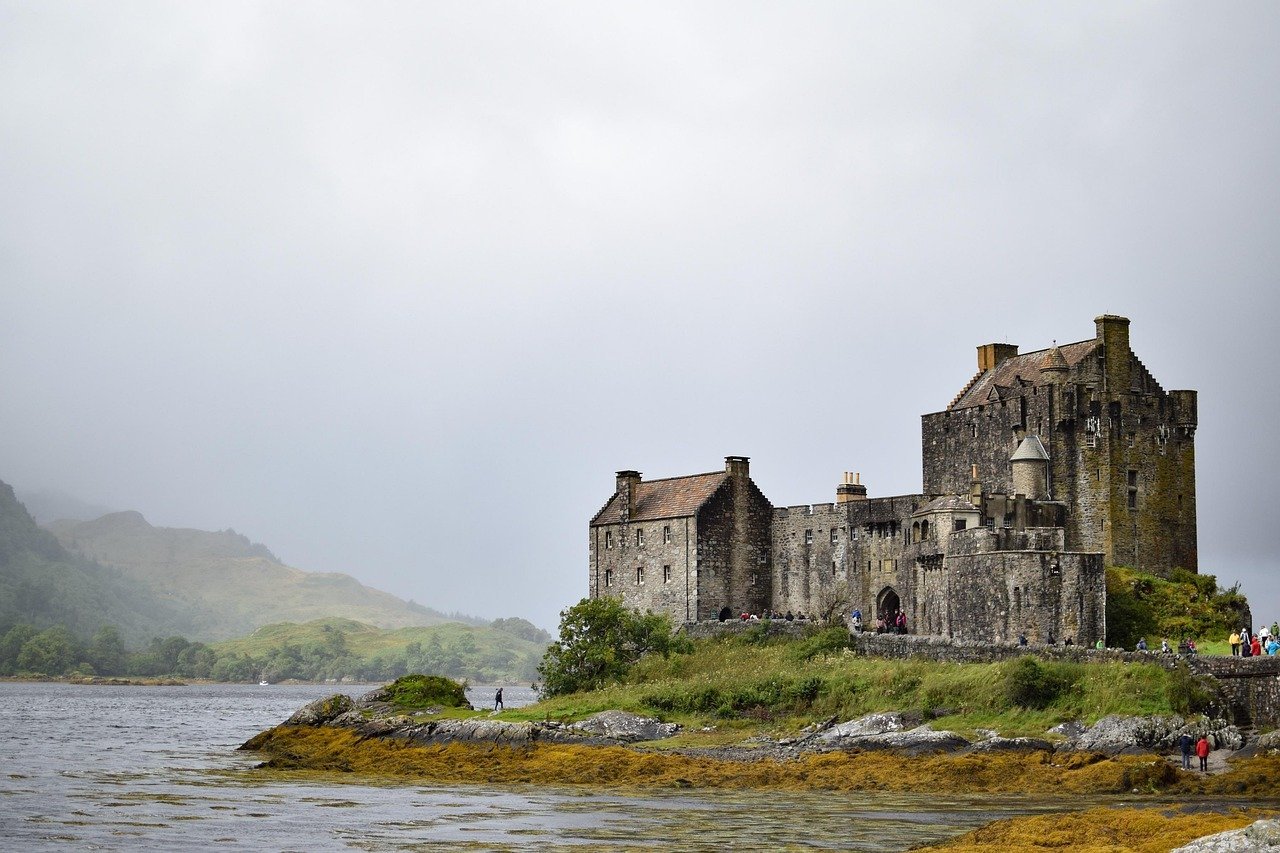
Scotland’s postcard perfect sentinel, bridging misty lochs with pint-sized power. Eilean Donan mixes medieval tower houses, crowstep gables, and 20th-century revival touches on its tidal isle.[6]
Clan Mackenzie raised it in the 13th century against Vikings; blown up in 1719, John MacRae-Gilstrap rebuilt it by 1932 in the Highlands. Filming hotspot and clan memorial, it welcomes hordes for Highland drama and whisky-tin fame.[6]
Hohenzollern Castle, Germany
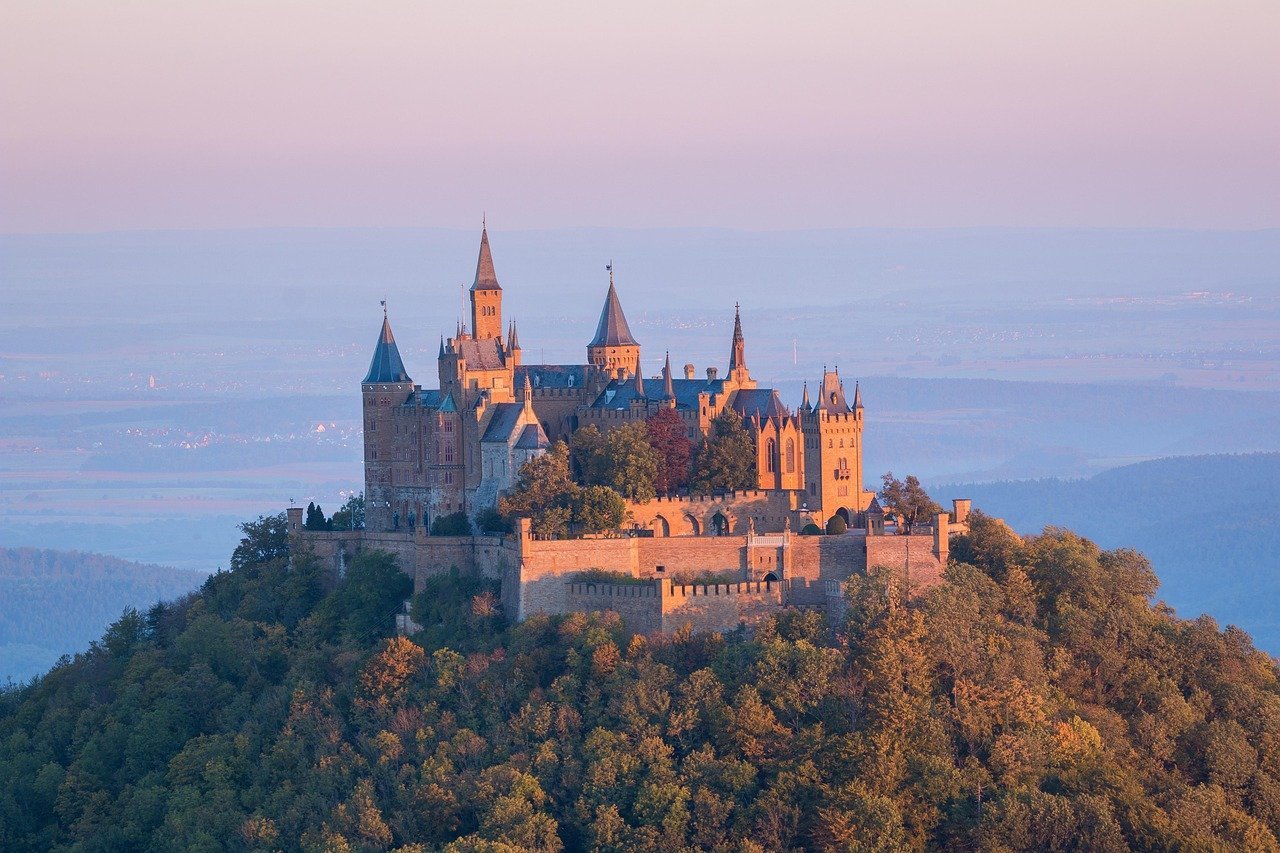
A neo-Gothic crown atop Swabian peaks, Hohenzollern screams Prussian pride. Gothic Revival with Loire chateau vibes, its U-shaped palaces, bastions, and vaulted halls gleam in white stone.[7]
Frederick William IV commissioned the third version in 1847 near Hechingen, honoring family roots from 11th-century forts. Housing imperial crowns, it draws 350,000 yearly to its panoramic views and Romantic allure.[7]
Predjama Castle, Slovenia
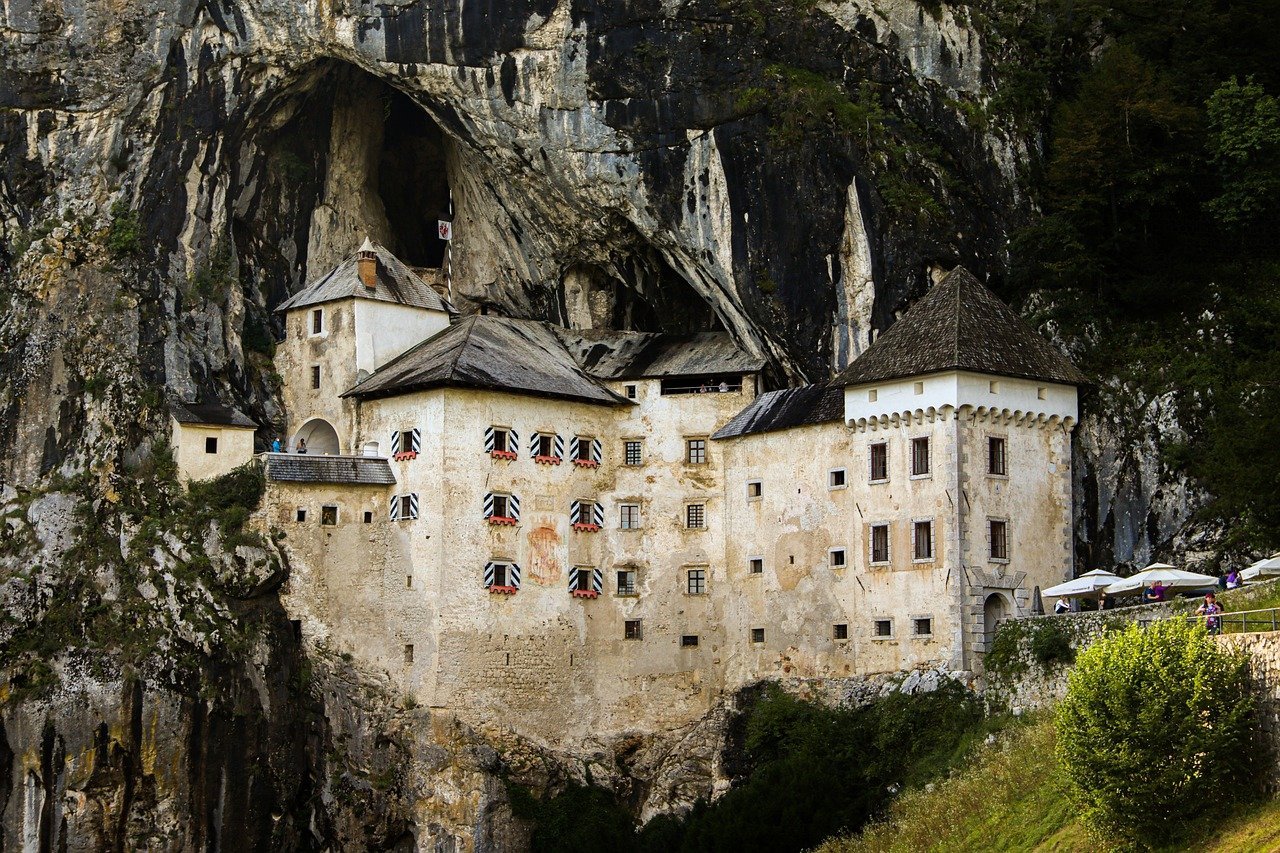
Half in a cave, all defiance, Predjama defies gravity and logic alike. Renaissance style clings to a cliff mouth, with Gothic origins and secret tunnels for sneaky supplies.[8]
Knights of Luegg started it in 1274 near Postojna; robber baron Erasmus held out a year before his dramatic end. This cave-castle legend now museums noble tales, stunning hikers with its impossible perch.[8]
Château de Chambord, France
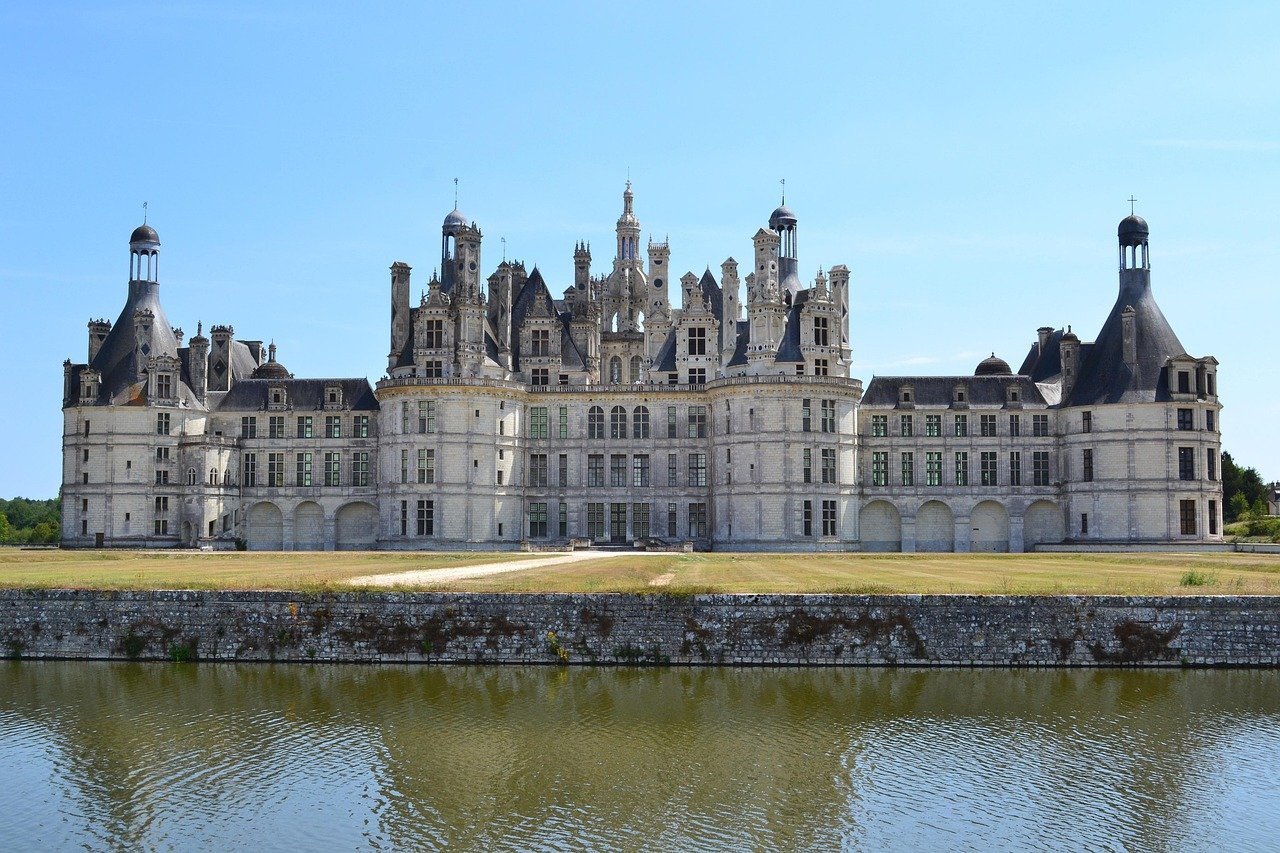
Renaissance rocket ship amid Loire forests, Chambord’s skyline of towers defies reason. French-Italian fusion boasts Leonardo-like double spirals, 440 rooms, and sculpted facades.[9]
Francis I launched it in 1519 as a hunting pad; it hosted emperors but stayed half-empty. UNESCO Loire jewel with deer park, it mesmerizes 700,000 visitors with opulent ambition frozen in time.[9]
Alcázar of Segovia, Spain
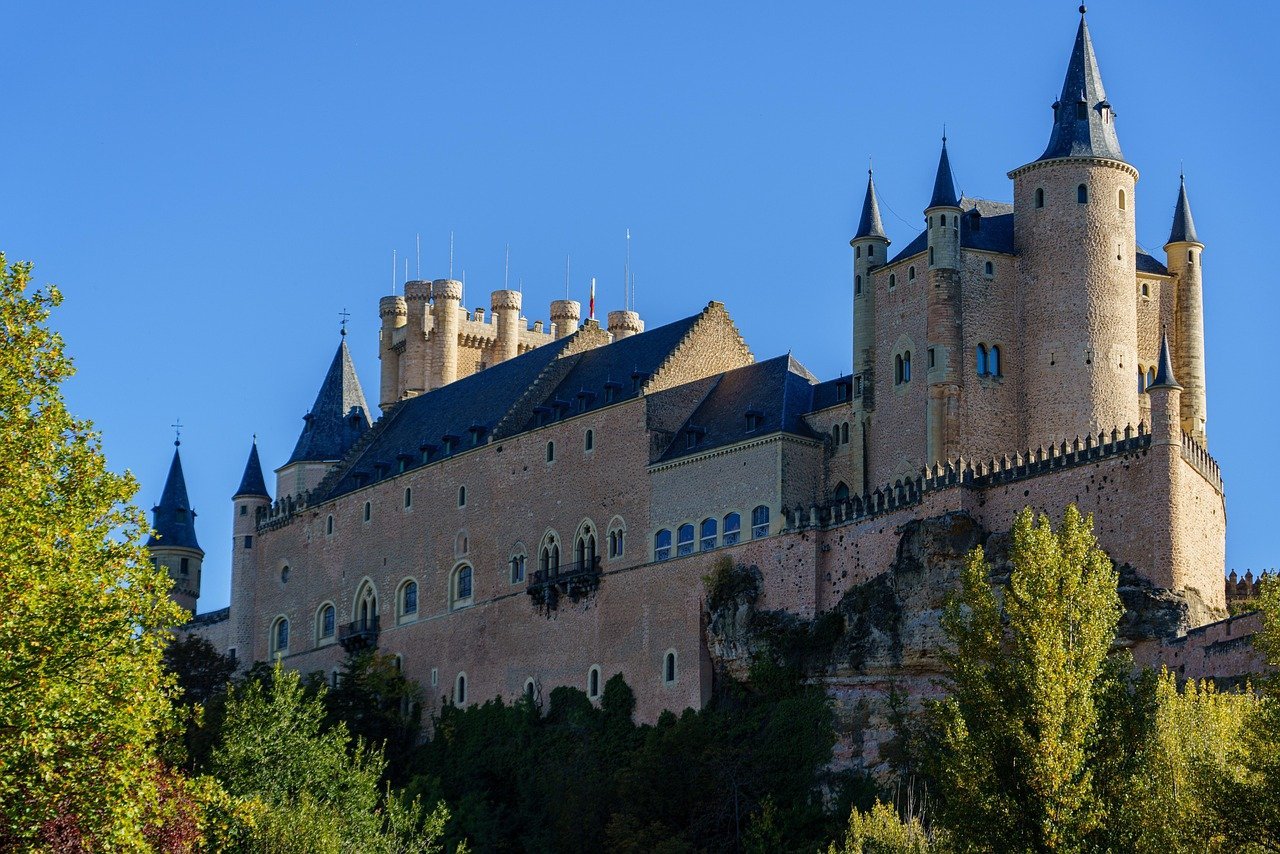
Disney’s muse, a ship-shaped spike piercing Castilian skies. Mudéjar-Gothic blend with slate spires, coffered ceilings, and river-perched drama.[10]
From 12th-century reconquest roots, Isabella I claimed her throne here before Columbus sailed. UNESCO Old Town star and military archive, its royal halls echo Spain’s golden age for awed explorers.[10]
Timeless Wonders That Call to Wanderers
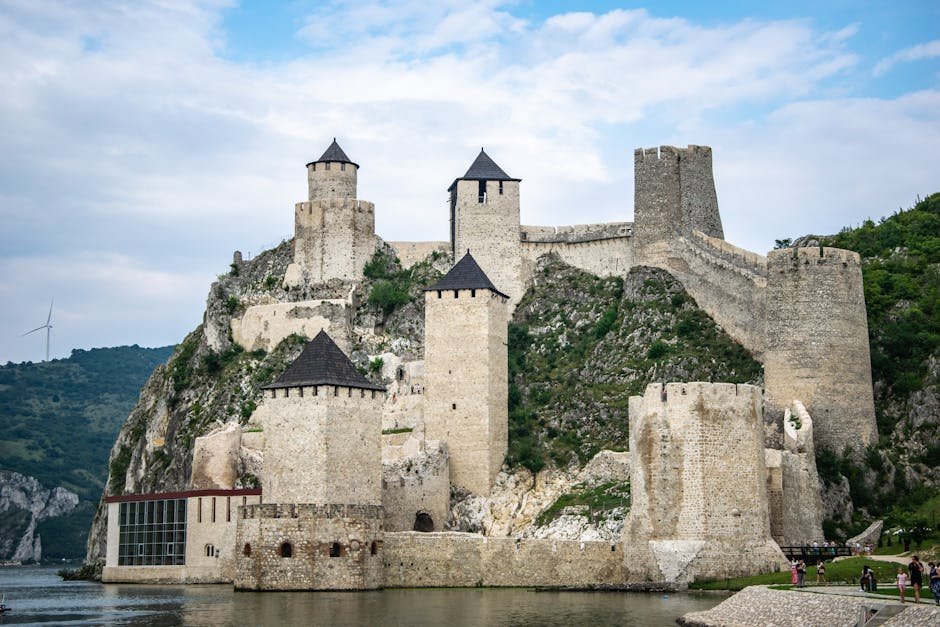
These castles aren’t just rocks and ramps. They pulse with stories of survival, splendor, and sheer human grit, drawing us across oceans to touch history’s edge.
Honestly, standing beneath their shadows humbles you, reminding how fragile yet fierce our past remains. Which one calls to you first? Share your dream destination below.[11][12]

Besides founding Festivaltopia, Luca is the co founder of trib, an art and fashion collectiv you find on several regional events and online. Also he is part of the management board at HORiZONTE, a group travel provider in Germany.
