

- 15 Classic TV Shows That Defined a Generation – And Where Are They Now? - April 12, 2026
- 10 Spring 2026 Shoe Trends Every Woman Should Know - April 12, 2026
- 10 Mind-Blowing Literary Theories That Change How You Read Classic Stories - April 12, 2026
Classic stories often feel set in stone, their meanings familiar from schoolrooms and endless adaptations. Yet a fresh lens can upend everything, revealing layers hidden in plain sight. Reinterpretation invites readers to question assumptions, turning passive familiarity into active discovery.
This shift happens when critics highlight overlooked symbols, psychological depths, or cultural contexts. Suddenly, heroes become villains, romances turn cautionary, and simple plots reveal profound critiques. These theories don’t rewrite the texts but illuminate paths long walked past.
Hamlet’s Oedipus Complex
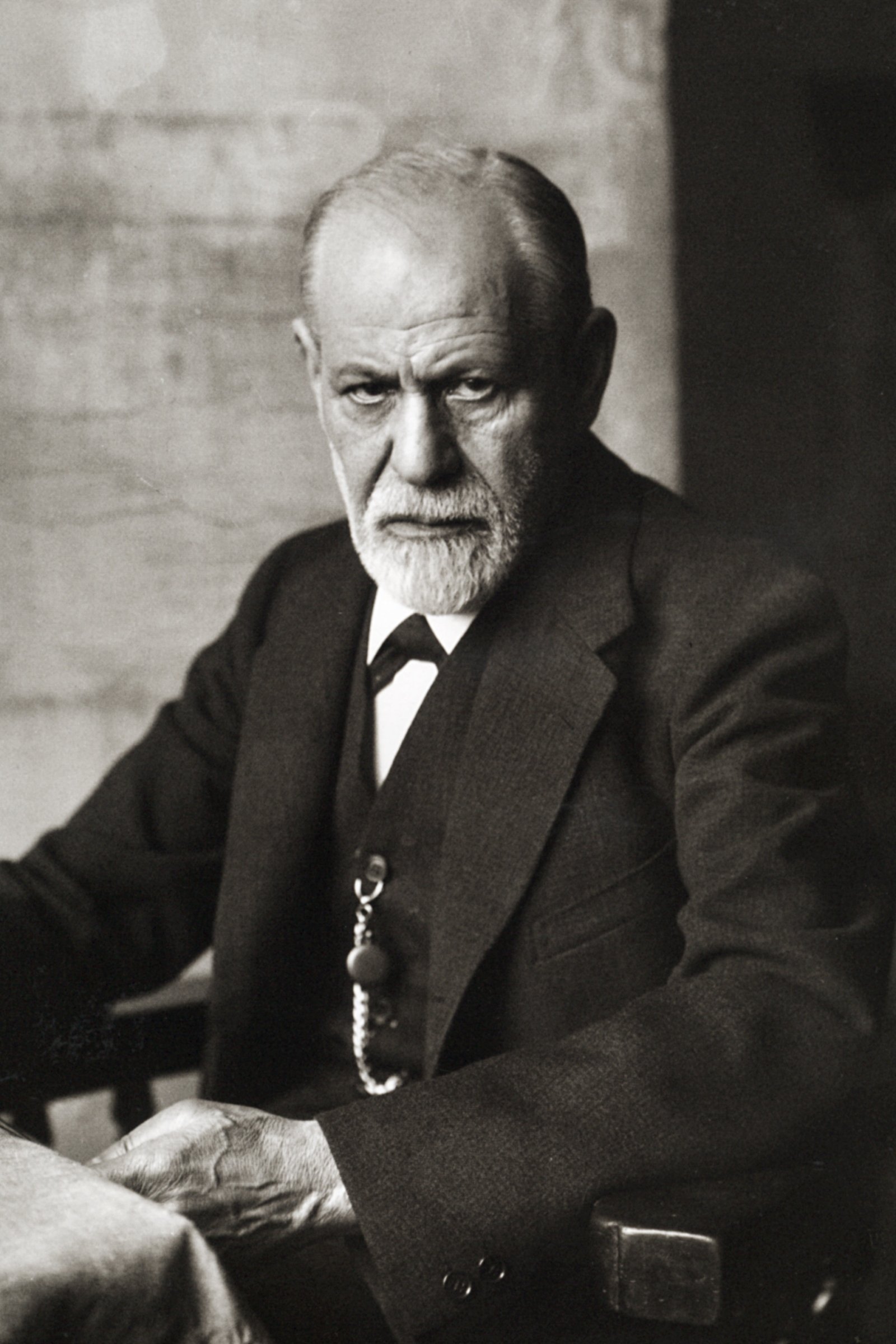
Sigmund Freud proposed that Hamlet’s hesitation stems from an unconscious Oedipus complex, a repressed desire for his mother and rivalry with his father.[1][2] The ghost’s command to avenge triggers guilt, not action, as Hamlet grapples with forbidden impulses. This reading transforms the play from a revenge tragedy into a psychological drama of the subconscious.
Implications ripple through every soliloquy, where Hamlet’s disgust at his mother’s remarriage hints at deeper turmoil. Readers now see his feigned madness as a mask for inner conflict. The theory recasts the prince not as indecisive, but as a man paralyzed by universal human drives.[3]
Victor Frankenstein as the True Monster
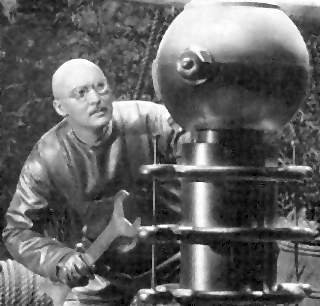
In Mary Shelley’s Frankenstein, critics argue Victor embodies monstrosity more than his creation. His ambition blinds him to ethical bounds, abandoning the creature to rage and isolation. This view shifts sympathy from the articulate outcast to the reckless scientist whose hubris sparks tragedy.
The novel critiques unchecked Enlightenment ideals, with Victor’s secrecy mirroring societal rejection of the “other.” His refusal to take responsibility dooms both himself and the creature. Readers revisit the tale as a warning against playing God, where the real horror lies in human neglect.
Bertha Mason as Imperial Symbol in Jane Eyre

Charlotte Brontë’s Jane Eyre gains new depth when Bertha Mason, Rochester’s mad wife, symbolizes Britain’s colonial exploitation. Locked in the attic, she represents the silenced voices of empire, her Creole heritage tying madness to racial prejudice. This theory exposes the novel’s undercurrent of imperialism beneath its romance.
Jane’s moral growth contrasts Bertha’s entrapment, highlighting Victorian anxieties about empire rebounding home. Rochester’s dominance parallels colonial power. The reading reframes the attic fire as rebellion against oppression, urging viewers to question Jane’s triumphant independence.
Wuthering Heights as Gothic Horror, Not Romance

Emily Brontë’s Wuthering Heights defies its romantic label through relentless cycles of revenge and supernatural terror. Heathcliff’s vengeful return evokes ghostly hauntings, with Cathy’s spirit blurring life and death. This interpretation casts the moors as a hellscape of primal fury, not passionate love.[4]
Generational torment underscores themes of class warfare and inherited trauma. Lovers’ union comes only in decay, subverting happy endings. Readers now approach the novel as a chilling exploration of obsession’s destructive force.
Nick Carraway’s Queer Longing in The Great Gatsby
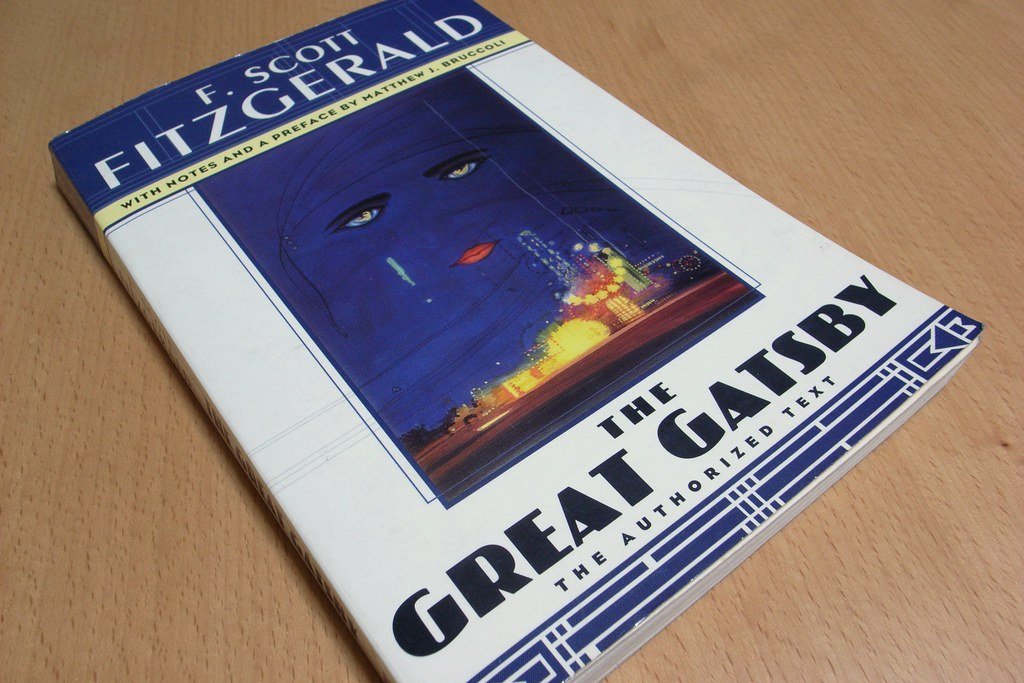
F. Scott Fitzgerald’s The Great Gatsby reveals Nick Carraway’s unspoken attraction to Gatsby, evident in his fixation on the man’s allure and vulnerability. Descriptions linger on Gatsby’s charm, contrasting Daisy’s superficiality. This queer reading repositions Nick as an unreliable admirer, his judgments colored by desire.[5]
The green light symbolizes Gatsby’s unattainable ideal for Nick too, amplifying themes of longing across identities. Straight romance fades against homoerotic tension. The theory enriches the Jazz Age critique, showing personal disillusionment intertwined with societal masks.
The Governess’s Delusion in The Turn of the Screw
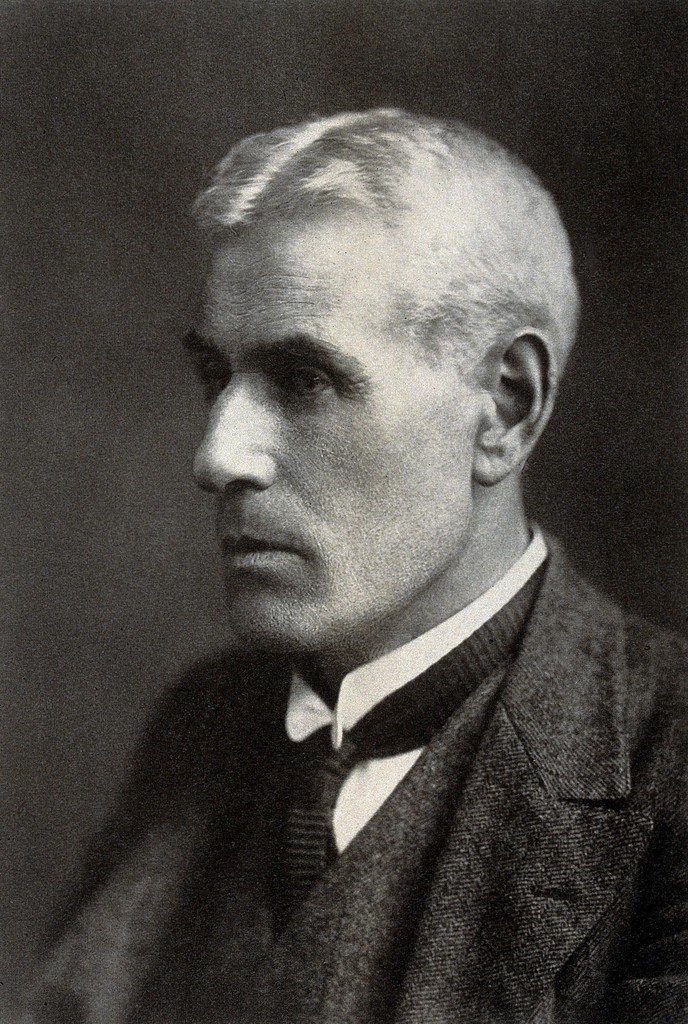
Henry James’s The Turn of the Screw hinges on whether the governess hallucinates ghosts or confronts real spirits. Evidence points to her sexual repression projecting demons onto innocent children. This psychological twist turns supernatural horror into a study of unreliable perception.
Her “visions” align with Victorian taboos, corrupting Miles and Flora through obsession. Ambiguity forces readers to doubt her narrative entirely. The novella emerges as a chilling probe into madness masquerading as duty.
Political Populism in The Wizard of Oz
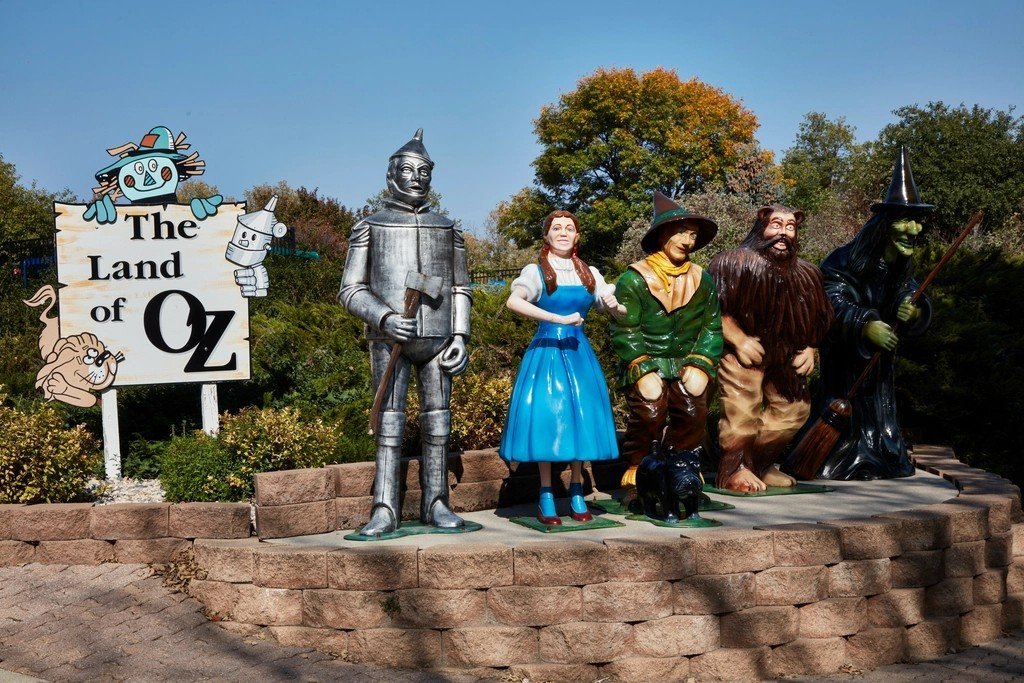
L. Frank Baum’s The Wizard of Oz encodes late-19th-century American politics, with Dorothy’s silver slippers (gold in film) advocating bimetallism against gold-standard “Emerald City” illusions. Scarecrow, Tin Man, and Lion represent farmers, workers, and politicians lacking true power. This allegory unveils the fairy tale as economic satire.
The Wizard’s hot-air facade critiques corrupt leadership. Kansas plainness triumphs over deceptive glamour. Readers uncover a populist manifesto hidden in whimsy, transforming adventure into pointed commentary.
Dracula as Victorian Sexual Panic
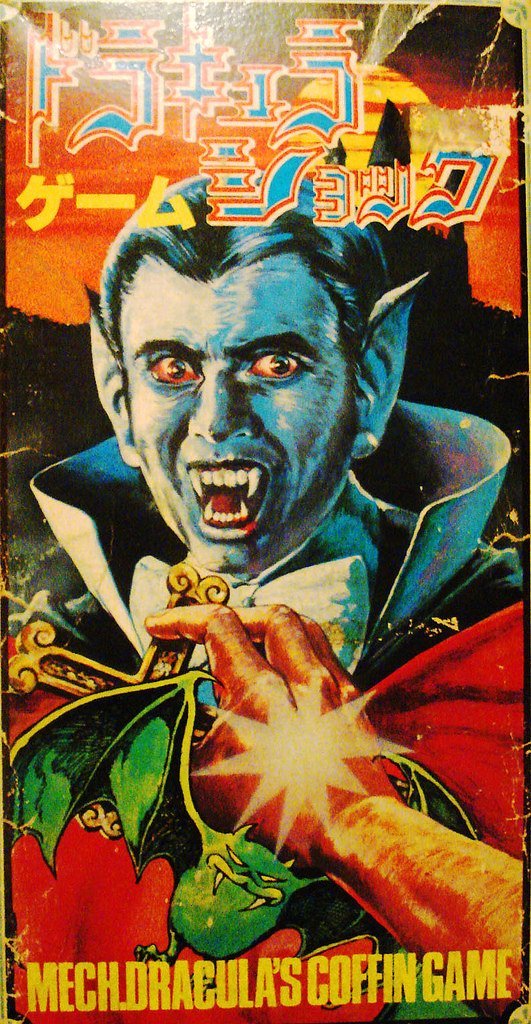
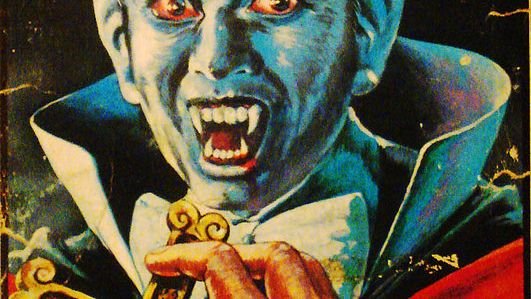
Bram Stoker’s Dracula pulses with repressed eroticism, vampires embodying forbidden desires piercing Victorian propriety. Bloodlust mirrors sexual penetration, Lucy’s transformation a fall from purity. This Freudian lens exposes the novel’s horror as anxiety over female sexuality and invasion.
Van Helsing’s stake-driving rituals reclaim control through violence. Eastern threat symbolizes immigrant fears laced with lust. The story shifts from monster hunt to battle against the carnal self.
Holden Caulfield’s Psychotic Break in The Catcher in the Rye

J.D. Salinger’s The Catcher in the Rye unfolds as Holden Caulfield’s descent into unreality, his museum fantasies and duck obsessions signaling breakdown. The narrative blurs post-murder confession with delusions. This theory recasts teenage angst as unraveling psyche.
“Phoniness” projects his alienation onto a hostile world. Red hunting hat marks his isolation. Readers see not rebellion, but a cry from mental collapse’s edge.
Sherlock Holmes and Moriarty as One Mind
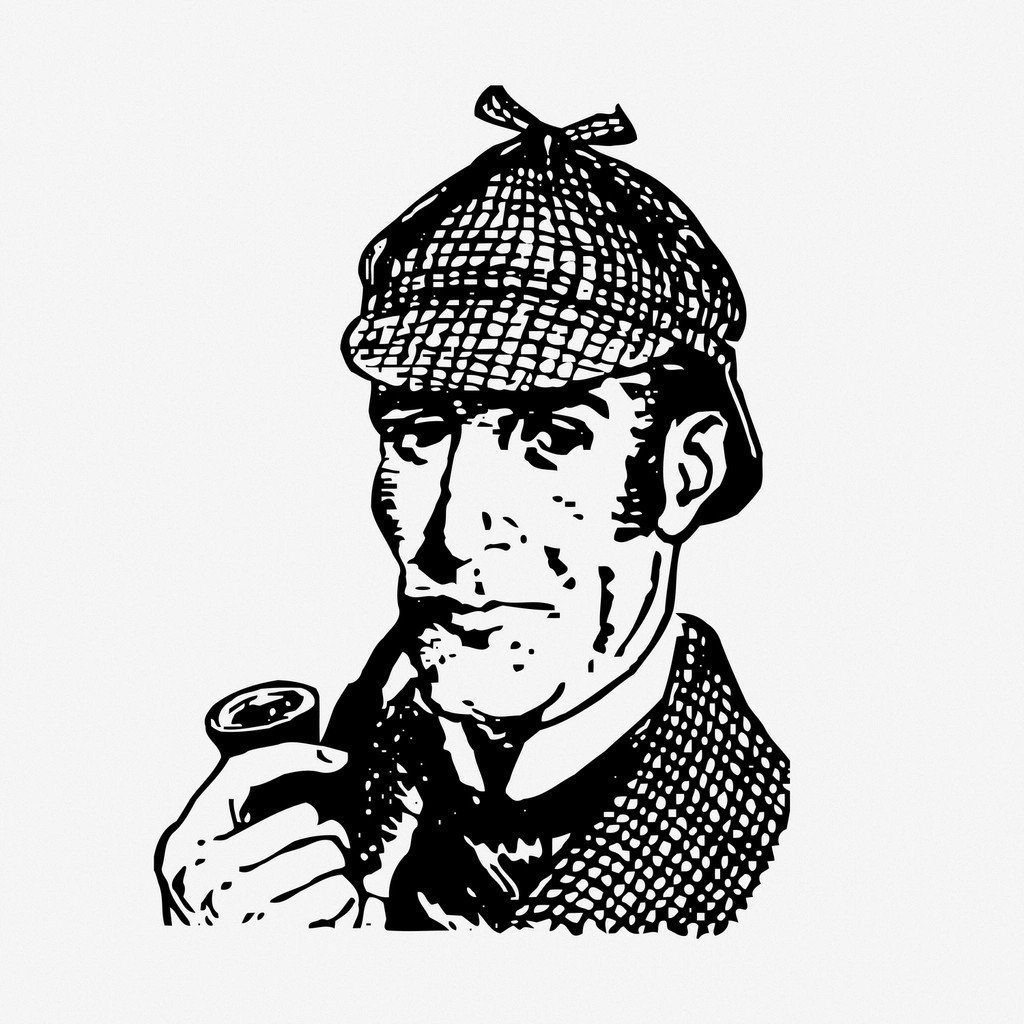
Arthur Conan Doyle’s Sherlock Holmes stories hint Moriarty as Holmes’s dark alter ego, their mirrored intellects suggesting split personality. “Napoleon of crime” reflects Holmes’s suppressed chaos. This doppelgänger reading turns detection into internal war.
Reichenbach duel symbolizes self-confrontation. Watson’s narration obscures the truth. The canon transforms from puzzle-solving to psychological thriller of fractured genius.
Evolving Literary Analysis

Literary theories evolve with culture, psychoanalysis yielding to postcolonial and queer perspectives. Each generation peels back surfaces, finding relevance in old words. Classics endure precisely because they accommodate endless reevaluation.
These interpretations remind us texts live beyond first reads. They challenge complacency, sparking dialogue across eras. In 2026, as new voices emerge, familiar stories promise fresh wonders still.

Besides founding Festivaltopia, Luca is the co founder of trib, an art and fashion collectiv you find on several regional events and online. Also he is part of the management board at HORiZONTE, a group travel provider in Germany.
