
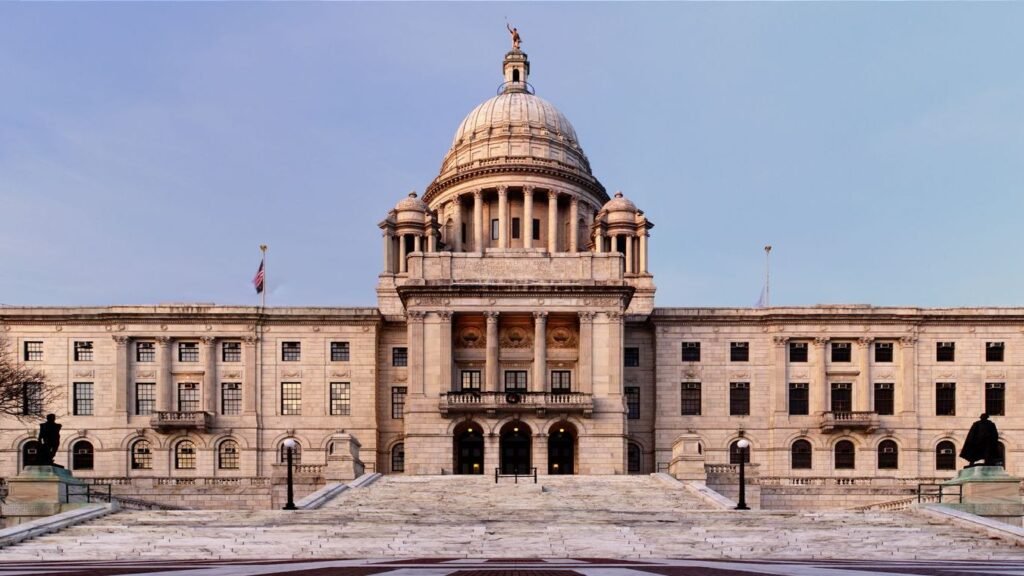

Most of us walked out of high school civics class thinking we had a decent handle on the US Constitution. We knew about the three branches, the Bill of Rights, maybe even a few amendments. But here’s the thing – what they taught us barely scratched the surface of one of history’s most fascinating governing documents. The real story is stranger, messier, and far more human than any textbook ever let on.
There are secrets baked into the parchment, dramatic backstage fights, and quirks so surprising they almost seem made up. The Constitution has been quietly shaping almost every corner of American life for well over two centuries, and yet most people remain remarkably in the dark about it. Let’s dive in.
1. The Word “Democracy” Appears Nowhere in the Constitution
Here’s a jaw-dropper to kick things off: the document that supposedly defines American democracy never actually uses the word. Not once. The Constitution does not explicitly state that the US is a democracy. In fact, the Founding Fathers believed that leaving everything up to direct votes from the people would lead to mob rule, which led them to create the governing system we know today and label the country a federal republic.
Think about that for a second. Every political speech, every presidential address, every parade on the Fourth of July celebrates “American democracy” – and yet the very document at the heart of it all never endorsed that label. In ancient Greece, citizens had a direct say in every affair of the government through public vote. The United States, however, suggested that rather than the people having direct influence, the people should elect a representative who would represent their collective views. It’s a crucial distinction – and one that still sparks debate to this day.
2. The Convention Was Held in Secret for 30 Years
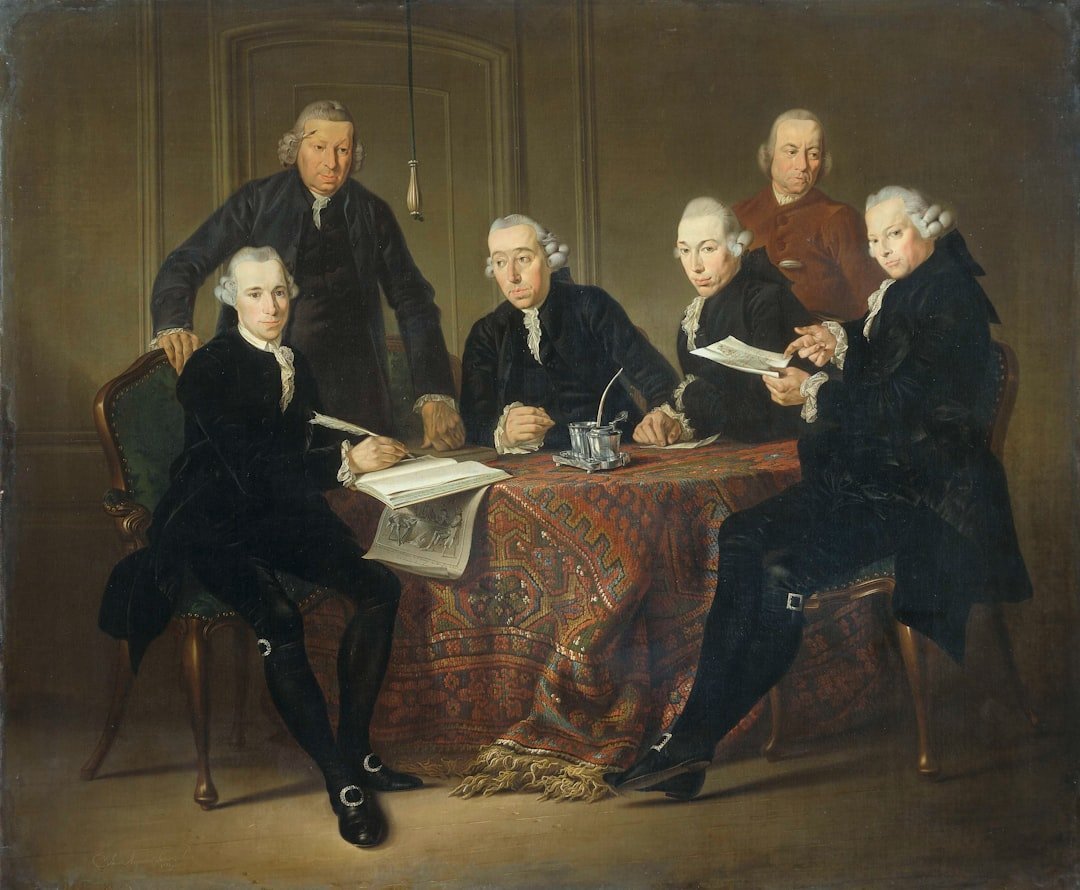
It sounds like something out of a spy thriller, but the drafting of the Constitution was conducted almost entirely in the shadows. The delegates were strictly ordered not to share any convention deliberations with the public. They had to keep all records of the event secret for 30 years, and this was done to encourage the delegates to share their opinions without any fear.
The practical reality of this was wild. The Constitution was drafted in Philadelphia in 1787 over the course of a humid summer. The windows of Independence Hall were shut to discourage eavesdroppers, and many delegates, who were mostly from out of town, wore and re-wore the same thick woolen garments day after day. Sweating through wool in a sealed room, debating the future of a nation in total secrecy – it’s hardly the heroic image painted in history books. Most people took notes during the convention, however, the notes of James Madison were the most detailed and were the only ones that gave us an in-depth description of what took place.
3. It Almost Never Had a Bill of Rights
Hard to imagine, right? The very amendments we consider the bedrock of American freedom almost didn’t exist. Some of the original framers and many delegates in the state ratifying conventions were very troubled that the original Constitution lacked a description of individual rights. In 1791, Americans added a list of rights to the Constitution, and the first ten amendments became known as the Bill of Rights.
Edmund Randolph and George Mason of Virginia and Elbridge Gerry of Massachusetts refused to sign the Constitution due in part to the lack of a bill of rights. When it came time for the states to ratify the Constitution, the lack of any bill of rights was a central concern. It was essentially a political negotiation – the Constitution only crossed the finish line because leaders promised to add rights protections afterward. The freedoms Americans hold most dear were, in a very real sense, an afterthought baked in under pressure. Honestly, that’s a little unsettling to sit with.
4. Two of America’s Most Famous Founding Fathers Never Signed It
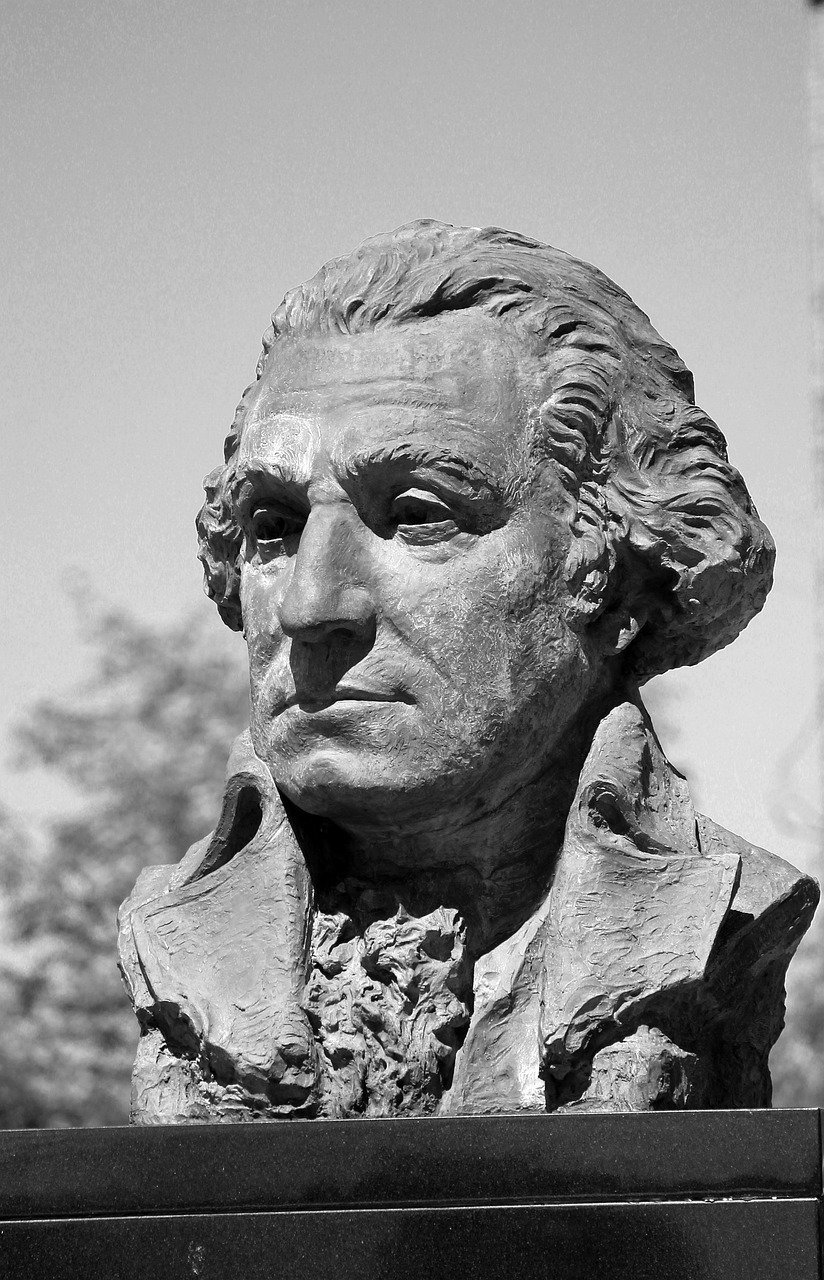
Thomas Jefferson and John Adams are practically synonymous with American founding mythology. Their faces, their words, their ideas are everywhere. So it might shock you to learn that neither man signed the Constitution. Two of America’s Founding Fathers didn’t sign the Constitution. Thomas Jefferson was representing his country in France and John Adams was doing the same in Great Britain.
They weren’t alone. Some other notable figures that weren’t present at the Constitutional Convention include John Hancock, Richard Henry Lee, Samuel Adams, and Patrick Henry. Patrick Henry’s absence is particularly telling. Patrick Henry of Virginia refused to attend the Convention and became one of the leading anti-Federalists, arguing against the document during the ratification process. Some of the most legendary names in American history actively opposed or were simply absent from one of the nation’s most defining moments. History is rarely as clean as we’d like it to be.
5. Benjamin Franklin Had to Be Carried to the Convention
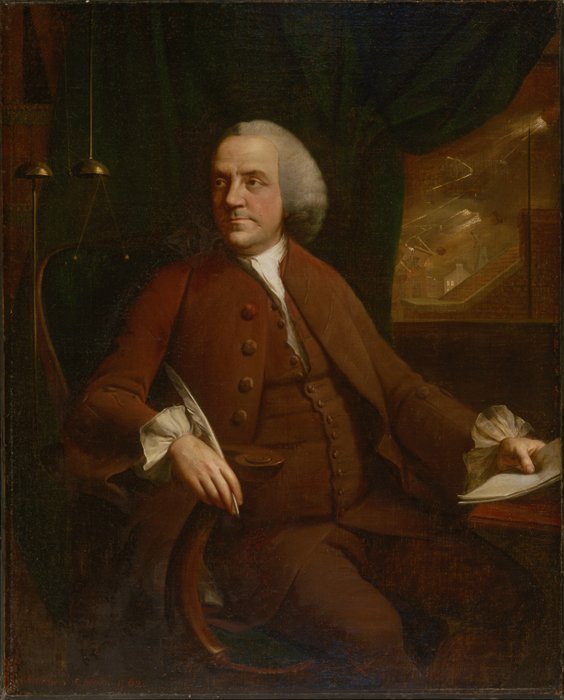
Plagued by gout and kidney stones, Benjamin Franklin reportedly was carried to the Pennsylvania State House on a chair held by four prisoners from the Walnut Street Jail. Despite his weakened condition, the 81-year-old statesman made his mark on the convention by brokering compromises between the warring factions.
Let that sink in. One of the most influential figures at the Constitutional Convention literally had to be transported by prisoners just to get through the door. At 81, Benjamin Franklin of Pennsylvania was the oldest delegate at the Constitutional Convention, and at 26, Jonathan Dayton of New Jersey was the youngest. Franklin also penned a powerful speech, delivered by Pennsylvania’s James Wilson, that urged his colleagues to set aside their doubts and formally approve the fruits of their labor. The range of ages alone tells you something about how broadly this nation-defining moment was felt across generations.
6. The Entire Document Was Written by a Relatively Unknown Clerk
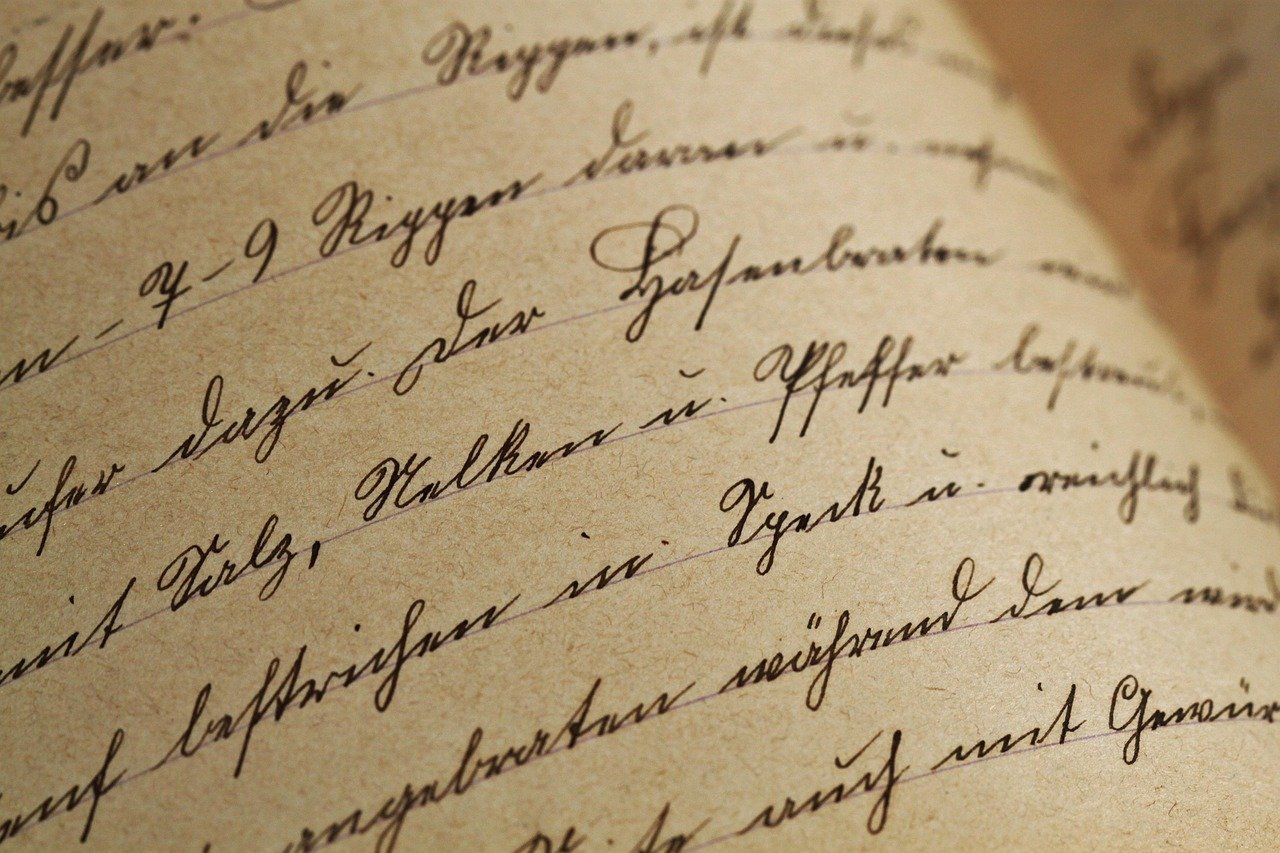
We celebrate the Founders endlessly, but the man who actually put pen to parchment? Most people have never heard his name. Lesser-known but equally important figures include Gouverneur Morris, who wrote the Preamble to the Constitution and is responsible for much of the document’s wording, and Jacob Shallus, the Pennsylvania General Assembly assistant clerk who actually held the pen.
Shallus was paid $30 – about $900 today – for lending his penmanship. Nine hundred dollars. That’s the market rate, apparently, for physically writing one of the most consequential documents in human history. Currently, all four pages are displayed behind protective glass framed with titanium. To preserve the parchment’s quality, the cases contain argon gas and are kept at 67 degrees Fahrenheit with a relative humidity of 40 percent. From a clerk’s hand to a titanium-framed national treasure – not a bad journey for a $30 job.
7. Rhode Island Boycotted the Whole Thing – Then Was Forced to Join
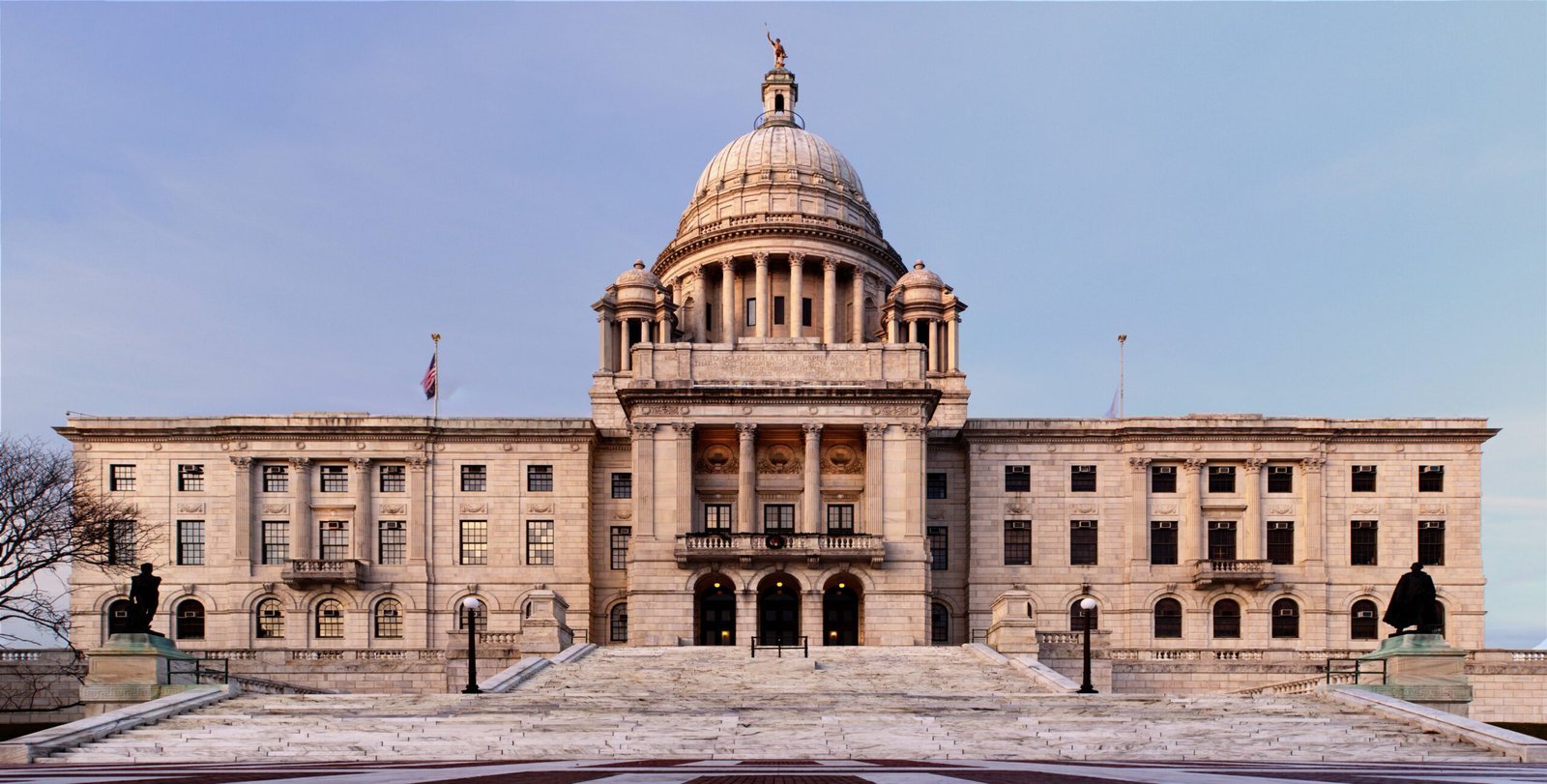
Rhode Island’s role in the Constitutional story is, frankly, one of the most dramatic subplots in American history. Concerned about handing too much power to the central government, Rhode Island boycotted the Constitutional Convention altogether and earned a measure of infamy as the only one of the 13 original states not to be a signatory.
Local support lagged even after New Hampshire became the ninth state to ratify the Constitution, thereby rendering it binding, in June 1788. It took an explicit threat from the Senate, which passed a bill prohibiting interstate commerce with Rhode Island in May 1790, for the holdouts to vote for ratification. I think this is one of the most underappreciated stories from the founding era. Essentially, the smallest state was financially bullied into joining the union. The notion that ratification was unanimous and joyful? That’s a myth. The state did eventually ratify the Constitution in 1790, but only after 11 ratification conventions.
8. Getting an Amendment Passed Is Nearly Impossible
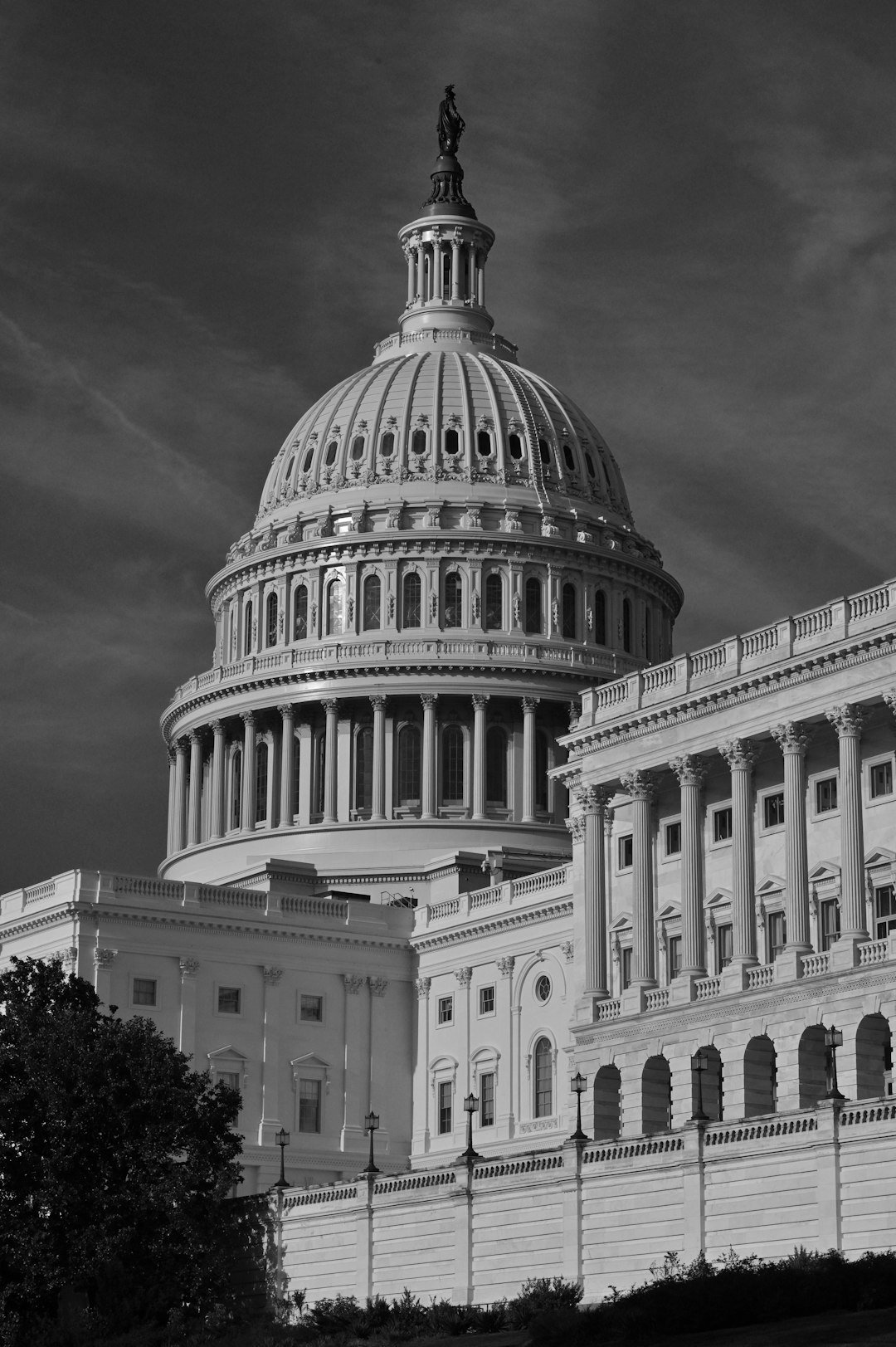
People talk about amending the Constitution as though it’s a straightforward civic process. It is anything but. In order to amend the US Constitution, two conditions must be satisfied. The first is that either the proposal must win a two-thirds vote in the Senate and House of Representatives, or two-thirds of state legislatures must call for a national convention to vote on the amendment. Once one of these events has happened, the amendment must then be ratified by three-fourths of the states.
There have been more than 11,000 amendments introduced in Congress since the Constitution was first ratified. Only 33 of those have gone to the states to be ratified, and 27 have received the necessary approval from the states to actually become amendments to the Constitution. That’s an extraordinary filter. Imagine pitching an idea over eleven thousand times and having it accepted just 27 times. In any other context, we’d call that a catastrophic failure rate. Here, it’s a feature, not a bug – deliberately designed to make impulsive change nearly impossible. Whether that’s wisdom or obstruction probably depends on which amendment you’re hoping for.
9. The President Was Almost Called “His Highness”
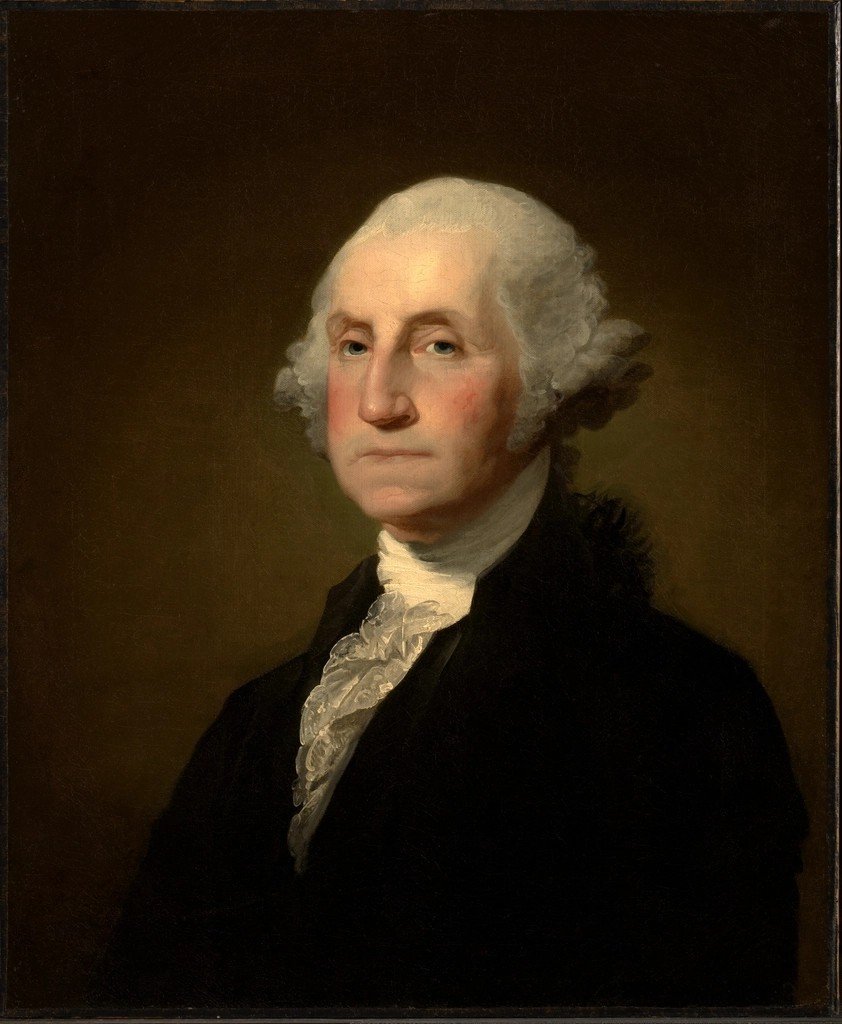
The title “President of the United States” feels so natural now that it’s hard to imagine anything else. Sounds odd coming from a country that was actively against the English monarchy, but apparently there were a number of regal-sounding titles proposed for the office of the president. These titles included “His Elective Majesty,” “His Mightiness,” and even “His Highness, the President of the United States of America and the Protector of their Liberties.”
The irony is almost too rich. A nation born out of rebellion against a king nearly crowned its first leader with a title straight out of a royal court. There was initially a question as to how to address the President. The Senate proposed that he be addressed as “His Highness the President of the United States of America and Protector of Liberties.” Both the House and Senate later compromised on the use of “President of the United States.” The simpler title won out, but the debate itself reveals just how uncertain and contested the whole enterprise was. These were people making it up as they went – brilliant, flawed, and very much human.
10. The First Thanksgiving Was a Constitutional Celebration
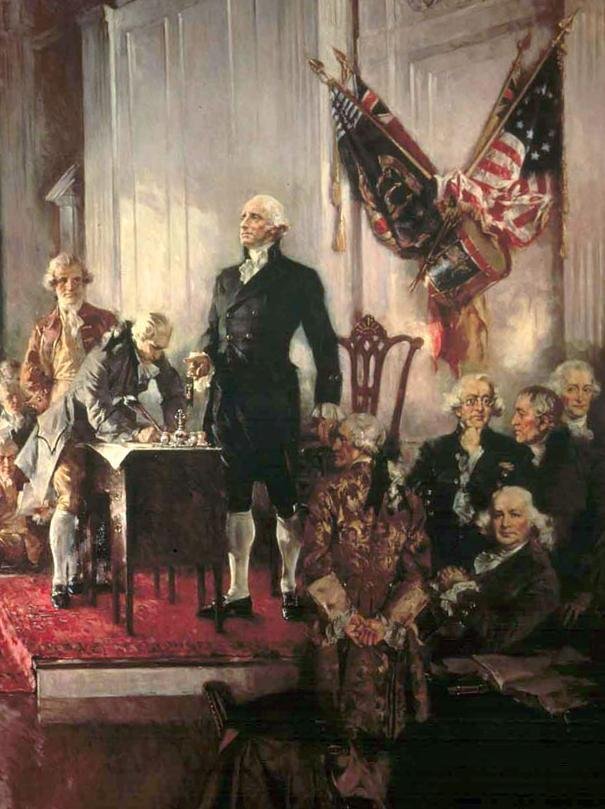
Every November, Americans gather around tables and give thanks – but very few know what that first national Thanksgiving was actually about. Established on November 26, 1789, the first national “Thanksgiving Day” was originally created by George Washington as a way of “giving thanks” for the Constitution. Not the harvest. Not the Pilgrims. The Constitution.
It’s a remarkable piece of lost context. Washington essentially declared a national holiday to celebrate the fact that the country had successfully ratified its governing framework. When the Constitution was signed, the United States’ population was 4 million. A young, fragile, deeply uncertain nation wanted to mark the moment it had a real legal foundation to stand on. The Pilgrim narrative came much later, layered on top of a holiday that was originally about something far more civic and constitutional in nature. What a twist that is, especially sitting at a Thanksgiving table in 2026.
A Legacy That Still Lives and Breathes
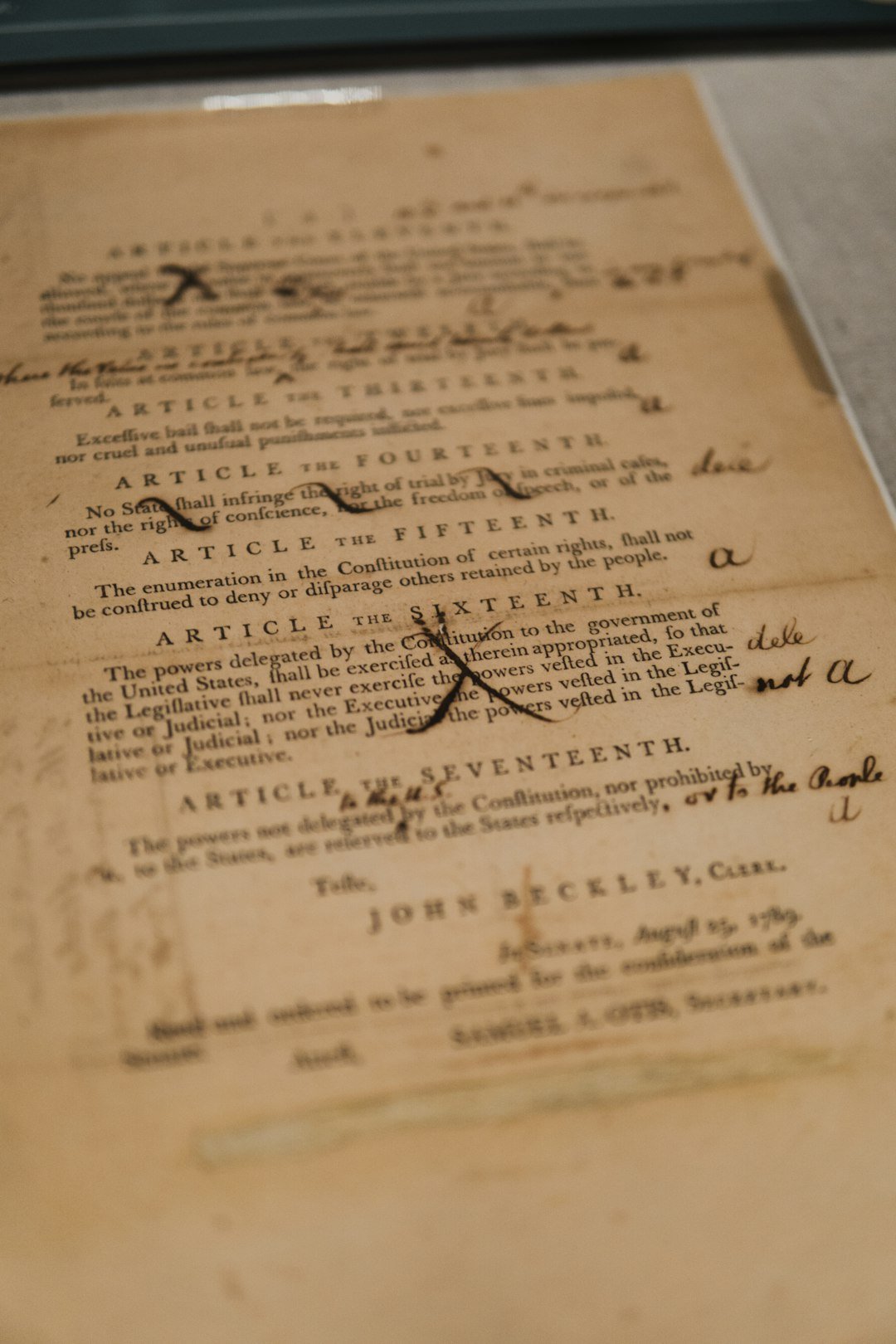
The US Constitution is far more than a dusty piece of parchment locked behind titanium and argon gas. It is a living argument – one that has been fought over, debated, stretched, and tested from the very first day it was signed. The Constitution is only 4,543 words – 7,762 if you count the Amendments – and originally fit on just four large sheets of paper. But it packs a wallop. Not only is it the oldest written national constitution in the world, it’s arguably the most influential in the world, too.
What’s striking, after looking at all of this, is how imperfect and contested the whole thing was from the very beginning. It was written in secret, under duress, by people who disagreed violently with each other, and nearly derailed multiple times before it even made it to a vote. The US Constitution, the world’s oldest codified constitution, is known for its durability and minimal amendments – only 27 out of over 11,000 proposals. That durability is either proof of genius or proof of just how hard it is to change anything. Probably both.
The real lesson from all these hidden facts is that the Constitution wasn’t handed down from on high – it was cobbled together by fallible, sweating, arguing human beings who were terrified of getting it wrong. And somehow, through all the drama, they got enough of it right to last nearly two and a half centuries. How many documents can claim that? What do you think – does knowing the messy truth behind the Constitution make you trust it more, or less? Tell us in the comments.

Besides founding Festivaltopia, Luca is the co founder of trib, an art and fashion collectiv you find on several regional events and online. Also he is part of the management board at HORiZONTE, a group travel provider in Germany.
