

Classic literature often seems fixed in time, its stories etched into cultural memory. Yet reinterpretations emerge over centuries, revealing layers hidden in plain sight. These alternative readings draw from textual clues, historical context, and psychological insight.
Such theories reshape our grasp of characters and plots. They invite readers to question first impressions and uncover ambiguities authors left open. Long after publication, these ideas prove literature’s meanings evolve with us.[1][2]
Hamlet’s Ghost as Hallucination: Shakespeare’s Hamlet
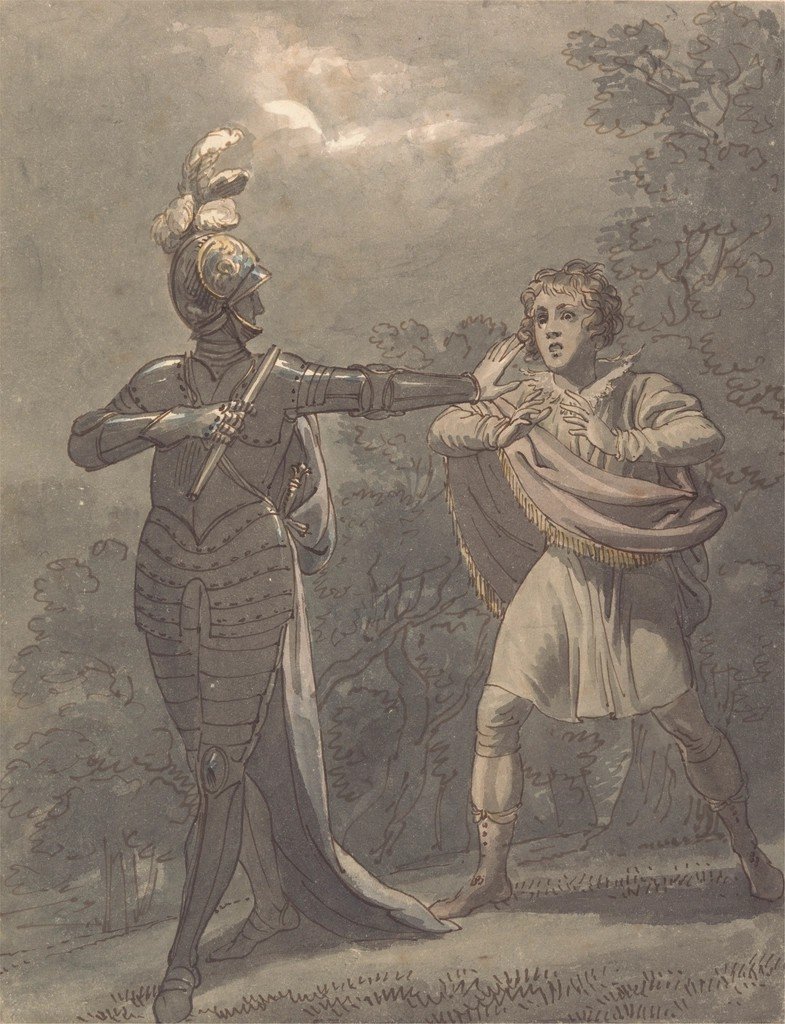
In Shakespeare’s Hamlet, the ghost of King Hamlet drives the prince’s revenge quest. One theory posits the apparition as purely Hamlet’s hallucination, born from grief and suspicion. Others witness it first, but its private commands to Hamlet suggest delusion. Scholars note Hamlet’s mental state, marked by doubt and feigned madness, supports this view.
This reading shifts the tragedy from supernatural justice to psychological unraveling. Hamlet’s inaction stems not from philosophy but inner torment. Claudius may even be innocent, making the play a cautionary tale of unchecked paranoia. Readers revisit soliloquies with fresh suspicion, seeing madness consume the court.[3][4]
Nick Carraway’s Secret Longing: F. Scott Fitzgerald’s The Great Gatsby

Nick narrates The Great Gatsby with seeming detachment, yet clues hint at deeper bias. A popular theory claims Nick harbors homosexual feelings for Gatsby, explaining his fixation and omissions. His effusive descriptions of Gatsby contrast with disdain for others, especially women. Fitzgerald’s era suppressed such themes, embedding them subtly.
Viewing Nick as unreliable and infatuated recasts the novel’s romance. Gatsby’s dream loses innocence, tainted by Nick’s projections. The green light symbolizes forbidden desire, not just lost love. This lens exposes the Jazz Age’s hidden tensions, urging skepticism toward polished memoirs.[5]
Sociopaths at Play: Jane Austen’s Pride and Prejudice
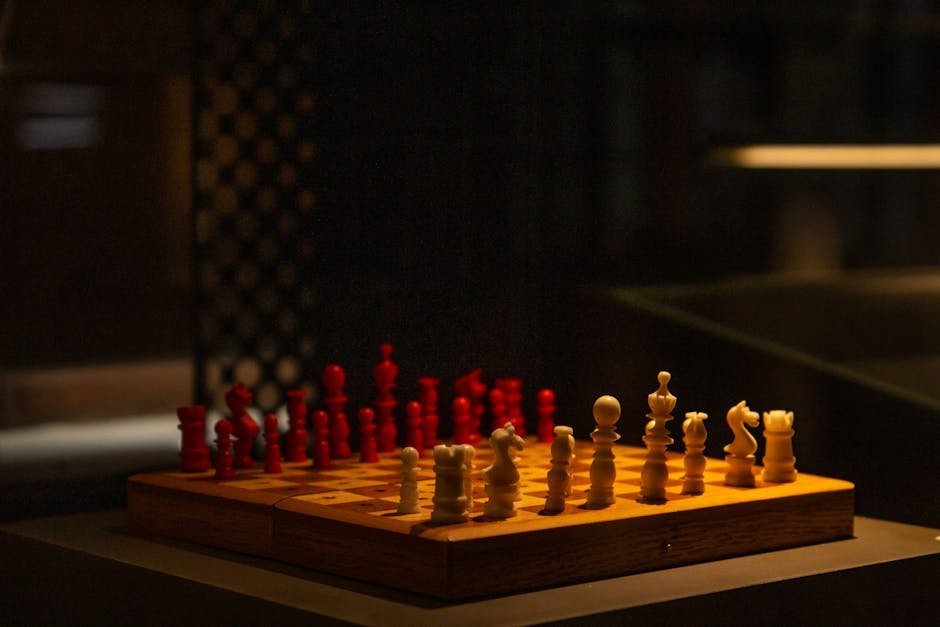
Pride and Prejudice sparkles with wit and courtship, but one theory frames its characters as sociopaths wielding game theory. Darcy, Elizabeth, and rivals manipulate like chess masters, probing weaknesses for advantage. Social climbs rely on deception and calculated risks, not mere misunderstandings. Austen’s sharp dialogue reveals strategic minds.
This interpretation turns romance into ruthless intrigue. Proposals become power bids, prejudices tactical shields. Readers spot alliances and betrayals anew, akin to modern thrillers. The happy ending feels precarious, won through cunning rather than fate.[2]
Heathcliff the Werewolf: Emily Brontë’s Wuthering Heights

The moors of Wuthering Heights breed wild passion, with Heathcliff as vengeful force. Theory holds him a werewolf, his “savage” traits, dog companionship, and “cannibal teeth” as hints. Brontë’s gothic hints at supernatural, predating vampire tales. His undying rage fits lycanthropic curse.
Embracing this transforms gothic love into horror. Cathy’s ghost gains context as undead counterpart. Vengeance cycles echo beastly instincts, not human spite. The novel emerges as early paranormal romance, moors alive with myth.[2]
No Mr. Hyde: Robert Louis Stevenson’s The Strange Case of Dr. Jekyll and Mr. Hyde
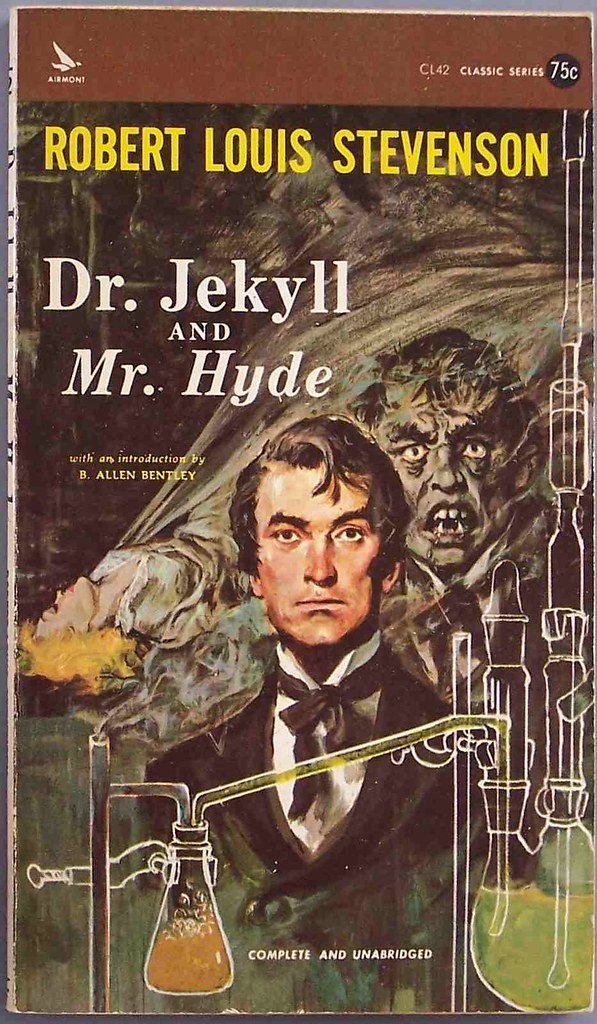
Jekyll’s potion births Hyde, embodiment of vice. Yet the theory argues Hyde never exists separately, merely Jekyll’s alibi for impulses. No one sees Hyde’s viewpoint; Jekyll’s account dominates, unreliable amid guilt. Physical changes? Self-delusion from dissociative acts.
This collapses the duality into one man’s hypocrisy. Repression, not science, unleashes horror. Readers question testimony, seeing Victorian morality’s cracks. The tale warns of convenient excuses, blurring good and evil within.[2]
George’s Hidden Truth: John Steinbeck’s Of Mice and Men

poster, Public domain)
George and Lennie’s bond anchors Of Mice and Men, dream of land binding them. Theory suggests George’s effusive praise of men like Slim, indifference to women, signals homosexuality. 1930s censorship veiled it, heightening era’s dangers. His mercy killing gains tragic intimacy.
This adds peril to their wanderings, society as threat beyond economy. Friendship deepens to coded love, ranch a hostile world. Lennie’s innocence contrasts George’s guarded heart. The ending resonates as sacrifice for forbidden ties.[2]
Odysseus’s Reluctance: Homer’s The Odyssey

Odysseus endures trials homeward, loyal to Penelope. Theory claims he prolongs adventures, reluctant to resume kingship and fidelity. Sirens, Circe tempt, but home holds burdens too. His tales to Phaeacians boast delays.
This flips heroism to avoidance, epic a midlife escape. Penelope’s suitors punish his absence, not just fate. Return feels forced, marriage strained. Readers ponder wanderlust’s pull over duty.[5]
Holden in Denial: J.D. Salinger’s The Catcher in the Rye
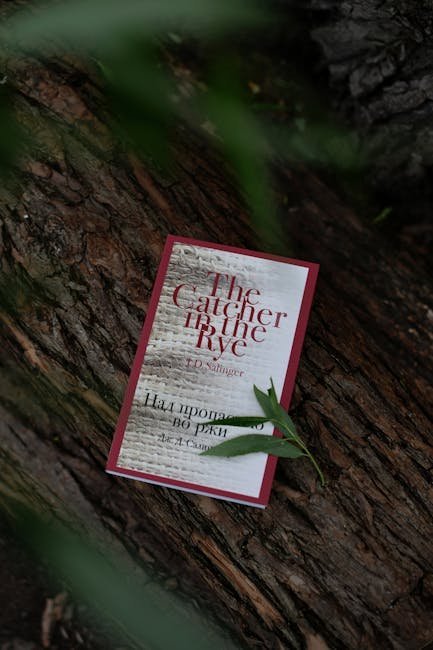
Holden’s angst rails against “phonies” in The Catcher in the Rye. Theory posits his fixation on innocence masks gay identity, era’s phoniness stifling it. Dismissal of girls, idealization of boys like Allie fit patterns. Breakdown stems from suppressed self.
This enriches phoniness as societal closet. Rye field fantasy protects vulnerable youth, including his desires. Narrative gains urgency, Holden’s voice a cry against conformity. Adolescence layers with identity struggle.[5]
Holmes and Watson’s Bond: Arthur Conan Doyle’s Sherlock Holmes Stories
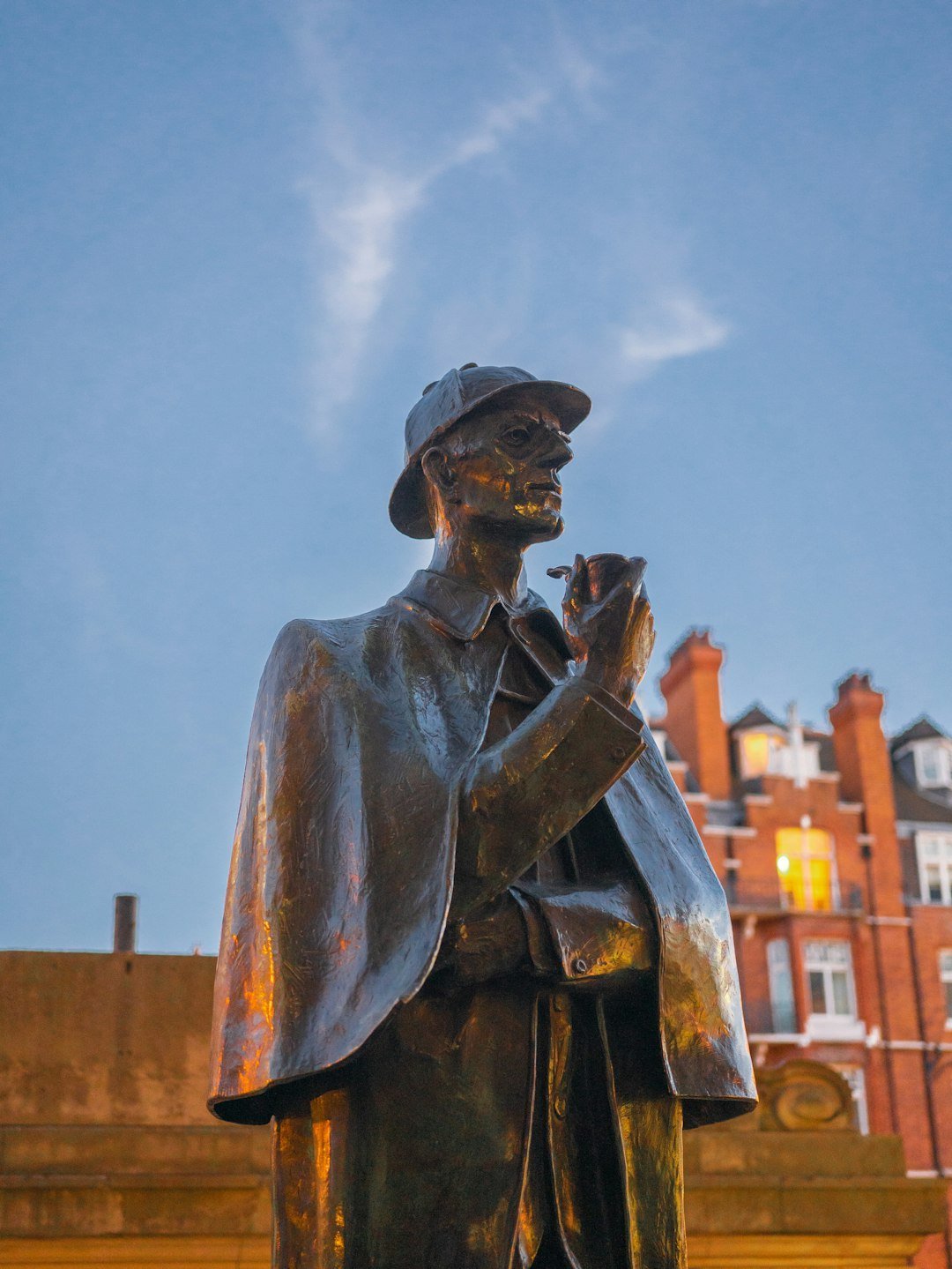
Holmes’s genius pairs with Watson’s loyalty across cases. Theory views their partnership as romantic love, subtext in devotion and jealousy. Victorian codes hid it, adventures veiling intimacy. Retires together seals implication.
Mystery shifts to coded queer narrative. Cases distract from feelings, Baker Street domestic haven. Readers decode glances, elevating detective duo to tragic lovers. Doyle’s canon pulses with unspoken passion.[5]
Gregor’s Imagined Metamorphosis: Franz Kafka’s The Metamorphosis
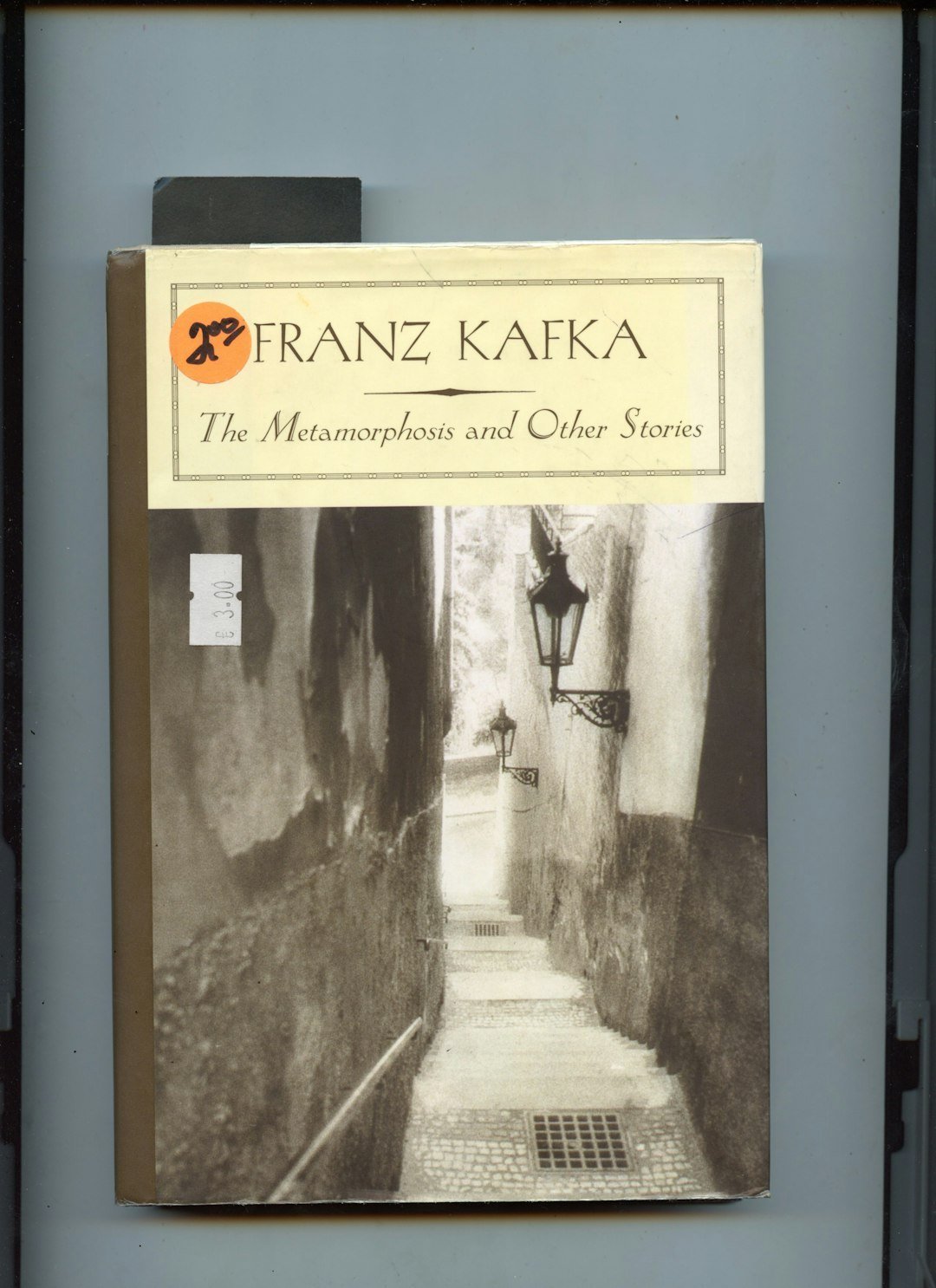
Gregor Samsa wakes a bug, family recoils. Fan theory insists no transformation occurs; it’s mental collapse from drudgery. Family sees vermin because he acts withdrawn, projecting failure. Apple wound? Self-harm delusion.
This indicts alienation, not absurdity. Gregor dies from isolation, not bug life. Family thrives post-“change,” exposing burdens. Kafka’s horror lies in perceived monstrosity, mirroring inner torment.[6]
Why These Theories Endure

Literary theories thrive because texts invite endless dialogue. Ambiguities persist, fueling debate across eras. Each generation finds new mirrors in old words.
Interpretation breathes vitality into classics. It binds past to present, ensuring stories adapt without fading. Next reread, notice what shifts – literature lives through our eyes.[1]


