

For any feedback please reach out to info@festivalinside.com
- 10 Michael Jackson Performances That Defined an Era of Pop Music - March 31, 2026
- 15 Mind-Boggling Facts About Taylor Swift’s Career You Never Knew - March 31, 2026
- 12 Literary Feuds So Intense, They Changed the Course of Literature - March 31, 2026
There are performers. There are stars. Then there is Michael Jackson – a category entirely unto himself. From the moment he stepped onto a stage as a child prodigy with the Jackson 5 to the thunderous sold-out arena spectacles of his solo career, he didn’t just perform. He transformed. He redefined the very idea of what a live show could be, treating every concert like a cinematic event, every gesture like a signature, every entrance like a declaration.
Across five decades, the King of Pop redefined what it meant to perform live by turning stages into theaters and songs into events, fusing precision choreography, cinematic setups, and airtight musical direction with an instinct for camera angles and crowd psychology that few have ever matched. The result was something that didn’t just entertain – it left marks on culture, on performance standards, and on every artist who dared to follow. Here are ten performances that prove exactly why. Let’s dive in.
1. “Billie Jean” – Motown 25: Yesterday, Today and Forever (1983)
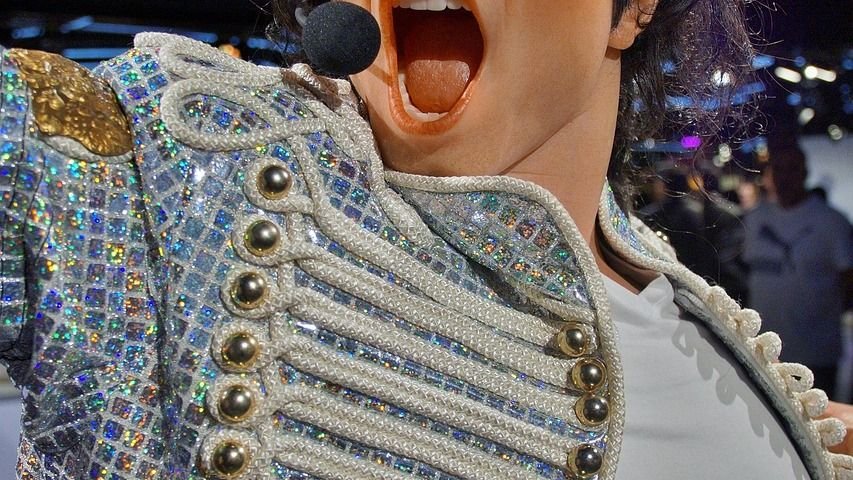
If pop music history had a single hinge point, a moment where everything divided into “before” and “after,” this would be it. Motown 25 was a television special commemorating the 25th anniversary of Motown Records, taped before a live audience at the Pasadena Civic Auditorium on March 25, 1983, and broadcast on NBC on May 16. Jackson had negotiated fiercely to perform “Billie Jean” – a non-Motown track – on a Motown celebration stage, which was almost unheard of.
Wearing a black sequined jacket, single rhinestone glove, and high-water trousers, Jackson performed “Billie Jean” with surgical precision. Mid-song, he slid backward into the moonwalk – its first television unveiling – and the audience detonated. It’s been estimated that roughly 47 million people watched Michael Jackson take the stage to perform his first moonwalk. Think about that number. That’s not a performance. That’s a national event.
Ever the perfectionist, Jackson himself said on more than one occasion that he was dissatisfied with the performance afterward, feeling he didn’t hold his toe-stand long enough – yet the rest of the world knew they had just witnessed something historic. Decades later, the Motown 25 performance remains the definitive dividing line in pop history. Honestly, the fact that he cried backstage thinking he’d failed while the world outside was going absolutely electric makes the whole story even more remarkable.
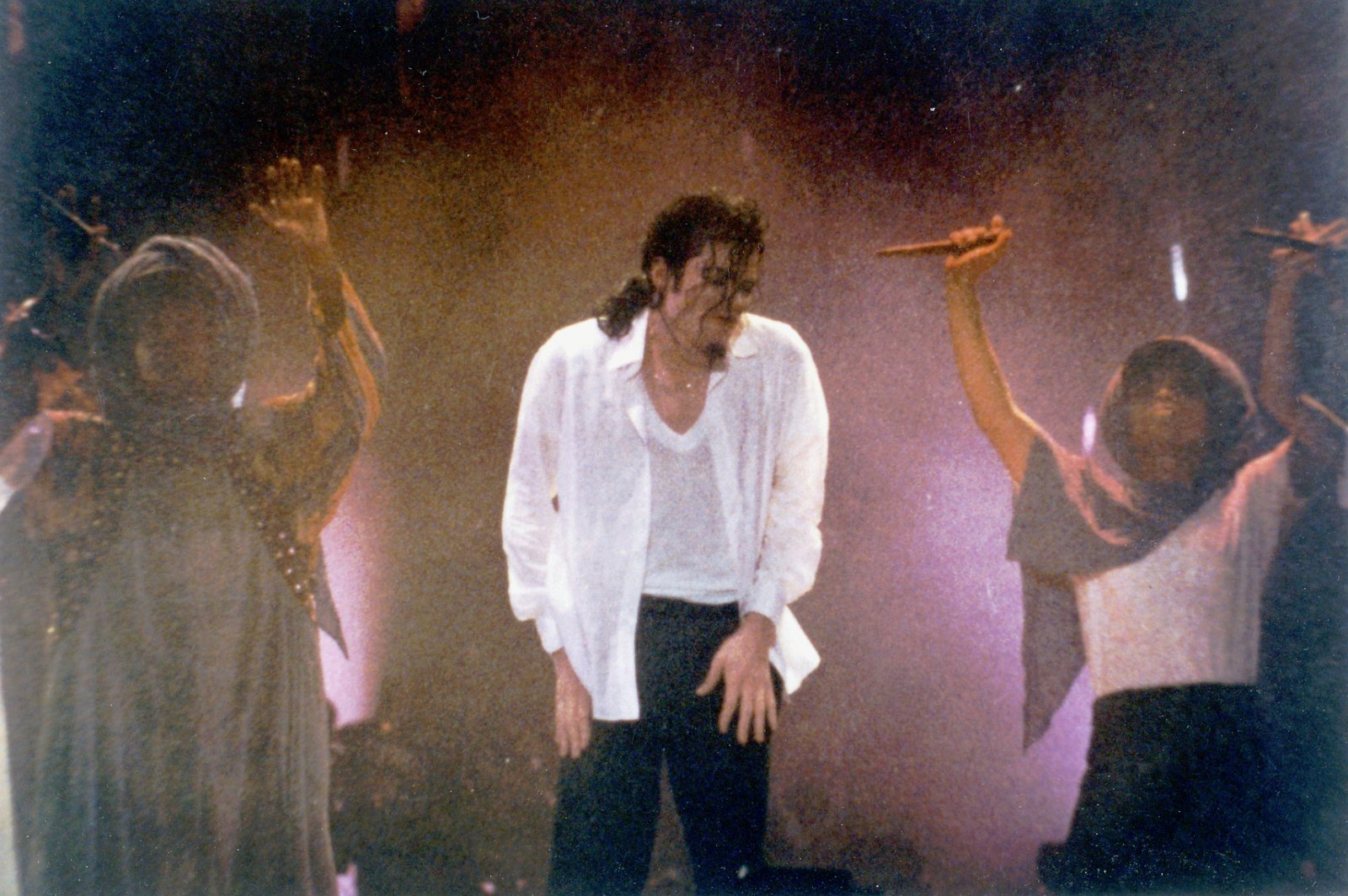
2. “Thriller” – Live in Bucharest: The Dangerous Tour (1992)
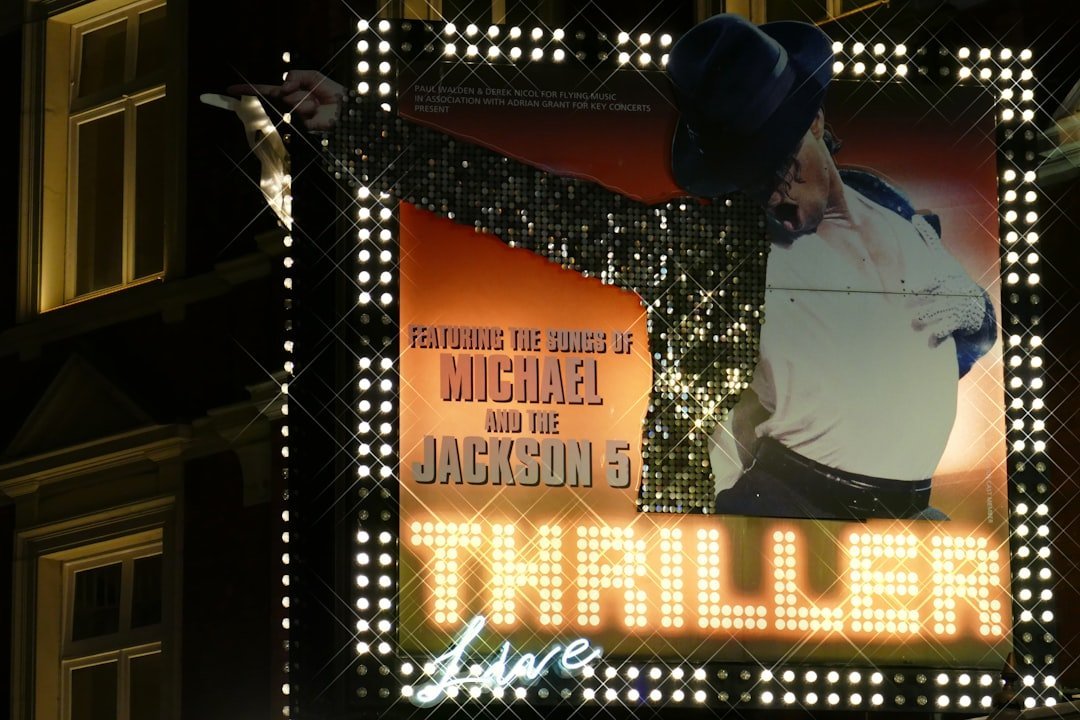
Captured on October 1, 1992, and officially released as Live in Bucharest: The Dangerous Tour, this is the stadium-scale “Thriller” most fans know. Romania had only recently emerged from decades of authoritarian rule, and the crowd’s raw, almost desperate energy made this performance feel unlike anything filmed before or since. Over 70,000 people packed the National Stadium in Bucharest – many of them experiencing a Western pop concert for the very first time in their lives.
Jackson turned the song into a full theatrical set piece: zombie chorus lines, strobing lightning cues, and choreography that echoed the landmark short film in a live arena. The special earned Jackson a CableACE Award for Outstanding Performance in a Musical Special. Jackson sold the film rights for the concert for $20 million, then the highest amount ever paid for a concert performer to appear on television. A zombie show for the history books.
3. Super Bowl XXVII Halftime Show (1993)
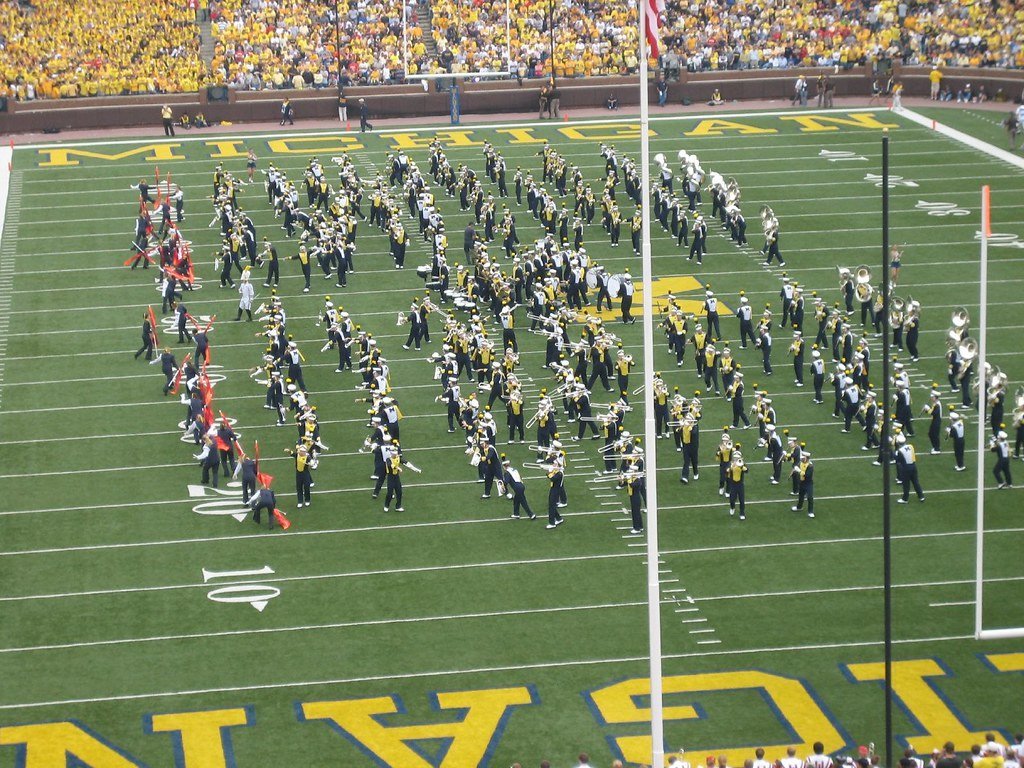
Before 1993, people changed the channel during the Super Bowl halftime show. That sentence alone tells you everything you need to know about what Jackson walked into – and what he walked out of having completely dismantled. Prior to 1993, the halftime show often featured performances by marching bands, drill teams, and ensembles such as Up with People, which were considered to be culturally outdated and irrelevant by the 1990s.
Four giant screens around the stadium showed Jackson’s silhouette as he appeared to teleport from one screen to another, before finally emerging from the centre of the stage in a cloud of smoke and fireworks. He stood still for nearly two minutes, wearing a military-style jacket, sunglasses, and a single white glove, as the crowd erupted in cheers and applause. The halftime show was a major success, marking the first time in Super Bowl history that ratings increased between halves during the game, drawing a national rating of 45.1 and a 66 share.
Retrospectively, the show has been credited with establishing the norms of future Super Bowl halftime shows, with a greater focus on major names in popular music, and has been ranked as among the greatest Super Bowl halftime shows of all time. In the week following the Super Bowl, the album Dangerous saw an 83% increase in sales in the United States alone. That’s what real star power looks like. Not a number in a spreadsheet – a cultural earthquake in real time.
4. “Man in the Mirror” – 30th Annual Grammy Awards (1988)
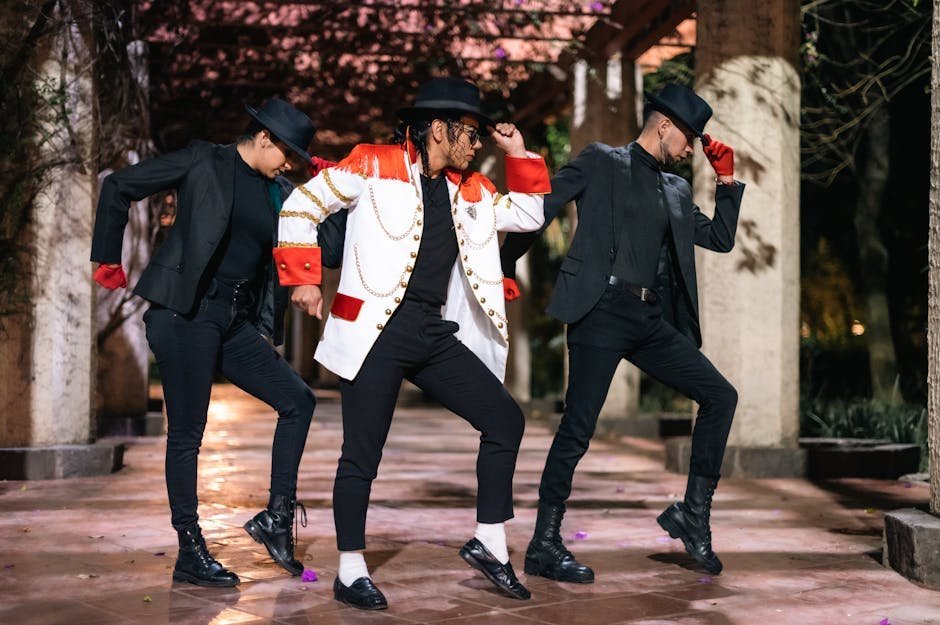
Here’s the thing about this performance: it proves that Jackson didn’t always need pyrotechnics to blow the roof off. Backed by the Andraé Crouch Choir, with members of the Winans family in the ensemble, and staged by choreographer-director Vincent Paterson, he built “Man in the Mirror” from quiet resolve to gospel-soaked crescendo. Dressed simply in a blue button-up, a white tee, and black slacks, he led the choir with sweeping gestures as the bridge swelled.
Jackson performed at the 30th Annual Grammy Awards in 1988, performing his then hit singles “Man in the Mirror” and “The Way You Make Me Feel,” while nominated for Grammy Award for Album of the Year. What made this performance so emotionally crushing was its restraint. No smoke machines. No elaborate costume changes. Just a man, a gospel choir, and a song about looking inward that somehow swelled into something that felt universal. It was the kind of performance that made seasoned music industry veterans quietly set down their drinks.
5. “Dirty Diana” – Bad World Tour, Wembley Stadium (1988)
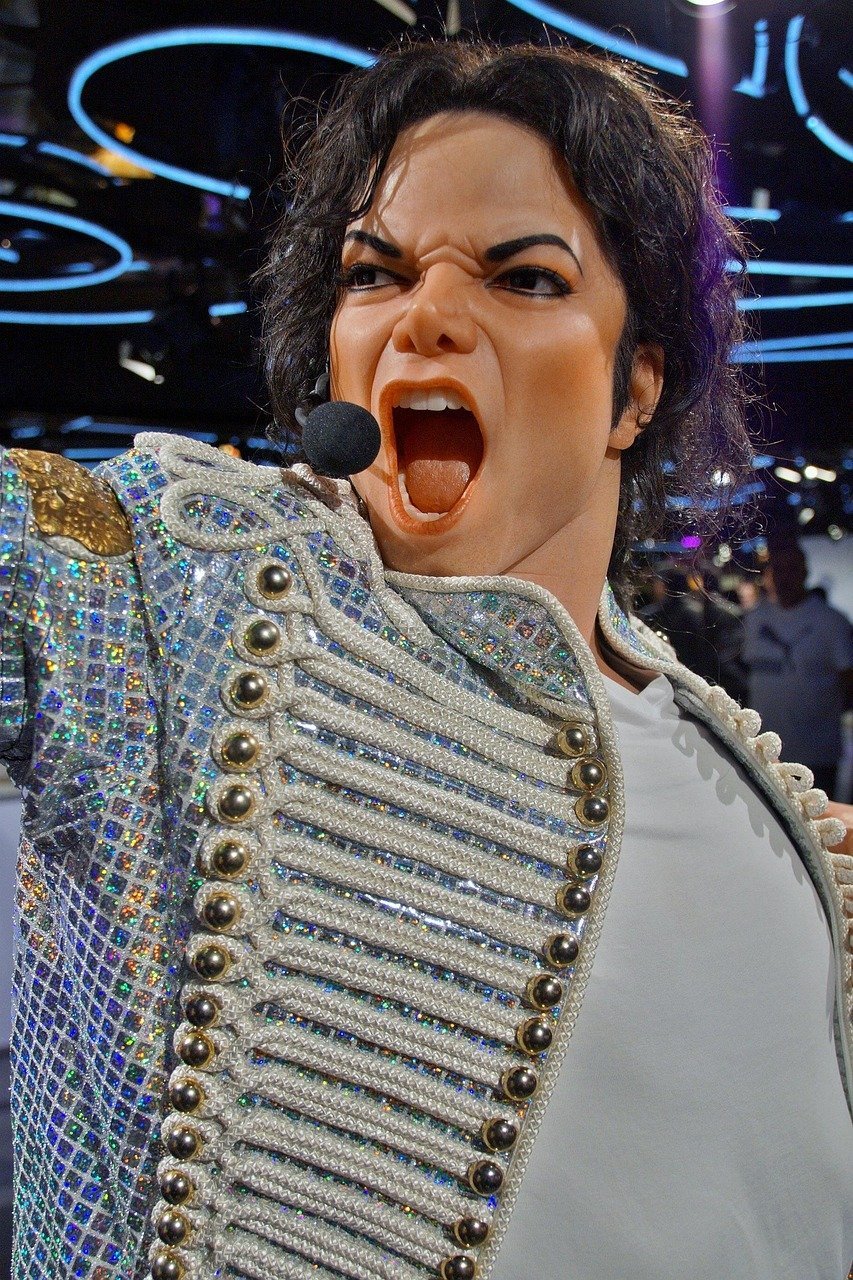
The Bad World Tour stop at London’s Wembley Stadium on July 16, 1988, captured Jackson in imperial command before 72,000 fans, with the late Princess Diana and then-Prince Charles in attendance. Let that sink in. Princess Diana, the woman the song was allegedly named to distance from, was sitting in the audience. The irony alone made headlines.
“Dirty Diana” pushed his rock edge to the front with prowling vocals, tightly drilled band hits, and a searing guitar feature amid dramatic lighting cues. The concert’s restoration and release decades later made this cut a fan-favorite replay. Jackson went on to perform seven sold-out shows at Wembley for a total of 504,000 people, which entered him into the Guinness World Records for playing more dates at the stadium than any other artist. Seven shows. Half a million people. Same venue. It’s the kind of statistic that stops conversations cold.
6. “Earth Song” – HIStory World Tour, Earls Court (1996)
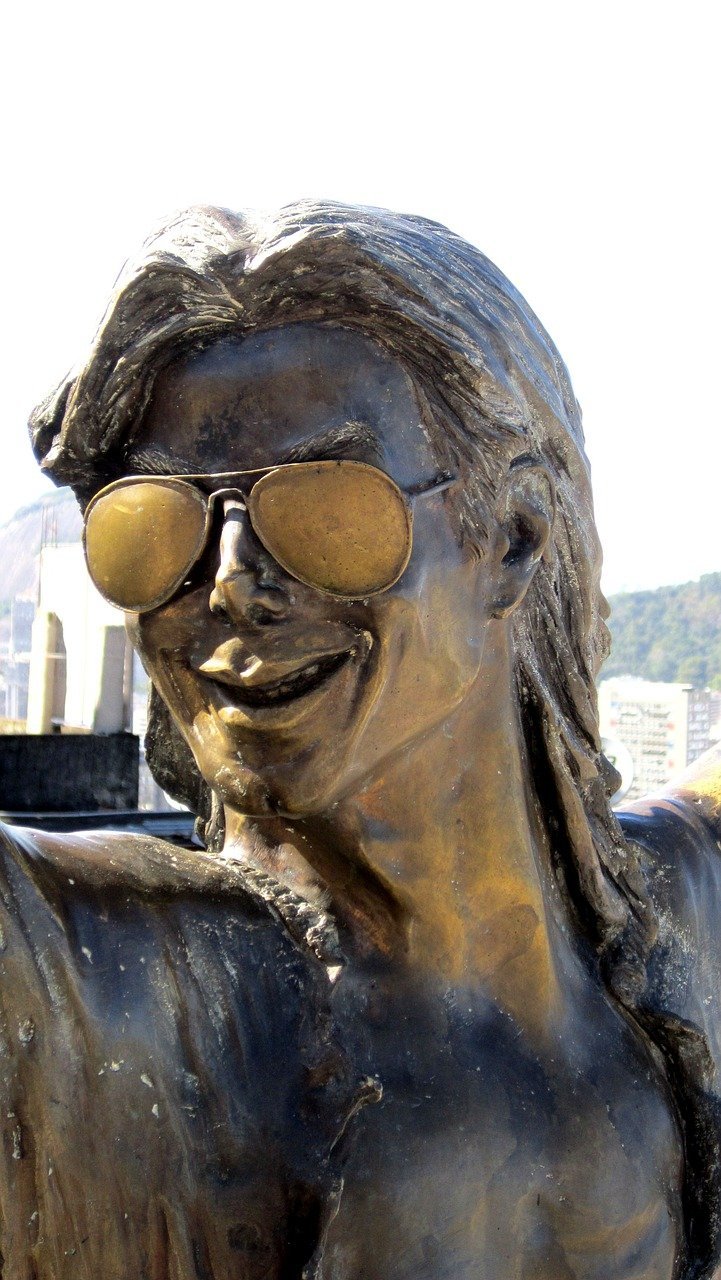
By the mid-1990s, Jackson was no longer just making pop music. He was making statements. Staged at London’s Earls Court on February 19, 1996, “Earth Song” distilled Jackson’s late-career social focus into one charged visual statement. Amid imagery of conflict and environmental ruin, he stood as a central figure while dancers, embodying the wounded and displaced, reached upward.
The staging for this performance was something closer to theater than a concert. War imagery, crumbling set pieces, dancers writhing across the stage in anguish – it was confrontational and deliberately uncomfortable. In September 1996, Jackson returned with the HIStory World Tour, an 82-concert run that concluded the following year, attracting more than 4.5 million fans from 58 cities in 35 countries around the world. The scale was staggering. The intention behind it even more so. This was an artist using his platform as a megaphone pointed straight at human conscience.
7. 15-Minute Medley – 1995 MTV Video Music Awards
I think this is one of the most underrated performances in Jackson’s entire catalog. It doesn’t always get the attention the Motown 25 moonwalk does, but in terms of sheer ambition and execution, it belongs right up there. To celebrate both the new songs and old hits of the recently released HIStory: Past, Present and Future, Book I, Michael Jackson opened the 1995 VMAs with an epic 15-minute medley that put ten songs from the King of Pop’s solo career in a blender.
Across his set, Jackson blended his biggest hits in “Don’t Stop ‘Til You Get Enough,” “The Way You Make Me Feel,” “Scream,” “Beat It,” “Billie Jean,” “Dangerous,” and “You Are Not Alone.” It was a truly gobsmacking performance, and he had a further surprise up his sleeve when he brought out Guns N’ Roses guitar legend Slash for an electrifying rendition of “Black or White.” Many associated with Jackson described this performance as one of the most important in his solo career. When Slash and Michael Jackson share a stage, genres stop mattering. That’s just the truth.
8. “Beat It” and “Billie Jean” – Victory Tour (1984)
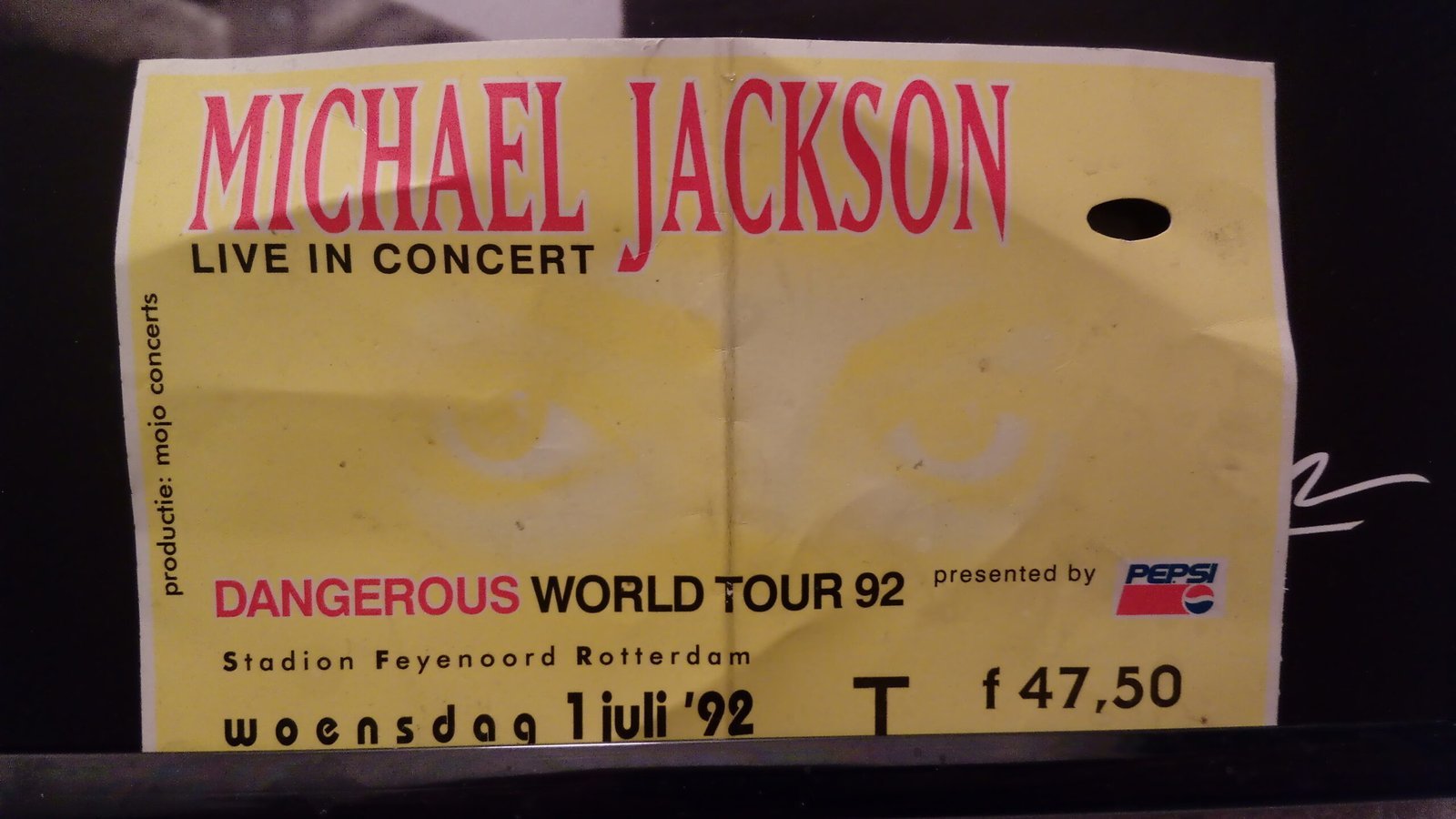
Fresh off the global explosion of Thriller, the Victory Tour was Jackson’s first major solo statement on an arena stage. The production values were unlike anything audiences had seen from a pop act at the time – laser light rigs, pyrotechnics synchronized to the beat, and a live band that hit with the precision of a machine. It was the tour that raised the bar for what a stadium show could look like in the modern era.
The performances of “Beat It” and “Billie Jean” during the Victory Tour became the template for how stadium rock energy and pop choreography could exist in the same space without either losing its edge. Many of the stage concepts, themes, and staging Jackson featured during his solo tours derived from earlier tours – with the Victory Tour acting as a crucial proving ground for the spectacle he would later perfect. The Victory Tour essentially served as the blueprint. Everything that followed was an expansion of what he discovered he could do here.
9. “Smooth Criminal” – Bad World Tour (1988)
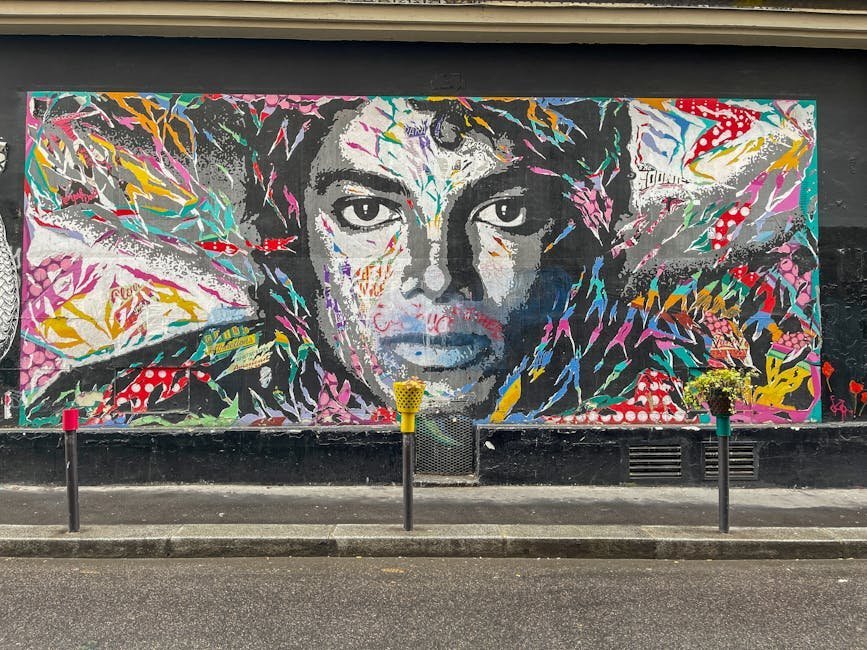
The “Smooth Criminal” lean is one of those moments in pop culture that genuinely makes you question whether human bodies are supposed to work the way Jackson’s did. It was his last world tour, and he had perfected every single detail, including his patented “Smooth Criminal” lean. The patent is real, by the way – Jackson actually held a patent for the anti-gravity tilt mechanism that allowed him and his dancers to achieve the seemingly impossible 45-degree lean without falling over.
In performance, the effect was breathtaking. The staging for “Smooth Criminal” drew directly from the 1987 short film, with trench coats, fedoras, and a cinematic noir atmosphere that made the arena feel like a movie set. It was theatrical storytelling fused into live performance in a way that nobody had attempted at that scale before. The crowd reaction at every tour stop was the same: complete disbelief, followed by deafening noise. Some moves are impossible to explain to someone who wasn’t there. The lean is one of them.
10. “You Are Not Alone” – Live Debut, 1995 MTV VMAs
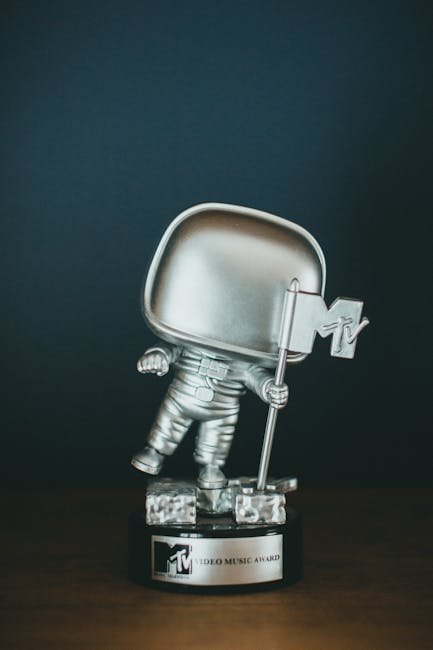
Jackson followed his explosive medley at the 1995 VMAs with the live debut of “You Are Not Alone.” After fifteen minutes of relentless energy, explosive choreography, and Slash’s guitar cutting through the walls of Radio City Music Hall, the sudden emotional pivot to the ballad was almost jarring. The crowd, which had been on its feet screaming, went completely quiet. That kind of tonal control over an arena full of thousands of people is extraordinarily rare.
The live debut of a ballad at such a high-profile event was a gamble. It slowed everything down at exactly the moment you might expect an encore sprint to the finish. Yet it worked because Jackson understood pacing the way a great filmmaker understands rhythm. It was his remarkably rich medley of hits in 1995 that went down in history as one of Jackson’s – and the VMAs’ – greatest moments. Ending a stadium-level set with quiet vulnerability was, in its own way, just as bold as anything he’d ever done with fire and fog machines.
The Lasting Legacy of a Stage Revolutionary
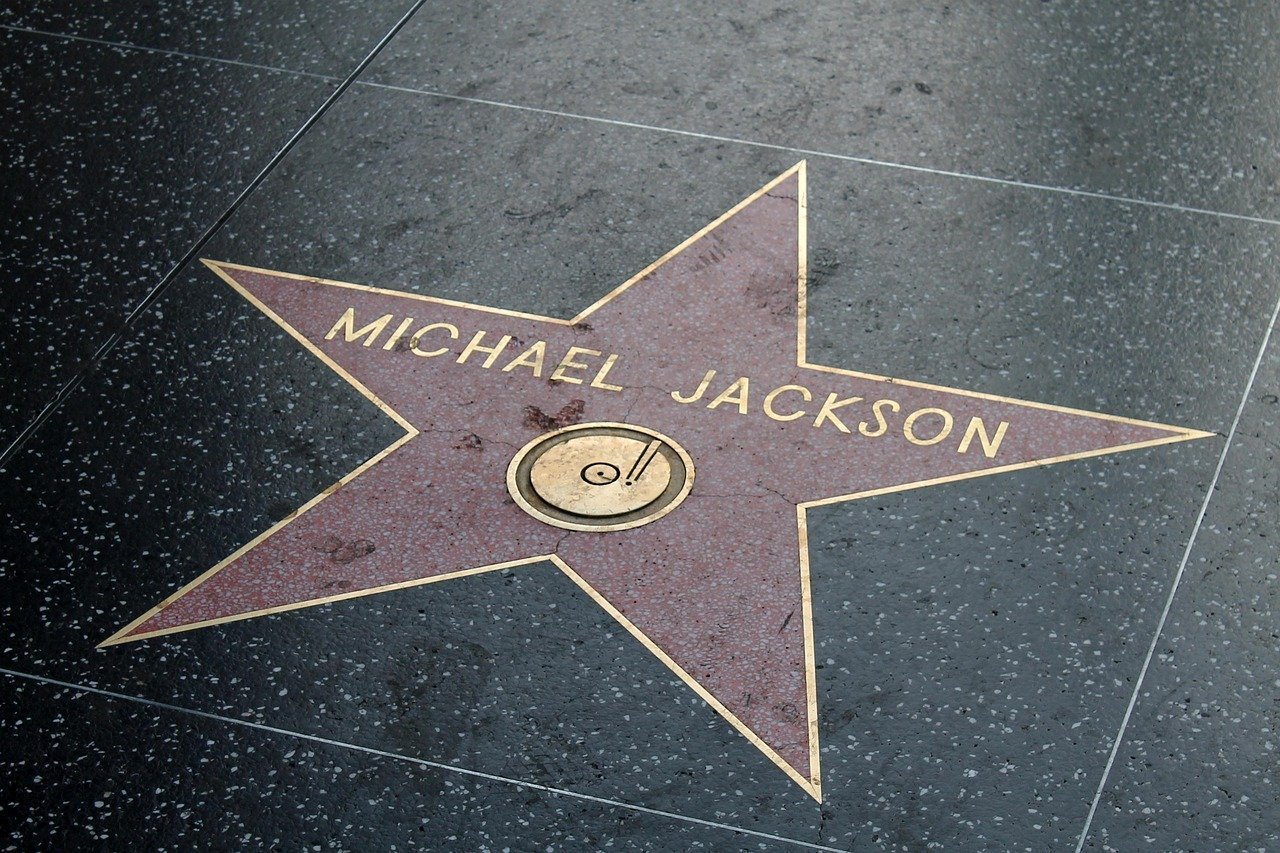
It’s almost impossible to look at the landscape of live performance in 2026 and not see Michael Jackson’s fingerprints everywhere. The theatrical entrances, the synchronized dancers, the narrative arc of a setlist, the use of massive staging as emotional punctuation – all of it traces back to him. Michael Jackson is the highest-grossing solo touring artist of the 20th century. That statistic alone speaks to the scale of what he built.
What separated Jackson from every other entertainer wasn’t just talent – it was intention. He approached every performance as if it might be the last time a human being ever performed in front of another. The glove, the spin, the moonwalk, the lean were not gimmicks so much as signatures of an artist who treated the stage like a film set and the audience like collaborators. That philosophy changed everything.
Beyoncé, Justin Timberlake, Bruno Mars, BTS – all of them have spoken publicly about his influence. The entire concept of a pop show as a total sensory experience, as a piece of art rather than just a concert, is his inheritance to the industry. Since 1993, the Super Bowl halftime show has become one of the most prestigious and coveted gigs in the entertainment industry, attracting some of the biggest stars in music – and it all started with Jackson.
Decades from now, when someone asks what a live performance can truly be, historians of popular culture will inevitably start the same place – a black stage, a single spotlight, a fedora, and two and a half seconds of backward gliding that changed the world. What’s your favorite Michael Jackson performance moment? Drop it in the comments.

Christian Wiedeck, all the way from Germany, loves music festivals, especially in the USA. His articles bring the excitement of these events to readers worldwide.
For any feedback please reach out to info@festivalinside.com
