

For any feedback please reach out to info@festivalinside.com
- 10 Massive Books Worth Every Last Page - April 12, 2026
- The Most Misunderstood Song Lyrics - April 12, 2026
- The Comfort of Music: Ten Relaxing Classical Pieces - April 12, 2026
There’s a particular kind of reader satisfaction that can only come from deep inside a 900-page novel, somewhere around the middle, when you realize you’ve been living inside another world for weeks. You know the characters better than some people in your own life. Their worries feel like yours. That’s not something a short book can do on the same terms.
Long novels operate differently from their shorter counterparts. The sheer space they demand forces a different kind of immersion, one where subplots develop slowly, themes circle back with new meaning, and characters become genuinely complex across time. These are novels enhanced by their considerable length, where sustained storytelling grants the reader an all-consuming experience to be savored over multiple days and nights. The ten books below are massive by any measure. Every single page earns its place.
1. War and Peace by Leo Tolstoy
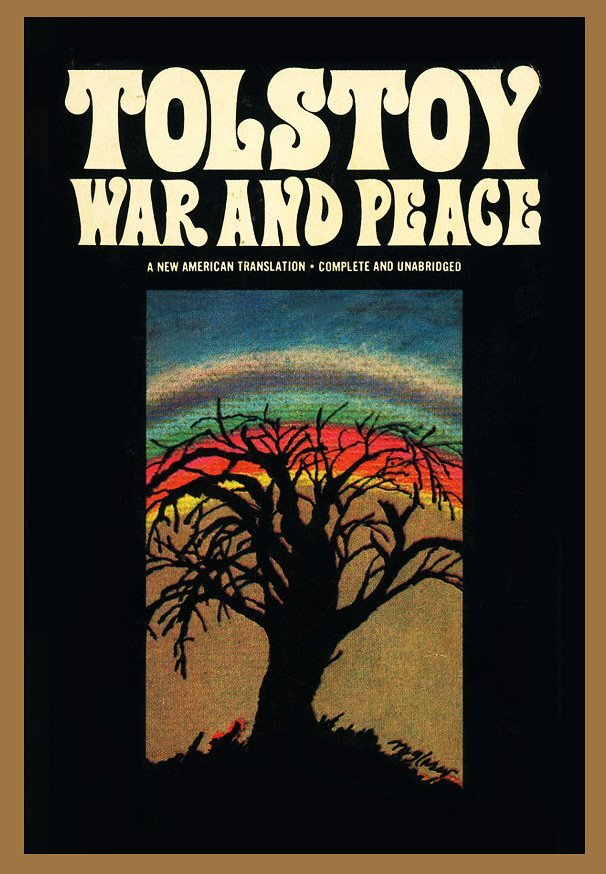
Published in 1869, War and Peace follows the lives of several aristocratic families during the French invasion of Russia and the Napoleonic Wars, exploring themes of love, war, politics, and the human condition. It is considered one of the great works of literature. The novel primarily follows five aristocratic families: the Bezukhovs, the Bolkonskys, the Rostovs, the Kuragins, and the Drubetskoys.
The novel explores the complexity of human nature, diving deep into the characters’ identities, desires, and moral dilemmas, and Tolstoy masterfully weaves together different storylines, allowing readers to witness the interconnectedness of life and the impact individuals have on society. War and Peace is still acclaimed as one of the most epic novels in world history and serves as a beneficial analysis of the human experience. To read it is to come away genuinely changed by Tolstoy’s patience and precision.
2. Les Misérables by Victor Hugo
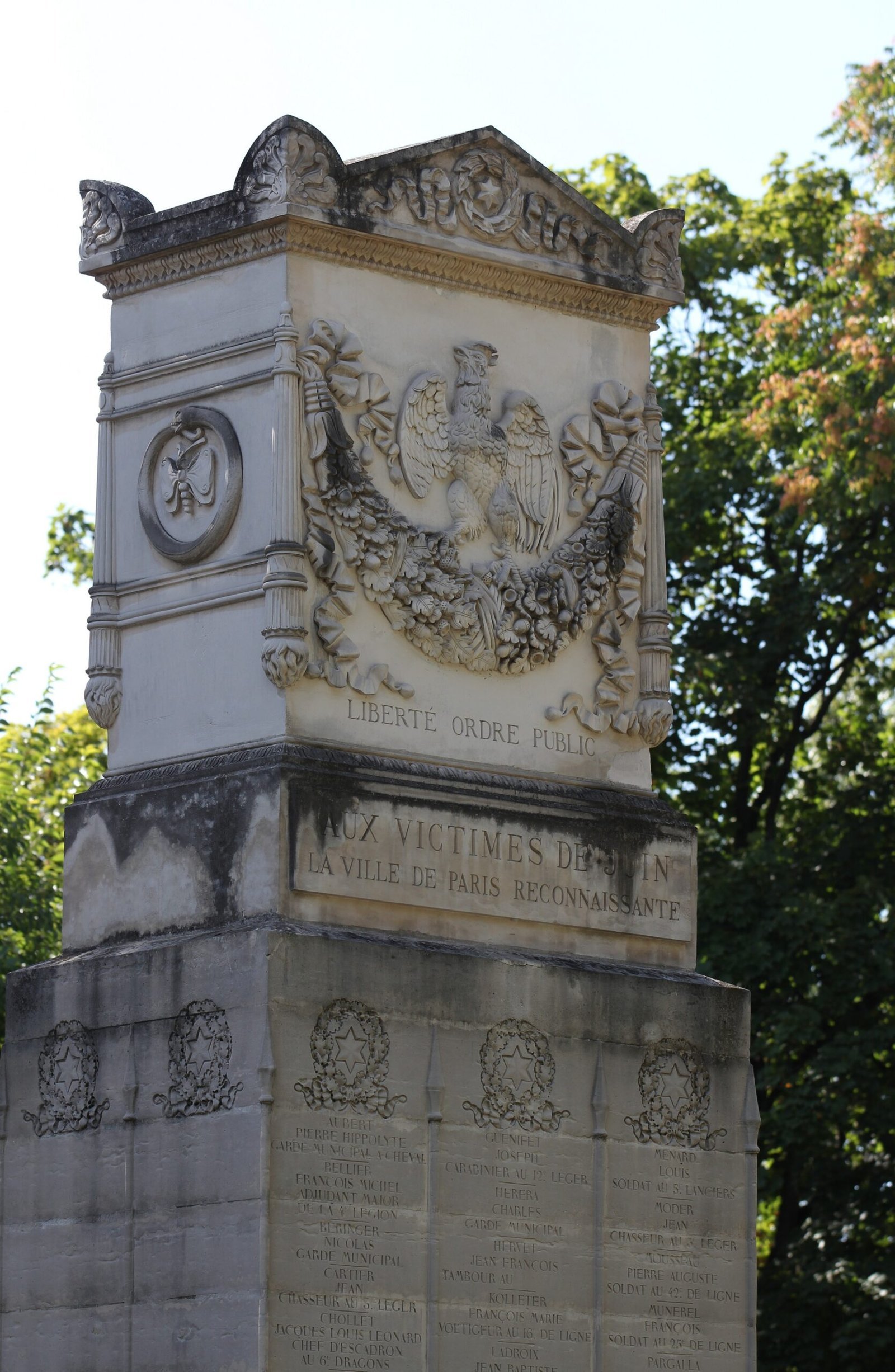
Les Misérables is a French epic historical novel by Victor Hugo, first published on 31 March 1862, and is considered one of the greatest novels of the 19th century. Beginning in 1815 and culminating in the 1832 June Rebellion in Paris, the novel follows the lives and interactions of several characters, particularly the struggles of ex-convict Jean Valjean and his experience of redemption. The novel as a whole is one of the longest ever written, with 655,478 words in the original French.
Hugo asserts that love and compassion are the most important gifts one person can give another, and Valjean’s transformation from a hate-filled and hardened criminal into a well-respected philanthropist epitomizes this emphasis, for it is only by learning to love others that Valjean is able to improve himself. Through its sheer length and scale, the novel portrays nuance by delving deep into the lives of tertiary characters and their settings, with the narrator devoting 19 chapters, for example, to explaining the details of the Battle of Waterloo and its political and social repercussions. Hugo’s digressions are long, but they are never purposeless.
3. Middlemarch by George Eliot
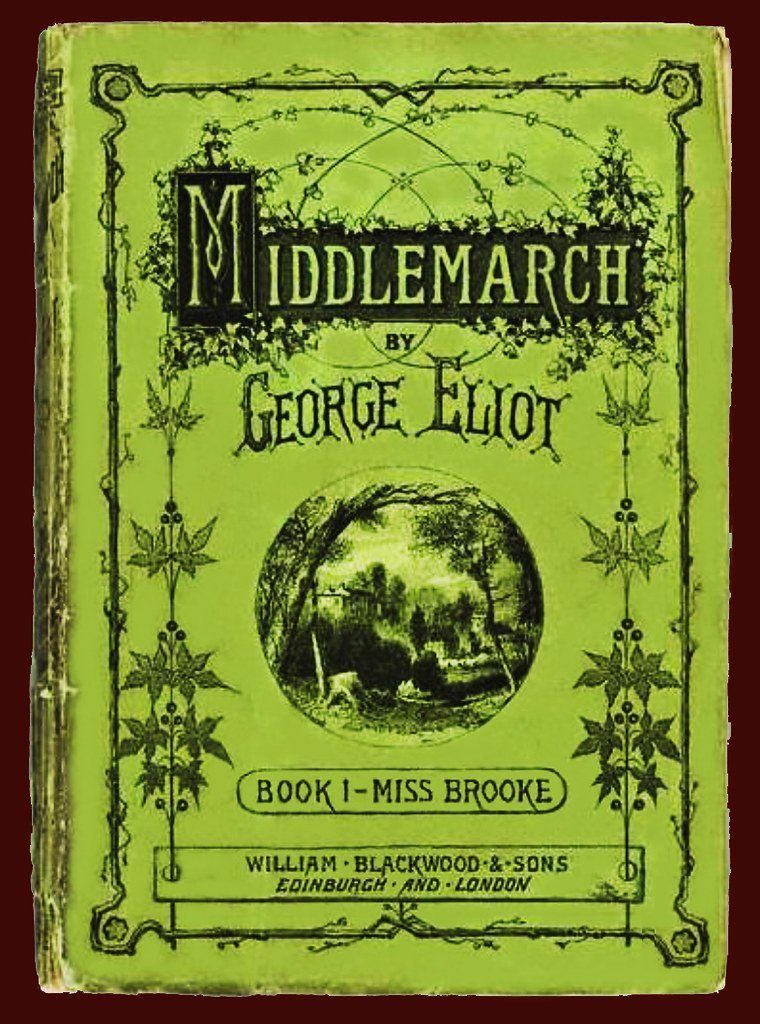
Middlemarch, A Study of Provincial Life is a novel by English author George Eliot, the pen name of Mary Ann Evans. It appeared in eight installments in 1871 and 1872. Set in a fictional English Midlands town from 1829 to 1832, it follows distinct, intersecting stories with many characters. Issues include the status of women, the nature of marriage, idealism, self-interest, religion, hypocrisy, political reform, and education, and the novel approaches significant historical events in a realist mode: the Reform Act 1832, early railways, and the accession of King William IV.
One of the BBC’s 100 novels that shaped our world and lauded by many critics as the finest novel in English, Middlemarch provides a complex look at English provincial life at a crucial historical moment and contains an exploration of some of the most potent myths of Victorian literature. Pay no attention to the snore-worthy subtitle. This massive novel is a labyrinthine network of intersecting storylines and a fascinating look into the societal domino effect of individual choices. Few novels this old feel this immediate.
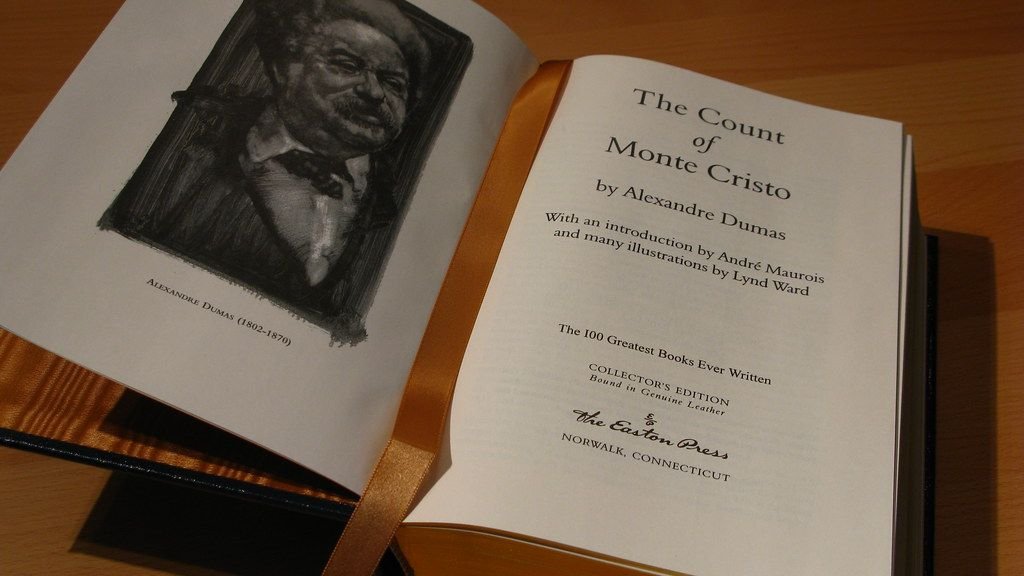
4. The Count of Monte Cristo by Alexandre Dumas
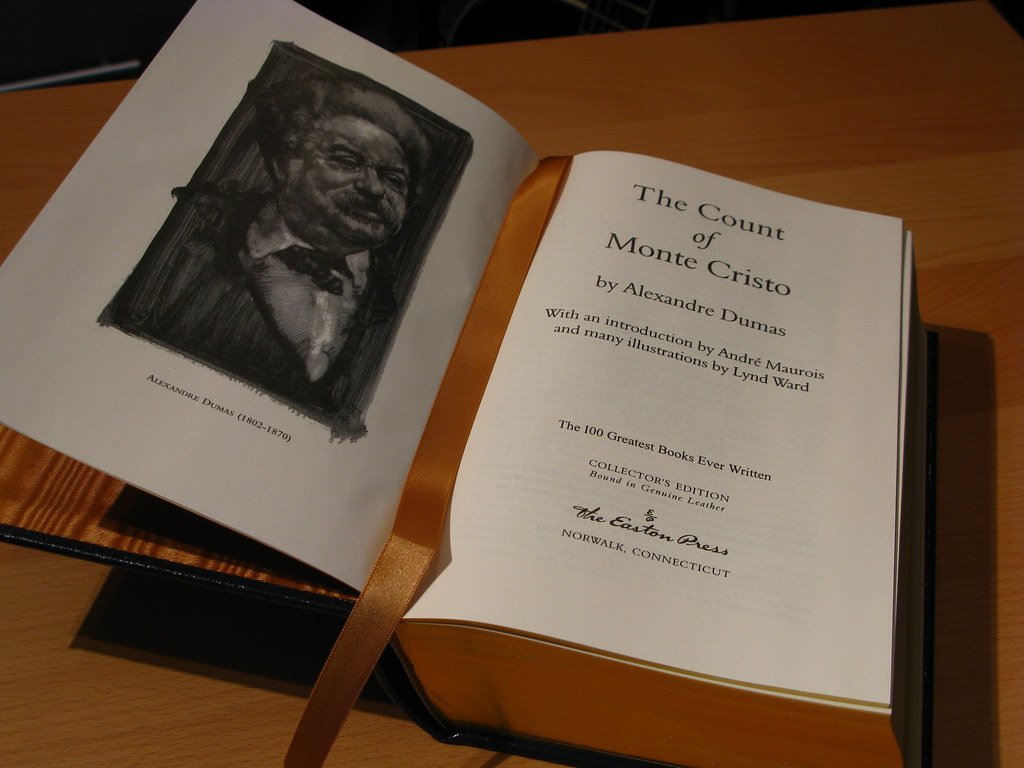
The Count of Monte Cristo is an adventure novel by the French writer Alexandre Dumas, originally published in serial form between 1844 and 1846, which is reflected in the novel’s episodic structure, large cast of characters, and frequent shifts of scene. The narrative unfolds in the complex political landscape of post-Napoleonic France, where Edmond Dantès, a young sailor, is falsely accused and imprisoned. The novel takes readers on a journey as Dantès escapes from captivity and transforms into the enigmatic Count of Monte Cristo, seeking retribution against those who wronged him. Set against a backdrop of societal upheaval, it explores themes of justice and the moral complexities of vengeance.
The original text is very long, with one English version running 1,243 pages of clear but fairly small type, making it almost twice the length of Dumas’s previous blockbuster, The Three Musketeers. The novel stands as a reflection on the consequences of betrayal and the toll revenge takes on the human soul, making it a timeless investigation of the complexities of human nature. Remarkably, all that length works in its favor: the slow, methodical buildup of the Count’s revenge is exactly as satisfying as it is because Dumas takes his time with it.
5. Infinite Jest by David Foster Wallace
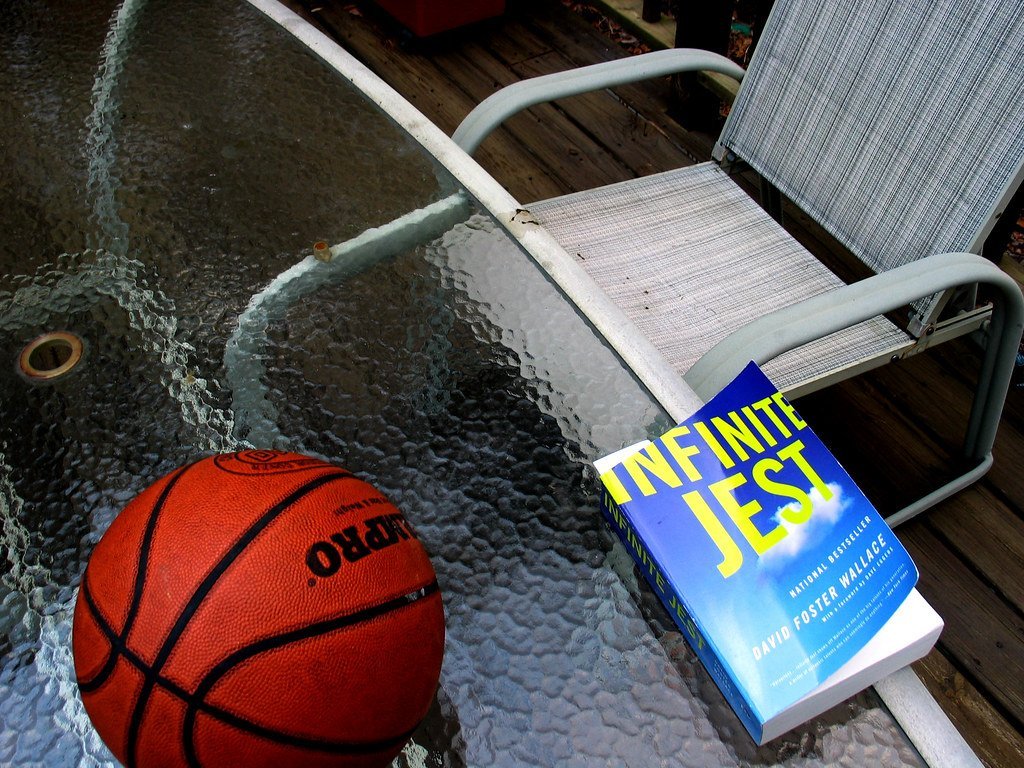
Set somewhere in the not-so-distant future, the residents of a Boston halfway house for recovering addicts and students at the nearby Enfield Tennis Academy are ensnared in the search for the master copy of Infinite Jest, a movie said to be so dangerously entertaining its viewers become entranced. Packed with both tragedy and humor, even at over 1,000 pages, this postmodern masterpiece never drags. The novel is dense with footnotes and digressions, and that formal complexity is itself part of its argument about attention, distraction, and the nature of addiction.
The book is all about addiction in a sense. Infinite Jest is an incredibly long and in some ways difficult book, so it does present some barriers to continued popularity. Those barriers, though, are worth working through. Wallace’s prose has a texture unlike almost anything in American fiction, moving between technical precision and loose, searching grief with startling ease. Readers who commit to it tend to describe the experience as singular.
6. East of Eden by John Steinbeck
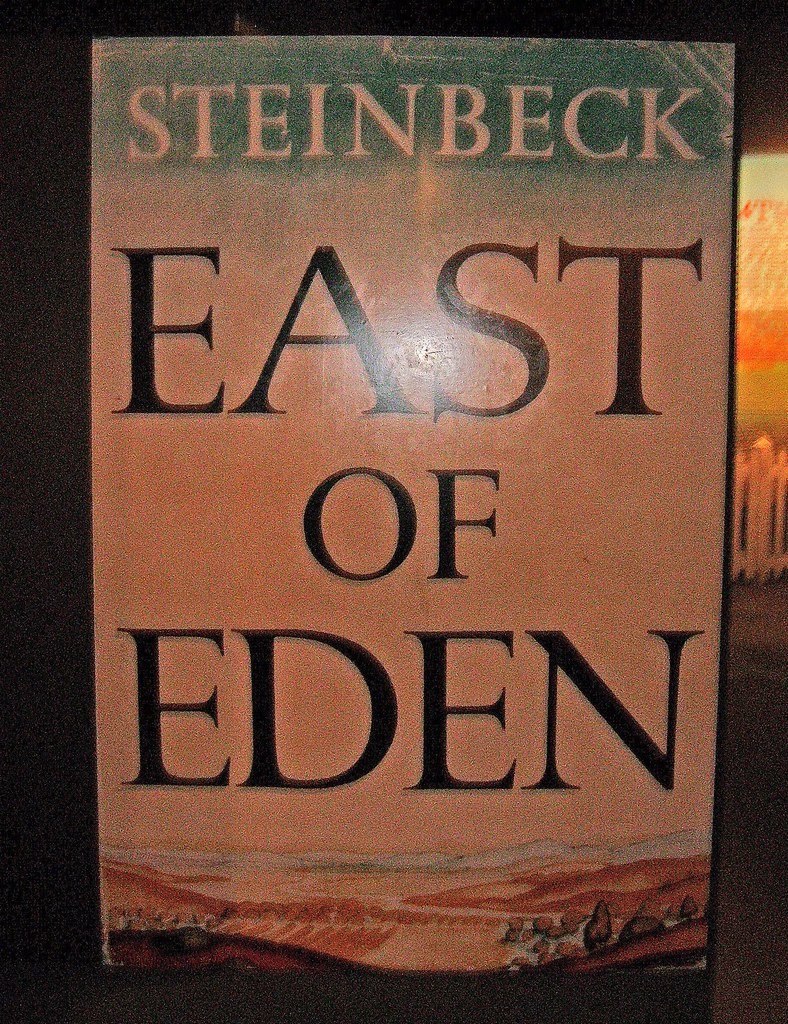
A sprawling tale of two families, the Trasks and the Hamiltons, East of Eden is Steinbeck’s retelling of the Biblical story of Cain and Abel. It explores themes of sin, guilt, and the possibility of redemption. Set across generations in California’s Salinas Valley, the novel reads as Steinbeck’s most personal and most ambitious work, driven by his belief that the story of Cain and Abel is the only story there is.
What gives East of Eden its particular weight is the way Steinbeck refuses easy moral categories. His characters are shaped by their choices, not just their circumstances, and that distinction gives the novel a moral seriousness that lingers. The sheer generational sweep of the story, from the Civil War era to the early twentieth century, allows Steinbeck to examine how families transmit both love and damage across time. It’s a book that earns its size through the accumulation of genuine feeling.
7. Don Quixote by Miguel de Cervantes
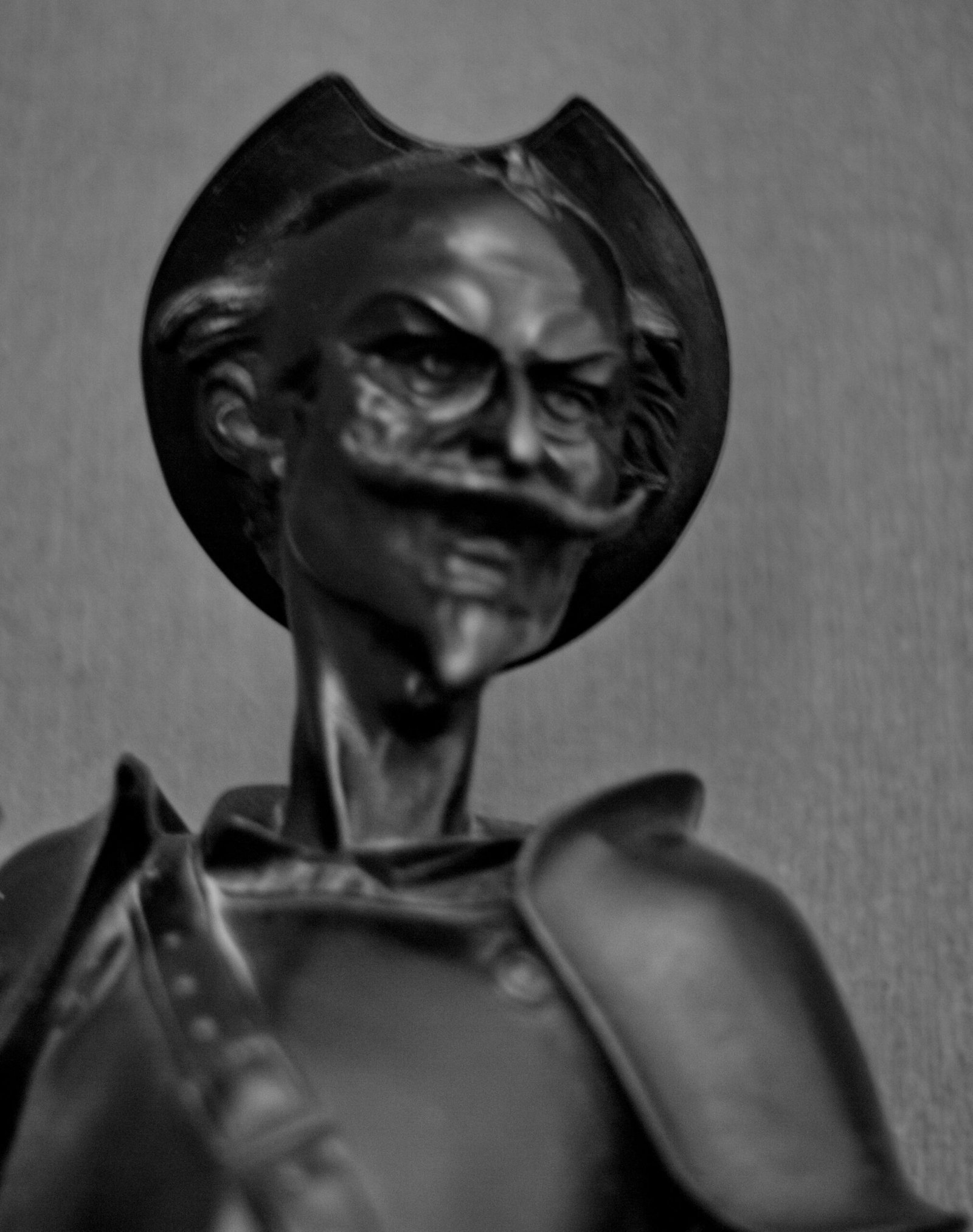
Cervantes’s satirical observation of the human condition is classed as Europe’s first ‘modern’ novel and has sold over 500 million copies since it was first published in the early seventeenth century. It follows Don Quixote and Sancho Panza as they journey through Spain in search of adventure, facing spirits, evil enchanters, and giants in a quest to perform acts of valour. The windmills are just the beginning.
What makes Don Quixote so enduring is its peculiar tenderness. Cervantes mocks his protagonist’s delusions even as he treats them with unmistakable sympathy. The novel raises questions about the nature of fiction itself, about the stories we tell ourselves to survive, that feel startlingly modern. Over its enormous length, the relationship between the idealistic Don and his earthy squire Sancho Panza deepens into something genuinely moving. Reading it in full, rather than in excerpt, is the only way to understand why writers from Flaubert to Kafka kept returning to it.
8. A Little Life by Hanya Yanagihara
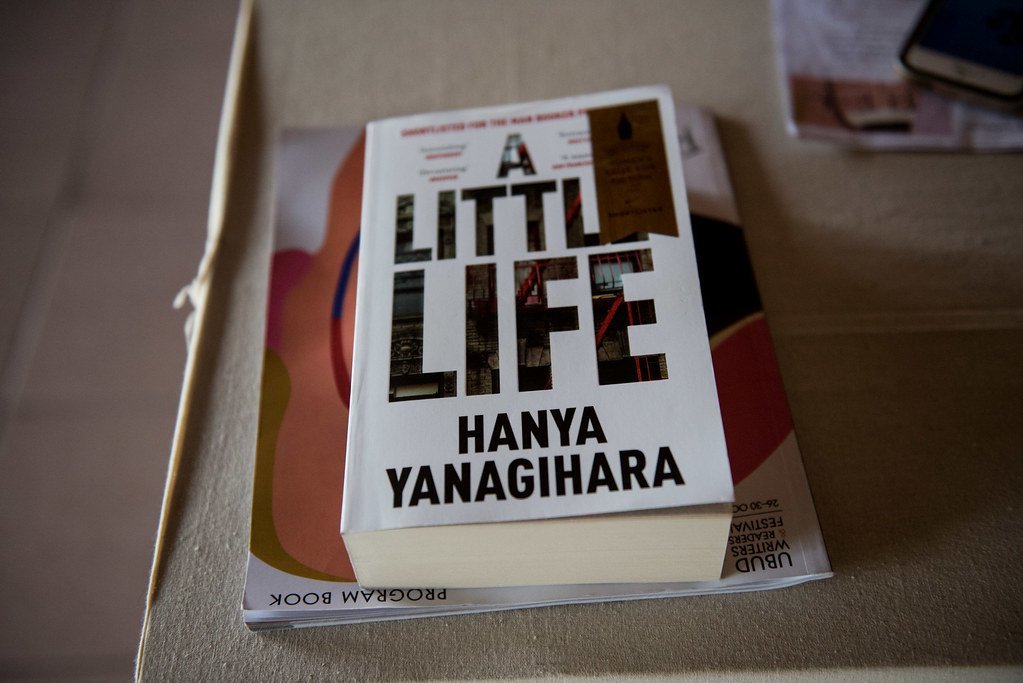
Shortlisted for the Man Booker Prize, A Little Life is an immensely powerful and heartbreaking novel of love, friendship, and the limits of human endurance. Even at 752 pages, Hanya Yanagihara does not waste any space as she maps out the lives of four graduates after they move to New York. This profoundly moving novel is routinely reviewed as “tragic,” “challenging,” “upsetting,” and “without a doubt the saddest thing I’ve ever read in my life,” revealing how the trauma within our pasts can both deepen and darken our closest relationships.
Yanagihara’s focus gradually narrows from four characters to one: Jude St. Francis, whose past is revealed in layered, harrowing increments across the novel’s span. That structural choice is central to the book’s power. A shorter version could not have earned the emotional weight it ultimately carries. The novel asks uncomfortable questions about suffering, friendship, and what we owe those we love, and its length is precisely what allows those questions to accumulate without resolution.
9. 2666 by Roberto Bolaño
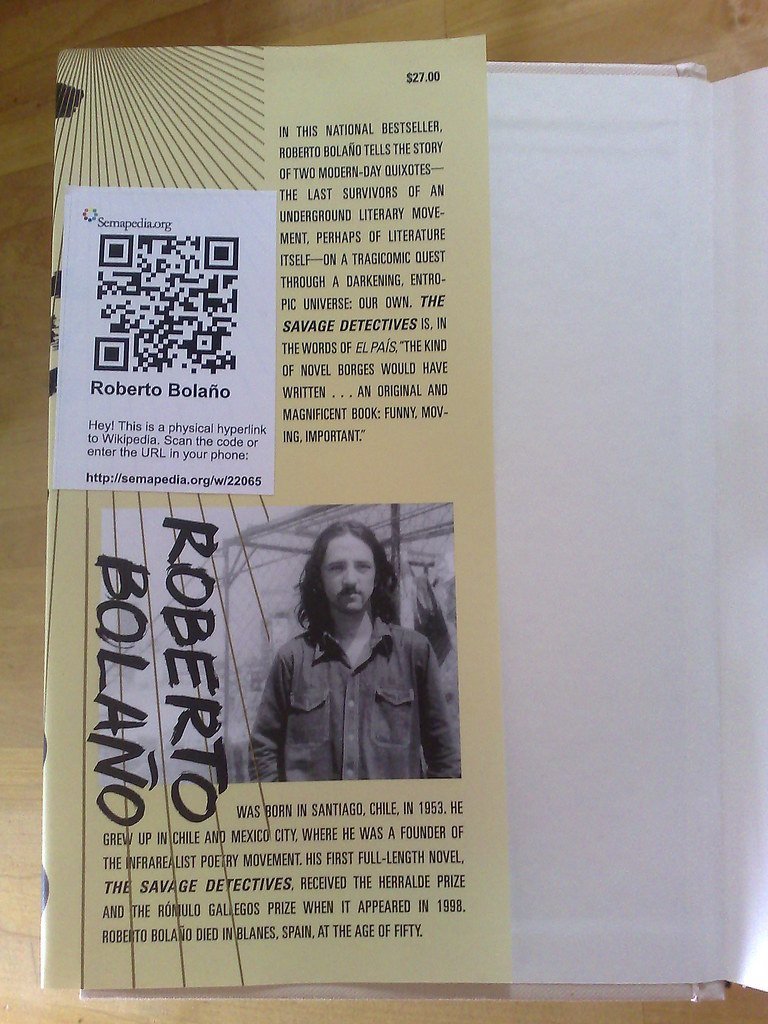
Bolaño’s epic, five-part final novel is massive in scope, though centered on and forever circling the violent and fictional city of Santa Teresa, where hundreds of women have been murdered. For many readers, the best part is its strange quality of being found instead of told: it feels like a myth, or a planet you’re seeing through a telescope. It is certainly a classic of modern literature.
Published posthumously in 2004 and translated into English in 2008, 2666 is organized into five loosely connected books, ranging from literary criticism to a harrowing catalog of murders to a biography of a reclusive German author. Its structure resists easy summary, which is part of the point. Bolaño is interested in how evil operates at the margins of history and attention, how atrocity continues while the rest of the world looks elsewhere. The novel’s sprawl is its method. It cannot be condensed without being falsified.
10. The Pillars of the Earth by Ken Follett

A spellbinding epic tale of ambition, anarchy, and absolute power set against the sprawling medieval canvas of twelfth-century England, The Pillars of the Earth is Ken Follett’s classic historical masterpiece. In 1135, famine and war ravage the land. Mason Tom Builder dreams of building a cathedral to save his family, while Philip, the resourceful prior of Kingsbridge, shares the vision of a magnificent Gothic cathedral for the town’s survival.
At nearly 1,000 pages, The Pillars of the Earth works because Follett treats cathedral building as a genuine dramatic subject, not just a backdrop. The technical detail is meticulous, the political scheming is convincing, and the novel’s large cast of characters allows the story to breathe across decades. It moves with far more pace than its length suggests, and the reader comes away with a real understanding of how medieval society functioned at every level, from peasant to king. Few historical epics manage that combination of education and pure narrative momentum.
A Final Word on Ambitious Reading
The common thread running through all ten of these books is that their length is not incidental. It’s structural. There is solace in long novels. The good ones always seem to create space for the reader: space to sink and settle, and time to really learn what you’re dealing with. That settling is what separates a long novel from a short one. You’re not just reading faster in a bigger book. You’re reading differently.
There’s a reasonable argument that the ambition required to write a great long novel demands an equivalent ambition from the reader. The books on this list reward patience precisely because they were built on it. Tolstoy revised War and Peace repeatedly. Bolaño completed 2666 while terminally ill, knowing he wouldn’t see it published. Hugo spent twenty years on Les Misérables.
That kind of commitment deserves the same in return. Pick one, set aside the weeks it will take, and resist the urge to rush. The pages you think you’ll want to skip are often the ones you’ll remember longest.

Christian Wiedeck, all the way from Germany, loves music festivals, especially in the USA. His articles bring the excitement of these events to readers worldwide.
For any feedback please reach out to info@festivalinside.com
