
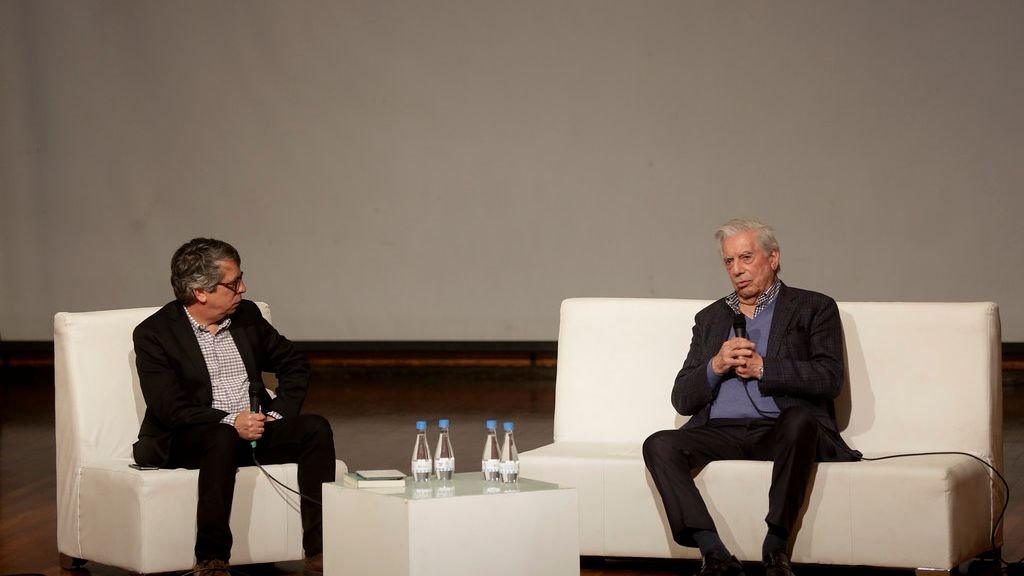

Writers are supposed to be civilized people. They deal in nuance and empathy, spending whole careers finding the precise word for the most elusive of human feelings. So it’s almost paradoxical how often they’ve turned those very same skills on each other with real venom. A literary feud is a conflict or quarrel between well-known writers, usually conducted in public view by way of published letters, speeches, lectures, and interviews. What makes these clashes remarkable isn’t just the gossip they generate. It’s the way they force writers to define what literature is for, what it owes to truth, and who gets to decide. Many feuds were based on opposing philosophies of literature, art, and social issues, although the disputes often devolved into attacks on personality and character. Feuds often have personal, political, commercial, and ideological dimensions.
The ten rivalries below weren’t merely colorful biographical footnotes. They changed reputations, redrew literary movements, and in several cases produced works that still fill syllabuses today. Some of them ended in lawsuits. One ended with a headbutt. Each one left a mark.
Ernest Hemingway vs. F. Scott Fitzgerald: The Friendship That Curdled
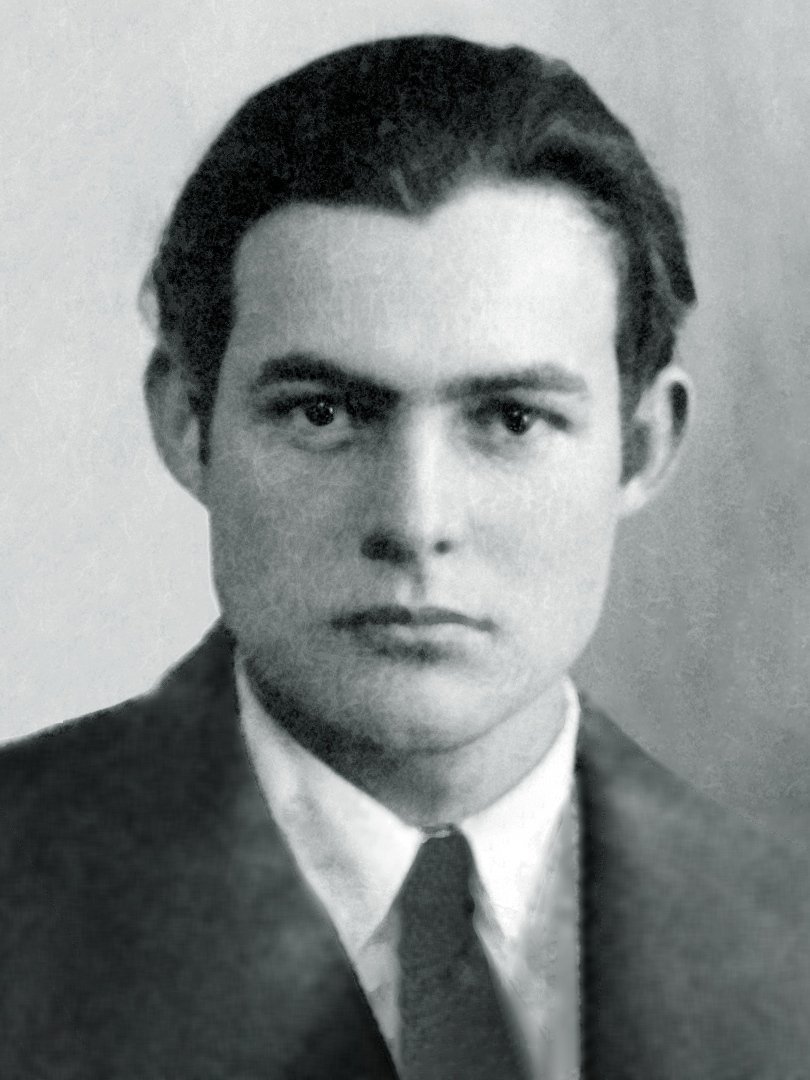
Literary history’s most famous frenemies met in 1925, and soon became friends. Fitzgerald even sang Hemingway’s praises to the influential editor Maxwell Perkins, helping to jump-start his career. It was a remarkable act of generosity from someone who had already established himself as a celebrated writer. When they met, Fitzgerald was much the better-known and more-established figure. He was the author of three novels, including his masterly The Great Gatsby, which had just been published.
Hemingway wasn’t particularly grateful, and soon began badmouthing Fitzgerald. Hemingway “could ill abide being beholden to anyone,” clearly resenting Fitzgerald’s help, and he receives the bulk of the blame for the friendship’s demise. The resentment seeped into the record permanently. The prevailing public view of the Fitzgerald-Hemingway friendship has been shaped by A Moveable Feast, a book in which, for whatever reasons but surely including rivalrous instincts aroused in Hemingway by the Fitzgerald revival of the 1950s, the dice are loaded against “poor Scott.” In the end, Fitzgerald put it plainly: “I talk with the authority of failure – Ernest with the authority of success. We could never sit across the same table again.”
Virginia Woolf vs. Arnold Bennett: A Fight That Rewrote the Rules of the Novel
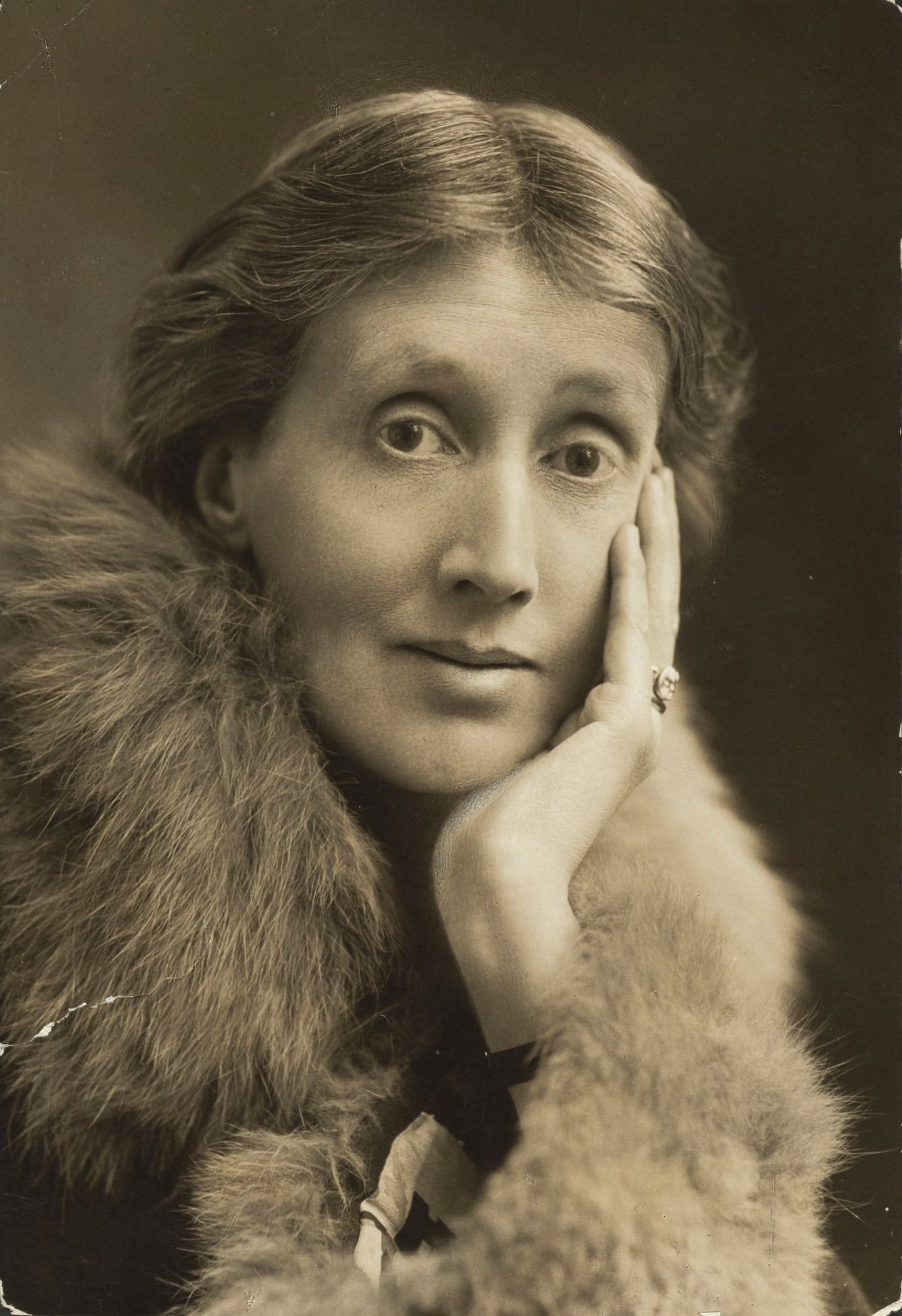
The clash began with Bennett’s dismissal of Woolf’s powers of characterization in her just-published novel Mrs. Dalloway. Woolf’s response, “Mr. Bennett and Mrs. Brown,” was a searing riposte to Bennett which dismissed the whole literary mode of his Edwardian generation, and which effectively undid his legacy in a stroke. That response wasn’t merely defensive. It became a landmark statement about what the modern novel could and should do.
Bennett’s vast fame eclipsed that of his younger sparring partner, but Woolf’s essay seems to have killed his reputation off for the generations that followed. “Mr. Bennett and Mrs. Brown” is still widely studied, while all eight books of Bennett’s criticism are currently out of print. His novels remain little read today. It’s a stark example of how one writer can decisively reframe another’s entire body of work, not through better novels alone, but through better arguments.
Jean-Paul Sartre vs. Albert Camus: Philosophy as a Battlefield
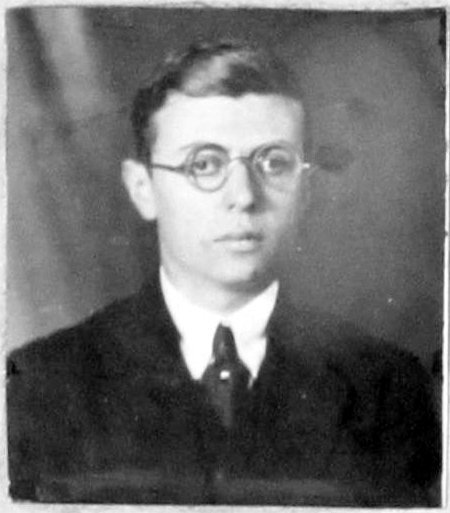
Albert Camus and Jean-Paul Sartre first met in 1943, during the German occupation of France. The two became fast friends. Intellectual as well as political allies, they grew famous overnight after Paris was liberated. As playwrights, novelists, philosophers, journalists, and editors, the two seemed to be everywhere and in command of every medium in post-war France.
The great issue that began to divide them in the 1950s was communism, and the 1952 publication of Camus’ The Rebel led to their break. Their opposing views on violence subsequently led them to react differently to war in Algeria, with Sartre accepting violent means as an acceptable tool in the fight for decolonization while Camus, horrified by the atrocities of both sides, stayed silent in public. The split between the two friends was a media sensation. Les Temps Modernes, the journal edited by Sartre, which published a critical review of The Rebel, sold out three times over. Le Monde and L’Observateur both breathlessly covered the falling out. Few literary arguments in the twentieth century reached that degree of public intensity.
Mary McCarthy vs. Lillian Hellman: The Feud That Went to Court
![Mary McCarthy vs. Lillian Hellman: The Feud That Went to Court (Flickr: [Drawing of an overview of the courtroom that includes the judges bench and defense table.], CC BY-SA 2.0)](https://festivaltopia.com/wp-content/uploads/2026/04/1775908380850_1775908375848_drawing_of_an_overview_of_the_courtroom_that_includes_th.jpeg)
Their feud began in the late 1930s over ideological differences, rooted in McCarthy’s belief in the innocence of the defendants in the Moscow Trials during the Great Purge and Hellman’s support for Soviet Premier Joseph Stalin. For decades the enmity simmered, occasionally surfacing in sidelong remarks and withering reviews. Then it exploded on live television. The lawsuit originated after McCarthy, a novelist and bitingly satirical critic best known for her novel The Group, called Hellman “a bad writer, overrated, a dishonest writer” during an interview with TV host Dick Cavett on his national talk show in late January of 1980.
On February 15, 1980, mere weeks after the Cavett episode aired, Lillian Hellman sued Mary McCarthy, Dick Cavett, and the producer and the broadcaster of The Dick Cavett Show for $2.25 million for defamation. Observers of the trial noted the irony of Hellman’s defamation suit: it brought significant scrutiny that resulted in a serious decline of Hellman’s reputation, as McCarthy and her supporters worked to prove that Hellman had lied. The case was dropped shortly after Hellman died in 1984. The lawsuit had drawn as much attention to Hellman’s alleged fabrications as to McCarthy’s cruelty.
Vladimir Nabokov vs. Edmund Wilson: A Friendship Demolished by a Footnote
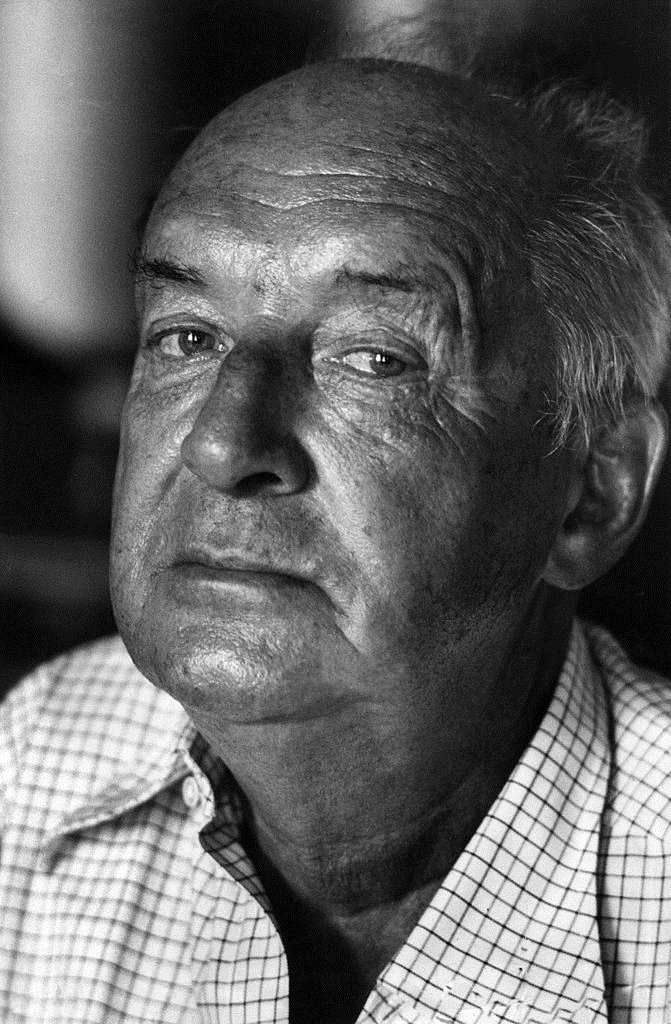
When Nabokov reached America in 1940, Edmund Wilson was firmly established as one of the country’s leading critics. He assisted the brilliant Russian émigré by helping him place articles and stories in The New Yorker and The Atlantic, and by connecting him with publishers such as James Laughlin of New Directions, who brought out Nabokov’s first English-language novel. It was a generous and consequential act of literary patronage. The two men were close friends for years, sharing letters on Russian literature, language, and translation.
The quarrel rapidly spilled over the border into other publications, with Nabokov publishing responses in magazines and newspapers and forcing Wilson to fight on multiple fronts. Writers flooded letters pages everywhere, creating a cacophony of opinion, to Nabokov’s delight. Nabokov keenly sensed how the modern feud was essentially a media game, the victor determined by who best manipulates an optical illusion. The insight was prescient. For the remainder of the twentieth century, literary feuds took to the airwaves. What had begun as a disagreement over a Pushkin translation became the template for how writers wage public war.
Norman Mailer vs. Gore Vidal: The Feud That Got Physical
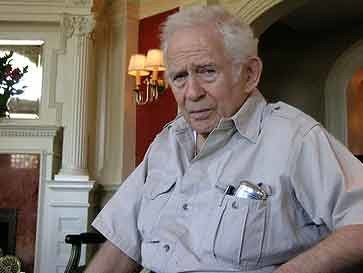
The rivalry began around the time that Mailer was at his most famous, when his 1948 novel The Naked and the Dead made him a household name. Vidal had already published books of his own but had failed to reach such heights as Mailer had, and the two writers began a troubled friendship driven by ambition and rivalry more than respect and affection. What followed was one of the most dramatically public rivalries in American letters.
Mailer’s most famous feud was with Gore Vidal. The whole thing started in the early 1970s when Vidal wrote a scathing review of Mailer’s book The Prisoner of Sex. Following this, the two met in the green room prior to an appearance on The Dick Cavett Show, and Mailer took the opportunity to headbutt Vidal. At a party a few years later, Mailer was still seething, so he threw a drink in Vidal’s face and then punched him. It strikes many as a warning that so few of the great feuders of the twentieth century are actually read anymore. Vidal is now vastly more famous for his on-screen debates than he is as the author of The City and the Pillar.
Tom Wolfe vs. Norman Mailer, John Updike, and John Irving: One Against Three
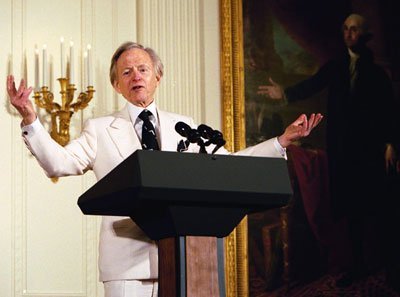
The old question of popular success and literary merit had a feisty Tom Wolfe dueling with John Updike, as well as Norman Mailer and John Irving. The trigger was Wolfe’s essay “Stalking the Billion-Footed Beast,” published in Harper’s in 1989, in which he argued for a return to big, socially engaged realist fiction. The “position paper” in question was a piece bemoaning a perceived decline in realist literature. It landed as a provocation, and the three men responded accordingly.
In 1998, three writers, Mailer, Updike, and Irving, lashed out against Tom Wolfe’s 1998 novel A Man in Full. Irving said it made him “wince.” Norman Mailer, writing in The New York Review of Books, produced a famously barbed comparison, while Updike wrote in The New Yorker that the book “still amounts to entertainment, not literature.” Wolfe lashed out at each in turn, and collectively called his opponents “the Three Stooges.” The fight raised genuine questions about what serious American fiction owed its readers, and those questions haven’t been fully resolved since.
Derek Walcott vs. V.S. Naipaul: Two Nobel Laureates, One Caribbean Stage
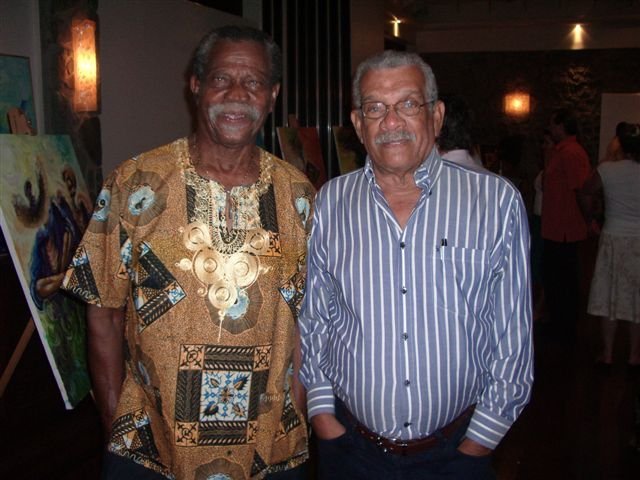
Derek Walcott and V. S. Naipaul were both from the West Indies, and each was a recipient of the Nobel Prize in Literature. Walcott was critical of Naipaul’s work, viewing him as a sellout for crafting a persona that rejected his Indo-Caribbean roots. This was not merely a personal slight. For Walcott, the charge carried the weight of colonial history and the responsibilities of postcolonial identity.
Naipaul countered in 2007, praising Walcott’s early work, then describing him as “a man whose talent had been all but strangled by his colonial setting” and saying “He went stale.” Walcott famously criticized Naipaul in his poem “Mongoose,” which he read aloud at the Calabash International Literary Festival in 2008. The feud dramatized a wider tension within postcolonial literature: whether exile or rootedness, assimilation or resistance, produced the more honest and enduring art.
Mario Vargas Llosa vs. Gabriel García Márquez: Thirty Years of Silence
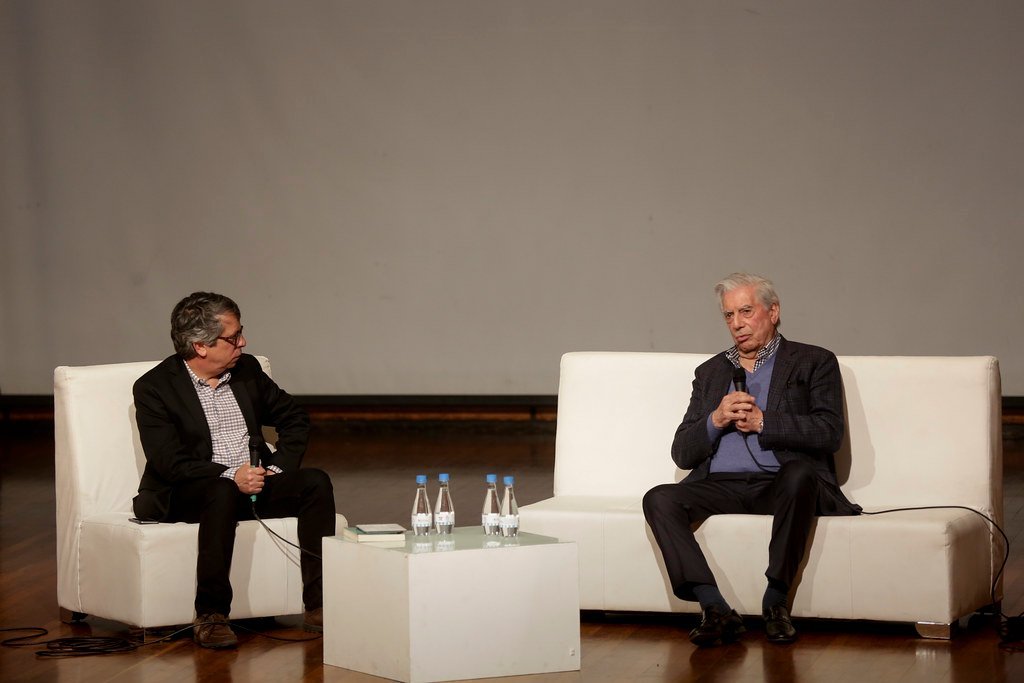
In what the Times of London has called “possibly the most famous literary feud of modern times,” these two Latin American novelists, who were at one time close, spent more than 30 years not speaking before Vargas Llosa wrote a prologue for the 40th anniversary edition of García Márquez’s novel One Hundred Years of Solitude. The two had been among the most celebrated champions of the Latin American literary Boom, a movement that introduced Magical Realism to global audiences.
The reason for the feud? Reportedly, it had to do with advice García Márquez gave Vargas Llosa’s wife: to divorce her husband after he had taken up with another woman. A private wound of that magnitude, inflicted between two men of that prominence, was always going to prove impossible to bridge quickly. The decades of silence between two writers who had once championed each other’s work stood as one of the most dramatic ruptures in literary friendship, a reminder that even shared movements and mutual admiration cannot always outlast a personal betrayal.
Hemingway vs. Gertrude Stein: The Mentor Who Became the Enemy
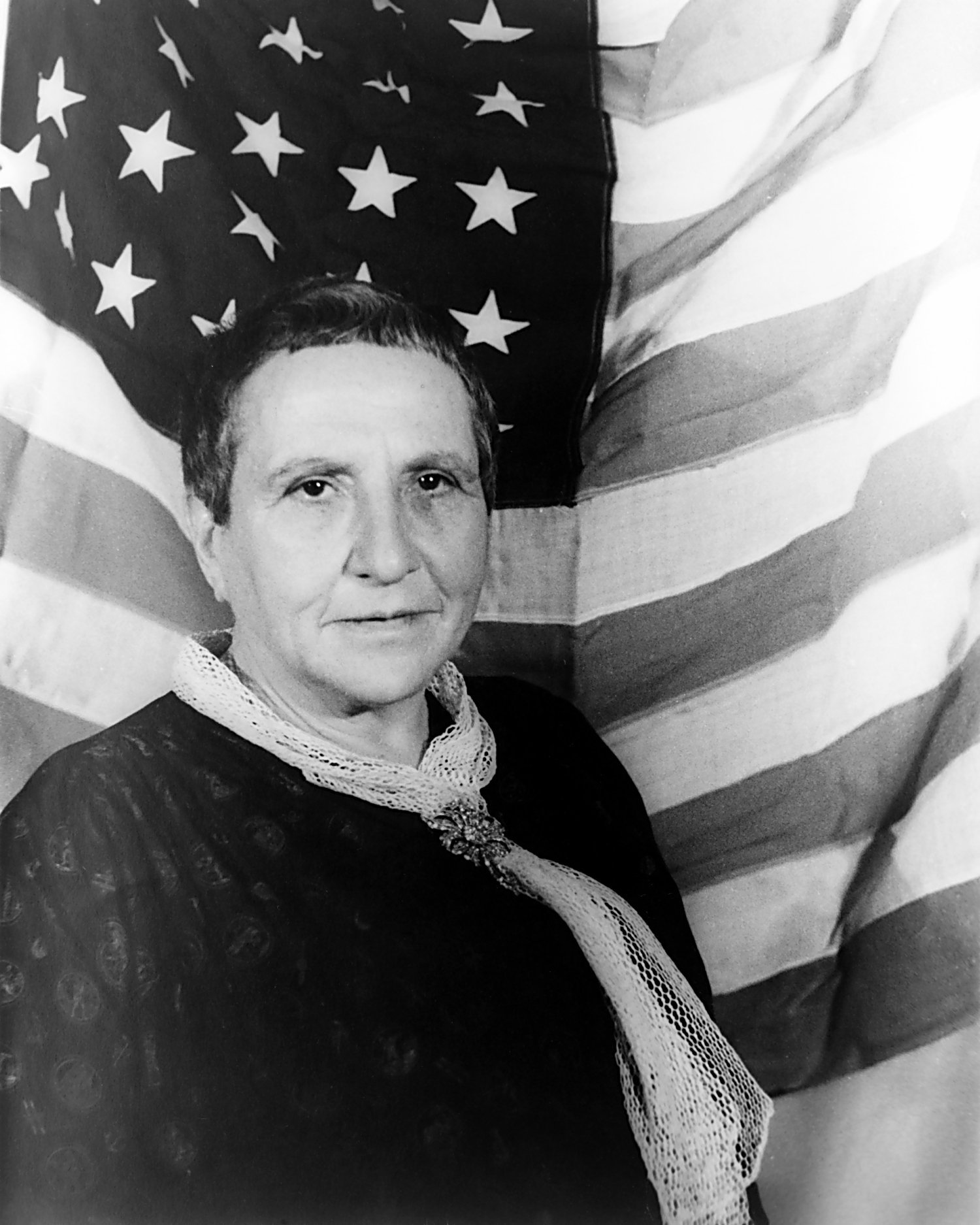
During the modernist movement, the Lost Generation would get together with Gertrude Stein in Paris, France to kick around ideas and develop what would eventually become the modernist movement and style. Stein was instrumental in Hemingway’s early formation as a writer, and for years the two moved in the same Parisian orbit. The mentorship seemed secure. Then Stein went public with her recollections.
In her 1933 book “The Autobiography of Alice B. Toklas,” Stein described Hemingway as physically frail and accident-prone and claimed credit for teaching him to write. Hemingway was furious, and he did not stay quiet. With such a strong personality, Hemingway wasn’t without additional feuds during this time period. One of the most notable was with his former mentor, the writer Gertrude Stein. The episode is a reminder of how much creative debts can fester when one party decides to put them on the record. Hemingway eventually settled scores in A Moveable Feast, giving his own version of their relationship, and as usual, he got the last publishable word.
Conclusion: What Rivalries Reveal About Literature

The pattern across all ten of these feuds is striking. They rarely began as pure egotism, though ego was never far from the surface. More often they grew from genuine disagreements: about what a novel should attempt, what a writer owes to truth, how much political commitment art demands. Feuds were sometimes based on conflicting views of the nature of literature, or on disdain for each other’s work.
What these rivalries also show is that literary reputations are more fragile and more contested than they appear. Woolf’s essay on Bennett didn’t just win an argument. It changed what we read. The Sartre-Camus split didn’t just end a friendship. It’s hard to imagine an intellectual feud capturing that degree of public attention today, but in this disagreement, many readers saw the political crises of the times reflected back at them. It was a way of seeing politics played out in the world of ideas.
Perhaps the deepest truth that literary feuds expose is this: writers care. They care with an intensity that tips easily into anger, jealousy, and grievance. That passion, uncomfortable as it looks when it turns combative, is the same energy that produces great books in the first place. Competition sharpens. Disagreement clarifies. The contest, as messy and undignified as it often gets, has been one of the driving forces behind the literature we still think worth arguing about.

Besides founding Festivaltopia, Luca is the co founder of trib, an art and fashion collectiv you find on several regional events and online. Also he is part of the management board at HORiZONTE, a group travel provider in Germany.
