


For any feedback please reach out to info@festivalinside.com
- 10 Best Feel Good Movies of All Time - March 13, 2026
- 8 Smart Money Habits We Should All Adopt Now - March 13, 2026
- 8 Mind-Boggling Coincidences From History That Will Make You Question Everything - March 10, 2026
1. Pretty Woman (1990)

The original ending of “Pretty Woman” painted a much darker picture than the one audiences came to love. Initially, Vivian, portrayed by Julia Roberts, was supposed to be left abandoned on the streets after her week with Edward, played by Richard Gere. This grim conclusion would have cast the movie as a stark drama, highlighting the often harsh realities faced by those in Vivian’s line of work. However, the ending was transformed into a fairy-tale romance, where Edward sweeps Vivian off her feet in a limousine, offering a hopeful escape from her previous life. This change was pivotal, redefining the film as a romantic comedy and cementing its place in cinematic history. It grossed over $463 million globally, a testament to the power of a heartwarming conclusion.
2. Titanic (1997)

In the initial script for “Titanic,” Rose was supposed to reveal the Heart of the Ocean to Brock Lovett and his team before tossing it overboard. This would have made the moment less personal and more of a spectacle. However, the filmmakers chose a more intimate ending, where Rose drops the necklace into the ocean privately, symbolizing her release from the past. This poignant moment struck a chord with audiences, contributing to the film’s enormous success. “Titanic” went on to earn over $2.2 billion worldwide, making it one of the highest-grossing films ever. The change in ending added depth, making it a memorable cinematic experience.
3. I Am Legend (2007)

“I Am Legend” originally had Dr. Neville, played by Will Smith, realizing the infected creatures see him as the real monster. He was meant to let the alpha’s mate go, escaping peacefully. This ending would have provided a philosophical twist, questioning who the real monsters were. However, the revised ending saw Neville sacrificing himself in a blaze of glory to save others. This heroic act added a layer of nobility and selflessness, aligning with the film’s themes of sacrifice and survival. It resonated with audiences, contributing to its box office success of over $585 million globally.
4. Alien (1979)

The initial script of “Alien” had a shocking conclusion, with Ripley being killed by the Xenomorph, which would then mimic her voice to send a distress signal. This unsettling ending would have left audiences with a sense of defeat and despair. However, the filmmakers decided to let Ripley survive, thus establishing her as a strong female lead in science fiction. This change not only paved the way for future sequels but also contributed to the film’s status as a classic. “Alien” grossed over $104 million domestically, becoming a cornerstone of the sci-fi horror genre.
5. The Lion King (1994)
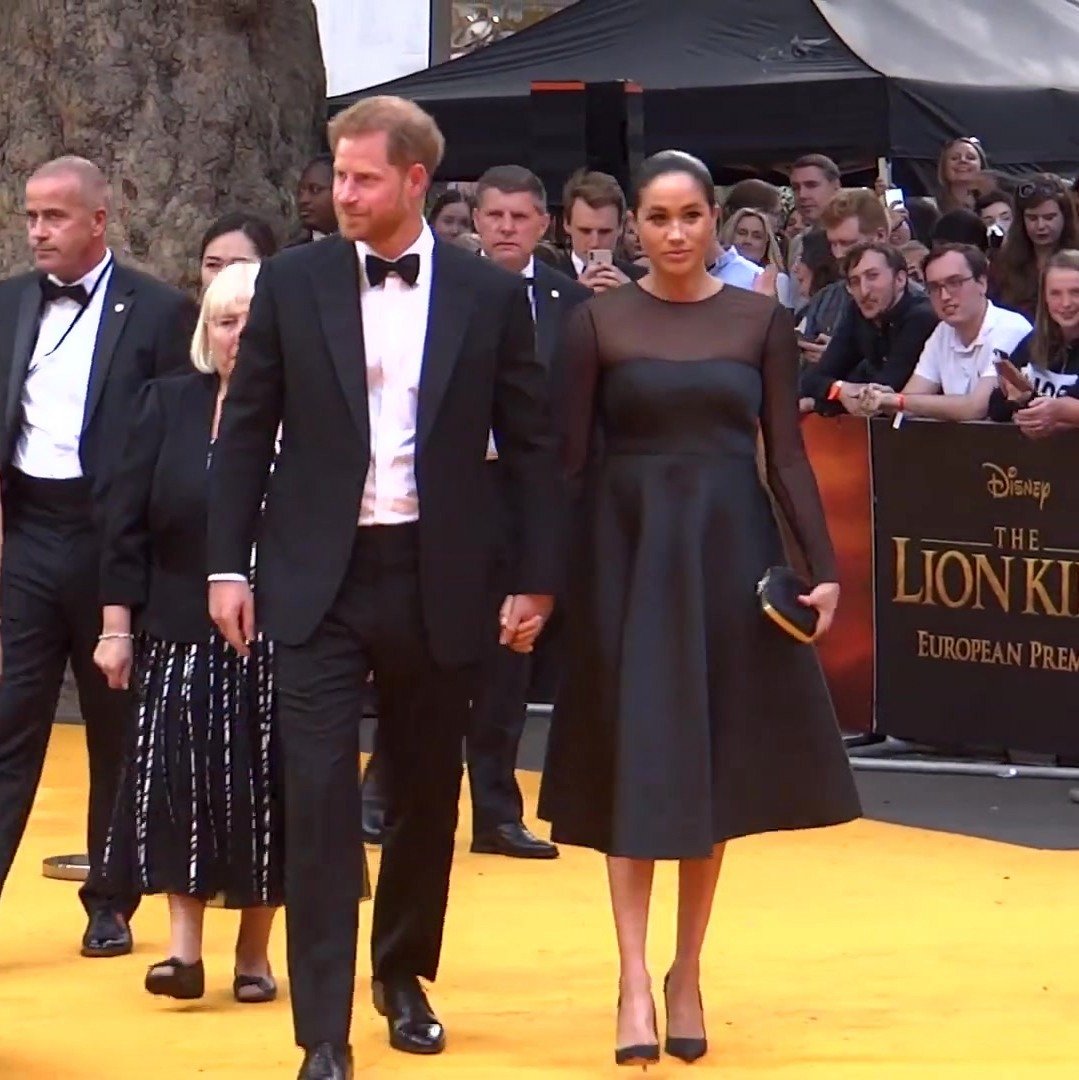
Originally, “The Lion King” was set to end with Scar defeating Simba and ruling over the Pride Lands. This bleak conclusion would have set a somber tone for the film. Instead, the ending was altered to show Simba triumphing over Scar, restoring peace and balance to the kingdom. This uplifting conclusion resonated with audiences worldwide, making it a timeless classic. The film grossed over $1.6 billion globally, solidifying its place in cinematic history. The change in ending emphasized themes of courage and redemption, appealing to audiences of all ages.
6. The Butterfly Effect (2004)
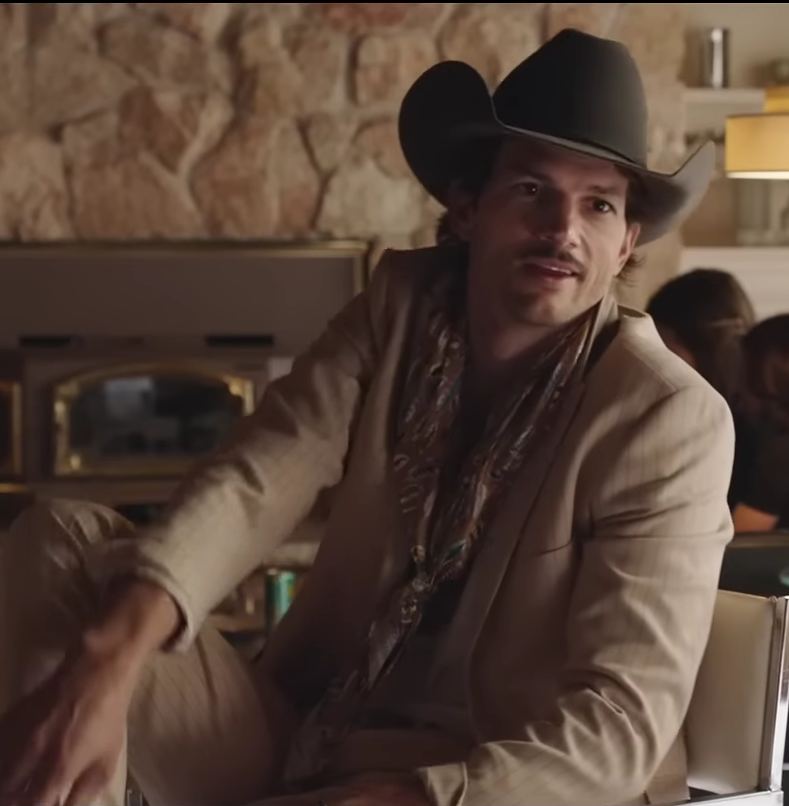
In “The Butterfly Effect,” Evan, played by Ashton Kutcher, was initially supposed to travel back to the moment of his birth and strangle himself with the umbilical cord, preventing all the subsequent tragedies. This dark ending would have left audiences with a sense of hopelessness. Instead, the filmmakers opted for a bittersweet conclusion where Evan erases himself from his love interest’s life, allowing her a chance at happiness. This change added emotional depth and complexity to the narrative, making it more relatable. The film grossed over $96 million worldwide, demonstrating its impact on audiences.
7. The Terminator (1984)

The original ending of “The Terminator” did not mention Cyberdyne Systems, which would have eliminated the setup for any sequels. This omission would have confined the story to a standalone narrative. However, the filmmakers included a scene teasing the future rise of Skynet, setting the stage for “Terminator 2” and beyond. This pivotal change established a franchise and became a significant moment in science fiction cinema. The film grossed over $78 million domestically, marking the beginning of a successful series that continues to captivate audiences.
8. Rocky (1976)

Initially, “Rocky” was supposed to end with Rocky Balboa losing badly and retiring from boxing, which would have presented a conventional sports narrative. However, the ending was altered so that Rocky loses but goes the distance, becoming an underdog hero. This change resonated with audiences, emphasizing themes of perseverance and determination. The film grossed over $225 million worldwide, leading to multiple sequels and a lasting legacy. Rocky’s journey from obscurity to resilience became an inspiration for many, making it a beloved classic.
9. Get Out (2017)

In the original ending of “Get Out,” Chris, played by Daniel Kaluuya, was going to be arrested for the murders at the Armitage house, leaving audiences with a tragic conclusion. However, the ending was revised to feature a satisfying rescue by his friend Rod, providing a sense of justice and relief. This change elevated the film’s message and contributed to its critical acclaim. “Get Out” grossed over $255 million worldwide, becoming a cultural phenomenon and sparking conversations about race and societal issues.
10. Back to the Future (1985)
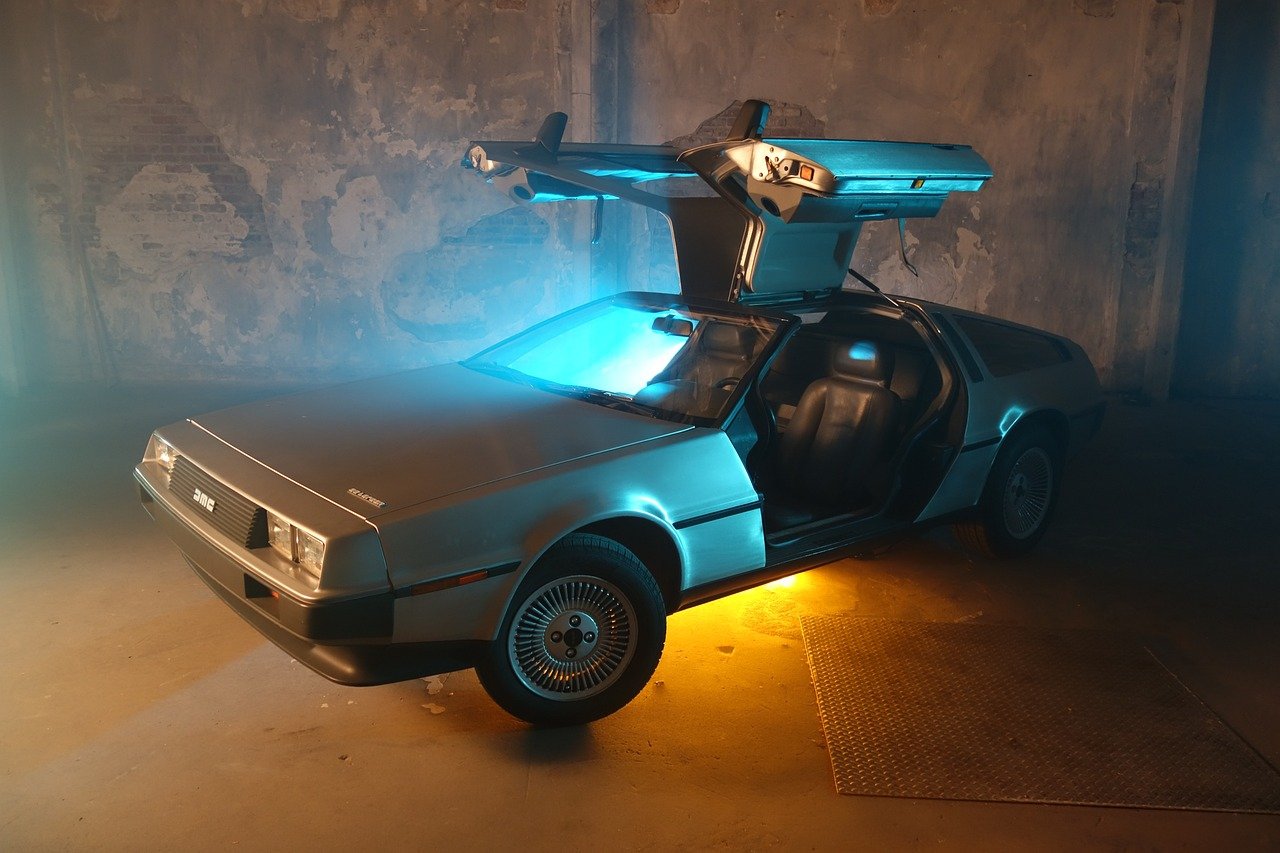
Originally, the time machine in “Back to the Future” was conceived as a refrigerator, which would have drastically altered the film’s aesthetic and appeal. However, the filmmakers decided on the DeLorean, a much cooler and safer time-travel car, which became a cultural icon. This change not only enhanced the film’s visual appeal but also contributed to its enduring popularity. “Back to the Future” grossed over $381 million worldwide, becoming a beloved part of pop culture and inspiring generations of fans to dream of time travel and adventure.

Christian Wiedeck, all the way from Germany, loves music festivals, especially in the USA. His articles bring the excitement of these events to readers worldwide.
For any feedback please reach out to info@festivalinside.com
