

For any feedback please reach out to info@festivalinside.com
- 10 Best Street Festivals Around the World - April 10, 2026
- 10 Iconic Movie Scenes That Were Completely Improvised by Actors - April 10, 2026
- The Stark Contrasts Between Past and Present Fashion Echo Timeless Cultural Shifts - April 9, 2026
Filmmaking thrives on preparation, yet some of cinema’s most electric moments spring from pure spontaneity. Actors, deep in character, seize the instant to deliver lines or actions no writer could foresee. These flashes of brilliance remind us how human instinct can elevate a scene beyond the page.
Such improvisations often capture raw emotion or unexpected humor, sticking in our minds long after the credits roll. They reveal the magic when directors trust performers to roam free.
“Hey, I’m Walkin’ Here!” from Midnight Cowboy (1969)

Midnight Cowboy follows the unlikely bond between naive hustler Joe Buck and streetwise con man Ratso Rizzo as they navigate the harsh underbelly of New York City. During a scene where the duo crosses a busy street, a real taxi cab nearly clips them mid-take. Dustin Hoffman, playing Ratso, stayed fully in character and bellowed the now-legendary line at the driver.[1]
This outburst wasn’t scripted; it emerged from the genuine peril of the moment. The line perfectly encapsulates Ratso’s scrappy defiance and the film’s gritty urban pulse. It turned a simple transition into a defining emblem of 1960s New York toughness, endlessly quoted in pop culture.[1]
“I Know” from The Empire Strikes Back (1980)
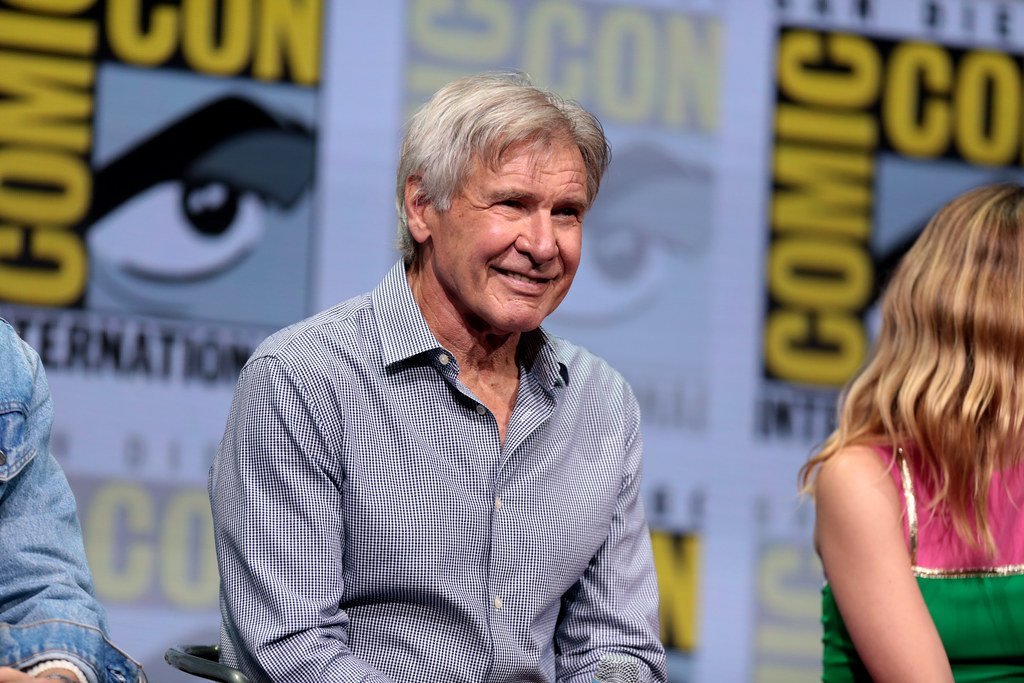
In the tense buildup to Han Solo’s carbonite freezing, Princess Leia finally confesses her love amid the chaos of Cloud City. Harrison Ford, as the roguish smuggler, was scripted to reply with something earnest like “I love you too.” Instead, he delivered a cool, cocky “I know,” flipping the vulnerability on its head.[1]
Ford’s ad-lib fit Han’s swagger perfectly, adding layers of charm and heartbreak to their romance. Directors Irvin Kershner embraced it for its authenticity. The exchange became a cornerstone of Star Wars lore, beloved for its witty defiance in the face of doom.[1]
The Necklace Box Mishap in Pretty Woman (1990)
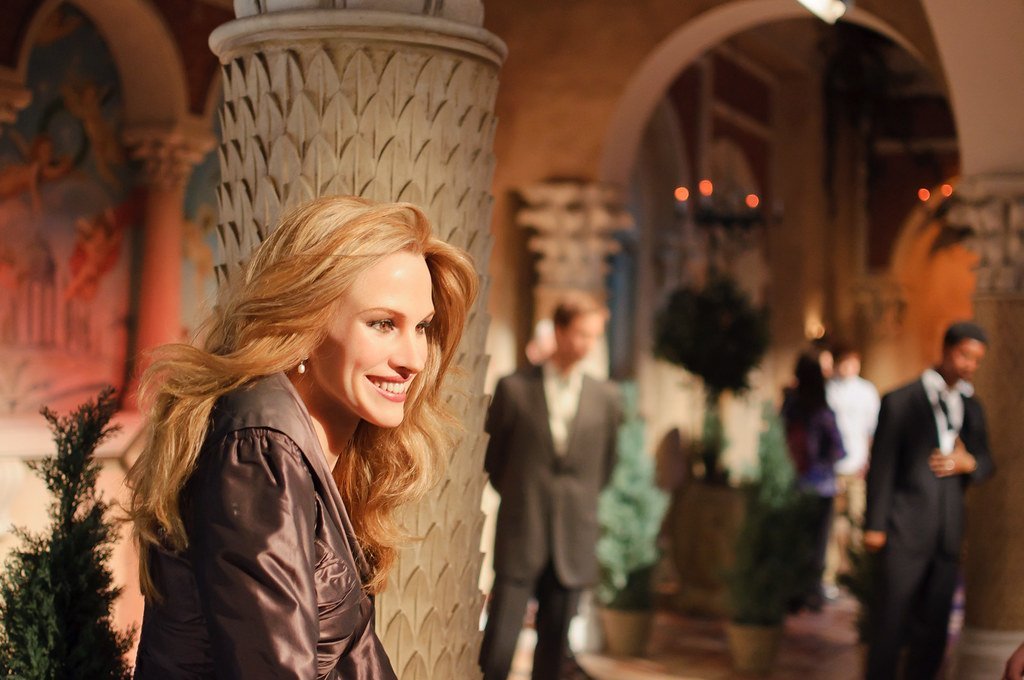
Pretty Woman charts the Cinderella-like romance between wealthy businessman Edward and escort Vivian in glamorous Los Angeles. In a lavish jewelry store sequence, Edward presents Vivian with a stunning ruby necklace. Richard Gere spontaneously snapped the box shut on Julia Roberts’ fingers as a playful prank, prompting her real startled laugh and wide-eyed reaction.[1]
The entire beat unfolded unplanned, capturing genuine surprise amid the opulence. Roberts’ unfiltered joy humanized Vivian, making her instantly endearing. This lighthearted spark deepened the film’s fairy-tale allure, turning a sales pitch into pure movie magic.[1]
“I’m King of the World!” from Titanic (1997)

Titanic recreates the doomed ocean liner’s voyage through Jack and Rose’s passionate shipboard affair. Early on, Jack exults at the prow, arms outstretched in the wind. Leonardo DiCaprio improvised the triumphant shout “I’m the king of the world!” on the spot, channeling youthful exuberance.[1]
Director James Cameron encouraged the ad-lib, recognizing its infectious energy. It crystallized Jack’s free spirit against the looming tragedy. The line soared into cultural orbit, synonymous with unbridled joy and the film’s epic romance.[1]
The Chest-Waxing Agony in The 40-Year-Old Virgin (2005)
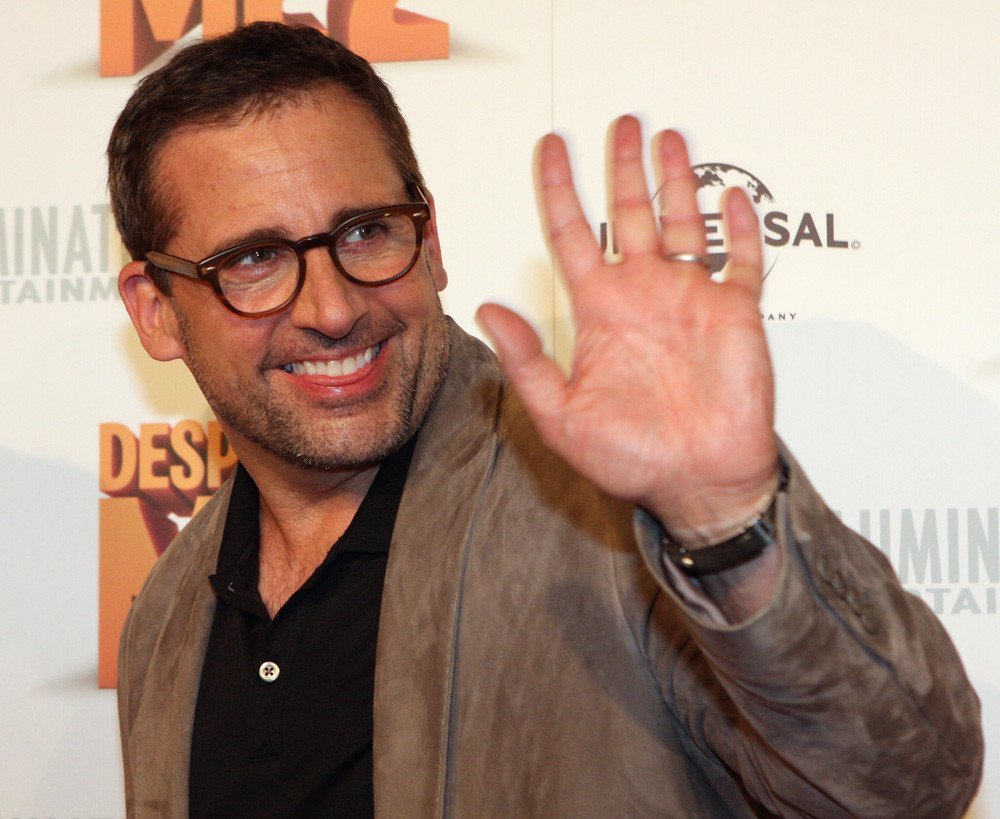
This raunchy comedy tracks middle-aged virgin Andy’s awkward plunge into dating. Friends drag him to a salon for manscaping, leading to the infamous chest-waxing sequence. Steve Carell insisted on real wax strips, improvising screams of authentic torment that cracked up the crew.[1]
The unscripted pain fueled hilarious outbursts, blending cringe with catharsis. Director Judd Apatow kept the raw takes for their visceral hilarity. It became the film’s gut-busting highlight, redefining awkward manhood for a generation.[1]
“You’re Gonna Need a Bigger Boat” from Jaws (1975)
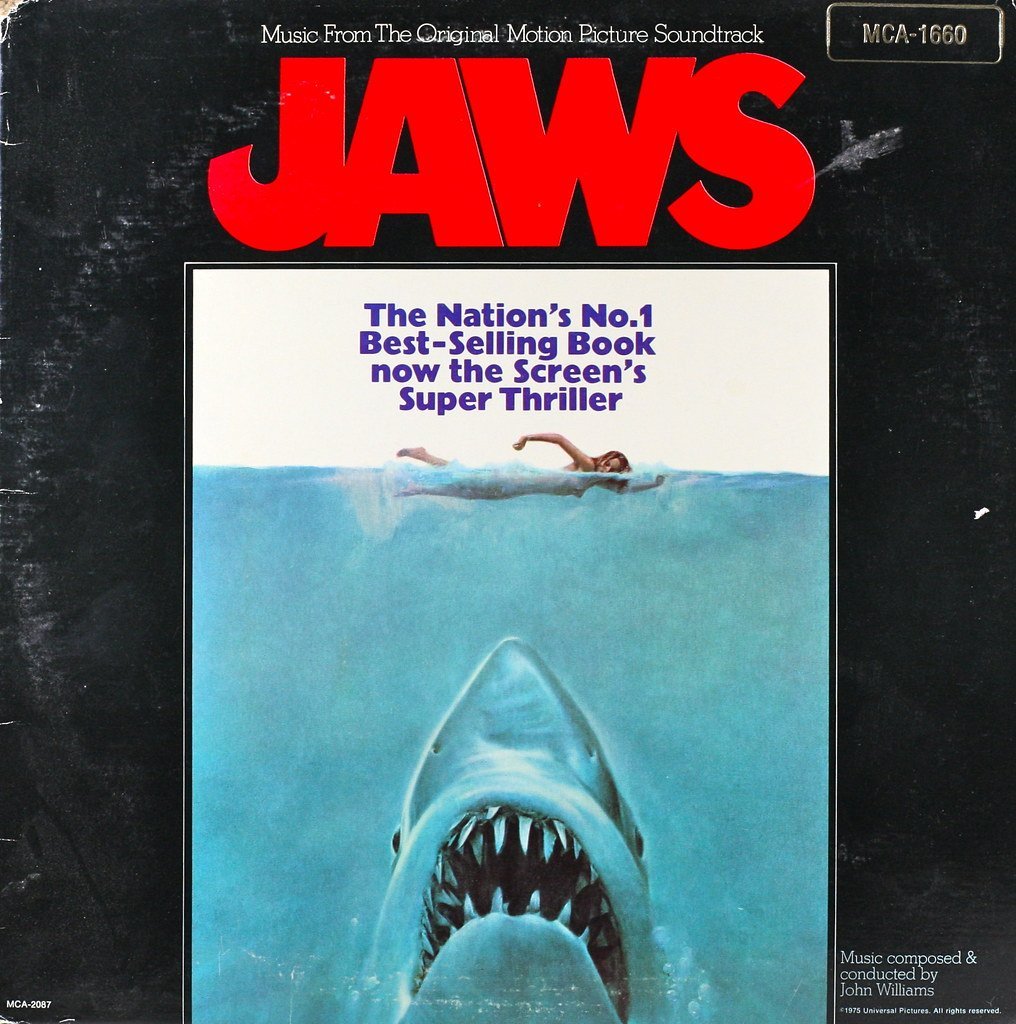
Jaws builds dread around a man-eating shark terrorizing a beach town, with police chief Brody leading the hunt. Peering at the beast from their vessel, Brody mutters the line to Hooper. Roy Scheider ad-libbed it, riffing on production woes with their undersized craft.[1]
Scheider tested variations across shoots, landing the perfect deadpan delivery. It crystallized the film’s primal terror and underestimation theme. Now a universal punchline for any oversized problem, it anchors Jaws’ legacy.[1]
“You Can’t Handle the Truth!” from A Few Good Men (1992)
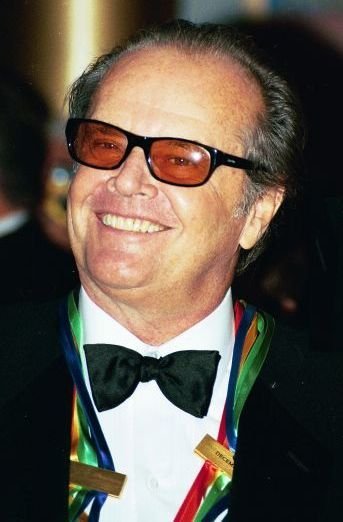
A Few Good Men unfolds in a high-stakes naval courtroom, where Lt. Kaffee grills Colonel Jessup over a Marine’s death. During the explosive testimony, Jack Nicholson erupts with the line. He tweaked the scripted response into this fiery challenge on the fly.[1]
Nicholson’s improv amped the drama, embodying Jessup’s arrogance. It electrified the climax, pitting duty against morality. The outburst endures as courtroom cinema’s gold standard, endlessly parodied yet untouchable.[1]
“Leave the Gun, Take the Cannoli” from The Godfather (1972)
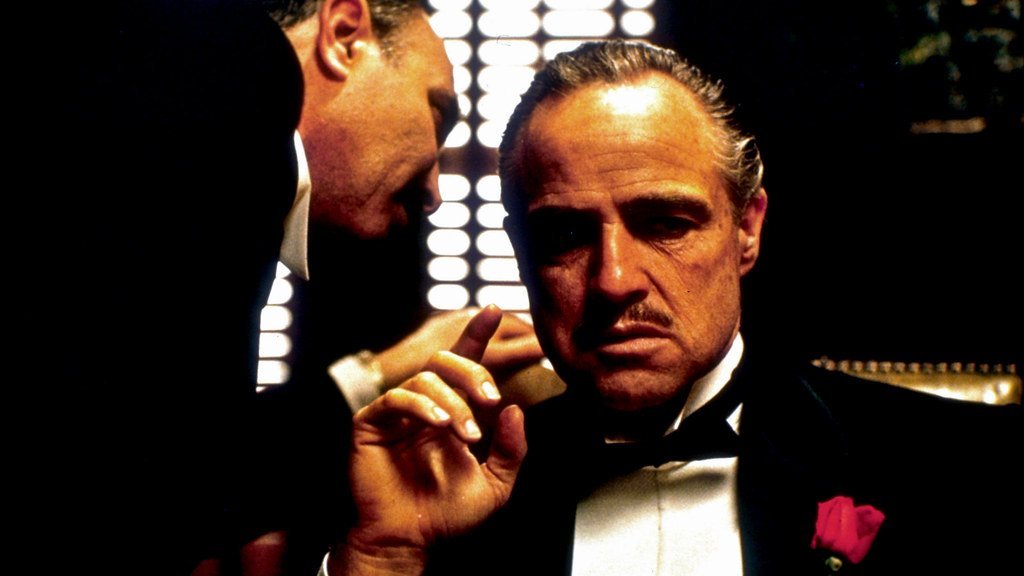
The Godfather chronicles the Corleone crime family’s power struggles in mid-century America. After a botched hit, enforcer Clemenza instructs his crew. Richard “Leave the Gun” Castellano added the cannoli reminder, prompted by his wife’s real-life practicality.[1]
This domestic twist cut through the violence with Sicilian normalcy. It humanized the mobsters amid bloodshed. The line fused brutality and banality, cementing its place in mafia mythology.[1]
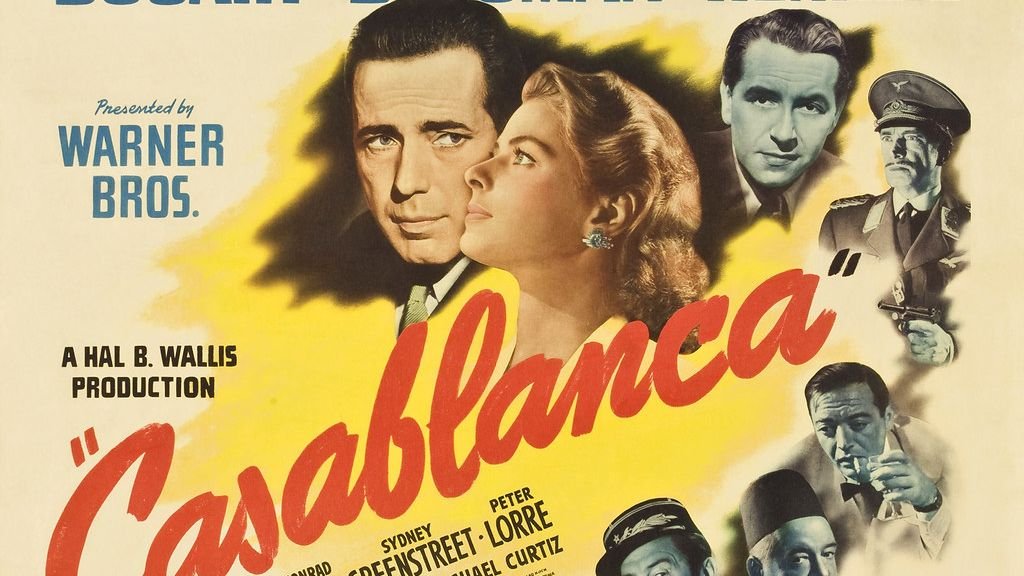
“Here’s Looking at You, Kid” from Casablanca (1942)
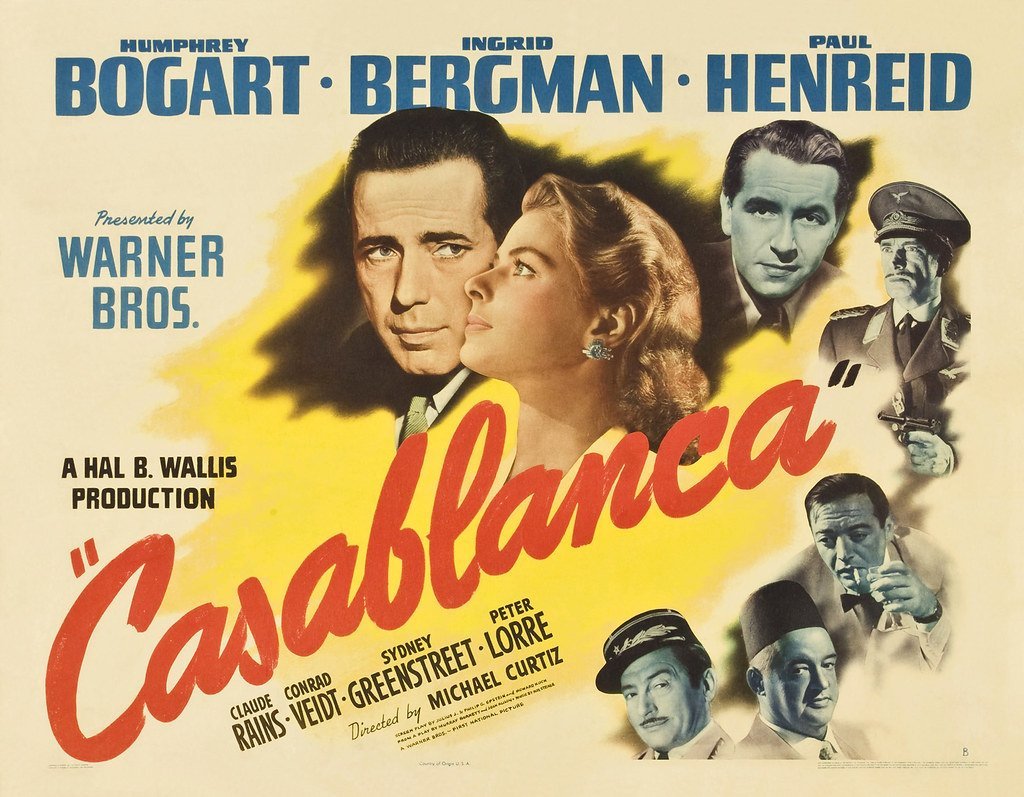
Casablanca weaves wartime intrigue and lost love in neutral Morocco, with Rick Blaine aiding old flame Ilsa. In their poignant airport farewell, Humphrey Bogart toasts her. He slipped in the tender phrase, borrowed from off-camera poker lessons with Ingrid Bergman.[1]
The ad-lib infused melancholy romance into the goodbye. It captured Rick’s bittersweet nobility perfectly. Over decades, it has defined on-screen heartbreak and chivalry.[1]
“Funny How?” from Goodfellas (1990)
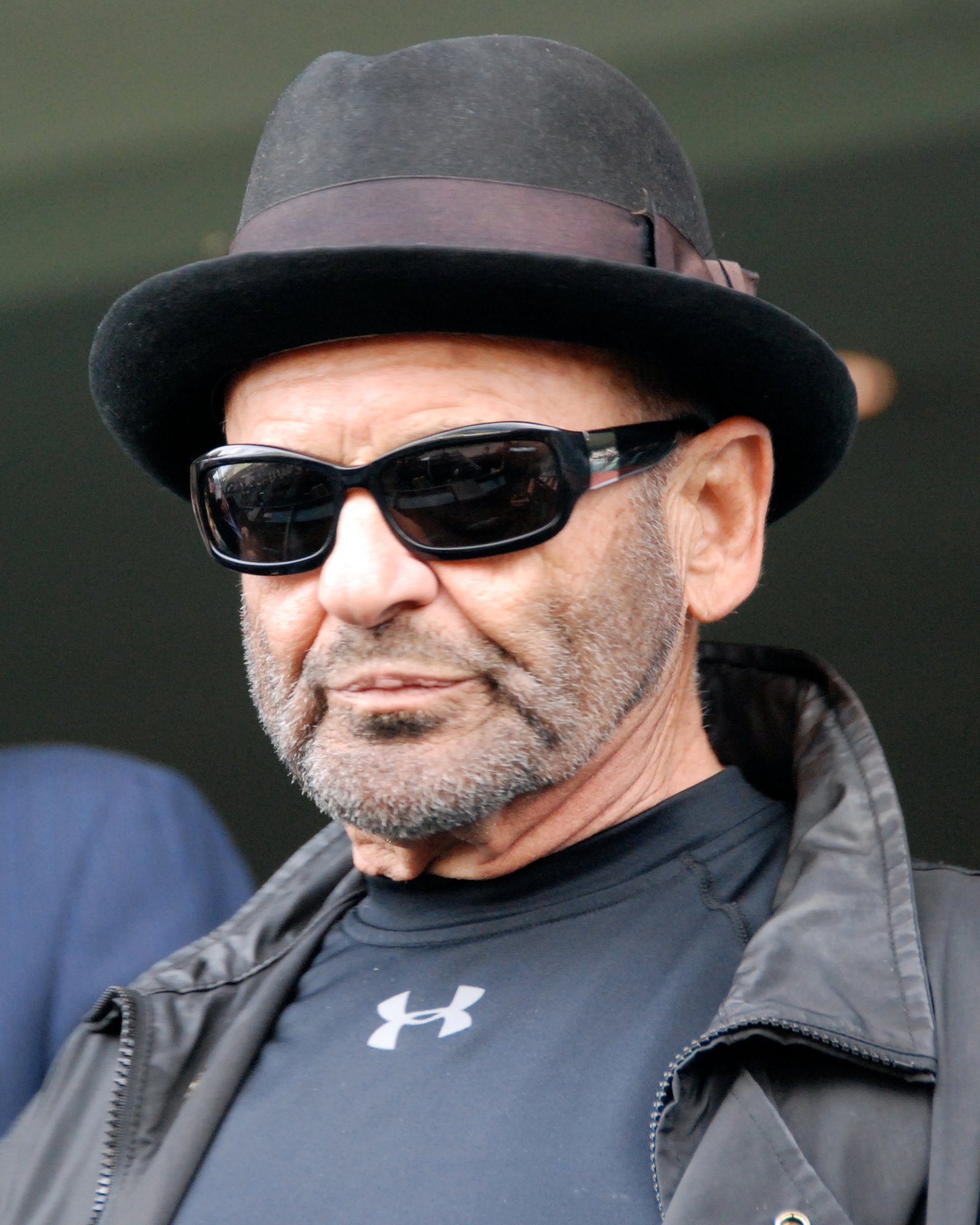
Goodfellas traces mobster Henry Hill’s rise and fall through vivid Wiseguy life. At a bustling restaurant, Henry compliments Tommy DeVito’s humor. Joe Pesci unleashed a tense rant questioning “Funny how? Like I’m a clown?”, drawing from a real mobster encounter.[1]
Pesci’s unscripted buildup shifted from jest to menace seamlessly. Fellow actors’ real fear amplified the chill. It masterfully exposed mob volatility, becoming the film’s tense pinnacle.[1]
The Enduring Spark of Spontaneity
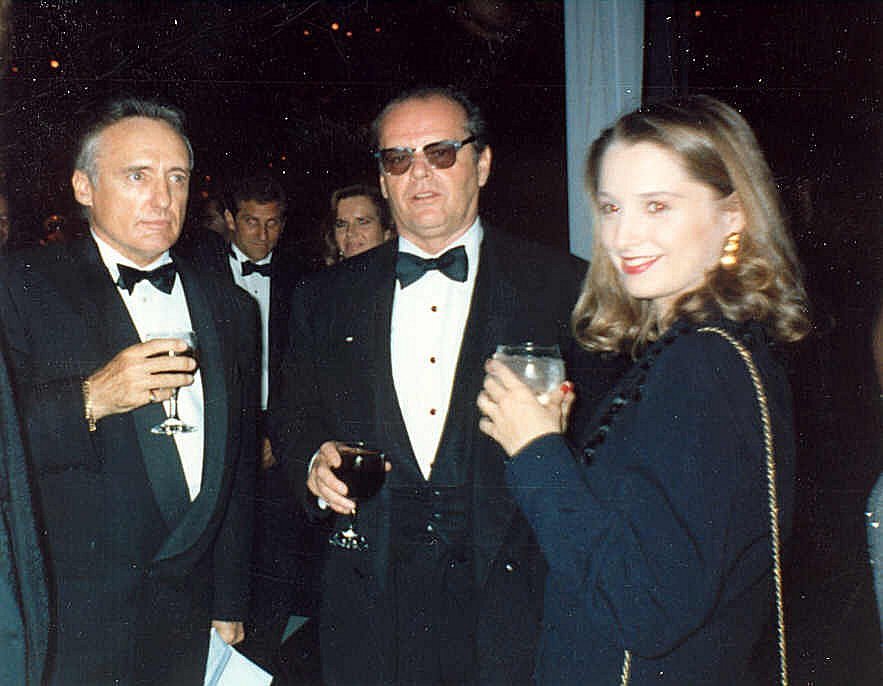
These moments prove how actors’ instincts can birth cinema’s soul. Scripts set the stage, but improvisation breathes life into characters and stories. In an industry of precision, such risks yield timeless treasures.
Instinctive acting reminds us that the best films feel alive, pulsing with unpolished truth. It invites us to cherish the unpredictable human element that no rewrite can replicate.

Christian Wiedeck, all the way from Germany, loves music festivals, especially in the USA. His articles bring the excitement of these events to readers worldwide.
For any feedback please reach out to info@festivalinside.com
