

For any feedback please reach out to info@festivalinside.com
- 10 Surprising Hobbies of Famous Historical Leaders You Never Knew About - April 13, 2026
- 12 Unforgettable Literary Rivalries That Fueled Iconic Works - April 13, 2026
- 10 Classic Albums That Defined the Sound of the 60s and 70s - April 13, 2026
Fashion rarely moves in a straight line. It spirals, revisits, and reinvents. What feels like a fresh idea on a runway this season is often a cultural echo from two or three decades ago, polished just enough to feel new again. There’s a long-recognized pattern in the industry sometimes called the “20-year rule,” a rough framework suggesting that styles which dominated one generation eventually resurface when the next generation reaches peak cultural influence.
Fashion operates on this cyclical pattern where trends from two decades ago re-emerge in modern fashion, allowing a new generation to discover and reinterpret past styles and make them relevant again. Today, that dynamic is supercharged by social media, thrift culture, and a collective appetite for nostalgia. From disco-era denim to Victorian-inspired corsetry, the past is not just referenced – it’s actively worn, reworked, and reborn.
1. Bell-Bottoms and Flared Jeans
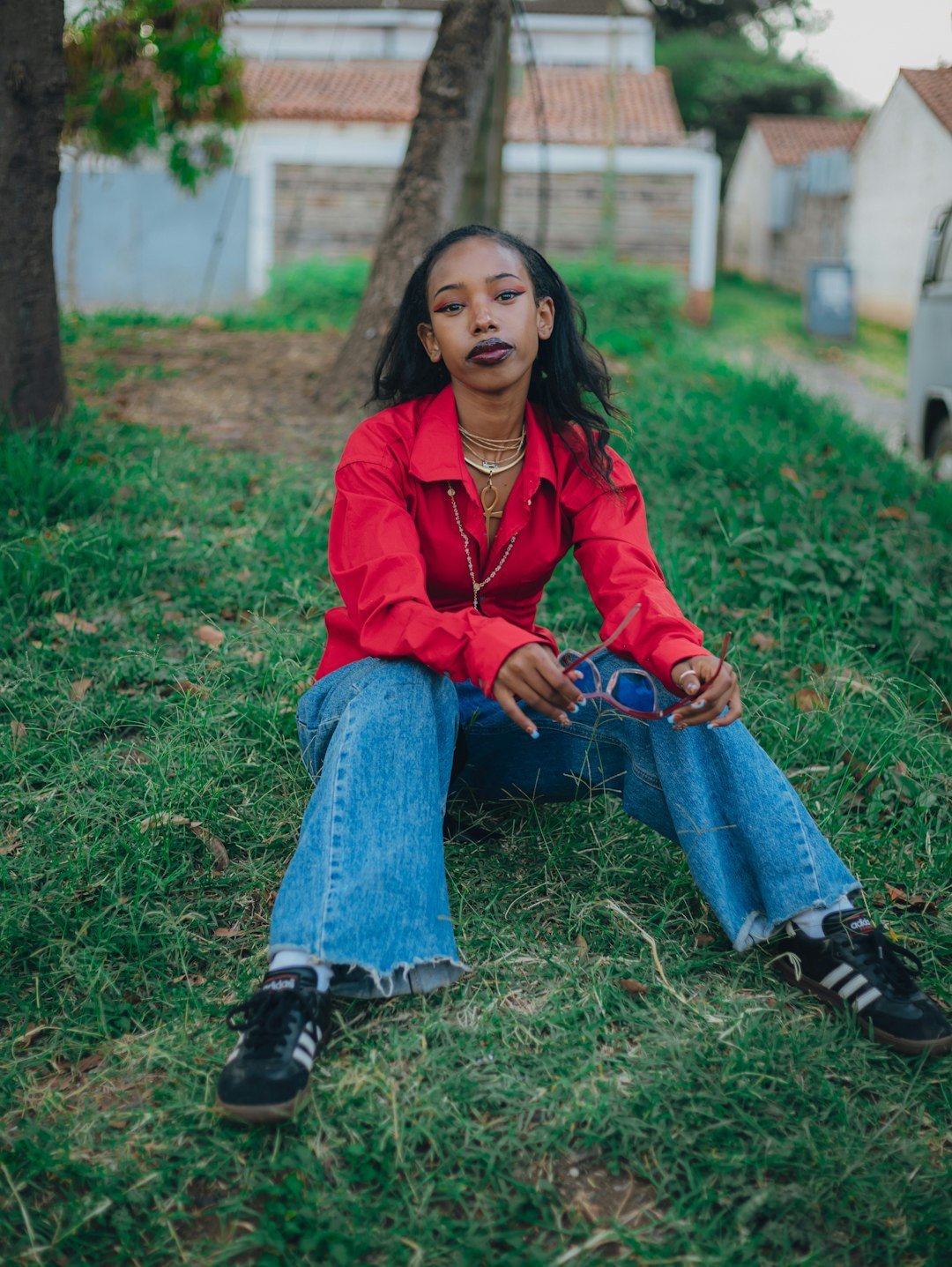
Wide-legged flares became big in the late 1960s, going more mainstream in the 1970s – synonymous with vibes of peace and love, and worn by such icons as Sonny and Cher, and the late David Bowie. The silhouette became the unofficial uniform of counterculture youth, representing freedom, rebellion, and a break from the tailored conservatism that had defined the previous decade. With the hippie counterculture movement beginning in the mid-1960s, peace, freedom, and love became the counterculture theme, and their impact remained strongly felt through the 1970s.
Once the uniform of seventies icons like Cher and Janis Joplin, flared silhouettes have shapeshifted across decades, and in 2025, both flared jeans and flared pants are officially back in rotation – reimagined in modern tailoring, unexpected fabrics, and ultra-wearable silhouettes. Designers like Chloé have leaned into the revival with boho-tinged runway collections, while the modern version tends to hug the hips before opening at the knee, giving it a more structured, contemporary feel than its free-spirited predecessor.
2. The Corset
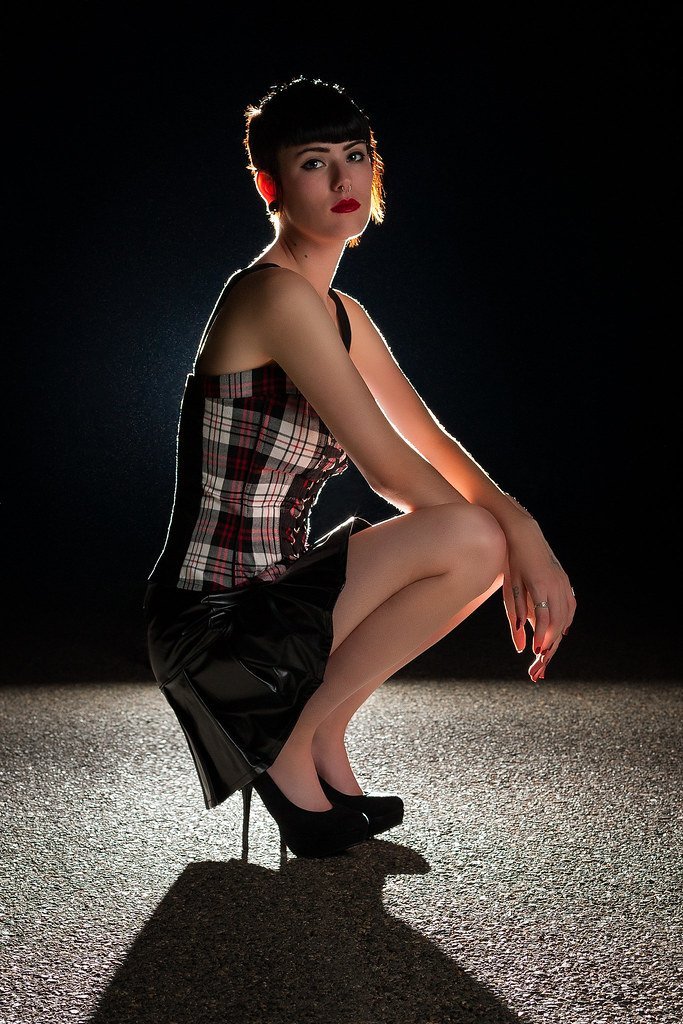
Corsets first emerged in the 16th century, primarily as a means to shape the body according to the prevailing beauty standards of the time. From the whalebone and steel of the Victorian era to the more flexible materials of the Edwardian period, corsets have been both celebrated and criticized. The 20th century saw a decline in traditional corsetry with the advent of the bra and more relaxed fashion norms, but the 21st century has witnessed a surprising comeback. A pivotal cultural moment came in the 1990s, when Madonna catapulted corsets into pop culture by donning Jean Paul Gaultier’s cone bra corset on her Blond Ambition tour, transforming the undergarment into an emblem of female empowerment.
In the early 2020s, corset-inspired tops and dresses began to trend as part of the regencycore aesthetic, inspired by television series like Bridgerton and The Gilded Age. That momentum has only grown. Designers like Schiaparelli, Dior, and Thom Browne have reimagined corsets for Spring/Summer 2025, featuring innovative textures, transparent boning, and bold colors. The garment has shifted from being a relic of restriction to something far more layered – worn over shirts, paired with trousers, and styled as outerwear.
3. The Power Suit with Shoulder Pads
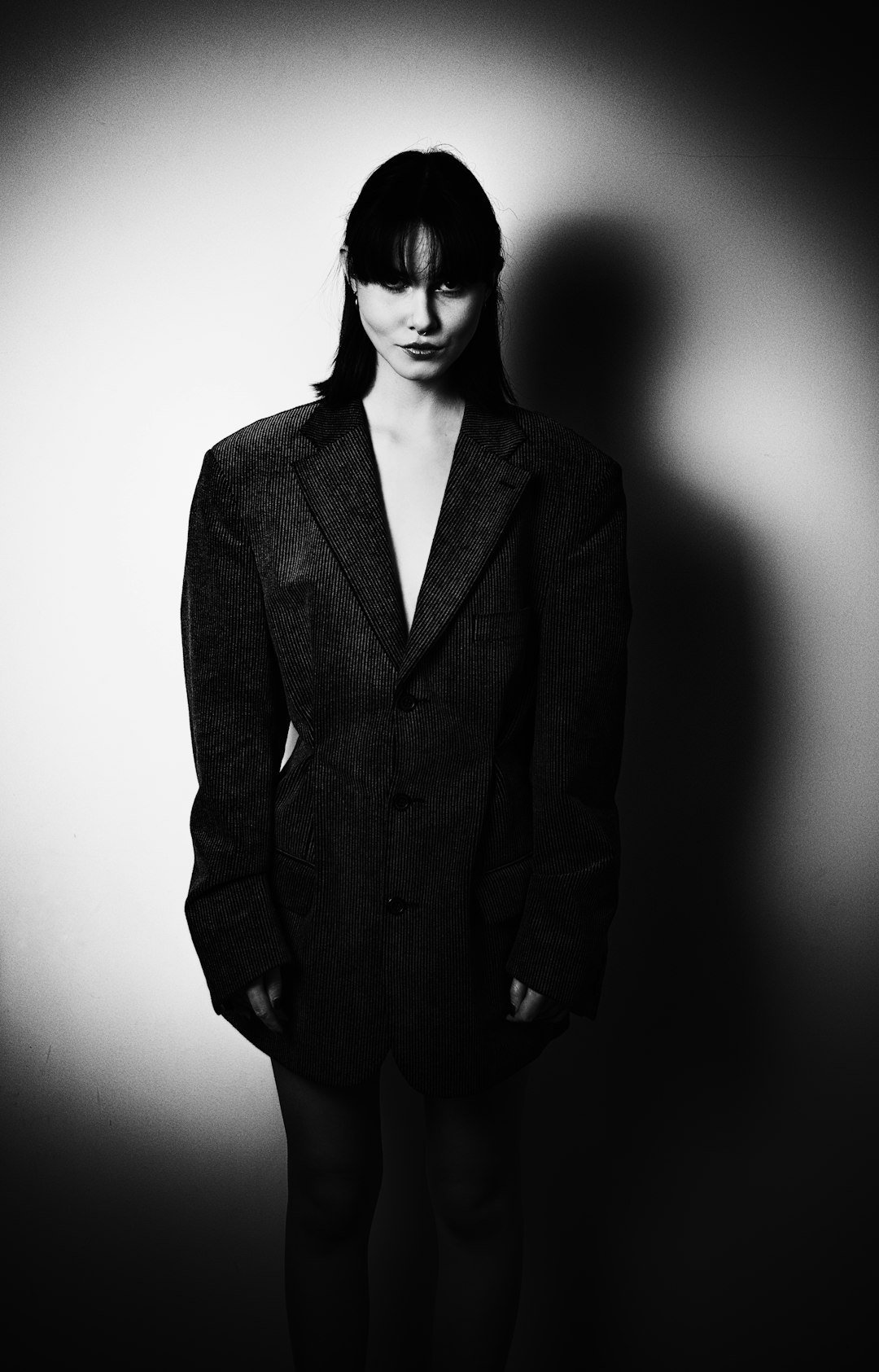
Shoulder pads saw a dramatic resurgence in the 1980s, a decade synonymous with bold fashion statements and excess. The power dressing movement was thriving, and shoulder pads became emblematic of the era’s corporate culture. By the 1980s, women embraced what would become the now-classic version of the power suit. Women were entering the corporate world in greater numbers, and thus a new wardrobe was required. Designers like Giorgio Armani, Ralph Lauren, Anne Klein, and Donna Karan offered women power suits with pant and skirt options.
Power suits for women, a staple of the 1980s, are making a comeback with a modern twist. Expect bold, tailored suits with wide shoulders, oversized blazers, and pants that taper at the ankle. Today’s version carries the same structural boldness but strips away the rigid formality. Exaggerated shoulders were once again a big trend in women’s fashion in 2024. The silhouette now crosses into streetwear territory, styled casually with sneakers and minimal accessories rather than the full boardroom ensemble of its first era.
4. Platform Shoes
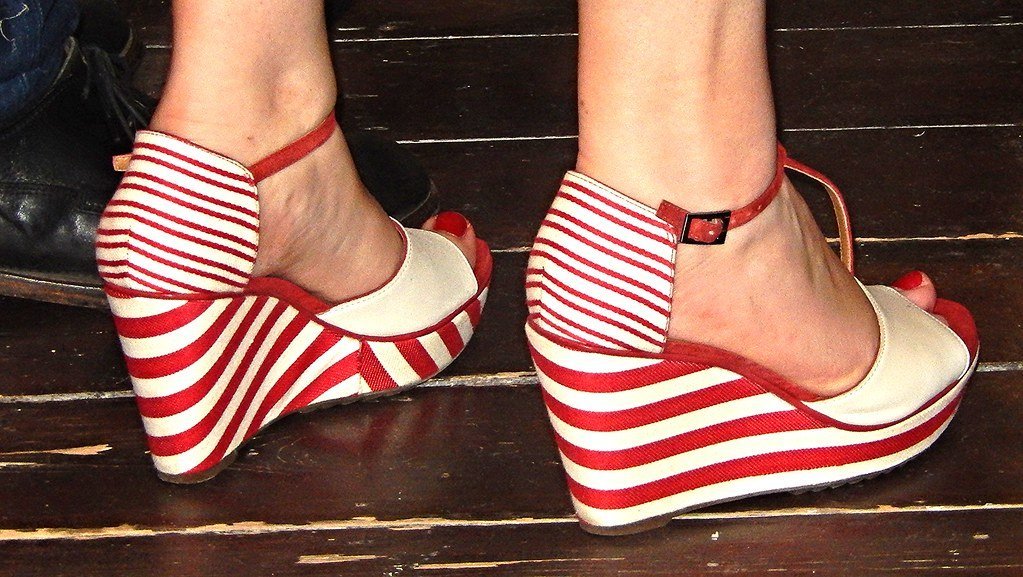
Platform shoes have one of the longest cultural histories in fashion, stretching back to the theatrical footwear of ancient Greek actors and the chopines of Renaissance Europe. Their most culturally defining modern moment arrived in the 1970s, when glam rock icons and disco dancers adopted towering platforms as a symbol of theatrical self-expression. The preferred shoes of the era were platform shoes with soles at least two inches thick and heels four to five inches high, often worn specifically to keep the hems of bell-bottom trousers off the ground.
Platform shoes are set to rule the streets once again. Whether in sandals, boots, or sneakers, the chunky sole adds height and edge. Not only are they statement-makers, but they also offer a comfortable, elevated alternative to stilettos. The current wave sees platforms across every category, from chunky dad sandals to sleek platform loafers. The difference now is versatility – today’s iterations move seamlessly between casual, professional, and evening wear without carrying the theatrical weight they once did.
5. Cargo Pants
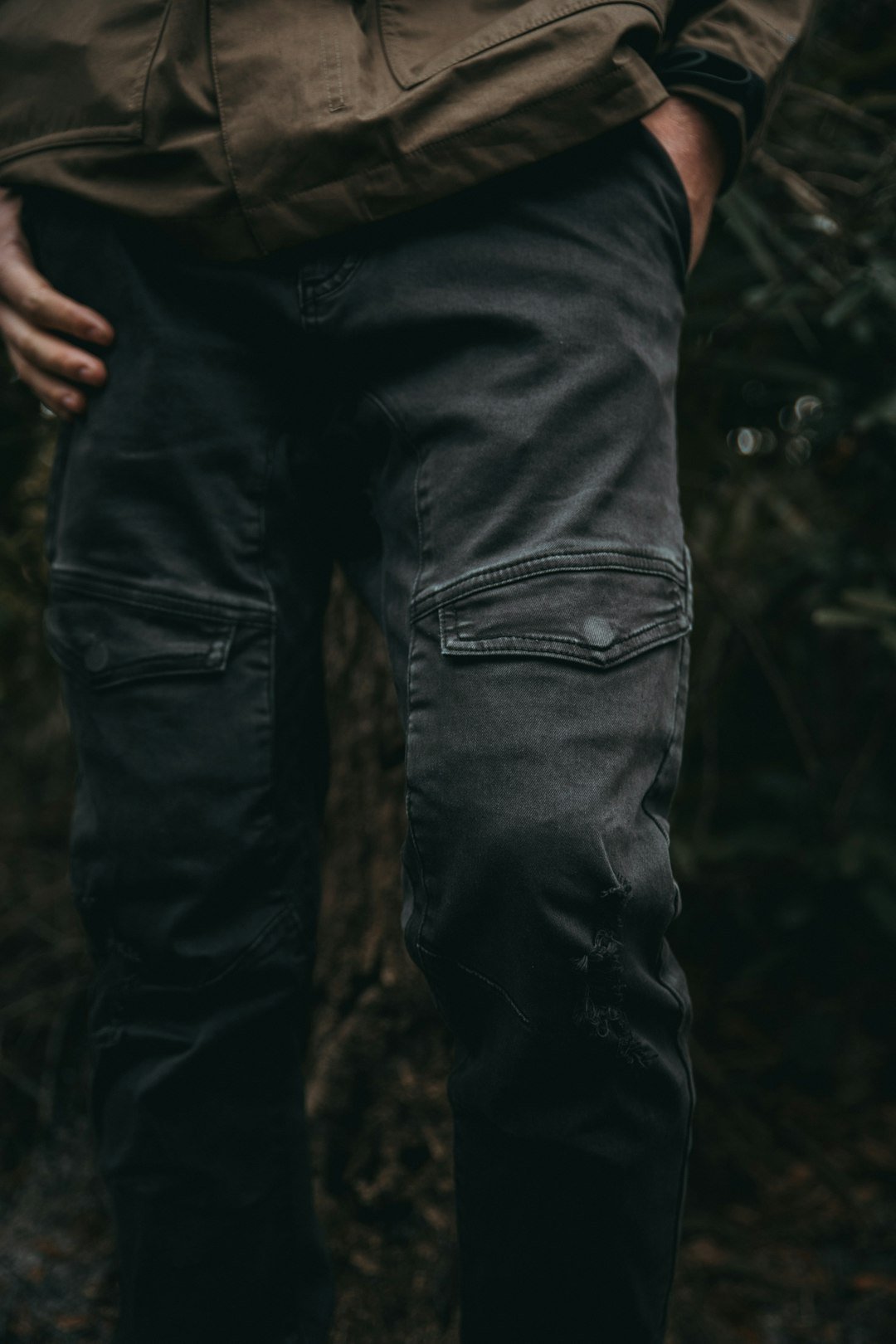
Cargo pants have their origins in military utility clothing of the mid-20th century, designed for functionality with their signature multi-pocket construction. They made their cultural leap into civilian fashion during the 1990s and early 2000s, adopted by skaters, hip-hop artists, and teenagers who wore them loose, low-slung, and deliberately oversized as a statement of relaxed, anti-establishment cool. The trend faded as slimmer cuts took over in the mid-2000s and remained largely dormant through the minimalist years that followed.
Comfort meets style with the comeback of cargo pants. Loose, relaxed, and practical, cargo pants are being reintroduced in updated fabrics and cuts. They can be found in both casual and dressier variations, perfect for everything from streetwear looks to high-fashion outfits. Brands and designers constantly reimagine past decades, bringing together classic fashion trends with modern twists – think bold accessories from the nineties or the revival of oversized elements – while these looks feel renewed yet maintain their vintage heart. Cargo silhouettes now appear in luxe fabrics, tailored fits, and runway collections, a far cry from their utilitarian roots.
6. Bohemian Style
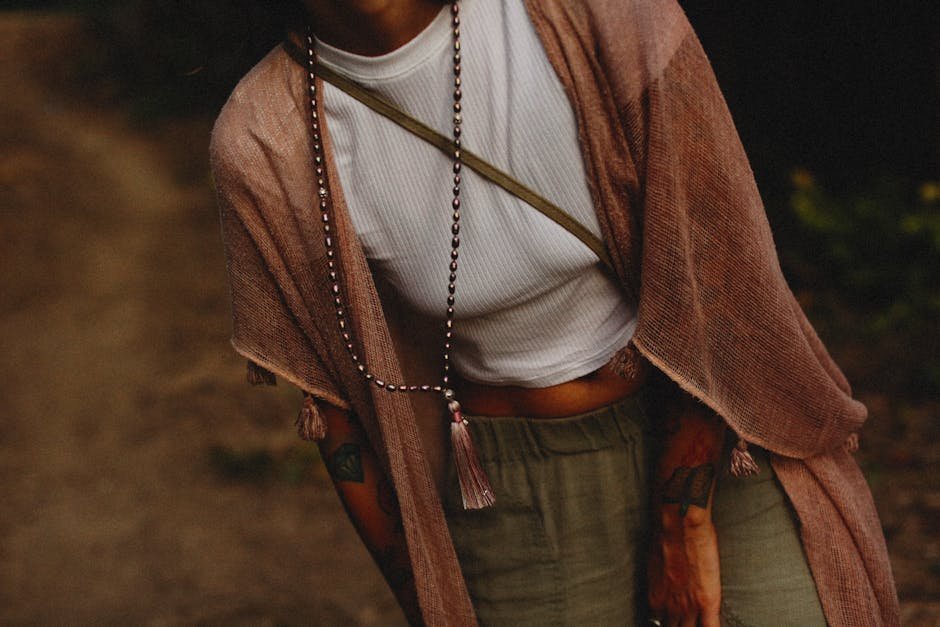
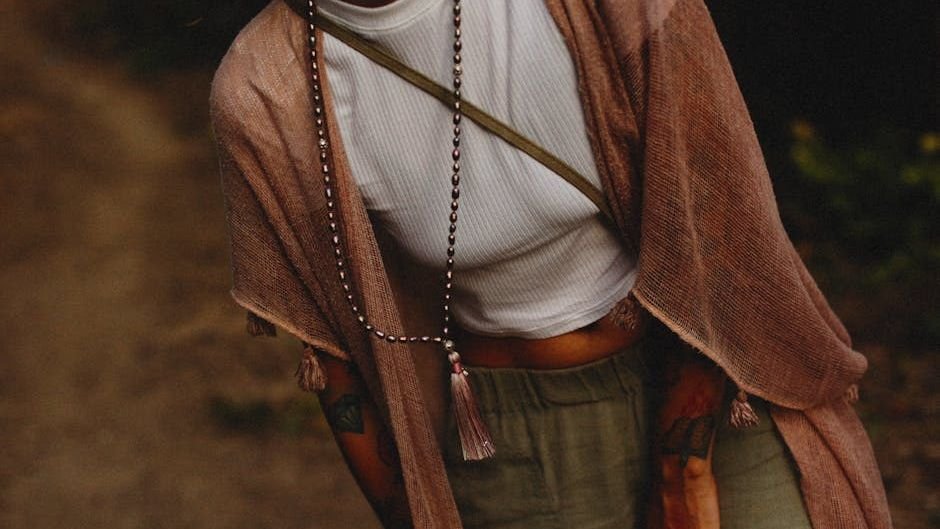
Boho fashion drew its original energy from the counterculture movements of the late 1960s and early 1970s, blending folk, hippie, and artistic influences into a flowing, earthy aesthetic. It returned with force in the early 2000s, driven in part by festival culture and the influence of artists and celebrities who cultivated a free-spirited personal style. Peasant blouses, fringe details, layered jewelry, and wide-brim hats all became signatures of the look during that era.
Like a rolling stone, bohemian fashion keeps on keeping on. For 2025, boho chic makes a polished comeback, moving beyond last season’s rugged vintage vibe. This year emphasizes romantic, feminine silhouettes that feel effortless yet intentional. When it comes to evening wear in 2025, the bohemian glamour of the seventies is the source of inspiration fashion insiders are turning to – leaning into the bohemian look of floaty layers of ethereal fabric or going full Studio 54 with plunging necklines and slinky, silky silhouettes. It’s a subtler, more edited version of its earlier self.
7. Y2K Fashion
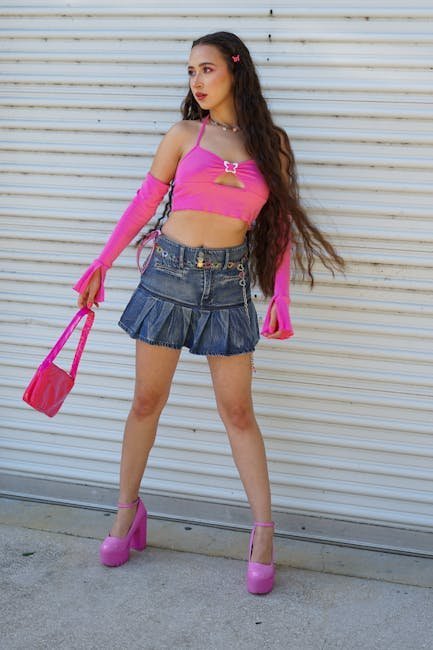
The original Y2K aesthetic captured the particular optimism, excess, and digital novelty of the early 2000s. Low-rise jeans, metallic fabrics, tiny bags, butterfly clips, and bedazzled everything defined a cultural moment shaped by pop music, early reality television, and a sense that the future was bright, shiny, and slightly chaotic. Brands like Juicy Couture and Baby Phat became household names, and the look was unapologetically maximalist.
The early 2000s are officially back, and Y2K fashion is making its return in full force. Think metallic fabrics, low-rise jeans, mini skirts, and lots of accessories. With the rise of social media and nostalgia culture, these vibrant, youthful pieces are appearing in every wardrobe. The Y2K era is particularly appealing because it evokes a sense of youthful freedom and innovation. As millennials and Gen Z, who grew up during these decades, become influential consumers, their desire to relive or reinterpret these nostalgic styles is reflected in fashion choices.
8. Leopard and Animal Print
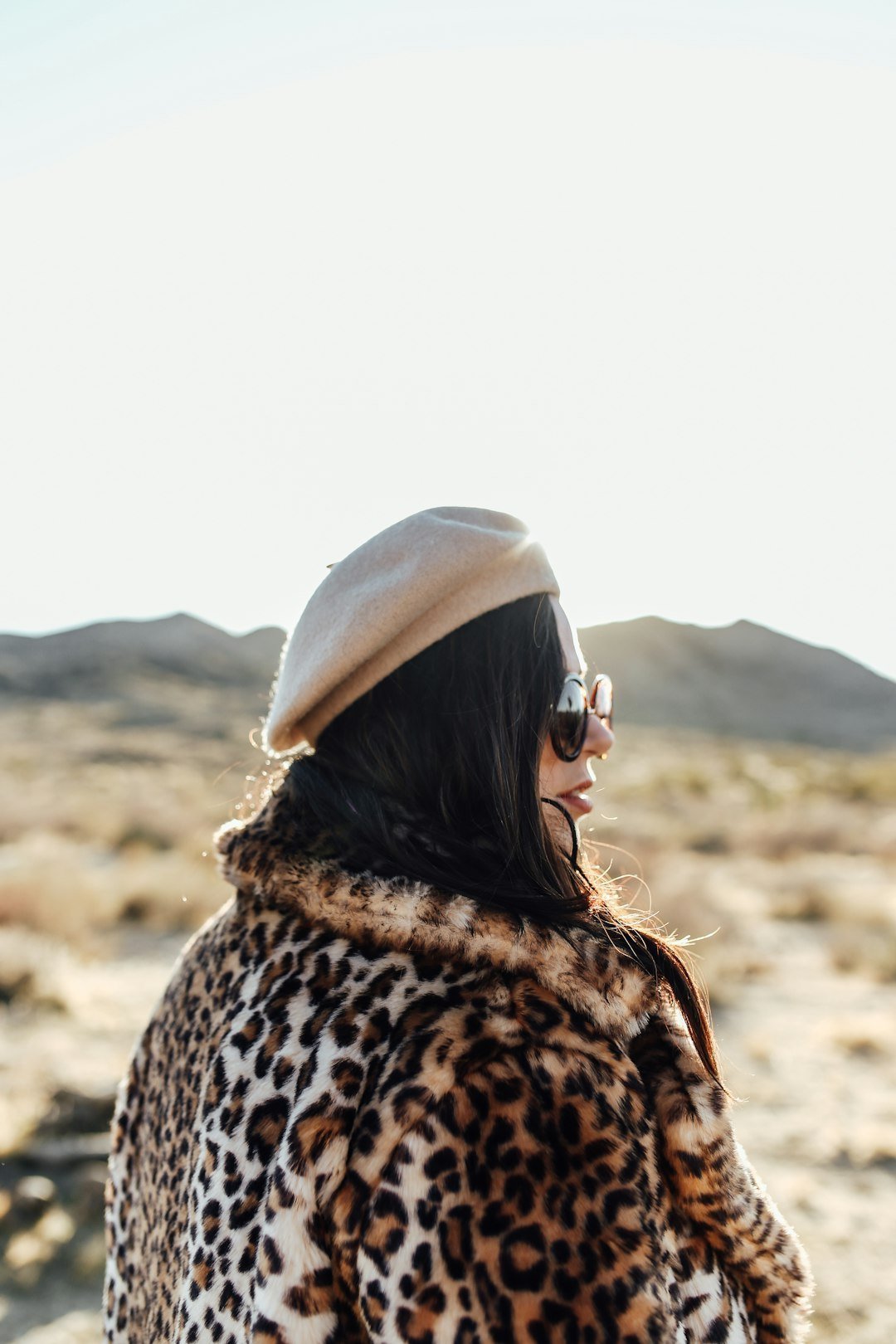
Leopard print has appeared in fashion at near-regular intervals since the 1950s, when it became associated with Hollywood glamour and a certain kind of untamed femininity. It surged again in the 1980s, faded, then returned in the 1990s as a signature of rock-influenced style. Each cycle adds a slightly different cultural meaning – sometimes rebellious, sometimes luxurious, sometimes ironic – yet the print itself remains immediately recognizable and consistently provocative.
For some fashion people, leopard print is less of a trend and more of a timeless staple. In 2024, it dominated feeds, splashed across everything from interiors to clothing, enjoying a major resurgence in visibility. Wild patterns are set to dominate further, with leopard, zebra, and snakeskin prints no longer confined to animal-themed collections – they’re going mainstream again. The current revival embraces the print across categories that once seemed off-limits, from outerwear and footwear to home accessories, suggesting its appeal has genuinely expanded beyond fashion’s usual boundaries.
9. Denim on Denim
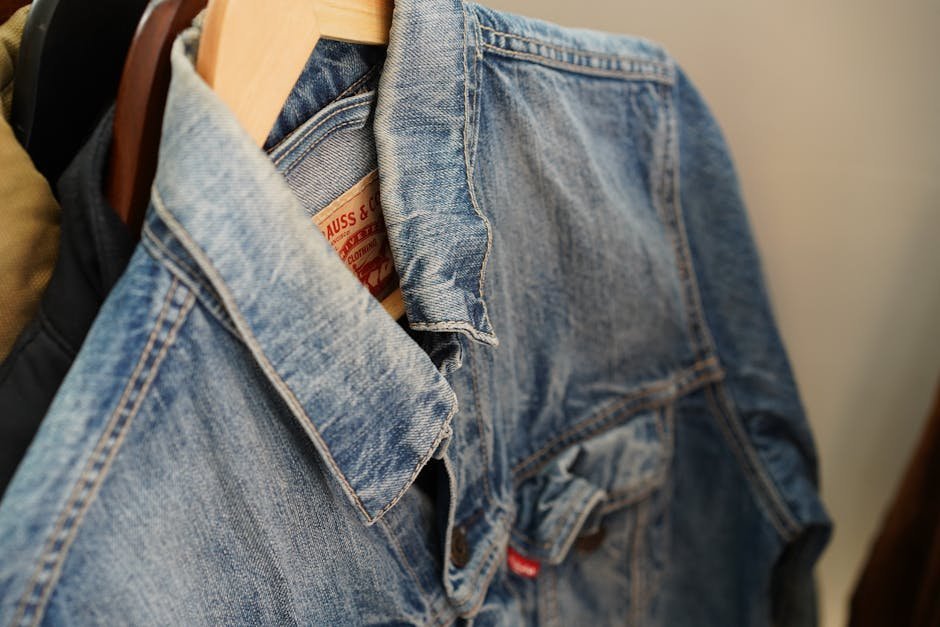
The double-denim look has been alternately celebrated and mocked across the decades. It carried real cultural weight in the 1970s, when denim itself symbolized working-class authenticity and youth rebellion. The combination of denim jacket and jeans returned in the early 1990s grunge era, then famously appeared on red carpets and in pop imagery during the early 2000s – making it both iconic and briefly notorious. After years of being treated as a style crime, the look is now fully rehabilitated.
Denim has always been timeless, but vintage-inspired styles are making waves. Think baggy jeans, high-waisted cuts, and vintage washes, paired with oversized jackets and even denim skirts. The key is embracing that lived-in, effortlessly cool vibe. The current iteration draws heavily on the 1970s and 1990s interpretations simultaneously, mixing washes and silhouettes with a confidence that feels less calculated than the double-denim moments of the past. What makes vintage so appealing today is not just nostalgia, but its versatility. Pairing timeless vintage pieces with modern outfits is a trend seen everywhere, from runways to everyday street style.
10. The Mini Skirt
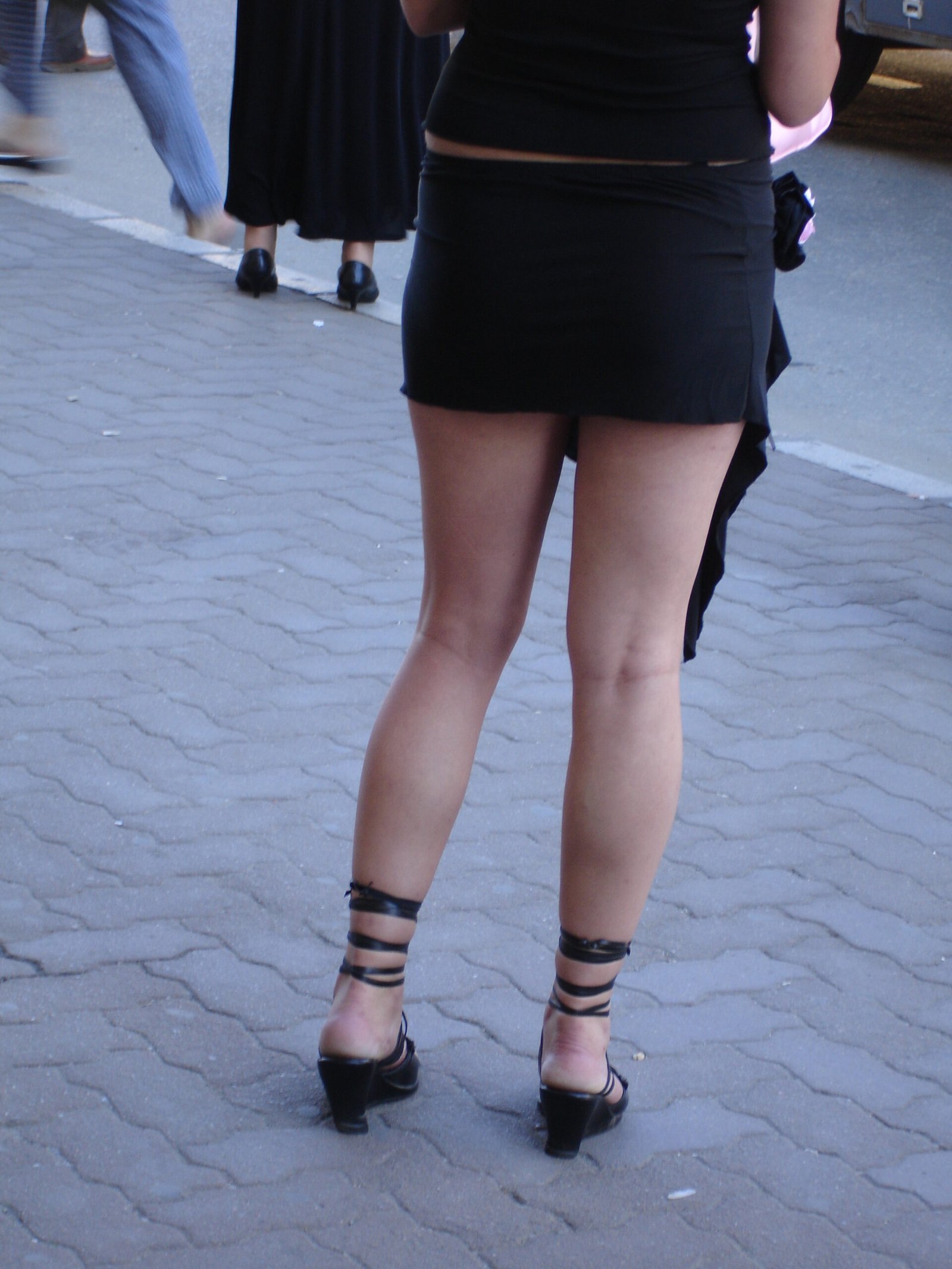
Few garments carry as much symbolic and cultural weight as the mini skirt. First popularized in London in the mid-1960s through designers like Mary Quant, it became a defining symbol of women’s liberation and generational rebellion, representing the youth revolution that was reshaping Western culture. It returned in various forms in the 1980s, enjoyed a resurgence in the 1990s club scene, and arrived again in the early 2000s in the guise of tiny denim and pleated schoolgirl styles.
The mini skirt has been making a slow comeback, and 2025 sees it in full swing. Paired with oversized sweaters, blazers, or even tucked-in tees for a cool, youthful look, this flirty piece is becoming a wardrobe staple once more. Data indicates a significant increase in the popularity of tennis mini skirts, embraced primarily among Gen Z and individuals aged 26 to 35. Today’s mini skirt arrives in tailored tweeds, sporty knits, and classic pleated cuts – versatile enough to move from the court to the office to an evening out with minimal effort.
What Fashion’s Constant Revivals Actually Tell Us
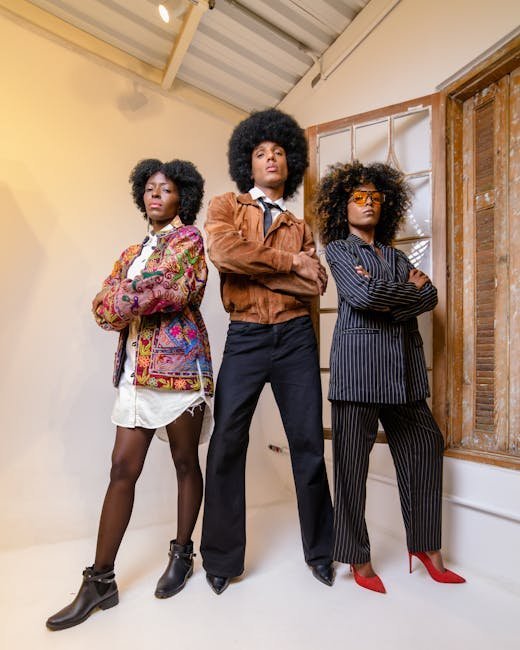
Looking at these ten trends together, a clear pattern emerges. The cyclical nature of fashion trends is a complex interplay of psychological, cultural, economic, and technological factors. Our nostalgia, our desire for both familiarity and novelty, the economic realities of the fashion industry, and the ever-evolving digital landscape all contribute to the perpetual recycling of styles.
Nostalgia plays a major role. People often associate clothing with formative memories, and designers tap into these emotions to create fresh yet familiar collections. Additionally, fashion icons and pop culture continually revive vintage styles, reinforcing their relevance across generations. Social media has accelerated this process considerably, compressing timelines that once stretched two decades into shorter, more intense cycles of rediscovery.
What’s also worth noting is how each revival changes the trend’s meaning. The power suit once signified women fighting for a seat at the table. Today it signals personal confidence with less political weight attached. The corset moved from constraint to expression. Bell-bottoms evolved from protest to polished Parisian chic. Fashion comebacks are a blend of historical patterns, generational nostalgia, and innovative reinvention. Understanding this cycle not only demystifies the fashion industry but also allows for a deeper appreciation of self-expression through style. In the end, it’s not the garment that changes – it’s what we need it to say.

Christian Wiedeck, all the way from Germany, loves music festivals, especially in the USA. His articles bring the excitement of these events to readers worldwide.
For any feedback please reach out to info@festivalinside.com
