

- 15 Top Saddest Movies of All Time That Make You Cry - March 21, 2026
- 10 Groundbreaking Scientific Discoveries That Changed the World Forever - March 21, 2026
- 15 Best Protest Songs of All Time - March 21, 2026
There is something almost magical about the moment a human being figures something out that no one before them had ever understood. One equation scrawled on paper. One bacteria culture left out accidentally overnight. One telescope pointed at the right spot in the sky. In an instant, the world tilts on its axis and nothing is ever quite the same again.
Throughout human history, the greatest scientific discoveries have reshaped how people understand the world and their place in it. From unlocking the secrets of the atom to mapping the universe’s origins, each milestone has revolutionized technology, medicine, and daily life. These weren’t just “aha” moments for a single scientist in a single lab. They were turning points for all of civilization. So let’s dive in.
1. Newton’s Law of Gravity: The Universe Finally Made Sense

Imagine looking up at the night sky and having no idea why the moon doesn’t simply fall down, or why planets trace the same paths year after year. That was reality before Isaac Newton came along. In 1687, Newton published a classical mathematical description of the fundamental force of universal gravitation and the three physical laws of motion. It was nothing short of mind-bending.
Newton’s discovery of gravity in the 17th century explained why objects fall to the ground and how planets move in orbit. This single framework united the motion of an apple falling from a tree with the orbit of Jupiter around the sun. That kind of elegant, sweeping unification is rare in science. Honestly, it’s still breathtaking to think about.
The ripple effects were enormous. Newton’s laws became the bedrock of classical physics, engineering, and even the earliest navigation systems. For nearly two centuries, they were the definitive rulebook for how the physical universe operated. Every bridge built, every cannonball fired, every ship steered across an ocean leaned on those equations.
2. The Heliocentric Model: Earth Was Dethroned
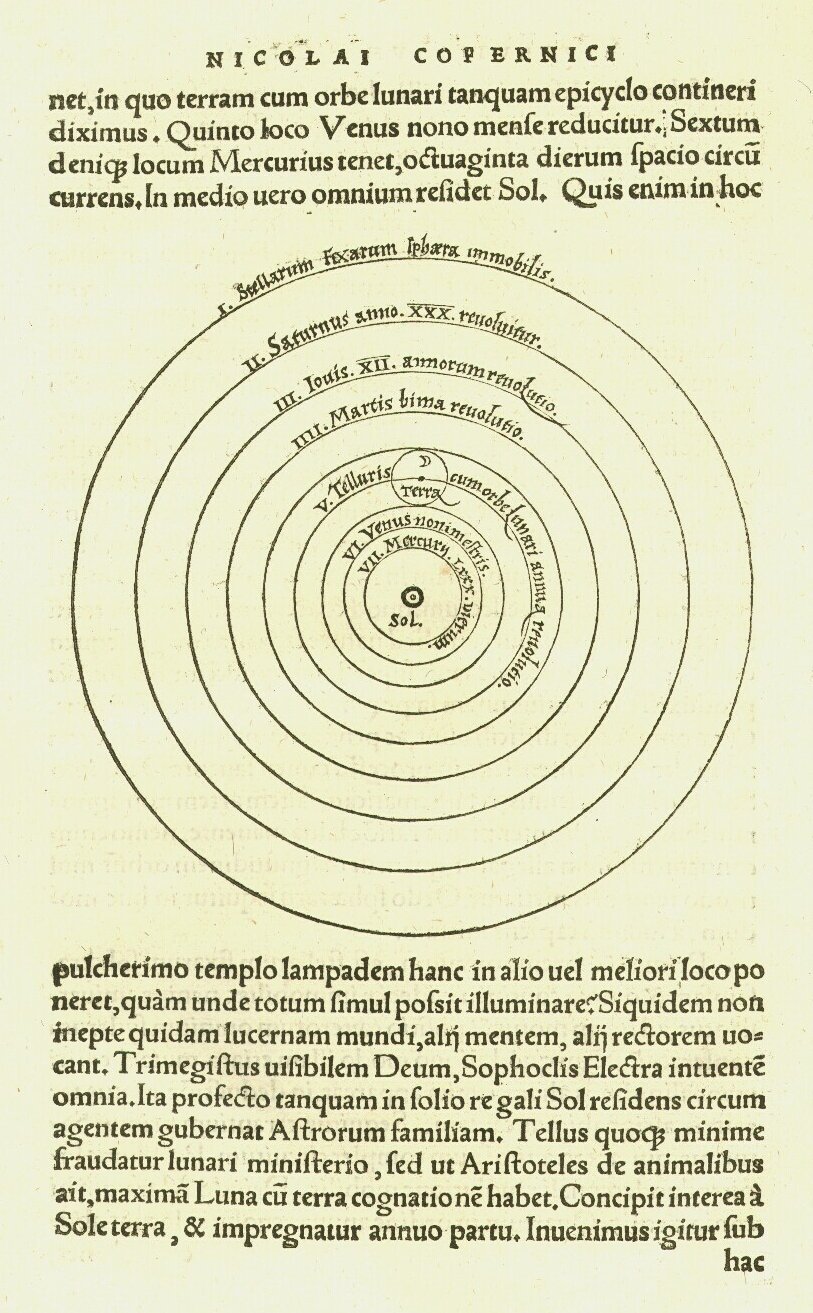
Few ideas in history have been as culturally explosive as the claim that Earth is not the center of the universe. People didn’t just disagree with it. They were furious. In 1543, Nicolaus Copernicus developed a heliocentric model, rejecting Aristotle’s Earth-centric view, and it would become the first quantitative heliocentric model in history.
While it may be common knowledge that Earth spins on an axis and revolves around the sun, at one point, this idea was extremely outlandish. For centuries, placing humans anywhere other than the center of creation was considered both scientifically wrong and spiritually dangerous. Copernicus essentially handed humanity a mirror and said: you are not where you think you are.
This discovery sparked what historians now call the Scientific Revolution. It emboldened later thinkers like Galileo and Kepler to challenge inherited authority with evidence and observation. The Scientific Revolution occurred in Europe around this period, greatly accelerating the progress of science and contributing to the rationalization of the natural sciences. In other words, Copernicus didn’t just move the sun. He moved science itself.
3. Darwin’s Theory of Evolution: Life Has a Common Story
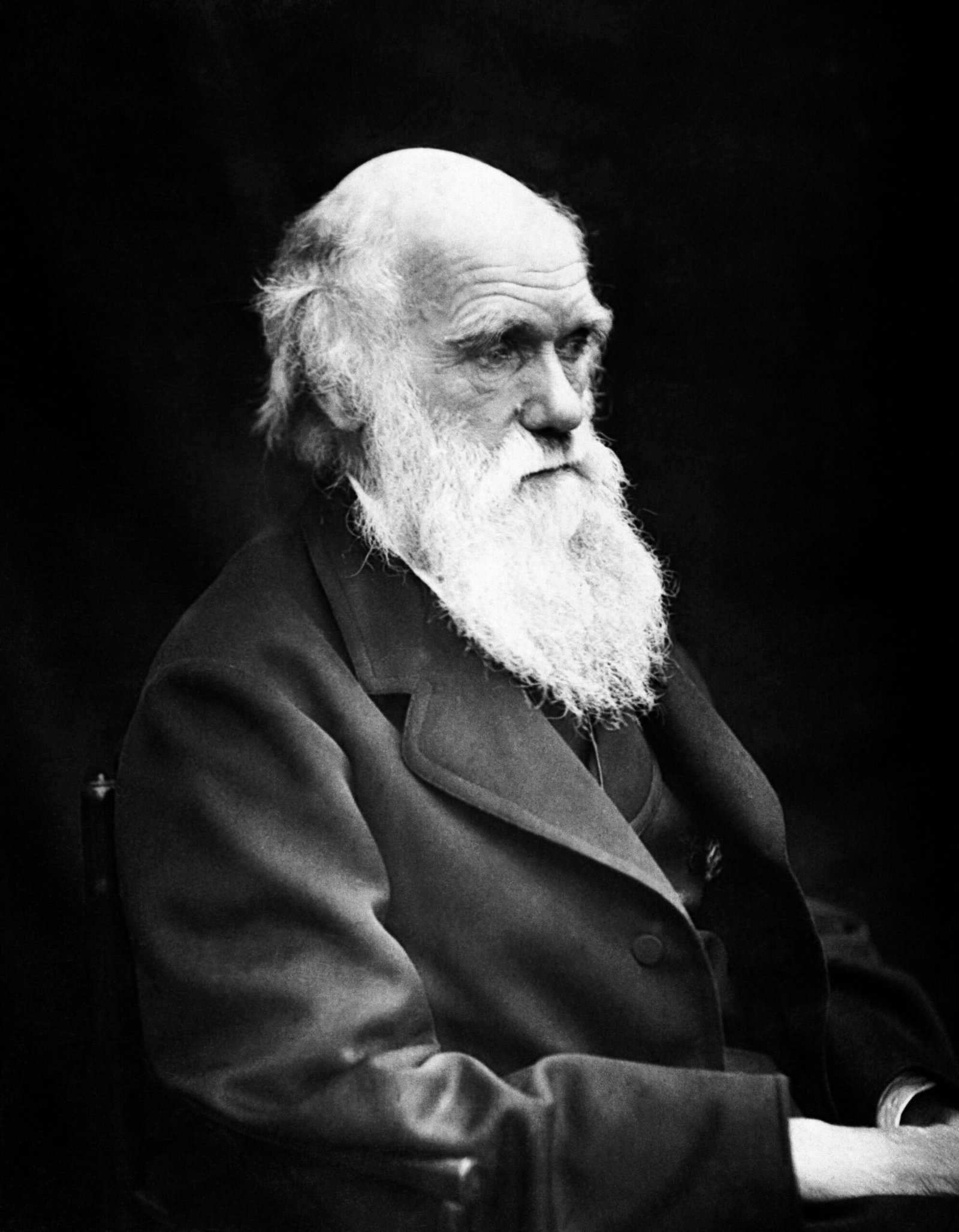
Let’s be real: few scientific ideas have stirred as much debate, controversy, and outright passion as evolution. Charles Darwin’s Theory of Evolution by Natural Selection, first published in “On the Origin of Species” in 1859, is one of the cornerstones of modern biology. Darwin’s groundbreaking work showed that species evolve over time through a process of natural selection, where organisms with traits best suited to their environment are more likely to survive and reproduce.
This theory revolutionized the way we understand life on Earth, challenging long-held beliefs about creationism and the origins of species. It has since laid the foundation for the field of genetics and continues to shape research in biology, medicine, and ecology.
Think of it this way: every doctor who understands why bacteria develop antibiotic resistance, every conservationist protecting endangered species, every virologist tracking a pandemic mutation, all of them are working inside Darwin’s framework. Understanding evolution helps us tackle global challenges such as climate change, biodiversity loss, and the emergence of new diseases. That’s a legacy few ideas can match.
4. The Discovery of Penicillin: Death Retreated
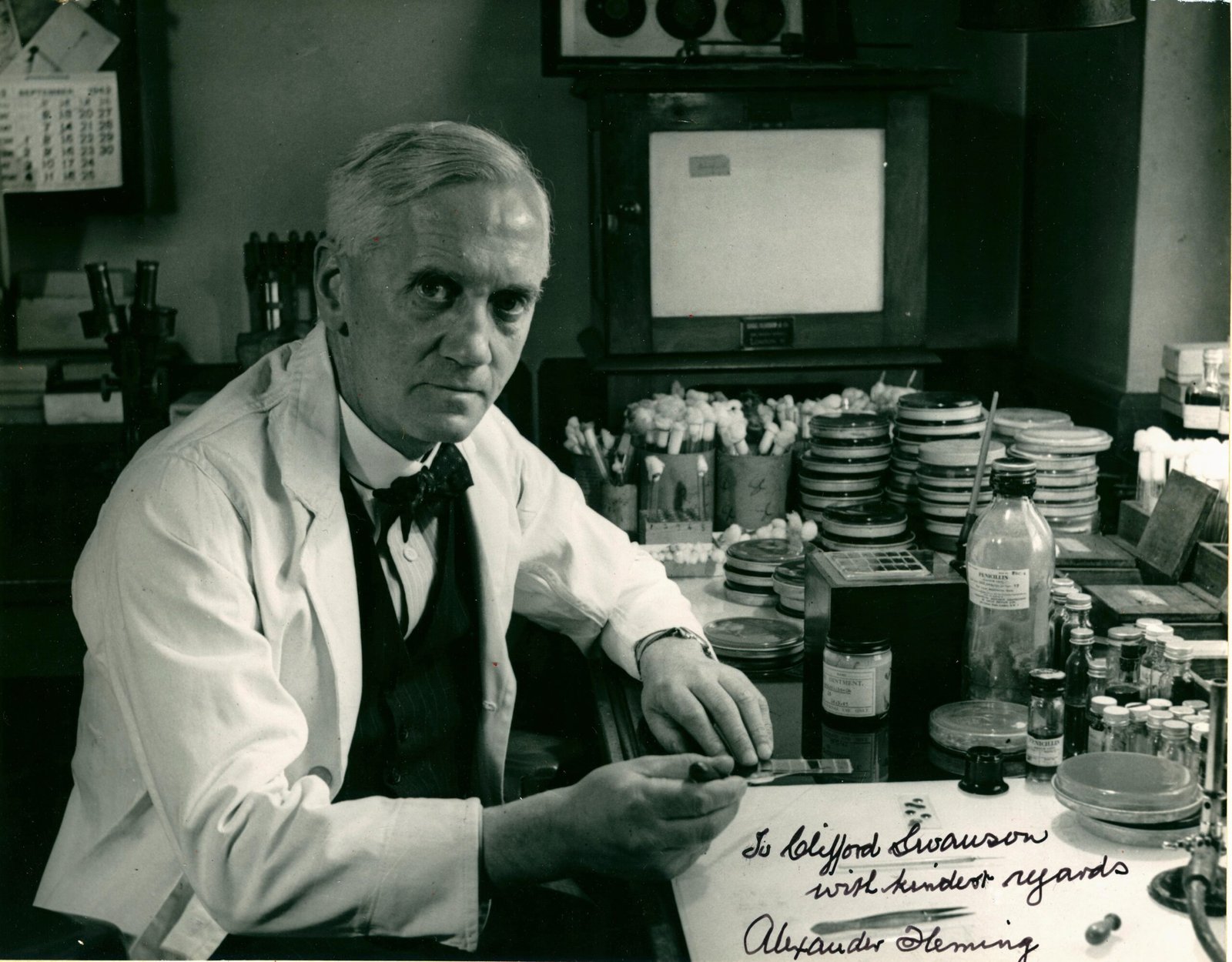
Before antibiotics, a simple scratch from a rusty nail could kill you. A throat infection could end a child’s life within days. Childbirth was dangerous not just for mechanical reasons but because bacterial infection was nearly impossible to control. In 1928, Scottish bacteriologist Alexander Fleming discovered penicillin, the first true antibiotic, which forever changed the treatment of bacterial infections.
It was only in recent history that humans realized that bacteria caused certain infections and that we could now provide readily available treatment. Fleming’s discovery was, famously, the result of a contaminated petri dish he nearly threw away. The mold growing on it was killing surrounding bacteria. He looked more closely instead of tossing it out, and that choice saved hundreds of millions of lives.
The greatest scientific discoveries in human history have transformed civilization, from Newton’s laws of gravity to Fleming’s discovery of penicillin. It’s hard to overstate what a world without antibiotics would look like even today. Surgeries would be life-threatening gambles. Pneumonia would regularly be a death sentence. Penicillin didn’t just cure disease. It fundamentally changed what it meant to be sick.
5. The Structure of DNA: Life’s Blueprint Revealed
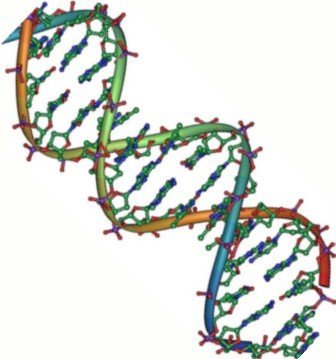
The discovery of DNA didn’t so much change the world as it did our understanding of it, more so, our understanding of life. DNA is a term we’ve only started using in the 20th century, though its initial discovery dates back decades into the 19th century. The real earthquake came in 1953.
In 1953, James Watson and Francis Crick unlocked the genetic code, revealing the elegant structure of the DNA double helix. This discovery marked the beginning of the genomic era, enabling scientists to decipher the intricate language of life. DNA, the blueprint of all living organisms, carries the instructions for growth, development, and functioning.
It’s worth pausing to appreciate how extraordinary this is. Hidden inside nearly every cell of every living thing is a tightly wound instruction manual written in a four-letter chemical alphabet. Cracking that structure opened doors that are still swinging open today. So much of modern-day research revolves around genetics: from pinpointing the causes of genetic disorders, such as Huntington’s disease, to manipulating the genome of animal models. The double helix wasn’t just a shape. It was the key to life itself.
6. Einstein’s Theory of Relativity: Space and Time Bend
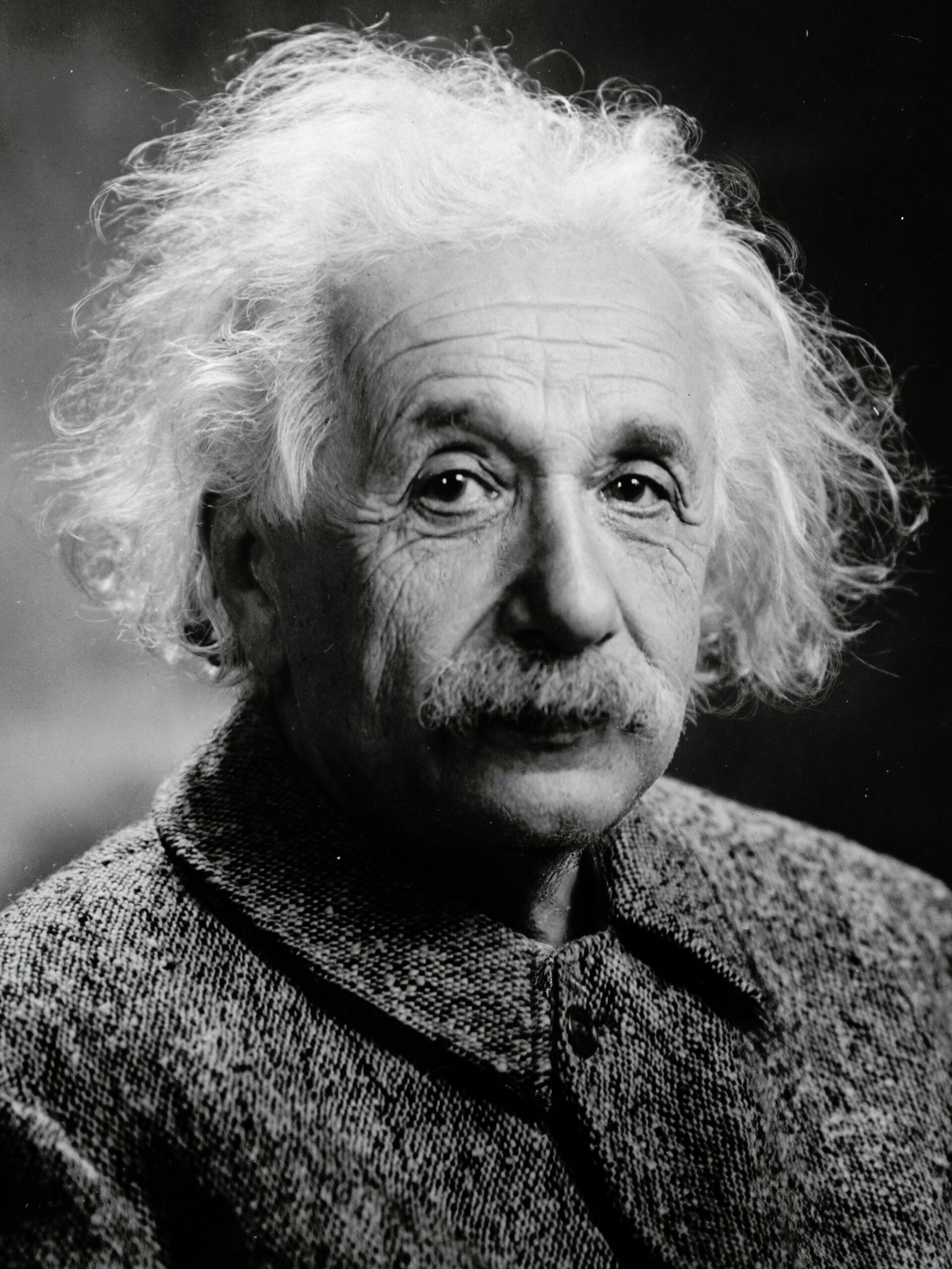
Here’s the thing about Einstein’s Theory of Relativity: it didn’t just update physics. It made Newton’s orderly universe seem almost quaint by comparison. Albert Einstein’s Theory of Relativity, published in two parts, the Special Theory of Relativity in 1905 and the General Theory of Relativity in 1915, revolutionized our understanding of space, time, and gravity. The theory proposed that space and time are not absolute, but rather flexible and relative to the observer’s velocity and the presence of mass.
Think of spacetime as a rubber sheet. Place a heavy ball on it, and the sheet curves. That curve is what we experience as gravity. That analogy sounds poetic, but it’s essentially what Einstein proved mathematically. GPS technology relies on corrections predicted by relativity. Nuclear energy flows from the most famous equation in history: E=mc². The atomic age, in many ways, began with a thought experiment about riding a beam of light.
Relativity also fundamentally changed what science means as a discipline. It taught us that even the most trusted frameworks of human understanding can be incomplete. That willingness to question certainty is arguably Einstein’s most enduring contribution.
7. Germ Theory: The Invisible Enemy Unmasked
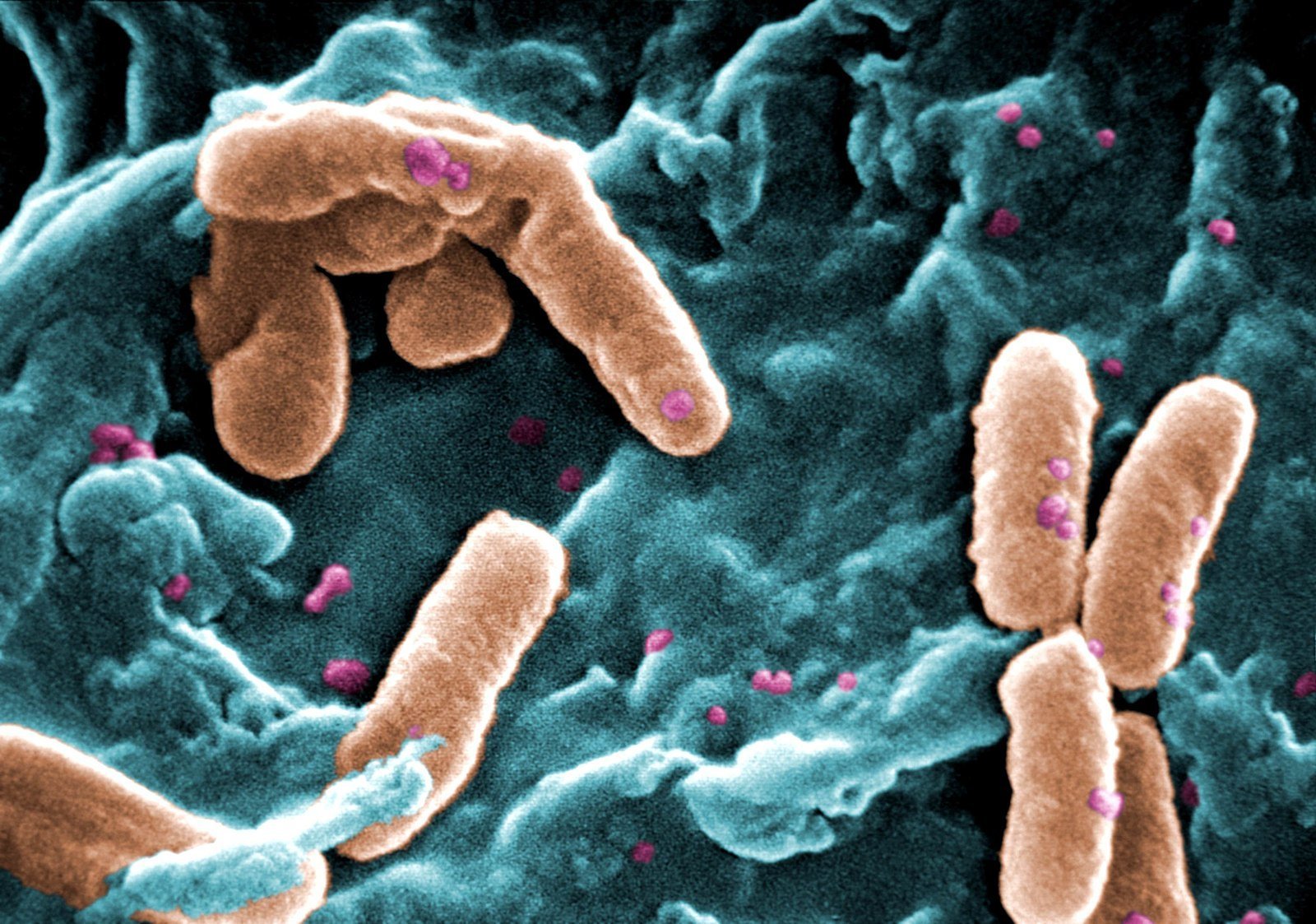
For most of human history, people believed disease was caused by bad air, divine punishment, or imbalances in bodily fluids. The idea that invisible living organisms could invade your body and make you sick was considered bizarre, almost laughable. Then came Louis Pasteur and Robert Koch, and everything changed.
Germ theory established that specific microorganisms cause specific diseases. It was a stunning, almost philosophical shift. Suddenly, illness had a mechanism, and that mechanism could potentially be stopped. This insight drove the development of vaccines, sanitation standards, surgical sterilization, and the entire field of public health. Cities started cleaning up water supplies. Hospitals stopped being death traps.
The most important discoveries include gravity, evolution, germ theory, DNA, and quantum mechanics, each of which has changed how we perceive life and the universe. Germ theory specifically saved lives at a pace that’s almost incomprehensible. Before it, a hospital was often the last place you wanted to go when sick. After it, the hospital became a place of genuine healing.
8. The Human Genome Project: Reading Our Own Code
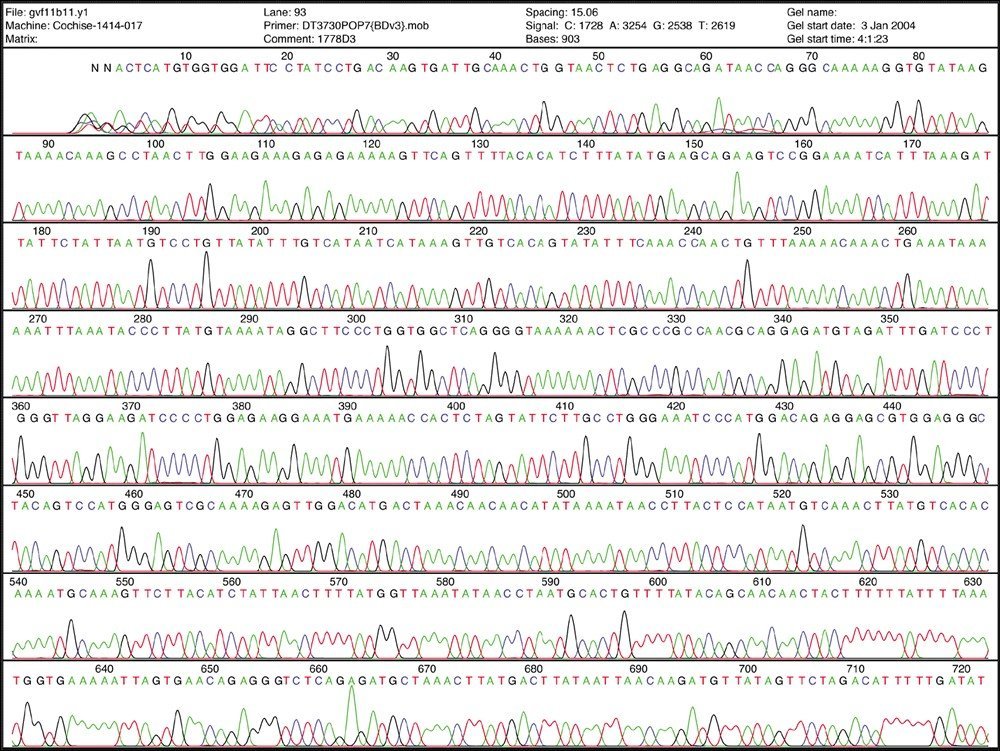
If the discovery of DNA’s structure was like finding out that books exist, then the Human Genome Project was like reading the entire library of human biology from cover to cover. Launched in 1990, the Human Genome Project successfully sequenced a complete human genome for the first time in 2003, creating a powerful reference point for the approximately three billion base pairs of DNA that make up the genetic blueprint of our species. It was the largest collaborative biological project in history, and its completion sparked a new era of genomics that transformed countless fields, from forensics, to anthropology, to DNA ancestry tests, to gene treatments for Huntington’s disease and others.
The Human Genome Project, an international effort that brought together engineers, computer scientists, mathematicians, and biologists, revolutionized the field of genomics, spurred the development of novel technologies and analytical tools, established a commitment to open science and data sharing, and changed the face of the scientific workforce.
This achievement has profoundly changed biomedical science, allowing for research and technology that wouldn’t be possible otherwise, like using CRISPR to modify genetic diseases. We’re just starting to feel the impact of this achievement on medical practice. By knowing our genome, it’s possible to find changes in genes that are associated with, or even cause, various diseases. This increases our understanding of those diseases, as well as our ability to diagnose and treat them. The full promise of this discovery is still unfolding before our eyes.
9. The Discovery of the Higgs Boson: The Universe Got Heavier
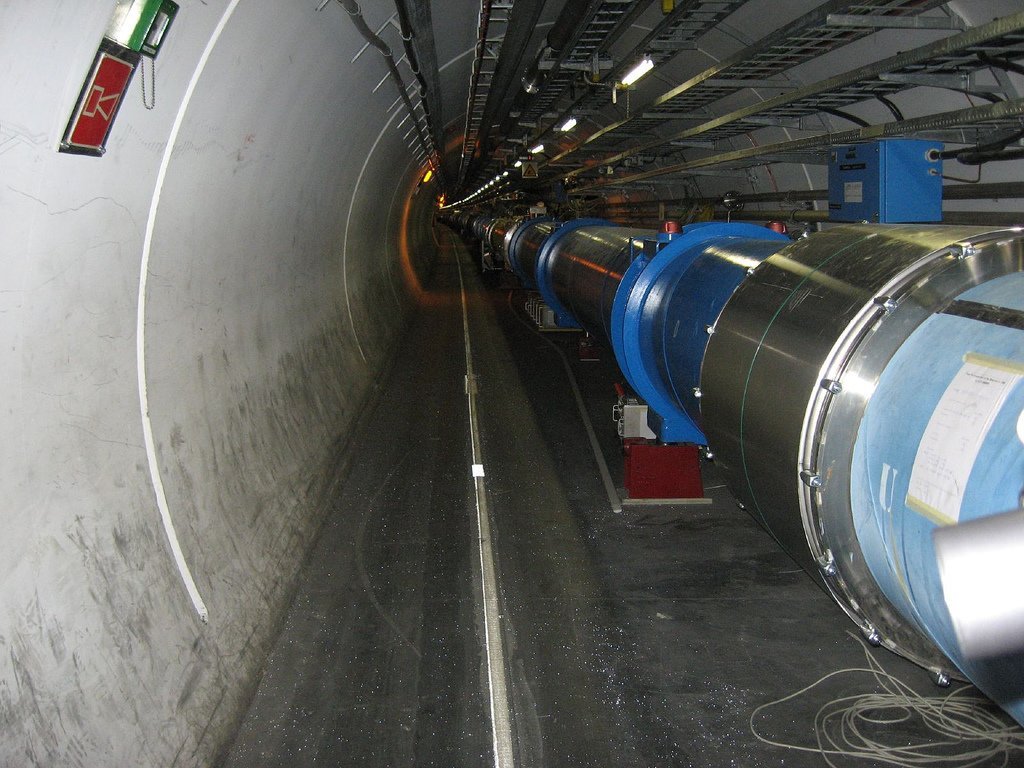
I know it sounds crazy, but physicists spent nearly five decades searching for a single subatomic particle they weren’t even sure existed. In 2012, scientists at CERN’s Large Hadron Collider made the groundbreaking discovery of the Higgs boson, a subatomic particle that had been theorized in the 1960s but never observed until then. The Higgs boson is crucial to the Standard Model of particle physics, as it explains why particles have mass. This discovery confirmed the existence of the Higgs field, an invisible field that permeates space and gives particles mass.
The Higgs boson is a small particle, with a mass just 150 times that of a proton, but its scientific impact is colossal. First predicted in 1964 by researchers, including its namesake Peter Higgs, the particle existed only in theory for decades as the hypothetical crown jewel of the Standard Model of particle physics, which describes the universe’s fundamental forces and elements.
Understanding the Higgs boson opens the door to further discoveries in fundamental physics and may have profound implications for our understanding of the universe’s origins and the nature of matter itself. This is one of those discoveries that doesn’t immediately change your everyday life but quietly underpins absolutely everything you experience. Without mass, there would be no matter, no stars, no planets, no you.
10. CRISPR Gene Editing: Rewriting the Code of Life
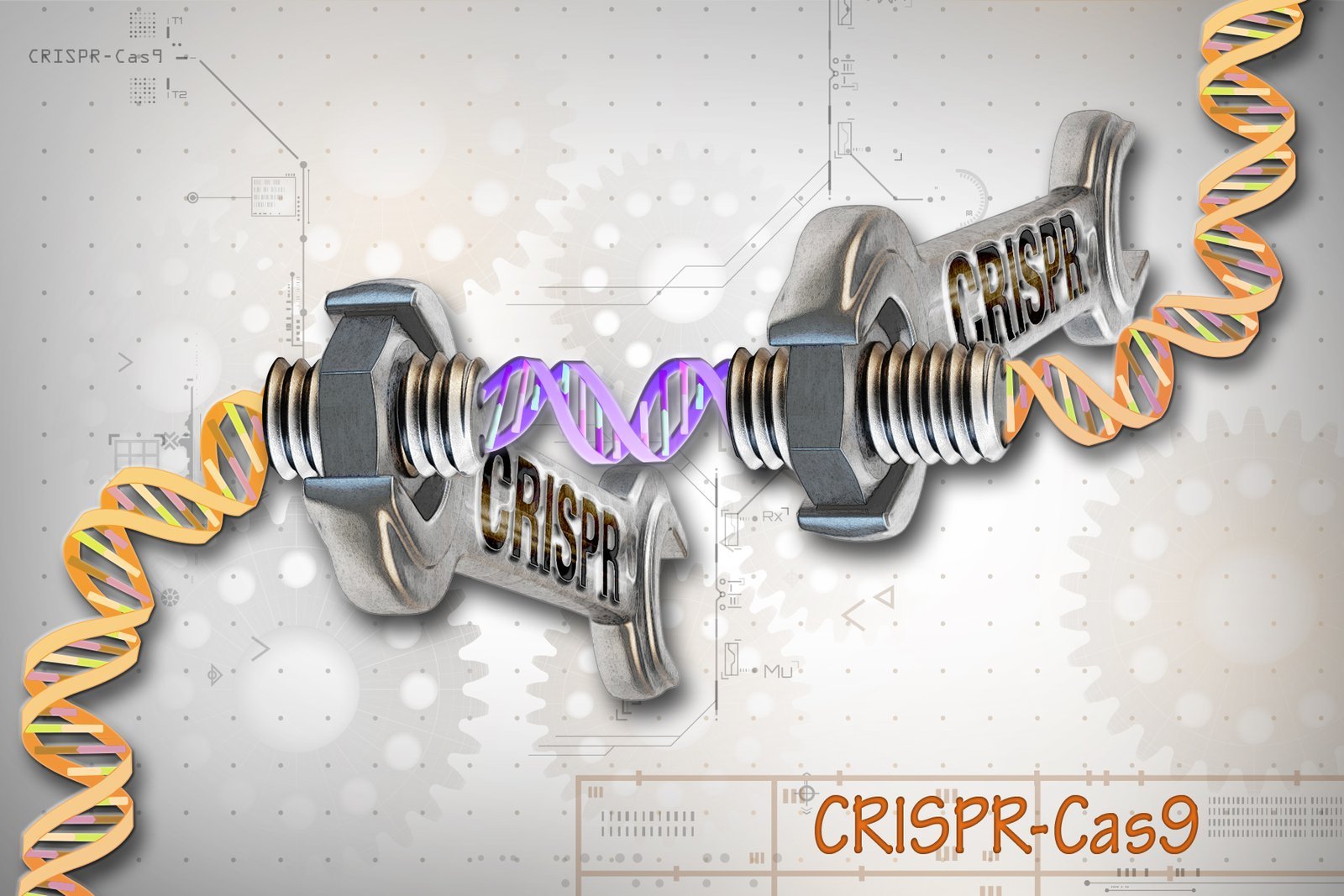
If the discovery of DNA was reading life’s instruction manual, CRISPR is picking up a pen and editing it. It’s almost too powerful to fully comprehend. CRISPR/Cas9, the most widely used gene editor, was discovered through NIH-funded basic research on how bacteria defend themselves from viruses. Gene-editing techniques are being pursued as ways to diagnose viruses and to treat genetic diseases.
CRISPR has given scientists the power to surgically remove, and just as excitingly, monitor the activity of genes and the regulatory elements that control them. This has been an absolute game-changer for understanding the mechanisms underlying how biological systems work, but also the diseases that disturb them.
The ethical questions raised by CRISPR are as significant as the science itself. In late 2018, Chinese researchers used CRISPR-Cas9 to genetically modify human embryos, resulting in the birth of twin girls. The twins’ genomes were modified to make the girls more resistant to HIV, although the genetic alterations may have also resulted in unintended changes. The work was widely condemned by the scientific community as unethical and dangerous, revealing a need for stricter regulations for how these powerful new tools are used. Power and responsibility rarely come separately in science.
Conclusion: Science Is Civilization’s Most Powerful Story
Looking at these ten discoveries together, something becomes undeniable. Science is not merely a collection of facts. It’s a story of human curiosity and perseverance that continues to shape civilization. Each breakthrough listed here didn’t arrive in a vacuum. It was built on decades of questioning, failing, and trying again. It came from people who refused to accept that things were simply the way they were.
As the 21st century gathers pace, it’s clear we’re living through a golden age of scientific discovery. From rewiring our understanding of the universe to reshaping the tools of everyday life, breakthroughs once thought impossible are now shaping the world around us. And standing here in 2026, looking back at these ten milestones, one thing feels certain: the next discovery that changes everything could already be happening in a quiet lab somewhere right now.
As we reflect on the history of science, it becomes clear that discovery is an unending journey, each revelation building on the last, leading to new possibilities for innovation, sustainability, and human progress. The question is not whether the next world-changing breakthrough will come. It’s whether we’ll be wise enough to use it well. What do you think the next great discovery will be? Drop your thoughts in the comments below.

Besides founding Festivaltopia, Luca is the co founder of trib, an art and fashion collectiv you find on several regional events and online. Also he is part of the management board at HORiZONTE, a group travel provider in Germany.
