

For any feedback please reach out to info@festivalinside.com
- 10 Surprising Hobbies of Famous Historical Leaders You Never Knew About - April 13, 2026
- 12 Unforgettable Literary Rivalries That Fueled Iconic Works - April 13, 2026
- 10 Classic Albums That Defined the Sound of the 60s and 70s - April 13, 2026
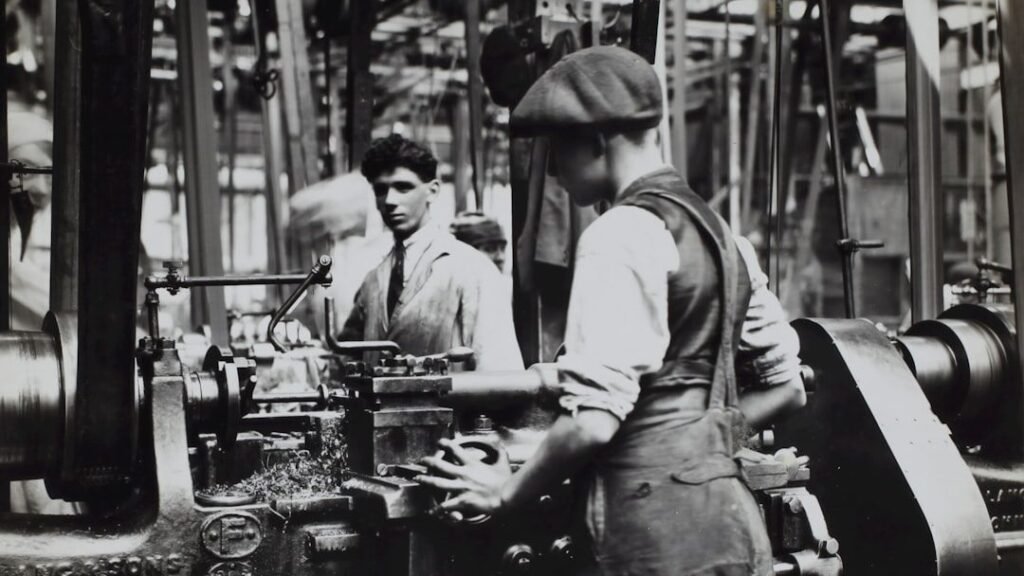
There are centuries that nudge history forward, and there are centuries that break it open entirely. The 1800s belong firmly in the second category. The 19th century was a period of unprecedented technological transformation, characterized by remarkable inventions and innovations that laid the foundation for the modern world. During this era, groundbreaking developments in transportation, communication, industry, and medicine revolutionized society and set the stage for the rapid technological advancements of the 20th and 21st centuries.
The development and application of steam engines and electricity to various tasks such as transportation and the telegraph affected human life by increasing and multiplying the mechanical power of human or animal strength. Apart from the technological inventions themselves, daily life in the 19th century was profoundly changed by the innovation of reorganizing work as a mechanical process, with humans as part of that process. The inventions that emerged during this period were not isolated breakthroughs. They built on each other, accelerated each other, and together reshaped how billions of people would eventually live, work, and communicate.
The Steam Engine: The Engine That Powered an Era
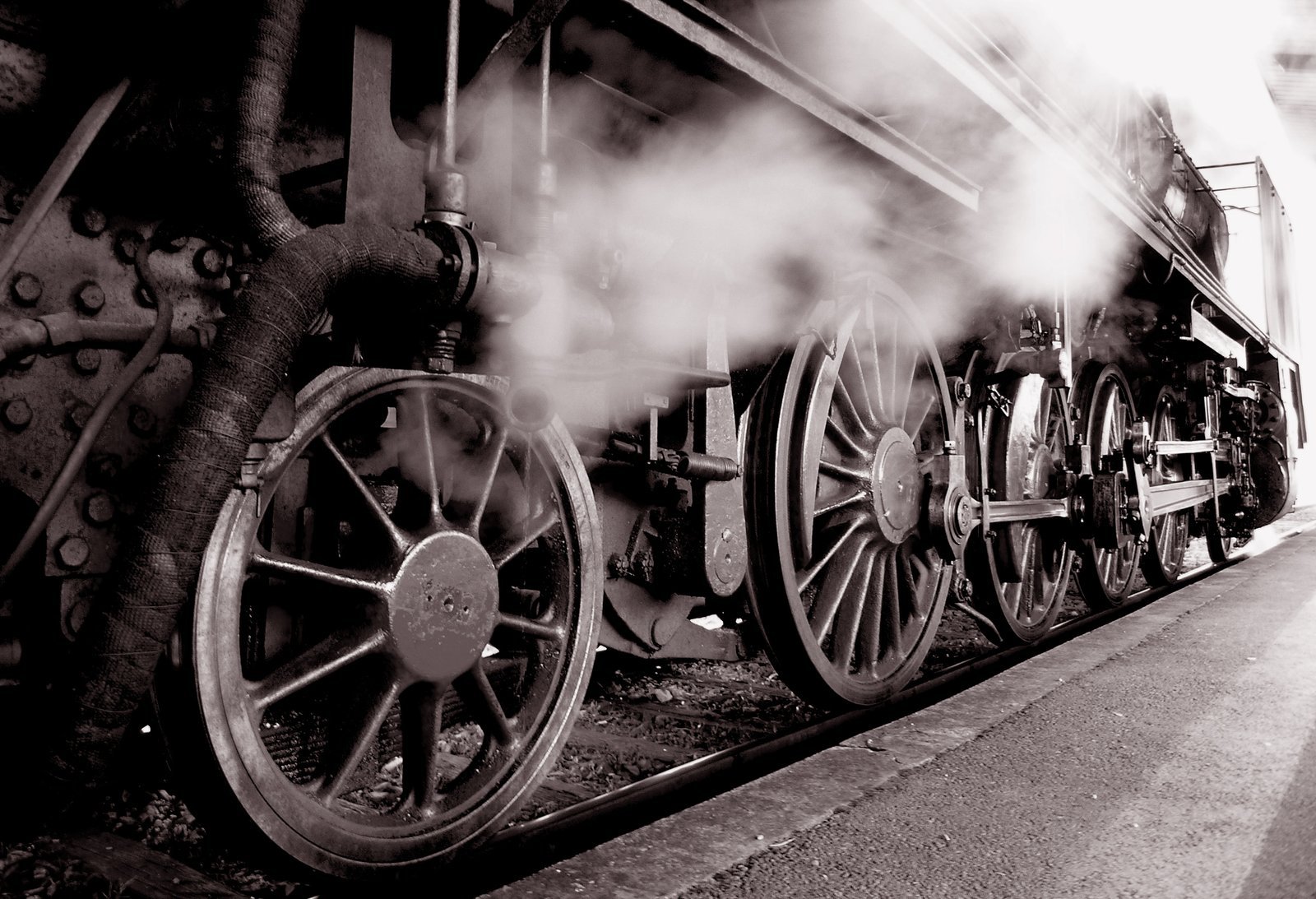
Steam power was one of the most significant developments of the Industrial Revolution in Britain. First invented as a pump in the 1690s, a host of inventors tweaked designs and tinkered with machinery until an efficient and powerful alternative to muscle, water, and wind power attracted commercial users. Major improvements made by James Watt greatly increased its efficiency, and in 1781 he adapted a steam engine to drive factory machinery, thus providing a reliable source of industrial power.
Early mills had run successfully with water power, but by using a steam engine a factory could be located anywhere, not just close to a water source. Water power varied with the seasons and was not always available. In addition to powering factories, steam engines revolutionized transportation, transforming the way people and goods were moved across vast distances. Steam locomotives enabled the rapid expansion of railways, facilitating trade and commerce on a national and international scale. Meanwhile, steam-powered ships made transatlantic travel faster and more efficient, shrinking the world and connecting distant continents in ways previously unimaginable.
By the 19th century, stationary steam engines powered the factories of the Industrial Revolution. Steam engines led to the replacement of sailing ships by paddle steamers, and steam locomotives operated on the railways. Although the 18th and 19th centuries were the heyday of steam technology, the steam engine’s impact was not limited to this period. The industrial and economic transformations that began in the Industrial Revolution laid the foundation for the mechanized, globalized, and innovative world of the 20th and 21st centuries.
The Steam Locomotive: Nations on the Move
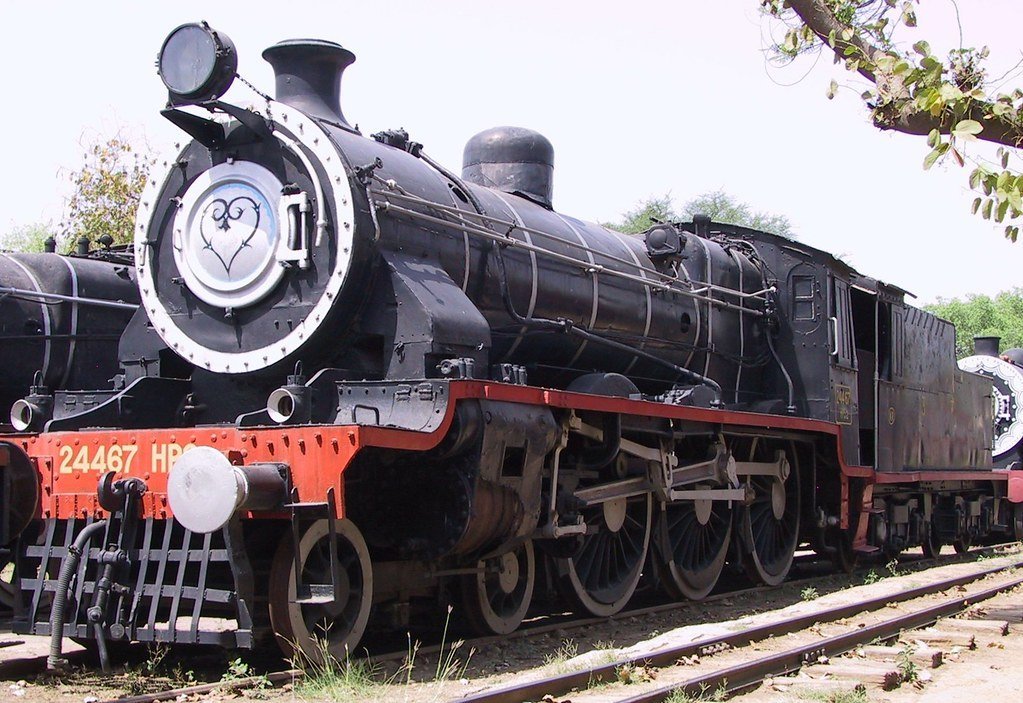
Richard Trevithick invented the steam locomotive in 1804. The development of the steam locomotive played a crucial role in expanding the railway network, facilitating the movement of goods and people over long distances more efficiently. What started as an experimental machine gradually became the defining infrastructure of national economies.
First appearing in the United States in 1829 with the Baltimore and Ohio Railroad’s Tom Thumb demonstration locomotive, by the middle of the century hundreds of engines were operating in the country, and by the end of the 19th century the entire nation could be crossed by rail in a matter of days. The development of the steam engine led to the expansion of railways throughout Europe and North America, transforming the way people and goods were transported. This facilitated trade, boosted economic growth, and connected previously isolated regions.
The Electric Telegraph: The World’s First Real-Time Network
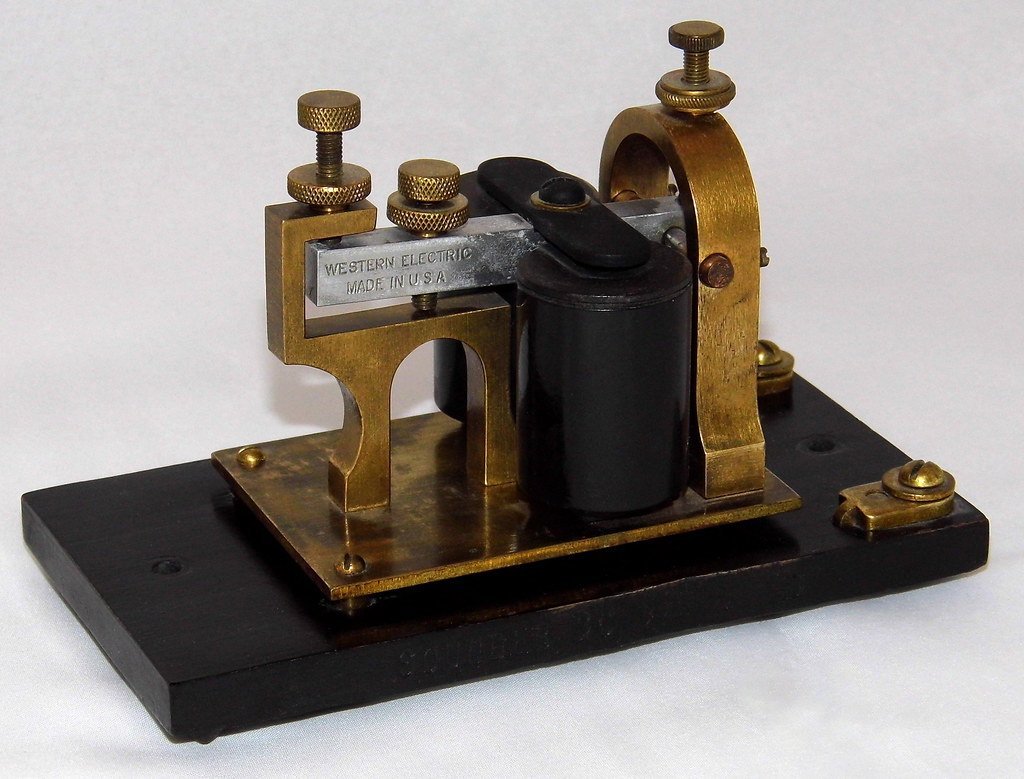
Developed in the 1830s and 1840s by Samuel Morse and other inventors, the telegraph revolutionized long-distance communication. It worked by transmitting electrical signals over a wire laid between stations. In 1843, Morse built a telegraph system from Washington, D.C., to Baltimore with the financial support of Congress, and on May 24, 1844, the first message, “What hath God wrought?” was sent.
Extensive telegraph systems appeared across Europe by the later part of the 19th century, and by 1866 the first permanent telegraph cable had been successfully laid across the Atlantic Ocean. The electric telegraph transformed how wars were fought, how money was sent, and how newspapers conducted business. Rather than taking weeks to be delivered by horse-and-carriage mail carts, pieces of news could be exchanged between telegraph stations almost instantly.
The telegraph also laid the groundwork for future communication technologies, ultimately evolving into systems like the telephone and the Internet. By the end of the 19th century, Morse code was the international language for electric communications worldwide. Its simplicity and efficiency influenced all later systems, from radios to teleprinters and even the binary codes used today.
The Telephone: Giving a Voice to Distance
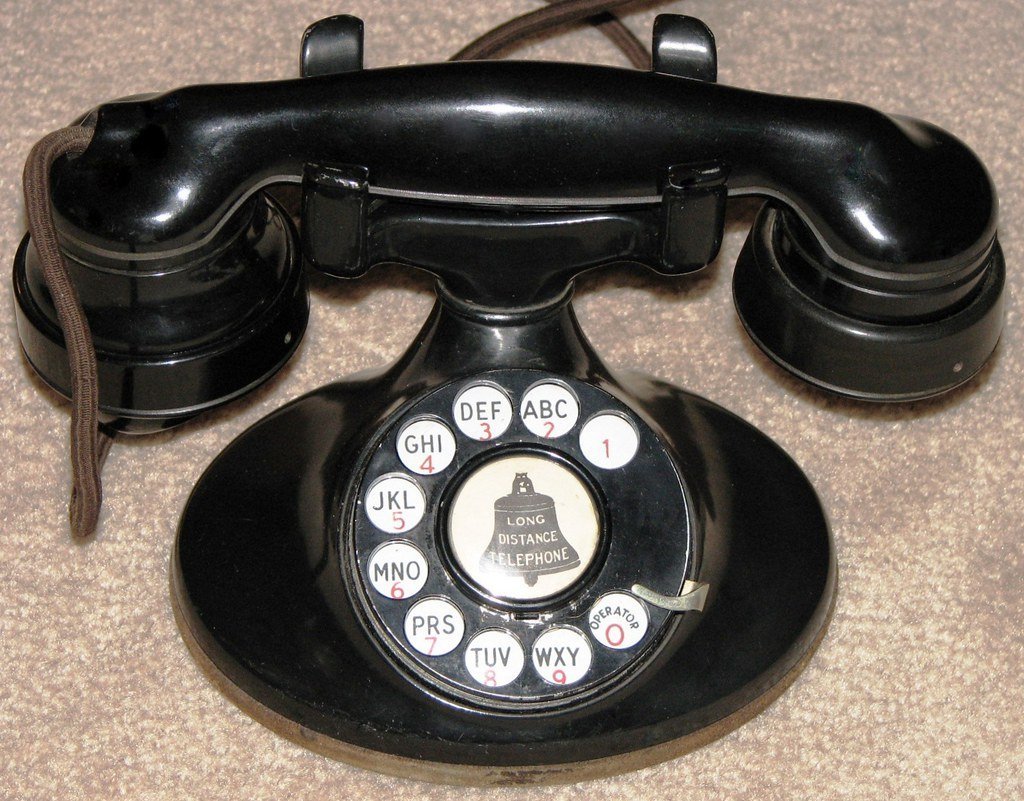
As early as 1860, an Italian inventor named Antonio Meucci demonstrated a “talking telegraph” that he called a telettrofono, an electromagnetic device that could transmit speech over electrical wires. Meucci, who had immigrated to the United States, fell on hard times and was unable to renew a temporary patent for his device, which expired in 1874. By 1876, two more inventors, Alexander Graham Bell and Elisha Gray, were racing to develop a patentable design for the telephone.
The invention of a practical telephone is credited to Alexander Graham Bell and Elisha Gray, who worked on their projects independently. Gray invented the first electromagnetic receiver in 1874 but did not perfect the design of a working diaphragm until Bell managed to create the first working telephone. The invention became a reality on March 10, 1876, when Bell transmitted the first sentence through his simple phone. Alexander Graham Bell’s invention of the telephone further revolutionized communication by enabling voice transmission over long distances. Within a generation, it had become an essential tool of commerce, governance, and daily life.
The Incandescent Light Bulb: Turning Night Into Day

In 1879, Joseph Swan and Thomas Edison both patented a functional incandescent light bulb. Some two dozen inventors had experimented with electric incandescent lighting over the first three-quarters of the 19th century but never came up with a practical design. Swan’s version had a low resistance and was only suited for small installations. Edison designed a high-resistance bulb as part of a large-scale commercial electric lighting utility.
The light bulb, developed by Thomas Edison, was another profound invention of the 19th century. It brought artificial lighting into homes, businesses, and streets, transforming everyday life and extending working hours. The advent of electricity in the waning years of the 19th century had an enormous impact on society, for it not only reduced the fire danger by replacing gas-fed street lamps with non-flammable electric light bulbs, but paved the way for countless technologies that followed. The ripple effect reached everything from factory productivity to the very rhythm of the human day.
Photography: Freezing Time for the First Time
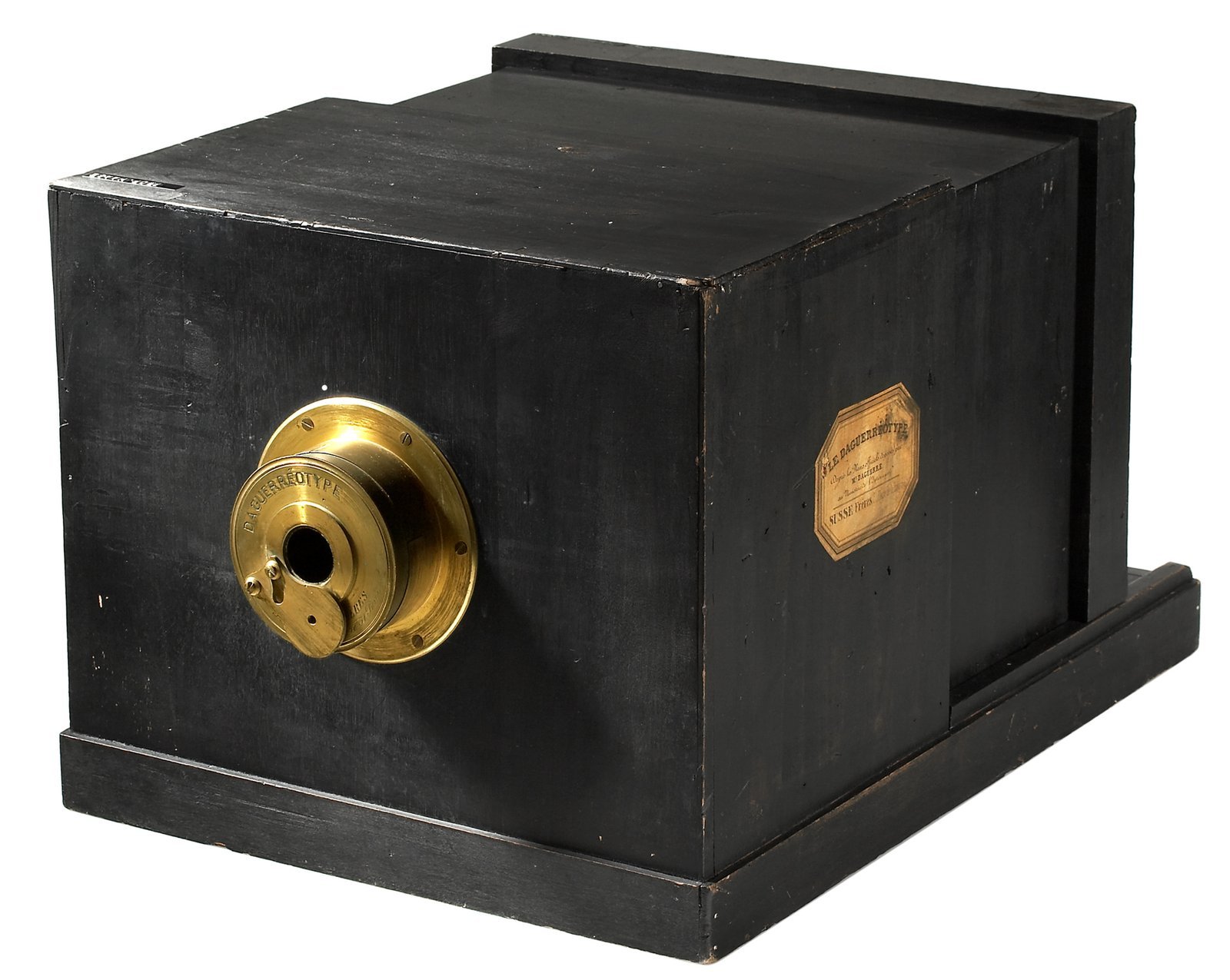
In the mid-19th century, Louis Daguerre and William Henry Fox Talbot independently developed methods of capturing images on light-sensitive materials, leading to the birth of photography. This medium allowed for the preservation of visual records and played a crucial role in documenting historical events, cultures, and landscapes. A daguerreotype made in 1838 by inventor Louis Daguerre is believed to be the earliest photograph showing a living person.
The evolution of photography culminated with George Eastman’s introduction of the Kodak camera in 1888, a landmark development that rendered photography accessible to the general public. This handheld camera simplified the photographic process, allowing more people to capture and preserve moments from their lives. The small, circular snapshots of daily life captured by the Kodak Camera changed the nature of photography from stodgy and serious to casual and fun. In doing so, it planted the seed for the visual culture that dominates the 21st century.
Germ Theory and Antiseptics: The Revolution in Medicine
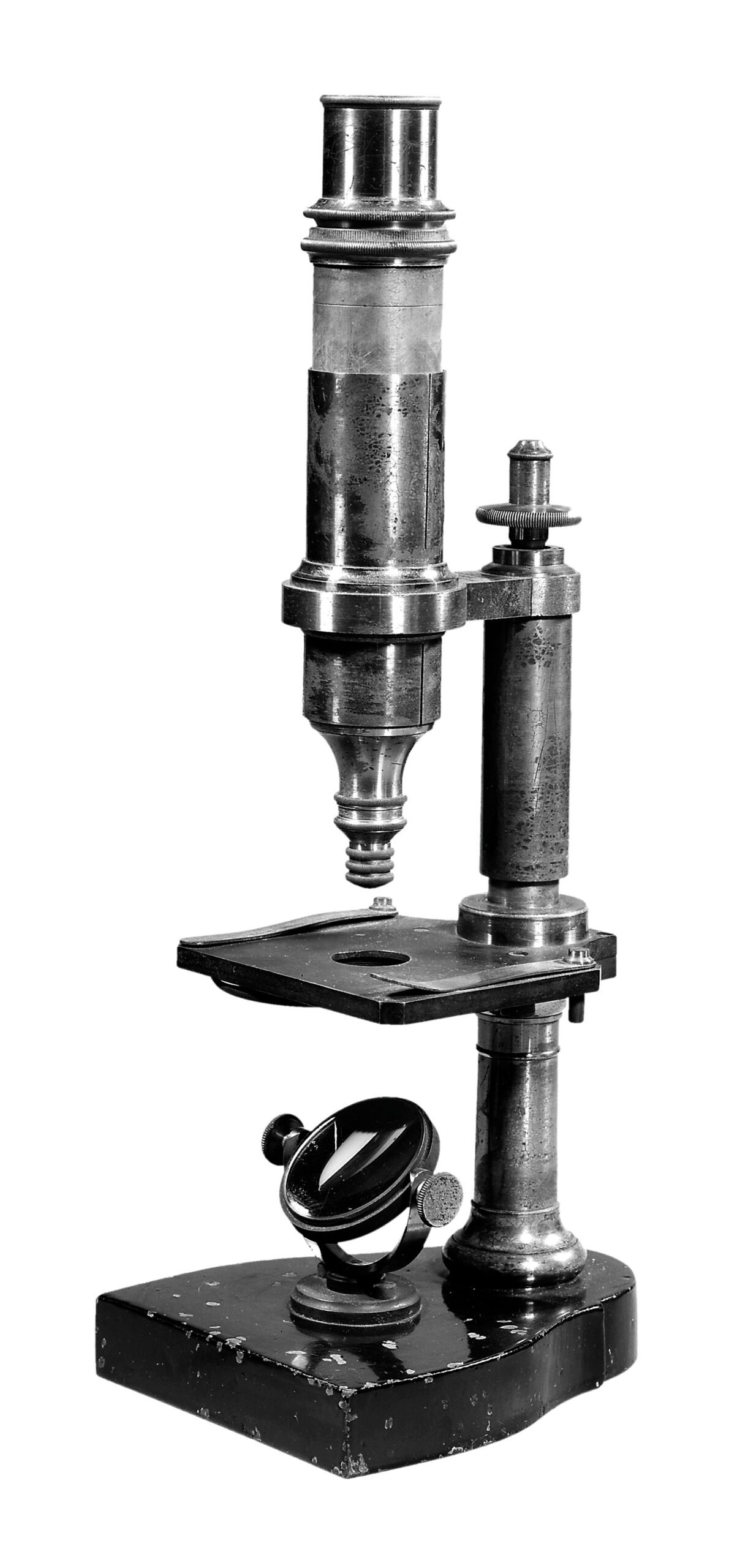
Louis Pasteur’s groundbreaking work in microbiology and the development of the germ theory of disease laid the foundation for modern medicine and the understanding of infectious diseases. Advancements in germ theory by scientists like Louis Pasteur and Joseph Lister led to improved sanitation practices and the development of antiseptics, reducing the spread of infectious diseases and improving overall public health.
The 19th-century developments in medicine, such as anesthesia and germ theory, continue to inform contemporary medical practices and contribute to the ongoing advancements in healthcare. The consequences were staggering. Surgical mortality rates fell sharply once antiseptic techniques were adopted, and the understanding that specific microorganisms cause specific diseases created the entire framework of modern epidemiology, pharmacology, and vaccine development.
Anesthesia: Making Surgery Survivable
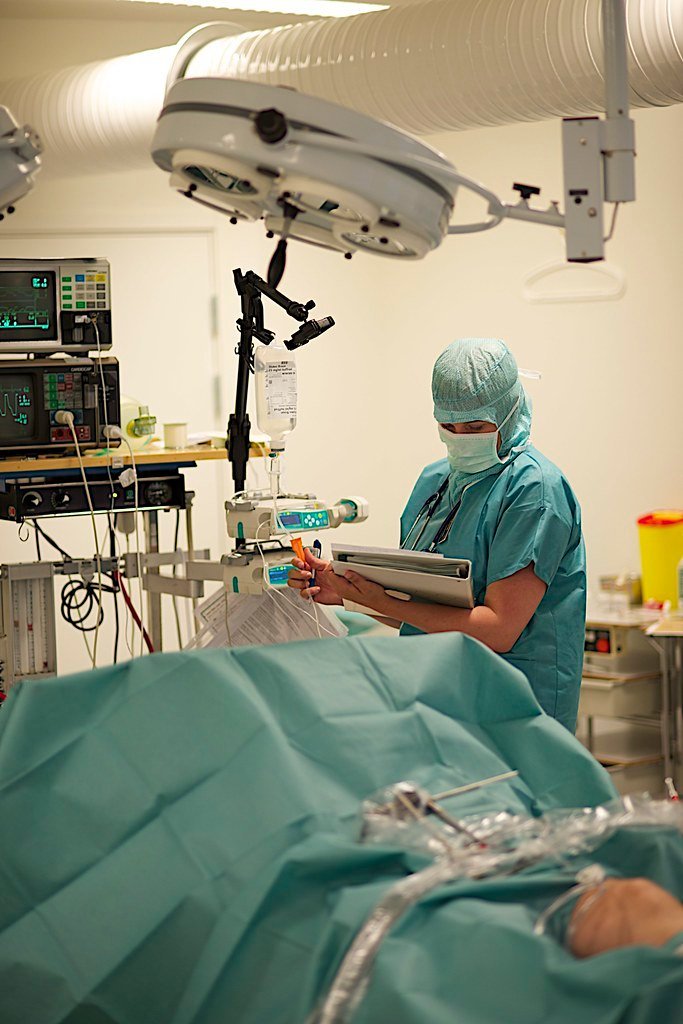
The discovery and application of anesthesia, notably ether and chloroform, revolutionized surgery by making it possible for patients to undergo procedures without experiencing excruciating pain. Anesthesia was first used during surgical procedures, making them less painful and allowing for more complex operations. Before its introduction, surgery was an act of brute speed and sheer endurance for the patient.
Medical advancements during the 19th century greatly improved healthcare and saved countless lives. The discovery of anesthesia made surgical procedures less painful, while advancements in sanitation and hygiene reduced the spread of diseases. Procedures that had previously been impossible due to patient movement, shock, or trauma became routine once anesthesia was reliably available. It fundamentally shifted the boundary of what medicine could attempt.
The Sewing Machine: Industrializing the Everyday
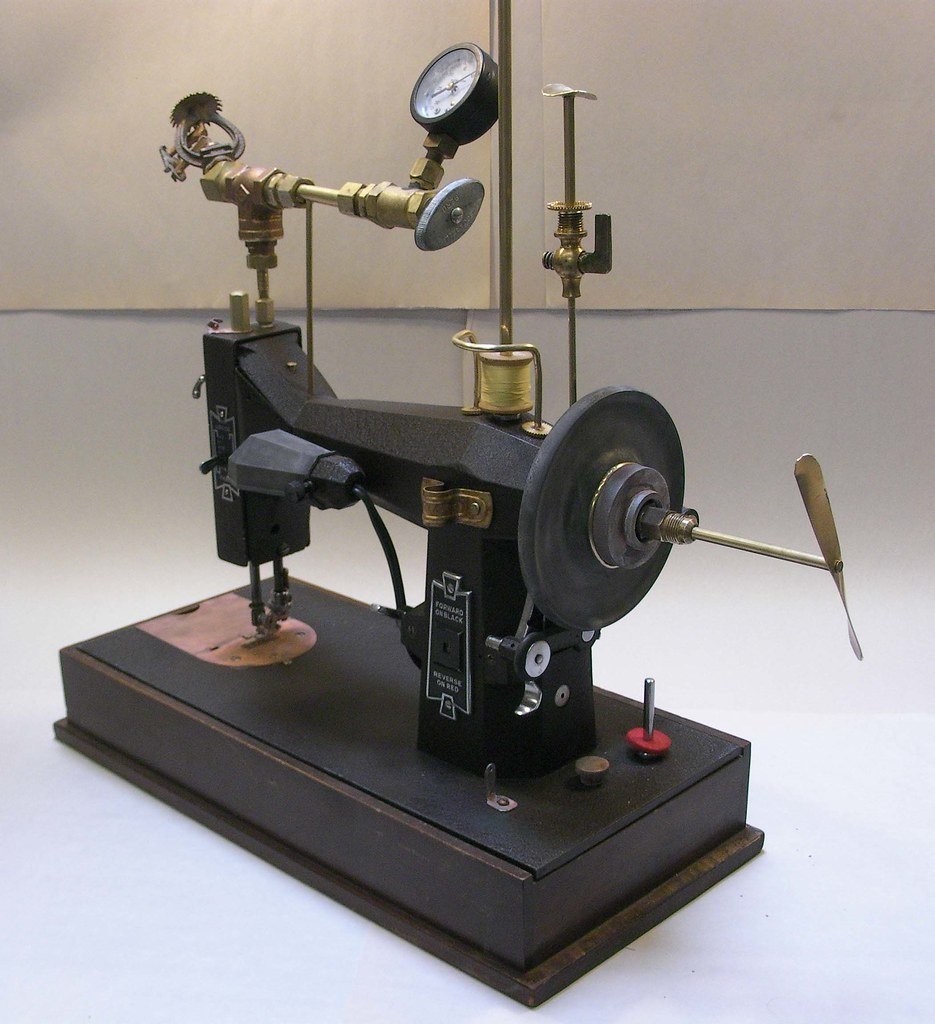
During the early 1800s, much of the population did not have the income to purchase clothes. Everything was sewn by hand, and families had to sew clothes using a thread and needle. Elias Howe changed all this when he invented the sewing machine as we know it, which he patented in 1846. The sewing machine, coming into common use in 1846, drastically improved efficiency in clothing production and became a staple in households and factories.
The sewing machine was a crucial innovation in the textile industry, significantly improving productivity and efficiency. It allowed for faster garment production, reducing costs and increasing accessibility to clothing. The sewing machine and the typewriter, introduced in 1867, were transformative inventions that greatly impacted domestic life and business practices. They not only revolutionized garment production and administrative tasks but also played a role in social change by influencing employment and domestic work.
The Internal Combustion Engine and Early Automobile: The Seed of Modern Mobility
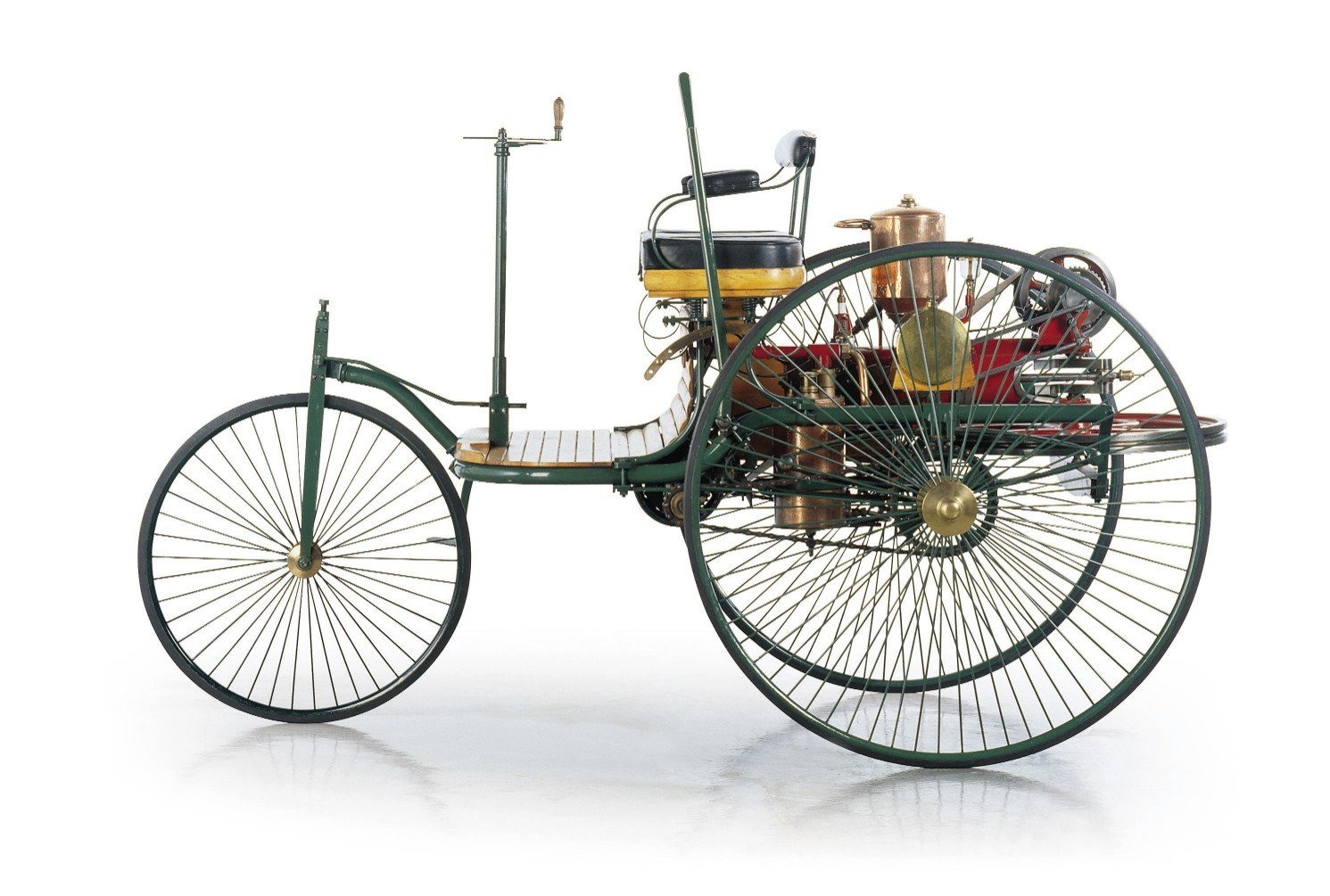
The birth of the modern automobile, invented by Karl Benz in 1886, signaled the beginning of a new era in personal transportation. Steam locomotives were central to the dramatic expansion of the railway network, reshaping land travel and commerce. The introduction of Karl Benz’s automobile in 1886 laid the foundation for the modern automotive industry and personal mobility.
Karl Benz developed a gasoline-powered vehicle in 1885, and his is considered to be the first practical automobile. The first mass-produced cars were the Curved Dash Oldsmobile, which Ransom E. Olds produced in 1901 in the United States. The mechanization and automation of manufacturing processes initiated during the Industrial Revolution are the precursors of today’s industrial robots and advanced manufacturing technologies. The internal combustion engine did not just change transport – it reshaped cities, supply chains, warfare, and the geopolitics of oil for generations to come.
A Century That Built the Foundation
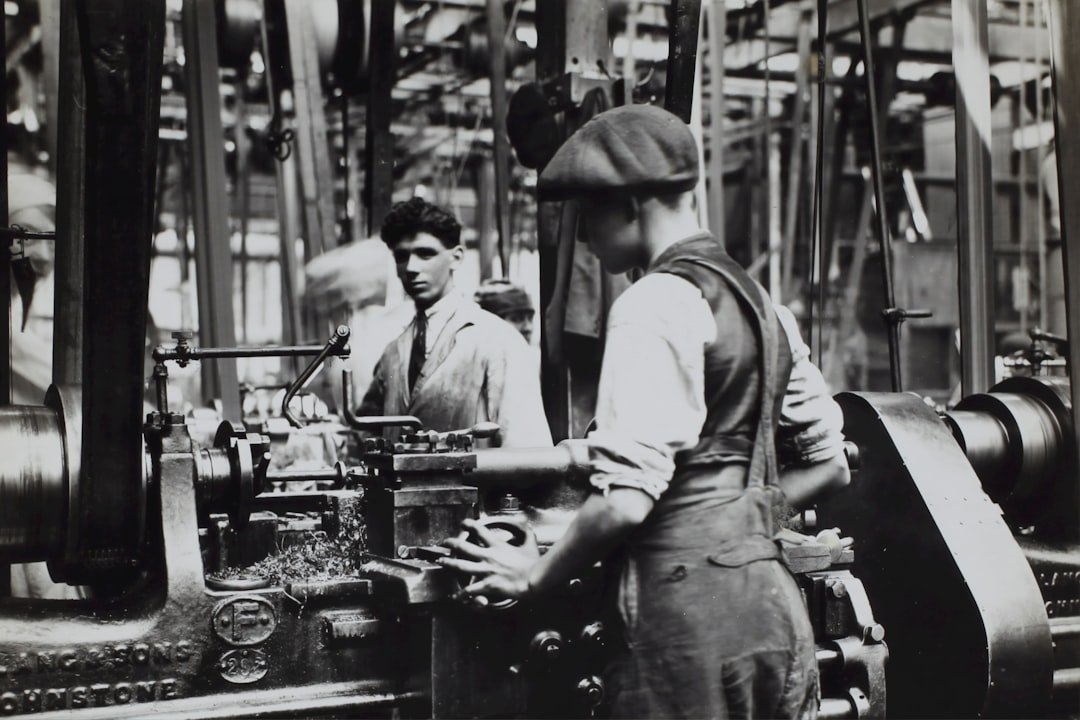
The Industrial Revolution shifted people in Europe and the United States from a predominantly agricultural existence into an urban, industrialized lifestyle. Goods that had been produced by hand, one at a time, became mass-produced in factories, while transportation and other industries greatly advanced.
Just as the technology of the 19th century responded to the social and economic needs of a new and expanding nation, so too did the uses and consequences of technology extend into every aspect of life as the world entered the modern age of the 20th century. The technological developments of the 19th century were instrumental in shaping the modern world and continue to influence our lives today. These innovations not only revolutionized industries and transportation but also laid the foundation for the technology-driven society we inhabit.
Looking back from 2026, what stands out most is not the size of any single invention, but the way each one made the next one possible. Steam powered the rails that moved the telegraph wire. The telegraph informed the telephone. The light bulb made space for extended productivity. Germ theory saved the lives that new industries needed. The 19th century did not simply invent tools – it invented the conditions for everything that came after.

Christian Wiedeck, all the way from Germany, loves music festivals, especially in the USA. His articles bring the excitement of these events to readers worldwide.
For any feedback please reach out to info@festivalinside.com
