

- 10 Most Beautiful Castles in The World - March 27, 2026
- 13 Unbelievable Travel Destinations That Inspired Classic Literature - March 27, 2026
- 12 Most Beautiful Waterfront Cities in The World - March 27, 2026
There is something about the ocean that refuses to give up its secrets. Ships have sailed out of port with full crews, steady engines, and clear skies, only to vanish as if the sea simply opened up and swallowed them whole. No distress calls. No debris. No answers. The fascination with maritime disappearances has endured for centuries, and honestly, it’s not hard to understand why.
Throughout maritime history, sailors have reported sightings of ghost ships with eerily similar details: empty vessels appearing out of the blue, with no one aboard and no sign of what happened to the crew. These ships travel unmanned across the seas, reminding mariners who witness their silent journeys of the many dangers of open water. Some of these stories blur into legend over time. Others remain brutally, puzzlingly real. The ten cases below are among the most haunting ever recorded. Be prepared to question everything you think you know about the sea.
1. The Mary Celeste (1872): The Ship That Rewrote the Rules of Mystery
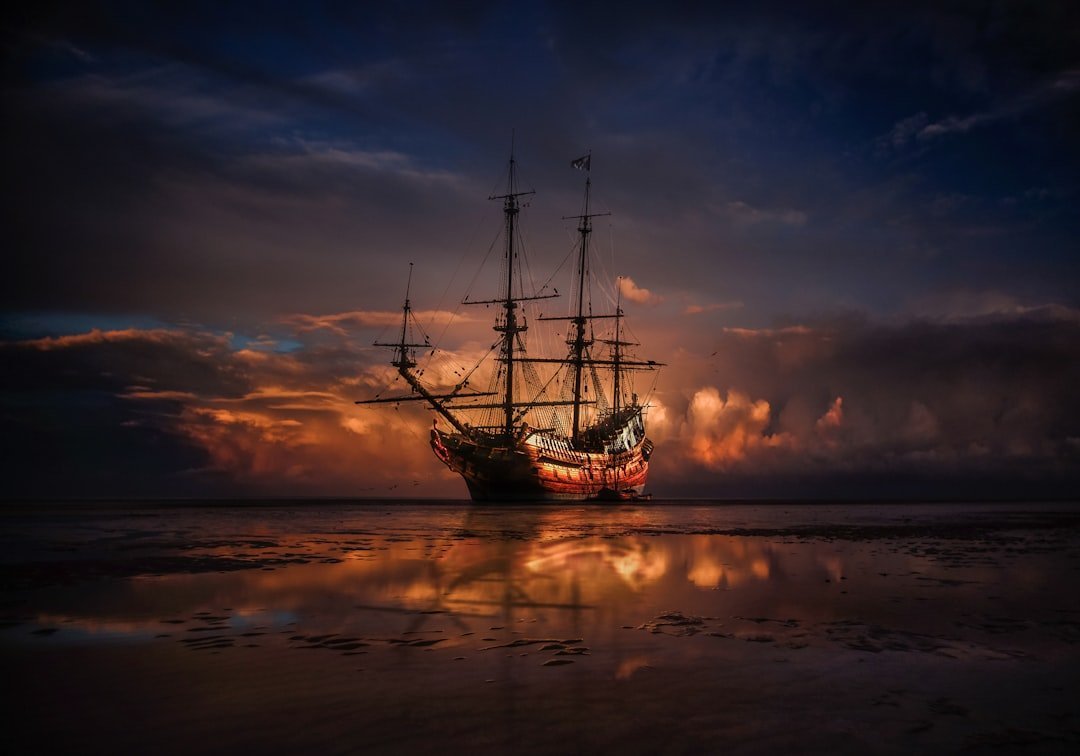
If there is one ghost ship that every maritime historian knows by heart, it’s the Mary Celeste. On November 7, 1872, the American vessel set out on a voyage from New York City to Genoa, Italy. It was a Canadian brigantine called the Dei Gratia that came across her at sea, six miles away and closing the distance. There was something clearly wrong with the unknown vessel: her sails were off and her movements were erratic. As they came closer, the captain of the Dei Gratia could see no one on her decks, and received no signals from any crew. When they boarded, they found the ship deserted, her lifeboat missing, but basically in good order and filled with supplies.
The ship was in seaworthy condition, with its cargo of alcohol barrels untouched, yet there was not a single soul aboard. The last entry in the ship’s log did not indicate any distress, leading to numerous theories about the crew’s fate. Some suggested the crew had been murdered and thrown overboard by pirates, though British officials dismissed any suggestion of piracy or foul play as there were no signs of violence. One of the most popular and plausible theories suggests that the crew died after embarking on a lifeboat, possibly fearing the ship’s cargo was about to explode since they were transporting barrels of alcohol. To this day, no one has proven what happened. The ocean took them, and kept that secret forever.
2. USS Cyclops (1918): The Navy’s Greatest Unsolved Loss
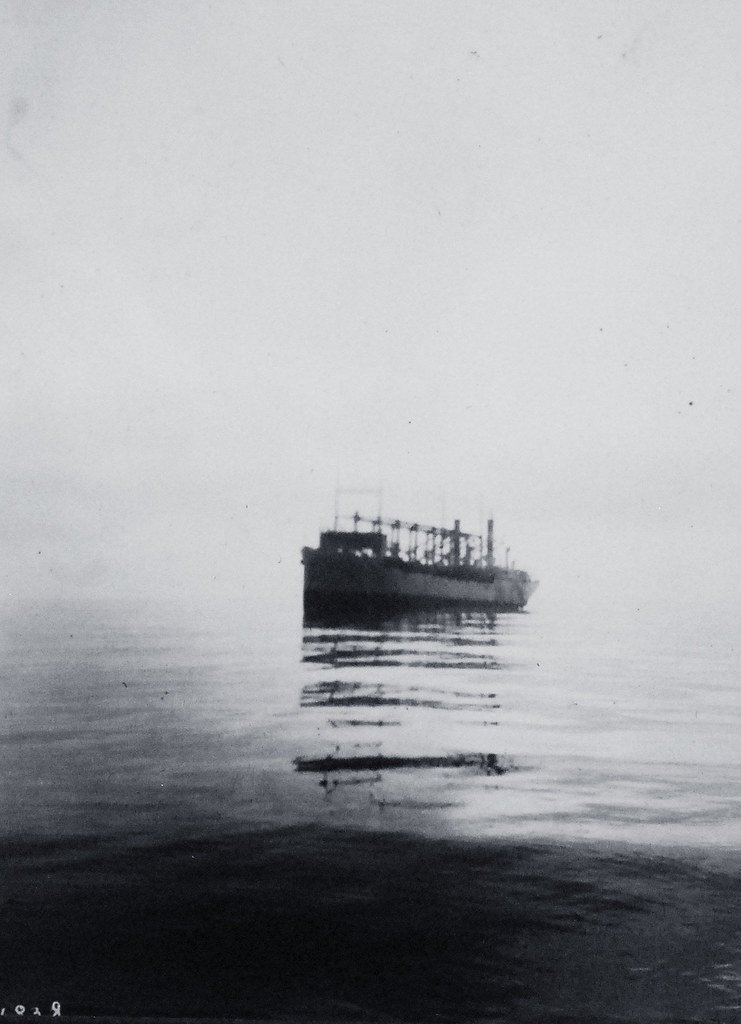
The loss of the ship and 306 crew and passengers without a trace occurred sometime after March 4, 1918. As the loss occurred during World War I, she was thought to have been captured or sunk by a German raider or submarine because she was carrying over 10,000 tons of manganese ore used to produce munitions, but German authorities at the time subsequently denied any knowledge of the vessel. Prior to leaving port, it had been reported that the ship was overloaded and had a cracked cylinder, but the recommendation was to have the ship return to harbor for repairs. She left Salvador heading straight to Baltimore with no scheduled stops, but ended up making an unscheduled stop in Barbados because the ship was overloaded. It was decided they would carry on to Baltimore, and the ship left Barbados, never to be seen again.
The Naval History and Heritage Command has stated she “probably sank in an unexpected storm,” but the cause of the ship’s loss is not known. To date, hers is considered one of the largest non-combat losses of any ship operated by the United States Navy. One naval expert theorized the Cyclops was split down the middle and quickly sank, believing the manganese ore could have been stored only in the holds amidships, accentuating the vessel’s inherent weakness. This mis-storage was probably because the only officer with experience storing manganese ore had been placed under arrest and confined to his room. The stress at sea could have broken the ship in two, quickly filling the spaces with water. He believed this happened too quickly for lifeboats to be deployed. No wreck. No trace. Over a century of silence.
3. The Carroll A. Deering (1921): Dinner Ready, Crew Gone
The Carroll A. Deering was a five-masted schooner found wrecked on the treacherous Diamond Shoals off North Carolina in January 1921. The entire crew had disappeared, leaving behind a ship in good order, with food laid out in the galley and navigation equipment missing. Authorities were baffled, as there were no signs of violence or panic. Think about that for a moment. A full hot meal, prepared, waiting. Someone had been planning to eat. Then nothing.
A month after the Coast Guard began investigating, a new theory was formed related to the disappearance of another vessel, the Hewitt, around the same time. The Hewitt was making its way from Sabine, Texas, to Portland, Maine, carrying a cargo of sulfur when it sent its last message on January 25th. When the vessel never arrived in Boston, a search began. The Hewitt and her crew had also disappeared without a trace. Despite several theories involving piracy, mutiny, or Soviet involvement during the early days of the Cold War, the case remains unsolved, leaving the Carroll A. Deering shrouded in mystery. I think this one is particularly unsettling because of how mundane the scene was. No drama, no visible horror. Just an empty ship, and a meal going cold.
4. SS Waratah (1909): Australia’s Titanic
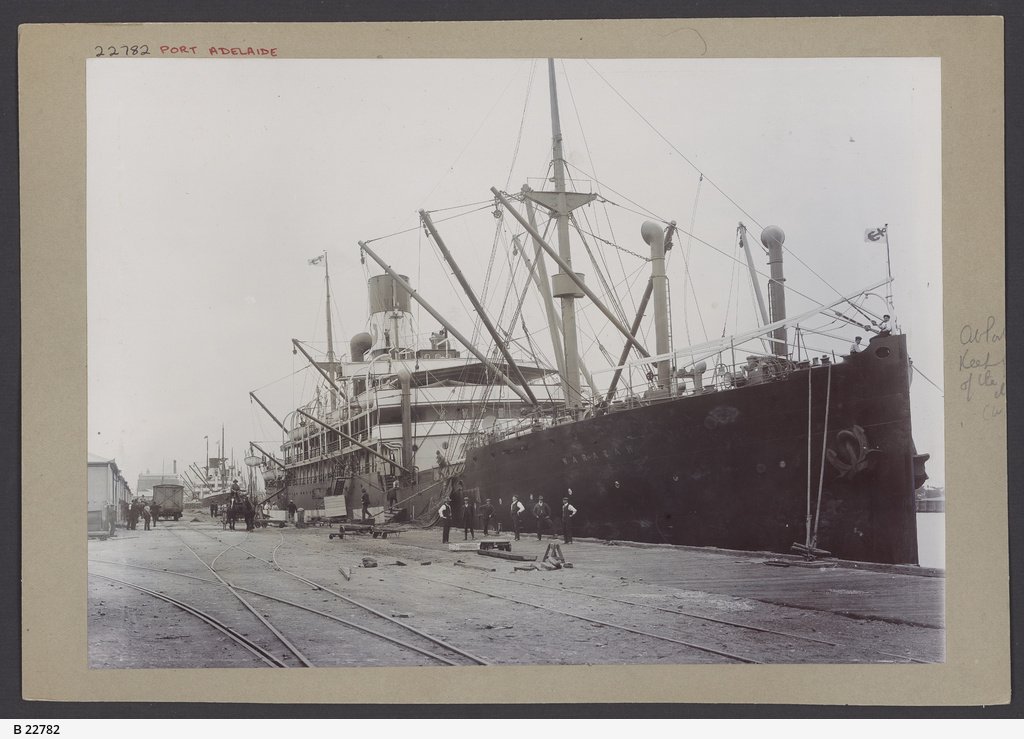
SS Waratah was a passenger and cargo steamship built in 1908 for the Blue Anchor Line to operate between Europe and Australia. In July 1909, on only her second voyage, the ship en route from Durban to Cape Town along the coast of what is present-day South Africa disappeared with 211 passengers and crew aboard. No trace of her has ever been found, and her fate remains a mystery. Around 8pm on July 26, 1909, the SS Waratah left Durban. Approximately eight hours later, at around 4am on July 27, she was sighted by the master of the Clan MacIntyre, and the ships exchanged signals. The captain of the Clan MacIntyre later said that the weather that day was the worst he had ever seen in thirteen years at sea. That sighting near the mouth of the Mbashe River was the last confirmed sighting of the lost ship Waratah.
Two of the biggest search efforts covering 14,000 nautical miles and 15,000 nautical miles lasted months. Despite several unconfirmed sightings of bodies in the water and floating objects, no trace of the lost ship Waratah has ever been found. Two leading theories suggest what may have happened: a rogue wave overtook and sank the ship, or the severe storm had caused its cargo to shift and unbalance the vessel, causing it to sink. Modern technology and underwater exploration have yet to uncover any definitive evidence of the Waratah’s location or the cause of its vanishing. Over 211 lives, gone without a single clue left behind.
5. SS Ourang Medan (1947–1948): The Ship of the Dead
A chilling message was picked up by a British vessel in June 1947: “All officers including captain are dead, lying in chartroom and bridge. Possibly whole crew dead.” The distress signal continued, “I die,” before cutting out. Upon investigating, the SS Ourang Medan was discovered adrift in the Strait of Malacca, in Southeast Asia. As the SOS message had warned, all of the ship’s crew were dead, apparently with expressions of horror etched across their faces. Honestly, it doesn’t get much more terrifying than that. Whatever those men saw in their final moments, they took it with them.
When rescuers boarded, they found the entire crew dead, their faces locked in expressions of absolute terror. Even the ship’s dog reportedly died snarling at some unseen threat. No injuries or wounds were found, and the cause of death remains unknown to this day. Before any investigation could be conducted, the ship caught fire and exploded, sinking to the bottom of the ocean. Theories abound, from chemical leaks to paranormal activity, but the truth remains elusive. Skeptics question whether the ship ever existed at all, adding another layer to the mystery. It’s hard to say for sure whether this story is entirely real or partly myth, but the chilling details have fascinated researchers for over seven decades.
6. MV Joyita (1955): The Unsinkable Ship Nobody Could Explain
The MV Joyita was a merchant vessel that went missing in 1955 while on a routine voyage in the South Pacific. Five weeks later, it was found adrift, partially submerged, with no trace of the 25 passengers and crew. All radios and navigational equipment were damaged, and lifeboats were missing. The Joyita was in terrible shape: it listed to one side, its windows were shattered, water sloshed from a corroded pipe, and mattresses had been piled up against its engine. The radio was tuned to the international distress frequency, and all the clocks had stopped at 10:25 p.m. A medical kit contained bloody bandages. The lifeboats, navigational equipment, and guns were missing, along with all 25 people who had been on board.
It was still afloat, and in fact many said Joyita’s hull design made her practically unsinkable, raising the question of why the ship’s crew had deserted. One remarkable theory suggests that Japanese soldiers, still active ten years after World War Two ended, attacked the vessel from a secret island base. Another explanation posits that the Joyita’s captain may have been injured or killed. Without his knowledge of the boat’s ability to stay afloat, minor flooding may have led inexperienced crew members to panic and abandon the vessel. The bloody bandages in that medical kit still give researchers pause to this day.
7. SS Baychimo (1931): The Ghost Ship That Refused to Sink
Some ghost ships disappear. The SS Baychimo did something far stranger. SS Baychimo was a steel-hulled 1,322-ton cargo steamer built in 1914 in Sweden and owned by the Hudson’s Bay Company, used to trade provisions for pelts in Inuit settlements along the Victoria Island coast of the Northwest Territories of Canada. She became a notable ghost ship along the Alaska coast, being abandoned in 1931 and seen numerous times since then until her last sighting in 1969. On October 1, 1931, at the end of a trading run and loaded with a cargo of fur, Baychimo became trapped in pack ice. The crew briefly abandoned the ship, traveling over a half-mile of ice to the town of Barrow to take shelter for two days, but the ship had broken free by the time the crew returned. The ship became mired again more thoroughly on October 8, and the Hudson’s Bay Company sent aircraft to retrieve 22 of the crew. Fifteen crew remained behind and constructed a wooden shelter some distance away. On November 24, a powerful blizzard struck, and after it abated there was no sign of Baychimo.
Baychimo did not sink. Over the next several decades there were numerous sightings of the ship. People managed to board her several times, but each time they were either unequipped to salvage the ship or driven away by bad weather. The last recorded sighting of Baychimo was by a group of Inuit in 1969, 38 years after she was abandoned. In March 1933, indigenous Alaskans boarded the haunted ghost ship and remained trapped on it for 10 days due to a sudden storm. After it passed, the ship had been carried 250 miles from where they boarded it. It is now commonly accepted that the SS Baychimo is likely sunk, her wreckage waiting to be discovered. Still, no one has found her. She remains the greatest vanishing act in Arctic history.
8. The København (1928): The Five-Masted Phantom
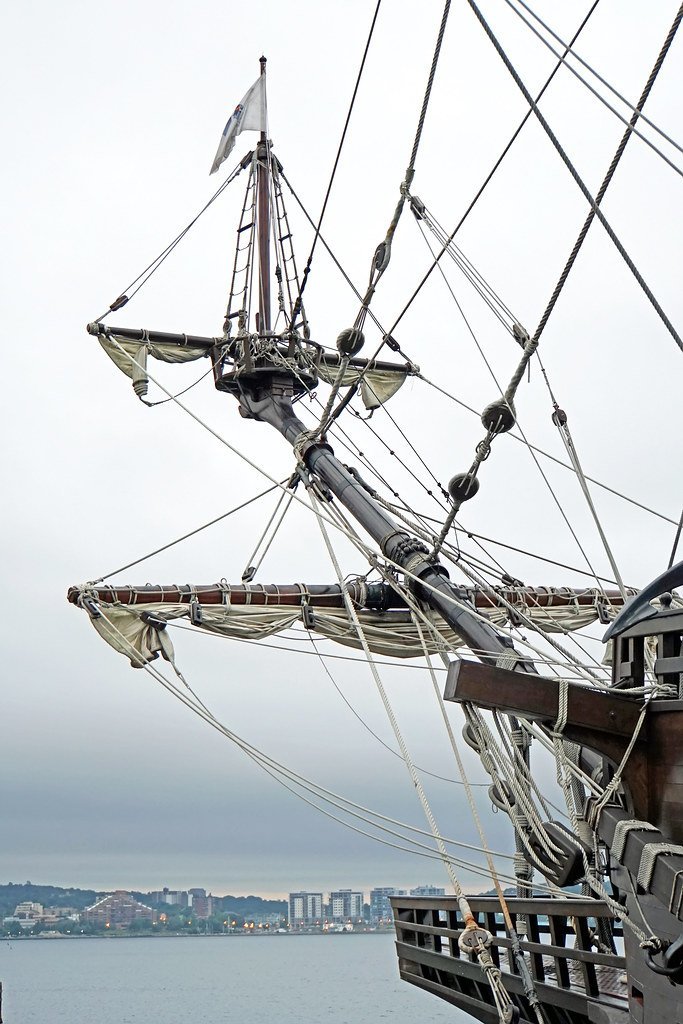
The København was last heard from on December 28, 1928. For two years following its disappearance, sightings of a mysterious five-masted ship fitting its description were reported in the Pacific Ocean. She was a stunning training vessel, one of the largest sailing ships ever built, and she carried a crew of young naval cadets on what should have been a routine voyage. Instead, she sailed into history’s blind spot.
The ship left Buenos Aires heading for Australia, and was never seen or heard from again. No wreckage, no bodies, no SOS signal was ever confirmed. The reported Pacific sightings of a ghost vessel matching her description, appearing and then vanishing in fog and open water, gave sailors in the region cause for genuine unease for years. It’s hard not to wonder what those young cadets experienced in their final hours, whether it was a catastrophic storm or something else entirely. The sea gave nothing back, as usual.
9. SV Kaz II (2007): The Engine Was Still Running
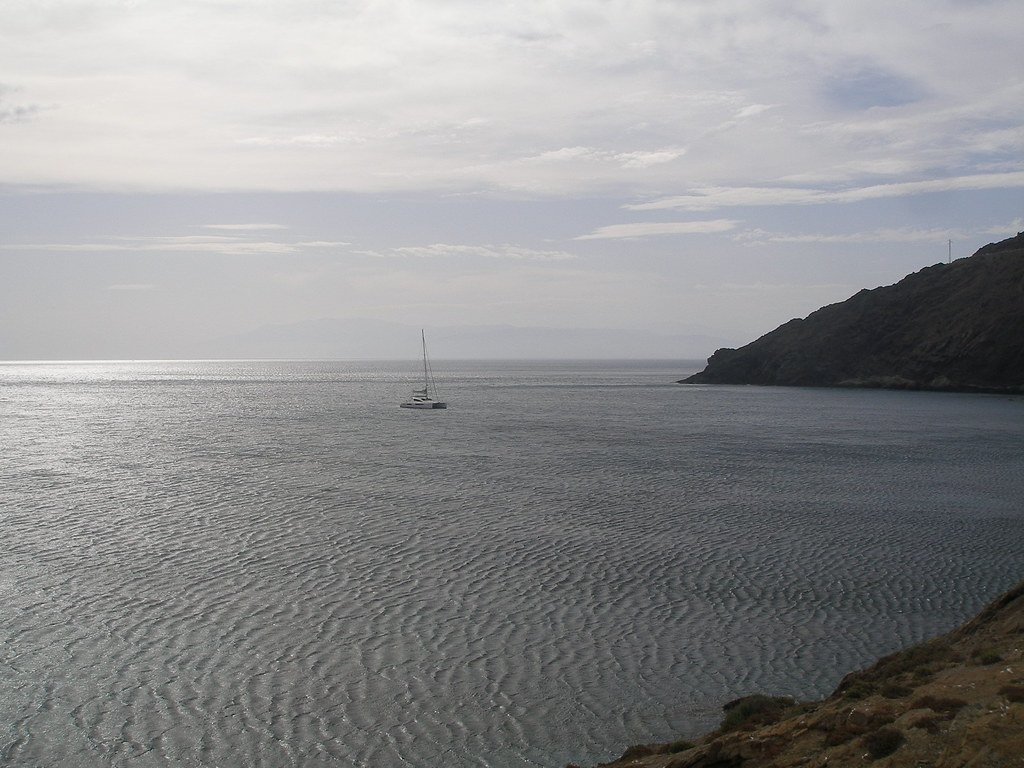
The SV Kaz II, a 12-metre catamaran, set sail on April 15, 2007. She was filmed passing George Point, Hinchinbrook Island, Queensland, and that same day her GPS data showed her to be adrift. She was found adrift on April 18, 2007, near the Great Barrier Reef, 88 nautical miles off Townsville, Queensland, Australia. When boarded on April 20, the engine was still running, a laptop was running, the radio and GPS were working, and a meal was set to eat, but the three-man crew were not on board. All sails were up but one was badly shredded, while three life jackets and survival equipment were found on board.
The catamaran was in pristine condition, food laid out on the table, and personal belongings undisturbed, yet its crew of three had vanished without a trace. The eerie scene has led to widespread speculation, from sudden accidents to more mysterious disappearances. The coroner believed that the men may have fallen overboard. Let’s be real, though: three experienced crew members, calm enough conditions to set a meal, safety equipment still aboard, and yet all three gone? The “fell overboard” theory raises more questions than it answers. This is a 21st-century mystery, and it is no less baffling for being recent.
10. Witchcraft (1967): Gone Within 19 Minutes
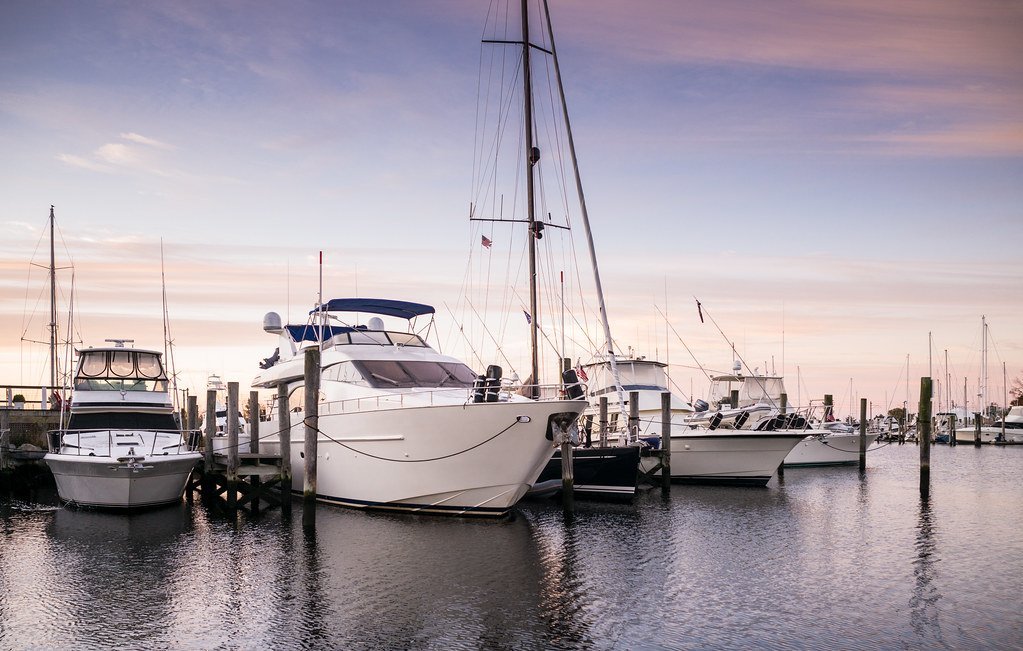
On the night of December 22, 1967, Dan Burack and Father Patrick Horgan left Miami’s yacht marina in Burack’s 23-foot cabin cruiser called Witchcraft. They planned to enjoy a spectacular view of Miami’s Christmas lights. The two gentlemen stopped near Buoy Number 7, less than one mile from shore, when they hit something below. They called the U.S. Coast Guard. That call was the last anyone ever heard from them.
The Coast Guard responded immediately, yet within 19 minutes of the call and arrival on the scene, the ship and its passengers had vanished. The Coast Guard expanded its search by 1,200 square miles that night. They even traveled northward to the Gulf Stream in case the ship had been pulled out by a brief squall. Six days of searching, over 24,500 square miles covered, yet not even the slightest trace or clue as to the whereabouts of Witchcraft or the two men. No explanation has ever been given for Witchcraft’s sudden disappearance, and no evidence has ever indicated that the ship sank. All we can assume is that Witchcraft was lost so unexpectedly that Burack didn’t even have time to fire a flare gun he had onboard. Less than a mile from shore, in calm conditions, a boat and two men simply ceased to exist. No one has ever explained it.
Conclusion: The Sea Never Tells
What makes these maritime mysteries so deeply unsettling is precisely what they have in common: the absolute absence of answers. No final moments captured, no wreckage to study, no survivors left to piece it together. The ocean is a vast and mysterious place, holding secrets that have captivated the human imagination for centuries. Among these mysteries are the legends of ghost ships, vessels found adrift, abandoned, or lost in strange circumstances.
Technology has advanced enormously in the decades since many of these ships vanished. Satellite tracking, deep-sea sonar, global communications. Yet even with all of it, the ocean remains stubbornly, magnificently secretive. The Waratah has never been found. The Cyclops rests somewhere on the ocean floor, unlocated. The Baychimo may still be drifting, for all we know.
There is something almost philosophical in that. The sea is the oldest thing on this planet, and it has never once felt obligated to explain itself to us. These ten ships are a reminder that for all our maps and machines, there are still places in this world where people vanish and no one will ever know why. What would you have guessed was out there, had you been the last one aboard?

Besides founding Festivaltopia, Luca is the co founder of trib, an art and fashion collectiv you find on several regional events and online. Also he is part of the management board at HORiZONTE, a group travel provider in Germany.
