

For any feedback please reach out to info@festivalinside.com
- Ten Most Lopsided Battles In History Ever - April 4, 2026
- These 10 Forgotten Literary Masterpieces Are Just Waiting to Be Rediscovered - April 4, 2026
- These 10 Historical Events Had Far-Reaching Consequences We Still Feel Today - April 4, 2026
ReBoot (1994–2001)

Few cartoons have ever dared to break the mold quite like ReBoot. As the world’s first fully CGI-animated TV series, it threw open the doors to a digital universe where every character was a program inside a computer. At a time when most children’s shows stuck to light, simple themes, ReBoot boldly explored complex topics like corruption, loss, and even mortality. Viewers were stunned by how the show’s storylines evolved from lighthearted adventures to shockingly dark and mature arcs. The visuals were ahead of their time, inspiring awe with every new episode. For four seasons, ReBoot fascinated both kids and adults, and while it was eventually cancelled, its legacy remains deeply etched in animation history. Many fans still remember the chills they felt during its most intense moments, and its influence on modern CGI animation is undeniable.
The Pirates of Dark Water (1991–1993)

The Pirates of Dark Water captivated audiences with its sweeping fantasy world and high-stakes adventure. Unlike typical Saturday morning fare, this series dared to deliver a serialized story, keeping fans on the edge of their seats as heroes searched for the Thirteen Treasures of Rule. The threat of the creeping, mysterious Dark Water felt truly menacing, and the show’s lush animation made the fantastical world feel alive and dangerous. Despite its originality, the series was cut short before it could conclude, leaving fans craving answers. Its characters, from the determined Ren to the monstrous Bloth, were memorable and surprisingly complex for the genre. The sense of unfinished business still haunts devotees, and the show’s rich atmosphere has kept it alive in the memories of those who watched.
Mission Hill (1999–2002)

Mission Hill arrived quietly but made a lasting impression with its honest, funny look at urban life and early adulthood. Its unique, colorful art style set it apart visually, but it was the writing that really resonated. Characters like Andy and Kevin French felt real, with relatable struggles about careers, friendships, and identity. The humor was sharp, sometimes biting, but always rooted in a genuine affection for its oddball cast. Though cancelled after just two seasons, the show’s cult following has only grown, with fans drawn to its slice-of-life storytelling and diverse, inclusive characters. For many, it captured the uncertainty and hilarity of young adulthood better than any live-action sitcom of its time.
Fillmore! (2002–2004)
Fillmore! was a masterful parody of classic cop dramas, set against the unlikely backdrop of a middle school. Every case was treated with the gravity of a gritty police procedural, with the school safety patrol standing in for hard-boiled detectives. The show didn’t just rely on its clever premise—it delivered surprisingly deep discussions about justice, ethics, and redemption. The characters, especially Cornelius Fillmore and Ingrid Third, were nuanced and relatable, each dealing with their own past mistakes. The witty dialogue made it a hit with adults as well as kids, and its unique style helped it stand out in a crowded field. Even though it lasted only two seasons, Fillmore! is remembered for its originality and its willingness to treat its audience with respect.
Cybersix (1999)

Cybersix was a rare gem, blending noir, science fiction, and superhero drama into one mesmerizing package. Based on an Argentine comic, the show followed Cybersix, a genetically engineered heroine living a double life as a teacher by day and vigilante by night. The animation was stunning, with a moody, gothic aesthetic that set it apart from anything else on TV. Despite exploring heavy, mature themes like identity, loss, and loneliness, Cybersix never lost its sense of hope or adventure. Unfortunately, it was cancelled after just one season, leaving viewers wanting more of its emotional storytelling and unique world. Still, its impact is felt among fans who recognize it as one of the most artistically ambitious cartoons of its era.
Mighty Max (1993–1994)

Mighty Max might have been inspired by a toy line, but it took viewers on surprisingly dark and mythologically rich adventures. The show followed a boy named Max who, guided by cryptic mentors, traveled through portals to battle ancient evils. Unlike many cartoons of its time, Mighty Max didn’t shy away from scary moments or tragic consequences. The finale, in particular, was unusually somber and thought-provoking, leaving many fans stunned. Each episode carried a lesson, and the show respected its audience’s intelligence, never talking down to kids. Even with its brief two-season run, Mighty Max has left a powerful impression on those who experienced its epic tales.
Detention (1999–2000)
Detention took a simple premise—a group of kids stuck in school detention—and turned it into something truly special. The cast was a delightful mix of misfits, each with their own quirks and insecurities, making their struggles and triumphs highly relatable. The show’s humor was offbeat and clever, appealing to kids and adults alike. It addressed themes of friendship, acceptance, and individuality in a way that felt fresh and genuine. Despite lasting just one season, Detention’s characters and smart writing have kept it alive in the hearts of those who watched. It’s a testament to how even the simplest ideas can be unforgettable with the right execution.
The Maxx (1995)

The Maxx was unlike anything else on TV—a surreal, psychological journey through trauma and mental illness, wrapped in the guise of a superhero cartoon. Airing on MTV’s Oddities block, it followed the titular Maxx as he navigated both a harsh reality and a fantastical dream world. The show’s visuals were striking, often shifting between gritty urban landscapes and bizarre, dreamlike realms. Its narrative was complex and sometimes unsettling, forcing viewers to grapple with difficult topics rarely addressed in animation. Though it was short-lived, The Maxx developed a devoted following for its bold storytelling and haunting imagery. Fans still recall the chills they felt as the show delved into the mysteries of the mind.
Freakazoid! (1995–1997)

Freakazoid! was pure, chaotic genius—a superhero show that gleefully broke every rule. Created by Bruce Timm and Paul Dini, it featured a teenager who transformed into the manic, unpredictable Freakazoid, constantly breaking the fourth wall and subverting expectations. The humor was wild and absurd, packed with pop culture references and meta jokes that flew over the heads of many adults, let alone kids. Critics and fans alike have praised its inventive writing and fearless approach to comedy. Freakazoid! only lasted two seasons, but its influence can be seen in the wave of irreverent animated comedies that followed. The show’s weirdness, once a liability, is now its greatest legacy.
Bump in the Night (1994–1995)
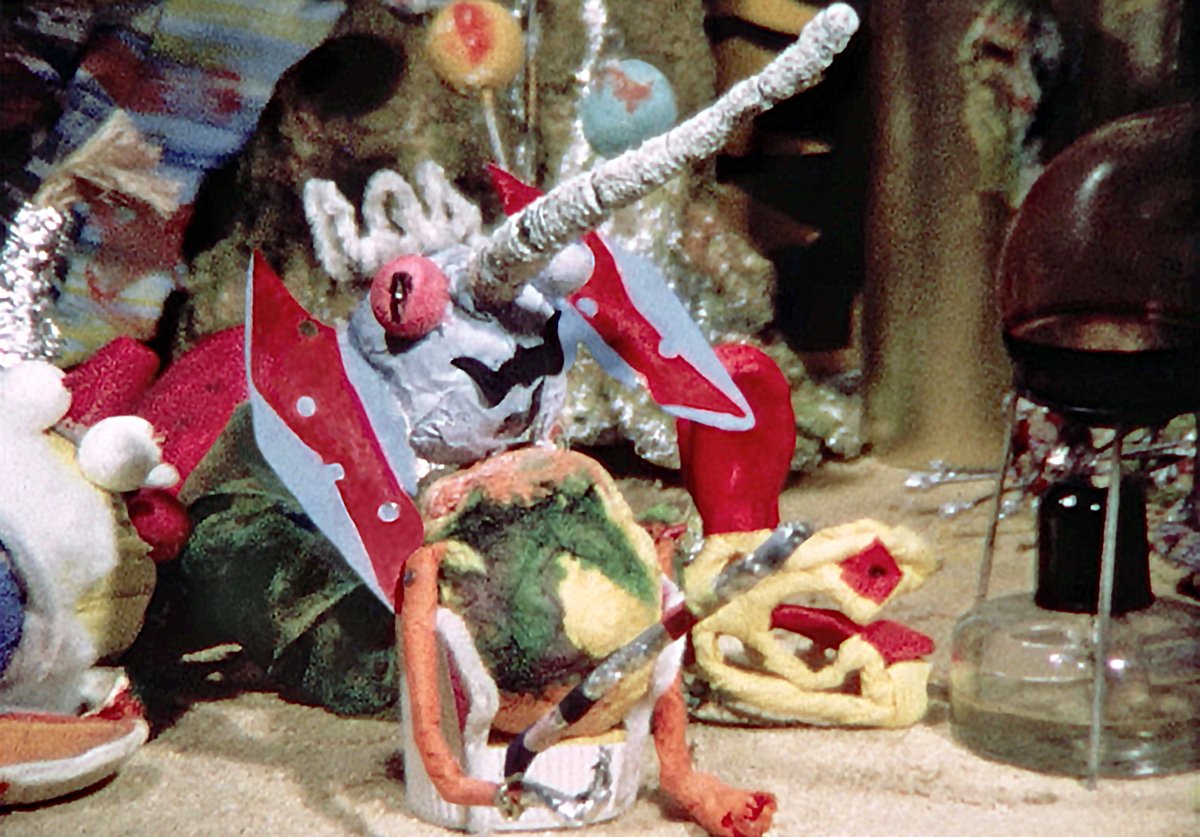
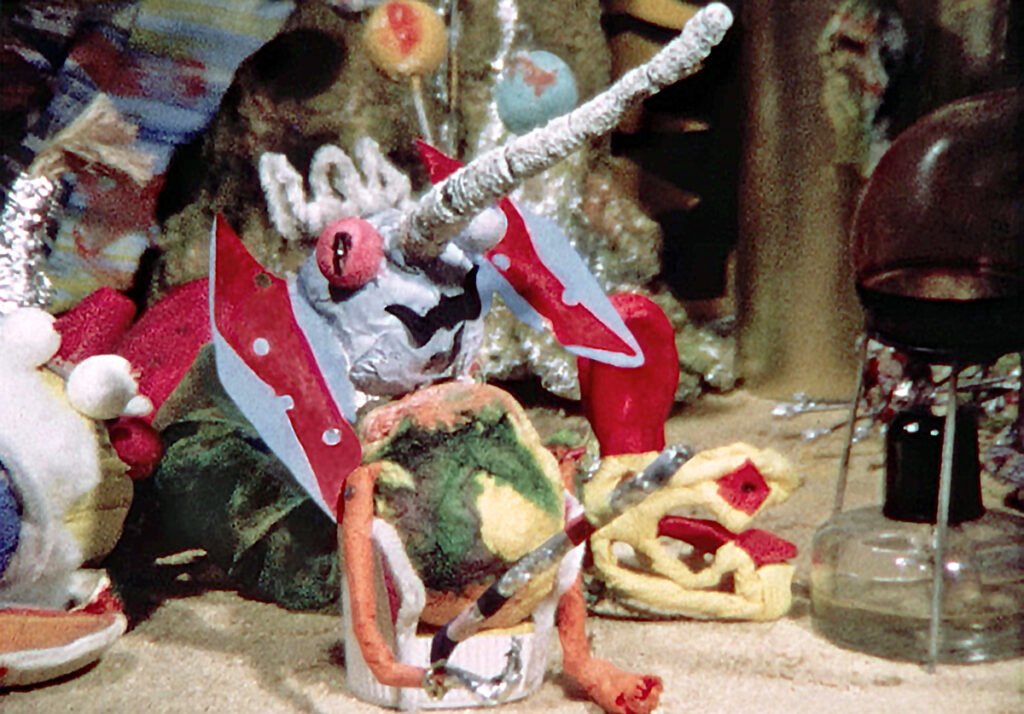
Bump in the Night brought the world of stop-motion animation to life in the most charming and spooky way possible. It centered on lovable monsters like Mr. Bumpy, who lived under the bed and got into mischief whenever humans weren’t looking. The show’s creative visuals and catchy musical numbers made every episode a treat, balancing just the right amount of fun and fright. Themes of friendship and imagination ran throughout, giving the show a heartwarming core. Despite its short run, Bump in the Night is fondly remembered for its inventive style and the sense of wonder it inspired in young viewers. The series proved that even the creatures under the bed could be heroes in their own right.

Christian Wiedeck, all the way from Germany, loves music festivals, especially in the USA. His articles bring the excitement of these events to readers worldwide.
For any feedback please reach out to info@festivalinside.com
