

- 10 Most Romantic Glamping Getaways In America - April 4, 2026
- These 12 Musical Genres Defined Generations, But Are Now Rarely Heard - April 4, 2026
- These 8 Abandoned Historical Sites Hold More Secrets Than Modern Cities. - April 4, 2026
There’s something almost eerie about the way certain people get dressed. Not just well dressed. Timelessly dressed. In a way that makes you look at a 1960s photograph and think, “She could walk into a party tonight and turn every head in the room.” Fashion is supposed to move fast. It’s supposed to forget. Yet a handful of human beings have managed to become permanent fixtures in the industry’s memory, their choices seeping quietly into every runway, every lookbook, every mood board saved at 2 a.m. on someone’s phone.
What is it that separates a trendsetter from a true icon? Honestly, it’s a hard question to answer. But the people on this list seem to have cracked some kind of code, leaving fingerprints on the present even from across decades. Prepare to be surprised by just how close to home their influence still runs.
1. Coco Chanel – The Woman Who Rewrote the Rules
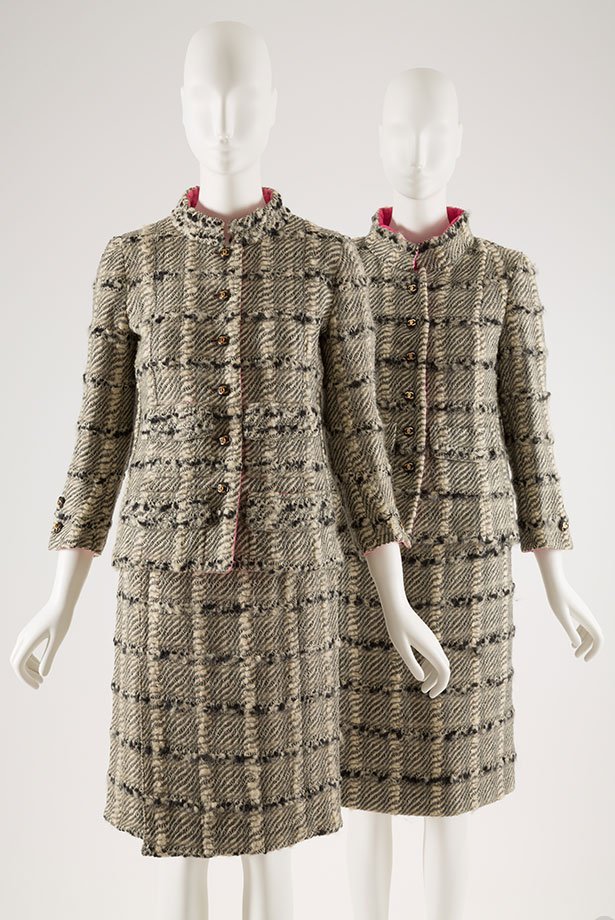
Gabrielle “Coco” Chanel didn’t just design clothes. She liberated women from the physical and social constraints that fashion had imposed for centuries, making simplicity chic, comfort elegant, and functionality fashionable. It’s almost impossible to overstate what that meant in an era of corsets and lace frills. Her influence extends so far beyond her lifetime that many of her innovations – the little black dress, costume jewelry, jersey fabric for women’s wear, comfortable yet elegant shoes – are now so ubiquitous that we forget they were once revolutionary.
Today, Chanel stands as an enduring symbol in the fashion world, exemplified by the blockbuster exhibition at London’s Victoria and Albert Museum, titled “Gabrielle Chanel: Fashion Manifesto.” Her influence on contemporary fashion is undeniable, with timeless creations such as the tweed suit, the little black dress, and the quilted classic flap handbag remaining relevant and coveted today. More than a century after she opened her first boutique, we still live in the world Chanel created, where women can dress for comfort and elegance, where personal style matters more than rigid rules.
2. Audrey Hepburn – Elegance as a Philosophy
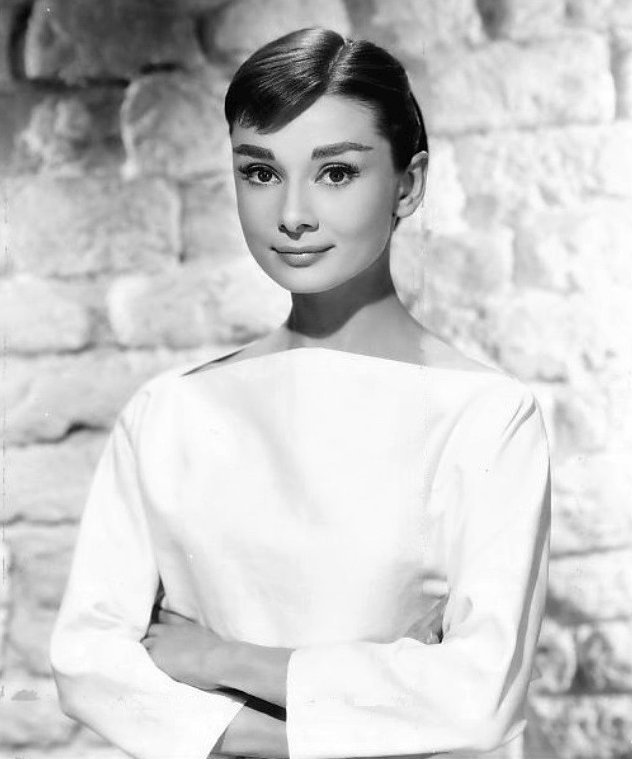
frontback, Public domain)
Audrey Hepburn’s style is synonymous with classic elegance. Her iconic black dresses, paired with ballet flats, revolutionized simplicity in fashion. Hepburn’s chic minimalism, often complemented by her signature pixie haircut, has inspired countless fashionistas. There was something refreshing about her. She proved you didn’t need excess to make an impact.
The Givenchy dress worn by Audrey Hepburn in “Breakfast at Tiffany’s” sold for $923,187 in 2006. The elegant gown, which the actress wore in the film’s opening scene, gave rise to the term “little black dress” and cemented Hepburn as a fashion icon. Hepburn’s and Givenchy’s collaboration revolutionized the fashion world, and over the years, designers like Alexander McQueen and John Galliano referenced Givenchy’s original design and added their own touch to it. In 2025, her silhouette still lives on every minimalist fashion mood board worth looking at.
3. Grace Kelly – Quiet Power, Thunderous Legacy
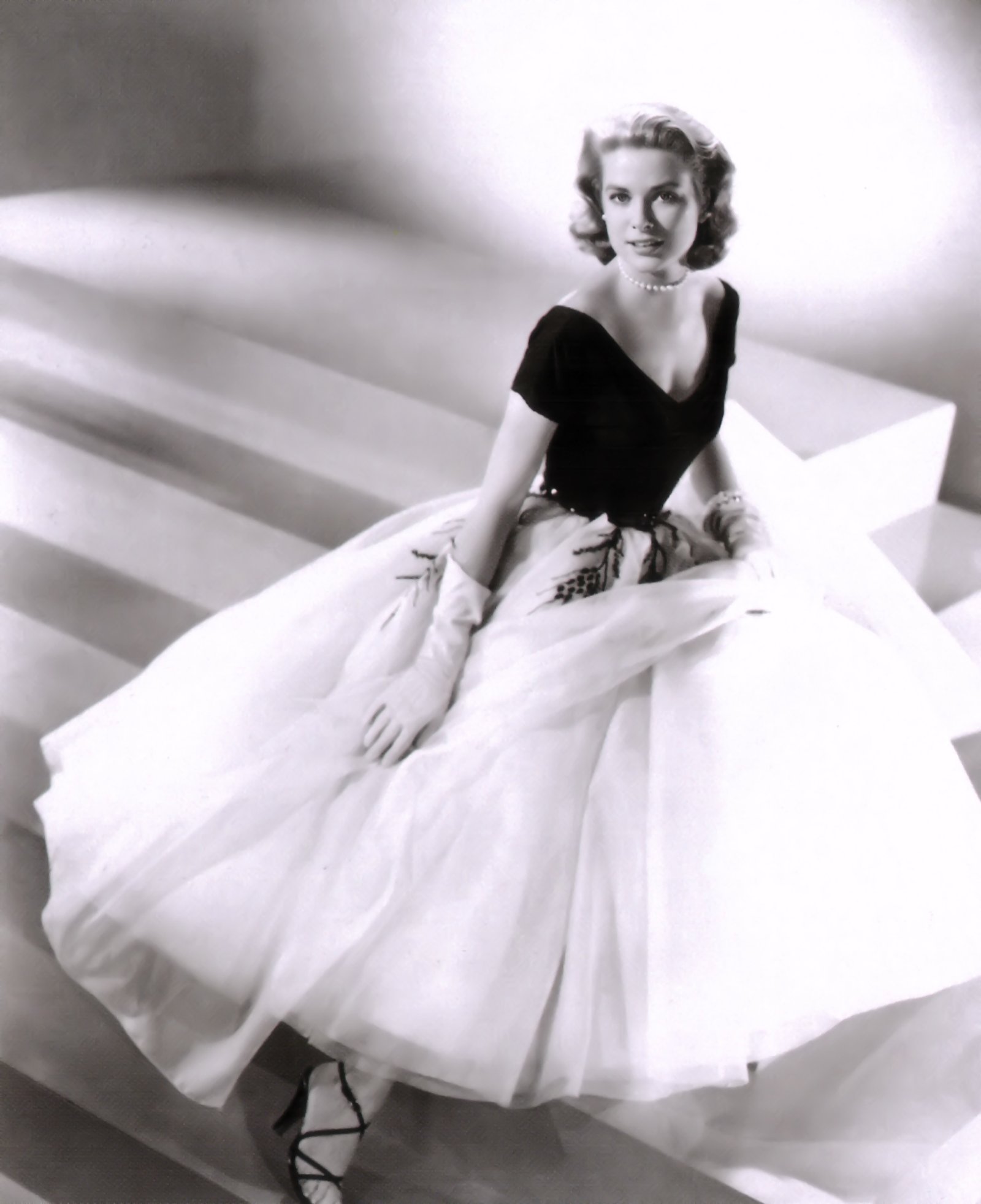
To kick off a trend is one thing. To set the standards for decades of women’s fashion is next-level influence. An influencer before it was mainstream, actress and princess Grace Kelly is the kind of trendsetter that inspires gasps. Her wardrobe, according to Time magazine, combined with her poise and confidence, brought forth a timeless style that continues to influence the likes of Hermès, Tommy Hilfiger, and Mad Men’s costume designer Janie Bryant.
Testament to her prolonged mark in the fashion world, the Hermès handbag she once used to conceal her baby bump is still known as the Kelly bag. The intricate design and luxurious materials of her 1956 wedding gown have left an indelible mark on bridal fashion, influencing modern styles and inspiring similar designs seen in royal weddings, including the elegant gown worn by Kate Middleton. The continued admiration for Grace Kelly by modern designers and the fashion industry at large is a testament to her lasting impact, with her style remaining a benchmark for fashion aficionados and designers.
4. Marilyn Monroe – Glamour That Never Goes Out of Style
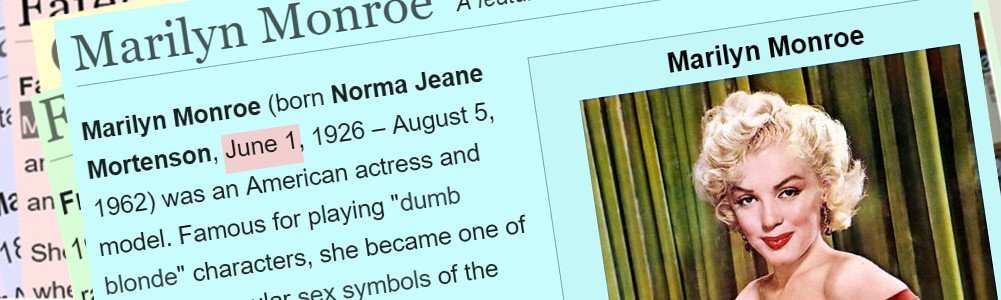
On-screen, she captivated audiences with her sultry charm, influencing fashion trends with every appearance. Her iconic white dress from “The Seven Year Itch” remains a symbol of classic Hollywood glamour. Monroe’s fearless approach to fashion continues to inspire those who embrace their femininity with confidence. That dress alone has become one of the most reproduced cultural images in fashion history.
Marilyn Monroe’s billowing white dress from “The Seven Year Itch” sold for a record-breaking $4.6 million at auction in 2011. Designed by William Travilla, the iconic dress became synonymous with Monroe’s glamorous legacy. Decades on, her aesthetic keeps being revisited by major fashion houses. The hourglass silhouette she so effortlessly inhabited has cycled back repeatedly, and honestly, it feels like it never really left.
5. Yves Saint Laurent – The Architect of Modern Dressing
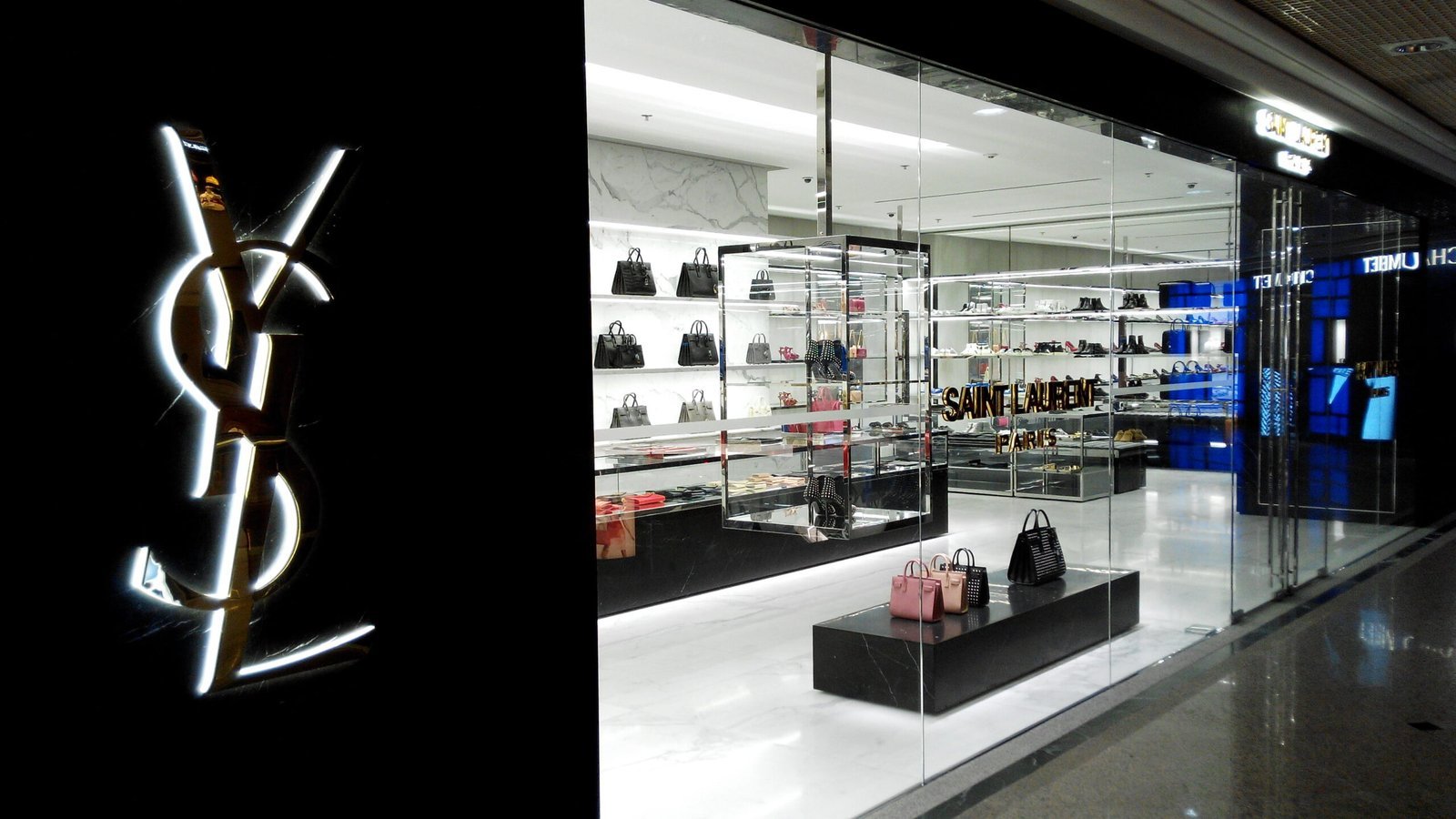
Yves Saint Laurent is unmistakably one of the world’s most influential designers. He pioneered “power dressing” for women and created the first women’s tuxedo suit. His fearless approach to blending masculine and feminine elements remains a foundation of modern designer fashion brands. That act alone, giving women the tuxedo, was the kind of move that ripples through history.
Yves Saint Laurent introduced a series of innovations in women’s fashion, becoming a trendsetter, experimenting with new styles and materials, and bringing into vogue the tubular silhouette and glamorous images. His influence showed up very visibly at Paris Fashion Week in 2025, where, as reported by the UCSD Guardian, Yves Saint Laurent’s men’s collection integrated leather into clean-cut, retro suits, drawing heavily from foundational house codes built on contrast, clean lines, and restraint. Some legacies don’t just survive. They keep evolving.
6. David Bowie – The Icon Who Made Fashion Fearless
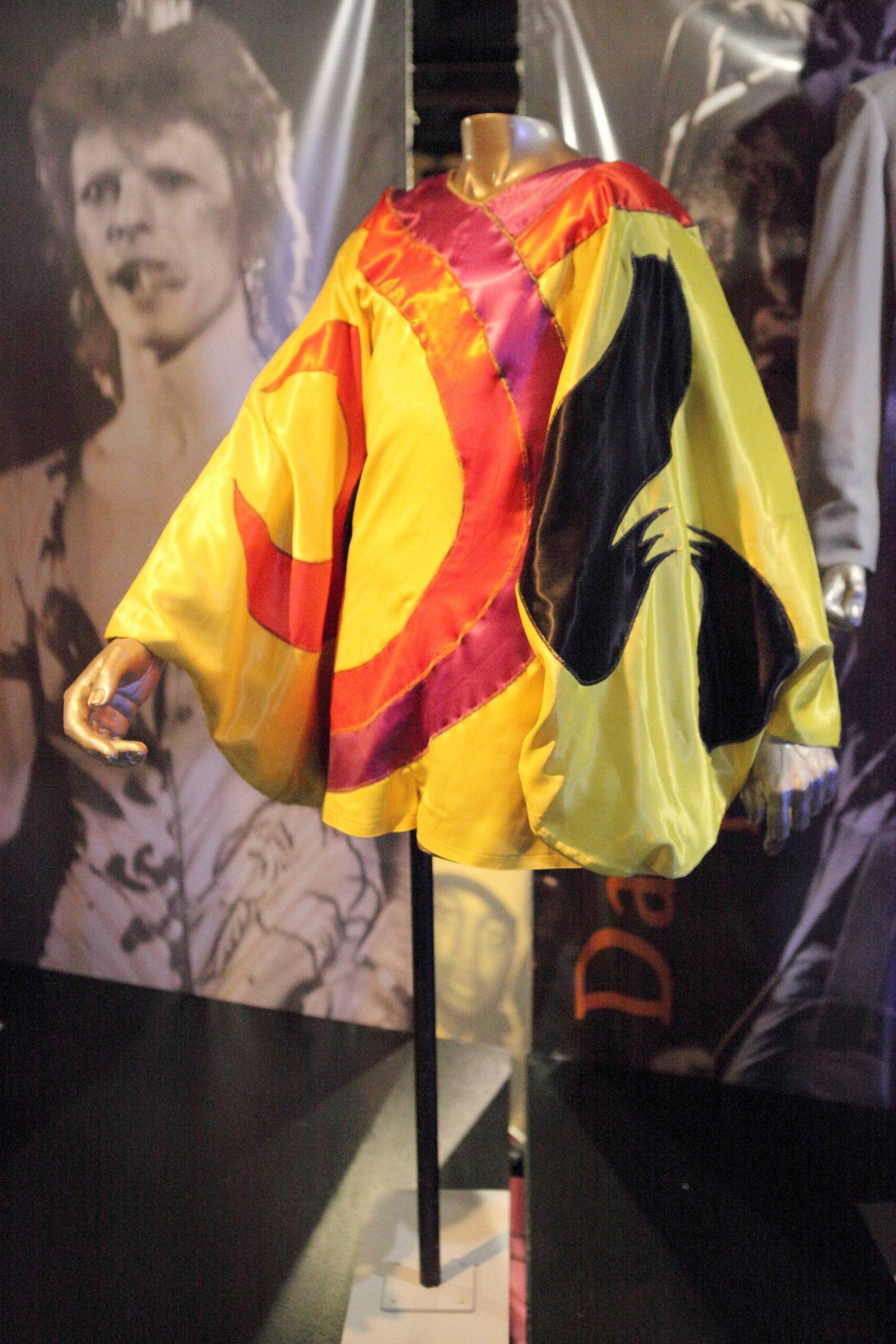
Known for his bold, eclectic outfits, Bowie defied conventional gender norms with his fashion choices. His fearless creativity set him apart as a true style icon. From Ziggy Stardust to the Thin White Duke, Bowie’s transformative style was a visual representation of his artistic evolution. It wasn’t just fashion. It was performance art wearing a jacket.
His influence is seen in modern fashion’s embrace of gender-fluidity. Bowie’s legacy encourages self-expression and creativity, continuing to inspire those unafraid to push fashion boundaries. The gender-fluid movement that has gained enormous momentum on runways throughout the 2020s owes a considerable debt to Bowie’s fearlessness. Designers referencing his aesthetic have included major names across Paris and Milan fashion weeks, and that conversation shows no sign of slowing down.
7. Twiggy – The Face That Changed Fashion’s Blueprint
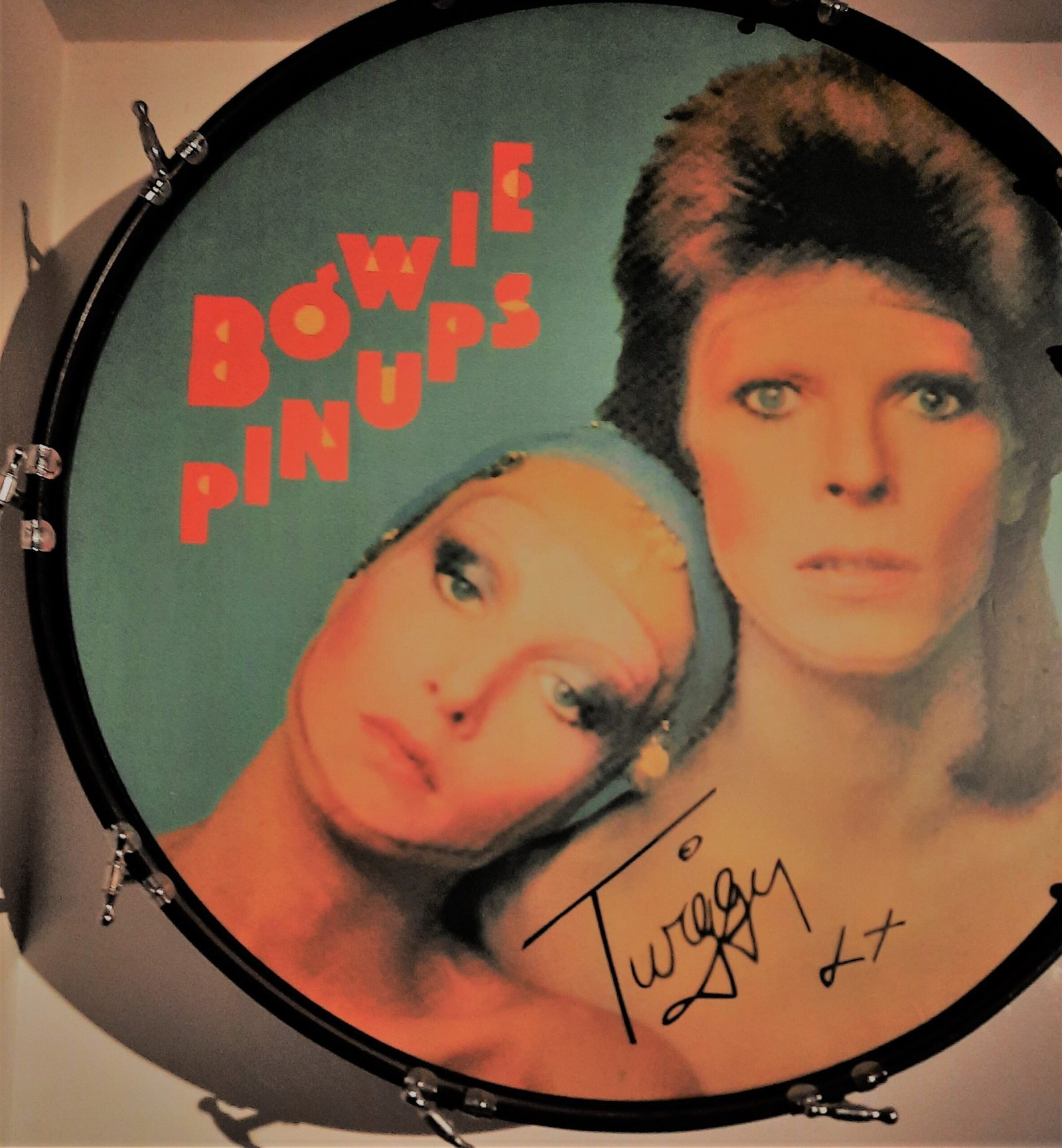
Twiggy’s youthful charm made her a symbol of mod fashion. Her iconic mini dresses and bold prints captured the spirit of the 1960s. Twiggy’s dramatic eye makeup and androgynous chic challenged traditional beauty standards. As a supermodel, she defined an era with her unique look and playful style. No one had looked quite like her before. That was precisely the point.
Twiggy’s popularity not only influenced many people to try and imitate her look, but also drastically influenced the rise in power of models in the fashion industry. By doing exactly that, Twiggy paved the way for models like Cindy Crawford, Claudia Schiffer, and Naomi Campbell, all of whom went on to become cultural forces well beyond the runway. The mod-inspired mini and bold graphic prints she championed in the 1960s have returned to runways repeatedly, most recently echoed in the Y2K revival that dominated 2024 and continues shaping collections into 2025.
8. Princess Diana – Rebellion Dressed in Couture
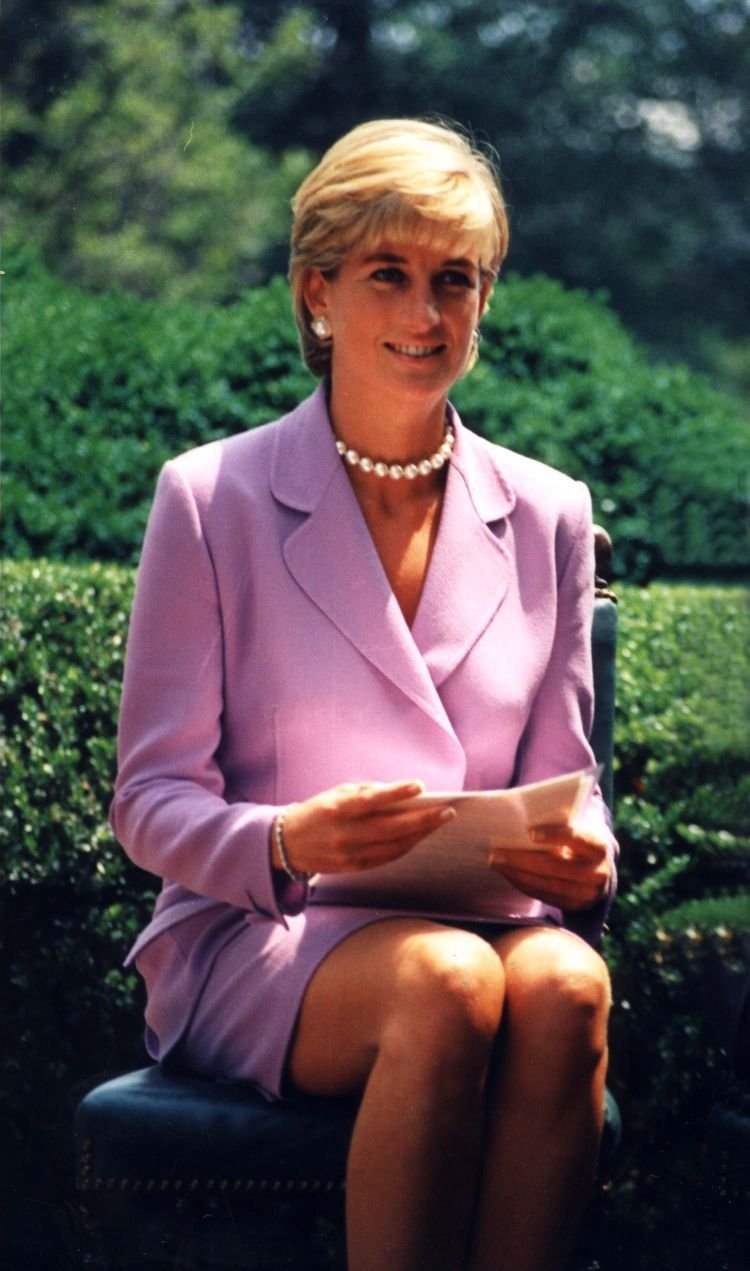
Princess Diana’s effortless elegance made her a beloved fashion icon. Known for her iconic evening gowns and statement sweaters, she struck a perfect balance between formal and casual wear. Diana’s fashion choices were both bold and relatable. Her ability to mix high fashion with everyday style captivated the world. That combination of access and approachability was revolutionary for someone in her position.
The “Revenge Dress” and her casual jeans and blazer look remain iconic. Diana’s fashion legacy is one of grace and approachability, inspiring generations seeking elegance without sacrificing personality. As reported by fashion journalists repeatedly throughout 2023 to 2025, Diana’s influence on the “quiet luxury” movement and her affinity for knitwear have both returned with force, with her oversized cycling shorts and chunky sweater combinations directly inspiring entire athleisure aesthetics worn today. I think it’s safe to say she would have had an extraordinary Instagram feed.
9. Kate Moss – The Original Cool Girl
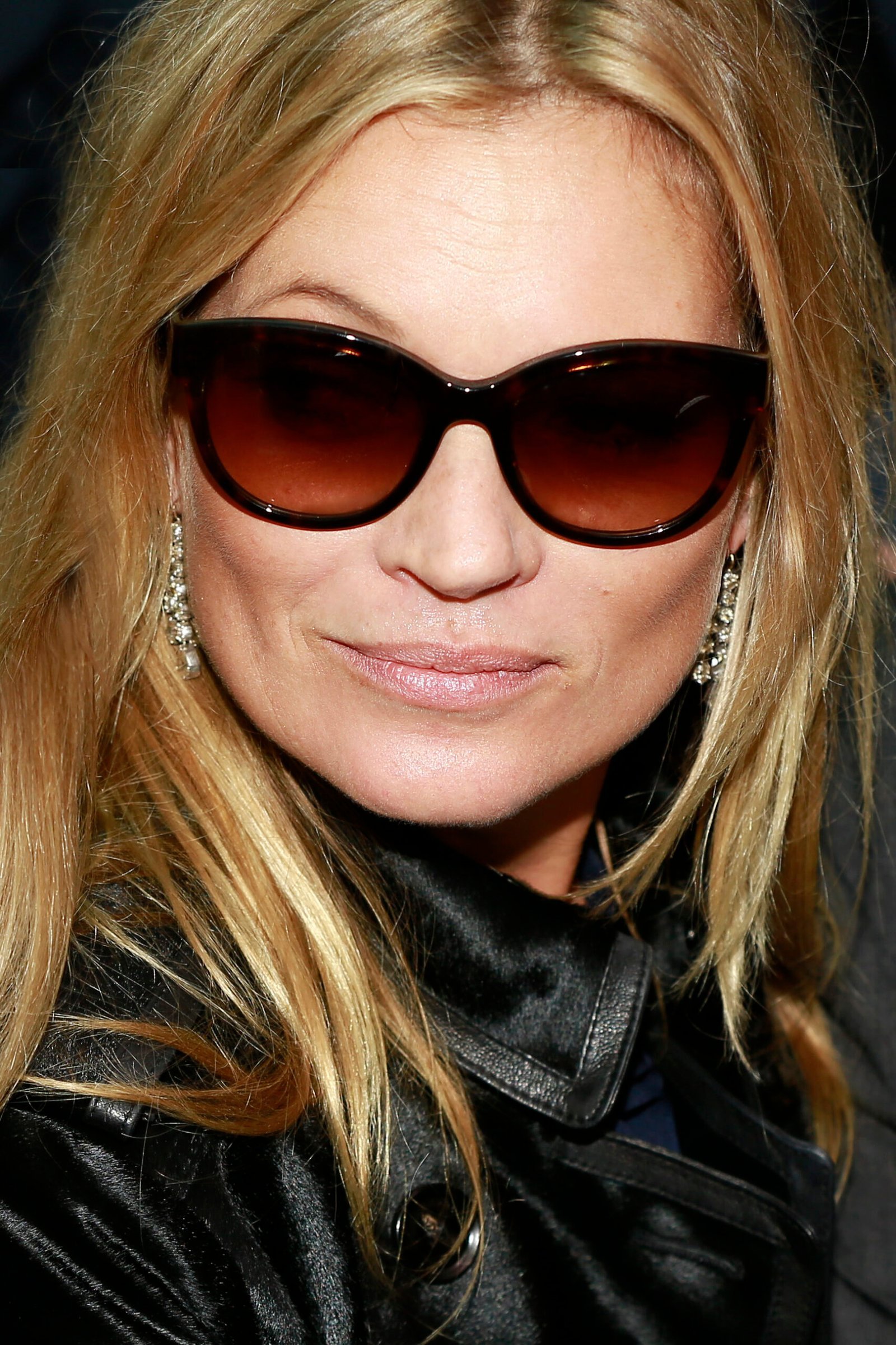
Kate Moss’s journey to becoming one of the most recognisable faces in fashion began with a serendipitous encounter at JFK Airport. At just 14 years old, she was spotted by Sarah Doukas, the founder of Storm Model Management, who saw the potential in the young girl’s unique look and undeniable presence. This chance meeting would launch Moss into the world of modelling and set her on a path to becoming a global icon.
As a pioneer in setting trends, Moss’s impact continues to shape the way designers and fashionistas approach style. Her timeless style and innovative approach to fashion will undoubtedly inspire future generations of designers and fashion enthusiasts. The UCSD Guardian noted in early 2025 that the boho-chic resurgence at Paris Fashion Week echoes the prime of Kate Moss, renovating past trends to the updated tastes of the aspirational and experimental modern woman. That’s a legacy still actively unfolding in real time.
10. Yves Saint Laurent’s Muse: The Broader Legacy of Power Dressing for Women
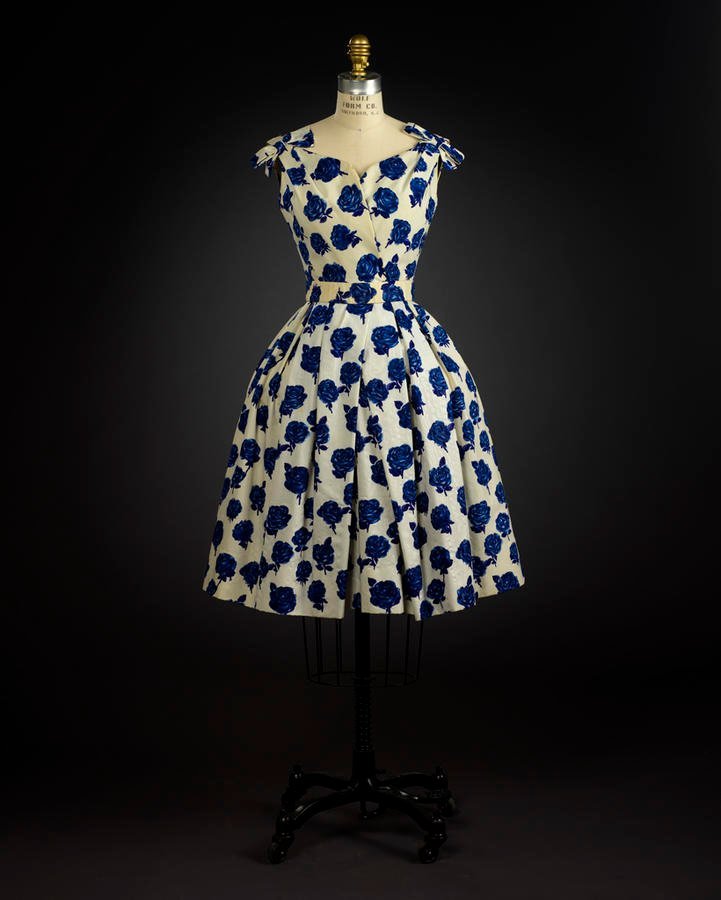
Let’s be real – the legacy of bold, structured, empowered dressing for women is inseparable from the icons who wore it best. The 1980s saw the emergence of power suits, characterized by sharp shoulder pads, tailored blazers, and high-waisted trousers or skirts, a trend associated with the empowerment of women in the workplace. The decade was known for its diversity and willingness to embrace bold, exaggerated, and sometimes unconventional styles. And today’s tailoring revival is, at its core, a direct conversation with that era.
The cyclical return of structured blazers and wide-shoulder silhouettes across every major 2024 and 2025 runway is not coincidence. It is inheritance. Fashion is more than just clothing. It’s a reflection of the cultural, social, and economic dynamics of its time, and from the roaring twenties to the rebellious sixties and beyond, each decade has brought its own distinct fashion trends and styles that continue to inspire and influence modern fashion. The icons who shaped those decades are not relics. They’re blueprints.
A Final Thought
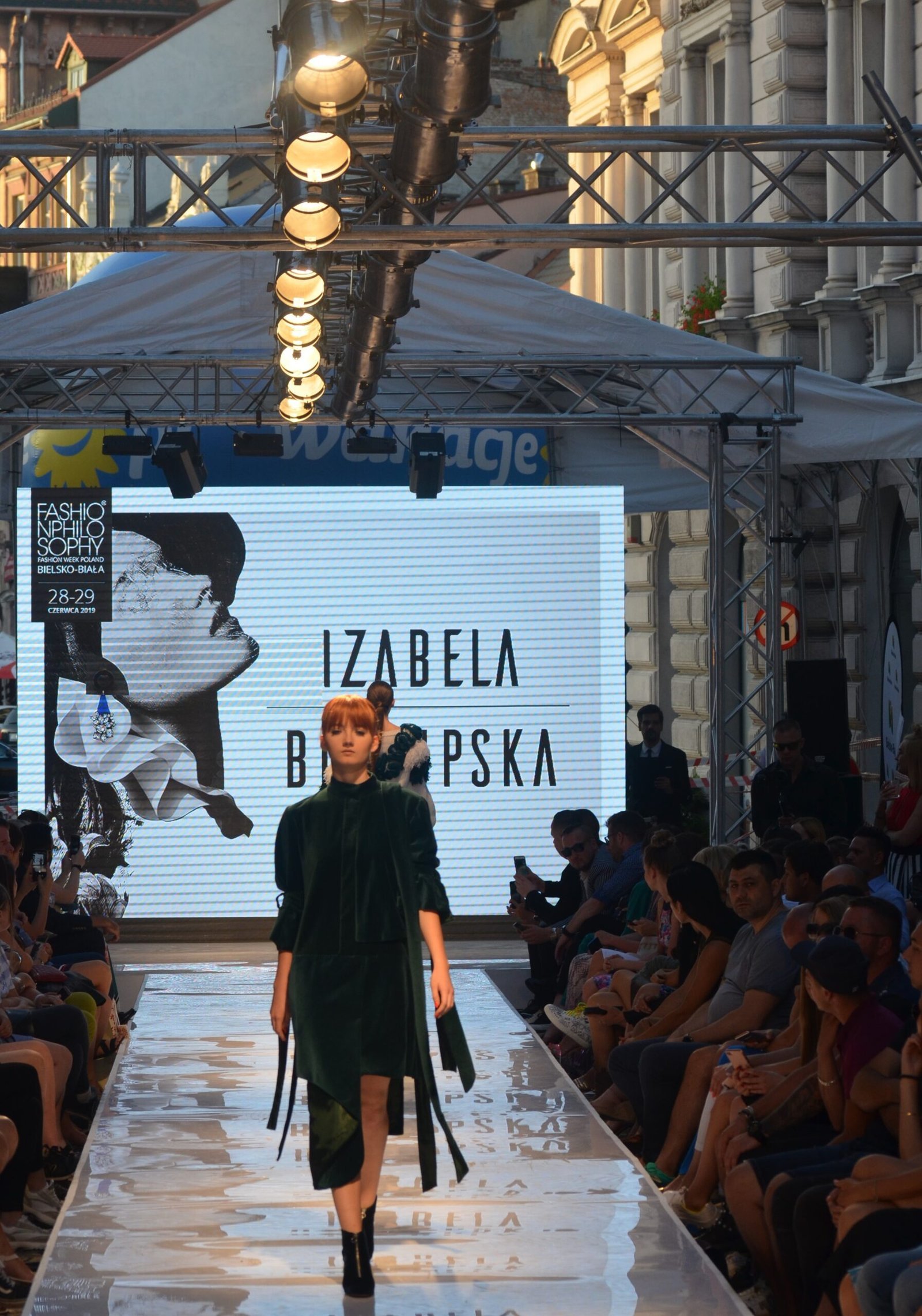
Styles come and go. Runways reset every six months. Social media moves so fast it can make your head spin. Still, the thread connecting today’s collections back to Chanel’s jersey separates, Hepburn’s ballet flats, Bowie’s lightning bolt, and Diana’s casual blazer is impossible to ignore. These ten figures didn’t just dress well. They changed the language of dressing entirely.
It’s worth asking yourself: the next time you reach for that little black dress, or slip on an oversized blazer, or layer a string of pearls over a simple sweater – whose shoulders are you actually standing on? What do you think about it? Tell us in the comments.
CEO-Co-Founder
