
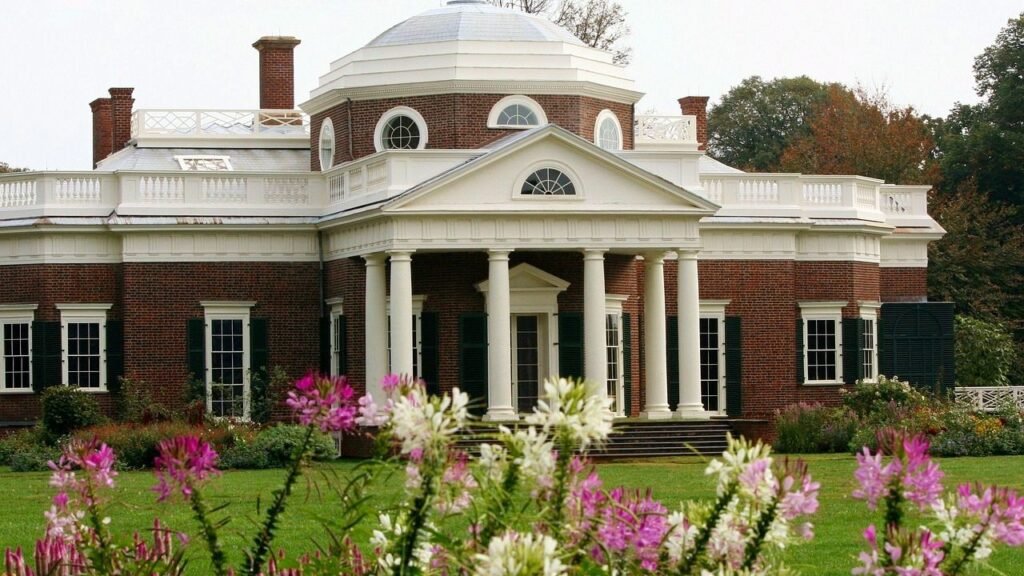

For any feedback please reach out to info@festivalinside.com
- 10 Mouthwatering Food Festivals in The US Every Foodie Need To Experience At Least Once - April 3, 2026
- The Most Iconic Music Festivals In The World - April 3, 2026
- Weirdest Quirks About Beethoven You May Not Know! - April 3, 2026
Few American states carry the weight of history quite like Virginia. This is a place where the story of an entire nation was written, revised, and fought over for centuries. From the first fragile English foothold on American soil to the final, decisive battles of the Civil War, Virginia, often called the “Mother of Presidents,” is a state full of rich history spanning over four centuries.
A record number of former U.S. presidents hailed from Virginia, eight total, including four of the first five. Think about that for a second. Nearly half of the nation’s earliest leaders called this single state home. That kind of density of historical importance is almost impossible to overstate. Whether you’re a die-hard history buff or just someone who enjoys a good story, Virginia has something that will leave a mark on you. Let’s dive in.
1. Explore Jamestown Settlement – Where America Truly Began
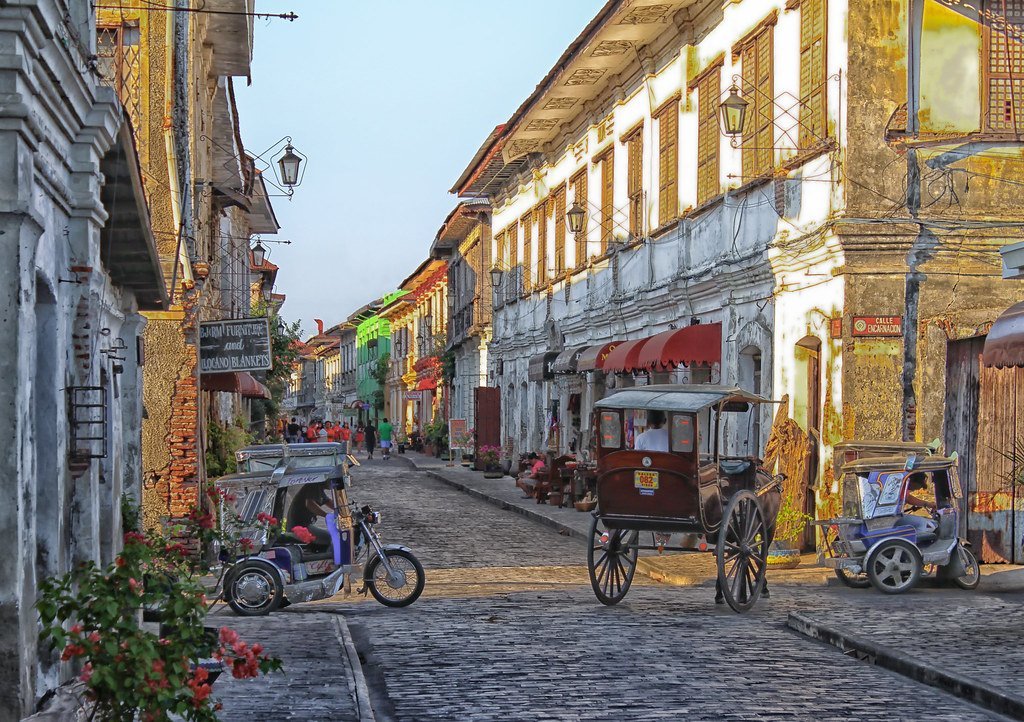
Let’s be real – there’s nowhere in America quite like Jamestown. The Jamestown Settlement was the first permanent English settlement in North America, and its history began in 1607, when a group of 104 English colonists, sponsored by the Virginia Company of London, arrived on the shores of the Chesapeake Bay. Just sitting with that fact for a moment is enough to give you chills.
The initial years of the settlement were difficult, with disease, famine, and conflict with Native American tribes taking a heavy toll on the colonists. The survival story is genuinely extraordinary. It’s the kind of thing that makes all our modern inconveniences feel embarrassingly trivial.
The living history museum features a reconstructed 17th-century fort, Powhatan Indian village, and replica ships, and the gallery exhibits showcase artifacts and interactive displays that explore the history and culture of the settlement, including the arrival of the first English colonists, the impact of the transatlantic slave trade, and the relationship between the English and Native Americans. There’s also something undeniably moving about Historic Jamestowne, the actual site of the first permanent British settlement in North America, where guests can explore how archaeology, science, and history are telling the complete story of survival, democracy, and freedom in Colonial America.
2. Walk Through Colonial Williamsburg – A Living, Breathing Time Machine
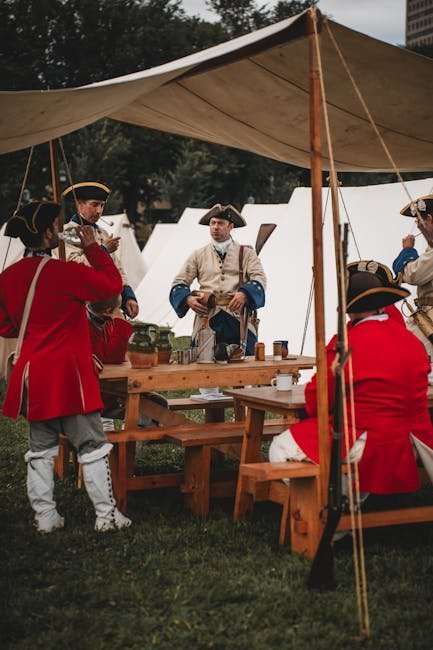
Honestly, the best word for Colonial Williamsburg is “immersive.” Colonial Williamsburg, the world’s largest living history museum, transports travelers back in time to experience 18th-century homes, peruse antique wares, and soak up the culture. It’s the closest thing to time travel most of us will ever experience.
The historic area not only tells the story of Virginia’s colonial capital city but recreates it, with 89 original 18th-century buildings as well as hundreds more that have been reconstructed. Walking those cobblestone streets feels less like visiting a museum and more like stepping into another century entirely.
Talented craftspeople and interpreters portraying historical figures help bring the town’s history to life, and the Art Museums of Colonial Williamsburg display colonial and contemporary folk art created by local amateur artisans. Right now in 2026, special events and experiences are marking America’s 250th anniversary, making it the perfect time to reconnect with America’s origin story and how Williamsburg shaped it from the very beginning, with 250 events and festivities all year long.
3. Visit George Washington’s Mount Vernon – A Founding Father’s Legacy Up Close
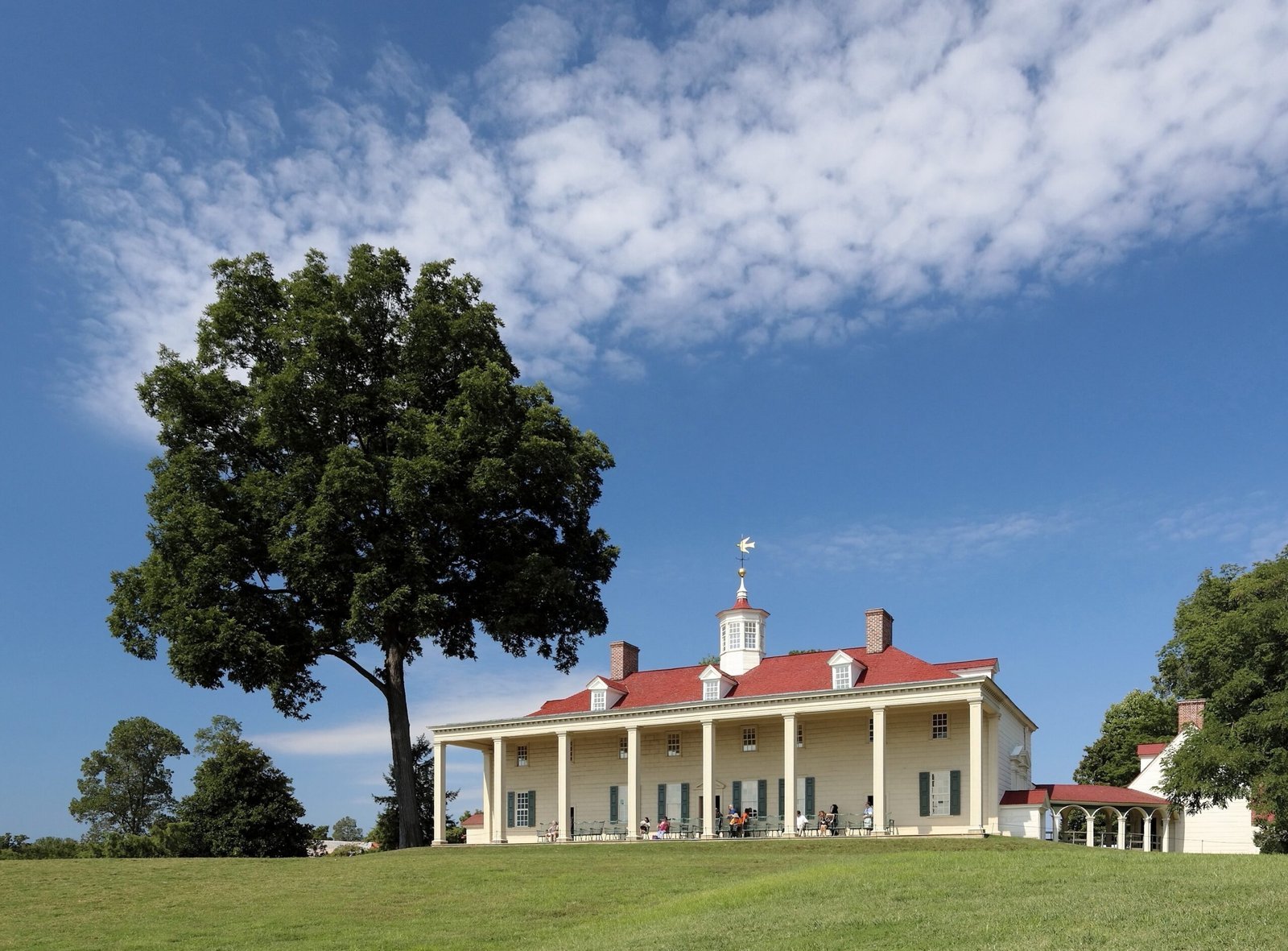
There’s something almost surreal about standing on the same ground where George Washington once stood, looking out over the same Potomac River he gazed at every morning. Washington spent 20 years orchestrating his vision of Mount Vernon and lived there with Martha until his death in 1799, and both George and Martha Washington were buried on the property in the family tomb, which visitors can still see while touring the grounds.
In addition to being America’s most visited historic home, the estate now includes 25 interactive galleries and theaters, and the Ford Orientation Center and the Donald W. Reynolds Museum feature artifacts, original movies, hands-on exhibits, and an immersive Revolutionary War experience. It’s not just a house tour – it’s a full-scale historical experience.
4. Tour Monticello – Thomas Jefferson’s Mountaintop Masterpiece
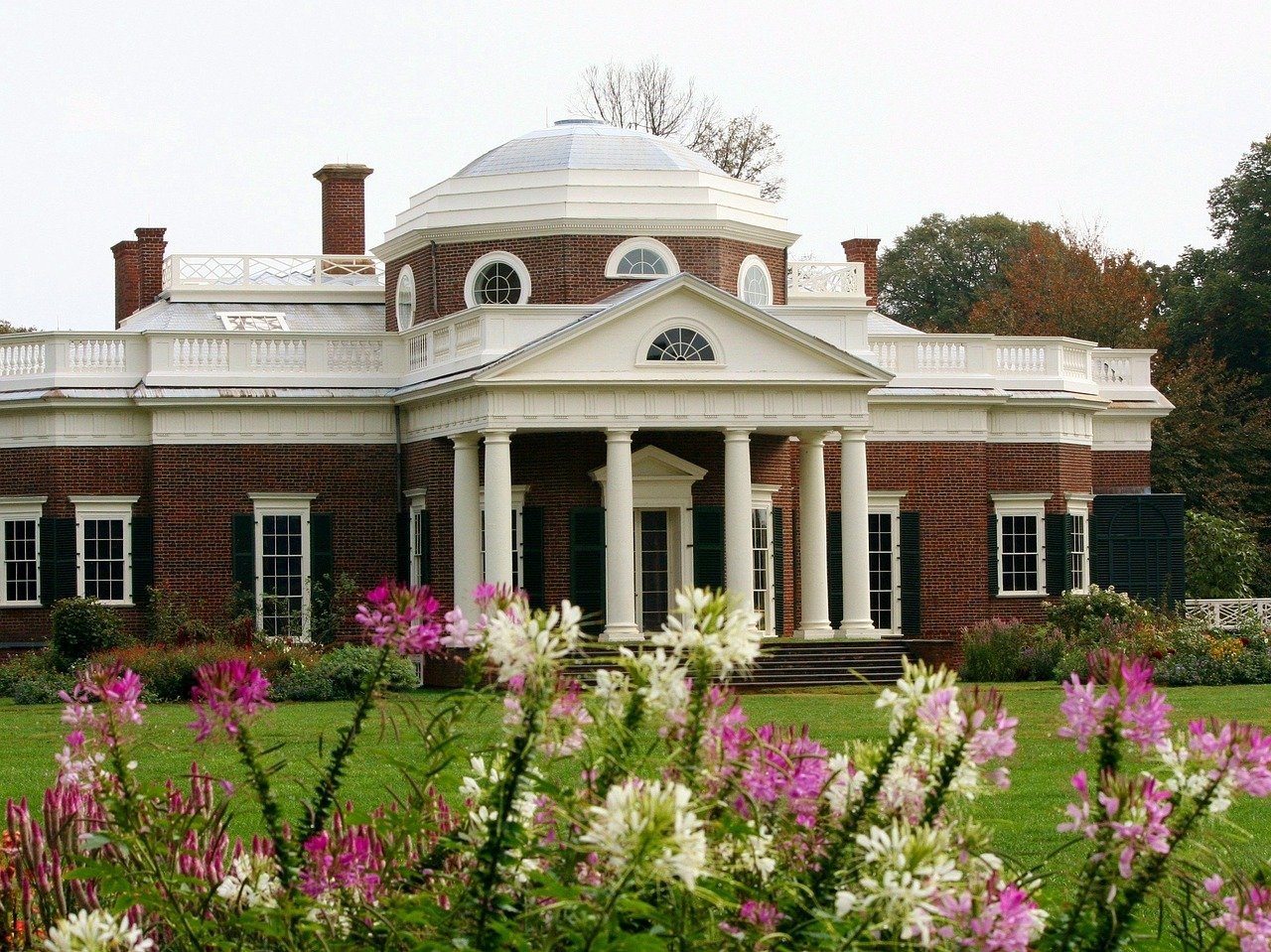
Of all the presidential estates in Virginia, Monticello is perhaps the most architecturally stunning. Monticello, located in Charlottesville, was Thomas Jefferson’s mountaintop home and plantation. Jefferson designed the home himself over decades, obsessively tinkering with its architecture much like a painter who can never quite put down the brush.
Monticello and the University of Virginia are recognized as a World Heritage site by UNESCO, and Jefferson was the third president of the United States, author of the Declaration of Independence, and founder of the University of Virginia. The weight of that legacy hits you hard when you’re standing in his study.
At Monticello in Charlottesville, visitors can listen to a talk about the history of slavery at the estate and explore an exhibit about Sally Hemings’ life. Hemings was an enslaved woman at Monticello who bore six of Jefferson’s children and negotiated for their freedom, and visitors have been particularly fond of this display. A variety of tour options ranging from 45 minutes to 3.5 hours are available depending on your unique interests.
5. Experience the Battlefields of Appomattox Court House – Where the Civil War Ended
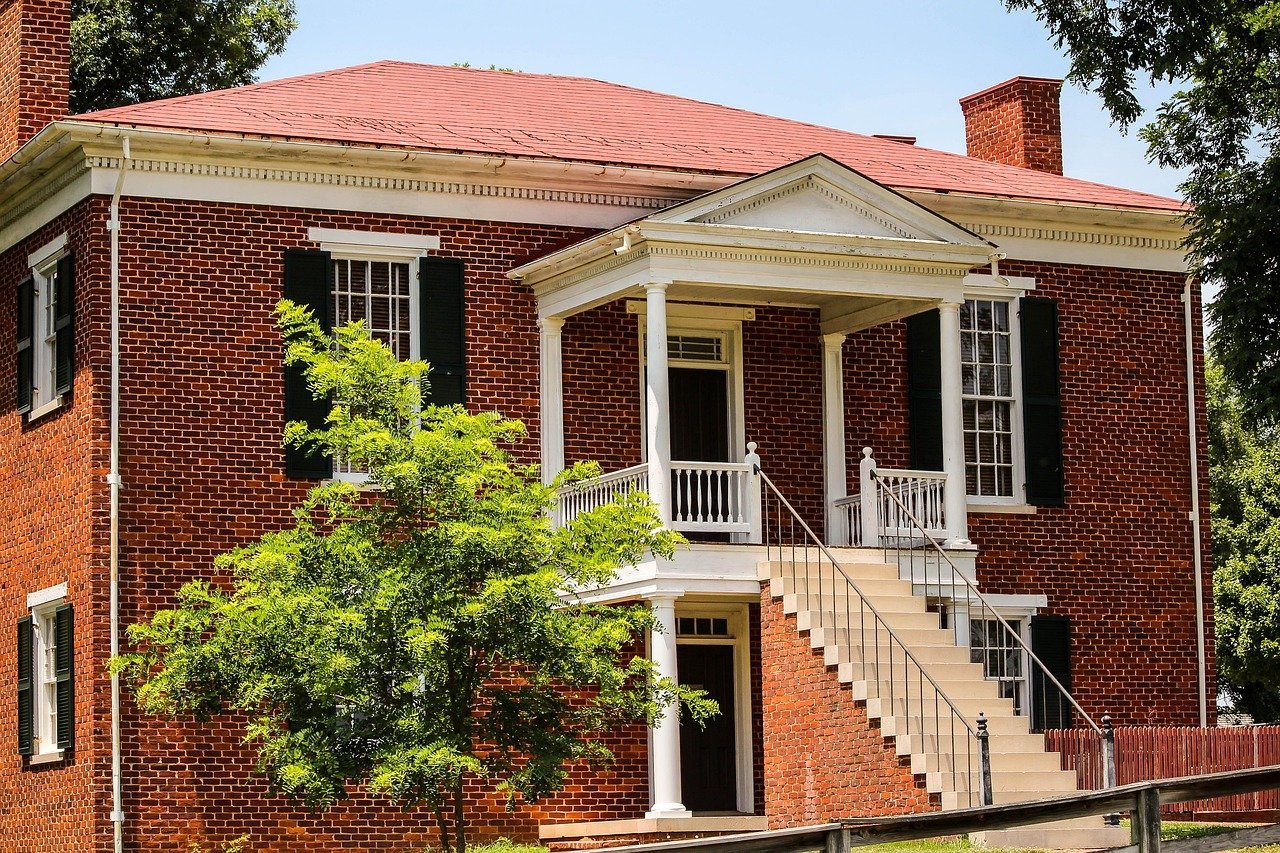
If you can only pick one Civil War site in Virginia, make it Appomattox. On April 9, 1865, the surrender of the Army of Northern Virginia in the McLean House in the village of Appomattox Court House, Virginia, signaled the end of the nation’s largest war. The significance of that single moment is almost too enormous to absorb.
All the buildings are meticulously restored, detailed information is available in the visitor center as well as in many of the buildings you are allowed to walk through, and on the second floor of the visitor center you should begin your visit by watching a very informative video which will help you to understand this place as you walk around. It’s the kind of history that doesn’t just inform you. It moves you.
6. Discover Yorktown – Where Independence Was Won
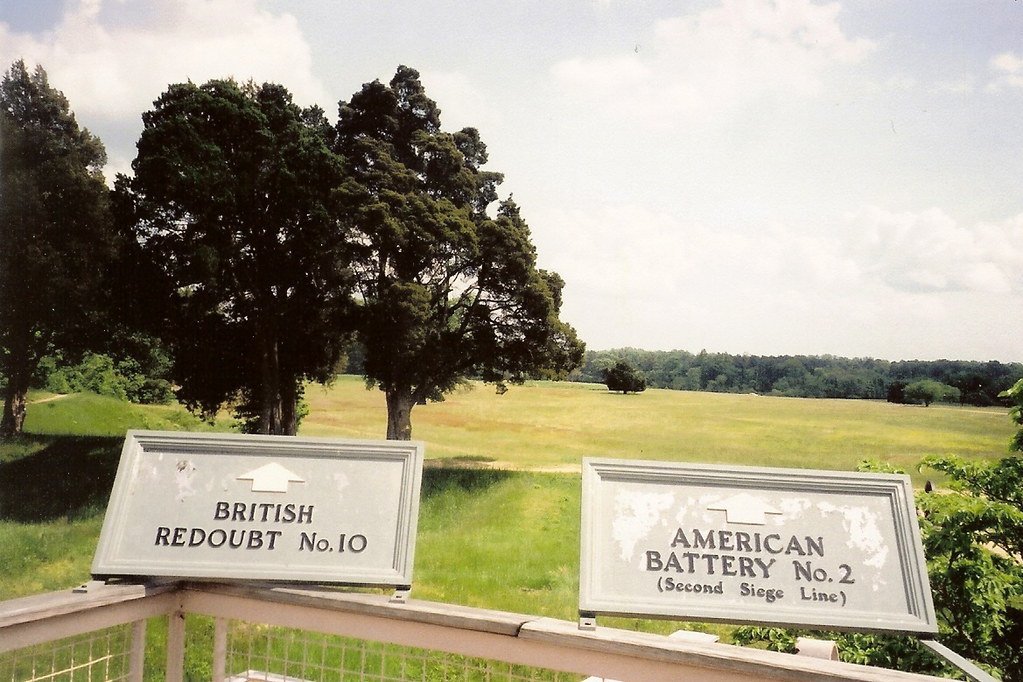
Yorktown was a pivotal site for both the American Revolution and the Civil War, and as part of the Historic Triangle, you can experience decades of history without traveling more than a few miles in any direction. That’s a remarkable concentration of history even by Virginia’s already impossibly high standards.
The American Revolution Museum at Yorktown features interactive exhibits that take you on a journey through Colonial Virginia and the onset of the war. Don’t miss the experiential theater, where a film transports visitors to the battleground, complete with smoke, wind, and even the smell of coffee. I think that last detail is what separates good museums from truly great ones. It’s the sensory details that make history feel real.
7. Explore Richmond National Battlefield Park – Civil War at Its Most Raw
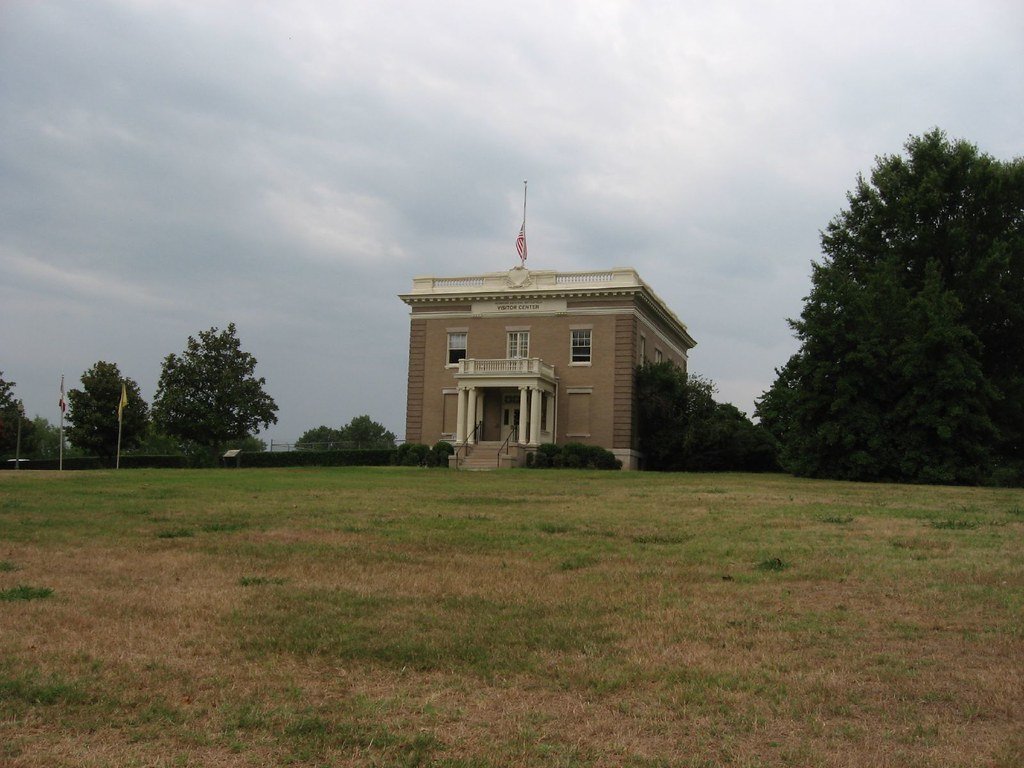
Richmond, Virginia, served as the capital of the Confederate States of America for almost the whole of the American Civil War, and it was a vital source of weapons and supplies for the war effort and the terminus of five railroads. Understanding Richmond’s role is essentially understanding why the Civil War lasted as long as it did.
The park has several trails spread out among its 13 units that are ideal for hiking, running, or walking your dog, and these trails combine enjoyment of nature with sites of Civil War history. It’s a genuinely beautiful park, which makes the weight of what happened there feel all the more striking. Three visitor centers offer a wide variety of exhibits and helpful information on how to maximize your experience at the Richmond National Battlefield Park.
8. Visit Montpelier – Home of the Father of the Constitution
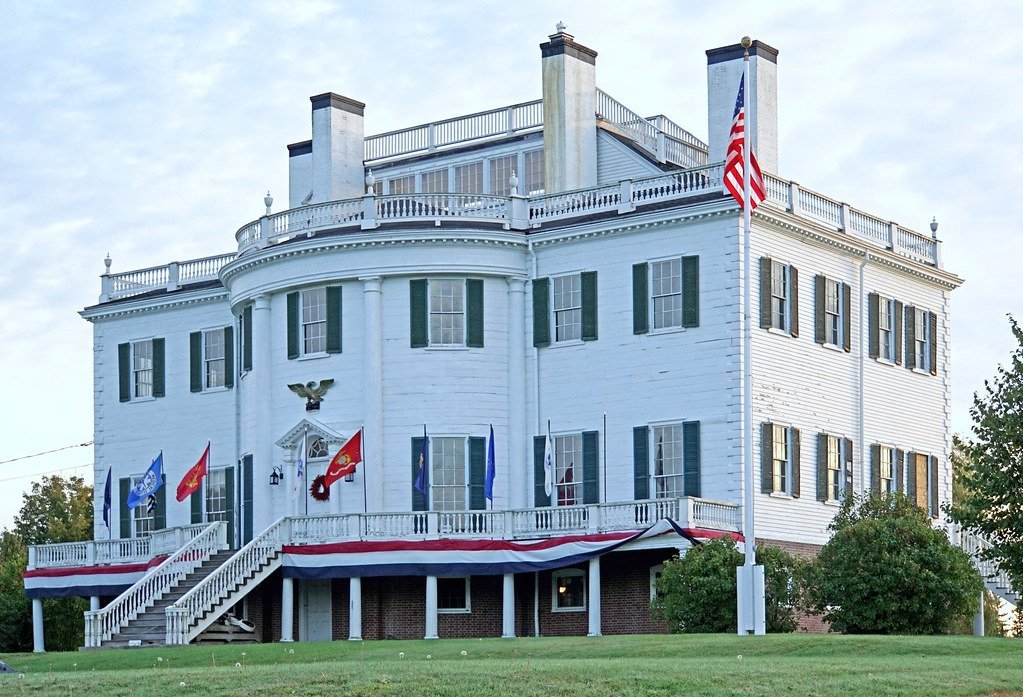
James Madison doesn’t always get the celebrity treatment that Washington or Jefferson receive. Here’s the thing though – without Madison, neither the Constitution nor the Bill of Rights might look the way they do today. Montpelier was home to James Madison, who had the distinction of not only being the Fourth President of the United States, but also the Father of the Constitution and Architect of the Bill of Rights, and his idyllic estate is located about 25 miles north of Charlottesville.
House tours are available to the public for a small fee, but visitors are welcome to walk the extensive grounds free of charge, and the estate’s exhibitions include “The Mere Distinction of Colour,” which explores the legacy of slavery at Montpelier and in America. The property contains formal gardens, archaeological dig sites, and over eight miles of walking trails through the meadows and forests. It’s a genuinely beautiful property, and honestly one of the more underrated stops on any Virginia itinerary.
9. Climb the Cape Henry Lighthouse – America’s First Federal Public Works Project
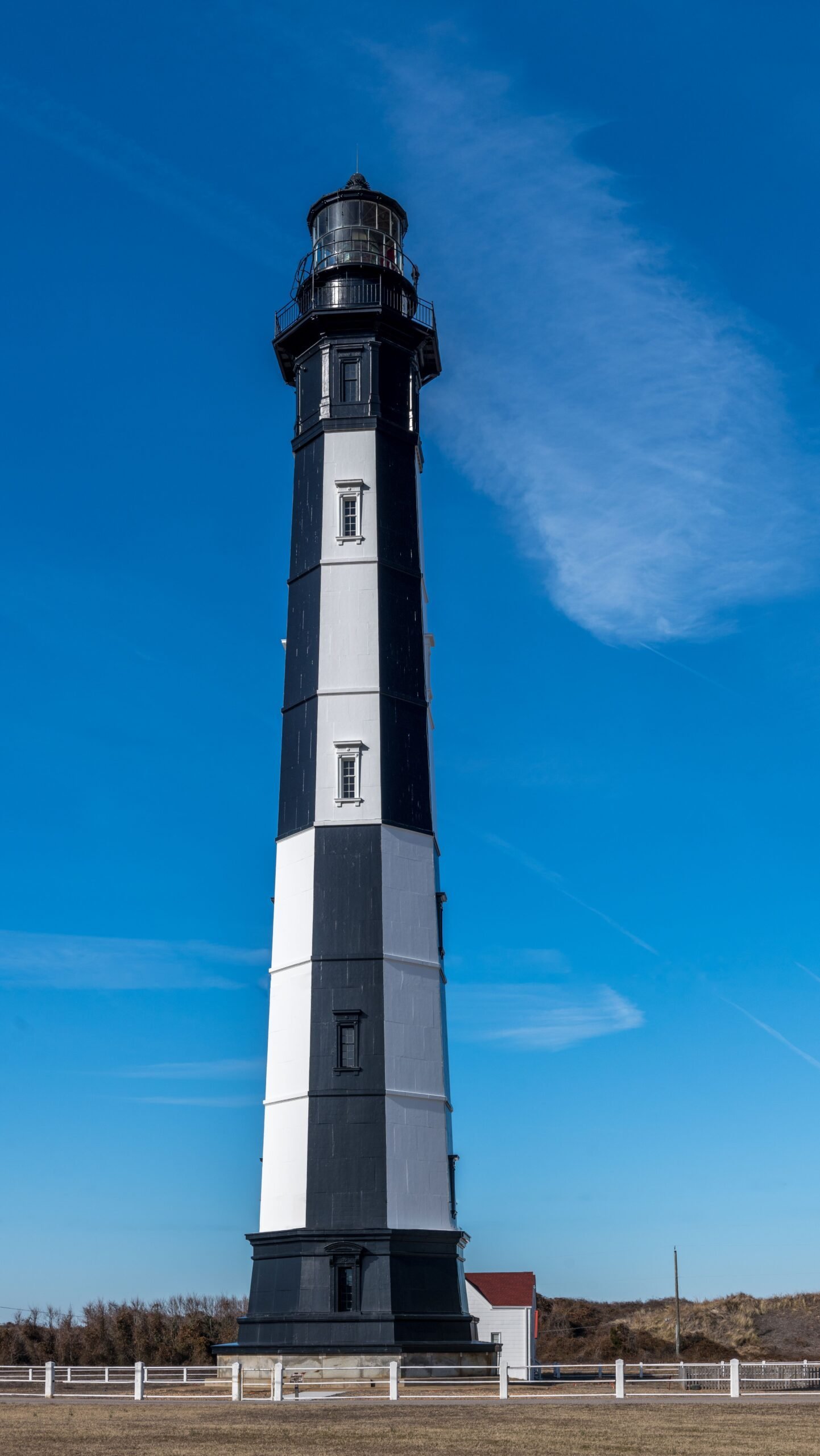
Not many people realize that one of the most historically loaded lighthouses in the country sits right at the Virginia coast. Cape Henry Lighthouse is the first federally funded public works project of the newly formed United States government. It was authorized by George Washington and overseen by Alexander Hamilton, and the lighthouse is situated near the “First Landing” site where English settlers first set foot on their way to settle in Jamestown.
Built with the same Aquia sandstone as much of Washington, D.C., the lighthouse guided sea travelers to safety for almost 100 years. Standing at its base, staring out over the same waters those early colonists crossed, creates a strange and powerful feeling. It’s a place that connects you physically to the very beginning of America’s story – quietly, without any fuss or fanfare.
10. Hike the Shenandoah National Park – Where Nature and History Merge
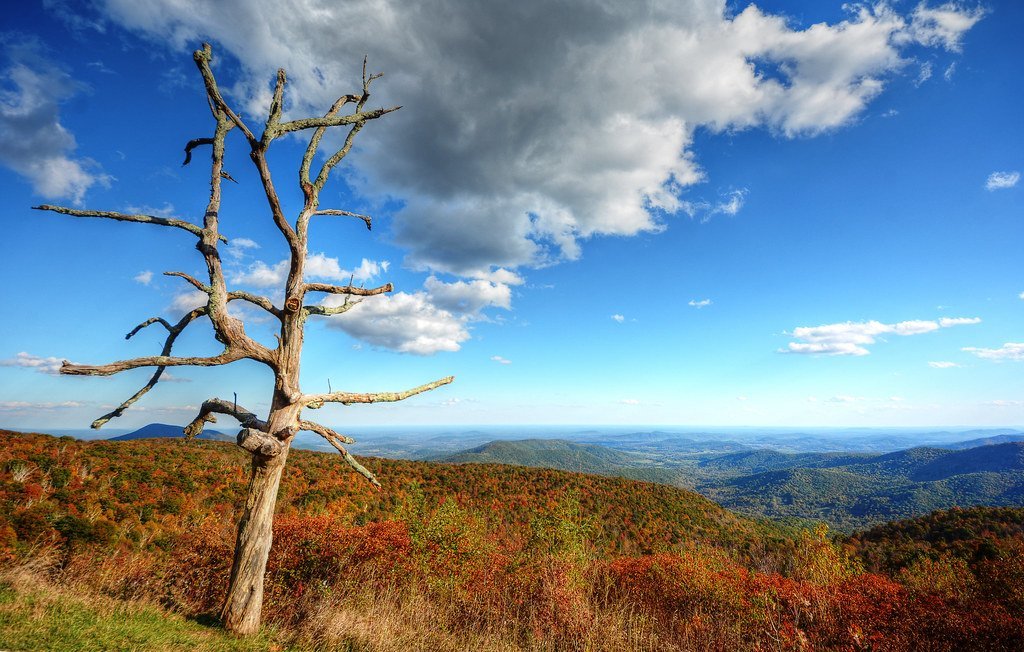
Shenandoah National Park stretches across nearly 200,000 acres of protected land in northern Virginia, and Skyline Drive is a popular way to see the park, snaking through the hills and valleys and offering beautiful vantage points and photo opportunities along the way from dozens of different overlooks. It’s the kind of landscape that makes you understand why people have fought so hard to call this place home across centuries.
Shenandoah National Park is one of the most accessible national parks in the U.S., and it’s only about a 1.5-hour drive from Washington, D.C. to the Front Royal entrance in the north. Beyond the views, the park also carries deep historical roots. Virginia also boasts the most miles of any state through which the Appalachian Trail passes, 544, to be exact. Whether you hike a mile or twenty, you’ll leave with a genuine sense of why Virginia has always been worth fighting for.
Conclusion: Virginia Is More Than a Destination – It’s a Journey Through Time
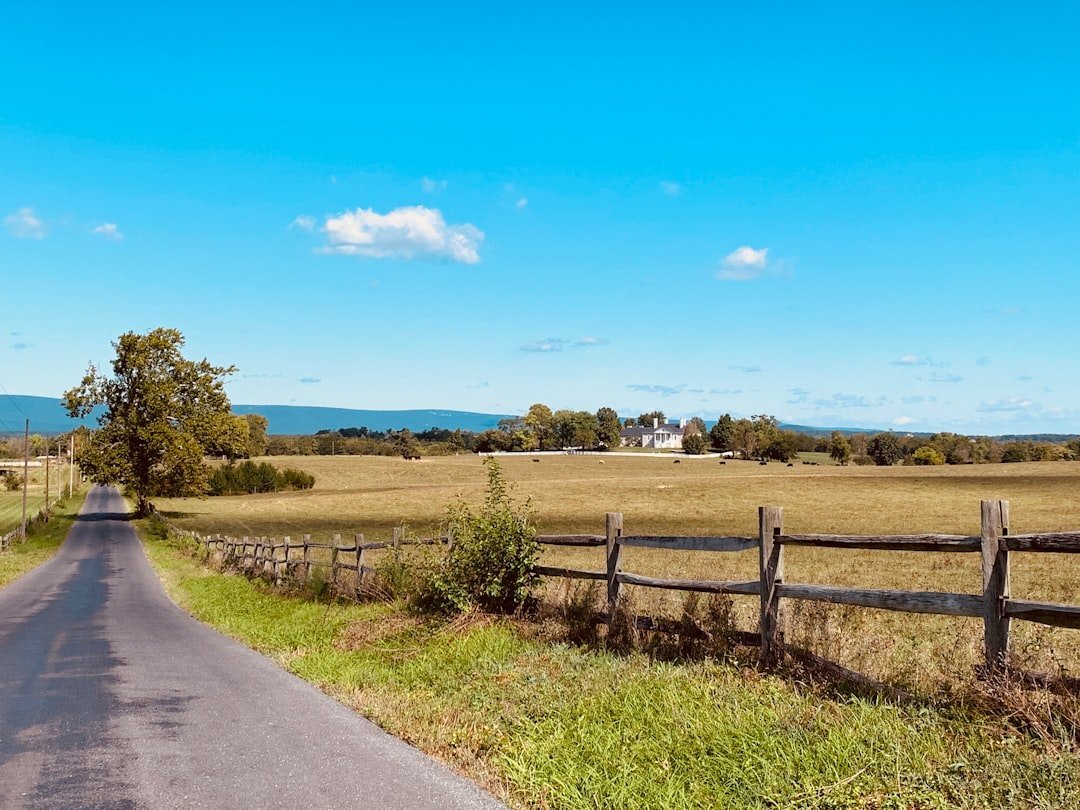
Virginia rewards its visitors in a way few places in the world can truly match. Every road leads somewhere meaningful. Every hill has a story. You can get a behind-the-scenes look at the nation’s founding at one of the eight estates of former U.S. Presidents, walk the grounds of a Virginia battlefield, or get hands-on with history at a museum.
The beautiful thing about Virginia’s heritage sites is that they don’t just preserve the past – they challenge you to think about it differently. They ask uncomfortable questions and tell complicated stories, and they’re better and more honest for it. The Virginia 250 Passport, organized by the Virginia Museum of History and Culture in partnership with Colonial Williamsburg, Mount Vernon, Monticello, and the Jamestown-Yorktown Foundation, encourages visitors to engage with the Commonwealth’s foremost historic sites and museums.
There’s never been a better time to explore the Old Dominion. No matter which historic experience you choose, you’ll make memories to last a lifetime in Virginia. So pack your bags, lace up your shoes, and go experience the place where America’s greatest story actually happened. What part of Virginia’s history surprises you the most? Tell us in the comments.

Christian Wiedeck, all the way from Germany, loves music festivals, especially in the USA. His articles bring the excitement of these events to readers worldwide.
For any feedback please reach out to info@festivalinside.com
