

Most new artists spend years grinding for a foothold. They build slowly through touring, radio play, and the slow drip of streaming numbers. True overnight success in pop music is rare enough that when it happens, people still talk about it decades later. The cases that stand out are those where a debut release crossed the certification threshold almost instantly, earning gold or platinum status while the ink on the record deal was barely dry.
The RIAA’s Gold and Platinum Program defines success in the recorded music industry and has come to stand as a benchmark of achievement for any artist, whether they’ve just released their first song or a greatest hits album. Crossing that line on a debut is something else entirely. It means connecting with a massive audience before the public even knows who you are. Below are ten pop artists who pulled it off.
Britney Spears

Few debut singles have reshaped an entire genre the way Britney Spears’ “…Baby One More Time” did in 1998. Released as Spears’ debut single on September 29, 1998, the song became a worldwide success, topping the charts in over 20 countries, including the United States and the United Kingdom, where it earned quintuple and triple-platinum certifications from the RIAA and the BPI, respectively. The speed of the commercial response was staggering at the time.
In the United Kingdom, “…Baby One More Time” sold more than 250,000 copies in a mere three days after its February 1999 release, and Spears broke a first-week sales record for a female act in the UK when the single sold a total of 460,000 copies. The accompanying album told a similar story. The album was double platinum within a month, and it was diamond within a year, becoming the biggest-selling album of 1999. It has sold over 25 million copies worldwide, making it one of the best-selling albums of all time, as well as the best-selling debut album by a teenage female artist.
The title track made an instant superstar out of the Louisiana native, earned her a Grammy nomination, and helped usher in a new era of pop music culture, sound, and production. It also kicked off a historic streak of smashes for producer Max Martin and became one of the MTV generation’s most iconic music videos. What Spears accomplished at sixteen years old remains one of the most remarkable commercial launches in pop history.
Whitney Houston
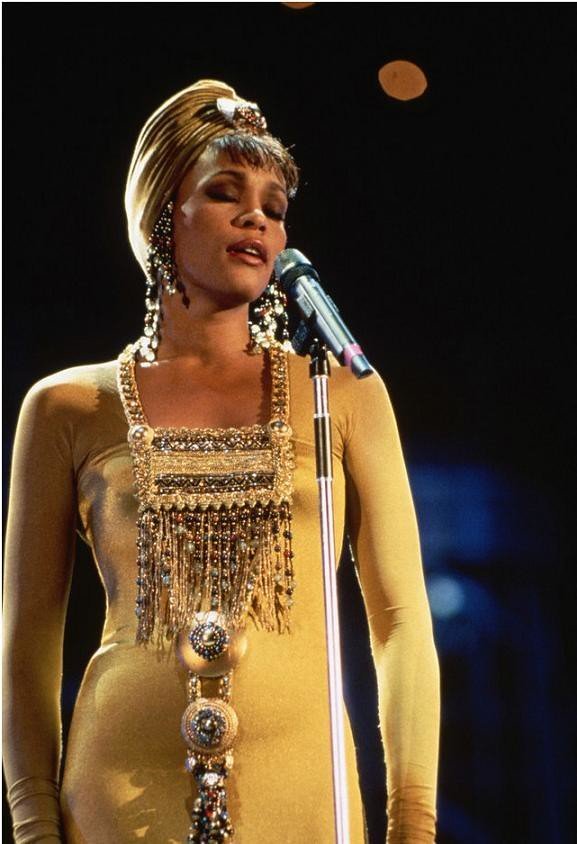
Whitney Houston’s self-titled debut in 1985 didn’t detonate immediately the way some others on this list did, but its eventual trajectory was extraordinary. Released on February 14, 1985, by Arista Records, Whitney Houston initially had a slow commercial response but began gaining momentum in mid-1985. It eventually topped the Billboard 200 for fourteen weeks in 1986, generating three number one singles on the Billboard Hot 100, making it both the first debut album and the first album by a solo female artist to produce three number one singles in the United States.
Upon releasing her self-titled debut, the album went on to become the best-selling R&B studio album by a woman and the best-selling debut album by a solo act in history, with sales of 25 million units worldwide. The certification record it eventually earned was equally historic. It was the first studio album by a woman to be certified ten-times platinum by the RIAA, going on to be certified platinum 14 times, with global sales reaching 25 million. The sheer voice behind those numbers is what made it possible. The 21-year-old former model exuded the sprightly charm of the girl-next-door, but her out-of-this-world voice stunned audiences worldwide.
Billie Eilish

Billie Eilish’s story begins in the most unlikely of places: a SoundCloud upload intended for a dance teacher. In 2015, Billie Eilish was only 13 when she released her first song, “Ocean Eyes,” a bedroom pop ballad produced by her brother Finneas O’Connell, on SoundCloud. Eilish and her brother uploaded the track to SoundCloud on November 18, 2015, and the song went viral overnight. The response was so immediate that Finneas’s manager reached out within weeks to discuss Eilish’s potential as an artist.
Eilish received her first song certification in the United States when “Ocean Eyes” officially went gold on January 25, 2018, confirming 500,000 US units. That was only the beginning. The song has since received an eight-platinum certification by the Recording Industry Association of America. Her debut studio album followed in 2019 and matched the momentum. When We All Fall Asleep, Where Do We Go debuted atop the US Billboard 200 and UK Albums Chart and was one of the year’s best-selling albums. Its single “Bad Guy” became the first by an artist born in the 21st century to top the US Billboard Hot 100 and be certified Diamond by the RIAA.
Adele
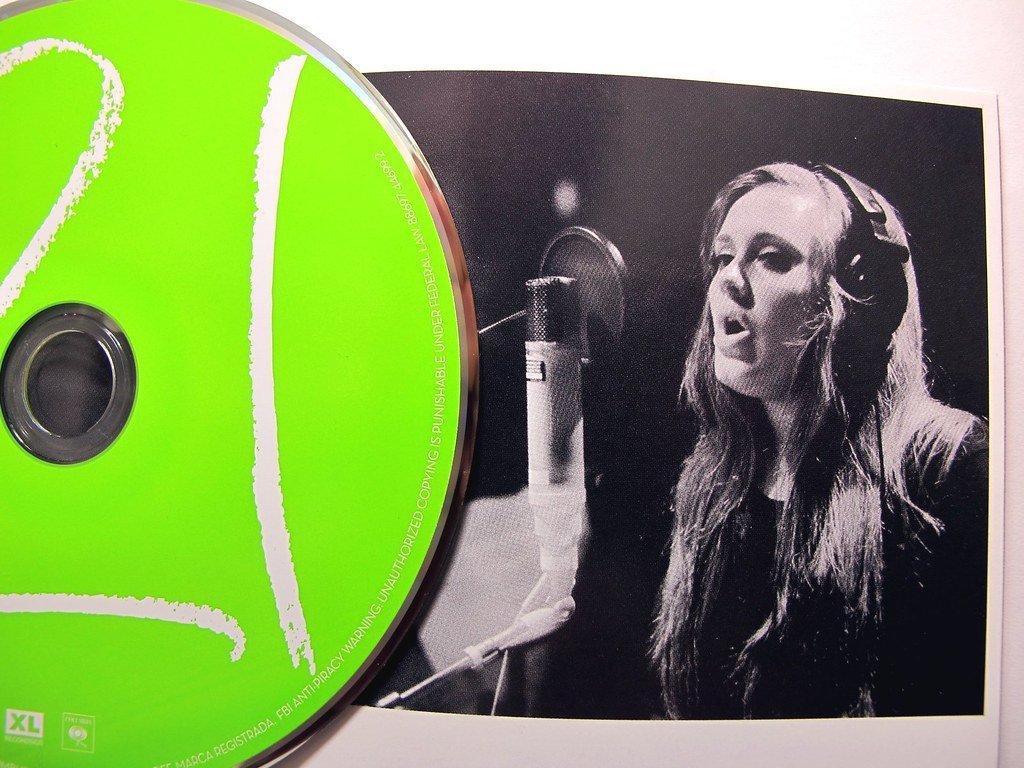
Adele arrived in 2008 as a nineteen-year-old with a voice that sounded like it had lived several lifetimes. She became the first recipient of the Brit Awards Critics’ Choice and was named the number-one predicted breakthrough act of 2008 in an annual BBC poll of music critics, Sound of 2008. Her debut single “Chasing Pavements” helped make those predictions look understated almost immediately. The song received critical acclaim with reviewers praising its lyrics, production, and Adele’s vocal performance. It topped charts in Norway and reached the top ten in eight countries, including the UK, peaking at number two on the UK Singles Chart and receiving 3x Platinum certification from the BPI.
The debut album 19 was a commercial success, debuting at number one on the UK charts during its release and peaking at number four on the US Billboard 200 in 2012. The US breakthrough came through a surprising catalyst. She was booked as the musical guest on the October 18, 2008 episode of NBC’s Saturday Night Live. The episode, which included an appearance by then US vice-presidential candidate Sarah Palin, earned the program its best ratings in 14 years with 17 million viewers. The following day, 19 topped the iTunes charts while “Chasing Pavements” rose into the top 25. At the 51st Annual Grammy Awards, Adele won Best New Artist alongside Best Female Pop Vocal Performance for “Chasing Pavements.”
Lorde

When Lorde released “Royals” in 2013, she was sixteen and largely unknown outside of New Zealand. The song announced something genuinely different. In 2013, she was thrust into pop star status with her Grammy-winning debut single “Royals.” At a time when YOLO era party music was still climbing the chart, the young New Zealander shook things up with an anthem for bored suburbanites and small-town youth. The stripped-back production, barely anything more than a beat and a voice, was precisely what made it cut through.
She soon proved she had more where that came from on Pure Heroine, filled with moody, relatable teen dramas set to minimalist hip-hop beats. The cultural ripple from that debut was felt for years after. In turn, she inspired many of the next generation of pop heavyweights including Olivia Rodrigo, Conan Gray, Billie Eilish, Sabrina Carpenter, and Troye Sivan. After Lorde’s debut, the center of pop shifted to favor artists whose music reflected authenticity and vulnerability. It is rare for a debut to actually redirect an entire genre’s aesthetic, but that is what “Royals” did.
Bruno Mars
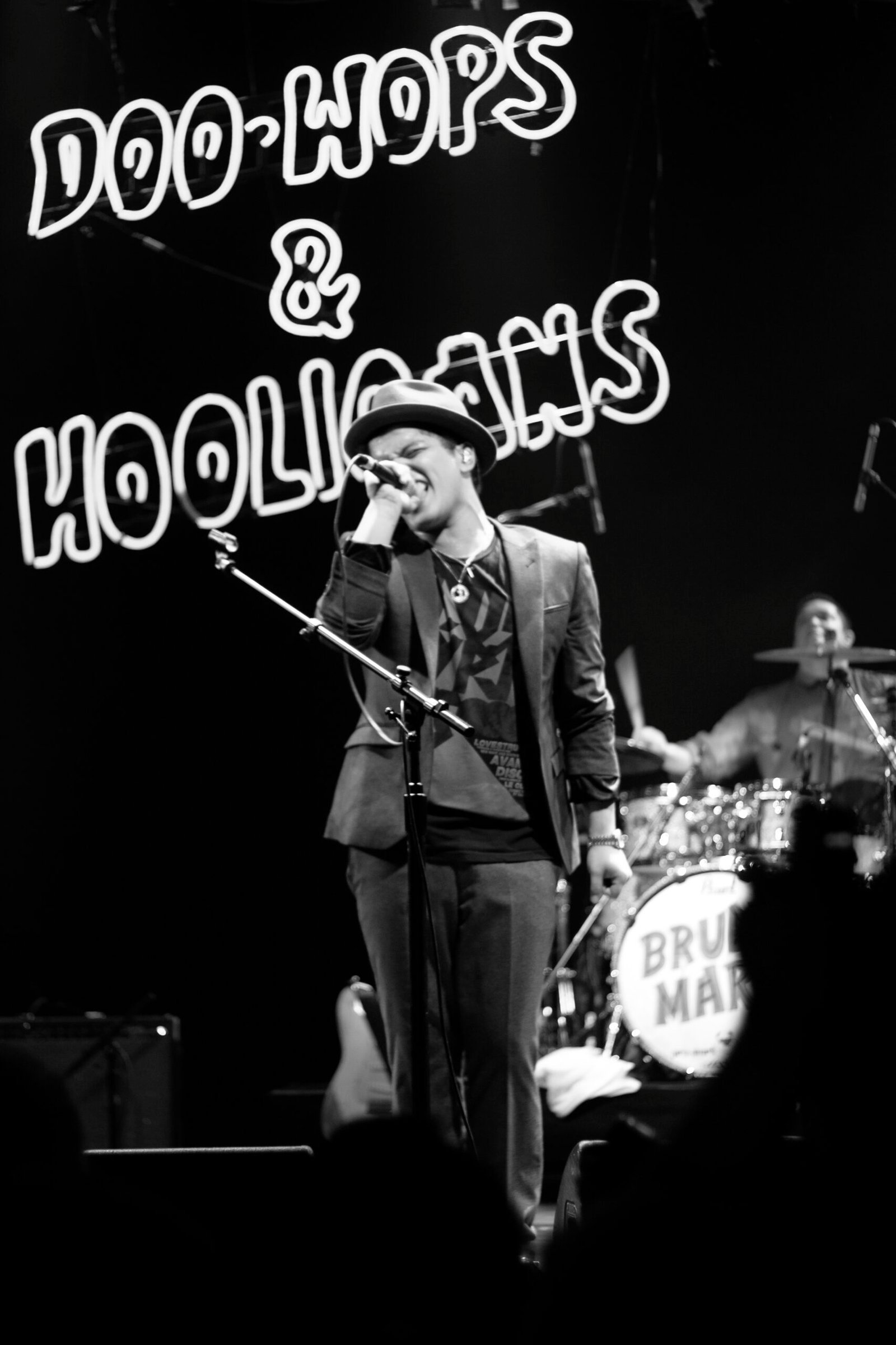
Bruno Mars spent years writing songs for other artists before finally stepping into the spotlight himself. In 2010, he finally released his debut studio album, Doo-Wops and Hooligans. The album arrived with a maturity that took listeners by surprise. Before even getting to commercial success, the record already had music pundits comparing Mars to Jason Mraz and Michael Jackson himself. Those comparisons weren’t hyperbole.
Songs like “Grenade” and “Just the Way You Are” made it feel as though Mars had been in the music game for years. Not only did the album reach the third spot on the Billboard 200, but it also topped the charts in many other countries. Part of what made his debut resonate so quickly was the sheer range on display. Mars could write a tender love song and a heartbreak anthem within the same record, and both felt completely genuine. That tonal flexibility, combined with a magnetic stage presence rooted in years of live performance, gave Doo-Wops and Hooligans a staying power that few debut pop albums can claim.
Mariah Carey
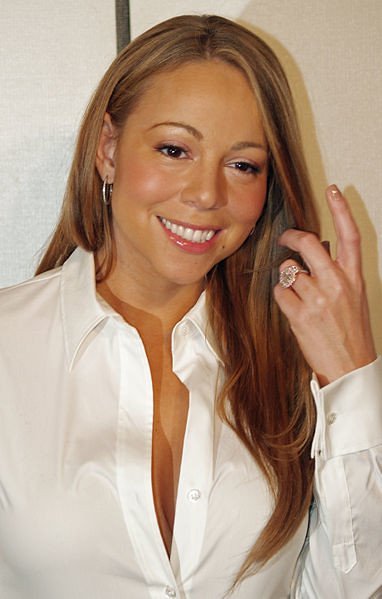
When Mariah Carey’s self-titled debut arrived in 1990, it announced a voice the music industry had no real category for. Through hard work, Mariah Carey proved she was ready to be a superstar from the very beginning, and this nine-times-platinum-certified record set her up for a lifetime of success. The album yielded four number one singles on the Billboard Hot 100, a feat that put her debut in rare company. The Mariah Carey 1990 self-titled debut album was one of only a handful of albums by female artists to achieve four or more number ones on the Billboard Hot 100.
What made Carey’s debut particularly striking was that it launched her career from near obscurity to top of the chart in a matter of months, driven almost entirely by her voice. Allison Stewart from The Washington Post stated that the album “provided a blueprint for the pop/dance/R&B-melding careers of Mariah Carey and others, and introduced the world to ‘The Voice.'” Carey’s run of certified hits through the early 1990s stands as one of the most sustained debut-into-success stories in pop. She has released fifteen studio albums and is regarded as one of the voices of Christmas, making her one of the most sought-after artists each year.
Cyndi Lauper
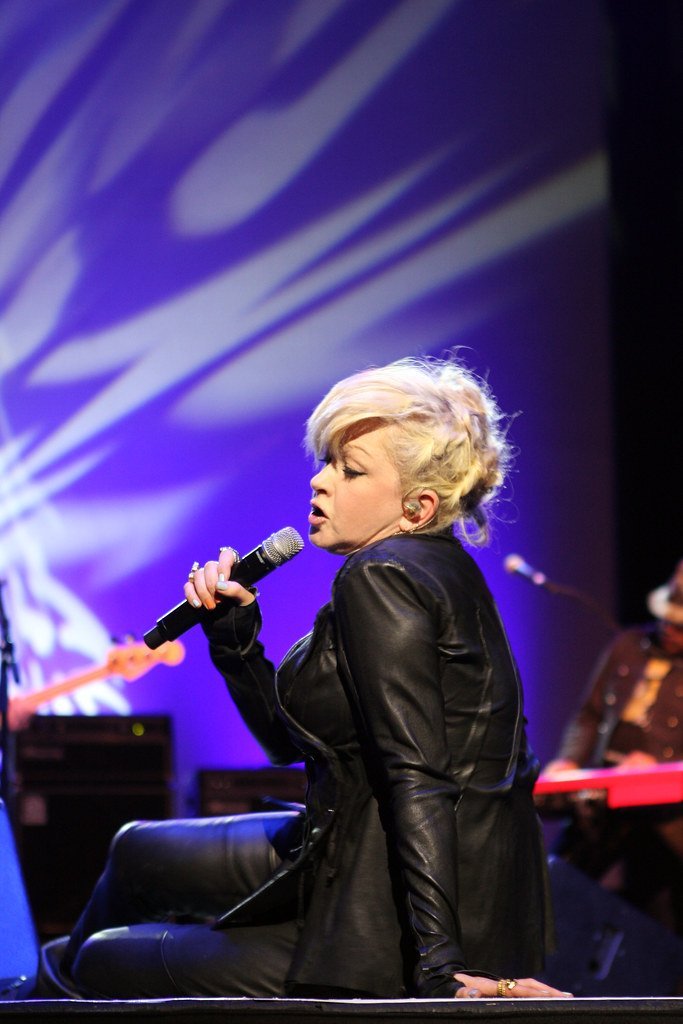
In an era when rock music dominated the cultural conversation, Cyndi Lauper arrived with a debut that felt like nothing else on the radio. Helping the pop genre remain sought-after in the early 1980s, at a time when rock and roll was dominating, Cyndi Lauper burst onto the scene, making an immediate impact. Her debut album She’s So Unusual came out in 1983 and began a certification run that grew steadily as each new single broke through. Thanks to platforms such as MTV, Lauper’s song “Girls Just Want to Have Fun” became a sensation, and the music video became one of the most recognizable from that time.
Lauper’s debut did more than just sell records. It created a visual and sonic identity for a certain kind of pop that valued personality, color, and defiance over sleek conformity. She’s So Unusual produced four top five singles on the Billboard Hot 100, an extraordinary achievement for a debut. The album became one of the best-sellers of its era in Canada, where it sold more than 900,000 copies. The combination of a distinctive voice and an undeniable knack for melody gave the record an unusual kind of longevity that extended far beyond its initial certification milestones.
George Michael
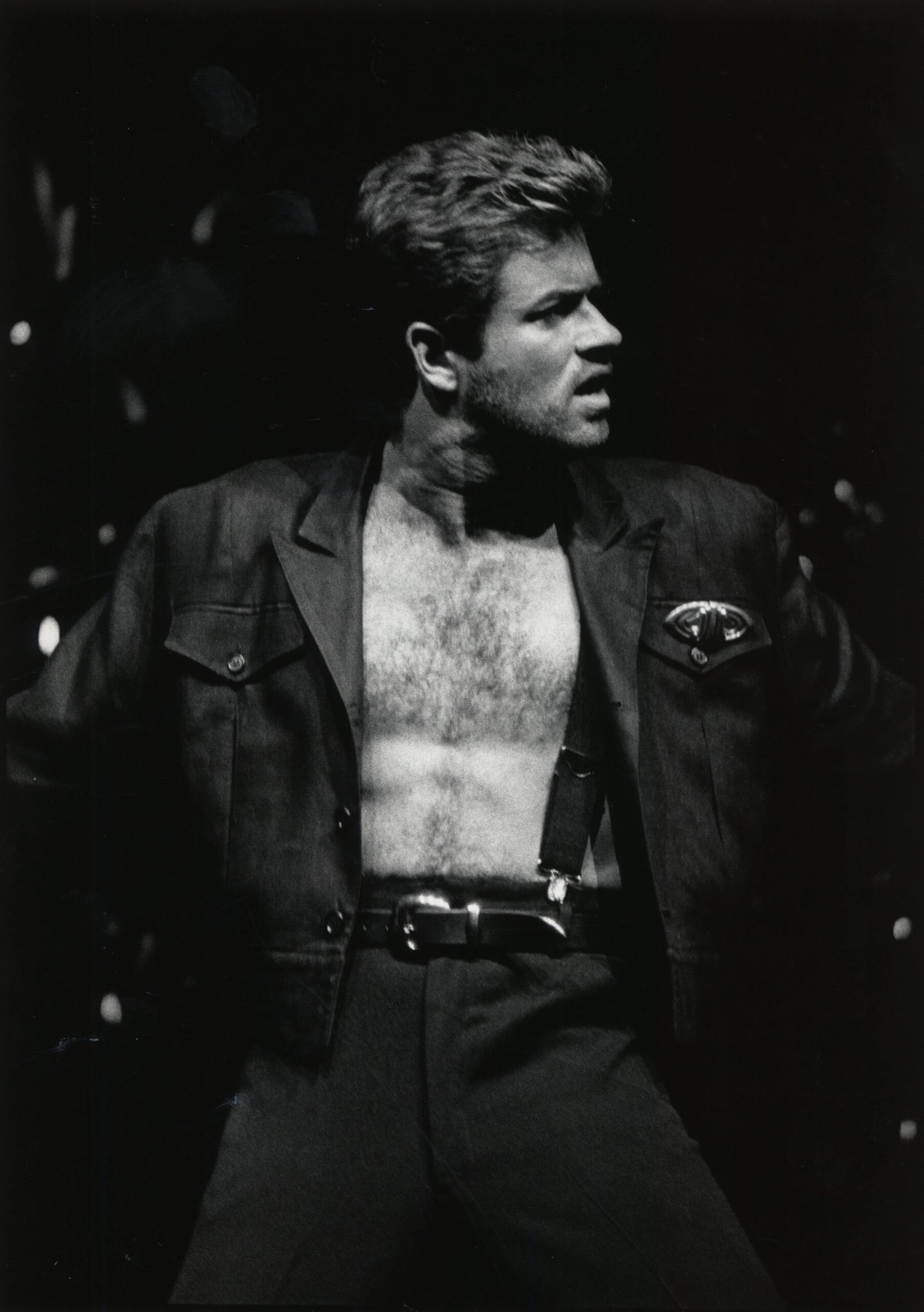
George Michael stepped out from his massively successful tenure in Wham! with something to prove, and his debut solo album Faith proved it in spectacular fashion. Going solo was his opportunity to write more honest and mature songs, and fans could tell he was ready for the new venture, as it took him less than two years to release his debut solo album, indicating this was something he had thoroughly planned out. Faith arrived in 1987 and became one of the fastest-certified debut solo albums in pop history at that point.
Michael made Faith and won Album of the Year at the Grammys in 1989. The title track is brilliant, “Father Figure” is a sensual, divine gospel, and “One More Try” is one of the greatest ballads ever to top the pop charts. Songs like “Monkey” and “Kissing a Fool” establish Faith as a dangerously wide spectrum of tones, ranging from funk to synth-pop to folk and soul music. The album produced four number one singles in the United States alone. That kind of commercial depth on a debut solo release was essentially unheard of, and the certifications it accumulated in the US, UK, and beyond came rapidly. Faith remains a textbook example of an artist timing a debut perfectly and delivering material that surpassed even the highest expectations.
Olivia Rodrigo

Olivia Rodrigo’s debut arrived in 2021 as one of the most decisive commercial launches in streaming-era pop. Her single “drivers license” exploded across platforms before the ink on the Spotify charts had time to settle, breaking global streaming records in its first week. The follow-up debut album SOUR debuted at number one on the Billboard 200 and spawned multiple certified singles simultaneously. After observing sales trends for many years, some analysts noted that the sales of certain mega albums are so large they obtain instantaneous certifications, which is exactly what happened across several of Rodrigo’s SOUR tracks.
What set Rodrigo apart was the specificity of her songwriting. The emotions in the record felt recognizable rather than packaged, which drove extraordinary listener loyalty and repeat streaming. She became one of the artists directly inspired by an earlier generation of pop writers including Lorde, whose debut had similarly rewired listener expectations for what pop vulnerability could sound like. SOUR earned gold and platinum certifications across multiple tracks within weeks of release, confirming that the appetite for emotionally raw, confessional pop was still enormous. Rodrigo became, in the streaming era, precisely the kind of instant commercial story that would have seemed almost impossible to replicate.
What Makes a Debut Break Through Instantly?

derivative work: Chasewc91, CC BY 2.0)
Looking across these ten artists, a few patterns emerge. None of them arrived by accident. Behind each instant success was either years of training and preparation, a production team working at the absolute top of its game, or an authenticity of voice that simply couldn’t be manufactured or delayed. Britney Spears’ debut and subsequent success influenced generations of young performers, with contemporaries including Christina Aguilera and later superstars including Miley Cyrus, Katy Perry, Dua Lipa, and Billie Eilish all pointing to Spears as a major influence. That chain reaction tells you something important about what a debut can set in motion.
Timing matters too, though it’s rarely the whole story. After Lorde’s debut, the center of pop shifted to favor artists whose music reflected authenticity and vulnerability, just as Spears had previously redirected pop toward glossy, maximalist production. Each breakthrough reshapes the landscape for whoever comes next.
The artists who achieve immediate gold success on a debut tend to share one quality above all else: they sound like no one else, and yet somehow sound like what everyone needed. That combination, rare as it is, is what makes those certification numbers meaningful beyond the commercial milestone. The chart position fades. The cultural imprint doesn’t.

- 10 Debut Pop Artists Who Achieved Immediate, Massive “Gold” Success - April 10, 2026
- The Best Fishing Festivals in the US for 2026 - April 10, 2026
- 10 Songs You Didn’t Know Were Written for Other Artists First. - April 10, 2026

