


For any feedback please reach out to info@festivalinside.com
- 10 Historical Battles Hollywood Got Completely Wrong - March 28, 2026
- 7 Books That Were Banned for the Strangest Reasons Imaginable - March 28, 2026
- 10 Dark Secrets Hidden Inside Some of the World’s Most Loved Novels - March 28, 2026
There’s a quiet agreement most readers make with a book: you follow the story, you meet the characters, and you walk away feeling like you understood it. Honestly, that’s where most people stop. Yet beneath the surface of the novels we teach in schools, gift to friends, and reread with nostalgia, there are darker currents running so deep that they change everything once you see them.
Classic novels often contain hidden messages and social commentaries that may not be immediately apparent to readers, and literary analysis plays a crucial role in unraveling those hidden depths. Think of it like peeling an onion. The outer layer is the story. The next one is theme. By examining elements like symbolism, recurring motifs, and character development, we can uncover deeper meanings and reveal the underlying messages that may have eluded us at first glance.
This is what makes great literature timeless. Not the plot. The secrets. Let’s dive in.
The Great Gatsby by F. Scott Fitzgerald: The American Dream as a Death Wish

Most people remember The Great Gatsby as a glittering story of parties, romance, and ambition. That’s the surface. Dig deeper and something unsettling rises up. The primary purpose of the novel is to provide a sharp criticism of the American Dream as defined during the 1920s, with other themes like obsession with the past or dysfunctional relationships all tying into this singular idea of the vanity of pursuing wealth as the only means to true happiness.
From the mesmerizing green light representing Gatsby’s unattainable dreams to the haunting eyes of Dr. T. J. Eckleburg embodying moral decay and corruption, these symbols invite readers to explore complex themes of love, wealth, and disillusionment. The desolate Valley of Ashes acts as a stark reminder of the harsh realities hidden beneath the luxury of elite society, serving as a metaphor for societal inequality and moral bankruptcy. In other words, Fitzgerald wasn’t writing a romance. He was writing a eulogy for a poisoned ideal.
Frankenstein by Mary Shelley: The Monster Was Never the Monster
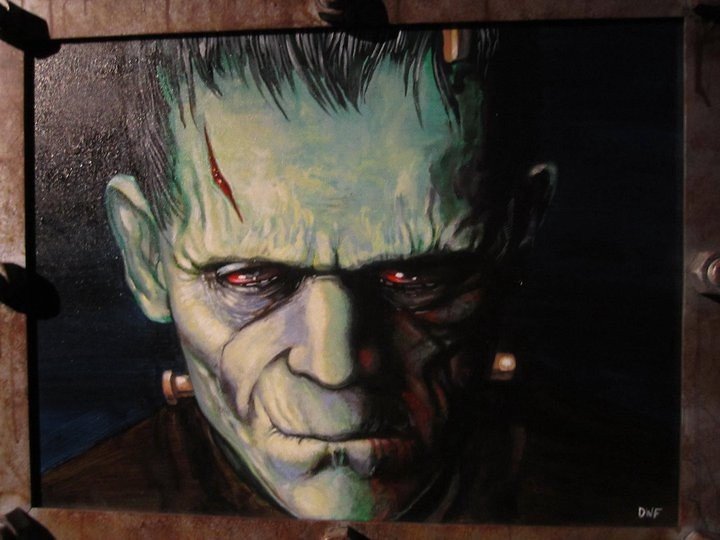
Here’s the thing most people get completely wrong about Frankenstein: the creature isn’t the villain. Not really. In Shelley’s Frankenstein, the monster is portrayed as a grotesque abomination; however, the cultural and geographical situations in which one matures play a crucial role in proper development. The monster is simply a product of circumstance, and the lack of social interactions alongside geographical isolation propelled the creature into alienation from society, ultimately resulting in a lack of morals and an underdeveloped psyche.
Victor Frankenstein’s reckless pursuit of scientific discovery raises ethical dilemmas about playing God and the consequences of unchecked ambition. There’s also a darker biographical layer to the story. Many critics think the novel is shaped by the tragic events in Shelley’s own life – her mother died days after she was born, and Shelley herself lost her first child, born prematurely. The creature abandoned by its creator mirrors, some argue, the raw agony of a mother’s grief transposed onto the page.
Nineteen Eighty-Four by George Orwell: It Was Never Science Fiction
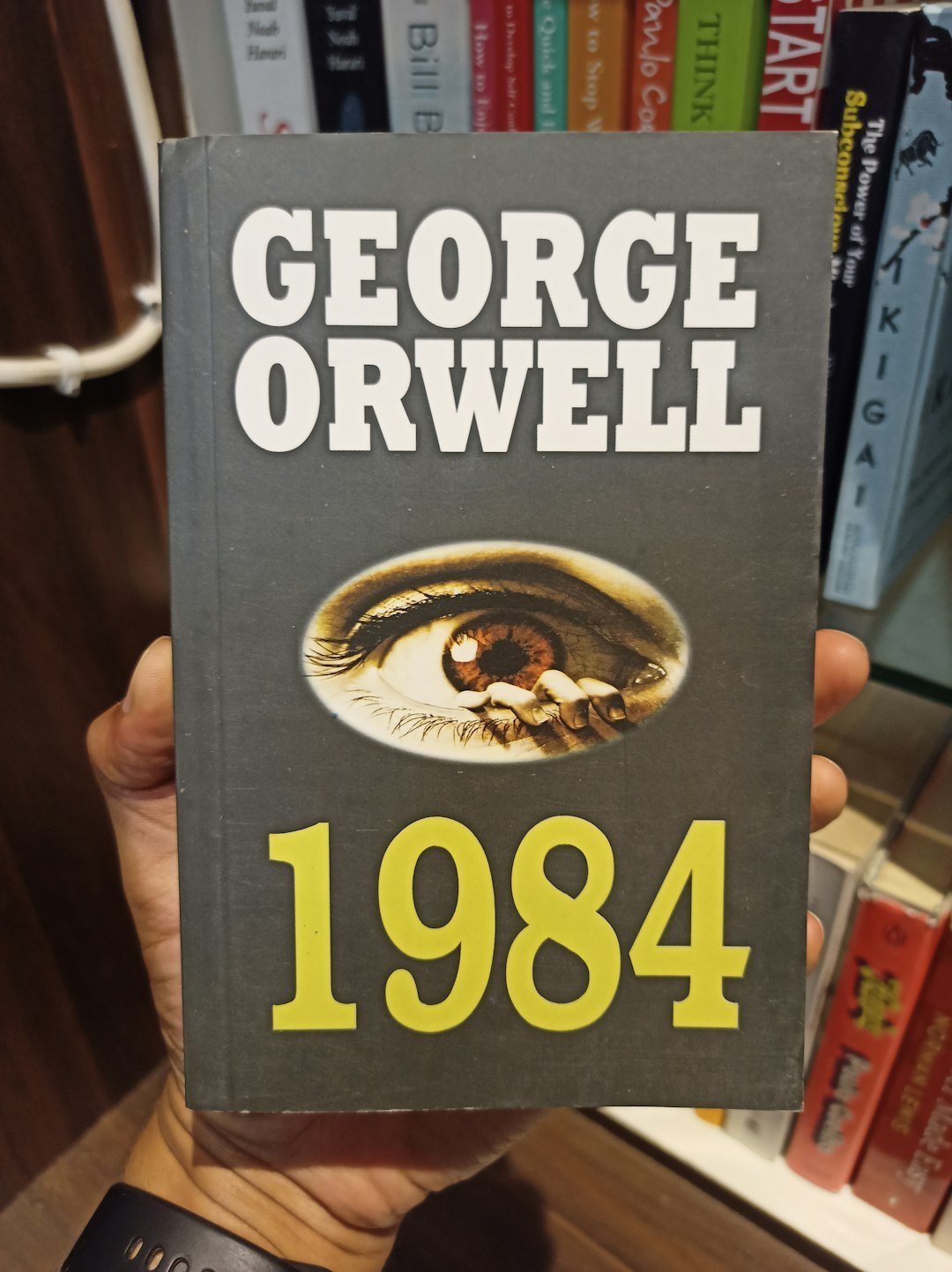
We love to put 1984 safely in the box labeled “dystopian fiction.” It feels safer that way. Orwell published Nineteen Eighty-Four in 1949 not as a prediction of actual future events, but to warn the world against what he feared would be the fate of humanity if totalitarian regimes were allowed to seize power, as they had done recently in Germany under Hitler and in the Soviet Union under Stalin. The book was a warning dressed as a story.
The telescreen highlights the theme of the destruction of private life and reinforces the idea that Big Brother watches constantly, stripping away any sense of independence or privacy. The real horror of 1984 isn’t the telescreens or the torture chambers. It’s how ordinary people adapt and comply, rationalizing every erosion of their freedom until nothing human remains. That’s not fiction. That’s a pattern in human history.
Wuthering Heights by Emily Brontë: Love as Pure Destruction
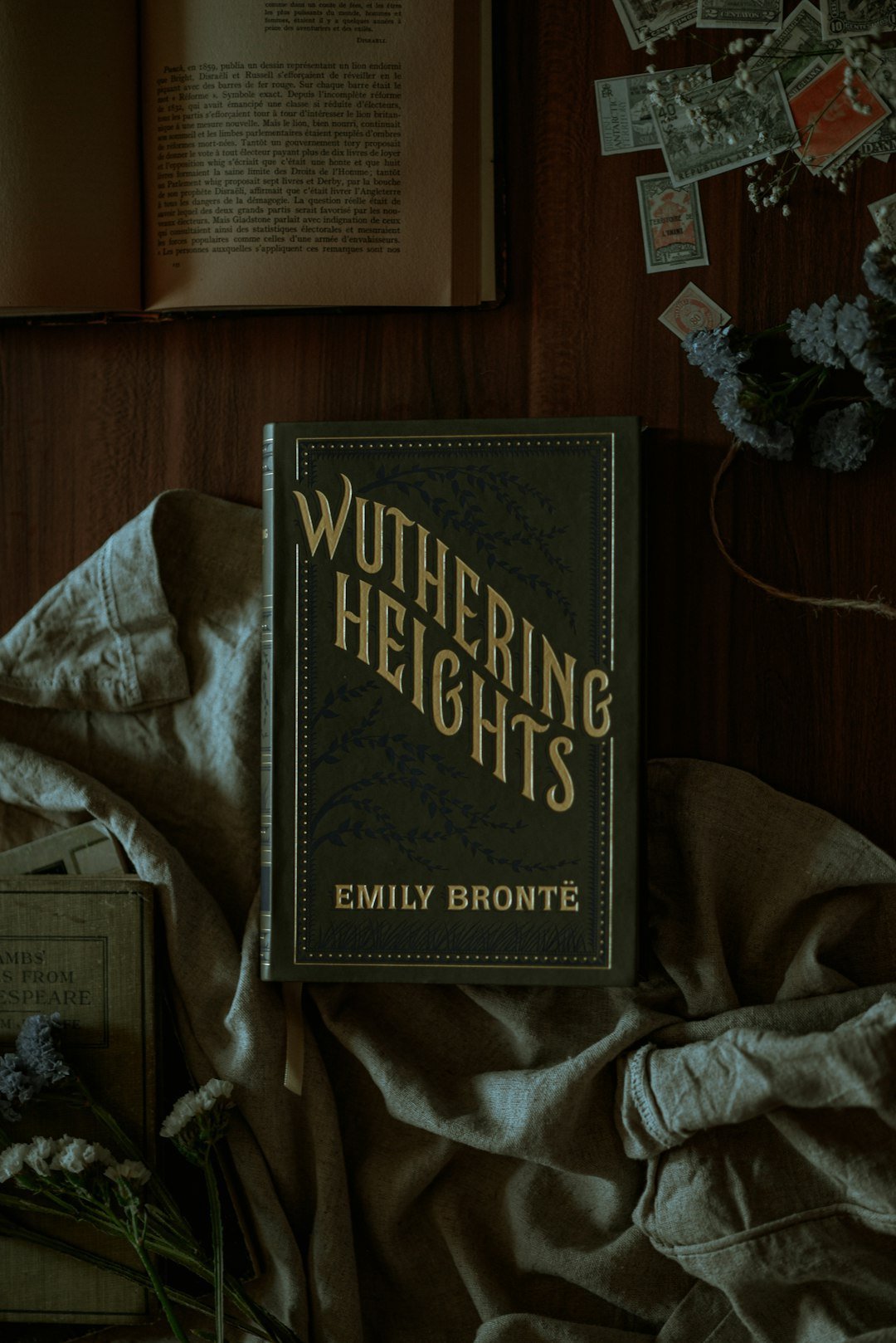
Wuthering Heights is frequently held up as one of literature’s great love stories. I’d argue it’s one of the most disturbing portrayals of obsession ever written. Through the tumultuous relationship between Catherine Earnshaw and Heathcliff, Brontë delves into the darker aspects of love, such as obsession, revenge, and the destructive nature of unchecked passion. This isn’t romance. It’s a warning about what love becomes when it’s stripped of empathy.
Wuthering Heights might be better understood alongside Mary Shelley’s Frankenstein and Bram Stoker’s Dracula. Like the Gothic novel, it creates a dark and passionate world of imprisonment and torture, ghosts and changelings. What Brontë embedded in the story is the idea that a love which cannot be freely expressed doesn’t die – it metastasizes, consuming generations. Heathcliff doesn’t mourn Catherine. He devours her memory and uses it to justify cruelty for decades.
The Catcher in the Rye by J.D. Salinger: A Portrait of Mental Collapse
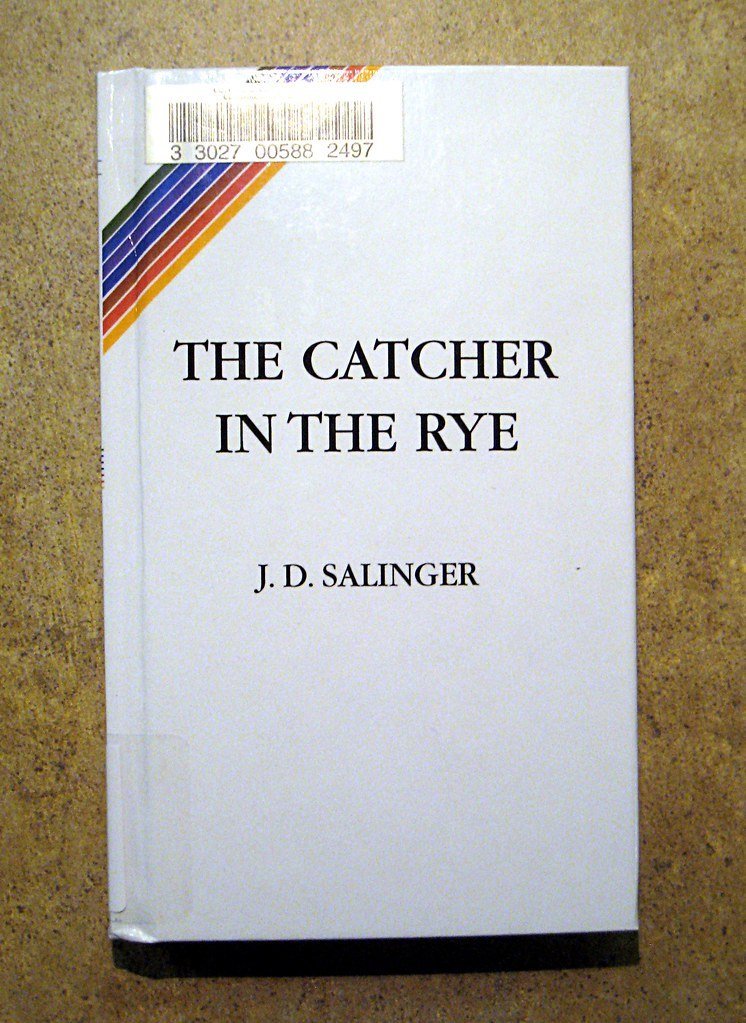
Holden Caulfield is routinely described as a relatable, rebellious teenager. That reading, I think, misses something crucial and deeply sad. In The Catcher in the Rye, 16-year-old Holden Caulfield constantly encounters people and situations that strike him as “phony,” a word he applies to anything hypocritical, shallow, inauthentic, or otherwise fake – and he sees such phoniness everywhere in the adult world. His contempt isn’t edgy. It’s a symptom.
The Catcher in the Rye examines the fine line between everyday teenage angst and serious depression or unhappiness. Throughout the novel, Holden refers to himself as a “madman,” calls himself crazy, and frequently declares that he is depressed. Paired with the unresolved grief over his dead brother Allie, death is a consistent theme in the novel, continually implied by the presence of Holden’s younger brother’s spirit. When Holden fears for his own existence, he speaks to Allie, and he is haunted by the thought of Allie in the rainy cemetery surrounded by tombstones. This isn’t a coming-of-age story. It’s a breakdown, witnessed in real time.
Lord of the Flies by William Golding: Civilization Is the Costume, Not the Reality
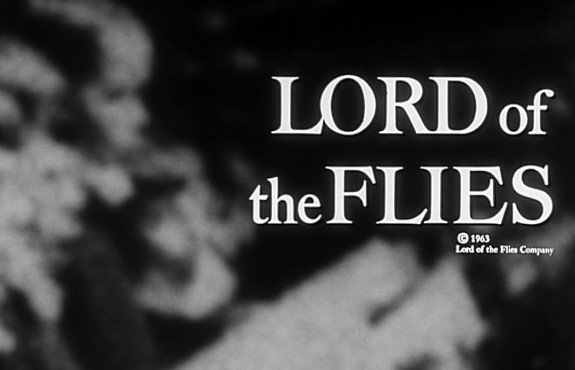
On the surface, Lord of the Flies is a survival story about boys stranded on an island. Pull the curtain back and it becomes something far more disturbing: a clinical argument that evil is not an external force, but an internal one. William Golding examines how civilization breaks down when boys stranded on an island confront their primal instincts. The frightening implication is that the rules we call “civilization” aren’t natural. They’re a performance.
In Lord of the Flies, the conch shell is a motif that represents order and civilization, tying into the broader theme of the inherent conflict between civilization and savagery. When the conch shatters, it doesn’t just signal chaos on the island. It signals that the thin membrane separating human community from brutal tribalism was always more fragile than we pretended. Golding fought in World War II. He knew exactly what he was writing about.
Pride and Prejudice by Jane Austen: Marriage as Economic Survival
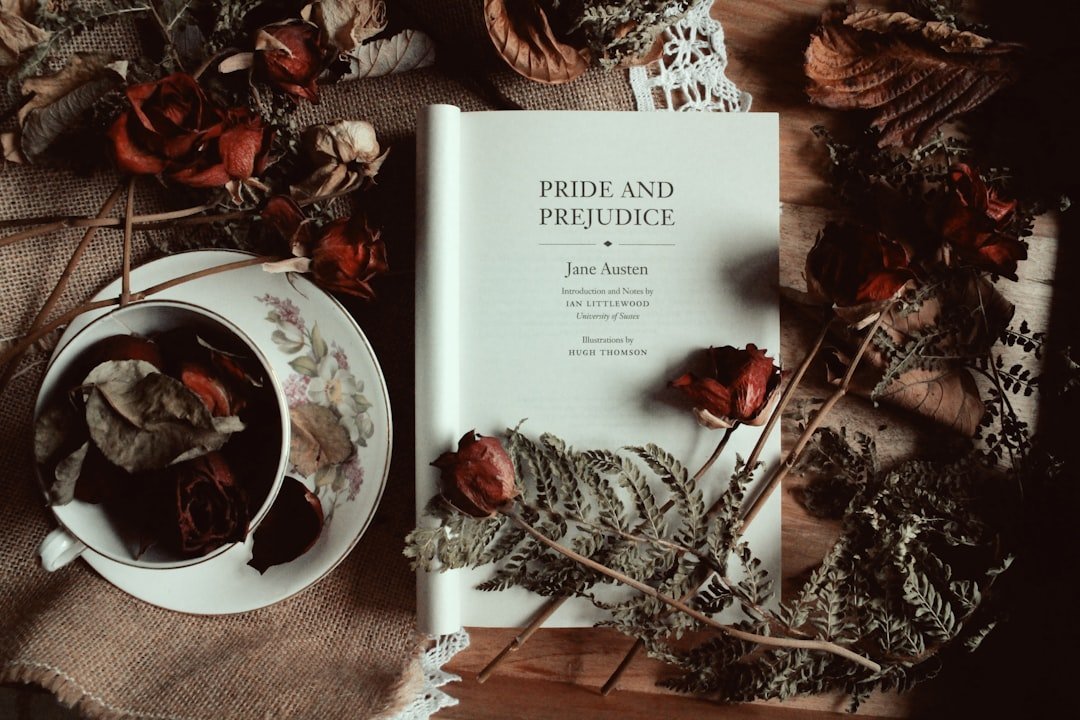
Everyone falls in love with the romance of Elizabeth Bennet and Mr. Darcy. Rightfully so. Yet beneath the witty courtship runs a quietly terrifying undercurrent: for women in Austen’s world, marriage wasn’t a romantic choice. It was a survival mechanism. Many novels critique societal structures and class differences, revealing how they affect individuals and relationships. Pride and Prejudice is a prime example, where the characters navigate the constraints of class and societal expectations.
Pride and Prejudice stands as a timeless testament to the art of weaving subtext and hidden meanings into the fabric of a narrative, exploring the societal norms, courtship rituals, and the complexities of human relationships in the early 19th-century English gentry. What Austen is really showing us, beneath every clever quip, is a world where a woman without a husband faced destitution. The comedy has teeth. The romantic resolution isn’t an escape from that reality – it’s the only escape available.
Crime and Punishment by Fyodor Dostoevsky: The Real Punishment Is Living
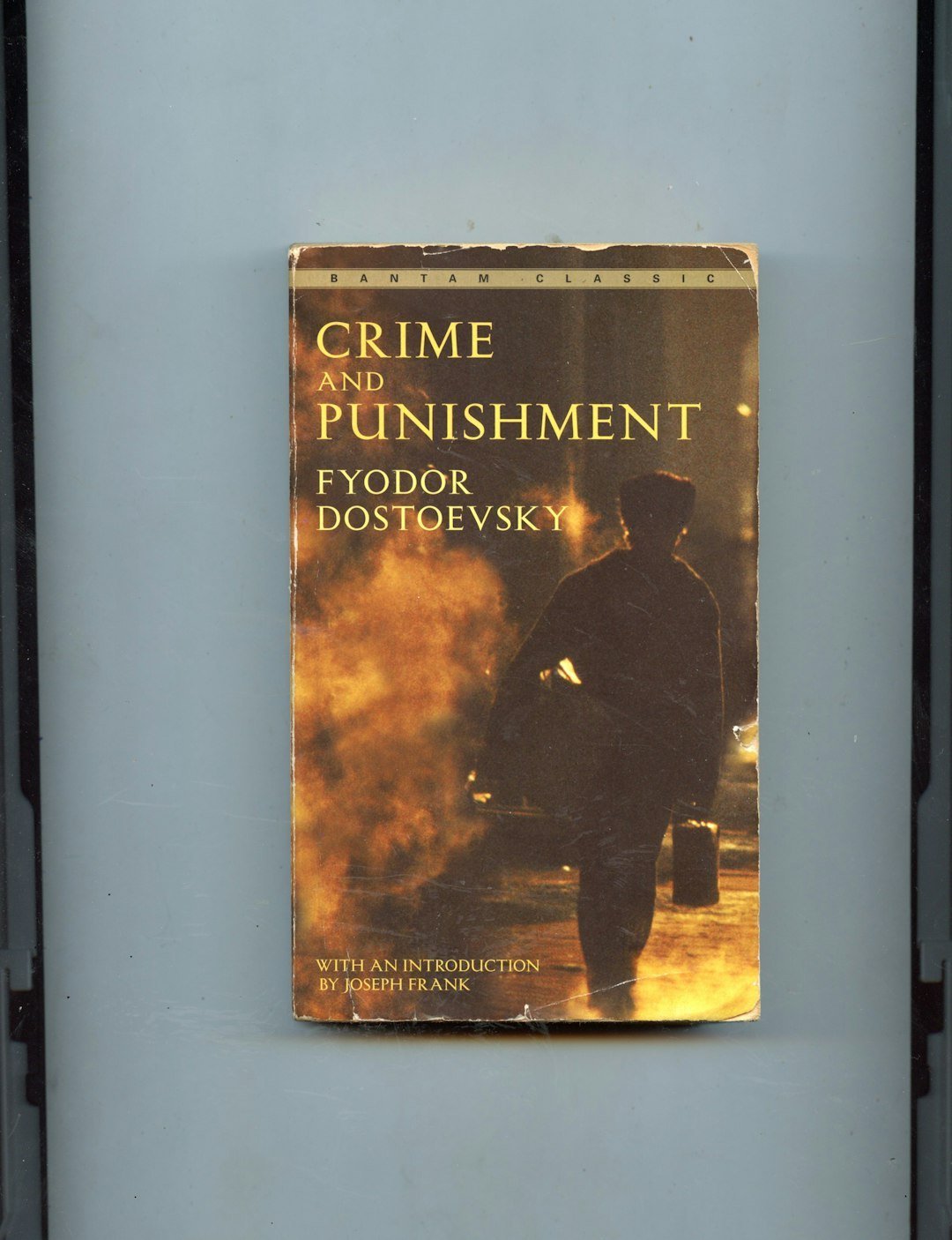
Raskolnikov commits his crime within the first hundred pages of Crime and Punishment. What follows isn’t really a detective story. It’s an intimate excavation of what guilt does to a human being when it has nowhere to go. Dostoevsky’s exploration of guilt and redemption in Crime and Punishment shows how confessions serve as pivotal moments, shaping the evolution of characters. The punishment in the title isn’t the prison sentence. It’s the interior torment that precedes it by hundreds of pages.
Dostoevsky embedded a deeply personal philosophical argument inside the thriller structure. Raskolnikov believes that extraordinary individuals exist above moral law – that greatness justifies transgression. The dark secret of the novel is that Dostoevsky doesn’t simply refute this idea with a sermon. He destroys it slowly, from the inside out, showing how the theory collapses the moment a real human being tries to live by it. Suffering, not punishment, is the answer.
Moby-Dick by Herman Melville: Obsession as a Form of Suicide

Moby-Dick is notoriously considered one of the most abandoned books in literary history. Too long. Too many chapters about whale anatomy. Fair enough. Those who persist, though, discover something extraordinary: a novel-length meditation on self-destruction dressed as an adventure story. In Moby-Dick, Captain Ahab embarks on a relentless pursuit of the white whale, driven by his obsession and desire for revenge, and this quest becomes a metaphor for the human search for meaning and purpose in life. Readers can reflect on their own journeys of self-discovery and the consequences of unchecked ambition.
Ahab doesn’t want to catch the whale. Not really. He wants to be consumed by the hunt, because the hunt is the only thing that gives his suffering shape and meaning. It’s a profound and terrifying portrait of how obsession can masquerade as purpose. The crew perishes not because of the whale – they perish because one man’s unresolvable inner wound was allowed to steer the ship. Think about that as a metaphor for leadership and you’ll never read it the same way again.
The Picture of Dorian Gray by Oscar Wilde: Society Made the Monster
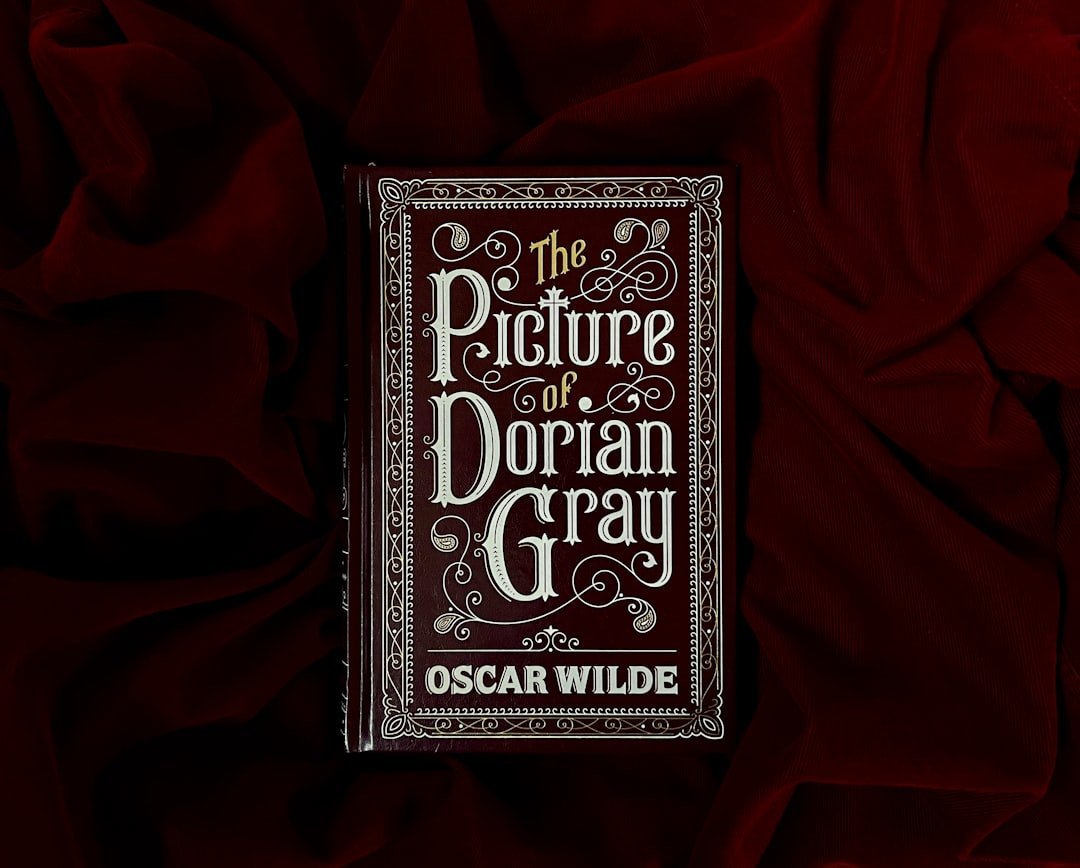
Oscar Wilde’s only novel is often read as a gothic horror story about vanity and moral corruption. That reading is correct but incomplete. The darker secret of the novel is its indictment of the society surrounding Dorian, not just Dorian himself. Lord Henry Wotton fills a young, impressionable mind with a philosophy of pleasure above consequence, then watches the catastrophe unfold as though it were theater. He is never punished. He doesn’t even feel responsible.
The theme of deception, hidden truths, and the consequences of keeping or revealing secrets often leads to conflict or self-destruction. Wilde constructed a novel where the portrait doesn’t just capture Dorian’s sins – it reveals the one honest thing in a world of beautiful performances. Every character lies constantly. Every social interaction in the book is a mask. The portrait is shocking precisely because it is the only thing in Dorian’s world that refuses to lie. Wilde, who faced enormous personal persecution from that same society, knew exactly what he was encoding in every page.
Conclusion: The Bravest Stories Are the Ones With Two Faces

The books we love most tend to be the ones that gave us more than we asked for. We came for the story and left carrying something we couldn’t quite name. That unnamed thing is usually the real subject of the novel. Literature, as a mirror reflecting the complexities of the human condition, thrives on the power of secrets. Enigmatic elements such as secrets and confessions serve as literary devices that enrich stories with layers of meaning, and the allure lies not only in the unveiling of hidden truths but in the delicate dance between what is disclosed and what remains shrouded in mystery.
Layered storytelling isn’t a trick. It’s an act of faith in the reader. Great authors trusted that some readers would look past the glittering surface – past the parties, the white whales, the portraits, and the moors – and find the darker, truer thing waiting underneath. Literary analysis allows us to engage with novels on a deeper level, encouraging us to reflect on our own experiences, beliefs, and societal norms, offering a lens through which we can explore complex themes and gain insight into human nature.
The question worth sitting with is this: which of these novels have you read before, and how differently might you read them now?

Christian Wiedeck, all the way from Germany, loves music festivals, especially in the USA. His articles bring the excitement of these events to readers worldwide.
For any feedback please reach out to info@festivalinside.com
