

- 12 Hobbies From the 1950s We Should All Bring Back Right Now - March 24, 2026
- The 10 Most Unbelievable Coincidences in Music History That Will Astound You - March 24, 2026
- 15 Hidden Travel Destinations Only Book Lovers Dream Of Visiting. - March 24, 2026
There is something deeply human about being drawn to the dark. Not just the ordinary darkness of a room with the lights off, but the kind of ancient, layered darkness that hangs over places where terrible things have happened, where legends were born from grief, and where visitors still leave with shaking hands. These are not theme park haunted houses. These are the real deal.
A fascination with the unknown drives many travelers to the most bone-chilling corners of our world. Sometimes it’s a lonely place with a violent or macabre past, said to be haunted by the tormented souls of those already departed. At others, a quiet crypt or a reverent patch of ground calls attention to the impermanence of life and the ever-turning hands of time. Honestly, I think that tension between curiosity and terror is what makes these places so magnetic. You know you shouldn’t want to go. You go anyway. Let’s dive in.
1. Isla de las Muñecas (Island of the Dolls), Mexico City
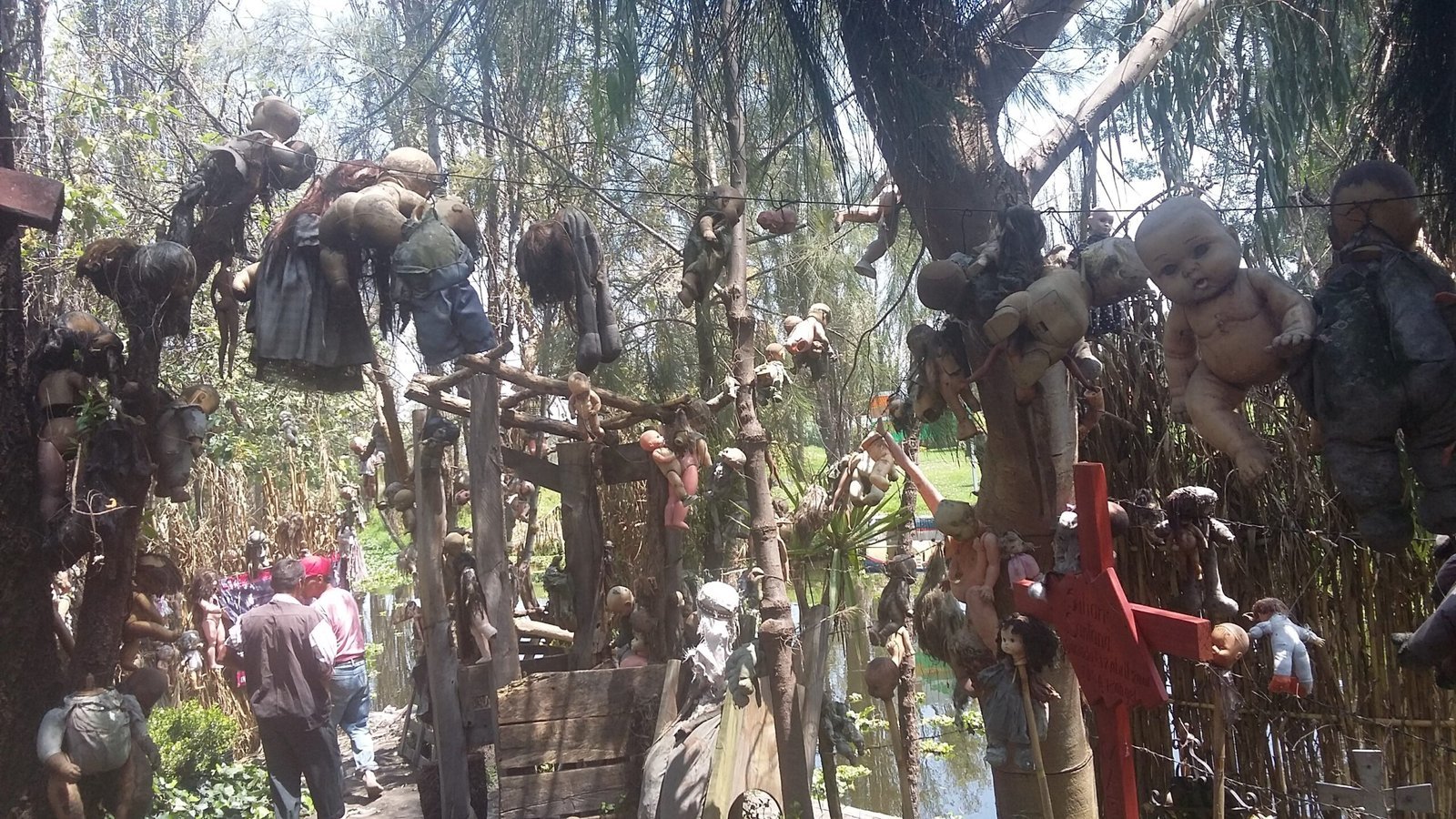
Picture this: a small, overgrown island tucked into the canal network of Xochimilco, just south of Mexico City. Nothing too alarming. Until you round a bend and see them. Hundreds upon hundreds of decaying dolls, strung from trees, dangling from rusted wire, their blank eyes staring at you from every direction. This small island is adorned with thousands of old, tattered dolls hanging from trees and scattered across the landscape. The dolls vary in size, age and condition. Some are missing limbs, while others have decaying features, contributing to the eerie atmosphere.
Legend has it that in 1950, the island’s caretaker, Don Julian Santana Barrera, discovered the lifeless body of a drowned girl in the canals surrounding the island. The next day, Barrera found a doll drifting down the canal. Believing it belonged to the girl, he hung the doll from a tree in her memory and as a talisman to ward off evil spirits. That one doll became hundreds, then thousands, gathered over fifty years of obsession. The story gets darker still: as they fished in the canal, Barrera sang passionately, claiming that mermaids in the water were calling for him. His nephew left briefly, and upon his return found Barrera dead, face down in the canal, in the same spot where the girl was said to have drowned.
Since the island became open to the public, there have been reports of the dolls moving their heads, arms, and opening their eyes. Visitors also claim to have heard the dolls whispering to each other. Creepy? That’s the understatement of the century. It’s worth noting that there’s even a Guinness World Record connected to this place: “Largest Collection of Haunted Dolls.”
2. Poveglia Island, Italy
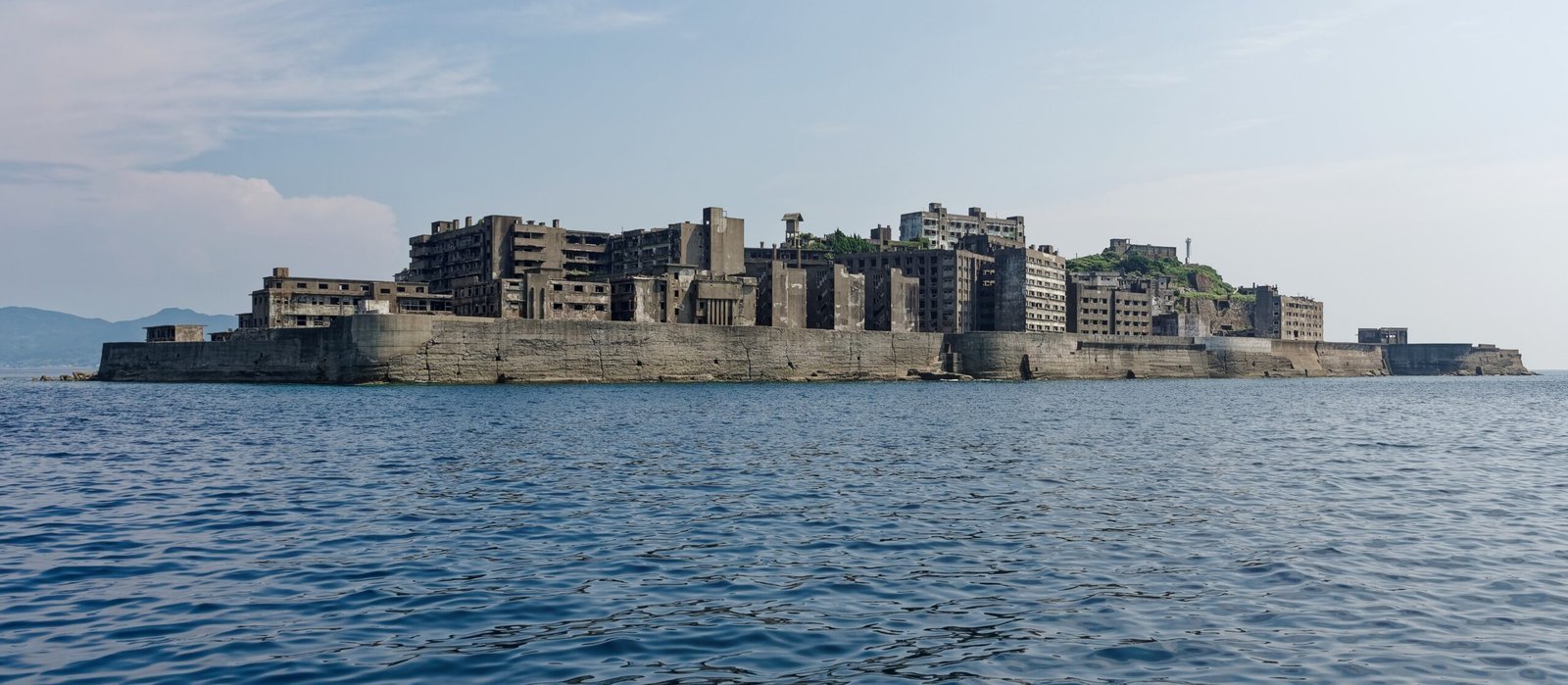
If you were to look at Poveglia on a map, it would seem like just another small island near Venice. Picturesque, even. The truth is something altogether different and deeply unsettling. Poveglia became a quarantine centre for bubonic plague victims, 160,000 of whom died in the streets before being burned and placed into mass pits. Criminals were also routinely drowned on the island. The weight of that kind of death is hard to overstate. Walking on Poveglia means literally walking on top of centuries of suffering.
In its most infamous guise, Poveglia hosted a mental asylum run by a sadistic doctor who conducted inhumane experiments. Driven “mad by ghosts,” the doctor threw himself to his death from the bell tower, at which point the island was abandoned altogether. Poveglia is widely believed to be one of the most haunted places in the world. In 2014, it nearly became a luxury hotel, but the deal fell through and it remains a macabre reminder of its terrible past. It’s not supposed to be visited by anyone, let alone tourists, but boat operators in Venice have been known to make the trip. Some things, it seems, refuse to be turned into something comfortable.
3. Hoia-Baciu Forest, Romania
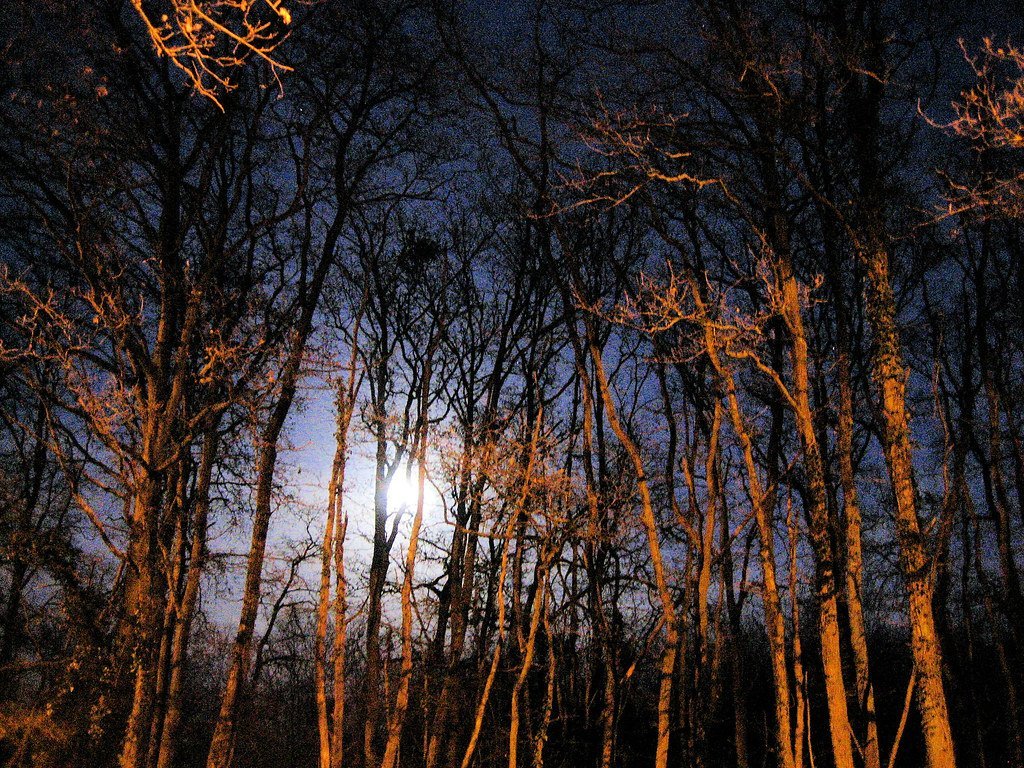
They call it the Bermuda Triangle of Transylvania, and for good reason. Hoia Baciu Forest, located near Cluj-Napoca, Romania, has long been the subject of intrigue, fear, and fascination. Often referred to as the “Bermuda Triangle of Transylvania,” this dense, mysterious woodland has become synonymous with paranormal activity and unexplained phenomena. The forest bears the namesake of a shepherd who vanished within its depths alongside his flock. Think about that. A man and his entire flock. Gone. Just the forest remaining.
This unusual forest became downright notorious in 1968, when military officer Emil Barnea took a photograph of an alleged UFO flying over a southern part of the forest. Barnea’s photograph gained worldwide attention, and the forest became a hotspot for UFO enthusiasts. In Hoia Baciu Forest, there are trees that twist in clockwise spirals and a circular “dead zone” where no vegetation grows. Scientific study has failed to adequately explain either phenomenon. Several visitors claim to have physical reactions to the forest, including headaches, nausea, anxiety, and the unnerving sense that they are being watched by unseen entities. One tale tells of a young girl who disappeared into the forest, only to reappear five years later, unable to remember where she had been.
4. The Paris Catacombs, France
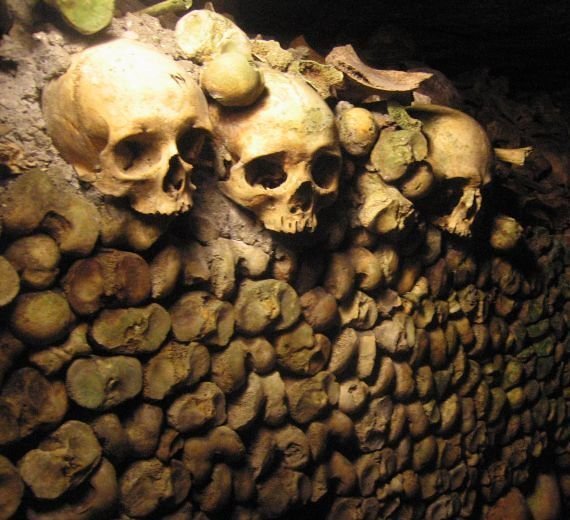
Paris is elegant, romantic, endlessly cultured. Descend a few dozen meters underground, though, and the city reveals a completely different face. Buried 20 metres underground, the Paris Catacombs are a bone-chilling labyrinth filled with the remains of Parisians. The tunnels, which first served as an underground quarry during the 1300s, became a mass grave in the late 18th century when Parisian cemeteries were beginning to overflow.
Now it’s one of Paris’ creepiest attractions, home to the bones of roughly six million people and deeper underground than the Metro and the sewer systems. Six million people. The scale of that is almost impossible to process. It’s like an entire country of souls stacked beneath a city famous for its cafes and art museums. Don’t veer off the tourist trail though: in summer 2017, two teenagers were lost in the cavernous network for three days. The tunnels extend much further than the official tour allows, a fact that makes the catacombs feel less like a museum and more like something genuinely unknowable.
5. Aokigahara, Japan
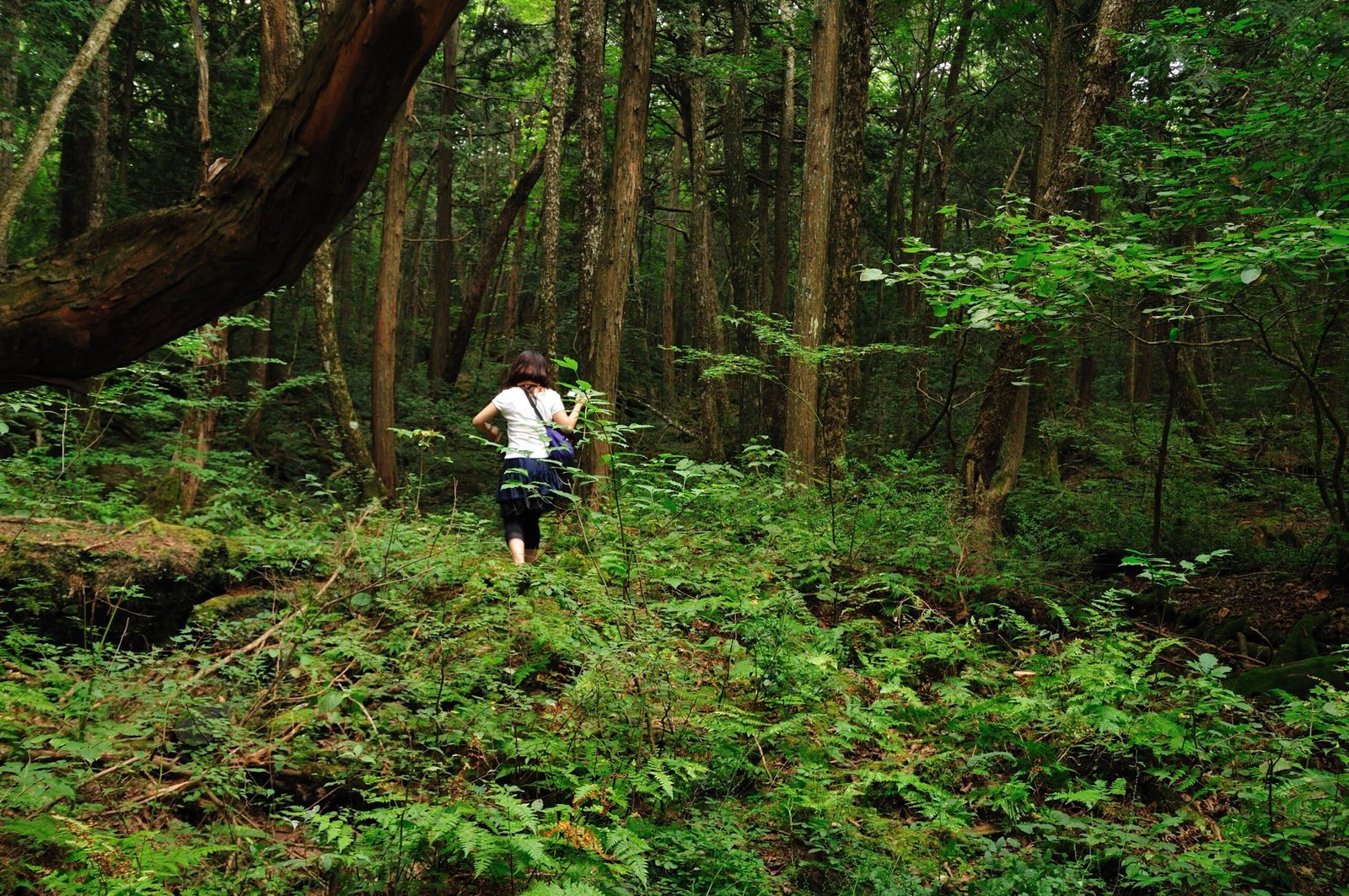
At the base of majestic Mount Fuji, you might expect serenity. Aokigahara, or the “Sea of Trees,” is more popularly known as Japan’s Suicide Forest worldwide. It lies at the base of Mt. Fuji in Fuji-Hakone-Izu National Park. The forest itself is hauntingly beautiful, the kind of dense, still woodland that would look magnificent on a postcard. What lives within it, though, is another matter entirely. The forest has a historical reputation as a home to yūrei: ghosts of the dead in Japanese mythology.
Scattered throughout the area are decomposing human remains of people who have chosen to end their lives there. Some people are hired to look for and report any new bodies they find in the forest. There are abandoned tents left by people who decided to camp out for several days before eventually taking their lives. Suicides are so common in Aokigahara that signs have been put up at the heads of certain trails, urging people to choose life and reach out to their loved ones instead. Aokigahara is not the kind of place that frightens you with horror-movie theatrics. It frightens you because it is real, and heartbreakingly so.
6. Sedlec Ossuary (Church of Bones), Czech Republic
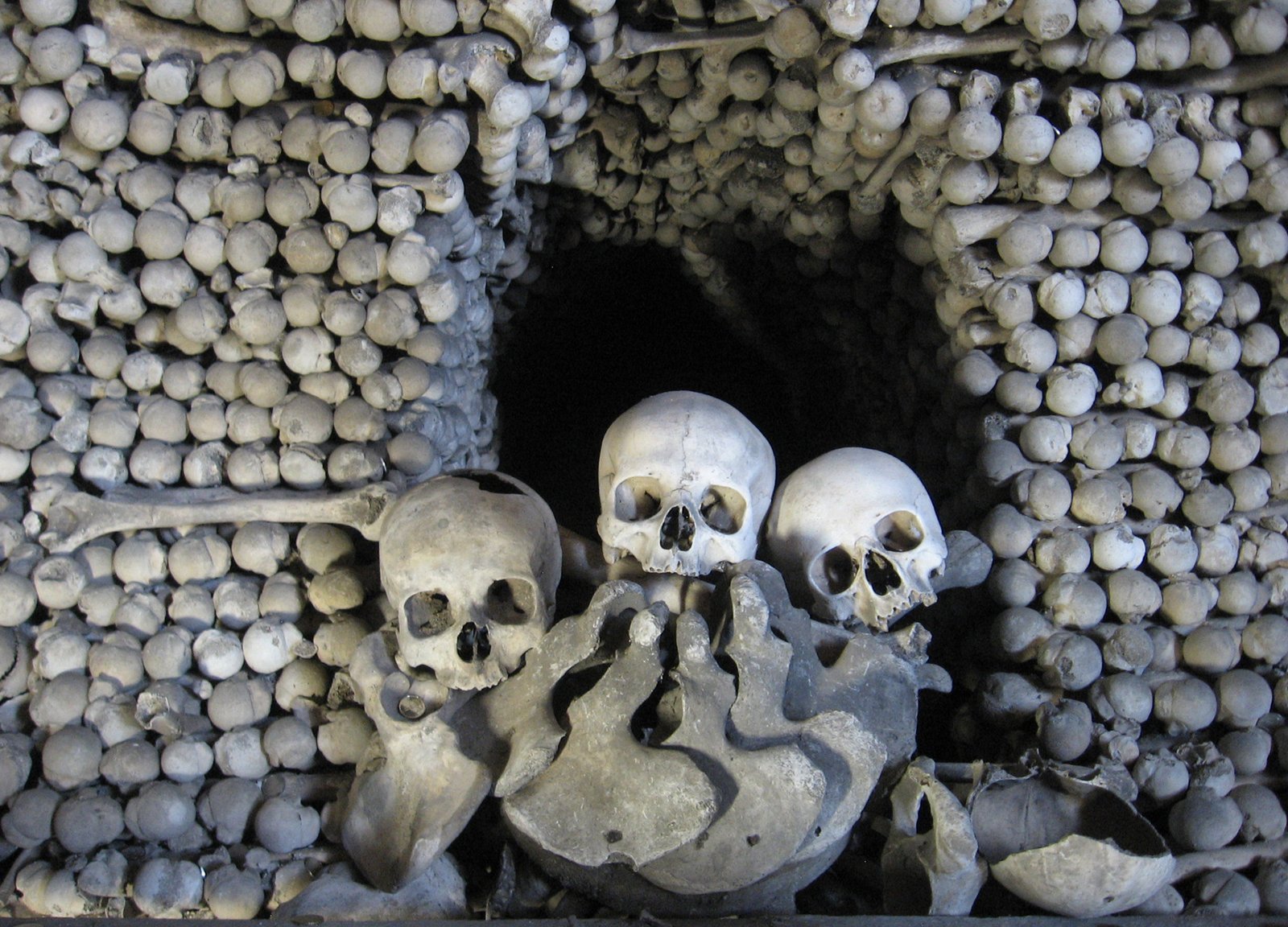
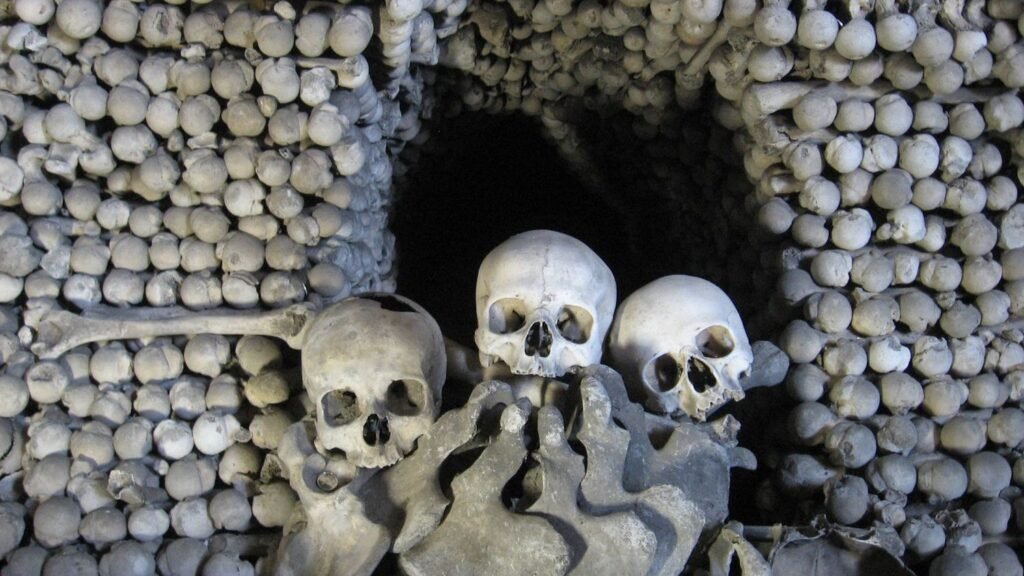
From the outside, the Sedlec Ossuary looks like an ordinary Gothic chapel in the small town of Kutná Hora. Step inside, and the word “ordinary” is immediately rendered useless. The Sedlec Ossuary is a small Roman Catholic chapel in Sedlec, Czech Republic. It contains the skeletal remains of about 40,000 human beings dispersed throughout the interior in artistically arranged designs. The most notable creations made of human bones are the chandelier in the center of the room and the coat of arms of the Schwarzenbergs on the left.
The area has been a desirable burial site since the 13th century, and it contains many victims of the Black Death and Hussite Wars. The ossuary itself was built around 1400 to house the bones of those buried on the property in mass graves. These bones were freely given from the bodies of devout Roman Catholics all over Europe who clamored to be buried here after the Abbot of Sedlec went on a pilgrimage to Jerusalem in 1278 and brought back soil from Golgotha where Jesus had supposedly been crucified. I honestly find this place more disturbing than any ghost story. It’s too real. Too deliberate. A chandelier made of human ribs and skulls isn’t something your brain processes quickly.
7. Alcatraz, San Francisco, USA
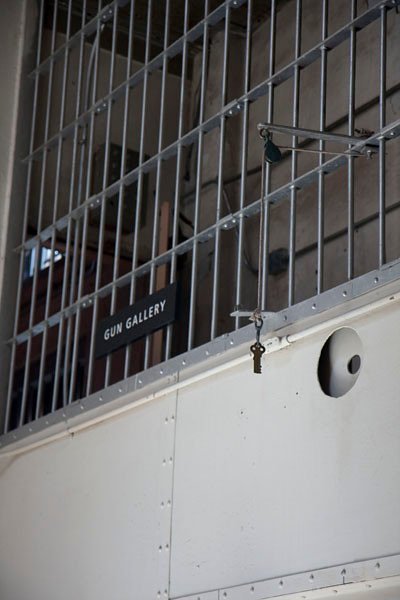
Sitting in the cold middle of San Francisco Bay like a stone fist, Alcatraz is a place you feel before you even set foot on it. The unforgiving Alcatraz Prison was in operation from 1934 to 1963 and housed some of the world’s most notorious criminals, including Al Capone and George “Machine Gun” Kelly. There is something deeply oppressive about the place, even as a tourist attraction. The walls are too thick, the corridors too narrow, and the silence in the old cell blocks carries a strange weight.
As you explore the former penitentiary, you may well feel a lingering presence. Some say you can still hear the wails of prisoners as you walk the cell blocks. For the most chilling experience of all, visit punishment cell 14D, rumoured to be haunted by a prisoner who died there. Although three people notably did escape in 1962, they were never seen again after leaving the island. Even while it was still in use, Alcatraz was a dangerous, decaying place. Its prisoners were often mistreated since it was designed to feel as hostile as possible. That hostility, it seems, has never really left.
8. Edinburgh Castle, Scotland
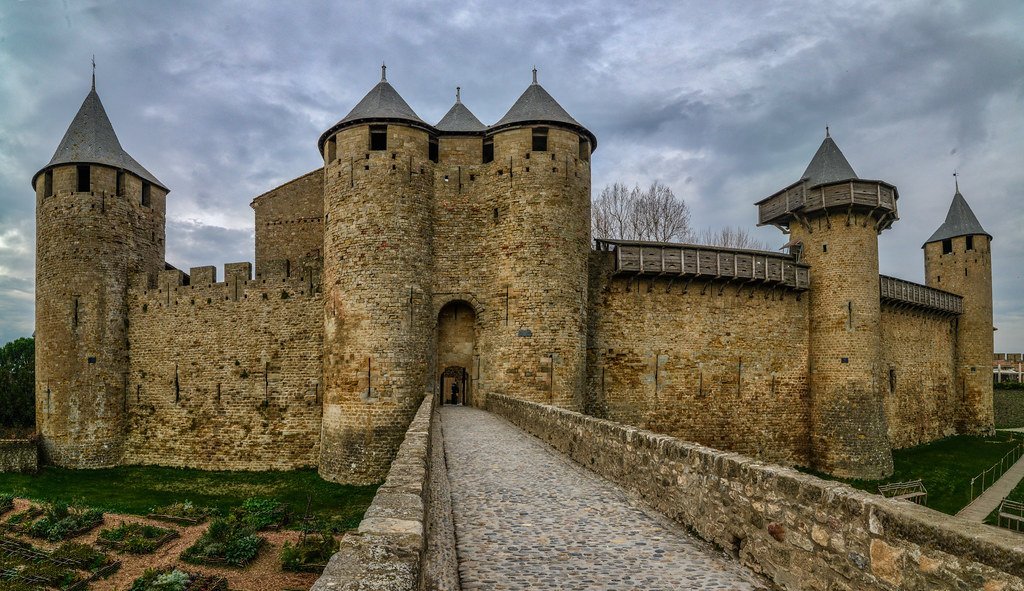
Edinburgh Castle is the kind of place that commands respect from a distance. Perched on volcanic rock above the Scottish capital, it has witnessed centuries of war, imprisonment, and death. Perched overlooking Scotland’s capital on a chunk of volcanic earth known as Castle Rock, Edinburgh Castle is one of the oldest fortified places in Europe. Long before King David I started its construction in the 12th century, Iron Age people had a hill fort up here. At least 26 sieges have taken place throughout the castle’s history. As a result, many legends are connected to its violent past, and its dungeon, in particular, is said to be haunted by tortured souls.
One of the castle’s most famous ghosts is a piper boy who was sent through some of the castle’s underground tunnels, never to be seen again. Visitors sometimes report hearing bagpipes when exploring the tunnels. Another is a headless drummer, who was seen drumming around 1650 before the castle was attacked by Oliver Cromwell. His playing has now come to be an omen of danger, so visitors who hear drums playing should be wary. You know a place has earned its reputation when even the ghosts have backstories this dramatic.
9. The Tower of London, England
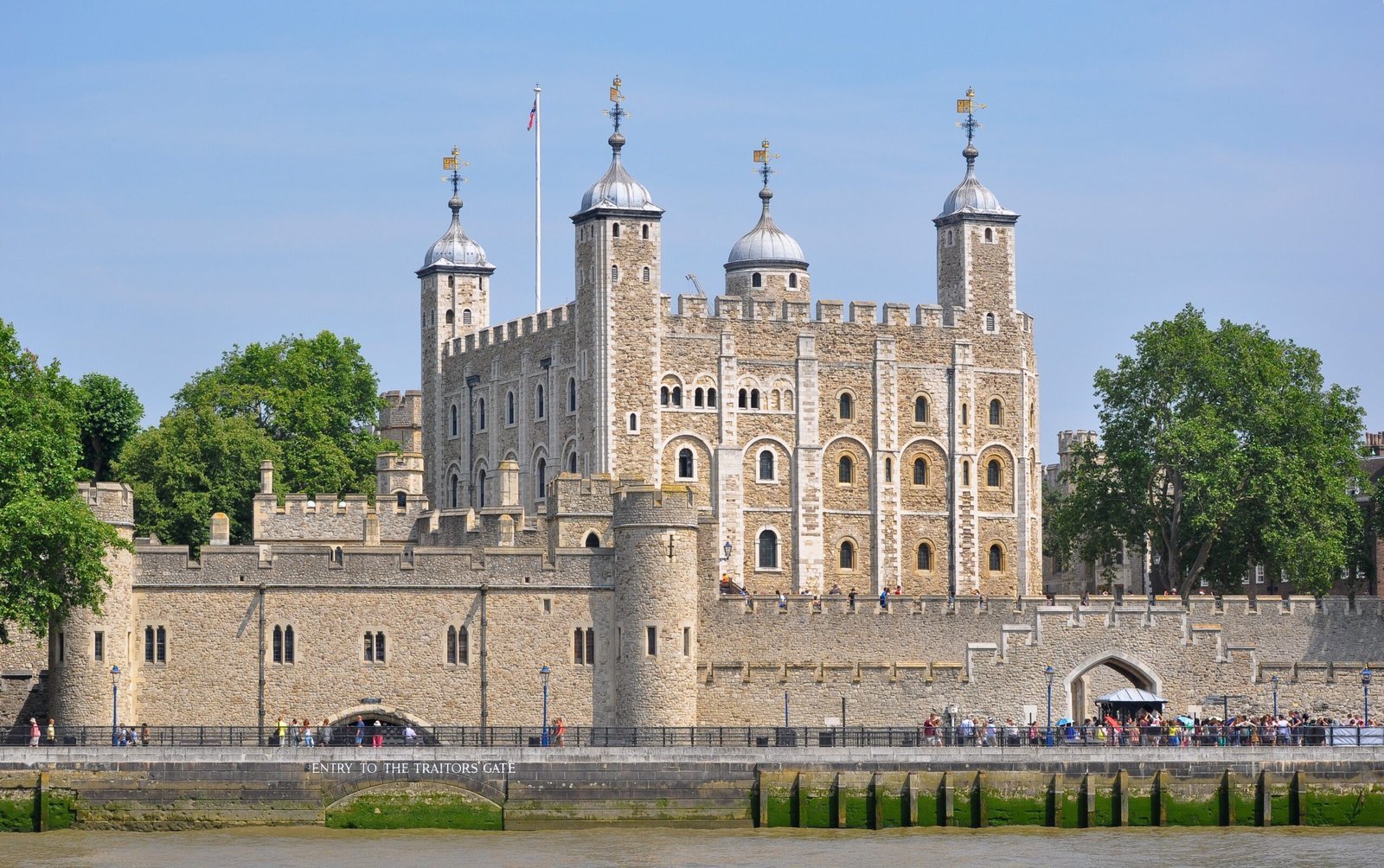
The Tower of London is not just a historical landmark. It is one of the most concentrated sites of human suffering on the British Isles, and the ghost stories that surround it read like a particularly brutal history lesson. The roll of honour at the Tower of London is populated with so many eminent figures, it’s like being haunted by a history textbook. Anne Boleyn’s ghost is believed to roam the gloomy hallways with severed head in hand, Henry VI’s apparition appears at midnight in the chapel, while the ghosts of two young boys, imprisoned princes Edward and Richard presumably, have been spotted holding hands and crying.
Tourists report tapping on the shoulder, cold chills, and shrieking as shadowy figures glide by. Sir Walter Raleigh, Lady Jane Grey, and Guy Fawkes are among the other reported ghouls, with 13 in total. Thirteen confirmed ghosts in a single building. That’s not a haunted place, that’s a full-blown supernatural apartment complex. The Tower has stood since the 11th century and absorbed centuries of executions, imprisonments, and betrayals. It’s hard to say for sure, but I think whatever emotional residue those events left behind hasn’t gone anywhere.
10. Darvaza Gas Crater (“Door to Hell”), Turkmenistan
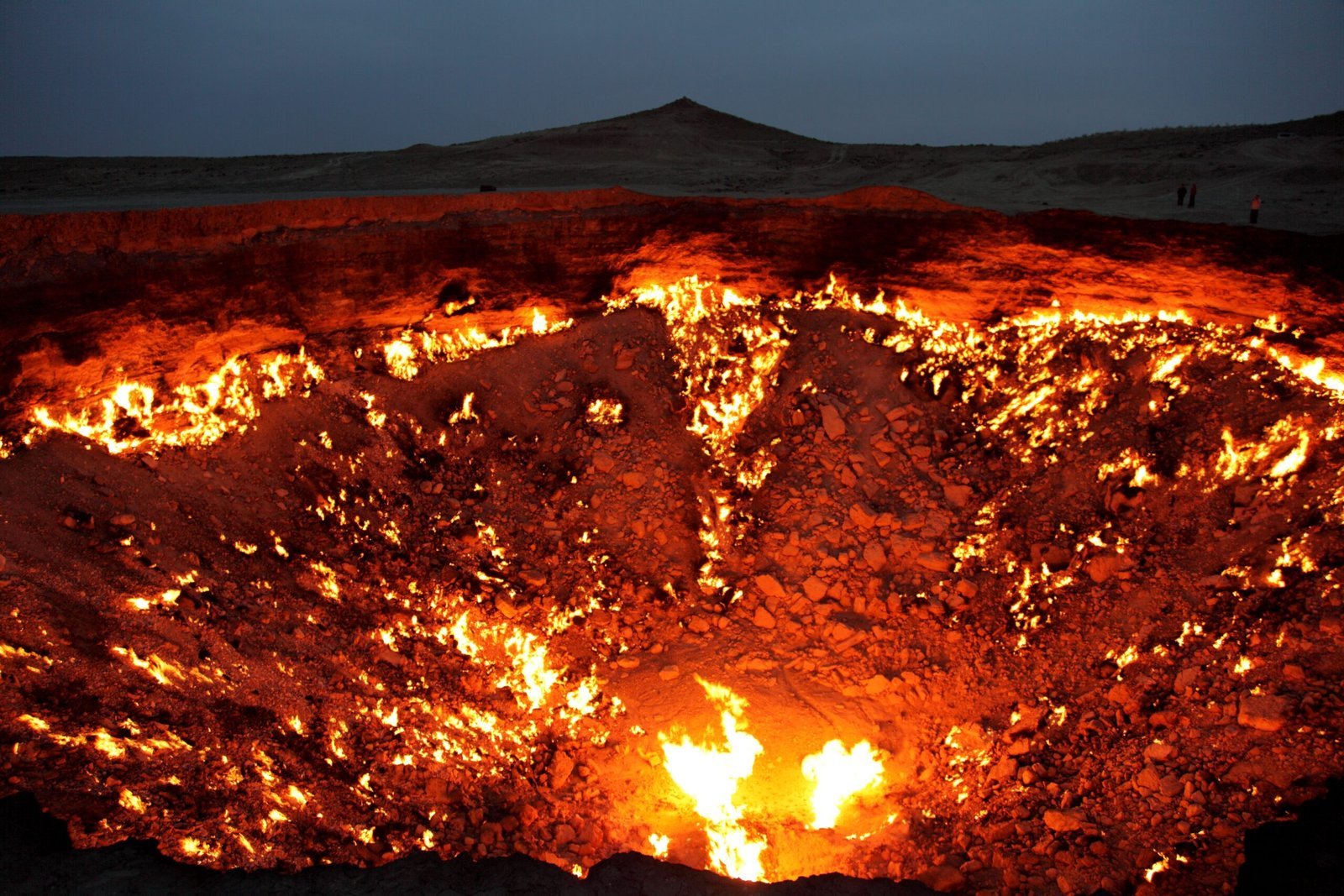
The final entry on this list is different from all the others. There are no ghosts here, no tragic legends of drowned children or headless queens. What makes the Darvaza Gas Crater terrifying is something altogether more primal: it looks, with startling sincerity, like the entrance to Hell itself. Officially called the Darvaza Crater, this incredible sight is nicknamed the Gateway, or Doorway, to Hell. There’s no concrete record of what exactly happened, making the fiery cavern even more intriguing. It’s said to have formed in 1971, when Soviet geologists looking for oil realized they’d stumbled across a cavern of natural gas. They set it alight to avoid the spread of methane gas.
In the middle of the Karakum Desert, there is now a 100-feet deep crater that is persistently on fire. Scientists say the fires are beginning to dissipate. Still, for more than fifty years, it has blazed on without interruption, glowing against the desert night sky like something from another world. It’s been a veritable tourist attraction, even if Turkmenistan isn’t the easiest place to visit because of strict visa policies. There is something deeply uncomfortable about standing at the edge of a crater of fire that has been burning since before most of us were born. No ghost stories needed. The thing itself is enough.
Why We Can’t Stay Away from Creepy Places
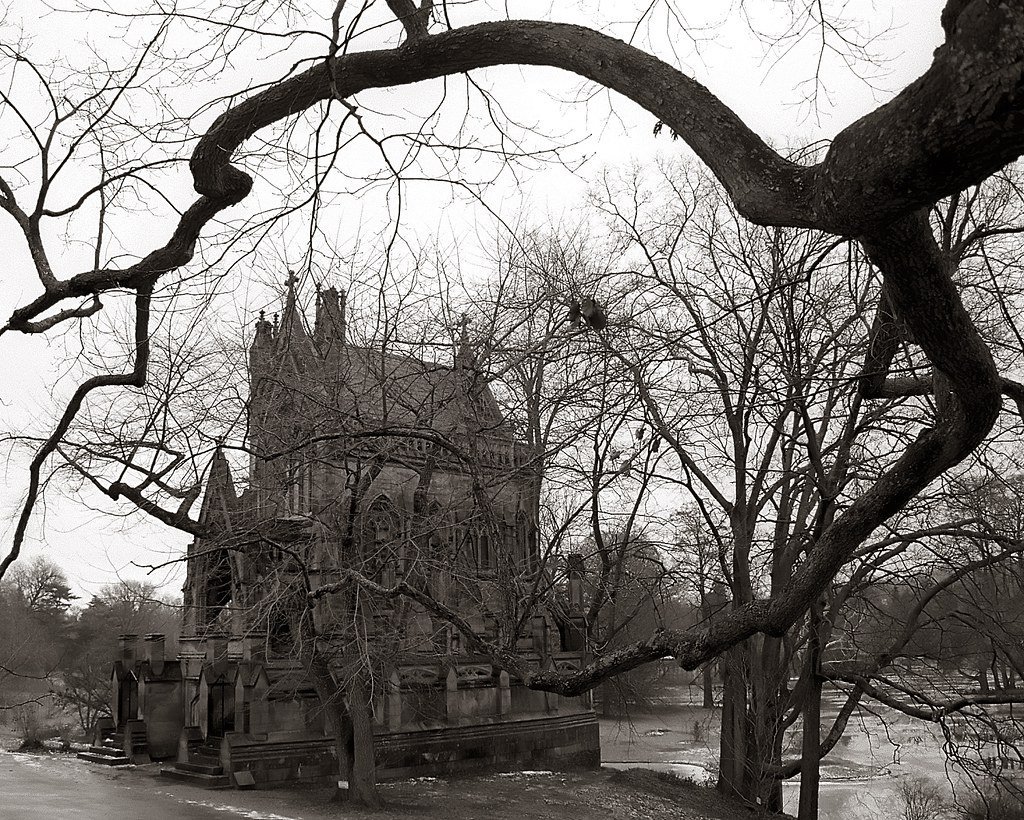
There’s a reason every culture on earth has its ghost stories, its cursed forests, its islands of the dead. We are, at our core, beings who need to make sense of death and darkness, and these places force that confrontation in ways that ordinary life does not. Whether you firmly believe in the paranormal or doubt anything beyond the physical plane, haunted places offer a fascinating way to get into the spirit of a place. The thrill of the unexplained is what prompts so many to take ghost tours, which often tell juicy and sometimes goosebump-inducing stories that give historic sites a richer context.
From a doll-covered island in Mexico to a flame that refuses to die in the Turkmenistan desert, the world is full of places that resist simple explanation. Some of them carry real historical trauma. Others thrive on legend and rumor. Most blend the two in ways that make you genuinely uncertain what is true. Wherever you are in the world, the chances are pretty high that you’ll be in close proximity to a location with a dark, haunting past. If mysterious occurrences remain unexplained, they never go away, and folklore is all the richer for these unnerving and enduring tales.
Honestly, I think what makes these places so unforgettable is exactly the uncertainty. It’s not the monsters or the ghosts that get under your skin. It’s the feeling that something happened here, something enormous and human and terrible, and the world around it simply moved on while the echo stayed. These ten locations are proof that some echoes don’t fade quietly. Which of these would you dare to visit?
CEO-Co-Founder
