

- How George Washington Was A Coffee Connoisseur Of His Time - April 10, 2026
- Classic Novels Often Hide Modern Lessons We’re Still Learning Today - April 10, 2026
- The 15 Most Influential Musicians of the 20th Century - April 10, 2026
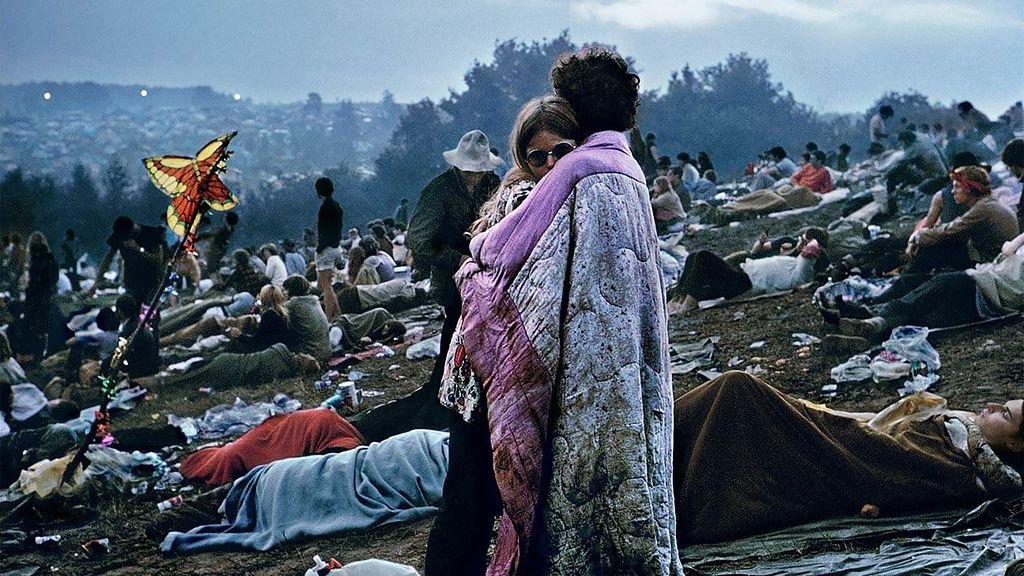
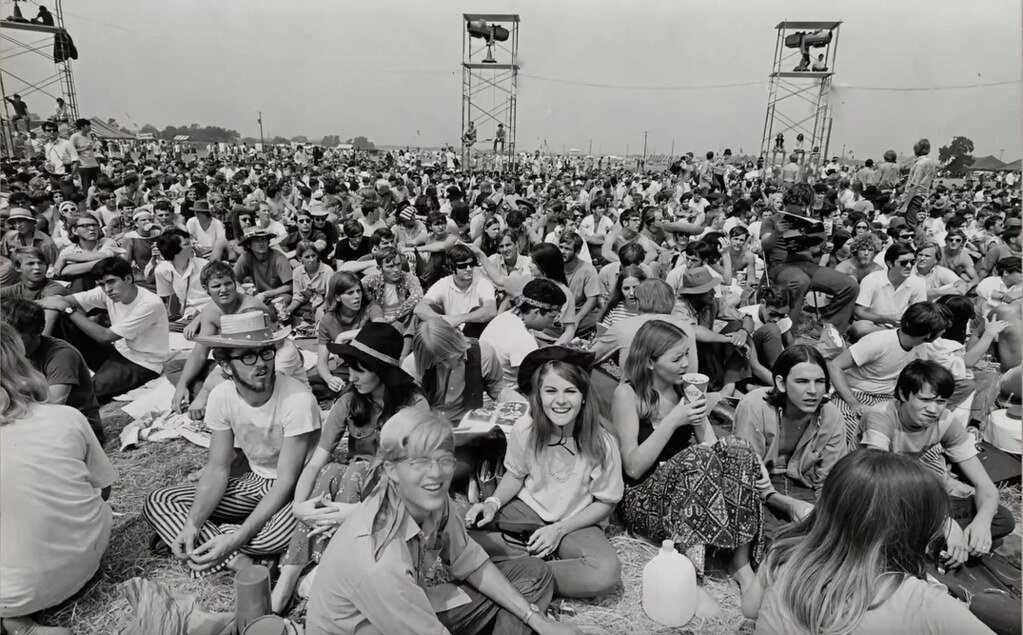
There are few events in modern history that cast as long a shadow as the Woodstock Music and Art Fair of 1969. It was four days of mud, music, and something almost impossible to manufacture: genuine human togetherness on a massive scale. Most people know the broad strokes. Nearly half a million people. Jimi Hendrix. Peace and love.
It was one of the largest music festivals in history and would become the peak musical event to reflect the counterculture of the 1960s, widely regarded as a pivotal moment in popular music history, as well as a defining event for the early baby boomer generation. Honestly, that alone would make it remarkable. Yet the deeper you dig into the actual story behind Woodstock, the more surprising it gets. Some details are funny. Some are jaw-dropping. A few are just plain strange. Let’s dive in.
1. Woodstock Didn’t Actually Happen in Woodstock
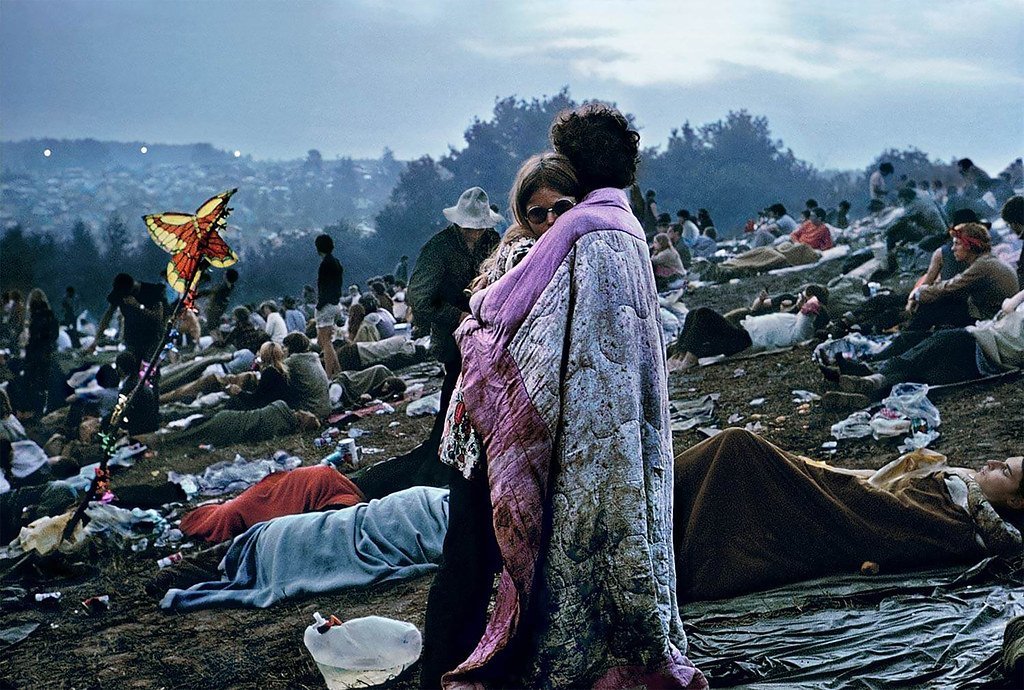
Here’s the thing that trips people up every time. The name “Woodstock” conjures images of a specific town, a specific community. It’s right there in the name, after all.
The Woodstock Music and Art Fair was held on Max Yasgur’s dairy farm in Bethel, New York, 60 miles southwest of the town of Woodstock. So why did the name stick? The name Woodstock was retained because of the cachet of hipness associated with the town, where Bob Dylan and several other musicians were known to live and which had been an artists’ retreat since the turn of the century.
Unable to find a suitable spot in Woodstock itself, the organizers signed a deal to hold the festival in an industrial park in nearby Wallkill. However, when local officials began to realize that the festival was expected to draw 50,000 people, they balked and just a month before the concert passed a law prohibiting the event. So, purely by circumstance and last-minute scrambling, a dairy farmer in Bethel ended up hosting the defining event of a generation.
2. It Was Originally Meant to Fund a Recording Studio

Forget peace and love for a moment. The whole thing started as a business plan. A pretty modest one, actually.
The idea behind the first Woodstock musical festival was simply to raise enough money to build a recording studio in Woodstock, New York. Early in 1969, Roberts and Rosenman were New York City entrepreneurs who were in the process of building a recording studio complex in Manhattan. Their lawyer suggested they contact Roberts and Rosenman about financing a similar but much smaller studio that Lang hoped to build in Woodstock, New York. Unpersuaded by this proposal, Roberts and Rosenman counter-proposed a concert featuring artists known to frequent the Woodstock area.
That pivot from small recording studio to the biggest outdoor concert in American history is wild to think about. It’s like planning a backyard cookout and accidentally hosting Coachella. The organizers had no way of knowing their festival would become the cultural phenomenon of the century with lasting effects rippling through pop culture and the political landscape.
3. The Festival Became Free Almost by Accident
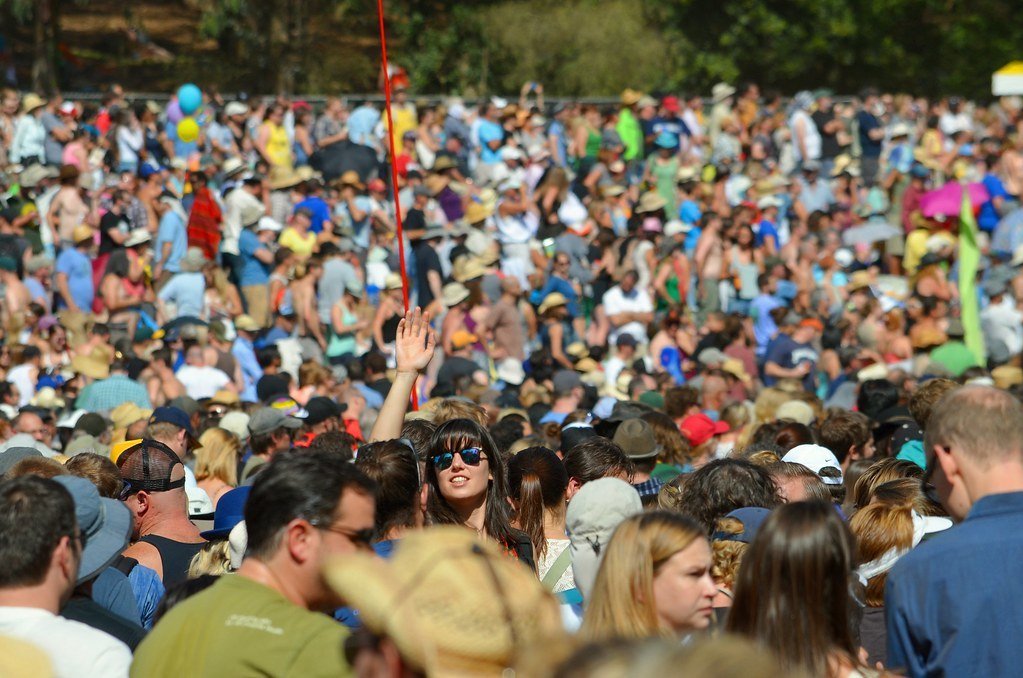
Woodstock is remembered as this open, free-spirited gathering. What most people don’t realize is that it was supposed to be a ticketed, for-profit event. The “free festival” part wasn’t some grand ideological statement.
Woodstock was conceived as a profit-making venture. It became a “free concert” when circumstances prevented the organizers from installing fences and ticket booths before opening day. Tickets for the three-day event cost US$18 in advance and $24 at the gate. The sheer flood of humanity simply overwhelmed any attempt at crowd control.
The sheer number of attendees and the logistics of collecting money and tickets at the gates had forced them to abandon the idea of a for-pay concert and instead let everyone in for free. In addition, they were forced to spend tens of thousands of dollars contracting helicopters to transport food, supplies and the musical acts to and from the site. What was meant to generate profit quickly became a financial nightmare, with organizers scrambling just to keep the show running.
4. Creedence Clearwater Revival Was the Act That Made It All Possible
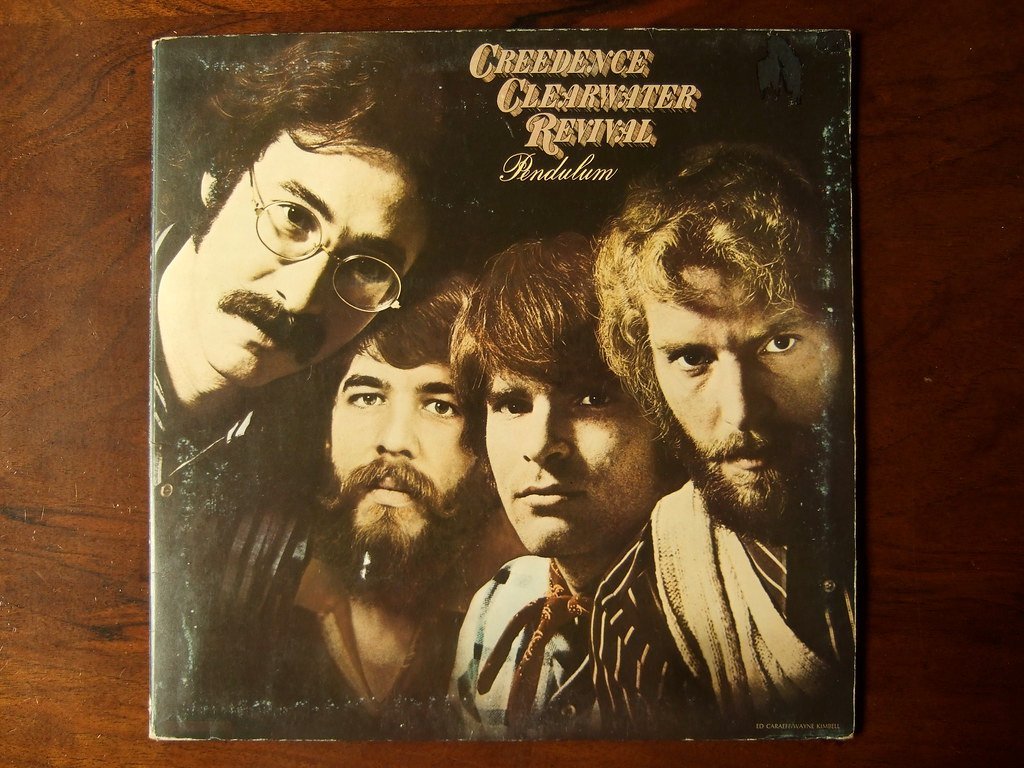
Everyone talks about Hendrix, Janis Joplin, and The Who. But there’s one band without which Woodstock might never have had the lineup it did. Honestly, they don’t get nearly enough credit for it.
In April 1969, Creedence Clearwater Revival became the first act to sign a contract for the event, agreeing to play for $10,000. The promoters had experienced difficulty in landing big-name groups until Creedence committed to play. Think of it like dominoes. Once one major act said yes, everyone else started to follow.
Given their 12:30 am start time and omission from the Woodstock film, Creedence members have expressed bitterness over their experiences regarding the festival. So the band that essentially opened the floodgates for the entire legendary lineup was also largely left out of the famous documentary. Talk about a bittersweet legacy.
5. Richie Havens Improvised His Most Famous Song on the Spot
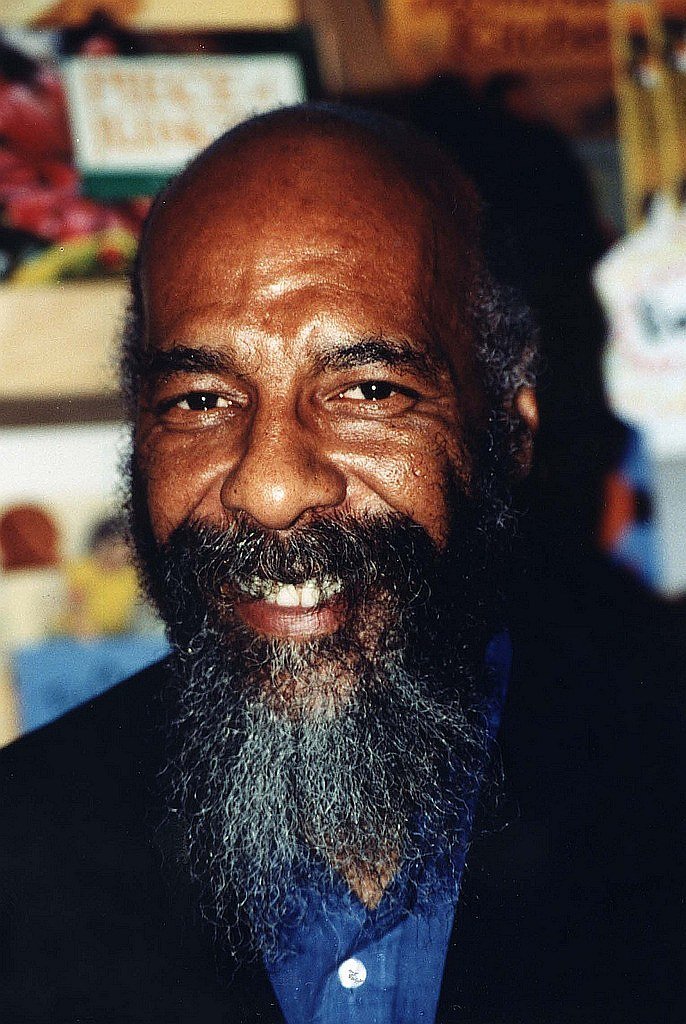
Richie Havens opened Woodstock under circumstances no performer would envy. He was not even supposed to go first.
For nearly three hours, the festival’s first performer, Richie Havens, sang several covers of songs by The Beatles after quickly running through his own songs because the intended first act, Sweetwater, was stuck in traffic. Trapped on stage, out of material, and staring at an ocean of hundreds of thousands of people, Havens did what great artists do under pressure.
He improvised the song “Freedom,” which became one of the most iconic musical moments of the entire festival. It’s a remarkable thought: one of Woodstock’s most remembered performances was born from sheer necessity, not planning. Around 5:00 p.m. on Friday, August 15, Richie Havens took the stage and played a 45-minute set. Havens was followed by an unscheduled blessing by yoga guru Sri Swami Satchidananda. Even the spiritual interlude that followed was unplanned. The whole opening was gloriously improvised.
6. Jimi Hendrix Played to a Fraction of the Crowd
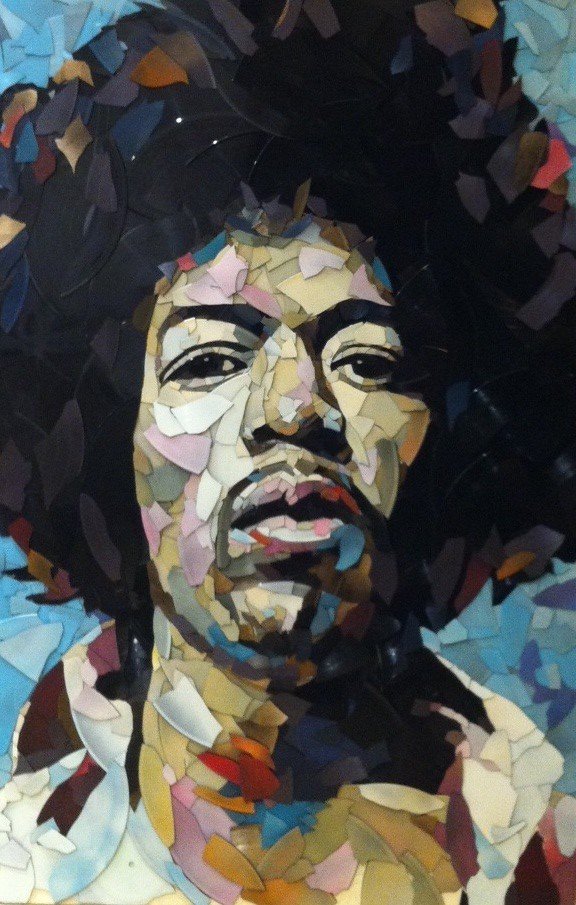
Here is a fact that genuinely surprises people. Jimi Hendrix is practically synonymous with Woodstock, his performance of “The Star-Spangled Banner” one of the most replayed moments in rock history. Yet most of the people who attended Woodstock never actually saw it live.
Technical and weather delays caused the festival to stretch into Monday morning. The organizers had given Hendrix the opportunity to go on at midnight, but he opted to be the closer. That decision had enormous consequences.
Hendrix did not perform for half a million people. In fact, when he took to the stage at 9 a.m., the crowd, which once numbered 500,000, had dwindled to fewer than 200,000. With the demands of work and school weighing on them, many fans waited just long enough to see Hendrix begin his set, and then departed. So the performance that defined the festival was witnessed live by roughly a third of the total audience. The rest had to discover it through film and recordings.
7. Joni Mitchell Wrote the Anthem Without Ever Being There
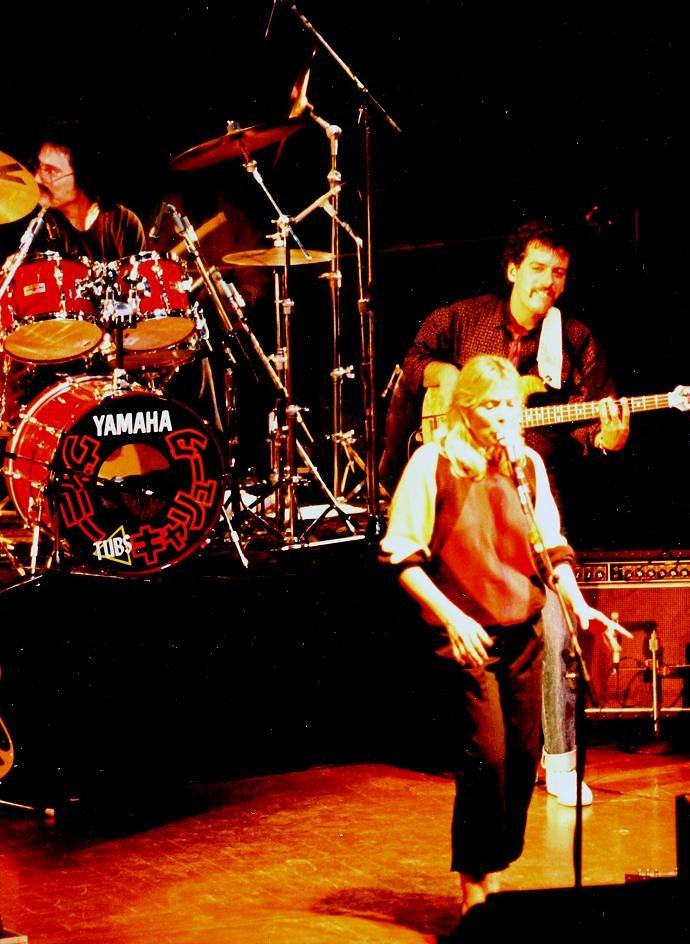
If you ask most people which song captures the spirit of Woodstock, they’ll often point to Joni Mitchell’s “Woodstock.” It’s lush, it’s dreamy, it feels like the perfect encapsulation of the whole event. So here’s the part that sounds almost too strange to be true.
Joni Mitchell never actually attended or performed at Woodstock. Her famous hit “Woodstock” was based on the account of her boyfriend Graham Nash of the band Crosby, Stills and Nash. She wrote the entire song based on secondhand stories, never setting foot on the Bethel farm.
The event’s significance was reinforced by a 1970 documentary film, an accompanying soundtrack album, and a song written by Joni Mitchell that became a major hit for both Crosby, Stills, Nash & Young and Matthews Southern Comfort. It’s a fascinating paradox. The song most associated with Woodstock was created entirely from the outside, by someone who wasn’t there. That somehow makes it even more interesting, not less.
8. The Organizers Needed a Midnight Bank Run to Keep the Music Going
The financial chaos behind the scenes at Woodstock was genuinely extraordinary. The whole enterprise nearly collapsed not just once, but repeatedly over those four days.
Weeks earlier, in an effort to attract music’s biggest stars to the festival, Woodstock’s organizers had agreed to pay some artists more than twice their going rate, and on Saturday many of them demanded that they be paid, in cash, before going on stage. Fearful of what the crowd would do if the music came to a halt, organizer John Roberts agreed to use his trust fund as collateral for an emergency loan. Organizers finally convinced the manager of a local bank to open up close to midnight on Saturday to get them the funds.
Picture it: half a million people sitting in a muddy field, totally unaware that the entire festival was teetering on the edge of silence because of a cash flow crisis. Woodstock cost an estimated $3 million to fund, but turned only a $1.8 million profit. It took festival organizers years to pay off debts incurred during the festival. The legacy was priceless. The bank account, less so.
9. The Documentary Film Saved Warner Bros. from Bankruptcy
Here is a fact that belongs in a Hollywood movie itself. The Woodstock documentary did not just capture history. It may have literally rescued one of America’s most iconic entertainment companies.
Artie Kornfeld went to Fred Weintraub, an executive at Warner Bros., and asked for money to film the festival. Kornfeld had been turned down everywhere else, but against the express wishes of other Warner Bros. executives, Weintraub put his job on the line and gave Kornfeld $100,000 to make the film. It was a gamble. A huge one.
Woodstock helped to save Warner Bros. at a time when the company was on the verge of going out of business. Although it featured memorable performances by Crosby, Stills and Nash, Santana, Joe Cocker, and Hendrix, the festival left its promoters virtually bankrupt. They had, however, held onto the film and recording rights and more than made their money back when Michael Wadleigh’s documentary film Woodstock became a smash hit. One brave executive betting his career on a counterculture music film ended up changing the trajectory of an entire studio.
10. The Festival Site Is Now a National Historic Landmark
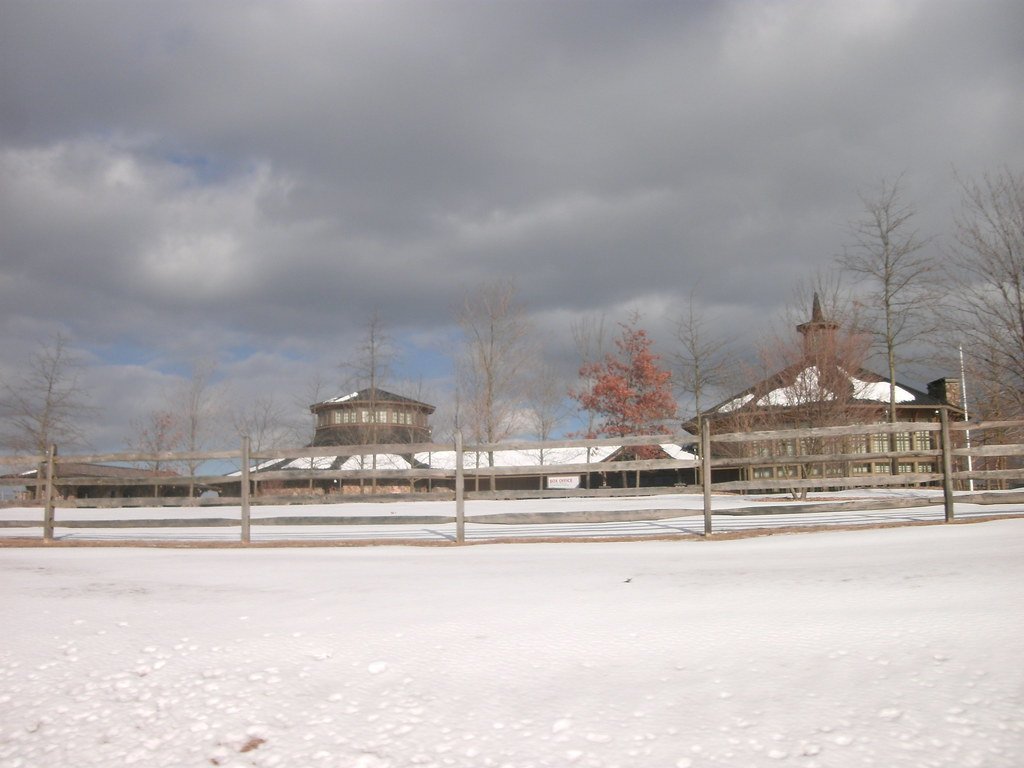
It feels right that this story has a dignified ending. The field where half a million people once stood in the rain, covered in mud, listening to Hendrix and Joplin, is now formally protected as a piece of American heritage.
In 2017, the site of the 1969 Woodstock festival was officially placed on the National Register of Historic Places, a formal acknowledgment of the significance of the site’s heritage. Members of the National Register benefit from protections and grant opportunities for preservation as well as historic recognition, joining the ranks of national treasures such as the Empire State Building, the Grand Canyon, and the Statue of Liberty.
The Museum at Bethel Woods, a multimedia exhibit space attached to a performing arts centre, opened in 2008, with the stated mission of preserving the original festival site and educating visitors about the music and culture of the Woodstock era. So Yasgur’s old dairy farm, once a frantic sea of mud and music, is now a cultural institution. It left an indelible impression on not only the artists and attendees but also on the minds of millions of young Americans who experienced Woodstock secondhand. That impact has never really stopped spreading.
Conclusion: More Than a Memory
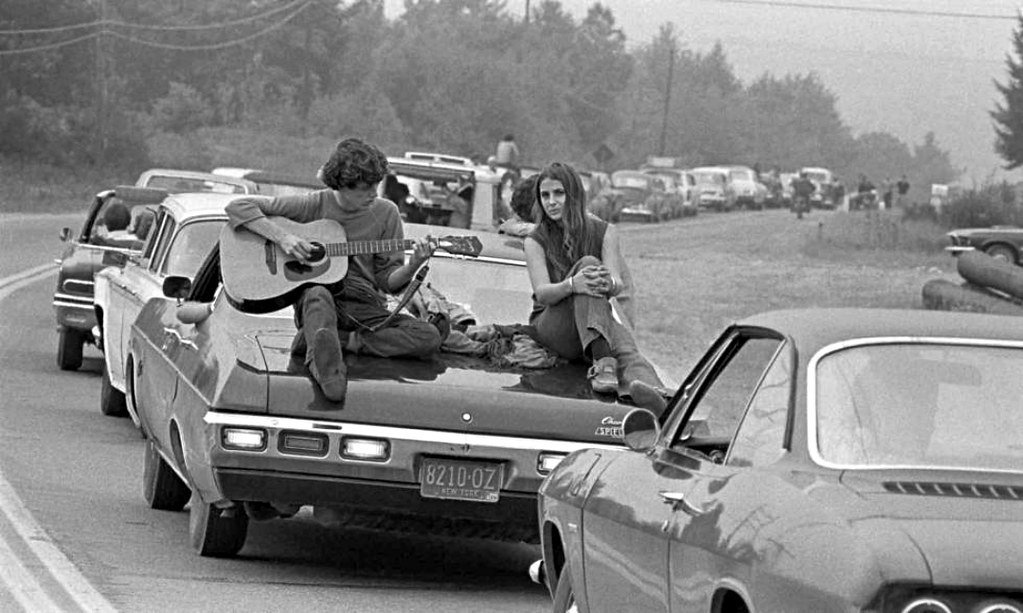
Woodstock was chaotic, financially disastrous, logistically improvised, and almost cancelled more than once. It wasn’t perfect. It was, in many ways, a beautiful mess. Yet that’s precisely why it endures.
The deeper story behind those four days in Bethel is one of accidents becoming legends, of last-minute decisions shaping cultural history, and of hundreds of thousands of strangers choosing, despite mud and hunger and chaos, to simply get along. I think that last part matters more than any fact or figure ever could.
The festival has become widely regarded as a pivotal moment in popular music history, as well as a defining event for the early baby boomer generation. Decades later, it still serves as a kind of measuring stick for what a shared human experience can look like at its best.
So here’s the question worth sitting with: in a world that has never been more connected and yet somehow feels more divided than ever, what would it take to create something like Woodstock again?

Besides founding Festivaltopia, Luca is the co founder of trib, an art and fashion collectiv you find on several regional events and online. Also he is part of the management board at HORiZONTE, a group travel provider in Germany.
