

For any feedback please reach out to info@festivalinside.com
- 10 Most Beautiful Buildings in The US - March 26, 2026
- 12 Highly Educated Rock Musicians. - March 26, 2026
- 10 Sad Songs Influenced By Heartbreaking Real Life Tragedies - March 26, 2026
Music has this wild power to cut through the noise and hit straight at society’s raw nerves. One track drops, and suddenly headlines explode, opinions clash, and cultures shift in ways no one saw coming. These songs don’t just play on radios; they force us to confront uncomfortable truths about race, power, sex, and rebellion.
From punk anthems to hip-hop blasts, they’ve turned living rooms into battlegrounds and sparked conversations that echo for decades. Ready to relive the chaos? Let’s dive into ten tracks that lit the world on fire overnight.[1][2]
“Strange Fruit” by Billie Holiday
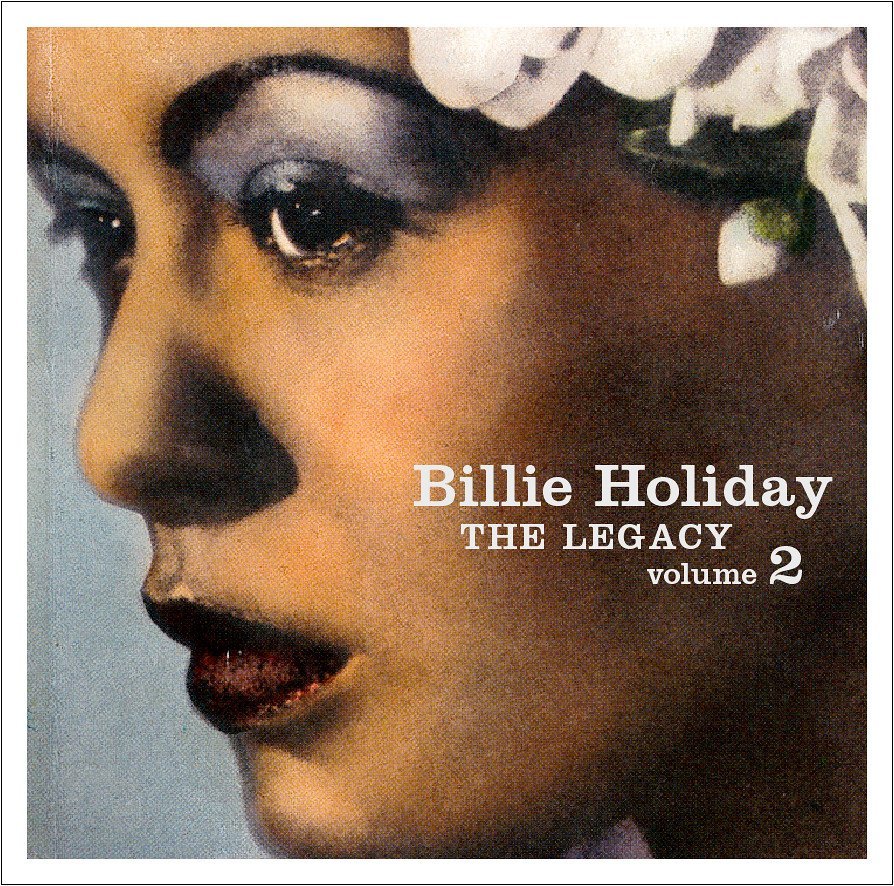
Billie Holiday’s haunting 1939 ballad laid bare the horrors of lynching in the American South with lyrics painting bloodied bodies swinging from trees. It shocked audiences right away, so much that her own label refused to touch it, forcing a smaller outfit to release the record. Critics and the public split hard, some calling it a vital wake-up call while others deemed it too graphic for polite ears.[1]
The raw emotion in Holiday’s voice turned it into an anthem against racial terror. Over time, it fueled the civil rights push and remains a stark reminder of injustice. Honestly, hearing it still chills you to the bone.[1]
“God Save the Queen” by Sex Pistols
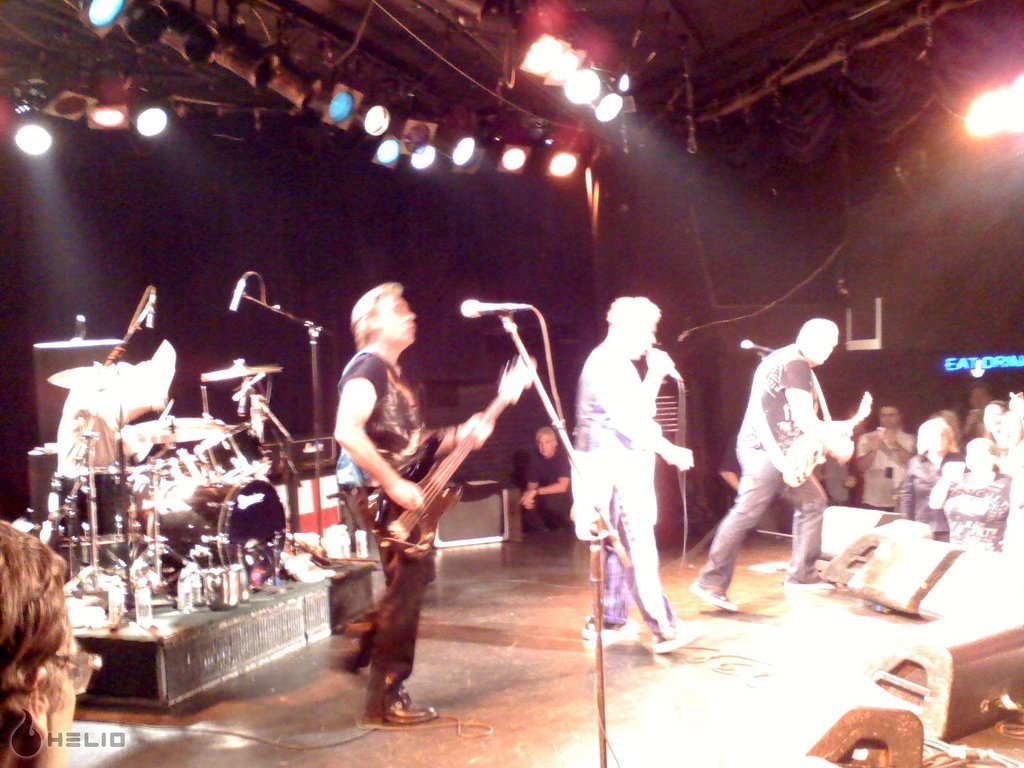
Timing could not have been worse or better when the Sex Pistols unleashed this 1977 punk rant calling the monarchy a fascist regime during Queen Elizabeth II’s Silver Jubilee. Chaos erupted instantly, with the BBC banning it outright and boat performances leading to arrests. Moral panic swept Britain, pitting punk rebels against the establishment in a frenzy of outrage.[1][2]
Despite the bans, it rocketed up charts and amplified punk’s voice globally. The lasting punch? It showed how suppression only fans the flames of dissent. Punk kids still blast it as a middle finger to authority.[1]
“F*** Tha Police” by N.W.A
N.W.A’s 1988 track ripped into police brutality with unfiltered fury, prompting the FBI to fire off a warning letter to their label and sparking tour threats nationwide. Radio stations blacklisted it fast, while cops warned venues ahead of shows. The divide was electric, fans hailing it as truth while authorities saw pure provocation.[1][2]
It branded N.W.A as the world’s most dangerous group and kept resonating through riots and protests. Today, it underscores endless debates on law enforcement. No wonder it feels as urgent now as then.[1]
“Like a Prayer” by Madonna
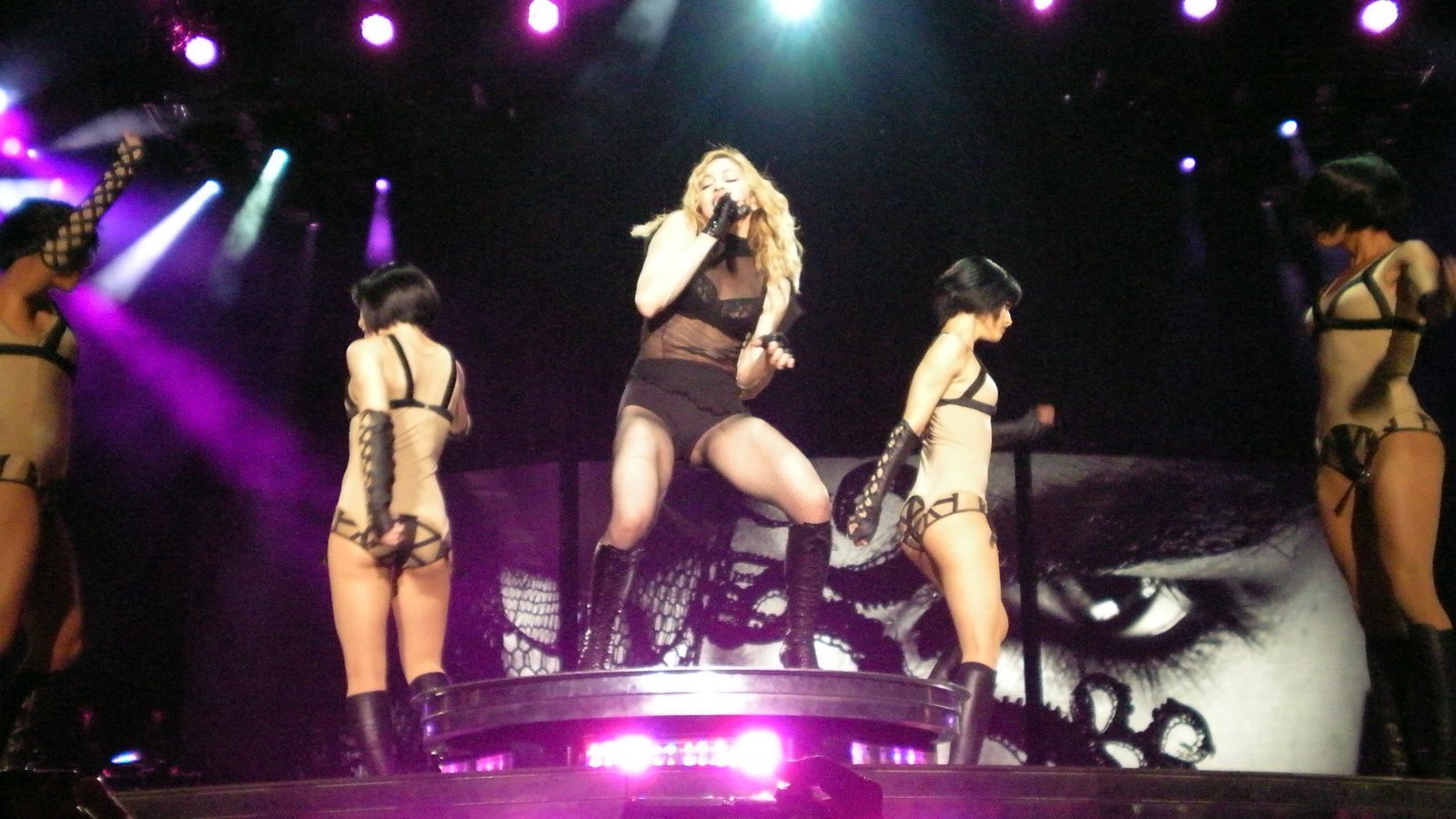
Madonna’s 1989 hit blended gospel choirs with steamy confessions and a video flashing burning crosses, igniting religious fury overnight. Pepsi yanked a multimillion ad deal, the Vatican slammed it as blasphemy, and MTV hesitated on airplay. Fans loved the boldness, but conservatives cried sacrilege loud and clear.[1]
That video became a cultural lightning rod, testing free speech limits. Its influence lingers in pop’s provocative edge. Madonna owned the storm, proving controversy sells.[1]
“Cop Killer” by Body Count
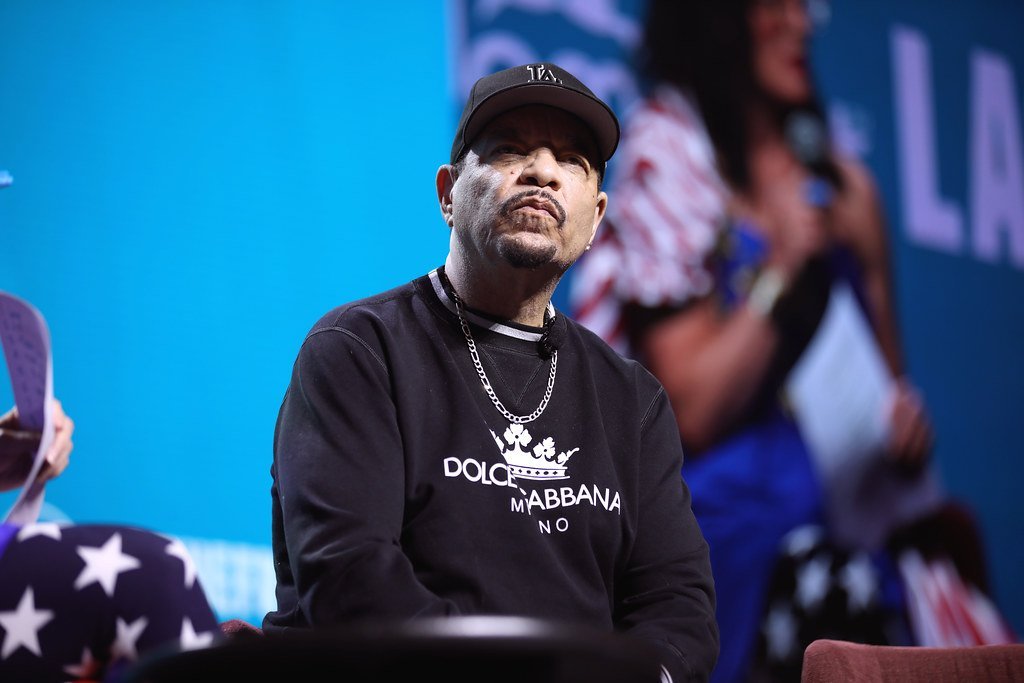
Ice-T’s 1992 metal-rap fusion fantasized revenge on brutal cops, drawing fire from police unions, President Bush, and even the PMRC amid LA riots. Protests hit stores, shelves emptied in boycotts, and the album delayed. Critics split, some defending art’s role in rage, others fearing incitement.[1]
Ice-T pulled it eventually, but the debate on lyrics’ power raged on. It spotlighted artistic freedom battles forever. Think of it as a gritty mirror to urban tensions.[1]
“Killing in the Name” by Rage Against the Machine
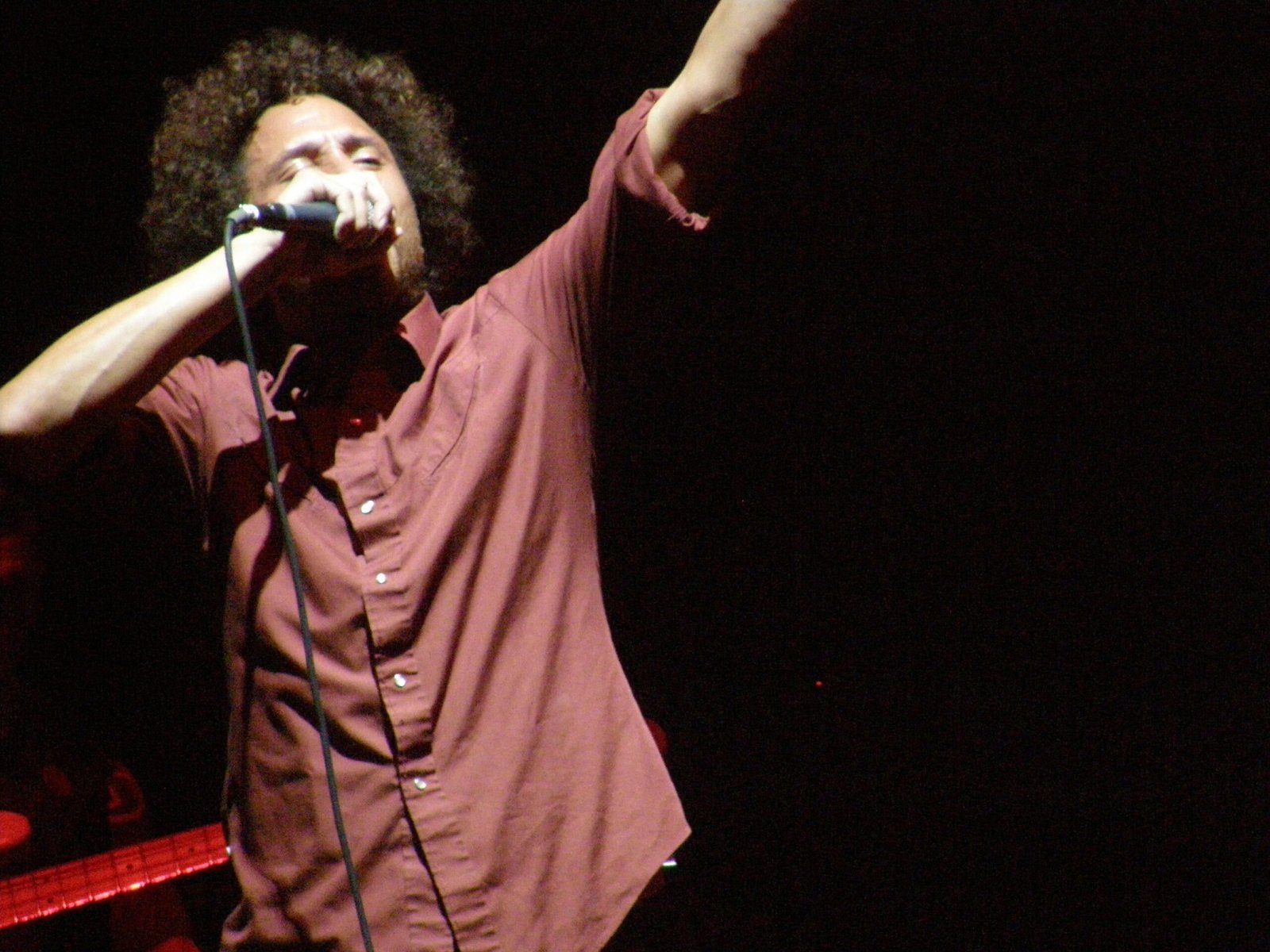
This 1992 screamer blasted racist cops with its explosive “fuck you” chorus, getting yanked from radio playlists worldwide post-LA riots. Bans only spread it underground, fueling fan frenzy against the system. Audiences roared approval at shows, while stations played it safe.[1]
Now a staple at every protest from BLM to beyond, it embodies raw defiance. Its endurance proves music can rally the masses. Still gives me goosebumps imagining those live chants.[1]
“Relax” by Frankie Goes to Hollywood
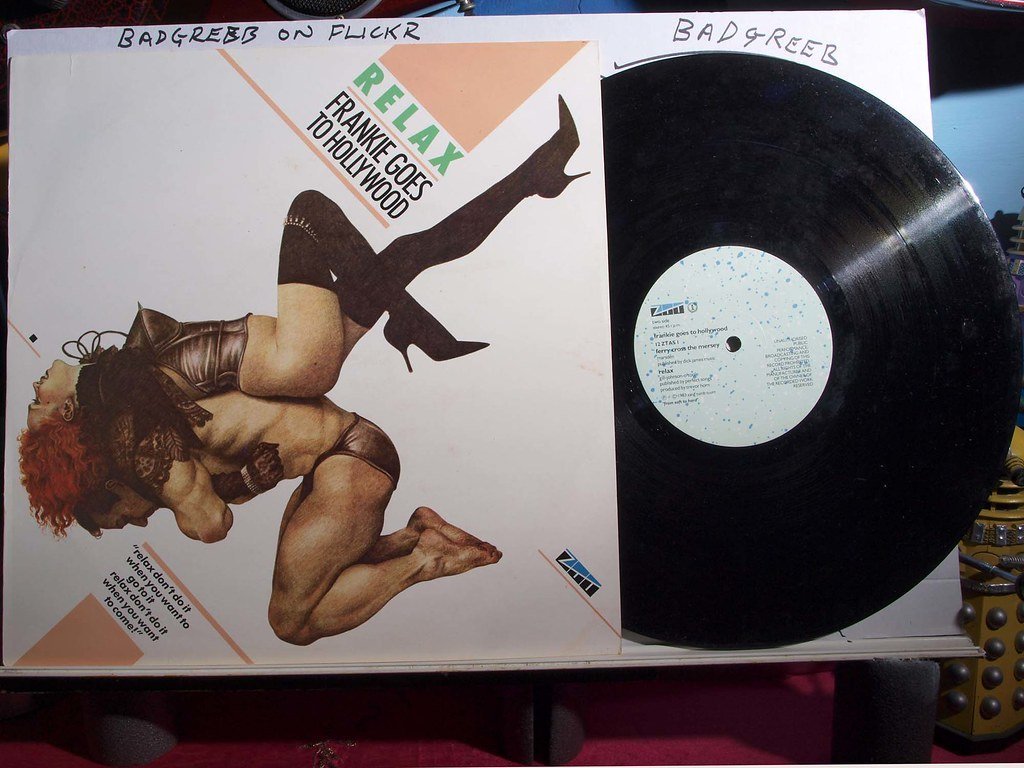
With gay innuendo dripping from every line, this 1984 synth banger got BBC-banned weeks after launch for being too raunchy. DJs ripped it off air mid-spin, sparking tabloid storms on sex and morality. Club kids embraced it, but mainstream clutched pearls.[1][2]
The ban backfired spectacularly, topping UK charts for five weeks. It cracked open doors for queer visibility in pop. Here’s the kicker: censorship made it immortal.[1]
“The Pill” by Loretta Lynn
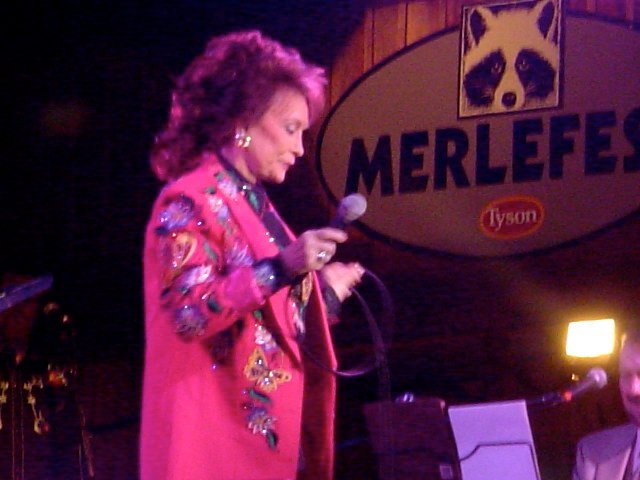
Loretta Lynn dared sing about birth control in 1975 country world, riling stations that banned it for feminist vibes clashing with Nashville norms. Execs delayed release, fearing backlash from conservative fans. Women cheered the honesty, men grumbled.[1]
It crossed over to pop success anyway, shifting views on women’s choices. Now tame, back then it was revolutionary. Lynn paved the way for bold female voices.[1]
“Born This Way” by Lady Gaga
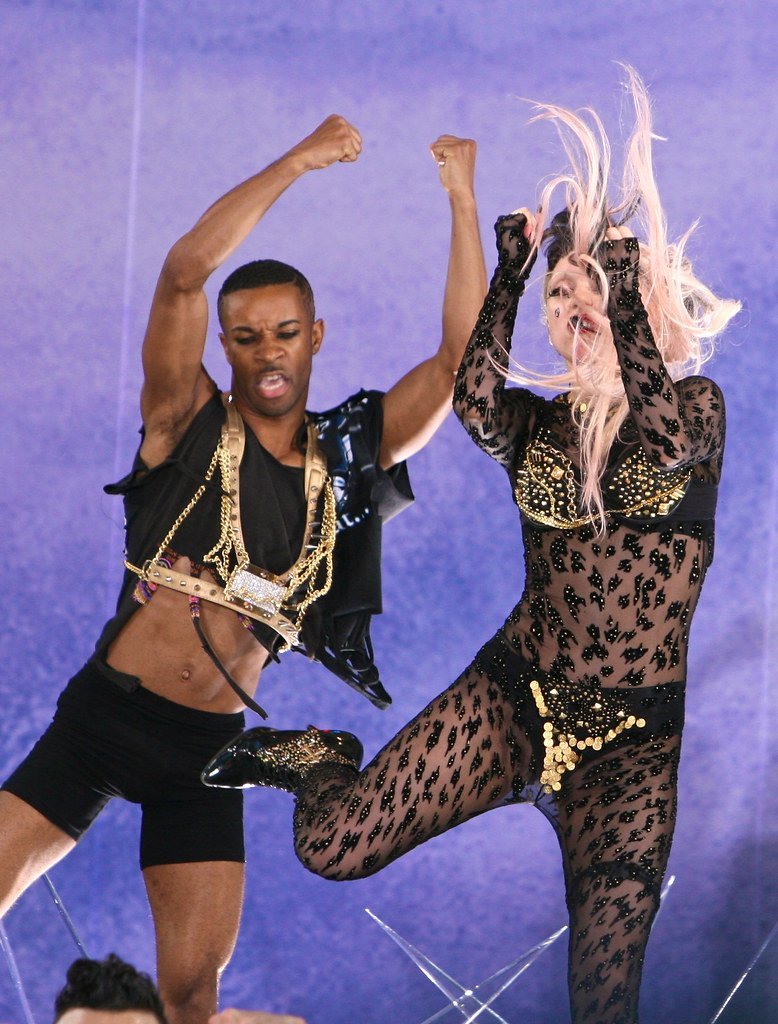
Lady Gaga’s 2011 LGBTQ+ pride anthem hit during gay marriage fights, drawing conservative fire and a full ban in Malaysia over anti-homo laws. Progressives partied, but foes saw moral decay. Global stages amplified the split.[1]
It rallied acceptance movements worldwide, bridging divides in spots. The contrast in reactions mapped societal fault lines. Gaga turned debate into empowerment.[1]
“Smack My B*tch Up” by The Prodigy
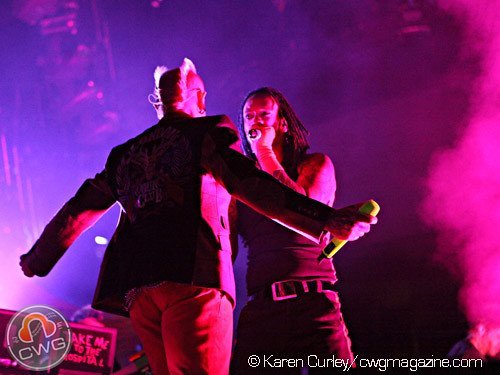
The Prodigy’s 1997 rave track with its POV video of debauchery screamed violence and misogyny, earning BBC bans and retailer pullouts like Walmart. Feminists protested, surveys crowned it most offensive. Ravers defended the chaos as thrill.[1]
Band spun it as pure intensity, not endorsement, but scars lingered. It fueled endless censorship talks in electronic music. Wild how one video overshadowed the beats.[1]
Conclusion: Music as the Ultimate Conversation Starter
These tracks prove music doesn’t whisper; it roars, forcing global reckonings on taboos we dodge daily. From streets to screens, they’ve shaped dialogues that outlive the noise.[1]
They remind us art thrives on edge, sparking change or chaos. Which one shocked you most? Drop your thoughts in the comments – what song would ignite today?[3]

Christian Wiedeck, all the way from Germany, loves music festivals, especially in the USA. His articles bring the excitement of these events to readers worldwide.
For any feedback please reach out to info@festivalinside.com
