

For any feedback please reach out to info@festivalinside.com
- 10 of The Most Iconic Music Anthems in Rock Music History - March 22, 2026
- 12 Legendary Concerts That Changed Music History Forever - March 22, 2026
- These Forgotten Literary Heroes Shaped the Very Landscape of American Storytelling - March 22, 2026
Music has always had a complicated relationship with power. From protest singers hauled before committees to rappers receiving letters from government agencies, the history of popular music is littered with moments where a song became something bigger than entertainment. It became a flashpoint.
There’s something almost fascinating about the speed at which a song can ignite debate. Not weeks or months after release. Overnight. One morning the world wakes up and all anyone can talk about is a three-minute track. These aren’t always songs with the loudest beats or the most polished production. Sometimes the most incendiary thing an artist can do is simply tell the truth. Let’s dive in.
1. “Strange Fruit” – Billie Holiday (1939)
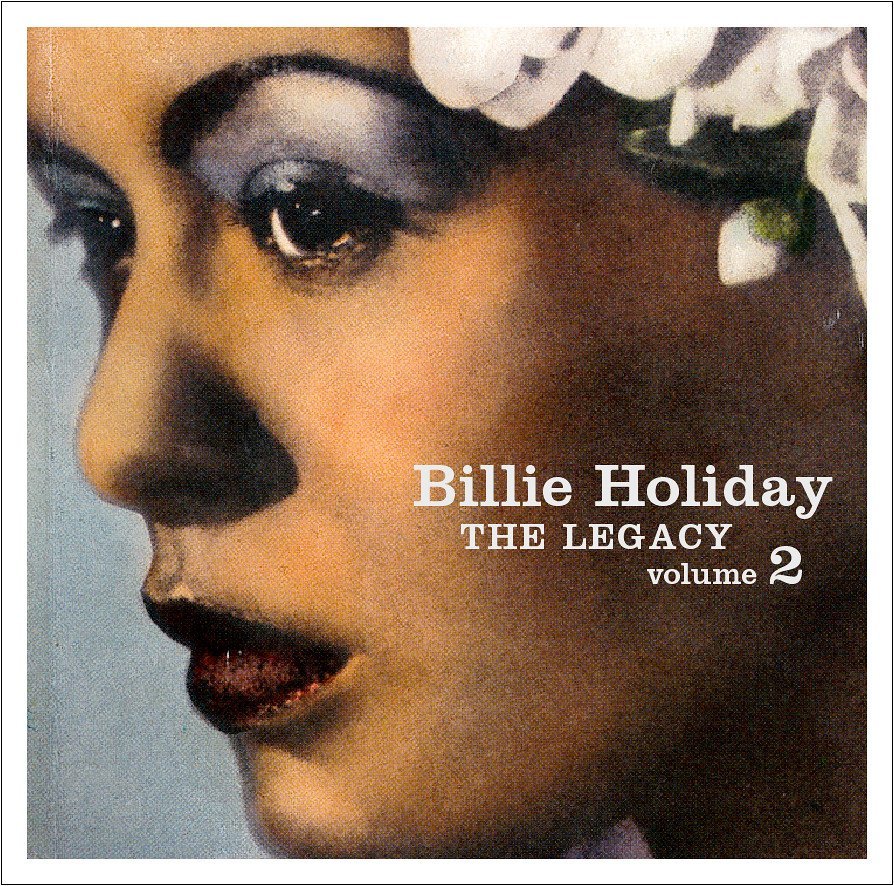
Few songs in all of recorded music carry the weight of this one. “Strange Fruit” is among the most haunting and controversial songs ever recorded, with subject matter about Black Americans being lynched that is graphic and upsetting. Honestly, describing it as merely “controversial” feels almost insufficient. It was a direct confrontation with American society’s most shameful reality, delivered in Holiday’s trembling, soul-wrecking voice.
Billie Holiday’s label Columbia Records refused to release the song, forcing her to seek out a smaller, more willing partner. Some have gone as far as to claim that the song helped start the civil rights movement, or at the very least, open Americans’ eyes to this despicable issue. That is the kind of long-term power very few works of art ever achieve. The ripple effects of those four minutes are still felt today.
2. “God Save the Queen” – Sex Pistols (1977)
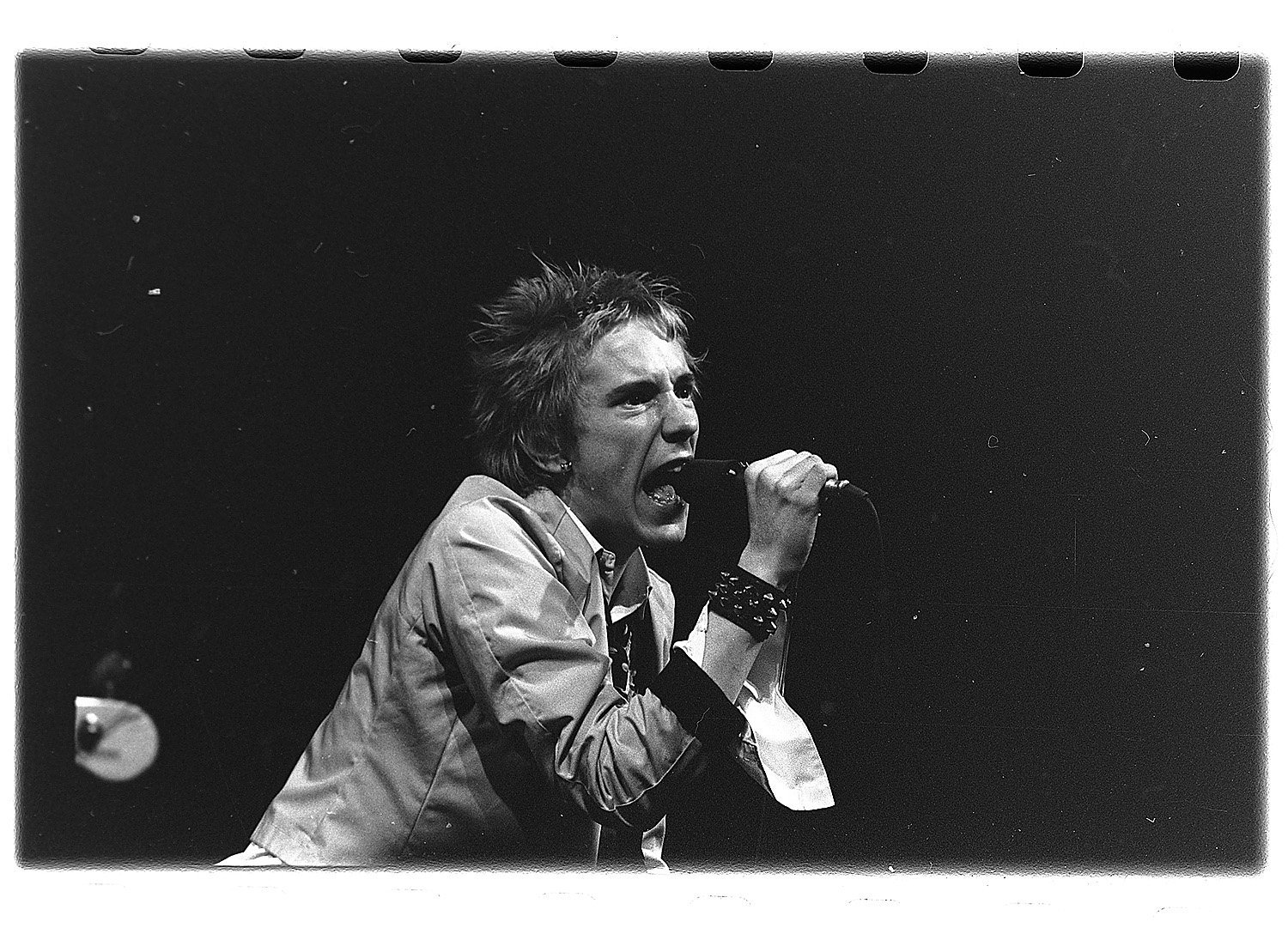
Back in 1977, the band and singer John Lydon in particular found themselves at the center of a moral panic. The song arrived like a grenade thrown at Buckingham Palace, timed deliberately to coincide with Queen Elizabeth II’s Silver Jubilee. Suggesting Queen Elizabeth II’s monarchy was actually a “fascist regime” invited problems, and the BBC refused the song to be played in the United Kingdom.
On March 10, the group signed a new contract with A&M Records outside Buckingham Palace, and 25,000 copies of their anti-establishment tirade were pressed up. The celebrations, however, got out of hand, so much so that the label wiped its hands of the group just four days later and destroyed most of the singles. Enter Richard Branson and Virgin Records, who signed the Pistols on May 18 and decided to rush-release the song to coincide with the Queen’s anniversary bash. The chaos surrounding the release was, in many ways, more theatrical than the song itself. Of course, the song still reached the top 5 in the UK, proving that bans rarely silence music. They just make it louder.
3. “F*** Tha Police” – N.W.A (1988)
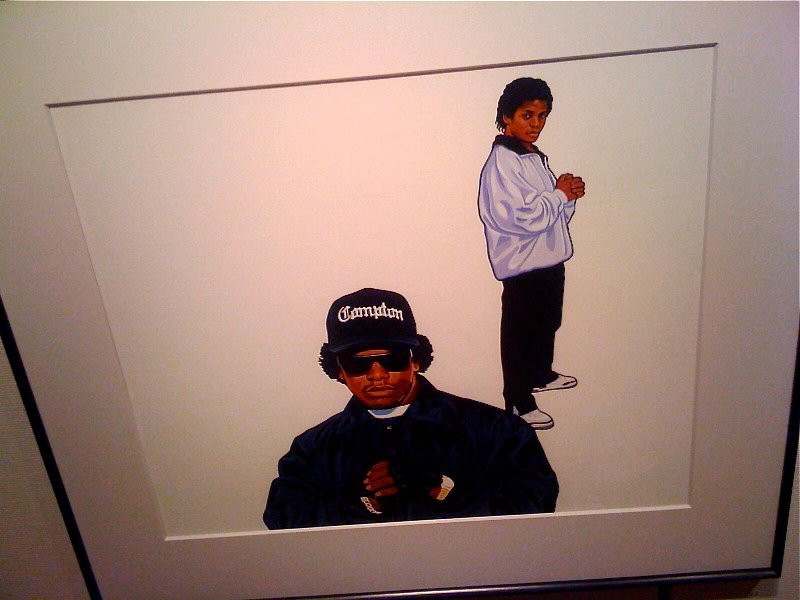
A raw critique of police brutality and institutional racism, this incendiary track faced staunch opposition from law enforcement but became a rallying cry for marginalized communities. It arrived at a moment in America when tensions between inner-city communities and police were simmering, and N.W.A had the audacity to name the thing out loud.
N.W.A’s 1988 classic Straight Outta Compton featured a lot of gems, but none so iconic as “F*** tha Police.” In response, the FBI wrote a disapproving letter to the band’s record company. Think about that for a moment. A federal agency felt so threatened by a rap song that it put its concerns in writing. The controversial song helped to cement NWA’s position as “The World’s Most Dangerous Group” and the record was banned from radio play, thus ramping up its notoriety. Infamously, copies of the lyric were faxed by police forces from city to city ahead of the band’s tour dates, increasing hostility and making it difficult for venues to find security. The song never stopped traveling. It still hasn’t.
4. “Like a Prayer” – Madonna (1989)
Provocative and daring, this song sparked backlash due to its bold mix of Christian imagery and sensual themes. Madonna has never been shy about poking at religion, but this was different in scale. The accompanying music video depicted burning crosses, a Black saint, and Madonna in what many read as sacrilegious imagery. The reaction was immediate and ferocious.
Pepsi had partnered with Madonna for a major advertising campaign and pulled their sponsorship almost instantly after the video aired. Several Madonna videos have also been banned by MTV, including the sexually explicit “Justify My Love” and “Erotica.” “Like a Prayer” itself became a cultural Rorschach test. Depending on who you asked, it was either blasphemy or one of the bravest artistic statements of the decade. I think it was both, honestly, which is exactly what made it so powerful.
5. “Cop Killer” – Body Count / Ice-T (1992)

Recorded by Ice-T’s rock group Body Count, “Cop Killer” is a heated song about a victim of police brutality who violently takes matters into his own hands. The song faced criticism from law enforcement agencies, the Parents Music Resource Center (PMRC), President George H.W. Bush and the public in general. It ignited one of the most intense debates about artistic freedom in American music history.
Some people responded through protests and boycotts of any company associated with the distribution of the record. This caused sales to skyrocket, but also prompted certain stores to take the album off their shelves. It’s one of the great ironies of censorship. Ice-T’s Home Invasion was delayed due to the 1992 Los Angeles riots and controversy over “Cop Killer.” The song became a symbol in a much larger war over what kind of stories America was willing to let its artists tell.
6. “Killing in the Name” – Rage Against the Machine (1992)
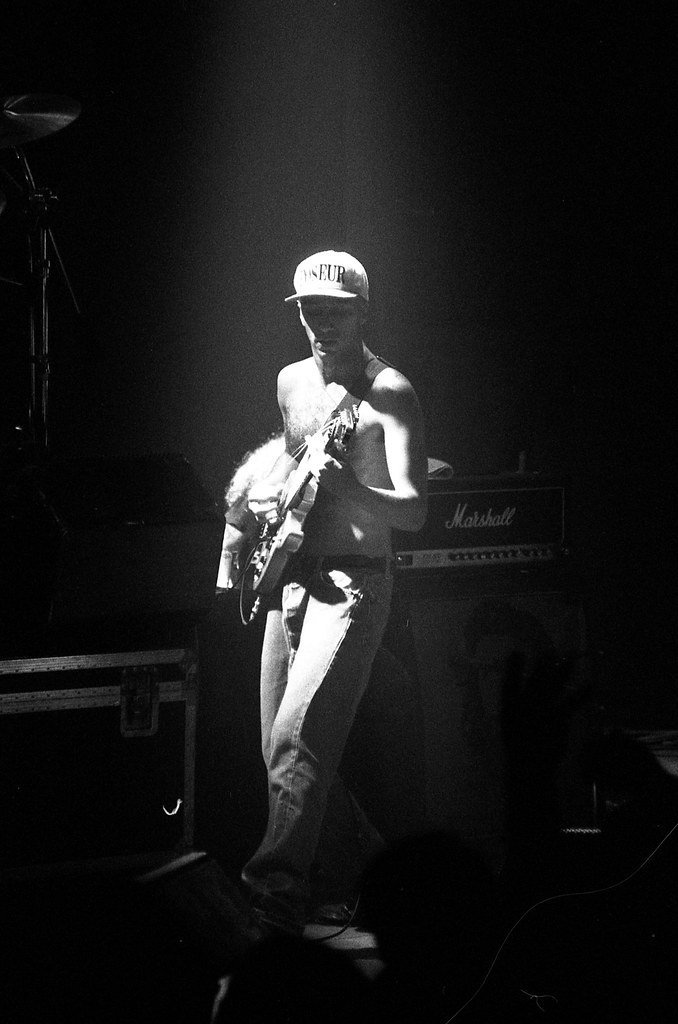
Many radio stations banned the song outright for its profanity, but the controversy only sharpened its edge, spreading the song underground and ensuring its cult power. Rage Against the Machine’s debut single was a direct attack on systemic racism, institutional power, and conformity. The repeated refrain at its climax became one of rock music’s most recognizable acts of defiance.
Rather than diminish its reach, the bans transformed it into a rallying cry. Decades later, it remains a staple of protest playlists worldwide, from anti-globalization marches to Black Lives Matter rallies. There’s something remarkable about a song from 1992 that still finds its way onto the streets of cities across the world during times of unrest. Killing in the Name endures as proof that raw anger, once censored, can become timeless rebellion. That’s not hype. That’s just what happened.
7. “Relax” – Frankie Goes to Hollywood (1984)
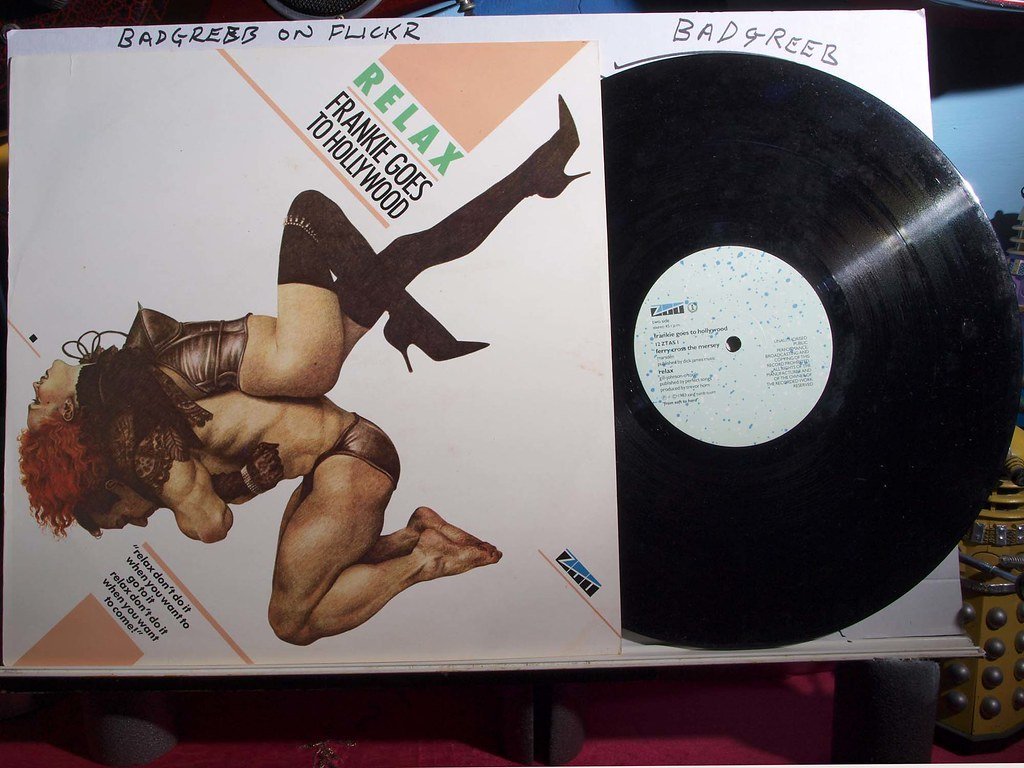
This British synth-pop and new wave outfit garnered massive backlash in the early 1980s as a direct result of their out-and-proud focus on LGBTQ+ themes in their music. Their debut single “Relax” was a shock to the system to the BBC and the British public as a whole. The song’s suggestive marketing didn’t do poor Frankie any favors, and in January 1984, Radio 1 DJ Mike Reed personally banned “Relax” from BBC airwaves, a decision echoed and supported by BBC management.
Here’s the thing though. That ban may be the single worst decision the BBC ever made from a commercial standpoint. The ban worked wonders: “Relax” spent five weeks at number one in the UK before becoming a worldwide hit, launching Frankie Goes to Hollywood as a pop phenomenon. The BBC tried to silence them and instead handed them a career. It’s almost a comedy. Almost. The deeper legacy is how the song helped force conversations about LGBTQ+ visibility and censorship into the mainstream during a particularly hostile era.
8. “The Pill” – Loretta Lynn (1975)
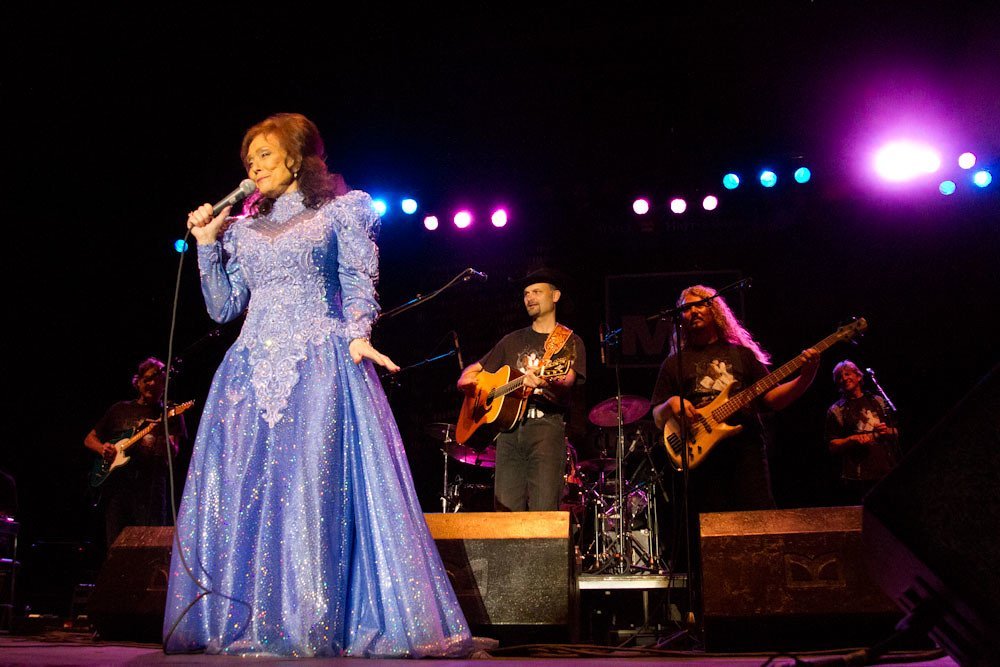
In 1975, country musician Loretta Lynn released this ode to birth control. The song is about a woman relieved that she won’t have to have more children year after year because she’s finally on the pill. Lynn, who had six children before the age of 20, angered many people in the country music scene, and many radio stations banned the song. Coming from a country artist, that was no small thing. Country music in 1975 was not exactly a hotbed of feminist discourse.
Although a number of American country radio stations refused to play “The Pill”, its surrounding controversy brought Lynn a great deal of attention and the admiration of rural physicians, who thanked the singer-songwriter for demonstrating the positive effects of contraceptives. It also became her highest-charting pop single. What’s striking is that the song’s subject matter seems almost unremarkable today, yet at the time it was treated like a grenade. That gap between then and now tells you everything about how much the song actually moved the needle.
9. “Born This Way” – Lady Gaga (2011)
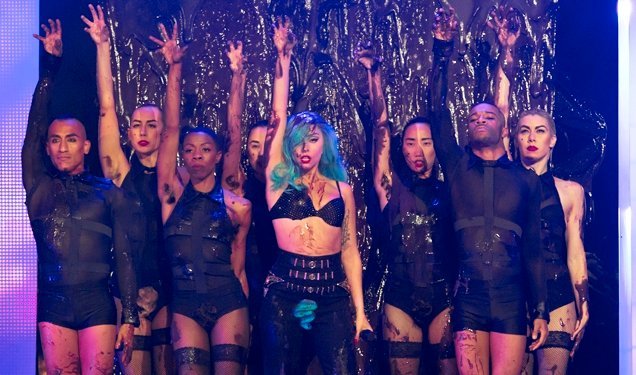
Hailed as an LGBTQ+ anthem, this song championed self-acceptance and inclusivity. While embraced by progressive audiences, it faced condemnation from conservative groups for its challenge to traditional values, further emphasizing the divide in cultural ideologies. The song dropped during a particularly charged moment in the global conversation about marriage equality and LGBTQ+ rights. It hit like a thunderclap.
References to LGBTQ+ topics were censored from Lady Gaga’s “Born This Way” by local radio stations in Malaysia, because homosexual acts are illegal in the country. That single fact underlines just how differently the same three-minute song can land depending on where in the world you hear it. In New York it was a celebration. In Kuala Lumpur it was banned. The global patchwork of responses to “Born This Way” revealed as much about different societies as it did about Gaga herself.
10. “Smack My B*tch Up” – The Prodigy (1997)
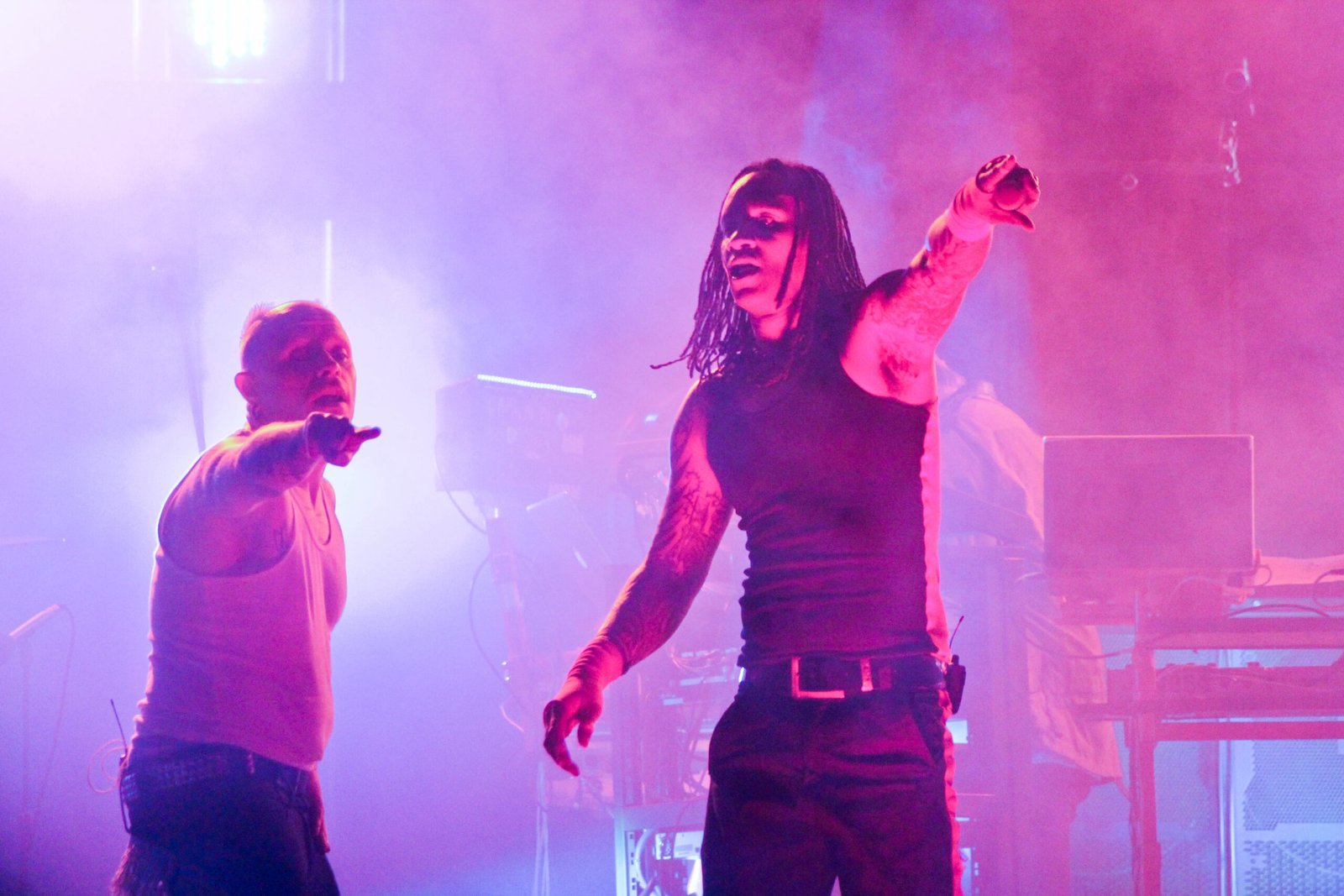
This song by the Prodigy was voted the most controversial song of all time in a survey conducted by PRS for Music. It depicts a truly unhinged night out in London, featuring domestic violence, drugs, and strippers. Criticized for misogyny and graphic violence, the song was defended by the band who claimed it was about “doing anything intense.” That defense didn’t exactly go over well with feminist groups.
In 1997, “Smack My Bitch Up” was banned by the BBC due to controversy regarding its lyrics, which prompted criticism from feminist groups. At the time, the BBC was attempting to shed its old-fashioned image and embrace dance culture, but at the same time they were concerned about broadcasting a song believed by some to be about physically assaulting women. In the end, the corporation decided to restrict the song’s airplay to a minimum and generally used an instrumental remix version whenever they did play it. BBC radio banned the song while retailers, including Kmart and Walmart, refused to carry the album. The controversy arguably overshadowed the music itself, though it’s hard to say for sure whether that served the Prodigy or hurt them. Probably both.
Music as a Mirror: Why Controversy Is Never Really About the Song
If there’s a common thread running through every single one of these songs, it’s this: the controversy was never truly about a few lines of lyric or a provocative music video. It was about what those songs reflected back at society. Some songs set out to be controversial, while others stumble into the territory. Musicians occasionally use their art to make a political point, challenge religious beliefs, or express something salacious enough to warrant being banned from radio and television stations.
Radio stations pulled records, governments tried to suppress messages, and mainstream audiences recoiled at what they deemed indecent. Yet these bans often had the opposite effect: amplifying notoriety, stoking intrigue, and cementing songs in the public imagination. There’s a beautiful, almost ironic justice in that. Every attempt to silence these songs made them louder.
Music doesn’t just reflect the world. At its most daring, it reshapes it. The ten songs on this list provoked outrage, boycotts, federal letters, and government bans, yet nearly every one of them outlasted the very institutions that tried to suppress them. That says something profound about the relationship between art and power. The next time a new song triggers a global meltdown, remember: the controversy might just be the most honest signal that the artist got something exactly right.
What do you think? Are there songs missing from this list that deserved a spot? Drop your thoughts in the comments below.

Christian Wiedeck, all the way from Germany, loves music festivals, especially in the USA. His articles bring the excitement of these events to readers worldwide.
For any feedback please reach out to info@festivalinside.com
