

- 10 Facts About The Legendary Rock Band Queen - April 1, 2026
- 10 Most Terrifying Movie Gangsters, Ranked - April 1, 2026
- The Stories Behind 12 Iconic Movie Props You Never Knew Existed. - April 1, 2026
Live music has always pulsed with raw power, turning strangers into a roaring collective soul. These weren’t just shows; they were seismic shifts that echoed through decades, birthing new sounds and shattering old norms. Picture the sweat, the screams, the sheer electricity that redefined what music could mean to a generation.
From folk purists booing electric guitars to hippie masses dancing in the mud, these nights captured lightning in a bottle. They influenced everything from stadium spectacles to grunge rebellion. Let’s dive into the ones that truly changed the game.[1][2][3]
Bob Dylan Plugs In at Newport Folk Festival, 1965
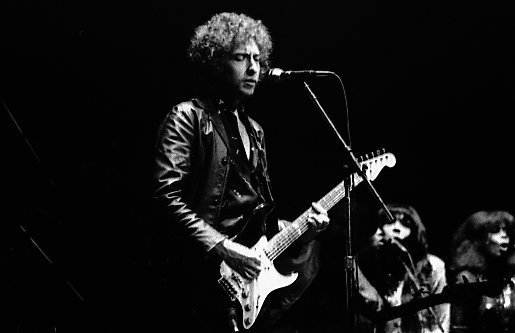
On July 25, 1965, at the Newport Folk Festival in Rhode Island, Bob Dylan stepped onstage with an electric guitar and a backing band. The crowd, expecting acoustic purity, watched as he ripped into rocked-up versions of “Maggie’s Farm” and “Like a Rolling Stone.” Boos rained down from folk traditionalists, yet Dylan stood firm, flipping the script on his own legacy. This bold pivot marked his break from acoustic roots.[2]
The performance shattered folk’s sacred boundaries, bridging it to rock and paving the way for singer-songwriters to experiment wildly. It sparked endless debate, but ultimately freed music from genre cages. Dylan’s electric thunderclap influenced everyone from the Byrds to Bruce Springsteen, defining the restless spirit of mid-60s youth. Honestly, it feels like the moment rock grew up.[1]
The Beatles Storm Shea Stadium, 1965
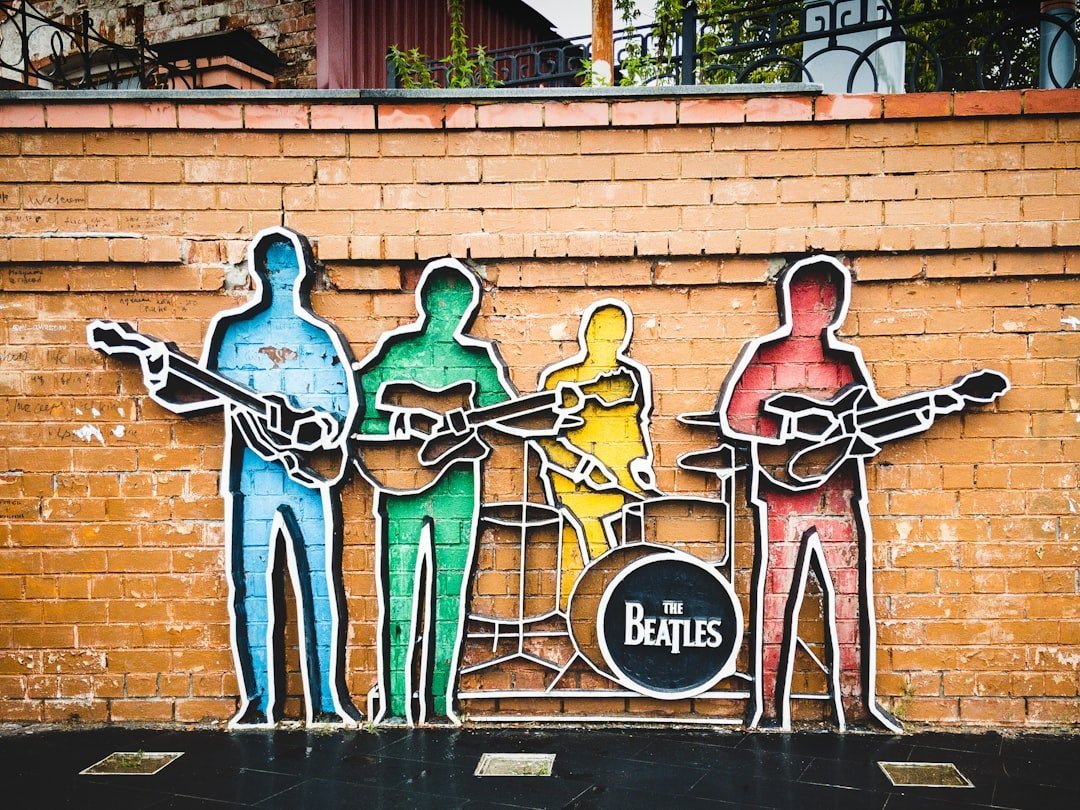
August 15, 1965, saw the Beatles conquer Shea Stadium in New York before 55,600 screaming fans, the largest crowd for a rock show ever. John, Paul, George, and Ringo delivered hits like “Twist and Shout” amid hysteria that drowned out their amps. Security struggled as girls fainted and rushed the stage. This was Beatlemania at fever pitch, broadcast worldwide.[3]
Shea birthed stadium rock, demanding innovations in sound tech for massive venues. It shifted bands from clubs to coliseums, inspiring mega-events ahead. The Fab Four’s triumph captured youth culture’s explosive energy, influencing how pop stars connected globally. No wonder they soon retreated to studios; nothing could top this roar.[2]
Jimi Hendrix Ignites Monterey Pop, 1967
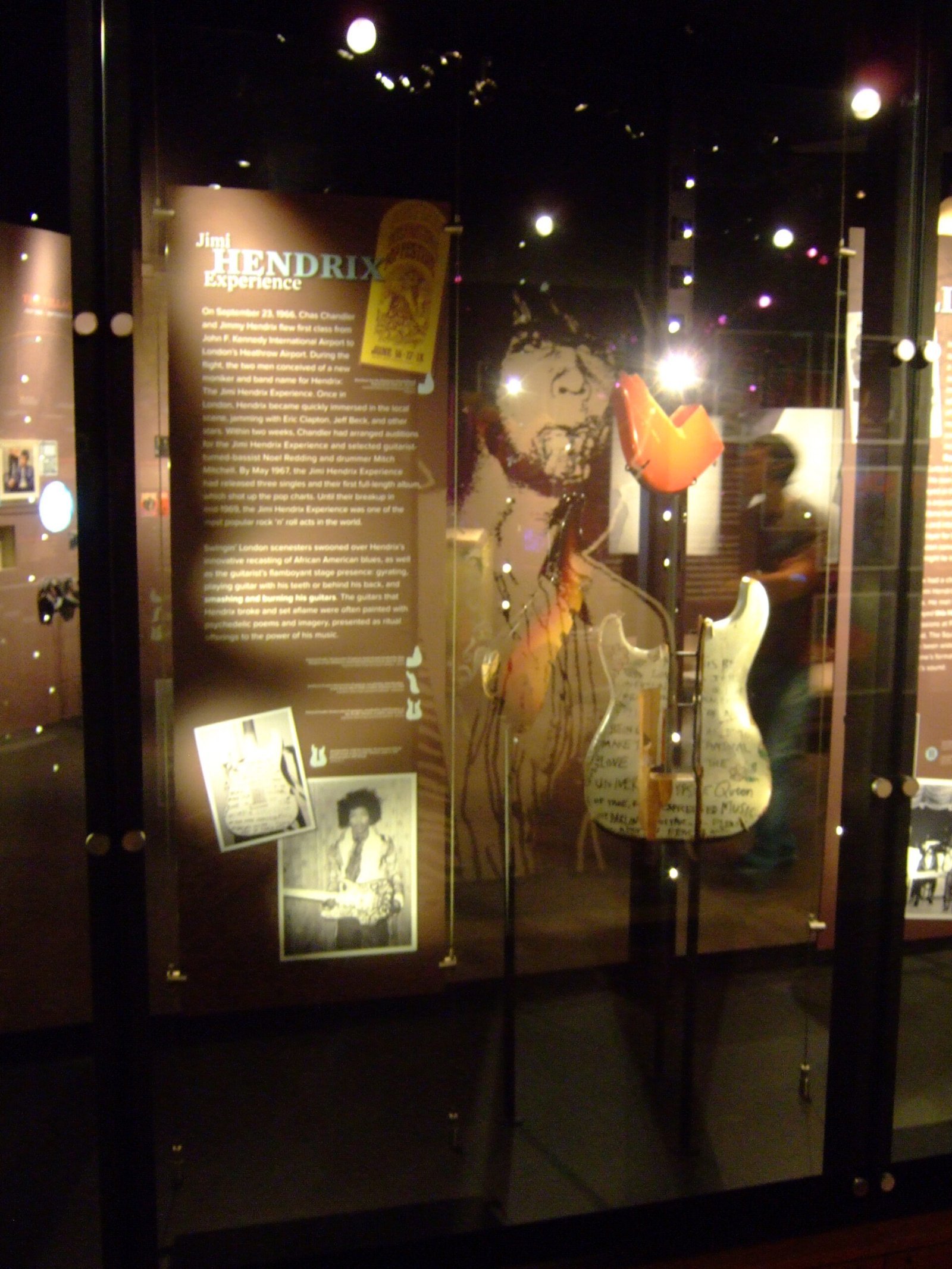
June 18, 1967, at the Monterey Pop Festival in California, the Jimi Hendrix Experience unleashed psychedelic fury. Hendrix, fresh from the UK, played “Wild Thing” with guitar-kneeling, flame-licking theatrics, smashing his axe in a blaze. The Who’s smash-fest earlier set the tone, but Jimi stole the Summer of Love spotlight. Over 90,000 witnessed rock’s wild rebirth.[1]
This set catapulted Hendrix to stardom, defining electric guitar wizardry and stage spectacle. Monterey launched festival culture, blending rock, blues, and Ravi Shankar’s sitar vibes. It embodied 60s experimentation, influencing everyone from Santana to stadium pyros. Let’s be real, that guitar fire still burns in rock’s DNA.[2]
Woodstock’s Muddy Glory, 1969
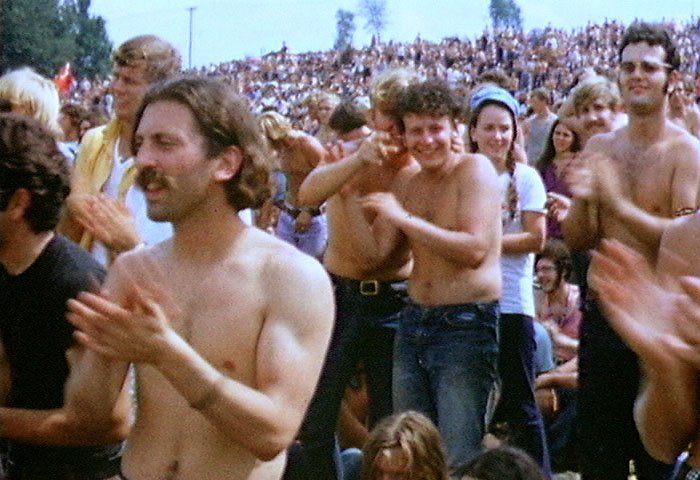
From August 15-18, 1969, in Bethel, New York, Woodstock drew 400,000 for three days of rain-soaked bliss. Jimi Hendrix closed with a scorching “Star-Spangled Banner,” The Who smashed *Tommy*, Janis Joplin wailed soulfully, and Santana broke through. Peace signs waved amid traffic jams and shared vibes. It was counterculture’s muddy pinnacle.[3]
Woodstock symbolized hippie ideals, birthing the festival blueprint for Glastonbury and beyond. Its Oscar-winning film immortalized the era’s freedom quest. Hendrix’s anthem captured Vietnam-era turmoil, shifting rock toward social anthems. This gathering defined a generation’s hopeful roar.[2]
Altamont’s Dark Turn with the Rolling Stones, 1969
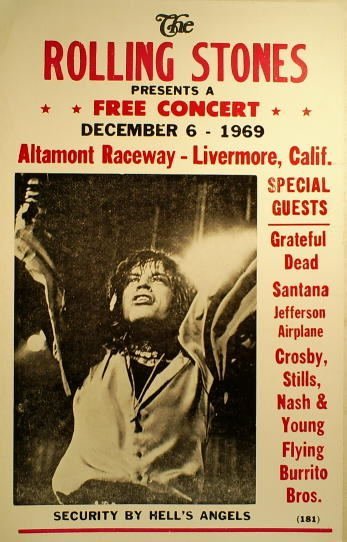
December 6, 1969, at Altamont Speedway, California, the Rolling Stones headlined a free show for 300,000. Hells Angels guarded the stage amid chaos; violence erupted, culminating in Meredith Hunter’s stabbing death during “Under My Thumb.” Jefferson Airplane and Santana played amid tension. The dream soured fast.[2]
Altamont shattered 60s innocence, exposing festival pitfalls and prompting pro security reforms. Filmed in *Gimme Shelter*, it marked rock’s commercialization shift. The Stones’ bluesy grit persisted, but the tragedy influenced safer mega-events. A brutal wake-up for an era’s end.[3]
The Who Unleash Fury at Leeds, 1970
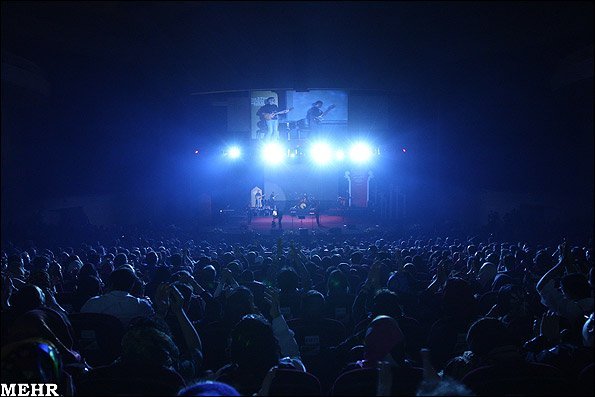
February 14, 1970, at Leeds University in England, the Who delivered a blistering set captured on their seminal live album. Pete Townshend’s windmill guitar, Roger Daltrey’s howls, and Keith Moon’s thunderous drums tore through *Tommy* tracks like a 15-minute “My Generation.” John Entwistle’s bass boomed relentlessly. Raw power defined the night.[1]
This gig crystallized rock opera’s live might, inspiring punk’s aggression and arena bombast. The album became a blueprint for capturing concert chaos. It fueled the Who’s mod-to-stadium evolution, echoing in generations of high-energy rockers. Pure, unfiltered adrenaline.
Led Zeppelin’s Epic at Madison Square Garden, 1973
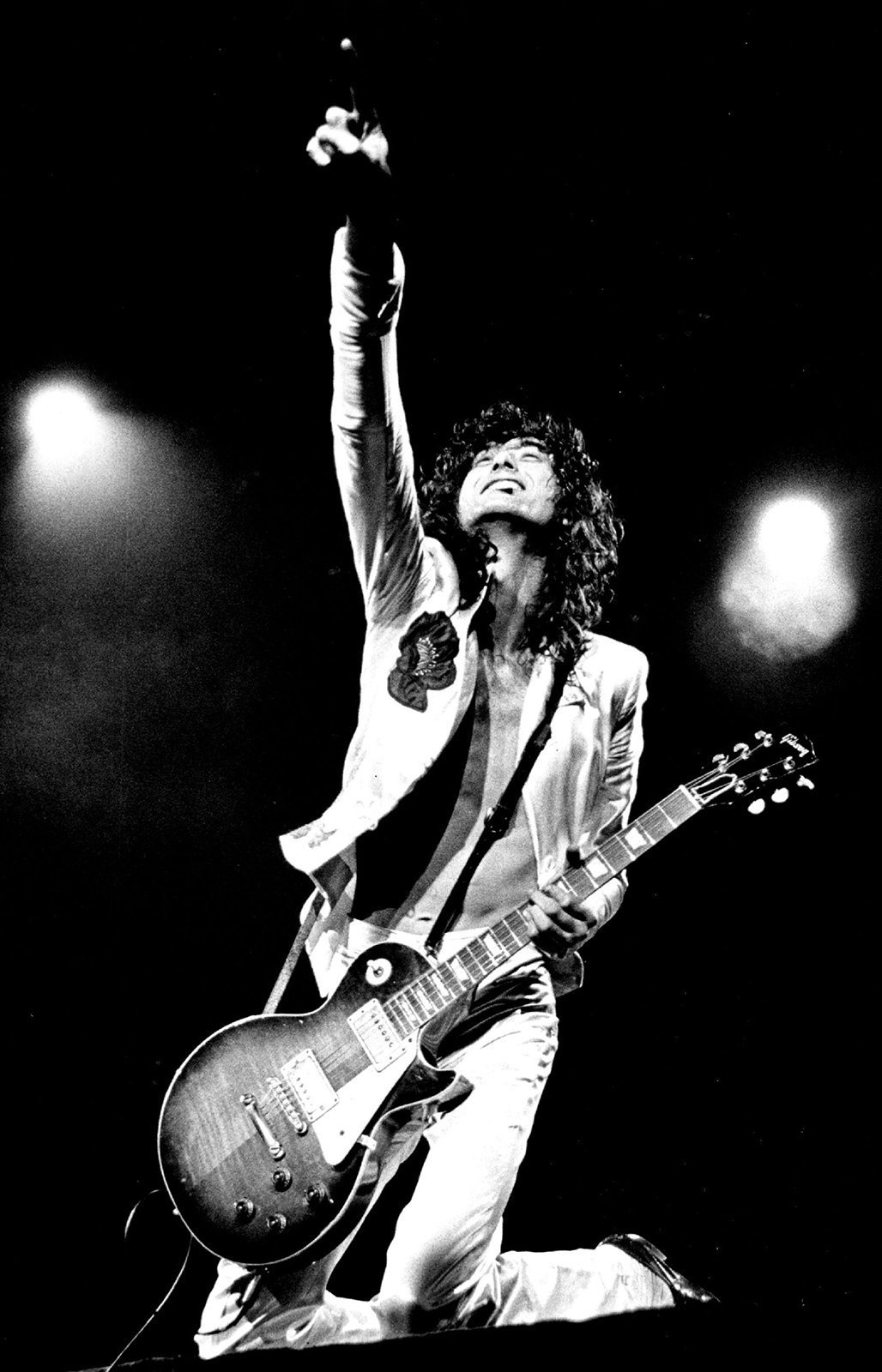
photo front
photo back, Public domain)
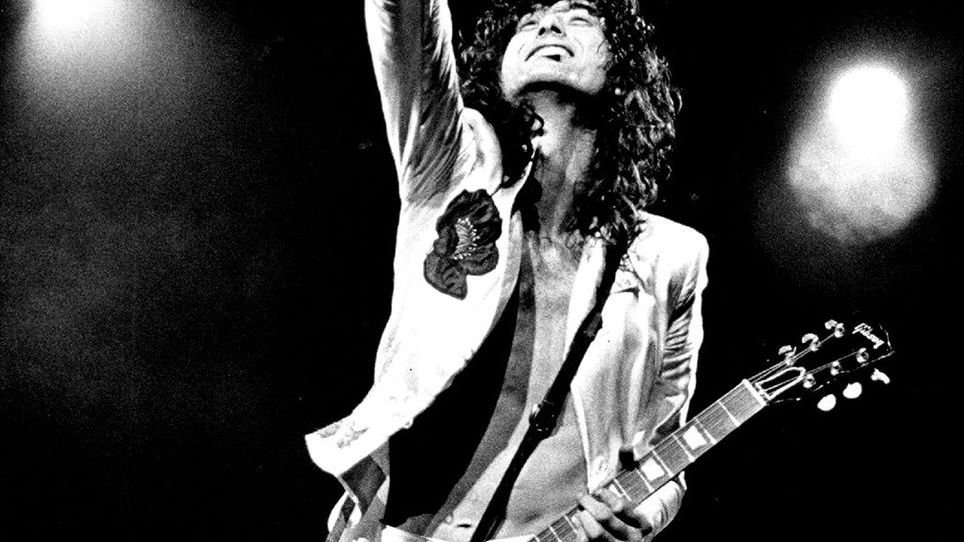
July 1973 at Madison Square Garden, New York, Led Zeppelin peaked with marathon sets from *Houses of the Holy*. Jimmy Page’s dragon-suited solos, Robert Plant’s soaring wails on “Stairway to Heaven,” and John Bonham’s epic drums drew 18,000 fans nightly. “Whole Lotta Love” jammed endlessly. Hard rock royalty reigned.[4]
The run solidified arena rock’s blueprint, blending blues, folk, and bombast for massive crowds. Films like *The Song Remains the Same* preserved the mysticism. Zeppelin redefined excess and virtuosity, shaping 70s heavy sounds. Their thunder still rumbles.
Queen Commands Live Aid, 1985
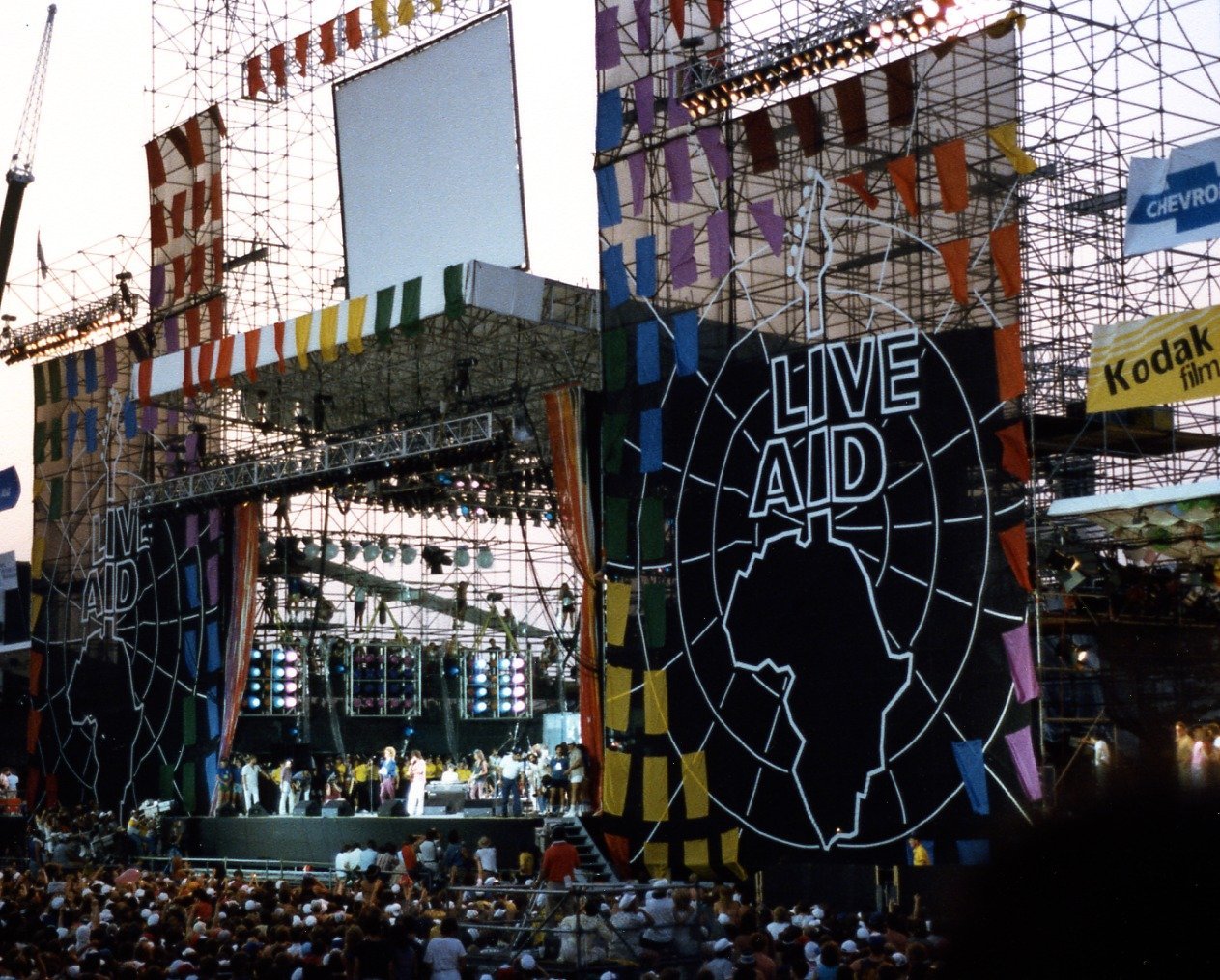
July 13, 1985, at Wembley Stadium, London, Queen stole Live Aid’s global spotlight with Freddie Mercury’s 20-minute masterclass. “Bohemian Rhapsody,” “Radio Ga Ga,” and “We Are the Champions” had 72,000 chanting in unison, beamed to 1.9 billion viewers. U2 and Bowie shone too, but Queen owned it. Charity rock peaked.[3]
Mercury’s charisma set showmanship standards, reviving Queen’s career and inspiring stadium anthems. Live Aid pioneered music-for-change, influencing Live 8 and beyond. It united generations across borders. Iconic doesn’t even cover it.[5]
Nirvana Conquers Reading Festival, 1992
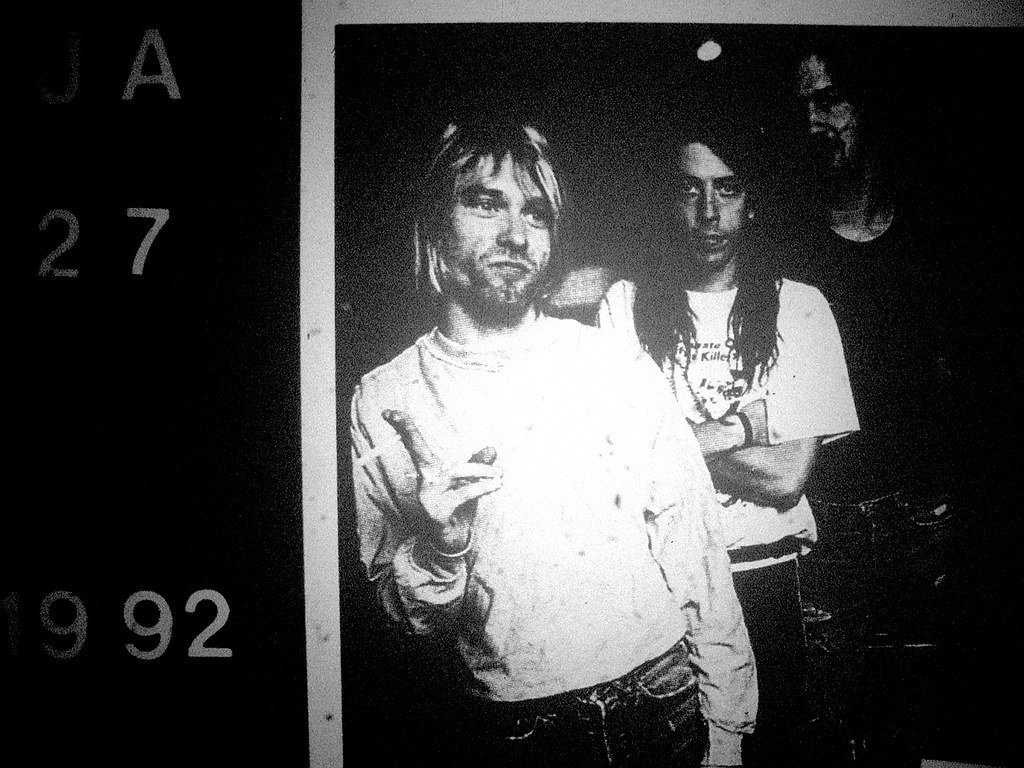
August 30, 1992, at Reading Festival, England, Nirvana headlined grunge’s triumph before 30,000. Kurt Cobain wheeled out faking infirmity, then exploded into “Smells Like Teen Spirit” and “Lithium.” Dave Grohl’s drums pounded, Krist Novoselic bass-thrashed. Raw Seattle angst ruled.[3]
The set killed hair metal, crowning grunge as 90s voice of disillusioned youth. It defied Cobain’s suicide rumors, cementing Nirvana’s rebellion. Influences linger in alt-rock’s honesty. Grunge’s battle cry lives on.
The Enduring Power of Live Music
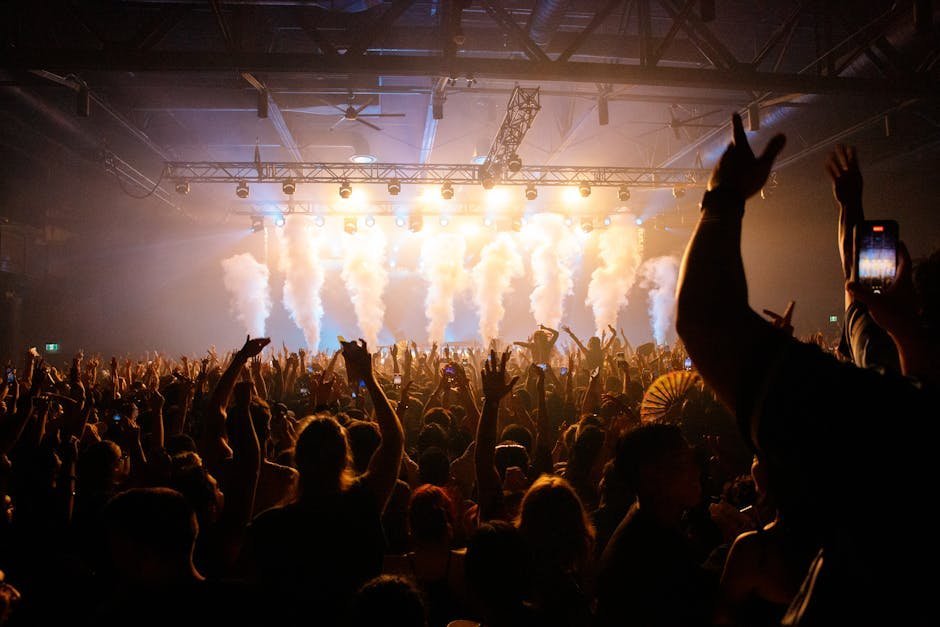
These concerts prove live moments forge unbreakable bonds, sounds that generations inherit like heirlooms. They didn’t just play notes; they rewrote rules, sparked revolutions, and healed divides. From Dylan’s boos to Queen’s claps, music’s magic thrives in the shared sweat.
Think about it: one electrified night can echo forever. Which of these hits you hardest? Share in the comments – what concert defined your sound?[1][2][3]
CEO-Co-Founder
