

For any feedback please reach out to info@festivalinside.com
Music has a way of doing things that no other art form can explain. It brings strangers together, moves people to tears, and sometimes – almost impossibly – seems to weave invisible threads between events, people, and tragedies across time and distance. Whether you’re a skeptic who believes in pure chance, or someone who senses a deeper pattern behind the madness, the coincidences buried in music history have a tendency to stop you dead in your tracks.
Some of these moments are funny. Some are heartbreaking. A few are so staggeringly strange that they almost feel designed by some cosmic screenwriter with a twisted sense of humor. Let’s dive in and see what you make of them.
1. Lennon and McCartney Meet Next to Eleanor Rigby’s Grave
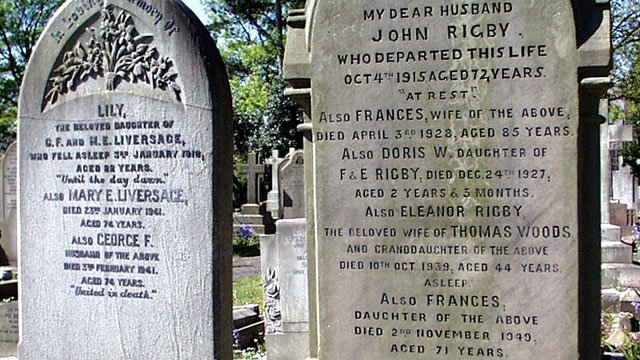
Here’s the kind of coincidence that makes you sit back and just stare at the ceiling. There were two coincidences on the night that John Lennon and Paul McCartney met in 1957 while attending a party held at St. Peter’s Church in Woolton. The first – that they met at all – is remarkable enough, considering what they would go on to create together.
The second is far stranger. The location of their meeting is very close to the grave of one Eleanor Rigby. Yes, as in the Beatles song. When McCartney penned the track years later, he declared the name of the character a tribute to actress Eleanor Bron and a Bristol shop called Rigby and Evens Ltd. However, he later changed his tune, admitting that the gravestone may have played a role in naming the song – but only subliminally. A song about loneliness and forgotten people, rooted in the very place where one of history’s greatest musical partnerships began. You honestly cannot make this up.
2. Waylon Jennings’ Joke That Became a Tragedy

Few stories in music history carry quite this much emotional weight. On February 3, 1959, American rock and roll musicians Buddy Holly, Ritchie Valens, and “The Big Bopper” J. P. Richardson were killed in a plane crash near Clear Lake, Iowa, together with pilot Roger Peterson. What most people don’t know is how close the passenger list came to being very different.
Waylon Jennings was hired by Holly to play bass for him on the Winter Dance Party Tour, which began January 23rd, 1959, in Milwaukee. Richardson, suffering from the flu, swapped places with Jennings, taking his seat on the plane, while Allsup lost his seat to Valens in a coin toss. The truly haunting part? When Holly learned that Jennings was not going to fly, he said in jest, “Well, I hope your damned bus freezes up.” Jennings responded, “Well, I hope your ol’ plane crashes,” a humorous but ill-fated response that would haunt Jennings for the rest of his life. Words said in a joke. Fulfilled within hours.
3. The Cursed Flat: Two Rock Stars, One Bed, Four Years Apart
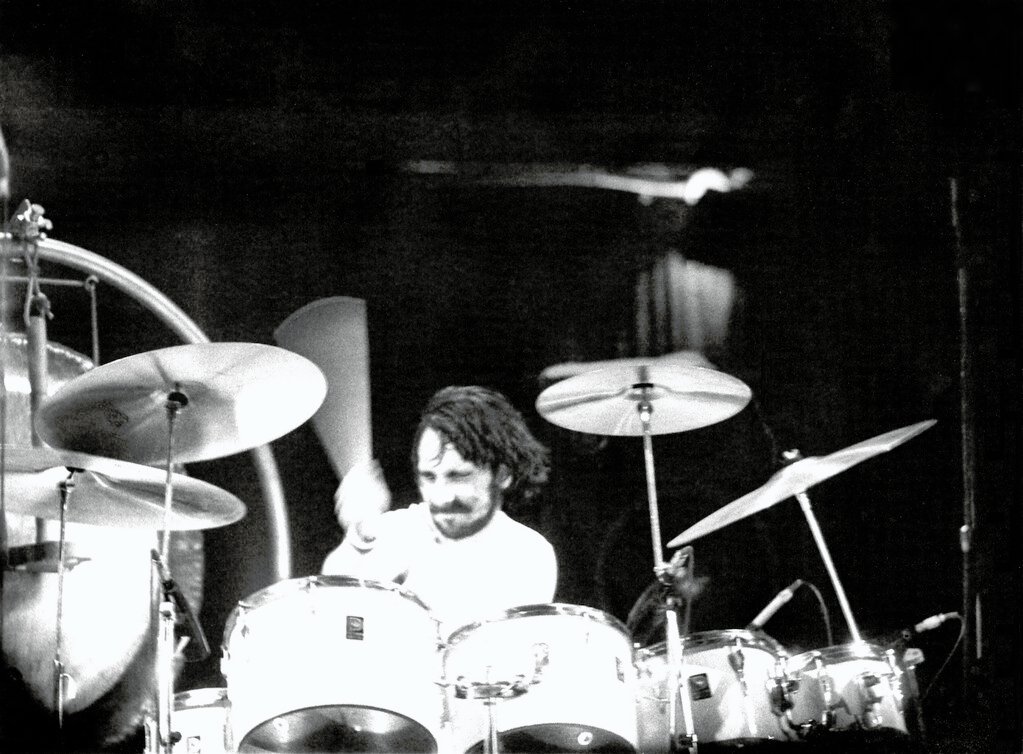
I think of all the coincidences on this list, this one sends the clearest chill down the spine. The Mamas and The Papas singer Mama Cass Elliot and The Who drummer Keith Moon died in the same apartment and in the same bed, but four years apart. The apartment belonged to the singer Harry Nilsson and was located in the fancy district of Mayfair.
On the 29th July 1974, after two tiring performances with many encores, Cass Elliott was found dead in the bedroom of the Mayfair flat. She was just 32 years old. Then, four years later, on September 7, 1978, after returning home from watching a preview of the film The Buddy Holly Story as a guest of Paul McCartney, Keith Moon died in the very same bed where Cass Elliot had taken her final breaths just a few years before. The coincidences were impossible to ignore: two iconic musicians, both aged 32, were both found dead in the same room of the same flat. Nilsson later called the flat “cursed” and sold it. Hard to argue with that.
4. The 27 Club: A Number That Refuses to Let Go
Honestly, if you pitched the 27 Club as a movie plot, a producer would tell you it was too on the nose. The original basis for the notion was a cluster of prominent musicians’ deaths at the age of 27 between 1969 and 1971, including Brian Jones, Jimi Hendrix, Janis Joplin, and Jim Morrison; but only after the death of Kurt Cobain in 1994 was the notion of a “club” established, and the death of Amy Winehouse in 2011 enhanced its prominence.
The term became widely known after Kurt Cobain’s death in 1994, with rock fans connecting his age to that of Jim Morrison, Janis Joplin, Brian Jones, and Jimi Hendrix – though it was notable to fans in the early 1970s when those four visionaries died within just two years of each other. Remarkably, three years before her death, Winehouse’s personal assistant told the British press that Winehouse, then 25, feared she would join Jim Morrison, Brian Jones, and Kurt Cobain in dying at 27: “She reckoned she would join the 27 Club of rock stars who died at that age. She told me, ‘I have a feeling I’m gonna die young.'” Whether fate, lifestyle, or sheer chance, the number persists in music lore like a stubborn ghost.
5. Robert Johnson, the Devil, and the Crossroads
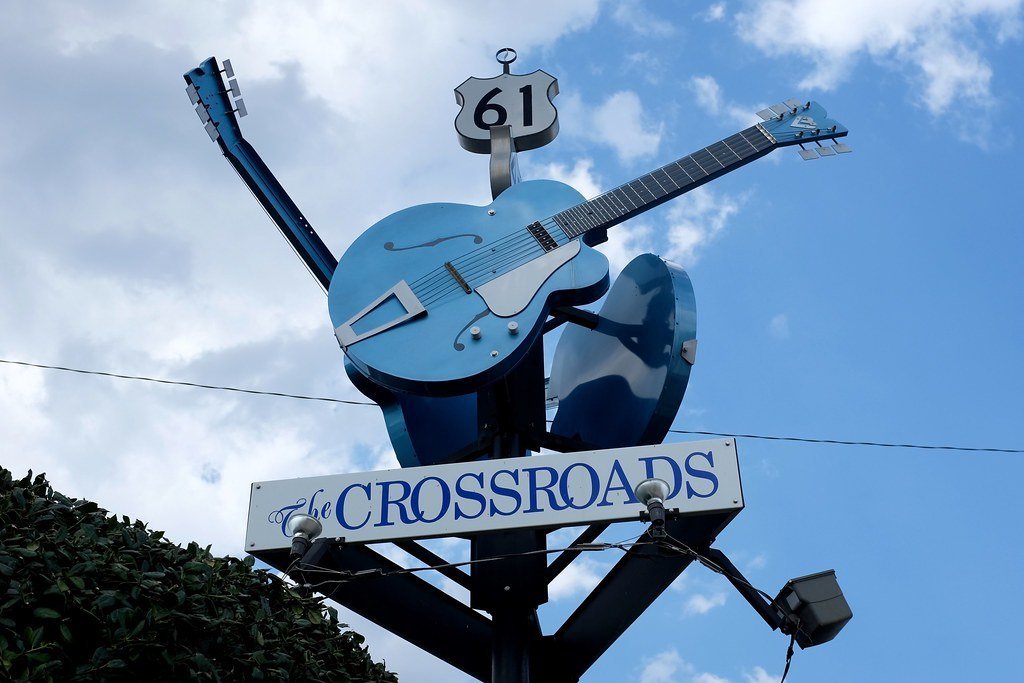
Before the 27 Club had a name, it had a founding member – one whose death carries layers of legend so thick they blur the line between history and mythology. The story of Johnson meeting the devil at a crossroads on the outskirts of some unknown town is one of the most famous stories in Blues history. It was believed he exchanged his soul in order to become a great Blues performer, and Johnson did indeed become legendary, but not until long after his death at twenty-seven, which occurred, of course, at a crossroads.
The eeriness doesn’t stop with Johnson himself. Some think Johnson’s song “Crossroads” is cursed, as many artists who have covered it, such as Lynyrd Skynyrd and the Allman Brothers, have had tragedy befall them. It’s hard to say for sure whether any of this is more than terrible luck stacked on top of terrible luck. Still, Johnson was a Delta blues artist who had only one minor hit in his lifetime, but his music profoundly shaped rock and roll. Born in Mississippi in 1911, he sang in an eerie falsetto and was a master of the slide guitar. A man who barely existed in his own time, yet echoes through every decade since.
6. John Lennon’s Chilling Prediction of His Own Death
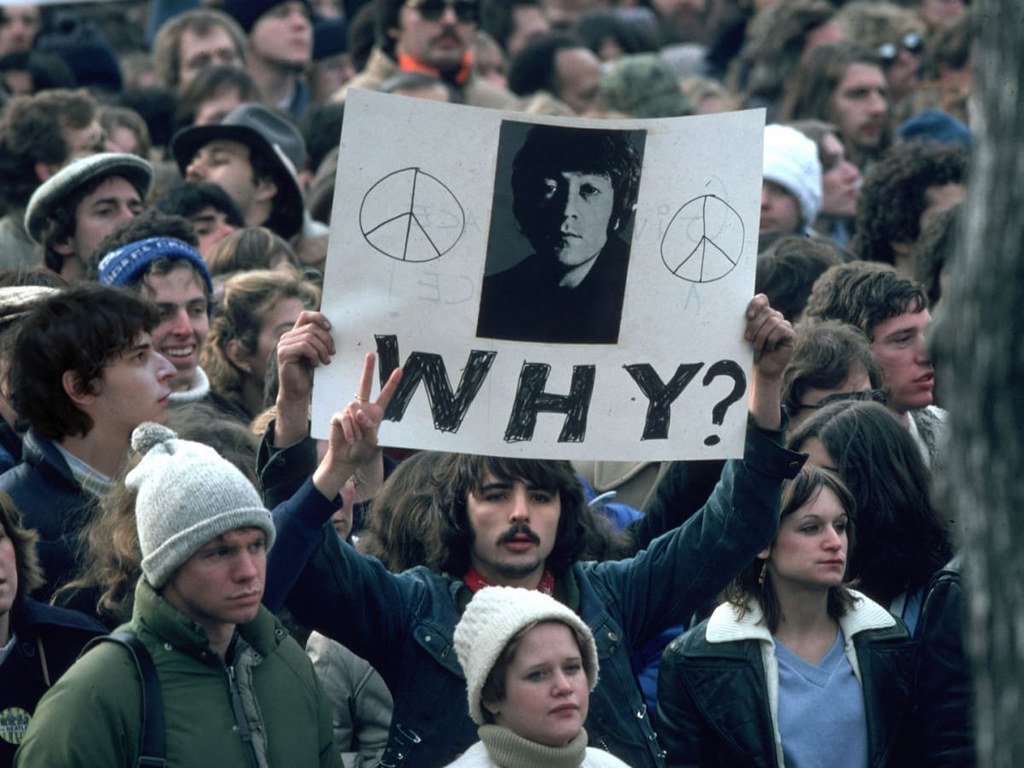
Some predictions are vague enough to fit almost anything. This one is not. One of Lennon’s most haunting interview moments took place in 1965, when he seemingly predicted his own death. That year, he told a reporter, “We’ll either go in a plane crash, or we’ll be popped off by some loony.”
What was then a cheeky comment to the media turned into a grim prophecy. The latter half tragically came true on December 8, 1980, when he was shot and killed outside his apartment in New York City at age 40. Fifteen years separated that offhand remark from the moment it became real. Think about that for a second. Think about how many interviews, how many years of music, how many songs were written in between. It’s the kind of thing that makes you wonder whether some people sense something the rest of us simply can’t.
7. ZZ Top’s Third Member Is Literally Named “Beard”

Let’s take a breath from the tragedy for a moment, because this one is delightfully absurd. ZZ Top’s signature beards became one of the most iconic looks in rock history. It’s ironic that this iconic look happened due to a happy coincidence, not something the band planned. Billy Gibbons and Dusty Hill grew their beards in the late 1970s during a two-year hiatus from touring. Neither had shaved for the entire break when the band reunited to record new tracks.
Here is where the universe apparently ran out of subtlety. The band does have a third member in its drummer, who isn’t rocking the signature look – but would you believe that “Beard” is his last name? While this fact might have you assuming that the trio of musicians is family, believe it or not, they are entirely unrelated by blood. Frank Beard, the beardless drummer of a band famous for beards it never planned to grow. The universe clearly has a sense of humor.
8. Roy Orbison’s Sunglasses: An Accident That Defined a Legend

Few elements of an artist’s image feel as deliberate and carefully crafted as Roy Orbison’s dark sunglasses. Mysterious, cool, practically a uniform. The truth is hilariously accidental. The singer known as “The Big O” usually wore perfectly normal glasses but left them behind when he went to support the Beatles on a tour in the mid-sixties and so had to wear sunglasses onstage. The dark, oversize shades quickly became Roy Orbison’s gimmick, leading to the widespread – and completely false – rumor that he was blind.
A forgotten pair of ordinary glasses spawned one of rock’s most enduring visual identities. It’s like a metaphor for all of music, really. Some of the most iconic things in history weren’t planned at all. They were accidents, misplacements, and last-minute improvisations that happened to land perfectly. Orbison never went back to regular glasses after that tour. Why would he? Sometimes you stumble into being cool, and the smartest thing you can do is lean into it.
9. Whitney Houston and Bobbi Kristina: A Haunting Mirror

The circumstances surrounding the death of pop superstar Whitney Houston are tragic, as are the ones surrounding the death of her daughter, Bobbi Kristina Brown. A sad coincidence that some people may not know is that the deaths of both Whitney and her daughter have something in common.
Both Whitney’s and Bobbi Kristina’s heartbreaking early deaths involved a bathtub. While Whitney drowned by accident in a hotel in 2012, 22-year-old Bobbi Kristina was also found in a tub, leading to her being in a coma for several months, eventually passing away in 2015. Mother and daughter, separated by three years, claimed under chillingly similar circumstances. There is no rational framework that makes this easier to process. Some things simply resist explanation, and this is one of them.
10. Jimi Hendrix’s Last Song Was About Being Born
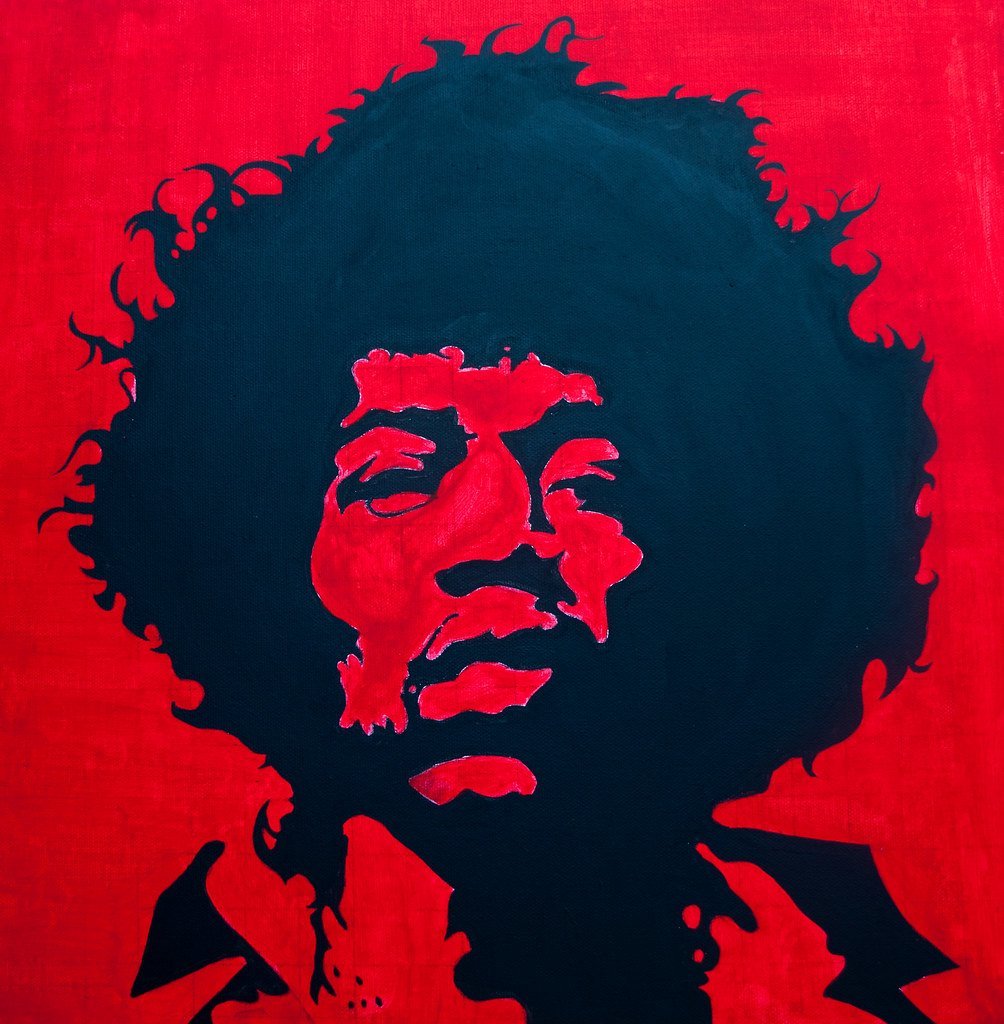
There is a kind of poetry in endings, even when the person experiencing them has no idea that’s what they are. The final recording from guitar legend Jimi Hendrix later became the closing track on his first posthumous album, Cry of Love. Many find it strange that the last song written and recorded by Hendrix before he died was actually a song about starting life as a baby.
It’s almost like reincarnation. A song about birth as one dies. The coincidence of the song’s subject matter is quite eerie, but also poetic in a way. Hendrix, one of the greatest guitarists who ever lived, closing his creative chapter with a meditation on new beginnings. Whether you read it as tragic irony or something more comforting depends entirely on your worldview. Either way, it lands like a quiet thunderclap. A circle closing in the most unexpected direction possible.
The Patterns We Can’t Quite Ignore

Here’s the thing about coincidences in music history: they’re not really supposed to be this good. Random chance should produce messier, less poetic results. Yet somehow, the world keeps arranging musicians, moments, and tragedies into configurations that feel almost narratively intentional.
Some of these stories are funny. Some are devastating. All of them are hard to shake once you know them. A lot of the stuff we consider “classic” really only reached our ears mostly due to plain dumb happenstance. The same is true of the legends themselves. Fate, luck, and the universe’s strange sense of timing are woven into nearly every major story music has ever told.
Maybe the real takeaway is simpler than any grand theory. Music is made by human beings, and human beings are fragile, coincidental, and gloriously unpredictable. The songs outlast the stories. The stories outlast the logic. And the coincidences? They just keep on multiplying. Which one surprised you the most?

Christian Wiedeck, all the way from Germany, loves music festivals, especially in the USA. His articles bring the excitement of these events to readers worldwide.
For any feedback please reach out to info@festivalinside.com
