

- 12 Cities So Beautiful, They Seem Straight Out of a Fairy Tale - March 31, 2026
- 10 Iconic Film Directors Whose Early Works Will Blow Your Mind - March 31, 2026
- 8 Gardening Hacks That Will Make Your Roses Bloom Like Never Before - March 31, 2026
Classical music holds a unique power. It bottles the essence of bygone eras, from the ornate courts of Baroque palaces to the stormy passions of Romantic salons. Each note whispers stories of kings, revolutions, and dreamers long gone.
These ten masterpieces do more than entertain. They pull you across centuries, letting you feel the pulse of history. Ready to time travel? Let’s dive in.
Vivaldi’s The Four Seasons: Baroque Nature Awakens
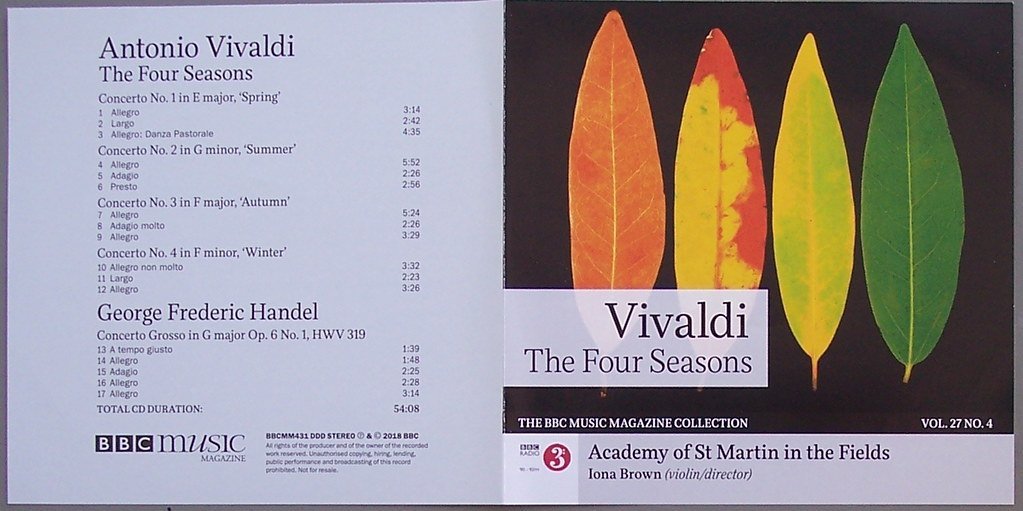
Antonio Vivaldi composed The Four Seasons in the early 1720s while working at an orphanage in Venice. This set of violin concertos vividly depicts spring’s chirping birds, summer’s thunderstorms, autumn’s hunts, and winter’s icy winds. Vivaldi, a priest and virtuoso violinist, infused the music with programmatic flair rare for its time. Sonnets accompanying each concerto paint the scenes, blending music and poetry seamlessly.
Listen closely, and you feel the Baroque era’s exuberance. The rapid violin runs evoke fluttering leaves or shivering cold, stirring a sense of wonder at nature’s cycles. It transports you to 18th-century Italy, where life danced with rhythm and drama. Honestly, it still sends chills down my spine every time.
Bach’s Brandenburg Concertos: The Baroque Engine
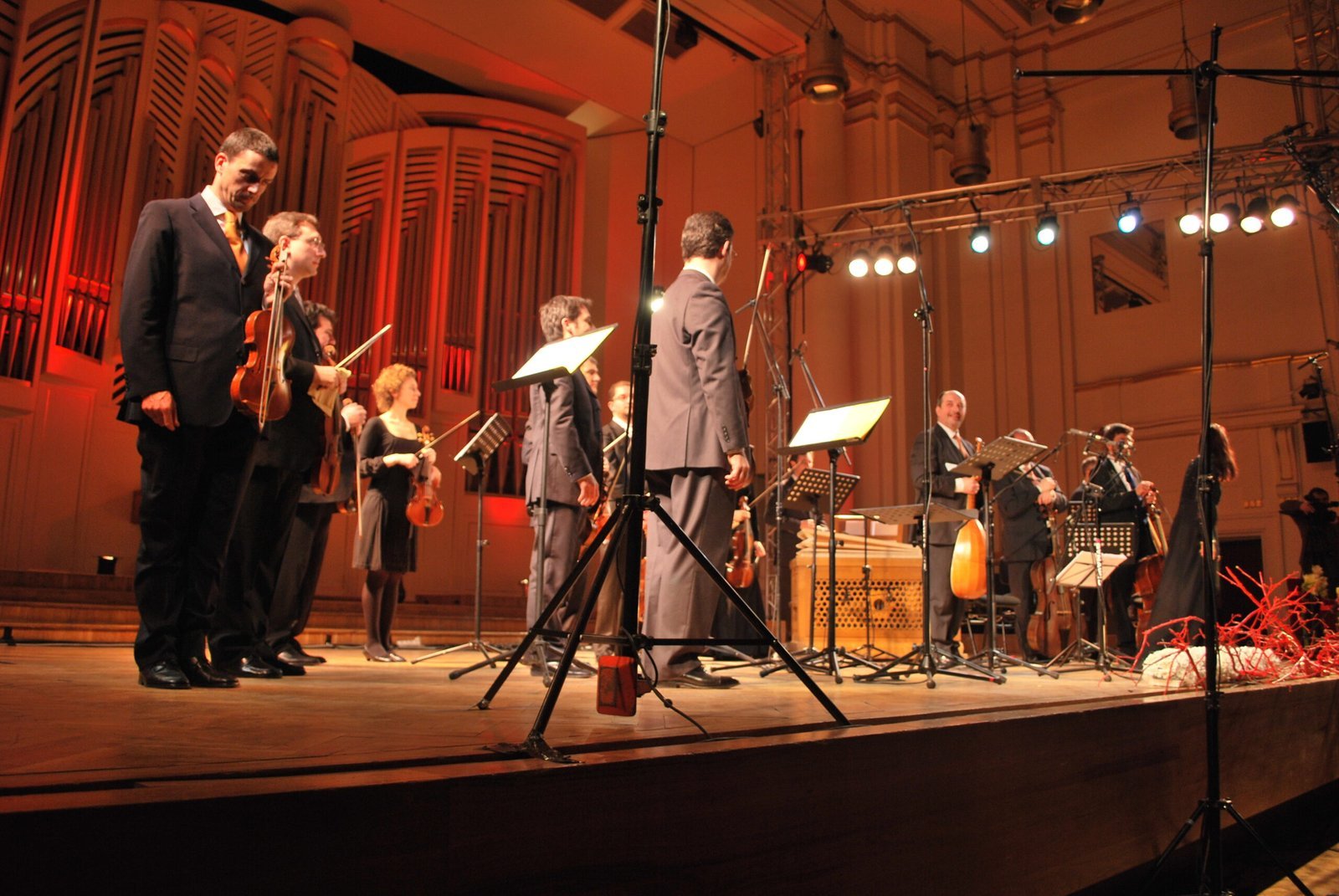
Johann Sebastian Bach presented his six Brandenburg Concertos to Margrave Christian Ludwig of Brandenburg in 1721. These works showcase intricate counterpoint and a dazzling array of instruments, from flutes to harpsichords. Bach crafted them during his Cöthen court service, blending German precision with Italian flair. Each concerto bursts with invention, like a musical puzzle coming alive.
The emotional depth hits hard. Joyful dances lift your spirits, while fugues build tension that resolves in pure harmony. You step into the rational yet ornate world of early 18th-century Europe. It’s like hearing the gears of the Enlightenment turning.
Handel’s Messiah: Triumph of the Baroque Spirit
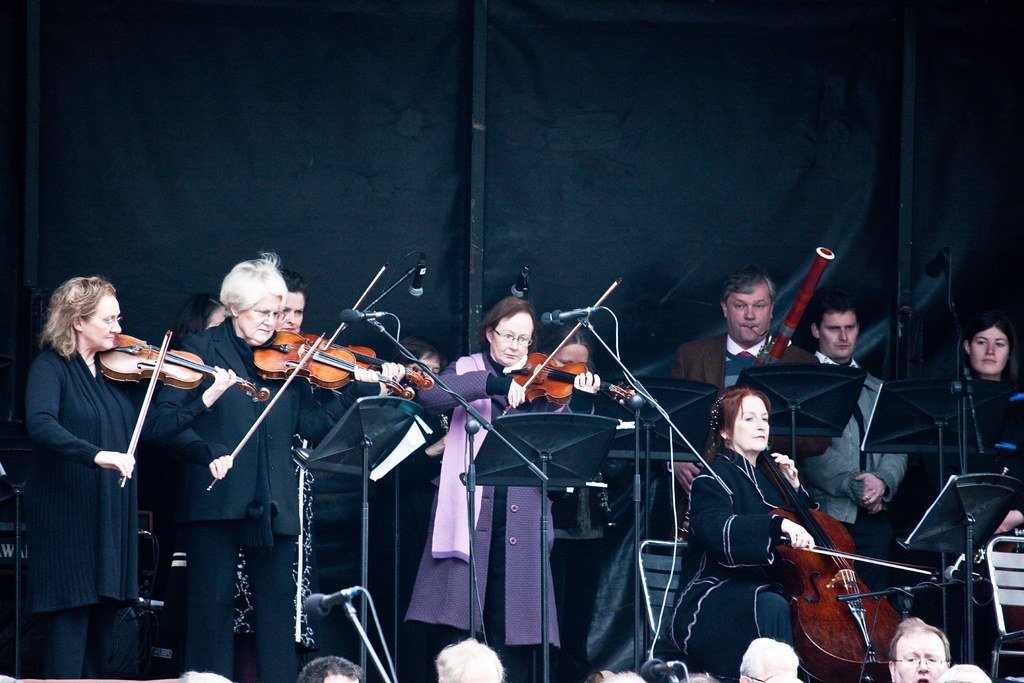
George Frideric Handel dashed off Messiah in just 24 days in 1741 Dublin. This oratorio weaves biblical prophecies with choruses of heavenly hosts, culminating in the famous Hallelujah. Exiled from Germany to England, Handel poured his soul into sacred music amid personal struggles. Premiered during Lent, it became a tradition for Easter celebrations.
The grandeur evokes awe. Swelling choruses make you feel part of something divine, bridging faith and human frailty. Transport to Handel’s London, alive with candlelit halls and fervent crowds. That Hallelujah still packs a punch centuries later.
Mozart’s Symphony No. 40: Classical Grace Under Pressure
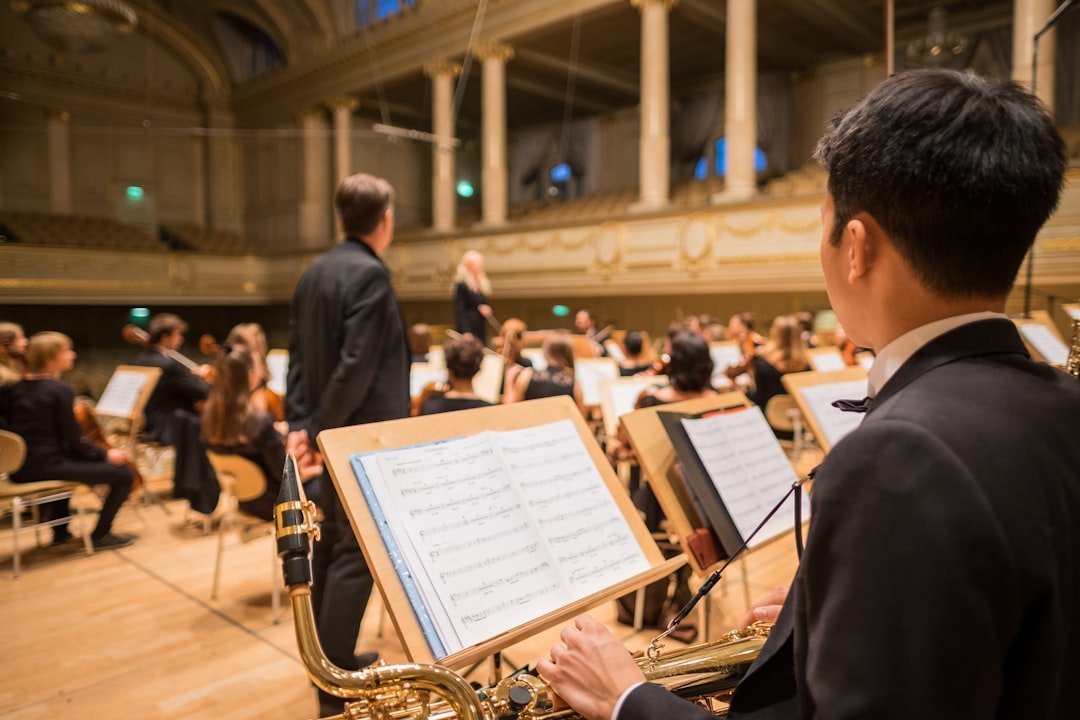
Wolfgang Amadeus Mozart penned Symphony No. 40 in G minor in 1788, possibly in a burst of inspiration without commission. This dark, stormy work stands out in his oeuvre, with its restless opening theme and poignant melodies. Living in Vienna, Mozart faced debts and illness, yet produced this gem amid turmoil. It captures the Classical era’s balance of form and emotion.
The tension pulls at your heart. Urgent strings mirror inner conflict, offering catharsis in the finale. Step into late 18th-century salons, where wit met profundity. Mozart makes turmoil beautiful, doesn’t he?
Beethoven’s Symphony No. 5: Fate’s Unstoppable Knock
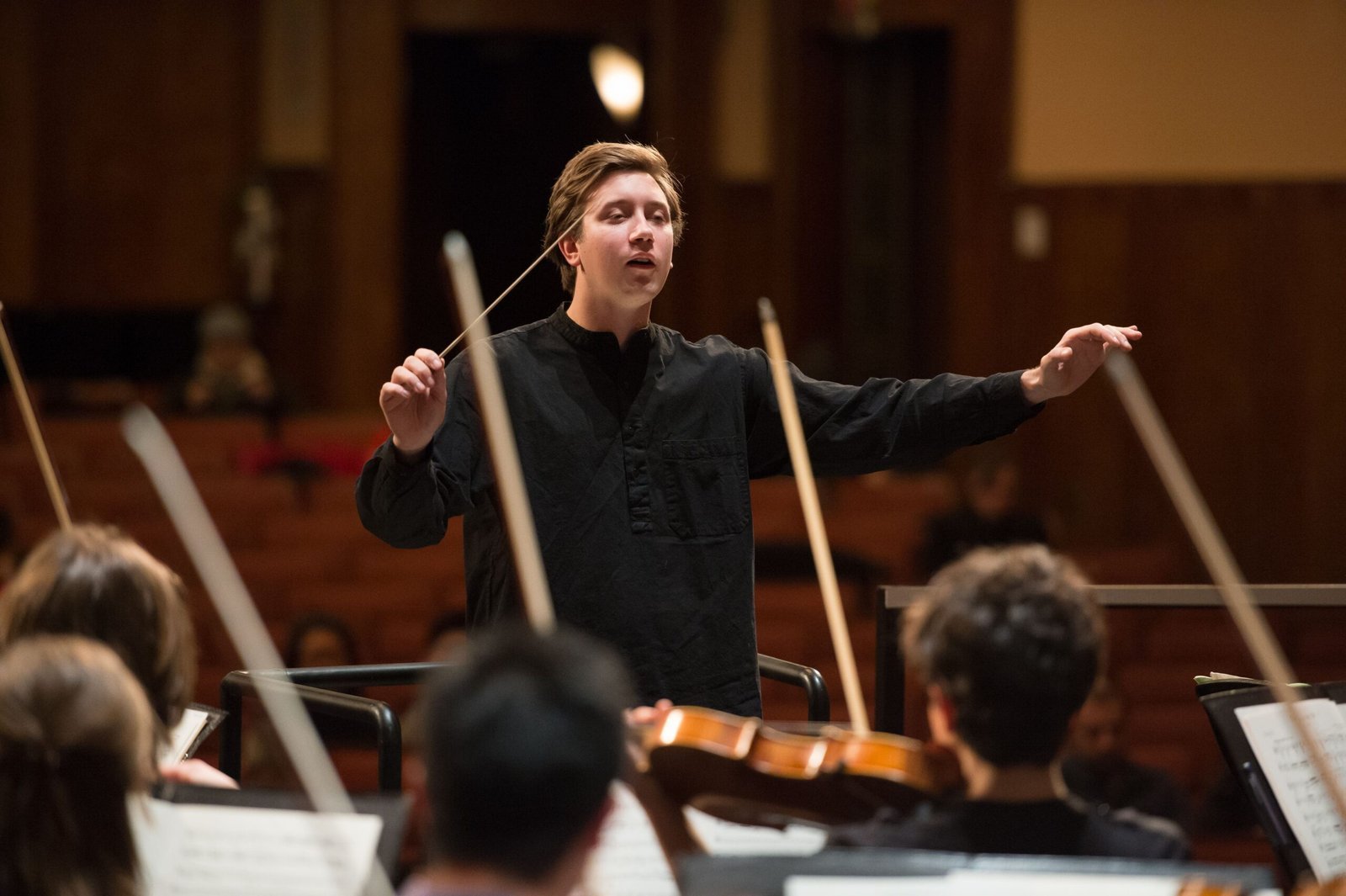
Ludwig van Beethoven composed his Fifth Symphony between 1804 and 1808, defying encroaching deafness. That iconic da-da-da-DUM motif symbolizes fate knocking, evolving through triumph. Bridging Classical and Romantic, Beethoven expanded symphonic form with raw power. Premiered in 1808 Vienna, it stunned audiences.
Raw energy surges through you. From brooding start to victorious end, it mirrors life’s battles. Feel the Napoleonic era’s revolutionary fire. This piece doesn’t just play; it conquers.
Beethoven’s Moonlight Sonata: Romantic Shadows
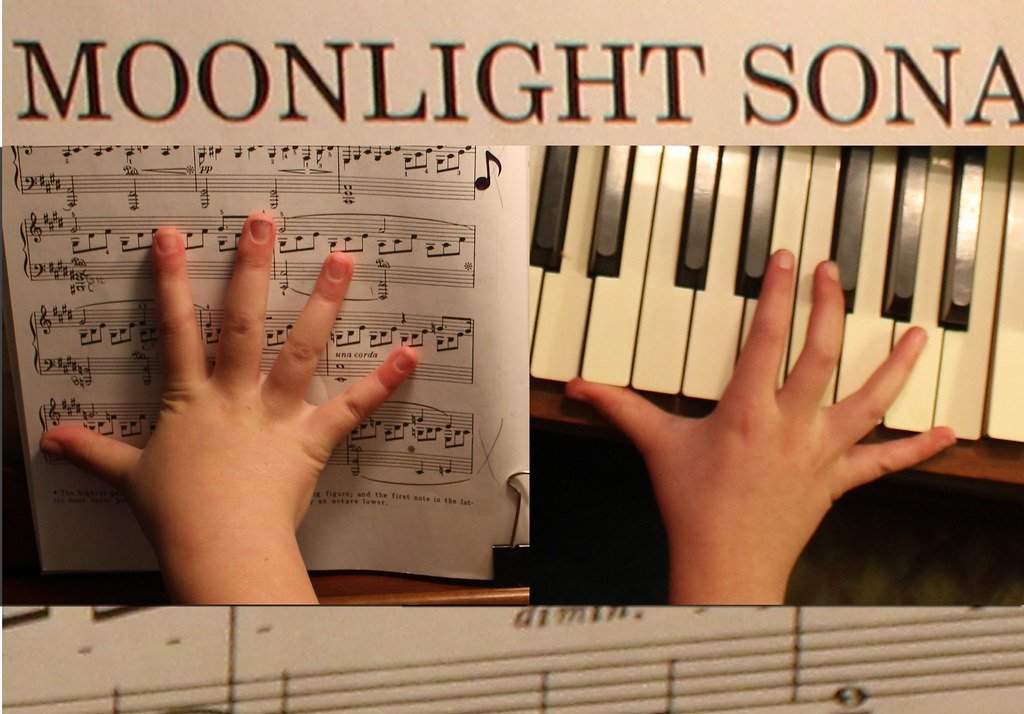
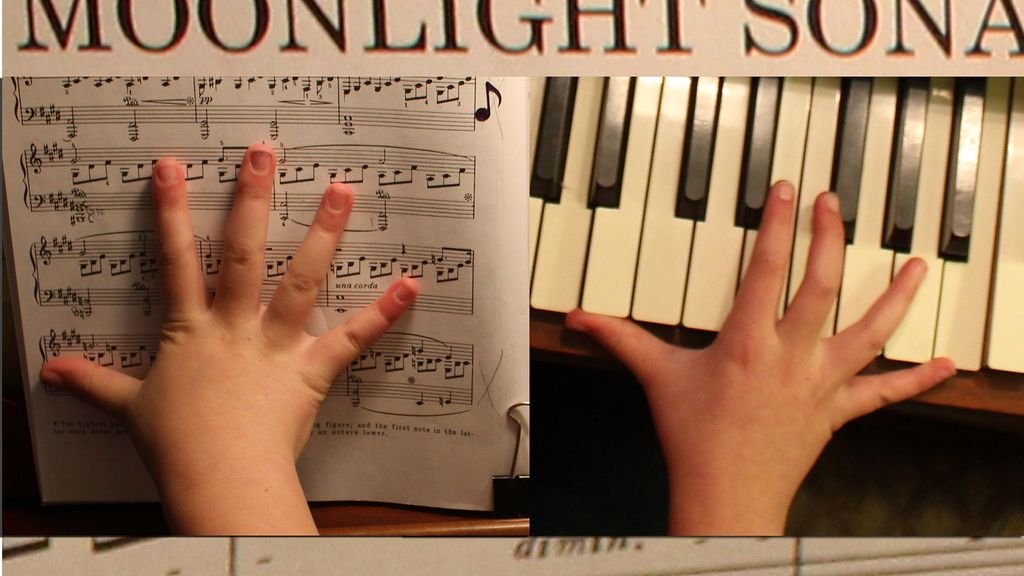
Beethoven’s Piano Sonata No. 14, dubbed Moonlight, emerged in 1801 amid his hearing loss despair. The first movement’s flowing arpeggios evoke a moonlit lake, inspired by a stormy night. Published as quasi una fantasia, it broke sonata norms. Beethoven urged quiet playing, heightening intimacy.
Melancholy wraps around you like mist. Turbulent finale unleashes passion, reflecting inner storms. Enter early 19th-century Romanticism, where emotion ruled. It’s hauntingly personal.
Chopin’s Nocturne in E-flat Major, Op. 9 No. 2: Romantic Dreams
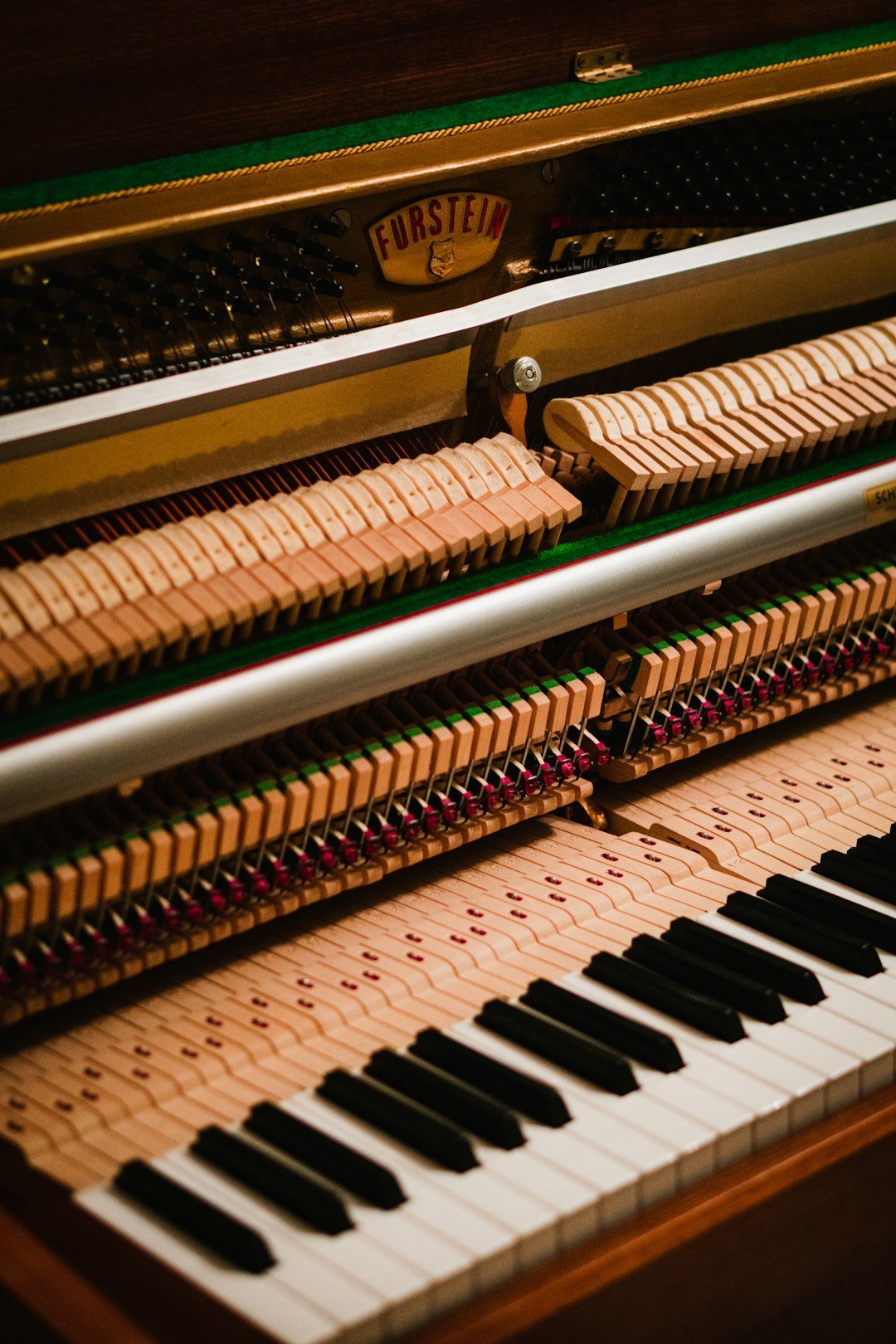
Frédéric Chopin, exiled Pole in Paris, wrote this nocturne around 1830-1832. Delicate left-hand accompaniment supports singing melodies, defining the nocturne genre. Influenced by Italian opera, Chopin captured night-time reverie. He performed it in salons for elite audiences.
Serenity washes over, yet subtle longing lingers. It whispers of lost homelands and fleeting beauty. Transport to 1830s Paris, buzzing with artistic fervor. Pure poetry in sound.
Tchaikovsky’s Swan Lake: Romantic Ballet Majesty
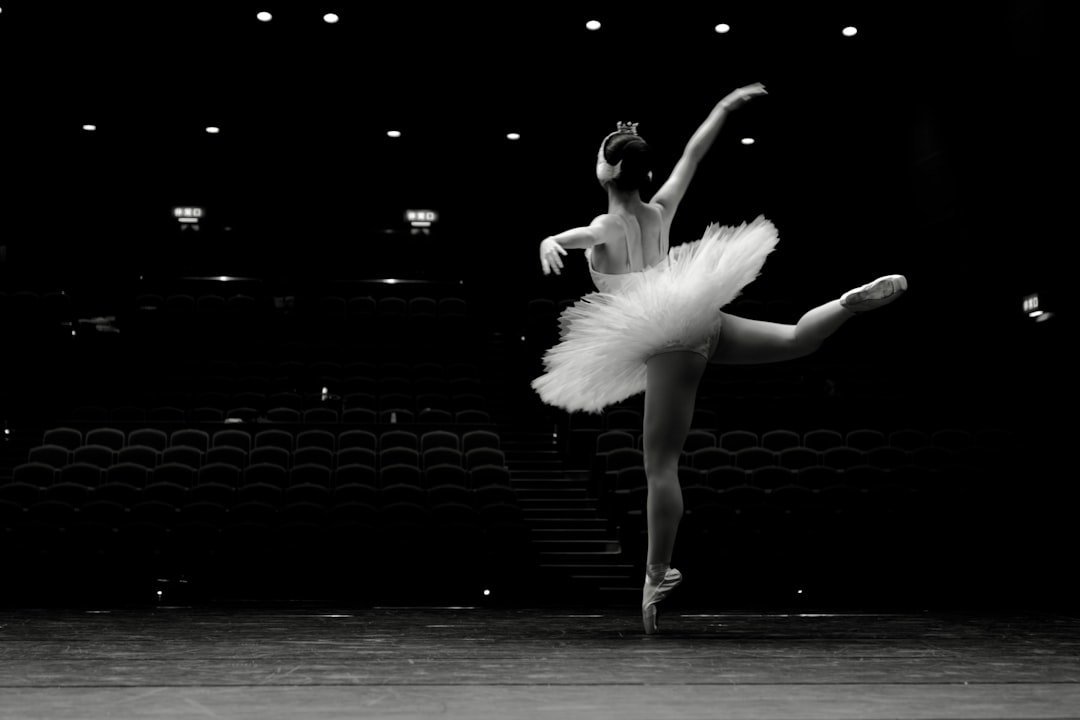
Pyotr Ilyich Tchaikovsky scored Swan Lake for its 1877 Moscow premiere, blending fairy tale with emotional depth. The tragic love of princess Odette and Prince Siegfried unfolds in lush orchestration. Facing personal doubts, Tchaikovsky infused Slavic melancholy. Initial reviews panned it, but revivals secured fame.
Graceful themes soar, evoking doomed romance. Swans glide across frozen lakes in your mind. Feel late 19th-century Russia’s soulful intensity. Mesmerizing.
Debussy’s Clair de Lune: Impressionist Moonlight
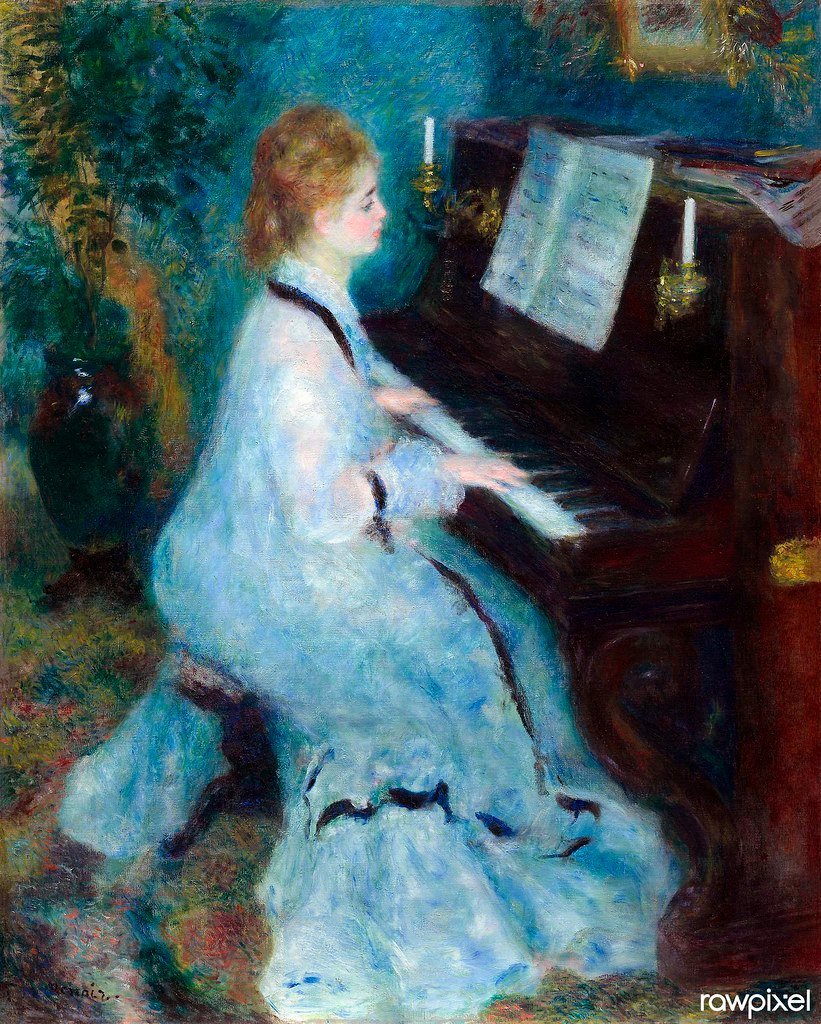
Claude Debussy included Clair de Lune in his 1905 Suite Bergamasque, evoking Verlaine’s poem. Shimmering piano paints hazy moonlight, shunning rigid harmony. Early 20th-century Paris inspired this, amid his break from Wagner. Whole tones create dreamlike blur.
Tranquility envelops, like silver light on water. Fleeting emotions drift by, untethered. Step into Impressionism’s fluid world. Ethereal magic.
Stravinsky’s The Rite of Spring: Modern Primal Fury
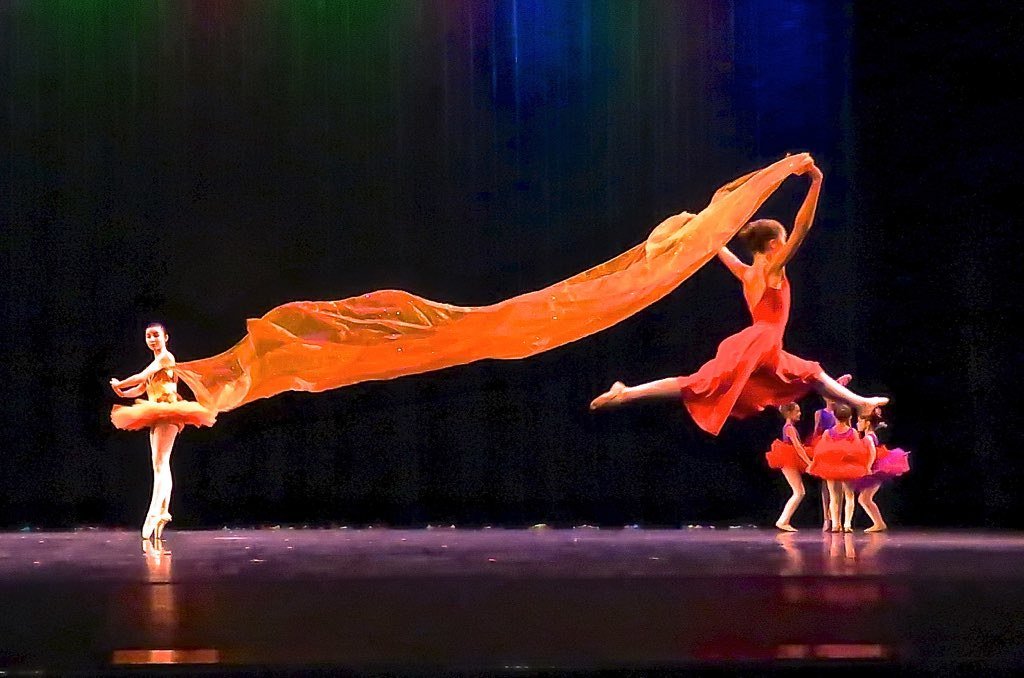
Igor Stravinsky’s 1913 ballet The Rite of Spring shocked Paris with pagan rituals and jagged rhythms. Diaghilev commissioned it, Vaslav Nijinsky choreographed wild dances. Premiered amid riots, it shattered conventions. Stravinsky drew from Russian folklore.
Visceral force grips you. Pulsing beats summon ancient sacrifices, raw and revolutionary. Enter 20th-century modernism’s upheaval. Shocking still.
The Timeless Journey of Classical Music
These masterpieces span centuries, yet speak today. They echo human joys, sorrows, and triumphs across eras. From Vivaldi’s vivacity to Stravinsky’s shocks, they prove music defies time.
Each listen pulls you deeper into history’s heart. What era calls to you most? Drop your thoughts below.

Besides founding Festivaltopia, Luca is the co founder of trib, an art and fashion collectiv you find on several regional events and online. Also he is part of the management board at HORiZONTE, a group travel provider in Germany.
