

Music has always held up a mirror to the darkest corners of the human experience. There’s something fascinating, almost magnetic, about the intersection of art and tragedy. When rock musicians turn true crime into sonic storytelling, they create a strange alchemy that captivates and disturbs in equal measure.
Let’s be real, classic rock has never shied away from the shadows. From gritty blues riffs to theatrical arena anthems, countless bands have found inspiration in the macabre headlines that once shocked the world. Some of these songs have become iconic anthems that still echo through stadiums decades later, even though most fans don’t realize they’re singing along to stories of murder, madness, and mayhem.
What drives songwriters to explore such grim territory? Maybe it’s the raw emotion embedded in these real events, the way tragedy strips away pretense and reveals something raw and human underneath. Maybe there’s catharsis in transforming horror into art. Or perhaps musicians, like the rest of us, are simply drawn to stories that shake us out of our everyday routines and force us to confront uncomfortable truths.
The songs on this list aren’t just footnotes in rock history. They’re powerful reminders that music can capture moments of darkness and transform them into something that resonates across generations. So let’s dive in and explore the chilling true stories that inspired some of rock’s most unforgettable tracks.
Bruce Springsteen – ‘Nebraska’
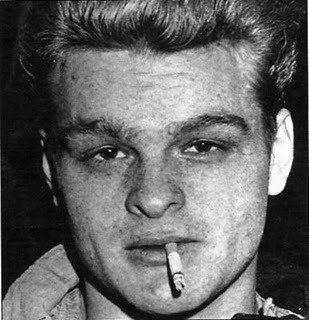
The Boss crafted a haunting first-person narrative about Charles Starkweather, who along with his teenage girlfriend Caril Ann Fugate murdered 11 people over an eight-day period in 1958. The stark, lo-fi track became the title song of Springsteen’s stripped-down 1982 album, recorded in his bedroom on a four-track cassette machine.
Starkweather was 19 when he embarked on his murder spree with 14-year-old Fugate, bringing out fears that rebellious movies and rock music were creating a new breed of offenders. When asked by his own chief counsel if he felt remorse for the people he murdered, Starkweather replied with a simple “I won’t answer that.” That chilling indifference permeates every line of Springsteen’s song.
Springsteen stumbled across Terrence Malick’s film “Badlands” about Charles Starkweather while channel surfing late one night, whose murder spree in 1957 and ’58 unfolded mainly in Nebraska. The film sparked something in him. He even called the reporter who had originally covered the story. What emerged was a song that doesn’t judge or excuse, it simply inhabits the mind of a killer with disturbing authenticity.
The Rolling Stones – ‘Midnight Rambler’
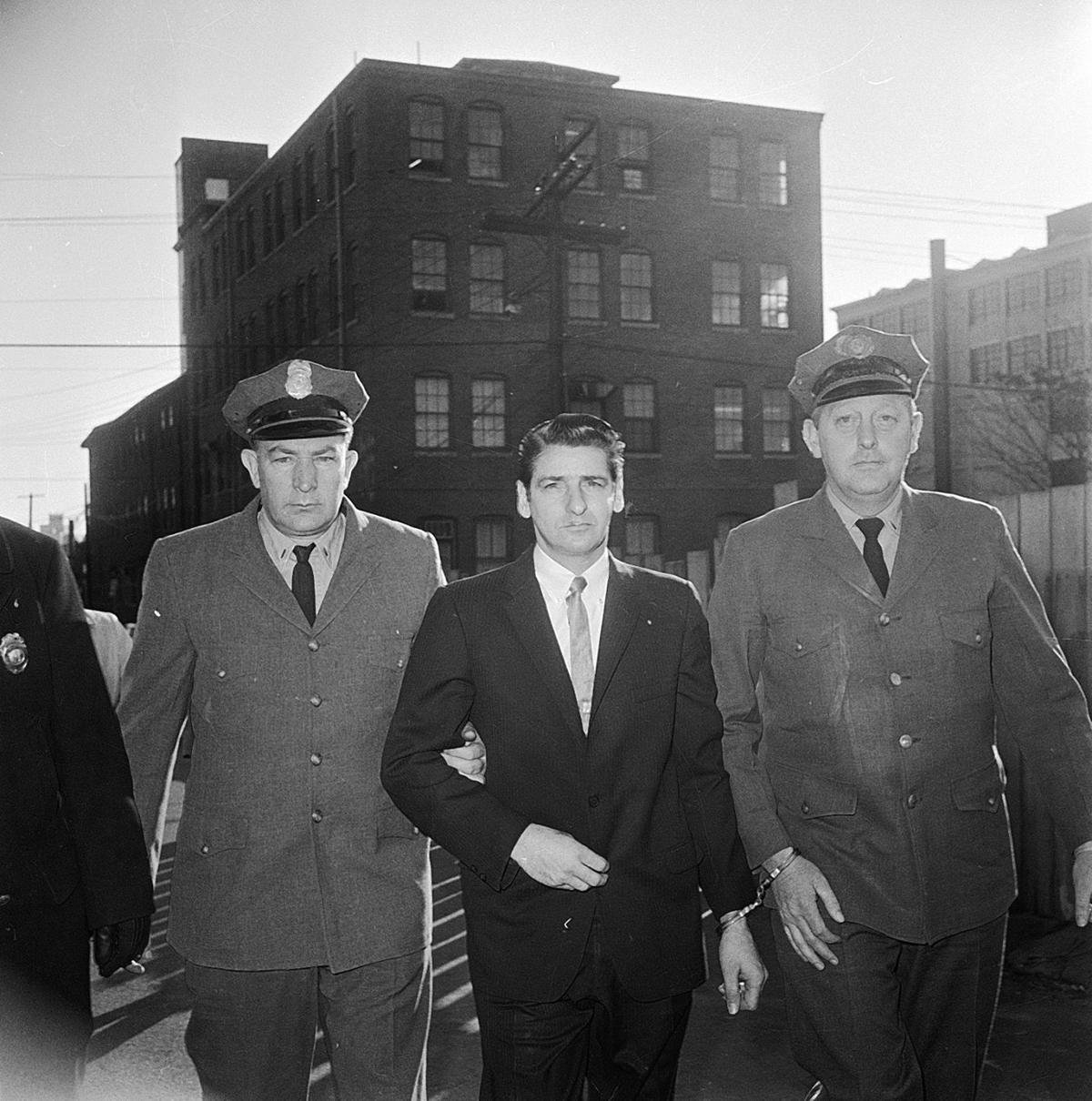
The song is a loose biography of Albert DeSalvo, who confessed to being the Boston Strangler. Mick Jagger recalled that he and Keith Richards wrote this dark song together while on holiday in Italy, in the beautiful hill town of Positano for a few nights. Why they penned something so sinister in such a picturesque setting remains one of rock’s great ironies.
The Boston Strangler killed 13 women in Boston between 1962 and 1964, with Albert Henry DeSalvo sexually assaulting his victims before taking their lives. Lines in the song such as “The one that shut the kitchen door” document an unsettling fact that confounded police at the time – there never seemed to be a sign of a struggle at the crime scenes, the killer just casually shutting the door behind him.
Keith Richards has called the number “a blues opera” and the quintessential Jagger-Richards song. The live versions became legendary, with Jagger crawling around stage and lashing it with his belt, turning the performance into something visceral and frightening. It’s disturbing brilliance at its finest.
Nirvana – ‘Polly’
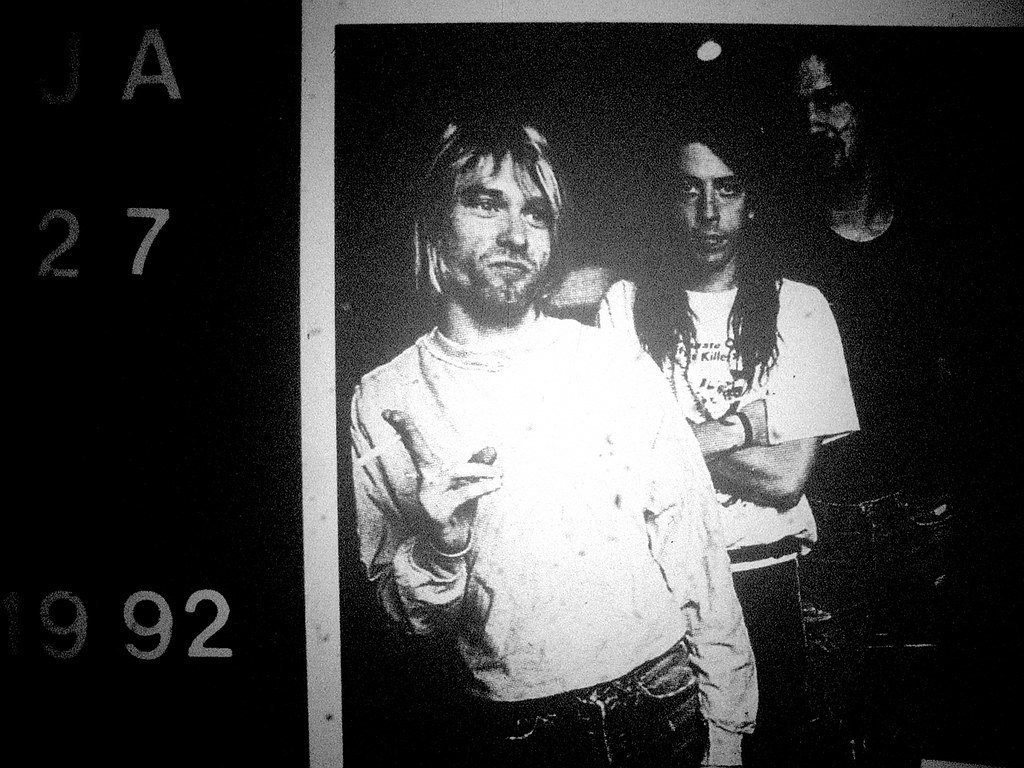
This haunting acoustic track from the Nevermind album stands in stark contrast to the grunge anthems surrounding it. The song was written about the kidnapping, rape and torture of an unnamed 14-year-old girl by a serial rapist named Gerald Friend. What makes the song particularly unsettling is how Kurt Cobain chose to tell it from the perpetrator’s perspective.
The sparse arrangement and Cobain’s almost detached vocal delivery create an atmosphere that’s deeply uncomfortable. There’s no catharsis here, no resolution. Just the raw ugliness of a real crime translated into minimalist grunge. The girl eventually escaped, which offers at least some light in an otherwise pitch-black story.
Cobain never sensationalized the crime. Instead, he used his platform to shine a light on violence that often goes unspoken. The song remains one of Nirvana’s most powerful statements, even if it’s one of their quietest.
The Boomtown Rats – ‘I Don’t Like Mondays’
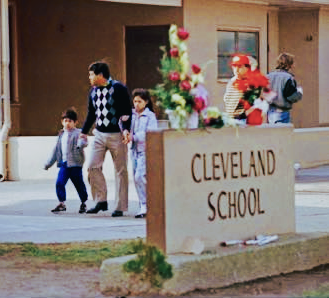
The catchy piano-driven song was inspired by the Grover Cleveland Elementary School shooting in 1979. Police said 16-year-old Brenda Ann Spencer wounded eight children and a police officer and killed two adults when she opened fire. When asked why she did it, Spencer gave the chillingly casual response that became the song’s title.
Penned by Bob Geldof and Johnnie Fingers, The Boomtown Rats released the song as the lead single from their 1979 album The Fine Art of Surfacing, and it went to No. 1 on the UK Singles chart, giving the band their second chart-topper. The upbeat melody contrasts sharply with the horrific subject matter, creating a dissonance that makes the song even more memorable.
Geldof captured not just the tragedy itself, but the randomness and senselessness that made it so terrifying. Sometimes the scariest thing about violence is its banality. The song still resonates today, sadly more than ever.
Judas Priest – ‘The Ripper’
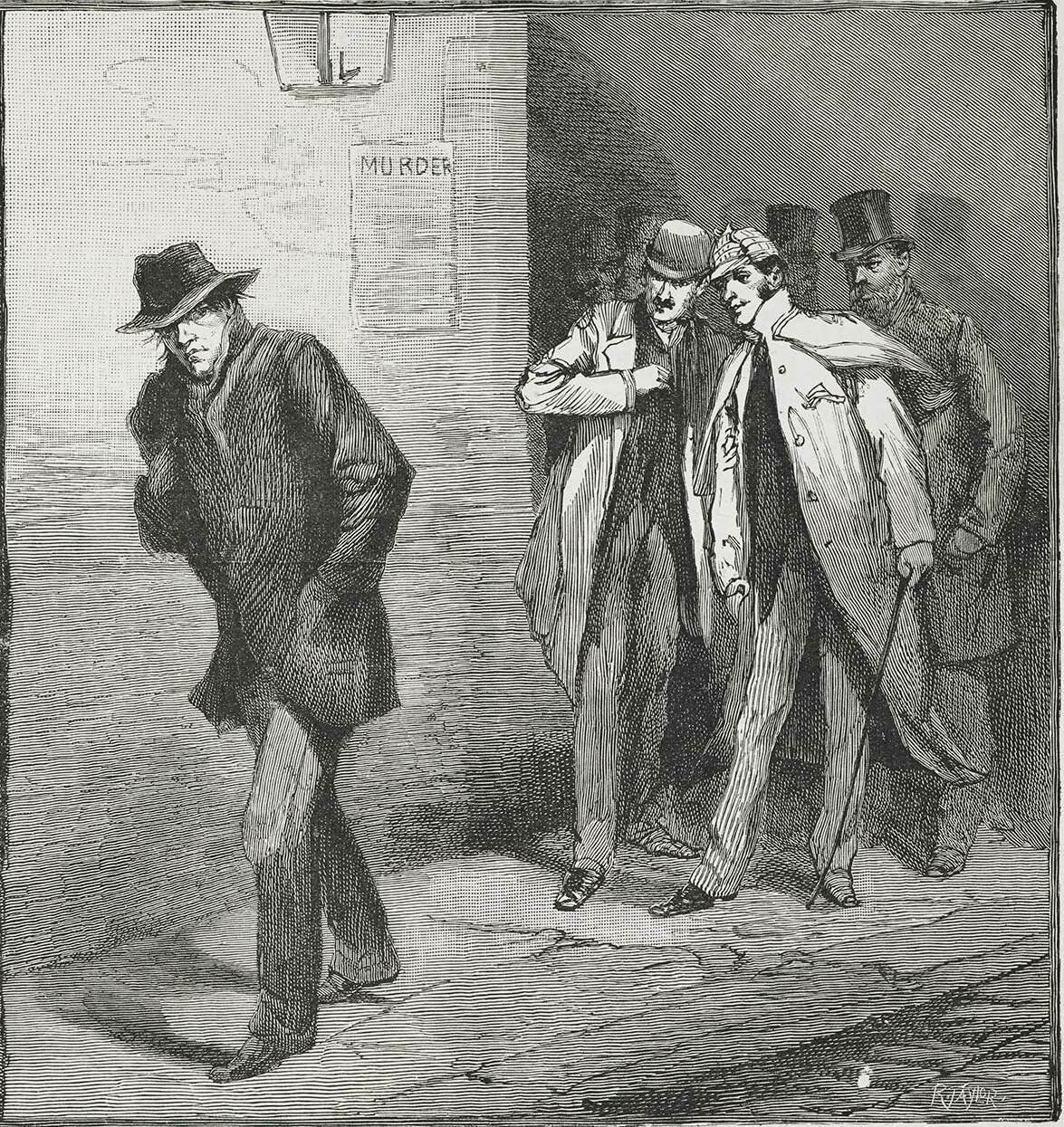
The track is more than a Judas Priest classic, it is also a retelling of the crimes of Jack the Ripper in the late 1800s. Active in the Whitechapel district of London, Jack the Ripper is said to have killed at least five women over a three-year span, and more than a century later, the crimes remain unsolved.
From their album Sad Wings of Destiny, the heavy metal pioneers leaned into the theatrical darkness that would define their sound. The mystery surrounding Jack the Ripper’s identity has fascinated true crime enthusiasts for generations, making him a natural subject for a genre that thrives on drama and menace.
Rob Halford’s soaring vocals and the dual guitar attack create an atmosphere of Victorian dread. It’s heavy metal at its most gothic, transforming a historical horror into a headbanging anthem that still gets crowds pumping their fists decades later.
Talking Heads – ‘Psycho Killer’
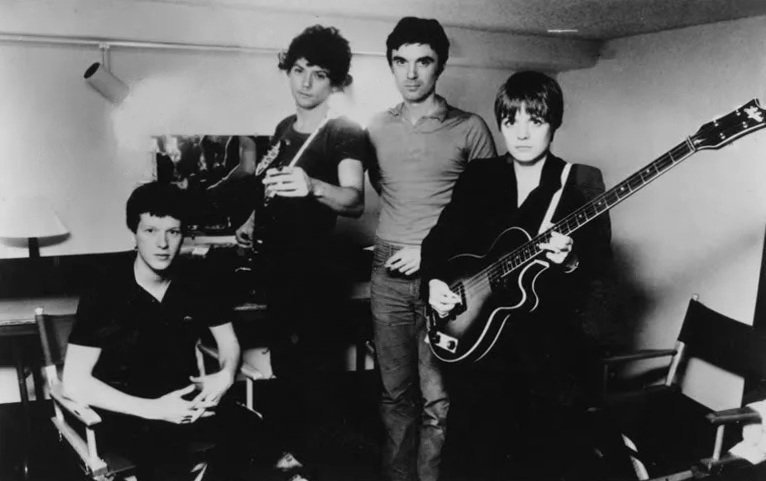
This new wave classic gets people dancing without them thinking twice about what they’re actually singing. The band’s ‘signature debut hit’ features lyrics that seem to represent the thoughts of a serial killer. David Byrne said that he got the inspiration for it from an Alice Cooper song.
This was the first Talking Heads song, written in 1973 at the Rhode Island School of Design where David Byrne and drummer Chris Frantz had a band called The Artistics. Though many assumed it was about the Son of Sam killings due to its release timing, drummer Chris Frantz told Smashing Interviews Magazine that Berkowitz wasn’t really the inspiration for ‘Psycho Killer’. The song was written years before those crimes occurred.
The French bridge adds an unsettling sophistication to the track. It’s nervy, jittery, perfectly capturing the paranoid energy of someone losing their grip on reality. Somehow, it became a dance floor staple anyway.
Ozzy Osbourne – ‘Bloodbath in Paradise’
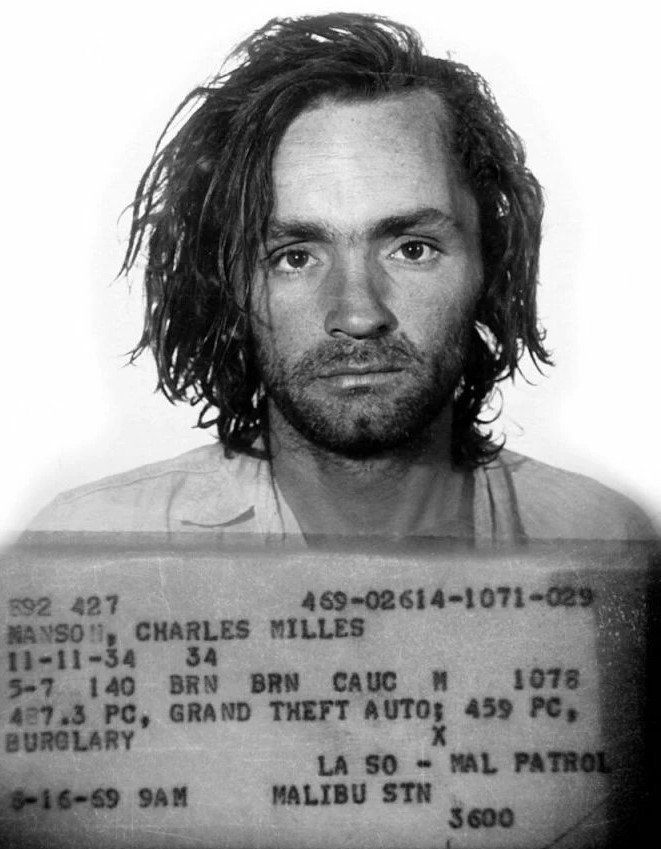
The track from Ozzy’s fifth album No Rest for the Wicked drew inspiration from the California crimes of Charles Manson and his cult following, with Ozzy singing “If you’re alone then watch what you do ‘cuz Charlie and the family might get you,” and Manson was convicted in 1971 of first-degree murder and conspiracy to commit murder for the deaths of seven people, including the pregnant actress Sharon Tate in 1969.
The Manson Family murders became a cultural touchstone, representing the dark end of the 1960s counterculture dream. Ozzy channeled that nightmare into a track that’s both warning and remembrance. The Prince of Darkness had plenty of material to work with given Manson’s twisted vision of apocalyptic race war triggered by murder.
The heavy riffs and Ozzy’s signature vocal delivery transform a horrific chapter of American history into a metal anthem. It’s vintage Ozzy, taking the darkness seriously while never losing that theatrical edge.
Sufjan Stevens – ‘John Wayne Gacy, Jr.’
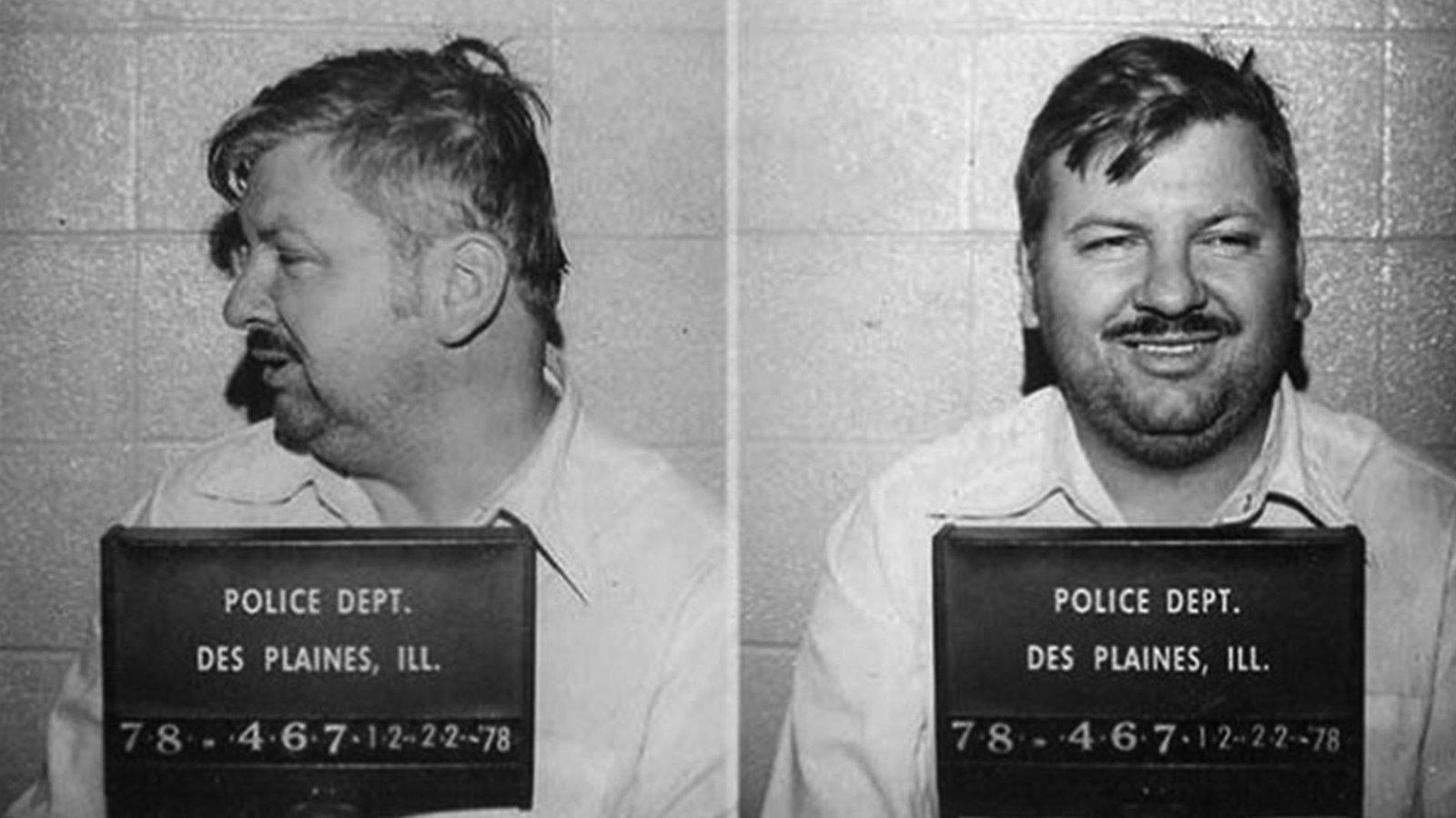
From the folk rock singer-songwriter’s 2005 album “Illinoise,” Stevens recounts the story of the Chicago man better-known as the “Killer Clown” serial killer, with Gacy Jr. convicted in 1980 of murdering 33 men and boys, more than anyone else in U.S. history at the time, and sentenced to death and died by lethal injection in 1994.
What makes Stevens’ approach so effective is its quietness. The gentle folk arrangement lulls you into a false sense of calm before the emotional gut-punch of the final verse. Stevens doesn’t sensationalize or preach. He simply presents the facts with devastating simplicity, then forces listeners to confront their own capacity for darkness.
The song’s closing lines are some of the most haunting in modern folk music. Stevens reminds us that monsters aren’t always strangers lurking in shadows. Sometimes they’re the neighbors who throw block parties and volunteer for community events.
The Smiths – ‘Suffer Little Children’
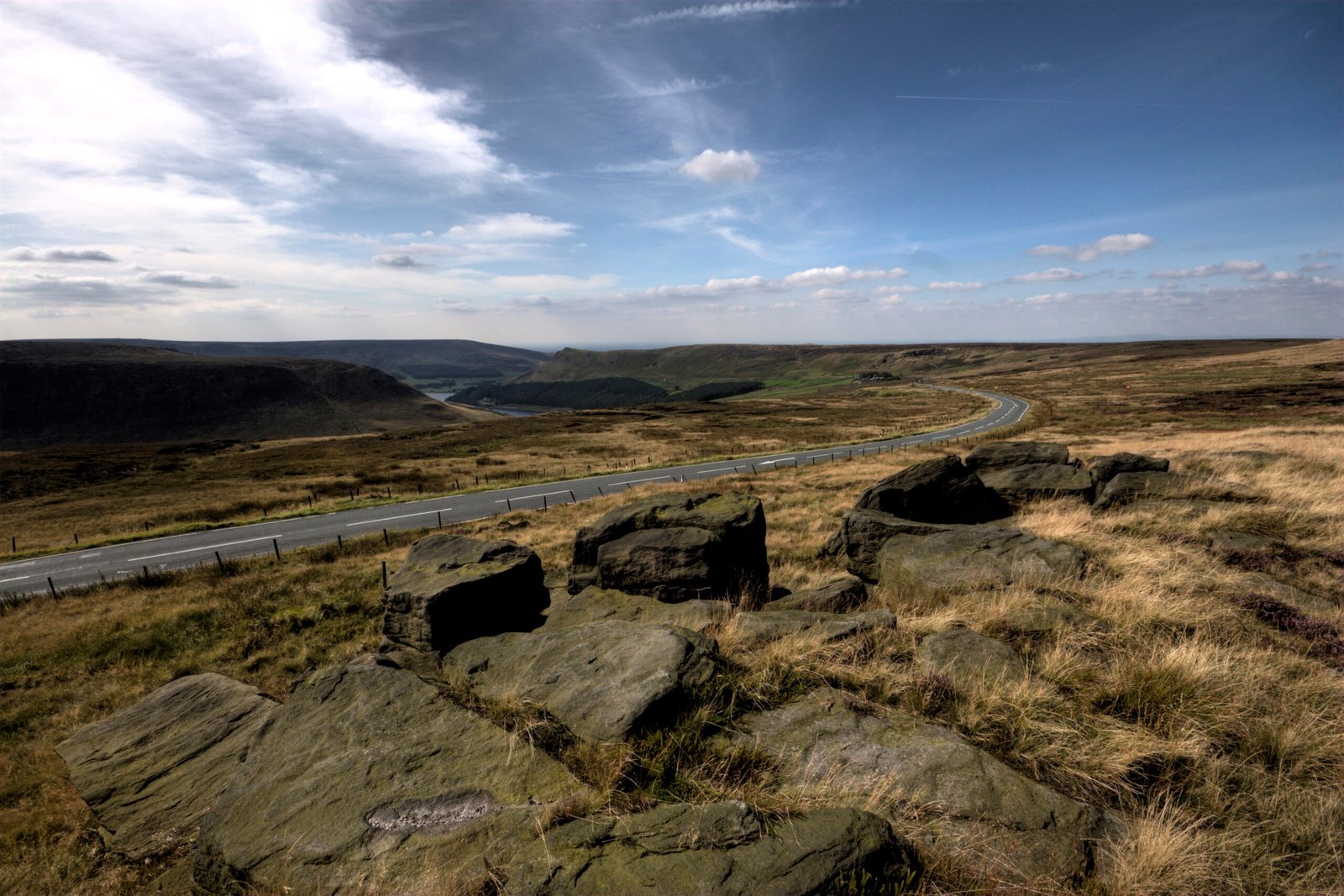
The song from the band’s eponymous debut album tells the story of the Moors Murders victims – five children tortured and killed by Ian Brady and his then-girlfriend Myra Hindley in Manchester, England in the mid-60s, with Morrissey naming the children killed in the haunting lyrics, singing from the victims’ point of view.
Morrissey’s decision to give voice to the murdered children was both brave and controversial. The Moors Murders remain one of Britain’s most notorious cases, and the song sparked outrage when it was released. Some accused the band of exploiting tragedy. Others saw it as a powerful memorial to forgotten victims.
The melancholic guitar work and Morrissey’s plaintive vocals create something deeply mournful. It’s not entertainment, it’s elegy. The song serves as a reminder that behind every true crime headline are real people whose lives were stolen.
Tom Jones – ‘Delilah’

Here’s the thing about this one: it’s so catchy that people don’t realize what they’re belting out at karaoke nights. The song recorded by Welsh singer Tom Jones features lyrics written by Barry Mason and music by Les Reed, earning them the 1968 Ivor Novello award for Best Song Musically and Lyrically. It’s actually about a man killing a woman.
The song tells the story of a man who sees his girlfriend with another man and murders her, with the lyrics being described as trivializing the idea of murdering a woman. The upbeat, almost celebratory arrangement creates a jarring disconnect with the violent narrative. You can imagine tankards waving in old pubs, crowds singing along without really processing the horror they’re celebrating.
Lyricist Barry Mason was inspired by “Jezebel,” the old Frankie Laine hit, and loved story songs when he was a kid. The result became a football anthem and a Welsh cultural touchstone, despite ongoing controversy about its violent message. Tom Jones himself has defended it repeatedly, insisting it’s just a story about something that happens in life.
Conclusion

These ten songs prove that rock music has always been willing to explore the uncomfortable spaces where art meets tragedy. They don’t glorify violence, they examine it, question it, and force us to confront the darkness that exists in the world and sometimes within ourselves.
What’s remarkable is how these tracks have endured. They’ve become classics not despite their disturbing subject matter, but partly because of it. There’s power in confronting difficult truths through music, in transforming real horror into something that makes us feel and think.
The next time you hear one of these songs on the radio or at a concert, maybe you’ll listen a little differently. Behind those memorable riffs and singalong choruses are real stories that once dominated headlines and shattered communities. Music gives them new life, ensures they’re not forgotten.
What do you think about rock songs drawing inspiration from true crime? Does it cross a line, or is it a legitimate form of artistic expression? The debate continues, which might be exactly the point.

Besides founding Festivaltopia, Luca is the co founder of trib, an art and fashion collectiv you find on several regional events and online. Also he is part of the management board at HORiZONTE, a group travel provider in Germany.
