


- 15 Female Authors Who Have Achieved Unmatched Success and Influence in Literature - December 21, 2025
- 10 Children’s Books You Should Read as an Adult – Rediscover the Magic of Childhood - December 21, 2025
- The Timeless Teachings of Ancient Greece’s Renowned Philosophers - December 21, 2025
The Lord of the Rings Trilogy: A Middle-earth Goldmine

When Peter Jackson adapted J.R.R. Tolkien’s epic fantasy trilogy, nobody expected it to become such a massive cultural phenomenon. All the films combined grossed a whopping $3 Billion worldwide, making them one of the highest-grossing trilogies ever. The three films revolutionized the fantasy genre and proved that literary adaptations could be both critically acclaimed and commercially successful.
What makes these numbers even more impressive is that the movie was made on a minimalistic budget of $93 million for the first film. The trilogy’s success wasn’t just about the spectacular visuals and groundbreaking effects. The three films together were nominated for a total of 30 Academy Awards, of which they won 17, both records for any movie trilogy. Jackson’s gamble of filming all three movies simultaneously paid off spectacularly.
Harry Potter: The Magical Money Machine
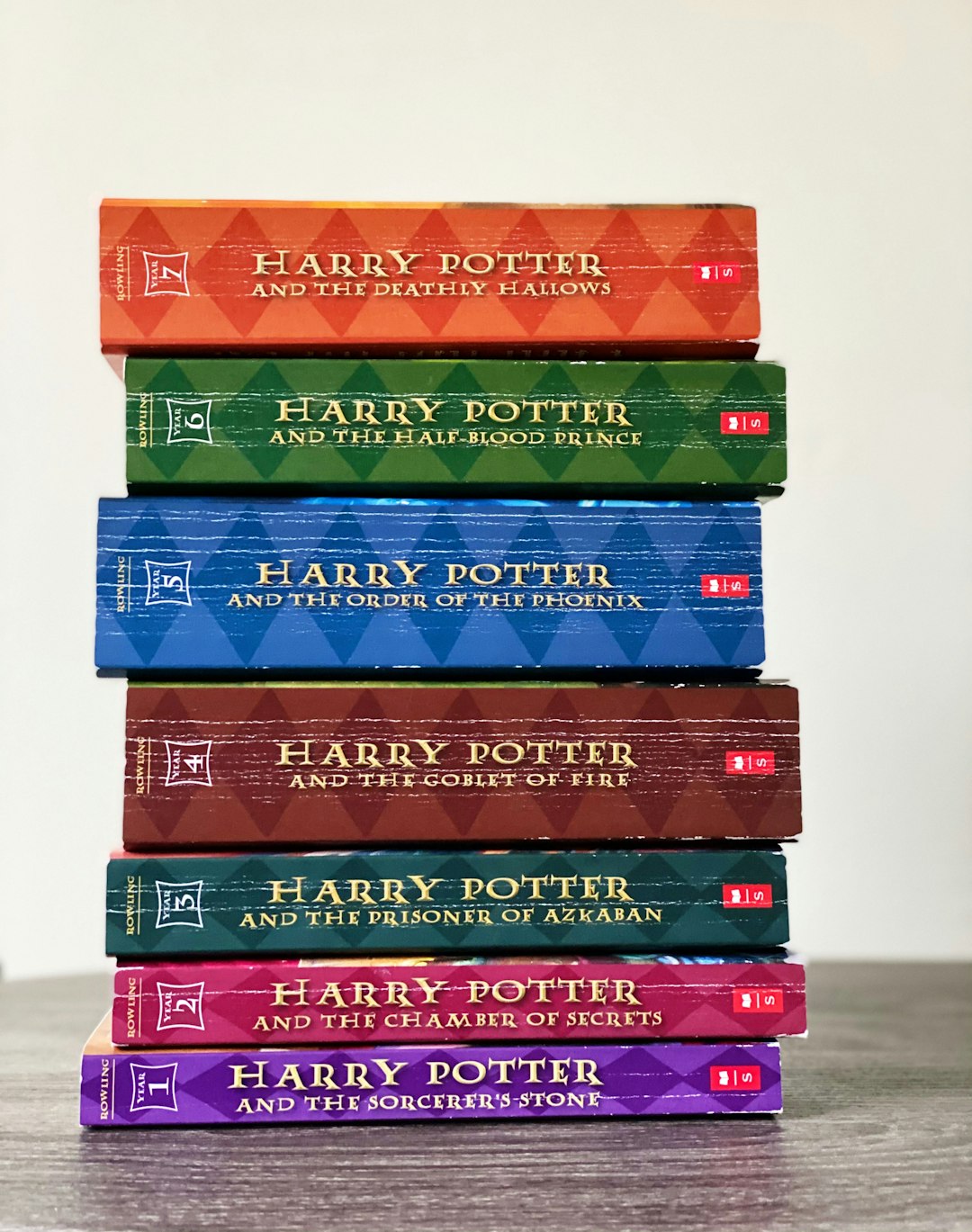
As of 2022, the Harry Potter film series is the fourth highest-grossing film franchise of all time, with the eight films released grossing over $7.7 billion worldwide. What started as a children’s book series became a global phenomenon that dominated an entire generation. The franchise’s success was built on careful planning and staying true to J.K. Rowling’s vision.
The individual films performed remarkably well, with Harry Potter and the Deathly Hallows: Part 2 (2011) was the highest-grossing movie of the Harry Potter film series. Its global box office revenue amounted to little more than 1.34 billion U.S. dollars. The franchise’s staying power has been incredible, with each film finding its own massive audience despite spanning over a decade of releases.
The Twilight Saga: Love Bites and Box Office Success
![The Twilight Saga: Love Bites and Box Office Success (image credits: [1], CC BY-SA 2.0, https://commons.wikimedia.org/w/index.php?curid=5961268)](https://festivaltopia.com/wp-content/uploads/2025/07/1752500379338_Twilight_Saga.jpg)
Despite consistently poor reviews from critics, the Twilight franchise proved that audiences don’t always listen to professional opinions. The series has grossed over $3.36 billion worldwide, making it one of the most profitable young adult adaptations ever made. The vampire romance tapped into something special with its core demographic.
The financial success started strong with the first film. The first entry in the Twilight saga grossed over $407 million at the worldwide box office during its theatrical release, against a production budget of only $37 million. Each subsequent film built on this success, with Breaking Dawn – Part 2 was not only the final film in the Twilight saga but also the most financially successful. Against a reported production budget of $136 million, the highest of the entire Twilight franchise, Breaking Dawn – Part 2 made just under $830 million worldwide.
The Hunger Games: Dystopian Dreams and Financial Reality

Suzanne Collins’ dystopian trilogy struck gold when it hit the big screen, generating approximately $3 billion across four films. The franchise perfectly captured the zeitgeist of the 2010s, with Jennifer Lawrence’s portrayal of Katniss Everdeen becoming an iconic character for a generation. The films managed to balance young adult appeal with mature themes about rebellion and survival.
The success of The Hunger Games proved that audiences were hungry for strong female protagonists in action films. The franchise’s financial success opened doors for other dystopian young adult adaptations, though few matched its box office prowess. The films also demonstrated that splitting final books into multiple movies could be a profitable strategy, a trend that many other franchises would follow.
The Da Vinci Code: Controversial Success

Dan Brown’s controversial thriller translated into massive box office returns, despite facing criticism from religious groups and mixed reviews from critics. The trilogy starring Tom Hanks as symbologist Robert Langdon earned approximately $760 million across three films. The first film alone became a cultural phenomenon, sparking debates about religious history and conspiracy theories.
The success of The Da Vinci Code proved that controversial subject matter could actually drive box office success rather than hinder it. The film’s blend of mystery, history, and thriller elements created a unique cinematic experience that audiences couldn’t resist. Director Ron Howard’s adaptation managed to capture the page-turning quality of Brown’s novels while creating visually stunning sequences.
Gone Girl: Dark Psychological Thriller Gold

Gillian Flynn’s psychological thriller became a massive hit under David Fincher’s direction, earning $369 million worldwide. The film’s success demonstrated that audiences were craving more sophisticated, adult-oriented thrillers that didn’t rely on action sequences or special effects. Rosamund Pike’s chilling performance as Amy Dunne became one of the most memorable villains in recent cinema.
The movie’s success came from its ability to tap into contemporary anxieties about marriage, media manipulation, and social expectations. Fincher’s meticulous direction created an atmosphere of dread that perfectly matched Flynn’s twisted narrative. The film proved that literary adaptations could be both critically acclaimed and commercially successful when handled by skilled filmmakers.
The Fault in Our Stars: Tears and Box Office Triumph

John Green’s young adult novel about teenagers dealing with cancer became an unexpected box office success, earning $307 million worldwide. The film proved that emotionally-driven stories could compete with big-budget spectacles. Shailene Woodley and Ansel Elgort’s performances captured the hearts of audiences worldwide, creating a genuine emotional connection that translated into repeat viewings.
The success of The Fault in Our Stars demonstrated the power of authentic storytelling in an era dominated by franchise filmmaking. The movie’s relatively modest budget meant that its impressive box office performance translated into significant profits. The film also showed that young adult adaptations didn’t need action sequences or fantastical elements to find massive audiences.
The Girl with the Dragon Tattoo: Swedish Success Goes Global

Stieg Larsson’s dark Swedish thriller found new life in David Fincher’s 2011 adaptation, earning approximately $239 million worldwide. The film’s success proved that international literary properties could be successfully adapted for global audiences. Rooney Mara’s intense performance as Lisbeth Salander created an unforgettable character that resonated with viewers worldwide.
The movie’s financial success was particularly impressive given its dark subject matter and R-rating. Fincher’s stylistic approach transformed the novel’s gritty narrative into a visually stunning thriller that appealed to both critics and audiences. The film demonstrated that sophisticated adult content could find commercial success when crafted with skill and respect for the source material.
Jurassic Park: Dinosaurs Never Go Extinct

Michael Crichton’s scientific thriller became a groundbreaking cinematic experience under Steven Spielberg’s direction, earning approximately $1.1 billion for the original 1993 film. The movie revolutionized special effects and created a franchise that continues to generate massive profits decades later. Spielberg’s masterful direction combined cutting-edge technology with timeless storytelling.
The success of Jurassic Park proved that science fiction adaptations could appeal to audiences of all ages when executed with skill and imagination. The film’s blend of wonder and terror created an unforgettable cinematic experience that has influenced countless filmmakers. The original movie’s success spawned multiple sequels and reboots, demonstrating the enduring appeal of Crichton’s prehistoric vision.
The Revenant: Survival Story Success

Michael Punke’s historical survival tale became a showcase for Leonardo DiCaprio’s dedication to his craft, earning $533 million worldwide. The film’s success demonstrated that adult-oriented dramas could still find massive audiences when anchored by compelling performances and stunning cinematography. Alejandro G. Iñárritu’s direction created an immersive experience that transported audiences to the harsh frontier wilderness.
The movie’s financial success was particularly impressive given its challenging subject matter and intense viewing experience. DiCaprio’s Oscar-winning performance became a cultural phenomenon, with audiences fascinated by the actor’s commitment to the physically demanding role. The film proved that literary adaptations could succeed by focusing on character development and authentic storytelling rather than relying on spectacle alone.
The Power of Literary Legacy
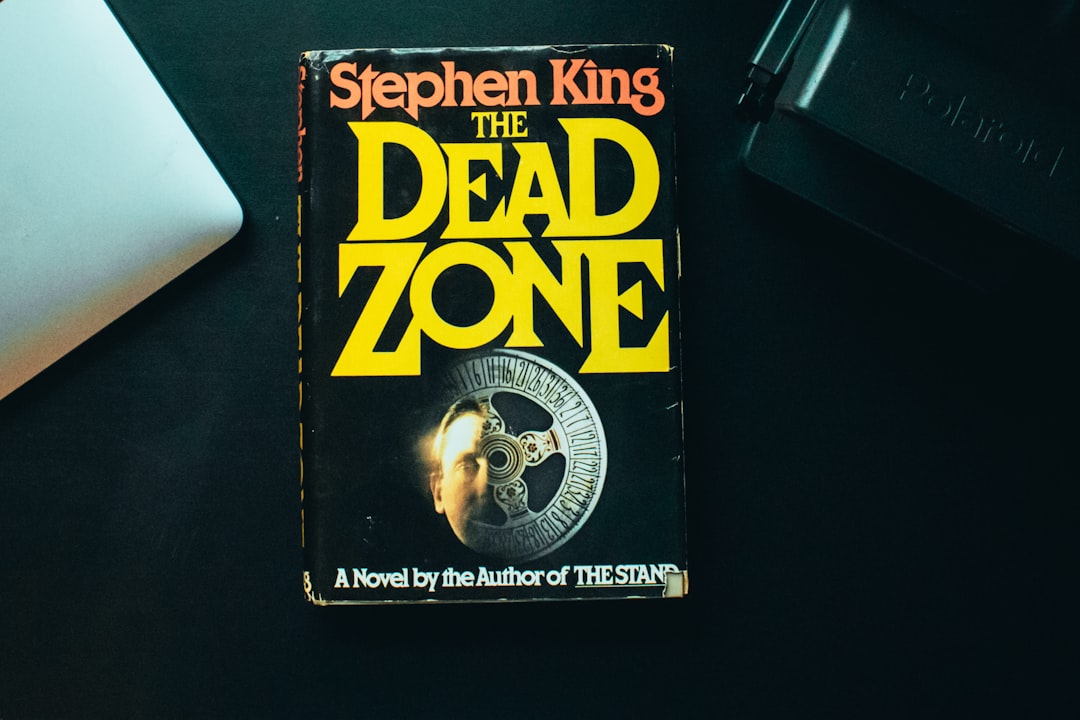
The success of these adaptations demonstrates the enduring power of well-crafted stories to translate across mediums. From fantasy epics to psychological thrillers, each of these films found ways to honor their source material while creating unique cinematic experiences. The combined box office success of these ten adaptations represents billions of dollars in revenue and countless hours of entertainment for global audiences.
What’s most remarkable about these successes is how they prove that audiences are hungry for intelligent, well-crafted stories regardless of genre or target demographic. Whether it’s the magical world of Harry Potter or the dystopian future of The Hunger Games, these adaptations succeeded because they respected their source material while understanding the unique demands of cinema. The financial success of these films continues to influence Hollywood’s approach to literary adaptations, proving that books and movies can create powerful partnerships that benefit both mediums.
Looking at these massive box office numbers, one thing becomes clear: great stories never go out of style. What surprised you most about these incredible earnings?
CEO-Co-Founder
